
Reviewed · MEIJI SHRINE TOURS
Personal prayer at Meiji Shrine!
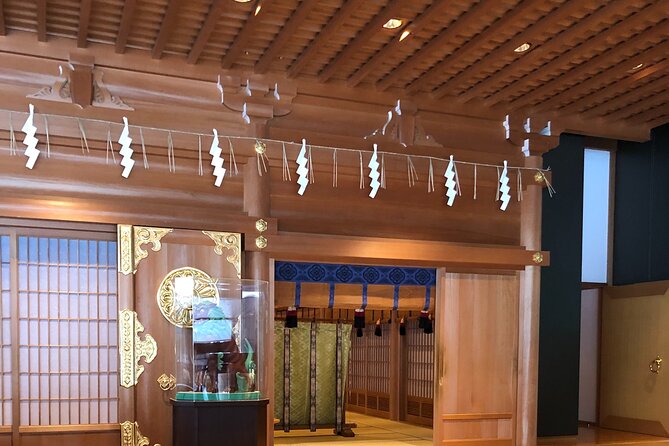
Meiji Shrine’s personal prayer is more than a quick stop at a famous Tokyo gate. You’ll learn how to approach a Shinto shrine, wash your hands, make the formal two bows, two claps, and one bow, then enter the Kagura Hall for a private blessing. The ceremony includes ancient court music, a shrine-maiden dance, sacred sake, and an ofuda carrying your written wishes.
I like two things here: the guide explains customs that are easy to get wrong, and the prayer gives you access to a quieter, more formal side of Meiji Shrine. The main catch is cost and timing. The tour is $98 per person, then you pay the shrine’s personal prayer fee of at least 5,000 yen, and the ceremony includes sitting straight on tatami.
Key points at a glance
- Personal prayer in the Kagura Hall: Write wishes for health, family safety, marriage, study, travel, or other concerns before the ceremony.
- Gagaku and miko dance: Hear ancient court music and watch a shrine-maiden performance during the blessing.
- Shinto etiquette made clear: Learn how to pass through torii gates, use the purification fountain, and worship properly.
- Ofuda and sacred offerings: Leave with an ofuda, seaweed offering, and a small serving of sacred sake.
- Private experience: Only your own group participates, which makes the guidance more direct.
- Extra costs matter: The 5,000-yen personal prayer fee and privately purchased amulets are not included.
Why this Meiji Shrine prayer feels different
Many people visit Meiji Shrine, walk through the forested approach, take a few photos, and offer a coin at the main shrine. That is worthwhile, but it gives you only a small glimpse of Shinto practice. This experience takes you one step farther by arranging a formal prayer inside the shrine’s Kagura Hall.
You are not simply watching a ceremony from a distance. You fill out a prayer form, identify what you want to pray for, and take part in a ritual led by shrine priests. The guide translates the paperwork and explains what you are doing, so you do not need to know Japanese or understand Shinto customs before arriving.
The experience is short at about 90 minutes, but it has a clear shape. You meet at the shrine, walk the approach, learn the basic rules, worship as ordinary visitors do, then move into the formal prayer. That progression helps the ceremony feel connected to the place rather than tacked onto a sightseeing visit.
More Meiji Shrine tours in Tokyo:
- Tokyo: Meiji Shrine, Asakusa, Skytree Bus Tour and Cruise
★ 4.7 · 1,986 reviews - Tokyo Panoramic 1 Day: Meiji Shrine, Asakusa, Odaiba and SKYTREE®
★ 4.5 · 1,222 reviews - Tokyo: Meiji Shrine Walking Tour — Shinto & Imperial System
★ 4.9 · 266 reviews
Meeting beneath Meiji Shrine’s torii gates
The tour begins at Meiji Shrine near the large torii on Yoyogi-Kamizonocho in Shibuya. The directions also refer to meeting beneath the second torii gate, so check the exact meeting instructions carefully before setting out. Meiji Shrine has several prominent gates and a broad approach, and a few minutes of confusion can matter if the guide is waiting at a specific point.
At the first stop, the guide points out the torii’s design, the sake barrels and wine barrels displayed nearby, and the waka poem placed at the front. This is a good opening because it gives you visual details to notice before the walk begins. The gate is also one of the better places for photographs, and the guide can help with pictures.
I appreciate that the tour does not rush straight to the ceremony. The approach to Meiji Shrine is part of the experience. You begin to notice how the shrine marks the change from city streets to sacred ground, even before reaching the main buildings.
Walking the approach with proper Shinto manners
From the second torii, you walk toward the third gate and the shrine buildings. Your guide explains how to use the approach and how to pass through the torii gates. In Shinto practice, these small actions matter. You generally avoid walking directly down the center of the path, which is treated as the route of the deities, and you are shown how to make a respectful entrance.
The guide also discusses waka poems and buildings along the way. These details keep the walk from becoming a simple transfer between the gate and the prayer hall. You get context for what you are seeing, and you can stop for photographs along the route.
This section lasts about 15 minutes. It is not physically demanding, but Meiji Shrine’s grounds are spread out, so wear comfortable shoes. The approach is part of a working shrine, not a staged attraction. That means you should expect regular worshippers, signs restricting photography in certain places, and moments when the guide asks you to watch rather than take pictures.
Purifying yourself before the main shrine
At the purification fountain, you learn how to cleanse your hands and mouth before going farther. The ritual is simple, but having someone show you the correct order removes the worry of making a public mistake.
Next comes a standard visit to the main shrine area. You offer a coin, bow twice, clap twice, and finish with one bow. The guide explains the gesture and helps you understand that the act is not just a photo opportunity. You are expressing gratitude and presenting your prayer respectfully.
This ten-minute portion is especially useful if this is your first Shinto shrine visit. You can copy what other people do, but copying without knowing the meaning leaves you guessing. Here, you receive direct instructions and are told where photography is not allowed.
Do not expect the personal prayer to replace this public worship. The two parts serve different purposes. The public visit is your basic act of respect at the main shrine. The formal prayer in the Kagura Hall is a separate service with a written request and a priest-led ceremony.
A completely different kind of day in Tokyo:
- Mt Fuji and Hakone 1-Day Bus Tour Return by Bullet Train
★ 5.0 · 26,383 reviews - 1-Day Tokyo Bus Tour
★ 5.0 · 14,250 reviews - Tokyo: teamLab Planets TOKYO Digital Art Museum Entry Ticket
★ 4.6 · 9,779 reviews - Mt Fuji & Hakone Cruise, Drum Show Bullet Train 1 Day from Tokyo
★ 4.0 · 7,413 reviews
Writing your wishes in the Kagura Hall
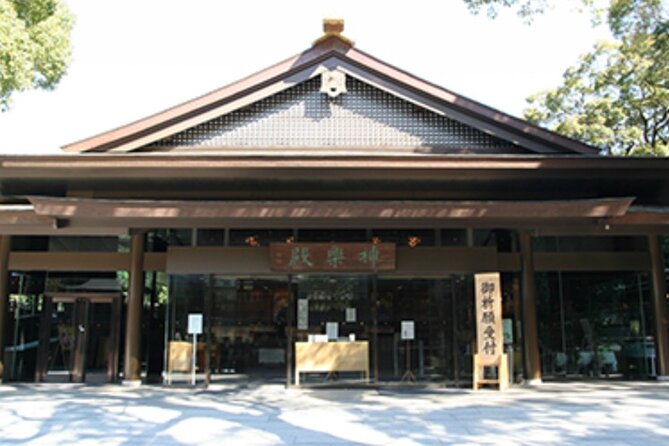
The next stop is Meiji Jingu’s Kagura Hall, where you apply for an individual blessing. You write your name, address, and prayer intention on a Japanese-language form. The choices include world peace, household safety, travel safety, recovery from illness, business success, finding a good match, safe childbirth, and academic achievement.
The form is only in Japanese, but translation and application assistance are included in the tour price. This is one of the clearest practical benefits of booking a guide. You can state what matters to you without guessing at the form or handing over the wrong information.
The shrine’s personal prayer fee starts at 5,000 yen. That payment goes to the shrine and is separate from the $98 tour price. Amulets and other items purchased privately also cost extra. For a couple or family, the total can rise quickly, so calculate the full expense before booking.
You should also think about the wording of your prayer before arriving. The available intentions are broad, but it helps to know whether you want to focus on health, safe travel, family, school, work, or another concern. The guide can translate and explain the form, but the prayer itself is yours.
The ceremony: drums, ancient music, and shrine-maiden dance
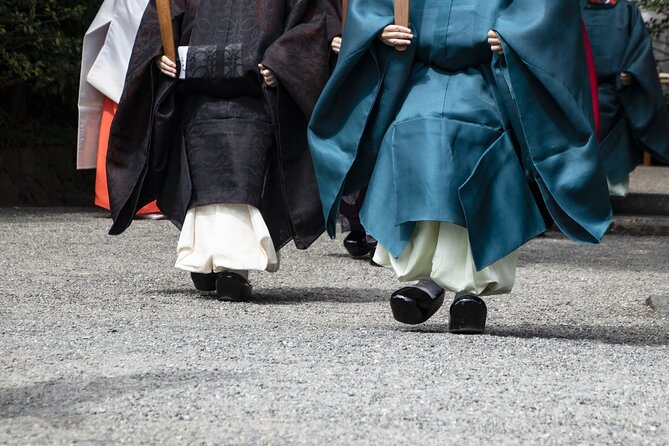
Once the form is complete, you enter the altar area of the Kagura Hall for the ceremony. Priests in traditional clothing perform a purification using sacred tools, accompanied by the sound of a drum. The purpose is to cleanse and prepare you before the main prayer.
Then you hear gagaku, the ancient court music of Japan. It uses traditional drums and flutes and has been recognized as a UNESCO Intangible Cultural Heritage. The music is not presented as a concert. It is part of the religious service, which gives the performance a different weight from a cultural show arranged solely for entertainment.
A miko, or shrine maiden, also performs a ceremonial dance. Her costume and measured movements add a visual element to the service, but the setting remains formal and quiet. You are there to receive a blessing, not to applaud or treat the moment like a stage performance.
The ceremony lasts about 20 minutes. The listing advises against joining if you have pain sitting straight, and that warning deserves attention. You may be seated on tatami in a traditional posture, and the prayer area is not designed around Western chairs. If sitting upright on the floor is difficult, this may not be the right activity for you.
Sacred sake, seaweed, and the ofuda
After the prayer ends, you receive sacred offerings called shinsen. These often include nori, or seaweed, which you take home. The idea is that food offered to the deities gains spiritual significance and can then be shared with participants.
At the exit, a shrine maiden pours a small serving of omiki, sacred sake, into a cup for you to drink on the spot. This closes the ceremony in a direct and memorable way. You are not only watching the ritual, you are receiving a small portion of what was presented during it.
You also receive an ofuda, a sacred talisman connected with your wishes and the day’s prayer. The ofuda is not the same as every small charm sold at a shrine. It is a formal item linked to the prayer service, and the tour describes it as carrying your wishes along with the power of the prayer.
The final ten minutes are simple, but they give the experience a physical ending. You leave with something to take home, rather than only a photograph and a vague memory of having visited a shrine.
Is $98 a fair price for 90 minutes?
The value depends on what you want from Meiji Shrine. If you only want to see the torii, main shrine, and grounds, you can visit without paying for this experience. Admission to the opening stops is free, and the shrine is accessible by public transportation.
The $98 pays for private guiding, translation, help with the Japanese application, and access to a structured personal prayer experience. It also covers the cultural explanation that many independent visitors miss. The separate 5,000-yen prayer fee is the important extra cost. You should also budget for any additional amulets you choose to buy.
I see the price as reasonable for someone who specifically wants a formal blessing and cannot manage the Japanese paperwork alone. It is less attractive if you are mainly looking for a general introduction to Meiji Shrine or a short cultural performance. In that case, the regular shrine visit gives you the setting without the added expense.
The private format helps justify some of the price. Only your group participates, so the guide can focus on your questions and assist with the prayer form. It also means you are not joining a large crowd moving through the ceremony.
Timing, communication, and practical cautions
The tour is listed as taking about 90 minutes, but arrive early. The meeting details refer to the Big Torii and the second torii, and you do not want to spend the start time trying to identify the correct gate.
Communication has not always gone perfectly. One scheduled meeting went badly after a guest was running eight minutes late and could not reach the greeter by phone or text. The problem was later explained as a schedule misunderstanding combined with a serious personal issue, but the practical lesson is simple: confirm the meeting point, keep the guide’s contact details handy, and allow extra time.
There was also a case in which an interpreter became ill with flu. That can affect how smoothly the explanations are delivered, even when the ceremony itself continues. The provider did apologize for the inconvenience, but you should understand that a private activity still depends on the assigned guide being available.
The cancellation policy allows a full refund if you cancel at least 24 hours before the start time. Changes or cancellations inside that window are not accepted for a refund. The activity requires good weather, and a weather cancellation offers a different date or a full refund.
Who will appreciate this experience most?
I would choose this tour if you want a personal connection to Meiji Shrine rather than a standard sightseeing walk. It suits visitors who are curious about Shinto, want help with Japanese customs, or would value a prayer for family safety, health, travel, study, or another specific concern.
It is also a good match for anyone who wants an authentic religious setting but feels uncertain about etiquette. You receive help at the torii, purification fountain, main shrine, and Kagura Hall, so you are not left to guess what to do.
I would be more cautious if you dislike formal rituals, need to sit in a chair, or only have time for a quick photo stop. The added prayer fee also makes this a poor fit for a strict budget. And because the meeting arrangements and interpreter availability need care, you should be comfortable double-checking details before the day.
Should you book the Meiji Shrine personal prayer?
Book it if the prayer itself is the reason you want to visit. The ceremony gives you a rare look at formal Shinto practice, with gagaku, miko dance, purification, sacred sake, an ofuda, and guidance through a Japanese application form. Those elements make the experience more substantial than a normal shrine visit.
Skip it if you only want to see Meiji Shrine’s famous gate and main buildings. You can do that freely and at your own pace. Before booking, confirm the meeting point, add the 5,000-yen prayer fee to your budget, and make sure you can sit straight on tatami. With those details settled, this is a thoughtful way to approach one of Tokyo’s best-known shrines with respect and purpose.
FAQ
How long does the Meiji Shrine personal prayer experience last?
The experience lasts approximately 1 hour and 30 minutes.
Where does the tour meet?
The meeting information gives the starting location as the Big Torii at 1-1 Yoyogikamizonochō in Shibuya. The first stop specifies meeting under the second torii gate, so confirm the exact gate location before arriving.
Is the personal prayer fee included?
No. The shrine’s personal prayer fee starts at 5,000 yen and is paid separately. Privately purchased amulets and other items are also extra.
What can I pray for?
The application includes intentions such as world peace, household safety, travel safety, recovery from illness, business success, finding a good match, safe childbirth, and academic achievement.
Are the prayer forms available in English?
The forms are available only in Japanese. The tour includes translation and assistance with completing the application.
What happens during the personal prayer?
Priests purify the area with sacred tools and drum sounds. Gagaku, or ancient court music, is performed, followed by a dance by a miko, or shrine maiden.
What do I receive after the ceremony?
You receive an ofuda, sacred offerings such as nori, and a small serving of omiki, or sacred sake. The sake is poured for you at the exit.
Can I join if sitting on the floor is difficult?
The activity is not recommended for anyone with pain sitting straight. The ceremony takes place in a tatami room, so consider your comfort before booking.
Newly reviewed around Tokyo
- Tokyo Asakusa:Calligraphy & Make T-shirt Activity★ 5.0 · 62 reviews
- Travel Tokyo with Your Own Personal Photographer★ 5.0 · 43 reviews
- Intercity Shuttle, Tokyo to Haneda /Narita /Yokohama /Makuhari★ 5.0 · 5 reviews
- 1 Hour Travel around Tokyo with a Professional Photographer★ 5.0 · 3 reviews
- Train in Samurai Swordsmanship and Defeat the Demon in Tokyo★ 5.0 · 5 reviews
- Shuttle Van 6hr Tokyo Tour to-and-from Tokyo, Yokohama and Narita★ 5.0 · 9 reviews
- Kickboxing & Body Training with EX-Pro Fighter★ 5.0 · 4 reviews
- Traditional Japanese Knife Sharpening Class★ 5.0 · 18 reviews
Meiji Shrine Tours, compared.
Meiji Shrine, Asakusa, Skytree Bus Tour and Cruise
Read our review →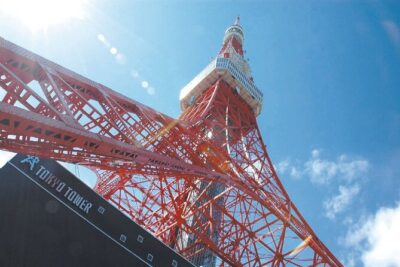
Tokyo Panoramic 1 Day: Meiji Shrine, Asakusa, Odaiba and SKYTREE®
Read our review →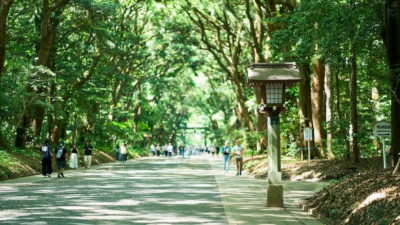
Meiji Shrine Walking Tour — Shinto & Imperial System
Read our review →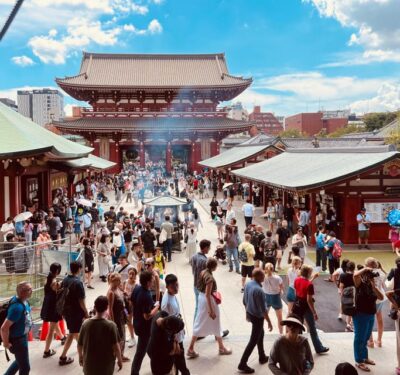
Meiji Jingu Shrine and Shinto Culture Walking Tour
Read our review →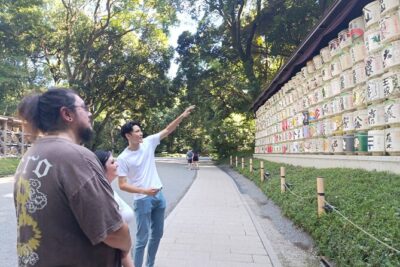
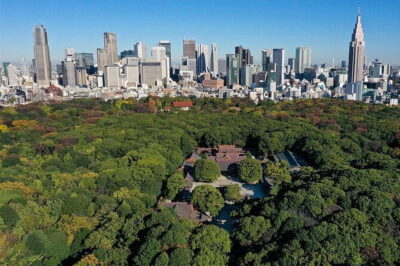
Meiji Shrine Walking Tour — Shintoism & Imperial System
Read our review →
1 Day Bus Tour with Meiji-Jingu,Odaiba,lunch&Skytree
Read our review →
Tokyo Morning Tour : Meiji Shrine, Asakusa and Fish Market
Read our review →Browse the lists this tour appears in