
Reviewed · SHINJUKU TOURS
Licensed Guide Shinjuku Dramatic Tour (Tokyo)
Shinjuku changes character after sunset, and this two-hour walk takes you through its sharpest contrasts: tiny drinking alleys, a major shrine, neon-lit Kabukicho, Korean pop culture, Godzilla, and maid-cafe culture. The unusual Kabukicho stops are the heart of the experience, with a national government-licensed guide interpreter explaining what you are seeing.
I like the private format, since your group receives the guide’s attention instead of being folded into a large crowd. I also like the mix of food culture and modern subculture, from yakitori and oden in Omoide Yokocho to host clubs, game centers, rock bars, and maid cafes.
The main consideration is pace. Seven stops fit into roughly two hours, so you will get introductions and useful context rather than long visits at each place. Snacks, drinks, and any entry fees are not included, though the planned stops themselves do not require admission.
Key points to know before booking
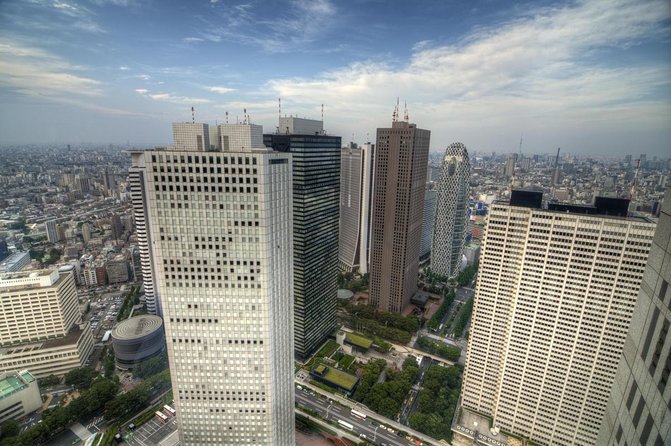
- Golden Gai after dark: See Shinjuku’s famous cluster of tiny bars and learn why the area has attracted filmmakers.
- A licensed guide interpreter: Learn shrine manners, local history, food customs, and the meaning behind Shinjuku’s nightlife districts.
- A private two-hour walk: Only your group participates, which makes it easier to ask questions and adjust the conversation.
- Seven very different stops: The route links old-style alleys, Hanazono Shrine, Godzilla Road, Korean Town, and Japanese pop culture.
- A 5:00 pm start: The timing lets you see Shinjuku as evening arrives, though the exact daylight and darkness will depend on the season.
- $28.53 per person: This is a reasonable price for a private guided introduction, especially if you want context you would likely miss on your own.
Why this Shinjuku walk feels different
Many Shinjuku walks concentrate on neon streets and photo stops. This one tries to explain the city through its contrasts. You move from narrow alleys associated with film and nightlife to a shrine where you learn how to pray, then into districts shaped by Korean culture and Japan’s playful entertainment scene.
That range is the tour’s main strength. You are not spending two hours in one type of place. Instead, you get a quick portrait of Shinjuku as a district where office workers, shrine visitors, international pop culture, tiny bars, giant movie characters, and youth entertainment all occupy the same urban space.
The guide is a national government-licensed interpreter. That matters most at places where etiquette or local context is easy to miss. Hanazono Shrine is a good example. You can see a shrine on your own, but learning how to pray gives the visit a clearer purpose and helps you behave respectfully.
The tour is private, so the guide can focus on your group’s interests. If one person wants food culture and another is curious about host clubs or Japanese pop culture, the format should allow for a more useful conversation than a fixed, large-group tour.
More things to do in Shinjuku:
- Tokyo: Shinjuku Food Tour (13 Dishes at 4 Local Eateries)
★ 5.0 · 6,603 reviews - Tokyo Bar Hopping Tour in Shinjuku (All-You-Can-Drink + Dinner)
★ 5.0 · 3,587 reviews - Tokyo: Shinjuku Food Tour (15 Dishes and 4 Eateries)
★ 4.9 · 2,033 reviews
Meeting at Shinjuku Prince Hotel at 5:00 pm
The walk begins at Shinjuku Prince Hotel, at 1-chome-30-1 Kabukicho, Shinjuku City. The start time is 5:00 pm, and the activity finishes back at the meeting point.
That timing is practical for a first evening in Shinjuku. You can spend the afternoon elsewhere in Tokyo, then arrive for a guided look at the district as shops, restaurants, signs, and entertainment venues begin to take over the streets. The tour is listed as approximately two hours, so you still have the rest of the night for dinner or for returning to a place that caught your attention.
You should arrive ready to walk between several nearby Shinjuku areas. The exact distance between each stop is not specified, but the route includes seven locations and about 95 minutes of scheduled stop time. The remaining time is used for movement and explanation.
A mobile ticket is provided. The meeting point is near public transportation, and the experience is described as suitable for most participants. No special admission is required for the listed stops.
Golden Gai, where narrow lanes became movie country
The first stop is Shinjuku Golden Gai, visited for about 10 minutes. This compact area is known for its very small bars packed into narrow lanes, and the guide explains its connection with filmmaking.
Ten minutes will not allow you to understand every corner, and this is not presented as a bar-hopping session. The value is the setting and the explanation. You get a quick orientation to one of Shinjuku’s most distinctive areas without needing to enter a bar or pay for a drink.
For photographs, Golden Gai gives you a strong first look at the older, more intimate side of Shinjuku. The lanes feel very different from the broad station approaches and large commercial streets nearby. Your guide can help explain why the area has drawn filmmakers and why it remains such a memorable part of the district.
Keep your expectations in check. You are seeing the area, not receiving a long film lecture or a drinking experience. If you want to return later, you can use this first look to decide whether the setting interests you.
Omoide Yokocho and the working side of Japanese food
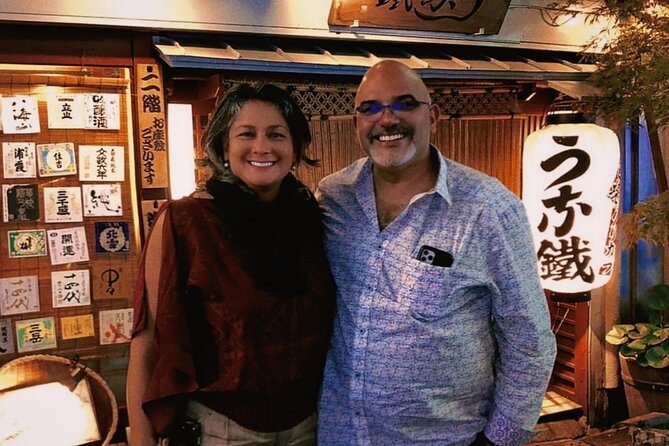
Next comes Omoide Yokocho, also for about 10 minutes. Near Shinjuku Station’s west exit, this narrow food alley is associated with yakitori, oden, takoyaki, okonomiyaki, sake, and other familiar Japanese food and drinks.
I like this stop because food is used as a way to explain daily life. The guide introduces Japanese food customs and points out the role of the area for Japanese office workers. You are not simply looking at restaurant signs. You are getting a short lesson in how a local eating district connects with workday culture.
The tour price does not include snacks or drinks, so plan to eat before or after the walk, or budget separately if you want to buy something. Since the stop lasts only 10 minutes, you should not expect a full meal here. It is better understood as an introduction to the food alley, with the option of returning later at your own pace.
This is also one of the places where a guide can add useful context. A visitor might recognize grilled chicken or takoyaki, but not know which foods are tied to casual after-work dining. The tour helps connect the signs, smells, and small restaurants to the way the area is used.
More guided tours in Tokyo:
- Tokyo 6hr Private Tour with Government-Licensed Guide
★ 5.0 · 3,902 reviews - Tokyo: Shinjuku Local Bar and Izakaya Guided Walking Tour
★ 4.9 · 1,794 reviews - Tokyo: Private City Highlights Tour with Local Guide
★ 4.8 · 1,433 reviews - Tokyo: Tsukiji Fish Market Guided Walking Tour
★ 4.9 · 1,397 reviews
Omoide no Nukemichi, a photogenic surprise
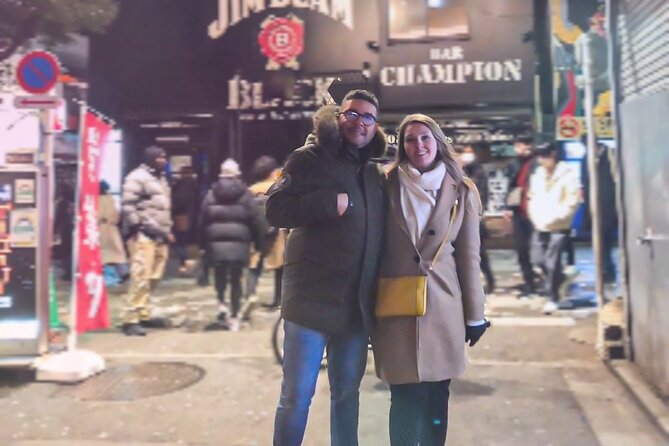
Omoide no Nukemichi receives another 10-minute visit. The description presents it as a place that may not look like the Japan many people expect at first glance, with the guide pointing out its most photogenic spot.
This stop is short and visual. It works as a change of mood after Omoide Yokocho and before the shrine. You can expect the guide to direct you toward the strongest photo angle rather than leave you to wander without context.
The phrase unique place should be taken as a sign that this is an unusual urban corner, not as a promise of a major monument. If your main goal is landmark sightseeing, this may feel modest. If you enjoy small details and unexpected views, the stop adds variety to the route.
The guide’s role is especially useful here because photogenic places are not always obvious. A short explanation can also help you see why an ordinary-looking passage or structure matters within Shinjuku’s mix of old and new.
Hanazono Shrine and a lesson in proper prayer

Hanazono Shrine is one of the more meaningful stops, with about 10 minutes set aside. It is described as the most popular shrine in Shinjuku, and the guide teaches you how to pray.
That instruction gives the shrine visit a practical purpose. Japanese shrines have customs that you can follow respectfully, but it is easy to feel unsure if nobody explains them. Here, the licensed guide can show you what to do and explain the setting without turning the visit into a long formal lecture.
Ten minutes is enough for an introduction, basic prayer guidance, and a quick look around. It is not enough for an extended study of the shrine or its religious traditions. Still, among the stops on this tour, Hanazono Shrine provides the clearest connection to Japanese religious practice.
I especially like the contrast with the surrounding nightlife districts. A few minutes earlier, you may have been looking at food alleys and entertainment streets. At the shrine, the mood changes. That contrast helps you understand that Shinjuku is not only a place for shopping and nightlife.
Godzilla Road and the hourly roar
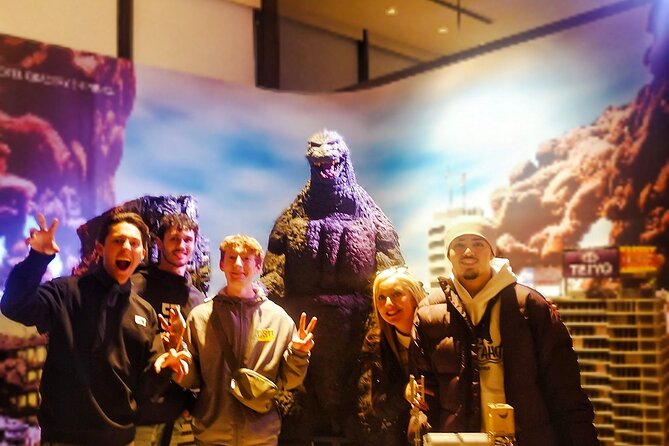
The Godzilla stop lasts about five minutes. The guide points out the best view toward Godzilla’s head on Godzilla Road and explains that the character cries out every hour.
This is a quick photo opportunity with a simple payoff. Godzilla is one of Japan’s best-known fictional characters, and seeing the giant head above the Kabukicho area gives you a playful landmark in the middle of the city.
Timing matters here. The tour begins at 5:00 pm, but the information provided does not specify which hourly roar you will catch. You may hear it, but you should not book the tour expecting the sound to occur during your exact visit. The guide can still show you the best angle toward the head even if the timing does not match.
The five-minute stop also shows how tightly planned the route is. You will not linger for long, so have your camera ready and listen for the guide’s explanation before moving on.
Shin-Okubo Korean Town and Shinjuku’s cultural mix
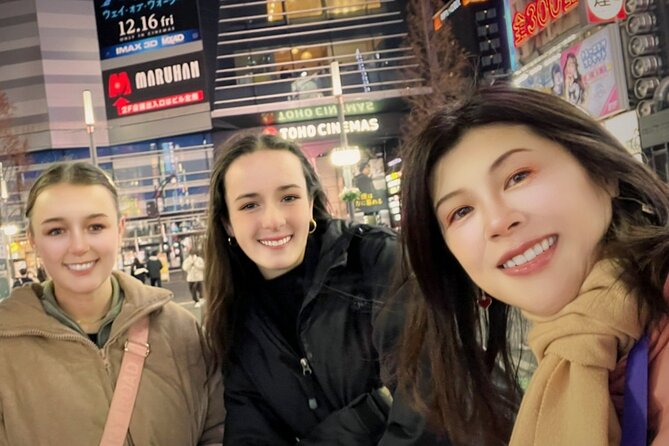
The longest stop is Shin-Okubo Korean Town, at about 30 minutes. This area reflects the Korean influence that has become part of modern Tokyo, and the guide explains how Korean culture blends into Japanese life.
Thirty minutes gives this section more room than the photo stops. You can look at the area as more than a food or shopping district. The guide connects it with the broader Korean boom in Japan and shows how another culture has taken a visible place within Shinjuku.
The stop also introduces Japanese subcultures such as host clubs and hostess clubs. These are important parts of the local entertainment economy, but a short walking tour can only offer an introduction. You should expect explanation and observation, not entry into a club or a full account of how these businesses operate.
For me, this is one of the most useful parts of the route because it keeps the tour from presenting Japan as a single, fixed tradition. Shinjuku includes shrine customs and old food alleys, but it also includes Korean influence and modern entertainment built around distinct social worlds.
The cultural material here may suit adults and older teenagers especially well. Families can still participate, but the guide’s discussion of host and hostess clubs may be more useful if your group is comfortable with nightlife topics.
Maidreamin and the bright side of Japanese subculture
The final stop is the Maidreamin Shinjuku East-exit Store, with about 20 minutes devoted to maid-cafe culture. The tour introduces maid cafes as a distinctly Japanese subculture and also points out related entertainment such as escape games, game centers, batting centers, and rock bars.
The important detail is that you are being shown and introduced to the scene. The price does not include food, drinks, or admission charges, and the information provided does not promise a maid-cafe performance or a paid cafe visit. Treat this as a guided look at an unusual part of Tokyo’s entertainment culture, not as a bundled cafe experience.
This stop makes sense at the end because it brings together several themes from the evening: performance, fantasy, games, nightlife, and the ways young people and visitors spend time in the city. It is also a useful counterpoint to the shrine and food alleys.
Some people will find maid-cafe culture fascinating. Others may find it too staged or simply not their thing. The private tour format helps here, since you can ask questions without worrying about a large group, but the short visit will not answer every question about Japanese subcultures.
What $28.53 buys you
At $28.53 per person, the price is modest for a two-hour private walk led by a national government-licensed guide interpreter. You are paying mainly for local explanation, route planning, and the ability to see several parts of Shinjuku in one evening.
The value is strongest if you are new to Shinjuku or want help reading the district. Golden Gai, Omoide Yokocho, Hanazono Shrine, Godzilla Road, Shin-Okubo, and a maid cafe area are all possible to visit without a guide, but you would need to research the connections and navigate the route yourself.
The price does not cover snacks, drinks, or any required admission. The planned locations have no admission fee, but you should not assume that the tour includes purchases at Omoide Yokocho or Maidreamin. If food is part of your plan, add that cost separately.
The tour is booked an average of 49 days ahead, so I would plan early if your Tokyo dates are fixed. That advance booking pattern does not guarantee that every date fills, but it is a useful reason not to leave this experience until the last minute.
Who will enjoy this private evening walk
I would recommend this tour to you if you want a fast, guided introduction to Shinjuku’s less obvious sides. It suits first-time visitors, families with different age groups, and anyone who wants cultural context instead of only taking photos.
The route also works well if your group has mixed interests. One person can focus on Japanese food, another on shrine customs, another on Godzilla, and another on Korean culture or pop entertainment. The private setup gives the guide a better chance to address those different questions.
You may want something else if you prefer long visits at each stop, a food tour with included tastings, or a deep historical treatment of one subject. This is a sampler. It covers a lot, but it does so in short sections.
The walking format may also be less appealing if your group does not enjoy moving between several places in an evening. The tour is designed around contrast and variety, not lingering.
Booking details and weather policy
Confirmation is provided when you book, and the experience uses a mobile ticket. It starts at 5:00 pm at Shinjuku Prince Hotel and ends at the same meeting point.
Free cancellation is available if you cancel at least 24 hours before the start time. Changes or cancellations made within 24 hours are not accepted for a refund, and the cut-off follows Tokyo local time.
The tour requires good weather. If poor weather causes cancellation, you are offered another date or a full refund. Since this is an outdoor walking route, check the forecast before leaving and dress for the conditions.
Should you book the Shinjuku Dramatic Tour?
Book it if you want a well-priced private introduction to Shinjuku after dark, especially if Golden Gai, Hanazono Shrine, Godzilla, Korean Town, and Japanese subcultures all sound appealing. The licensed guide is the reason to choose it. You get explanations and local framing that are easy to miss when you simply follow the neon.
Skip it if your priority is a sit-down meal, included tastings, club entry, or a slow historical tour. The schedule is quick, and some stops last only five or 10 minutes.
For most first visits, I see this as a useful orientation walk. It gives you enough context to decide where you want to return later, while keeping the price low and the group private. Just remember that you are buying a guided introduction, not a full evening of food and entertainment.
FAQ
How long does the Shinjuku Dramatic Tour last?
The tour lasts approximately two hours.
What time does the tour start?
It starts at 5:00 pm.
Where does the tour begin?
The meeting point is Shinjuku Prince Hotel, 1-chome-30-1 Kabukicho, Shinjuku City, Tokyo 160-8487, Japan.
Where does the tour finish?
The activity ends back at the meeting point.
Is this a private tour?
Yes. Only your group participates in the activity.
Are food, drinks, or admission fees included?
No. Snacks and drinks are not included. The tour does not visit places that require an admission fee, but any personal purchases are separate.
What happens if bad weather cancels the tour?
You will be offered a different date or a full refund if the experience is canceled because of poor weather.
Newly reviewed around Tokyo
- Tokyo Asakusa:Calligraphy & Make T-shirt Activity★ 5.0 · 62 reviews
- Intercity Shuttle, Tokyo to Haneda /Narita /Yokohama /Makuhari★ 5.0 · 5 reviews
- 1 Hour Travel around Tokyo with a Professional Photographer★ 5.0 · 3 reviews
- Travel Tokyo with Your Own Personal Photographer★ 5.0 · 43 reviews
- Train in Samurai Swordsmanship and Defeat the Demon in Tokyo★ 5.0 · 5 reviews
- Shuttle Van 6hr Tokyo Tour to-and-from Tokyo, Yokohama and Narita★ 5.0 · 9 reviews
- Kickboxing & Body Training with EX-Pro Fighter★ 5.0 · 4 reviews
- Traditional Japanese Knife Sharpening Class★ 5.0 · 18 reviews
Shinjuku Tours, compared.
Shinjuku Food Tour (13 Dishes at 4 Local Eateries)
Read our review →
Tokyo Bar Hopping Tour in Shinjuku (All-You-Can-Drink + Dinner)
Read our review →
Shinjuku Food Tour (15 Dishes and 4 Eateries)
Read our review →
Best of Shinjuku: Izakaya Food Tour (4 Stops, 14+ Tastings)
Read our review →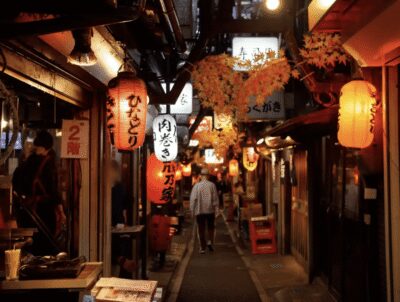
Shinjuku Local Bar and Izakaya Guided Walking Tour
Read our review →
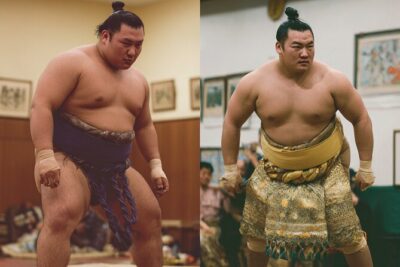
Tokyo Shinjuku Sumo Show & Experience with Photo
Read our review →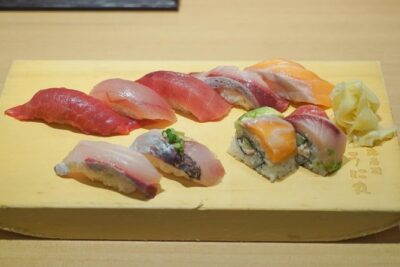
Tokyo Night Foodie Tour in Shinjuku – Seasonal Sushi, Wagyu Beef
Read our review →Browse the lists this tour appears in