
Reviewed · TOKYO COOKING CLASSES
Japanese Home Styled Cooking Class in or around Shinjuku, Tokyo
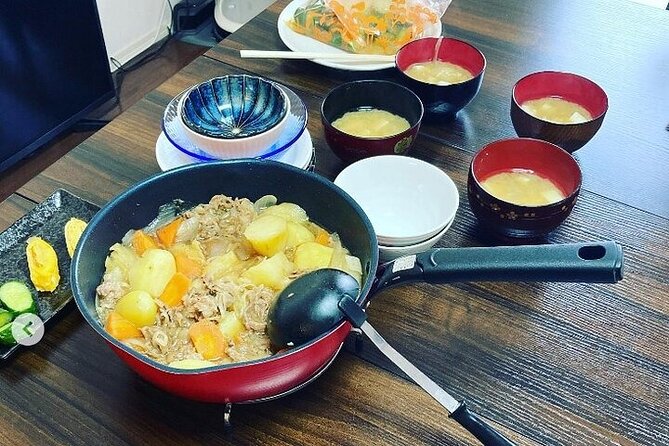
The best part of this Shinjuku-area class is its focus on food Japanese people actually cook at home, not just restaurant showpieces. You prepare three or four dishes, eat them together, and leave with recipes you can use after Tokyo is a memory. Chieko-san has been praised for clear English, while Lulu and Erica are noted for warm, cheerful instruction.
I like the hands-on format, with tools and ingredients supplied, and I like the practical souvenir: recipe sheets rather than another trinket. The main catch is menu flexibility. You may choose from four menus when your party is the only booking, but a shared class can limit that choice. Also, canceling inside 24 hours means no refund.
Key points at a glance
- Everyday Japanese cooking: Prepare 3 to 4 dishes commonly made in Japanese homes, rather than learning only sushi-bar specialties.
- A compact two-and-a-half-hour plan: Cook, learn, and sit down to eat within one session, making this easy to fit into a Tokyo itinerary.
- Four menu choices, with a condition: You can select a menu if your group is the only party booked that day.
- Helpful English support: Chieko-san has been singled out for speaking English well, while Lulu and Erica have been praised for their warmth and humor.
- Useful take-home material: Recipe sheets let you recreate the meal at home.
- Small-group setting: The class accepts a maximum of 12 people and includes all cooking tools, ingredients, fees, and taxes.
Why home cooking makes this class different
Tokyo offers plenty of chances to eat Japanese food. A cooking class earns its place in your schedule only if it shows you something a restaurant cannot. This one aims at the food behind the restaurant door: simple, familiar dishes prepared in Japanese households.
That focus matters. Sushi and ramen are important parts of Japanese food culture, but they can be difficult to reproduce at home. A home-style menu gives you a better chance of using what you learn. You may return from Japan with a recipe for a green bean salad, for example, or another dish that fits an ordinary dinner rather than a special occasion.
The class also connects cooking with cultural background. You learn not only what to do with the ingredients, but also something about the place Japanese cuisine holds in daily life. The supplied information does not promise a formal lecture, so expect cultural explanation to be woven into the cooking rather than presented as a long classroom talk.
The experience has a strong practical streak. You do not need to bring cooking equipment or ingredients, and the recipe sheets give you a written reminder of the steps. That makes this a useful choice if you want a food experience with a life beyond your Tokyo stay.
More things to do in Shinjuku:
- Tokyo: Shinjuku Food Tour (13 Dishes at 4 Local Eateries)
★ 5.0 · 6,603 reviews - Tokyo Bar Hopping Tour in Shinjuku (All-You-Can-Drink + Dinner)
★ 5.0 · 3,587 reviews - Tokyo: Shinjuku Food Tour (15 Dishes and 4 Eateries)
★ 4.9 · 2,033 reviews
Meeting near Yoyogi in central Tokyo
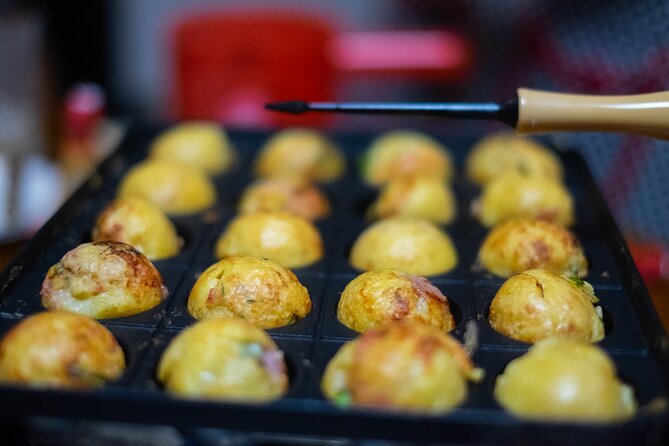
The meeting point is 2-chōme-5-1 Yoyogi, Shibuya, Tokyo 151-0053. The activity begins and ends at the same location, and it is near public transportation. That keeps the plan fairly simple: arrive with enough time to find the address, cook, eat, and continue with your day from the same area.
The class is described as being in or around Shinjuku, in central Tokyo. Do not treat the word Shinjuku as a promise that the cooking takes place beside Shinjuku Station itself. Your actual meeting point is in Yoyogi, within the wider central Tokyo area, so check your route carefully before setting out.
The return to the meeting point is convenient. You are not left to arrange a separate ride after the meal, and private transportation is not included or needed as part of the experience. Since the class lasts about two hours and 30 minutes, I would avoid scheduling a tightly timed attraction immediately afterward.
Choosing from four Japanese menus
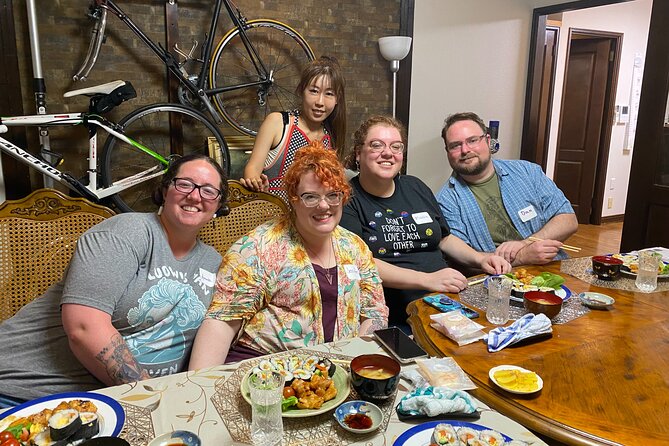
At booking, you can select one of four menu options. The menus are described as popular, well-known Japanese dishes, with each option built around basic home-style cooking. The specific dishes are not listed in the available information, so you should confirm the current menu if one particular food is important to you.
There is an important limitation. Your requested menu can be honored only when you or your group is the only party attending that day. If another group joins the class, the host may need to use a different menu. That is a fair trade for a small shared class, but it means you should not book on the assumption that your first choice is guaranteed.
The host prepares the ingredients beforehand. This saves time and lets you get straight to the useful part: handling the ingredients, following the method, and seeing how the dishes come together. It also makes the 2.5-hour schedule workable.
The class is not presented as advanced chef training. You are learning basic techniques and familiar dishes, which is a benefit for most holidaymakers. If you are already an experienced cook seeking specialist knife work or restaurant-level instruction, the class may feel fairly introductory.
What the two-and-a-half-hour schedule feels like
The session begins with the cooking setup and an introduction to the menu. Your tools and ingredients are provided, so the main task is to follow the host’s guidance and take part rather than watch from the side.
You then work through the selected dishes. The supplied information does not give a minute-by-minute plan, and the exact cooking order can vary by menu. Still, the structure is clear: prepare three or four dishes, learn about their place in Japanese home cooking, and sit down to enjoy what you made.
That final meal is an important part of the experience. You are not simply practicing recipes and leaving hungry. Eating together gives you time to connect with the host and the other people in the class, and it lets you judge the food immediately after preparing it.
Some sessions may include several helpers. That can be useful when the group is working on different steps at once. One person can answer a question, demonstrate a task, or help keep the cooking moving. A maximum of 12 people is still a group rather than a private lesson, so the experience may feel more social than highly personalized.
Allow a little breathing room before and after the class. The stated duration is approximate, and cooking times can shift. A relaxed schedule will let you enjoy the meal instead of watching the clock.
More Tokyo cooking classes:
- Tokyo: Roll and Authentic Sushi Making Class in Asakusa
★ 4.9 · 1,957 reviews - Tokyo Shinjuku Chopsticks Making Class
★ 5.0 · 1,763 reviews - Tokyo: Sushi Making Class in a Happi Coat near a Famous Spot
★ 4.9 · 1,377 reviews - Tokyo Sushi Making Class in Tsukiji with Professional Chef
★ 5.0 · 1,177 reviews
The people guiding the cooking
The available information names Chieko-san, Lulu, and Erica in connection with the classes. Chieko-san has been praised for answering questions and speaking English well. That matters in a cooking class, where a small misunderstanding about timing or technique can change the result.
Lulu and Erica have been described as warm and welcoming, with a strong interest in Japanese food and cooking. Their role may depend on the date and group, so do not assume that every session includes all three people. The useful point is that the teaching team can include more than one person, which may help the class run smoothly.
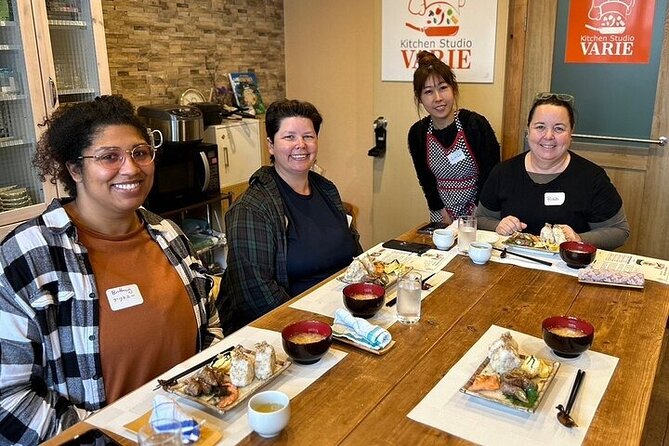
The tone appears social and friendly rather than formal. Expect conversation, shared laughter, and photos during the session, based on the experience described by one participant. If you prefer a silent demonstration followed by exact technical practice, this may not be your ideal format. If you enjoy meeting people while doing something with your hands, the setup should suit you well.
Food allergies and menu concerns
Tell the provider about food allergies in advance. The menu and available alternatives can then be discussed before the class. Do not wait until you arrive, since the ingredients are prepared beforehand.
The information does not promise that every allergy can be accommodated, so ask specific questions before booking. You should also clarify the ingredients in your chosen menu if you have a serious allergy or dietary restriction.
The same advice applies if you simply dislike certain foods. The host may be able to discuss options, but the menu is not fully flexible once another group is sharing the session.
Is $89.99 a fair Tokyo food experience?
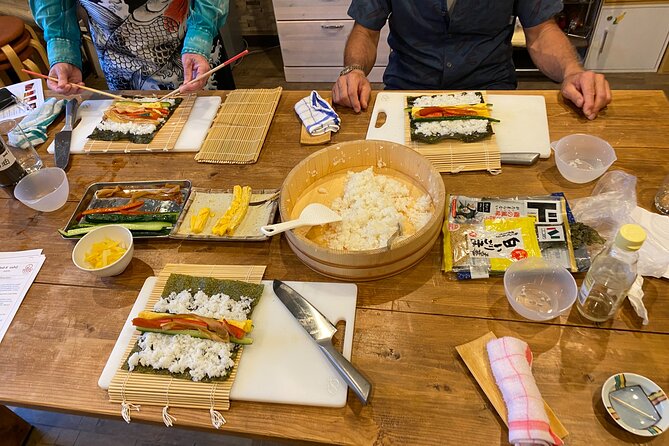
The price is $89.99 per person. That includes all fees and taxes, plus the cooking tools and ingredients. You also receive the meal you prepare and recipe sheets to take home.
I see the value in the combination. A restaurant meal gives you food, but not instruction or a repeatable recipe. A market tour might show you ingredients, but not how to turn them into dinner. Here, your payment covers an organized activity, hands-on cooking, cultural context, a shared meal, and written recipes.
The value is strongest if you plan to cook at home after Japan. The recipe sheets are more useful than a disposable souvenir, especially if the class introduces dishes that are realistic for your own kitchen. The value is weaker if you are looking only for a cheap meal or if you already have strong Japanese cooking skills.
Group discounts are available, which may help families or friends traveling together. The class has a maximum of 12 people, giving it a smaller scale than a large demonstration, but it is not necessarily private. Ask about the current group price when booking, since the amount of any discount is not specified here.
The 4.8 rating and 94 percent recommendation figure suggest a strong overall experience, but one practical warning remains: late changes can be costly. You receive a full refund if you cancel at least 24 hours before the start time. Cancellations or changes inside that window are not accepted for a refund.
Who should book this cooking class
I would recommend this experience to you if you want a relaxed food activity with a clear local angle. It suits first-time cooks, families, couples, solo visitors who like meeting people, and anyone who wants more than a restaurant photo.
It is also a good fit if you care about repeating the experience at home. The class teaches basic food rather than rare ingredients or complicated restaurant dishes, so the lessons may be more useful after your trip.
You may want to choose another activity if you need a guaranteed private class, a fixed menu, advanced instruction, or a very strict dietary plan. The menu can change when another group attends, and the group may include as many as 12 people.
Plan your route to Yoyogi carefully, and do not leave the booking until the final day of your Tokyo stay. With an average booking lead time of 37 days, reserving early is sensible, especially if you want one of the four menu options or need to discuss allergies.
Final verdict: book for practical food memories
I would book this class if you want to understand Japanese home cooking and carry a few recipes home with you. The combination of hands-on work, cultural explanation, a shared meal, and supplied equipment gives the $89.99 price a reasonable purpose.
Choose it with open eyes. Your menu may not be guaranteed in a shared session, the teaching level is basic, and the location is in Yoyogi rather than necessarily beside Shinjuku Station. If those points suit your plans, this is a friendly, useful way to spend half a day in central Tokyo.
FAQ
Where does the cooking class meet?
The meeting point is 2-chōme-5-1 Yoyogi, Shibuya, Tokyo 151-0053, Japan. The activity ends back at the same meeting point.
How long does the class last?
The experience takes approximately 2 hours and 30 minutes, including cooking and eating the meal you prepare.
How many dishes will I cook?
You will prepare three or four authentic home-style Japanese dishes.
Can I choose the menu?
You can select one of four menu options when booking. If another group attends the same class, your requested menu may not be available.
Are cooking tools and ingredients included?
Yes. Cooking tools and ingredients are provided, and all fees and taxes are included in the price.
What happens if I need to cancel?
You can receive a full refund if you cancel at least 24 hours before the experience starts. Cancellations or changes made less than 24 hours before the start time are not accepted for a refund.
More hands-on classes and workshops in Tokyo
- Sushi Making Tokyo Roll and Authentic Japanese Sushi Class
★ 5.0 · 3,971 reviews - Chopstick Making Workshop in Ginza
★ 4.8 · 1,366 reviews - Ramen & Gyoza Cooking Class in Tokyo with Local Supermarket Visit
★ 5.0 · 823 reviews - Matcha Making Class in Tokyo with Authentic Japanese Sweets Set
★ 5.0 · 744 reviews
Newly reviewed around Tokyo
- Tokyo Asakusa:Calligraphy & Make T-shirt Activity★ 5.0 · 62 reviews
- Intercity Shuttle, Tokyo to Haneda /Narita /Yokohama /Makuhari★ 5.0 · 5 reviews
- 1 Hour Travel around Tokyo with a Professional Photographer★ 5.0 · 3 reviews
- Travel Tokyo with Your Own Personal Photographer★ 5.0 · 43 reviews
- Train in Samurai Swordsmanship and Defeat the Demon in Tokyo★ 5.0 · 5 reviews
- Shuttle Van 6hr Tokyo Tour to-and-from Tokyo, Yokohama and Narita★ 5.0 · 9 reviews
- Kickboxing & Body Training with EX-Pro Fighter★ 5.0 · 4 reviews
- Tokyo History: Sensoji Temple & Asakusa District Private Tour★ 5.0 · 28 reviews
Tokyo Cooking Classes, compared.
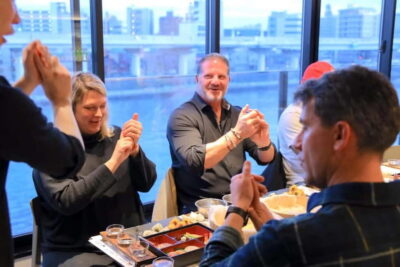
Roll and Authentic Sushi Making Class in Asakusa
Read our review →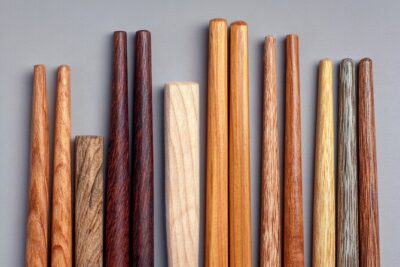
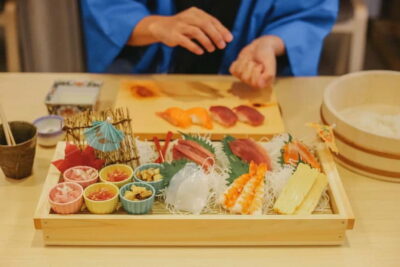
Sushi Making Class in a Happi Coat near a Famous Spot
Read our review →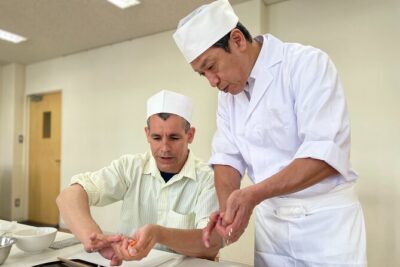
Tokyo Sushi Making Class in Tsukiji with Professional Chef
Read our review →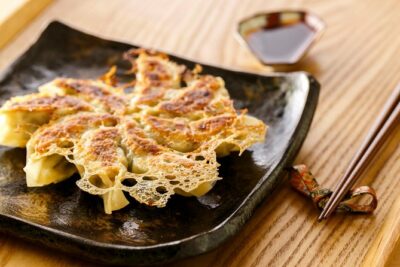
Ramen & Gyoza Cooking Class in Tokyo with Local Supermarket Visit
Read our review →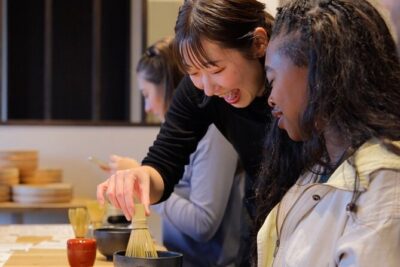
Matcha Making Class in Tokyo with Authentic Japanese Sweets Set
Read our review →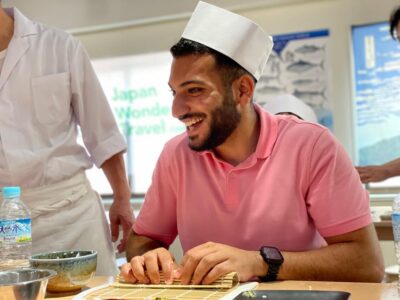
Tsukiji Fish Market Sushi Making Class with Pro Chef
Read our review →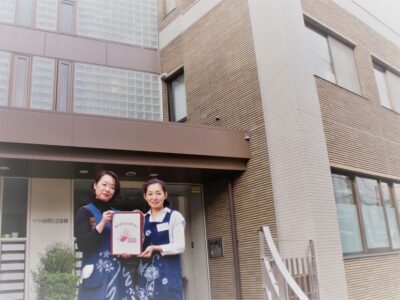
Browse the lists this tour appears in