
Reviewed · SHINJUKU TOURS
Hands-on Japanese Cooking in a Shinjuku Home Kitchen with Satoru
The best part of this Tokyo activity is not simply learning to cook. It is getting past the restaurant door and into Satoru’s Shinjuku home, where a small kitchen becomes your classroom and dining room. You cook together, then sit down for the meal and conversation.
I like the private format, which gives you room to ask about everything from savory dashi to sweet organic honey. I also like the family-friendly pace. Satoru has been praised for his patience, humor, and ability to keep teenagers involved. The main caution is that the menu follows a set weekly schedule, so you need to share dietary needs or menu requests at least one week ahead.
Key points at a glance
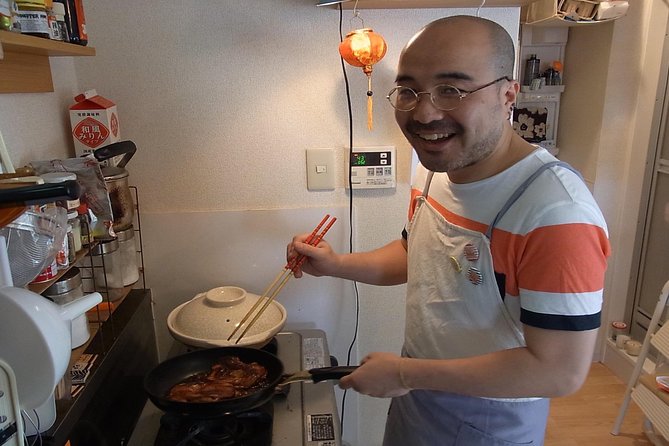
- A real home setting: Meet Satoru at JR Shinjuku Station, then walk together to his simple, cozy apartment.
- Hands-on cooking: Prepare two to five Japanese homestyle dishes from scratch, depending on the menu and the day.
- Menu planning matters: Teishoku is served Saturday through Tuesday, while Wednesday through Friday focus on dishes such as okonomiyaki, karaage, yakisoba, katsu curry rice, ramen, or gyoza.
- Time at the table: About 90 minutes of cooking is followed by a shared meal and conversation with Satoru.
- A small local toast: The price includes one or two glasses of local alcohol.
- A useful keepsake: You receive a Japanese utensil and an ingredient to take home.
From JR Shinjuku Station to Satoru’s kitchen
Your meeting point is JR Shinjuku Station, at 3-chōme-38-1 Shinjuku. Satoru meets you there and walks with you to his apartment. Hotel pickup and drop-off are not included, so you need to make your own way to the station.
That short walk is part of the appeal. You are not being sent straight to a polished cooking studio with a group of strangers. Instead, you are heading into the host’s own neighborhood and home. The apartment is described as simple and cozy, with a small but efficient kitchen. Space will feel personal rather than spacious, so this suits people who value contact and conversation more than a grand cooking school setup.
The private format matters here. Only your group participates, which lets Satoru adjust the pace and answer questions as they come up. A family with two teenage daughters, for example, can expect a more relaxed setting than a large class where everyone follows instructions in silence.
The experience is near public transportation, and it begins and ends at the same meeting point. Allow enough time to reach JR Shinjuku Station without rushing. Shinjuku is a large station complex, so arriving early is wise even though the stated meeting point is specific.
More things to do in Shinjuku:
- Tokyo: Shinjuku Food Tour (13 Dishes at 4 Local Eateries)
★ 5.0 · 6,603 reviews - Tokyo Bar Hopping Tour in Shinjuku (All-You-Can-Drink + Dinner)
★ 5.0 · 3,587 reviews - Tokyo: Shinjuku Food Tour (15 Dishes and 4 Eateries)
★ 4.9 · 2,033 reviews
What you actually cook on each day
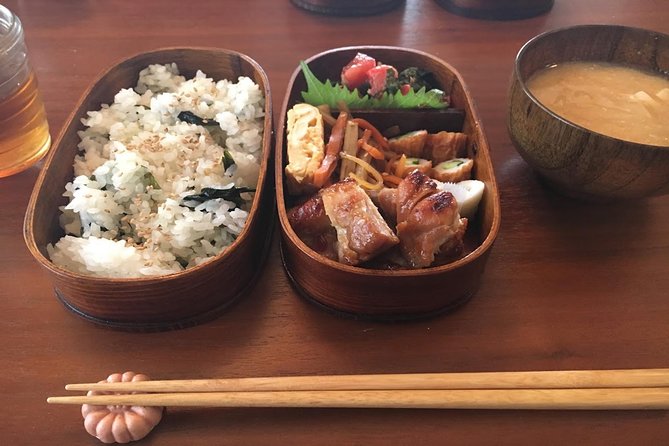
The menu is the detail you should check before booking. Saturday, Sunday, Monday, and Tuesday feature teishoku, a Japanese set meal built around miso soup, rice, and two side dishes. This gives you a good look at the everyday structure of a Japanese home meal rather than a single festival dish.
Wednesday, Thursday, and Friday focus on popular Japanese foods. The possible choices include:
- Okonomiyaki, a savory Japanese pancake
- Karaage, Japanese fried chicken
- Yakisoba, pan-fried noodles
- Katsu curry rice
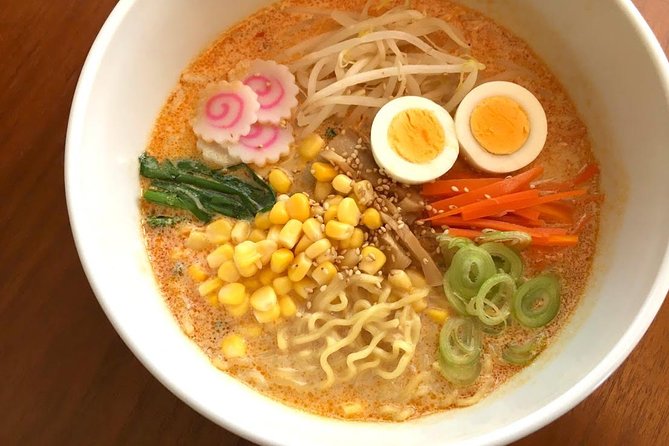
- Ramen
- Gyoza
The menu may change with the season. If you do not state a preference, the dish scheduled for that day is prepared. If you want a change, or if you have food restrictions, tell the host at least one week in advance. This is not a minor booking tip. The class is built around a planned menu, and last-minute changes may not be accepted.
The supplied information gives two different ranges for the number of dishes: two or three in the main description, and two to five in the detailed schedule. I would treat that as a flexible range rather than a promise of five separate recipes. Ask Satoru what your date’s menu includes if the number of dishes matters to you.
About 90 minutes of cooking, not a rushed demonstration
The cooking portion takes about an hour and a half. You help prepare the food from scratch rather than simply watching a host cook. That makes the class useful for anyone who wants to carry Japanese cooking ideas home, especially the basic balance of rice, soup, and side dishes found in teishoku.
Satoru also explains the ingredients as you work. You can ask about dashi, the savory stock used in many Japanese dishes, or about the organic honey he chooses for sweeter flavors. The value here is in the small explanations. A recipe tells you what to add, but a host can explain why an ingredient belongs in the dish and share the story behind his choice.
The kitchen is small, so this will not feel like a professional culinary lab. That is both a plus and a limitation. You get a clearer picture of how Japanese food can be prepared in an ordinary home, but you should not expect lots of counter space or a wide range of equipment.
The precise amount of cooking depends on the day’s menu. A teishoku meal may involve several separate elements, while ramen, gyoza, yakisoba, or okonomiyaki will have their own preparation rhythm. If you have strong preferences, contact the host before the one-week cutoff rather than hoping to negotiate at the door.
The shared meal is half the experience
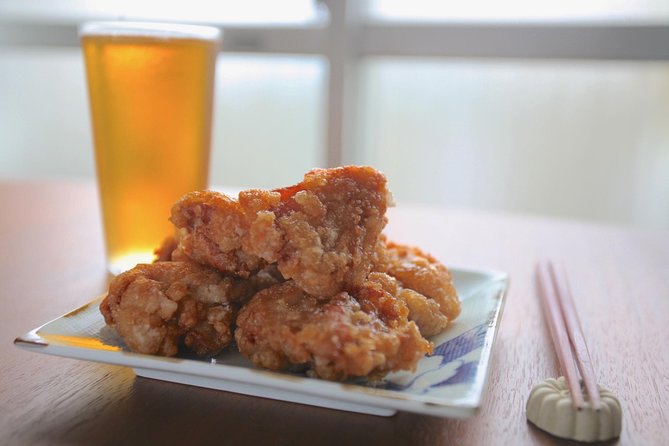
After cooking, you sit down with Satoru and eat the meal you helped prepare. The class includes one or two glasses of local alcohol, giving the meal a natural pause and a chance to talk about more than cooking.
This shared table is where the activity feels most personal. You can ask Satoru about the ingredients, the food traditions behind the menu, or the reasons he uses particular products. The experience is not just a recipe lesson. It is a chance to compare everyday food habits while eating a meal made in a local home.
The meal also gives the class a satisfying shape. You meet at the station, walk to the apartment, cook for roughly 90 minutes, then relax over the finished food. The full activity lasts about two and a half hours, so it can fit into a Tokyo day without taking over the entire afternoon or evening.
The drink inclusion is modest, not a full tasting session. You receive one or two glasses of local alcohol, while the focus remains on food and conversation. If you do not drink, the supplied details do not specify a substitute, so mention any preference when booking.
More Tokyo cooking classes:
- Ramen & Gyoza Cooking Class in Tokyo with Local Supermarket Visit
★ 5.0 · 823 reviews - Tokyo: Easy Ramen Cooking Experience in Kabukicho, Shinjuku
★ 4.6 · 321 reviews - Ramen and Sushi Cooking Class with Sake Pairing Set in Tokyo
★ 5.0 · 291 reviews - Tokyo: Wagyu and 7 Japanese Dishes Cooking Class
★ 4.9 · 273 reviews
Why families and food-curious couples may like it
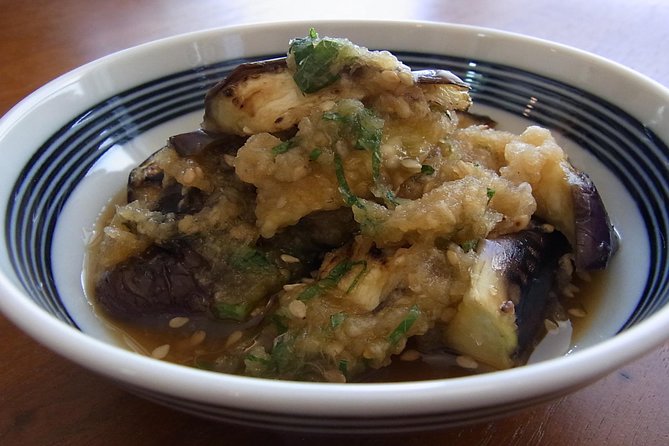
Satoru’s teaching style seems especially suited to families. He is described as patient, funny, welcoming, and courteous, and he has been able to keep teenagers engaged with background information about the food. That matters because a cooking class can lose younger participants quickly if it becomes a long lecture.
The private format also helps. Parents can ask questions without worrying about slowing down a large class, and younger cooks have more direct contact with the host. The meal gives everyone a clear reward at the end.
Couples and small groups who want a quieter activity will also find a good match here. You get a local host, a private kitchen, a meal, and conversation in one compact experience. It is less suited to people who want a polished, high-end culinary production or a broad tour of several Tokyo neighborhoods.
Solo participants may appreciate the direct attention, although the provided information does not specify how solo bookings are priced or arranged. The listed price is $130 per person, so check the final cost for your group before confirming.
Is $130 a fair price?
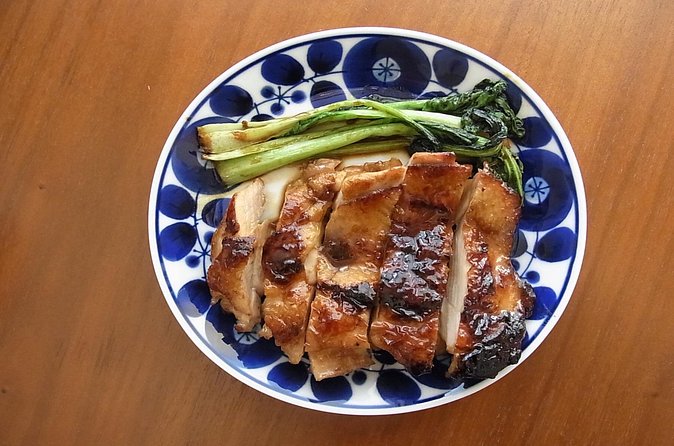
At $130 per person, this is not a cheap meal. You are paying for much more than the ingredients: a private class, Satoru’s time, instruction, conversation, a shared meal, one or two glasses of local alcohol, and a gift of a Japanese utensil and ingredient.
The value is strongest if you want personal contact and practical cooking skills. A restaurant meal may cost less, but it will not put you in a local home or let you ask why dashi matters, how a dish is built, or what makes a Japanese set meal feel complete. A group cooking class may also be less expensive, but it will not offer the same private pace.
The price makes less sense if you mainly want to eat Japanese food. You do not need a two-and-a-half-hour class to enjoy ramen or okonomiyaki in Tokyo. Choose this activity because you want to participate, ask questions, and share time with the host.
The experience is often booked well ahead, with an average booking time of 72 days in advance. That suggests you should reserve early if your schedule is tight, especially if you want a certain menu day or need a vegetarian or other special arrangement.
Dietary needs and menu requests
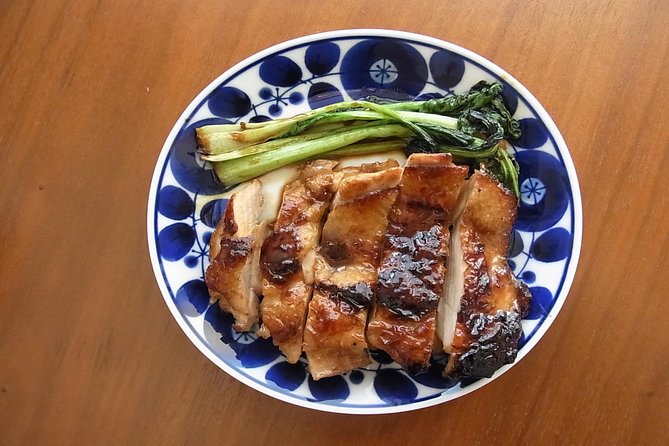
A vegetarian option is available, but you must request it when booking. You should also place any other dietary requirements in the special requirements box at the time of reservation and repeat them to the host if needed.
The one-week notice is important. If you do not share your preference, the menu of the day will be cooked. Changes made close to the start time may not be accepted because the ingredients and preparation are planned in advance.
If you are choosing dates around food rather than simply fitting the class into your schedule, use the menu calendar:
- Saturday through Tuesday: teishoku with miso soup, rice, and two side dishes
- Wednesday through Friday: one popular dish such as okonomiyaki, karaage, yakisoba, katsu curry rice, ramen, or gyoza
Menu details can vary by season. Ask for the exact plan before you commit if a particular dish is the reason you want the class.
What you take home
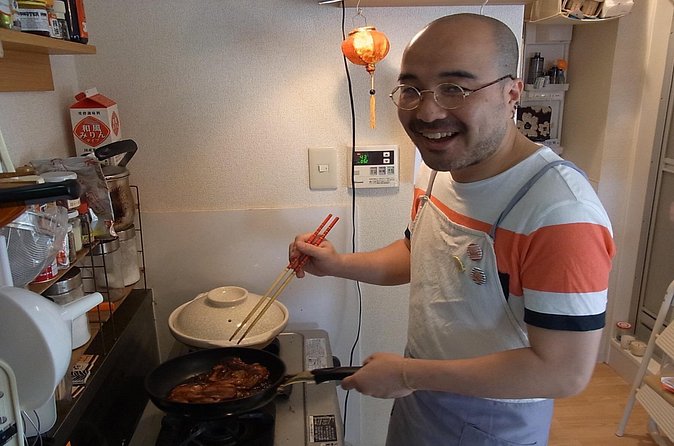
The activity includes a gift of a Japanese utensil and an ingredient. That is a small but useful ending. It gives you something connected to the cooking lesson rather than another generic souvenir.
The utensil may help you remember the techniques you practiced, while the ingredient can give you a starting point for trying Japanese cooking later. The supplied details do not identify the exact item, so do not book this expecting a specific brand or tool.
The keepsake works best as a prompt to continue cooking. After the class, you will have more context for ingredients such as dashi and honey, and a better sense of how a Japanese meal is put together. You may not leave with a complete cookbook, but you should leave with a few practical ideas and a clearer feel for the food.
Timing, booking, and cancellation
The activity lasts approximately two hours and 30 minutes. Confirmation is sent within 48 hours of booking, subject to availability, and the ticket is available on your mobile device.
Free cancellation is available if you cancel at least 24 hours before the local start time. If you cancel later, the payment is not refunded, and changes made within 24 hours are not accepted.
Because this is a private activity, only your own group participates. That is useful for families, couples, and friends who want a more personal setting. It also means the date and menu need careful planning before you book.
Who should book this Shinjuku cooking class?
I would choose this for you if you:
- Want to enter a local home rather than visit another commercial cooking studio
- Enjoy talking with a host and asking questions while you work
- Prefer a private activity for your family, partner, or small group
- Want to understand everyday Japanese food, not just sample restaurant dishes
- Are willing to plan menu requests and dietary needs at least one week ahead
I would skip it if you want a large, spacious kitchen, a professional chef’s production, a flexible last-minute menu, or simply a quick meal. The apartment setting is intimate, and the cooking depends on the day’s schedule.
Should you book it?
Book this experience if the human side of food matters as much as the recipe. Satoru’s patient teaching, humor, and personal explanations give the class its value, while the shared meal turns a lesson into a real social visit.
Choose your day carefully, tell Satoru about restrictions early, and confirm how many dishes are planned. At $130 per person, this is a special-purpose activity rather than a bargain meal, but it gives you something a restaurant cannot: time in a Japanese home, hands-on cooking, and a host who can connect the ingredients to everyday life.
FAQ
Where does the cooking class meet?
You meet Satoru at JR Shinjuku Station at 3-chōme-38-1 Shinjuku, Shinjuku City, Tokyo 160-0022, Japan.
Where does the activity end?
The activity ends back at the meeting point at JR Shinjuku Station.
How long does the experience last?
The experience lasts approximately two hours and 30 minutes, including about 90 minutes of cooking and time to share the meal.
How many dishes will I cook?
The description states that you will prepare two to three homestyle dishes, while the detailed schedule gives a possible range of two to five dishes. Ask Satoru what your specific menu includes.
What food is served on Saturday through Tuesday?
The menu is teishoku, a Japanese set meal that includes miso soup, rice, and two side dishes.
What food is served on Wednesday through Friday?
The menu may feature okonomiyaki, karaage, yakisoba, katsu curry rice, ramen, or gyoza.
Is a vegetarian option available?
Yes. A vegetarian option is available, but you need to request it when booking.
Is alcohol included?
Yes. The experience includes one to two glasses of local alcohol.
Can I cancel for a refund?
Yes, if you cancel at least 24 hours before the experience start time. Cancellations made less than 24 hours in advance are not refunded.
More hands-on classes and workshops in Tokyo
- Sushi Making Tokyo Roll and Authentic Japanese Sushi Class
★ 5.0 · 3,971 reviews - Tokyo: Roll and Authentic Sushi Making Class in Asakusa
★ 4.9 · 1,957 reviews - Tokyo Shinjuku Chopsticks Making Class
★ 5.0 · 1,763 reviews - Tokyo: Sushi Making Class in a Happi Coat near a Famous Spot
★ 4.9 · 1,377 reviews
Newly reviewed around Tokyo
- Tokyo Asakusa:Calligraphy & Make T-shirt Activity★ 5.0 · 62 reviews
- Travel Tokyo with Your Own Personal Photographer★ 5.0 · 43 reviews
- Intercity Shuttle, Tokyo to Haneda /Narita /Yokohama /Makuhari★ 5.0 · 5 reviews
- 1 Hour Travel around Tokyo with a Professional Photographer★ 5.0 · 3 reviews
- Train in Samurai Swordsmanship and Defeat the Demon in Tokyo★ 5.0 · 5 reviews
- Shuttle Van 6hr Tokyo Tour to-and-from Tokyo, Yokohama and Narita★ 5.0 · 9 reviews
- Kickboxing & Body Training with EX-Pro Fighter★ 5.0 · 4 reviews
- Traditional Japanese Knife Sharpening Class★ 5.0 · 18 reviews
Shinjuku Tours, compared.
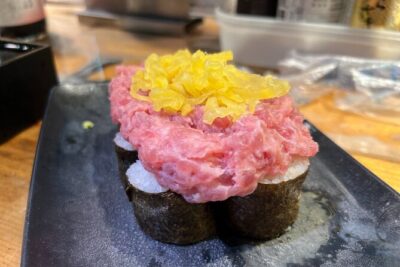
Shinjuku Food Tour (13 Dishes at 4 Local Eateries)
Read our review →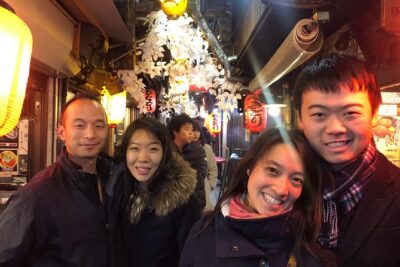
Tokyo Bar Hopping Tour in Shinjuku (All-You-Can-Drink + Dinner)
Read our review →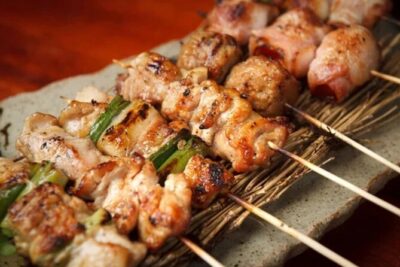
Shinjuku Food Tour (15 Dishes and 4 Eateries)
Read our review →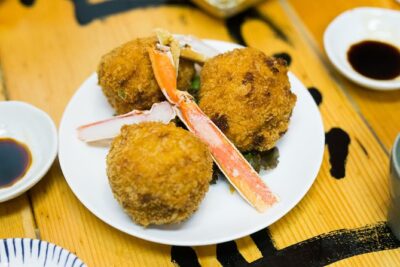
Best of Shinjuku: Izakaya Food Tour (4 Stops, 14+ Tastings)
Read our review →
Shinjuku Local Bar and Izakaya Guided Walking Tour
Read our review →

Tokyo Shinjuku Sumo Show & Experience with Photo
Read our review →
Tokyo Night Foodie Tour in Shinjuku – Seasonal Sushi, Wagyu Beef
Read our review →Browse the lists this tour appears in