
Reviewed · TSUKIJI AND TOYOSU FISH MARKET TOURS
Guided Tsukiji’s Local Food Tour
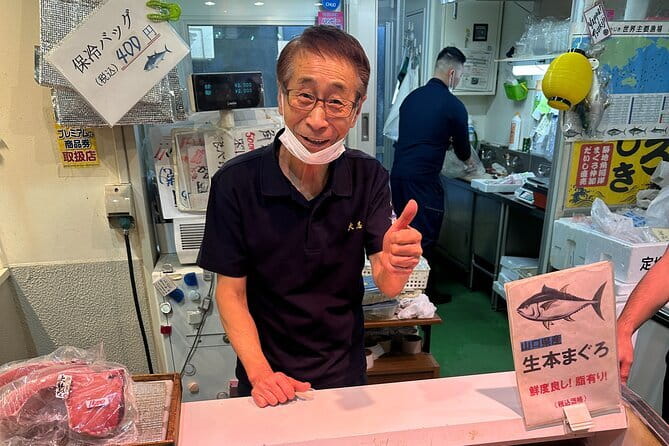
Tsukiji is easiest to enjoy when someone else handles the maze of stalls and Japanese-only menus. On this 90-minute morning walk, Yoshi leads a group of no more than four through the outer market, pointing out places you could easily miss and helping you choose what to eat.
I like the personal scale, since a tiny group makes it easier to ask questions and keep the pace comfortable. I also like the food range: grilled seafood, oysters, tuna, tamagoyaki, sake, wagyu, and green tea ice cream can turn a short walk into a full breakfast.
The main catch is that food is not included. Bring about JPY 2,000 to 5,000 in cash, and remember that the market can be crowded, the walk starts at 8:00 a.m., and the tour depends on good weather.
Key points before you book
- A maximum of four people: This is a personal market walk, not a large group shuffle.
- Yoshi leads the experience: He has lived near Tsukiji for many years and knows local food shops and restaurants.
- Food costs extra: Plan on roughly JPY 2,000 to 5,000 in cash for tastings, with cafes and restaurant meals costing more.
- The route ends at Namiyoke Shrine: You can keep exploring Tsukiji after the guided portion ends.
- You taste more than seafood: Tamagoyaki, sake, wagyu, matcha, and green tea ice cream may all feature.
- The market is the outer Tsukiji Market: The wholesale seafood operation moved to Toyosu, but the original outer-market streets remain open to food shoppers.
Why a small Tsukiji tour makes sense
Tsukiji can feel simple at first: walk down a narrow street, spot a seafood stall, buy something, and repeat. In practice, the best choices are not always obvious. Some counters have Japanese-only menus, some shops specialize in one item, and the busiest paths can make it hard to stop and study what is on offer.
That is where this tour earns its keep. Yoshi takes care of the route and language questions, so you can focus on tasting. The group limit of four also matters. You are not waiting for a long line of people to gather before crossing the street, and you can ask why one shop is worth your time.
The tour is not designed as a sit-down breakfast at one restaurant. Think of it as a guided tasting walk, with several stops and short explanations along the way. Your final food bill depends on what you choose and how much you eat.
Tsukiji’s wholesale fish market moved to Toyosu, but the outer market remains a working food district. Shops still sell seafood, snacks, sweets, cooking supplies, and prepared food. This tour focuses on that public-facing area, where you can see how Tokyo residents shop and eat around the market.
More Tsukiji and Toyosu fish market tours:
- Tokyo Tsukiji Fish Market Food and Culture Walking Tour
★ 5.0 · 3,184 reviews - Tokyo: Tsukiji Fish Market Food and Walking tour
★ 5.0 · 1,724 reviews - Tokyo: Tsukiji Fish Market Guided Walking Tour
★ 4.9 · 1,397 reviews
Starting at 8:00 a.m. in Tsukiji
The meeting point is 4-chōme-8-1 Tsukiji, Chuo City, Tokyo. The start time is 8:00 a.m., which is useful for two reasons: you get a fresh start to the day, and you avoid some of the later crowds.
It is also an early commitment. If you prefer slow mornings, this may feel like work, especially after a late night in Tokyo. If you want a food-focused breakfast and a head start on sightseeing, the timing is practical.
The tour is near public transportation, and most people can take part. You should expect to walk through market streets and pause at food counters rather than remain in one place. Wear shoes you can comfortably walk in, and keep your belongings close in narrow areas.
Bring Japanese yen. The tour does not cover street food, souvenirs, cafe meals, or restaurant meals. The suggested tasting budget is JPY 2,000 to 5,000, though your total can vary depending on your choices.
Moving through Tsukiji’s outer market
The first part of the walk introduces you to the market’s layout and past. Tsukiji was once Tokyo’s leading wholesale seafood market, but that wholesale operation now runs at Toyosu. The outer market did not disappear with the move. It continues to serve shoppers looking for seafood, traditional snacks, and local specialties.
That distinction helps set expectations. You are not touring the old wholesale auction floor. Instead, you are visiting the streets where food shops and small vendors continue to operate.
Yoshi’s role is especially useful here. He knows the area well and has lived near Tsukiji for many years. That local connection gives the walk a clear purpose: you are not simply being shown the most visible stalls, but being guided toward places he considers worth your time.
The experience also includes recommendations for shops and restaurants you can return to later. This is valuable if Tsukiji is part of a longer Tokyo trip. You may want to keep eating after the official tour ends, and the route gives you a starting list rather than leaving you to choose at random.
Tasting tamagoyaki and grilled seafood
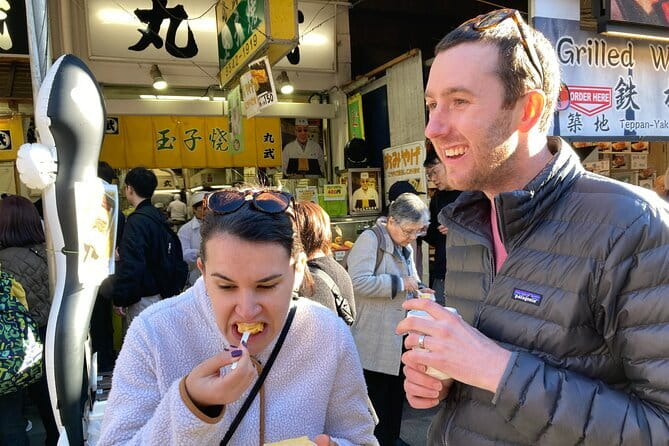
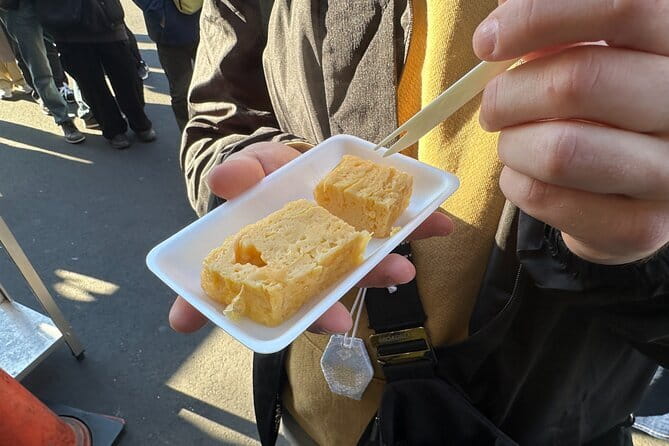
Tamagoyaki is one of the market’s familiar treats. This sweet-savory Japanese rolled omelet is a common stop in Tsukiji, and it is easy to eat while walking. It also gives you a change of pace from seafood, which is important if you are building a breakfast from several small portions.
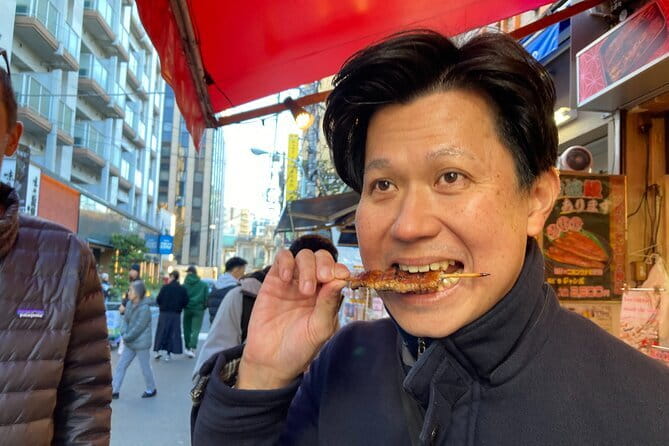
Grilled seafood brings the market’s main strength into focus. You might try a hot item prepared at a stall rather than a full restaurant meal. The appeal is freshness and immediacy, but keep in mind that portions and prices can differ by shop.
The guide makes these stops more useful because you can ask what an item is, how it is prepared, and whether it is better eaten right away. That help matters when you are looking at unfamiliar dishes or deciding how much room to save for the next stop.
Since the tour is only about an hour and a half, the pace should stay focused. You will not have time to sample everything in Tsukiji. The benefit is that you get a handpicked route instead of spending the morning wandering without a plan.
More Tokyo food tours:
- Tokyo: Shinjuku Food Tour (13 Dishes at 4 Local Eateries)
★ 5.0 · 6,603 reviews - Tokyo: Shinjuku Food Tour (15 Dishes and 4 Eateries)
★ 4.9 · 2,033 reviews - Best of Shinjuku: Izakaya Food Tour (4 Stops, 14+ Tastings)
★ 5.0 · 1,863 reviews - Tokyo Night Foodie Tour in Shinjuku – Seasonal Sushi, Wagyu Beef
★ 5.0 · 1,161 reviews
Seafood, oysters, tuna, and a possible sake stop
The food described for this experience goes beyond simple street snacks. Tuna and oysters are part of the possible morning spread, along with sake. One person who took the tour described being able to eat seafood and drink sake in the morning, which tells you the outing can feel more like a serious food crawl than a quick snack stop.
That said, do not assume every item is guaranteed on every departure. The exact shops and purchases may depend on availability, operating hours, and your group’s preferences. Your food budget also affects how much you try.
Sake can be an enjoyable part of the experience, but it may not suit everyone at 8:00 a.m. If you are traveling with children, avoiding alcohol, or simply want a lighter breakfast, you can focus on the food instead. The tour is flexible in spirit, but you still pay for personal purchases.
The market setting is part of the fun, but it also means you should be ready for a less formal meal. You may eat standing up or in brief stops between shops. If you need a quiet, seated breakfast, plan to continue to a cafe or restaurant after the tour.
Wagyu, matcha, and green tea ice cream
The route is not limited to fish. Wagyu and matcha have also been part of the food mix, giving you a wider picture of Tokyo’s market tastes. This variety is one of the tour’s strongest features. You can compare savory seafood with meat, tea-based sweets, and a cold finish.
Green tea ice cream is an easy crowd-pleaser, especially after salty or grilled food. It also gives the tasting a clear ending, even though you can continue exploring once the guide finishes.
The presence of wagyu and sweets means this is not only for serious seafood fans. You can still enjoy the walk if raw fish is not your favorite. At the same time, seafood remains central, so anyone with strong food restrictions should ask questions before booking.
I like this mix because it reflects how a market visit can unfold in real life. You are not stuck with one long course. You can try a bite, move on, taste something different, and decide what deserves a second look.
The market’s story without a long lecture
A good food tour needs more than a list of dishes. Yoshi also explains Tsukiji’s past and helps connect the market’s current shops with its former role in Tokyo’s seafood trade.
The history portion is not described as a formal museum talk, and that is a plus for a short morning tour. You get useful context while standing in the place itself. The guide can explain why the area matters and how its role changed after the wholesale market moved to Toyosu.
The best part is the link between history and everyday choices. Knowing that Tsukiji’s wholesale function moved elsewhere helps you understand what you are seeing now. The outer market is not a preserved set piece. It remains a place to buy food, eat breakfast, and find specialty shops.
Yoshi’s English is described as strong, and his communication is one of the reasons this tour works well for people who do not read Japanese. You can ask about menus and ingredients instead of guessing. That is a small service, but it can prevent an expensive or unsuitable purchase.
Ending at Namiyoke Shrine
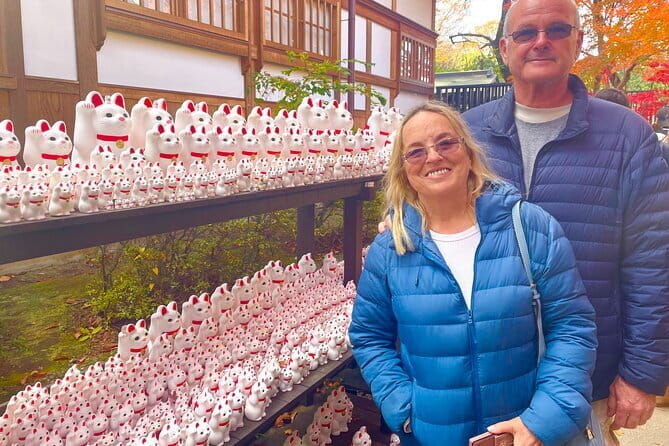
The tour ends at Namiyoke Shrine, at 6-chōme-20-37 Tsukiji, right beside the market. This is a useful finish rather than a simple exit point.
Namiyoke Shrine gives you a calm place to pause after the food walk, and you can return to Tsukiji for more shopping or eating. The tour does not force you to leave the area just as you get oriented. You finish with the market still in front of you.
This ending also makes the experience easy to combine with the rest of a Tokyo day. Afterward, you can keep exploring Tsukiji, follow one of Yoshi’s shop suggestions, or move on to another part of the city. The guide’s recommendations may be the most useful part of the tour after the food itself.
Price and what the $32.52 covers
At $32.52 per person, the price is reasonable if you value a guide who saves you time and helps you choose among unfamiliar stalls. The fee covers the professional local guide, the walking route, explanations about the area, and introductions to recommended shops.
It does not cover the food. That matters because a low tour price can look less low once you add tastings, drinks, or a meal afterward. Set aside JPY 2,000 to 5,000 for street food, then add more if you want to sit down for lunch or buy souvenirs.
For comparison, you could walk through Tsukiji on your own for little money. The trade-off is that you would need to find the right shops, translate menus, and decide what to order without local help. If you enjoy making your own food discoveries, the guided fee may not be necessary. If you want a short, organized introduction, the cost is easier to justify.
The four-person maximum improves the value. A small group gives the guide more room to answer questions and adjust the route. It also avoids the slow pace that comes with a large food tour.
Who will enjoy this tour most
This experience fits you best if you want a first look at Tsukiji without spending half the morning choosing where to eat. It is also a good match if you want local food but feel unsure about Japanese menus or market etiquette.
Food-focused couples, solo visitors, and small parties should appreciate the four-person limit. The tour also suits anyone who wants an early start and plans to keep exploring afterward.
You may want to skip it if you prefer a long sit-down meal, need a fixed menu, or want to see the Toyosu wholesale market itself. This experience takes place in Tsukiji’s outer market, not at Toyosu, and the food costs are separate.
The tour requires some flexibility. Shop availability, weather, and your own appetite can shape the morning. It is best approached as a guided introduction with several tastings, not an all-inclusive breakfast with every dish promised in advance.
Booking and cancellation details
Confirmation is sent within 48 hours of booking, subject to availability. The tour can be canceled for a full refund if you cancel at least 24 hours before the start time.
Changes or cancellations made less than 24 hours before the tour are not refunded or accepted. Since good weather is required, a weather cancellation results in the choice of another date or a full refund.
The tour is commonly booked well ahead of time, with an average booking lead of 43 days. If your Tokyo dates are fixed, reserving early makes sense, especially because the group is limited to four people.
Should you book the Tsukiji food tour?
Book it if you want a short, personal introduction to Tsukiji led by someone who knows the neighborhood well. Yoshi’s local ties, strong English, and skill at finding less obvious food stops are the main reasons to choose this experience over wandering alone.
The strongest points are the small group, the mix of seafood and sweets, and the chance to keep exploring after the tour ends at Namiyoke Shrine. Just budget separately for food, arrive ready for an early walk, and remember that the market can be crowded and weather-sensitive.
If those conditions suit you, this is a practical way to eat your way through Tsukiji without wasting your first hour deciding where to start.
FAQ
Where does the Tsukiji food tour begin?
The tour begins at 4-chōme-8-1 Tsukiji, Chuo City, Tokyo 104-0045, Japan.
What time does the tour start?
The tour starts at 8:00 a.m.
How long does the tour last?
The walking tour lasts approximately 1 hour and 30 minutes.
Where does the tour end?
The tour ends at Namiyoke Shrine, located at 6-chōme-20-37 Tsukiji, Tokyo 104-0045, next to Tsukiji Fish Market.
How many people can join the tour?
The tour has a maximum of four participants.
Is food included in the tour price?
No. Street food purchases are not included. You should bring approximately JPY 2,000 to 5,000 in cash, and meals at cafes or restaurants cost extra.
What foods might I try?
Possible tastings include grilled seafood, tamagoyaki, tuna, oysters, sake, wagyu, matcha, and green tea ice cream. The exact food purchases can vary.
Can I cancel for a full refund?
Yes. You can receive a full refund if you cancel at least 24 hours before the experience starts. If poor weather causes the tour to be canceled, you will be offered another date or a full refund.
Newly reviewed around Tokyo
- Tokyo Asakusa:Calligraphy & Make T-shirt Activity★ 5.0 · 62 reviews
- Intercity Shuttle, Tokyo to Haneda /Narita /Yokohama /Makuhari★ 5.0 · 5 reviews
- 1 Hour Travel around Tokyo with a Professional Photographer★ 5.0 · 3 reviews
- Travel Tokyo with Your Own Personal Photographer★ 5.0 · 43 reviews
- Train in Samurai Swordsmanship and Defeat the Demon in Tokyo★ 5.0 · 5 reviews
- Shuttle Van 6hr Tokyo Tour to-and-from Tokyo, Yokohama and Narita★ 5.0 · 9 reviews
- Kickboxing & Body Training with EX-Pro Fighter★ 5.0 · 4 reviews
- Tokyo History: Sensoji Temple & Asakusa District Private Tour★ 5.0 · 28 reviews
Tsukiji and Toyosu Fish Market Tours, compared.
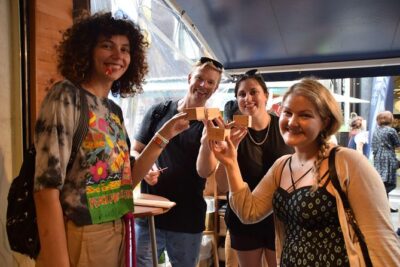
Tokyo Tsukiji Fish Market Food and Culture Walking Tour
Read our review →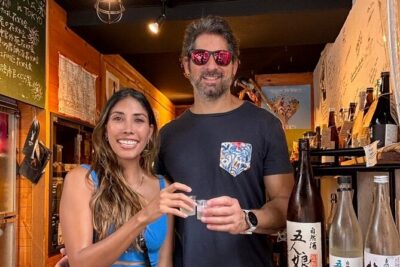
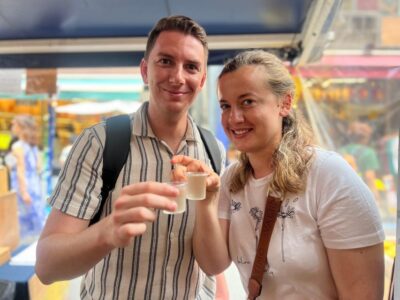
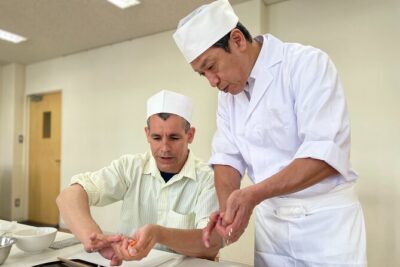
Tokyo Sushi Making Class in Tsukiji with Professional Chef
Read our review →
Tsukiji Fish Market Guided Tour and Sushi Making with Pro Chef
Read our review →Tsukiji Fish Market Food and Culture Walking Tour
Read our review →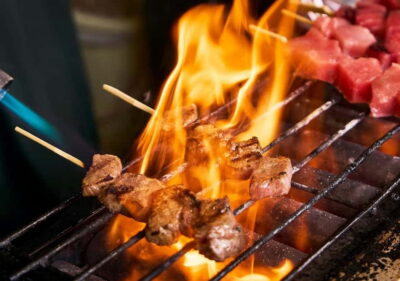
Tsukiji Fish Market: Street Food & Culture Walking Tour
Read our review →
Tsukiji Fish Market Small-Group Food Walking Tour
Read our review →Browse the lists this tour appears in