
Reviewed · TOKYO WALKING TOURS
Graffiti in Tokyo Walking Tour: Shibuya and Harajuku
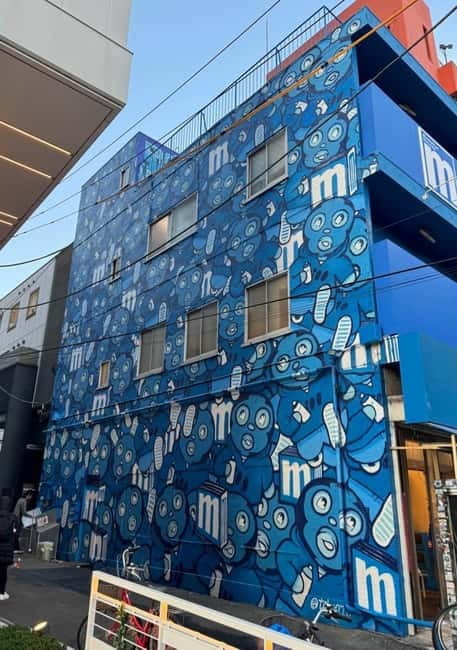
Tokyo’s graffiti is easy to miss. A small tag may sit above eye level, a sticker may be tucked beside a drainpipe, and a painted wall may disappear behind signs and parked bicycles. This walk puts those details in view, with Elena Calderon explaining the artists, styles, and local culture behind them. I like the access to places you would probably pass without noticing, and I like that the tour treats graffiti as an art form and a social issue, not just colorful decoration.
The price is $38 for two hours, which is fair if you care about street art and want informed guidance rather than a standard neighborhood stroll. The main drawback is that this is a walking tour through streets where art can change or vanish, so the exact pieces are not guaranteed. Also, the meeting information needs a quick check: the stated meeting point is Manhattan Records, while the route details also mention Kifune Bldg.
Key points before you book
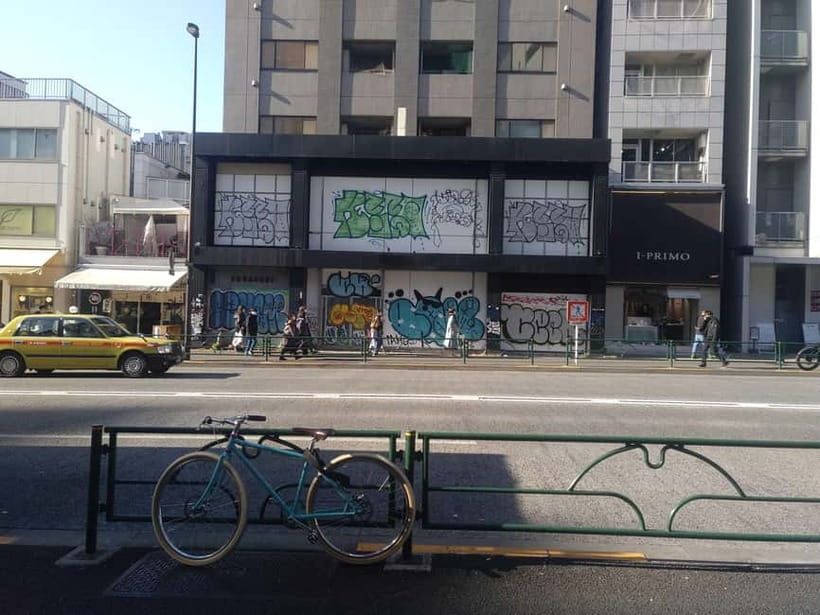
- Shibuya’s overlooked art: Look for tags, throw-ups, stickers, murals, and small pieces that are easy to miss on your own.
- A specialist guide: Elena Calderon has more than 10 years of graffiti research experience and works as an art curator.
- Shibuya to Harajuku: The walk connects two famous districts with less familiar back streets and art stops.
- Legal and illegal work: You learn about permitted walls as well as street art made without permission.
- More than graffiti: The tour can point you toward galleries, exhibitions, studios, restaurants, and local hangouts.
- Practical format: It lasts about two hours, runs in English or Spanish, and requires comfortable walking shoes.
Why Tokyo graffiti is worth a closer look
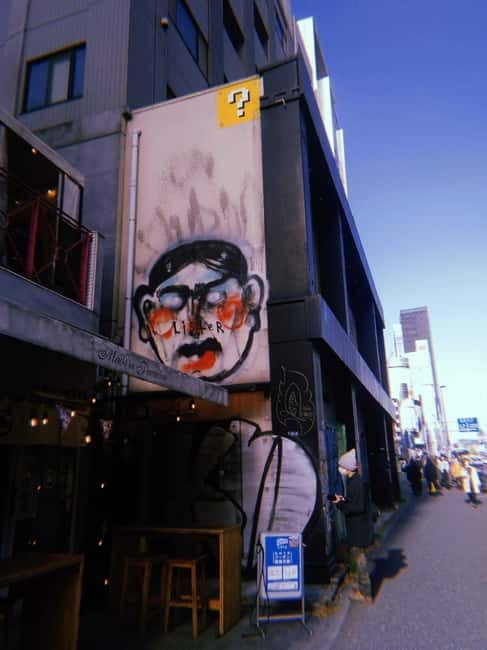
Tokyo has a reputation for spotless public spaces and careful order. That makes its graffiti scene especially interesting. Street art is not spread openly across every major avenue. Instead, pieces can appear in narrow lanes, on shutters, around construction areas, or in places where you need to know exactly where to look.
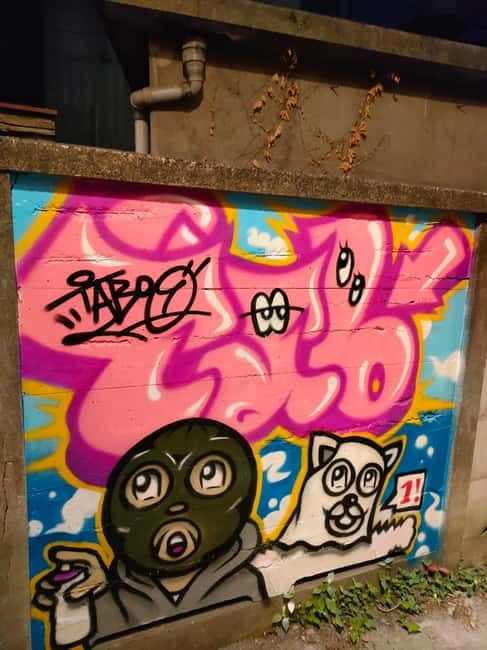
That contrast gives this tour its purpose. You are not simply walking around Shibuya taking pictures of large murals. You are learning how to read a wall. Elena can explain the difference between a tag, a throw-up, a sticker, and a larger painted piece, then place each one in the wider culture of Japanese and international graffiti.
I like this approach because it changes how you see the city after the walk. A plain wall may no longer seem plain. You may notice a repeated name, a crew mark, a paste-up, or a tiny sticker that you would have ignored before.
The subject also needs some care. Some graffiti is legal, some is tolerated for a time, and some is made without permission. The tour does not present illegal activity as a travel stunt. You are asked to respect local laws, avoid littering, and leave the streets as you found them. That matters in a city where public order is taken seriously.
More things to do in Shibuya:
- Official Street Go-Kart in Shibuya
★ 5.0 · 3,435 reviews - Tokyo: Street Kart Experience in Shibuya
★ 4.9 · 1,484 reviews - Shibuya Meltdown Nightlife Tour: All-You-Can-Drink Bar Hopping
★ 5.0 · 1,058 reviews
Starting at Manhattan Records in Shibuya
The published meeting point is Manhattan Records Shop, a useful landmark in Shibuya and an appropriate place to begin an alternative art walk. The route information also names Kifune Bldg. as the starting and return location, so I would confirm the exact map pin with the provider before setting out. Do not assume those two references mean the same doorway.
Shibuya is a practical base for this subject. It is famous for giant screens, shopping streets, and the scramble crossing, but it also contains side lanes where the city feels less polished and more personal. The point is not to rush from one famous sight to another. The point is to slow down and inspect the edges of the neighborhood.
Bring water and a camera. Cash is also recommended, useful for small purchases or stops connected with the tour, though meals and drinks are not included. Comfortable shoes are essential. Two hours on foot can feel long if you arrive in fashion shoes chosen for photos rather than pavement.
Weather matters too. You should be ready for changing conditions, since the experience takes place outdoors. There is no suggestion that the walk is designed for bad weather, so check the forecast and dress sensibly.
Reading Shibuya’s tags, stickers, and murals
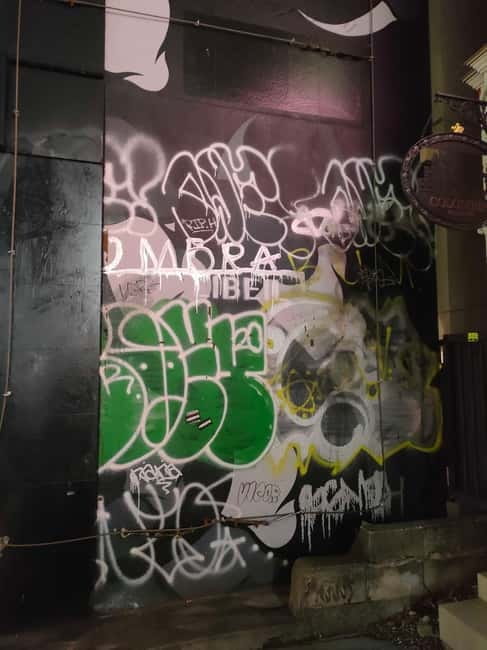
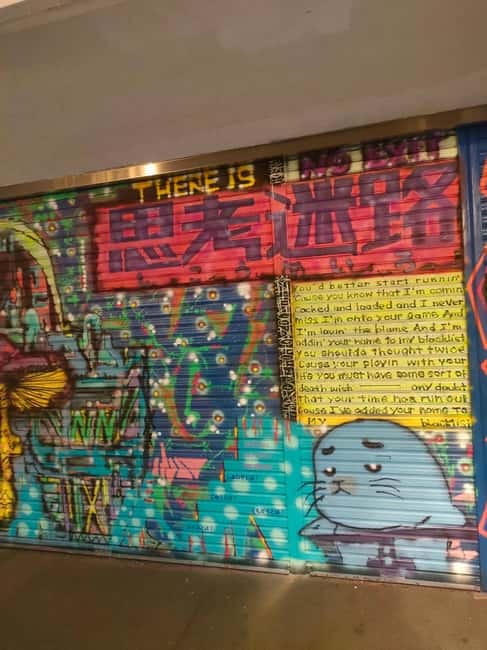
The main portion of the experience takes place in Shibuya and lasts about two hours. The route can include legal walls, secret street spots, stickers, tags, and larger works by local and international artists.
The small pieces may be the most rewarding. A mural announces itself, but a tag often requires a trained eye. You might need to look along a side wall, above street level, or near a doorway. Elena’s role is important here. She has spent years tracking artists and crews around Tokyo, and her explanations help you understand why a modest mark can matter to the people who made it.
The walk also adds context. You can hear how graffiti fits into Japanese urban culture, how artists work within a city with strict rules, and how local and international styles meet in Tokyo. This makes the experience useful even if you are not an artist yourself.
I would not expect every stop to be a polished piece suitable for a postcard. Some work may be rough, partly covered, faded, or temporary. That is part of street art. The city changes, and the art changes with it. A piece can be painted over, removed, or hidden by a new sign. If you want a fixed collection of major murals, an art museum will be more predictable.
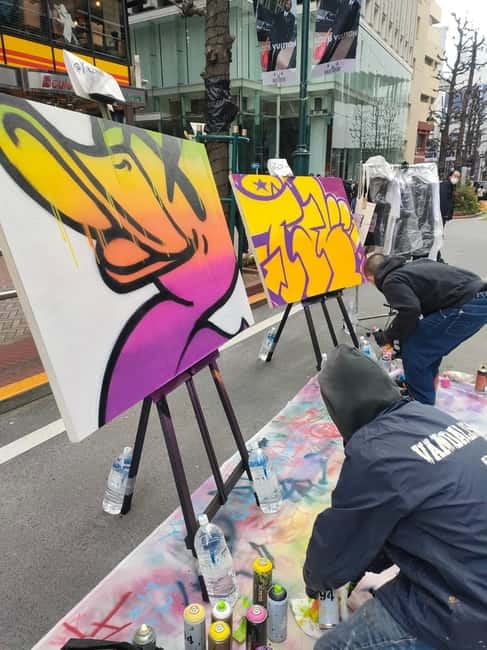
For photography, listen carefully to the guide. Elena has helped people locate murals they wanted to photograph again, but a good image is not the only purpose of the walk. You are also learning to notice scale, placement, repetition, and the way art interacts with ordinary streets.
Harajuku in ten minutes
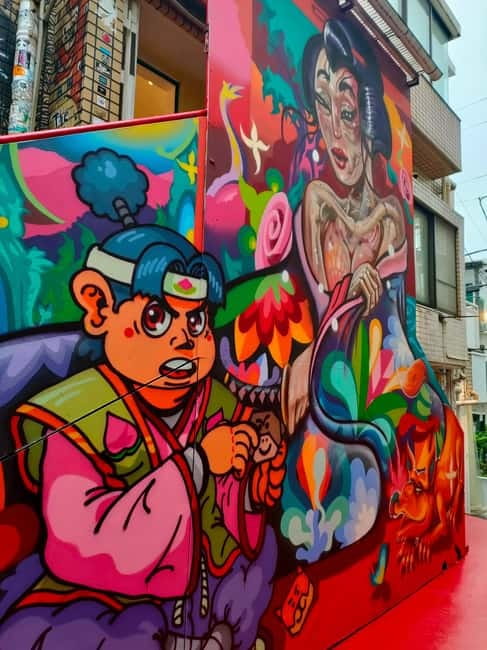
The route includes a visit to Harajuku listed at about 10 minutes. That is a short stop, so you should think of it as a compact extension of the Shibuya walk, not a full Harajuku neighborhood tour.
Harajuku adds a useful contrast. It is associated with youth fashion, creative shops, and strong visual style, so street art feels at home among its many forms of self-expression. The stop gives you another setting in which to compare tags, stickers, and larger pieces.
Because the Harajuku portion is brief, do not book this activity expecting extended shopping time, a long gallery visit, or a broad tour of every creative corner. The art remains the focus. If you want to explore Harajuku independently afterward, this walk can help you decide where to continue, but no extra transport or admission is included.
The route then returns to Kifune Bldg. in the supplied details. Again, confirm the precise end point, especially if you have a restaurant reservation or another timed activity afterward.
More things to do in Harajuku:
- Tokyo Go-Kart Tour Shibuya-Harajuku-Shinjuku (*IDP Required)
★ 5.0 · 217 reviews - Tokyo: Guided Go Kart Tour from Harajuku to Shibuya Crossing
★ 4.5 · 166 reviews - Shibuya & Harajuku: Hidden Gems & Highlights Private Tour
★ 4.7 · 139 reviews - Harajuku Kawaii Fashion and Pop-Culture Tour
★ 5.0 · 94 reviews
What Elena adds to the experience
The guide is the reason to choose this walk over wandering alone with a map. Elena Calderon is described as a graffiti researcher with more than 10 years of experience and an art curator. She also guides in Spanish as well as English.
Her value is not only naming artists. A specialist can explain how a work fits into a scene, why a location matters, and what your untrained eye might miss. The experience also includes information about Tokyo art galleries, exhibitions, and studios. That gives you useful options if your interest extends beyond outdoor walls.
The tone appears relaxed and conversational. That is a good match for graffiti, which is best understood through observation and discussion rather than a formal lecture. You can ask about artists, techniques, galleries, and local customs as you go.
There is also some flexibility in the way the walk responds to your interests. One participant was helped to locate murals for later photography, and the guide has been praised for adapting to individual needs. Still, do not assume that every requested site can be added. Street art locations change, and the advertised walk has a set time.
If your main interest is contemporary art, the gallery tips may be nearly as useful as the street stops. Discounts at art galleries and restaurants are included, though the available venues and terms are not specified. Ask Elena for current details during the walk.
Is $38 good value?
At $38 per person, this is not the cheapest way to spend two hours in Shibuya. You can walk through the districts for free. The question is what you are paying to add.
You are paying for trained eyes, local research, access to less obvious locations, and explanations that turn random marks into something you can understand. If you already follow graffiti artists or work in street art, that specialist angle may justify the price quickly.
For a casual visitor who only wants a few colorful photographs, the value is less certain. You may prefer to explore Shibuya and Harajuku independently, especially if your schedule is tight. The tour works best when you are curious about the people, styles, and rules behind the images.
The gallery and restaurant discounts could add value, but because the exact businesses and savings are not given, I would treat them as a bonus rather than part of the core calculation. The core purchase is the guide’s time and expertise.
The two-hour length is another advantage. It is long enough to develop a theme without taking up half a day. You can schedule it alongside other Tokyo plans, though you should allow extra time for getting to the meeting point and for the return route.
Who will enjoy this walk most?
This tour suits you if you:
- Already like graffiti, street art, stickers, or urban photography.
- Want to see a less polished side of Shibuya and Harajuku.
- Prefer a specialist guide to a general city overview.
- Enjoy back streets and details that are easy to overlook.
- Want suggestions for galleries and art spaces after the walk.
- Can comfortably walk for about two hours.
It can also work well for families with older children who are interested in drawing, design, or city culture. The activity is not suitable for babies under one year, people with mobility impairments, or people over 95, according to the stated restrictions. There is no information about a stroller-friendly route or step-free access, so ask before booking if either is important to you.
You should choose another activity if you want major landmarks, indoor museum time, shopping, or a guaranteed list of famous artworks. This is a street-level experience, and the city itself is part of the subject.
A responsible way to see unauthorized art
The phrase often illegal graffiti can sound like a promise of forbidden access. That is not how you should approach it. You are observing art in public spaces, not being encouraged to trespass, touch walls, damage property, or copy someone else’s mark.
Respect local laws and the guide’s instructions. Do not smoke, drink alcohol, use drugs, or litter during the walk. Avoid blocking doorways and be considerate when taking photographs. If a piece is on private property, treat it as something to observe from a public place.
This attitude improves the experience. You can appreciate the skill and social meaning of graffiti without ignoring the effects on property owners and neighborhoods. It also helps preserve the possibility of street art continuing in Tokyo.
Booking details worth checking
The activity offers free cancellation up to 24 hours before the start time, with a full refund, and a reserve-now, pay-later option. That is useful when your Tokyo schedule is still shifting.
The listed languages are English and Spanish. Meals, drinks, transportation to the meeting point, and admission to galleries or museums are not included. Many galleries are free, but you should not count on every exhibition costing nothing.
The tour has a five-star rating from 41 reviews, and the strongest pattern in the feedback is clear: people value Elena’s command of the subject, her enthusiasm, and her ability to show art that they would otherwise miss. One person described spending 2.5 hours on the walk, although the advertised duration is two hours, so allow a little flexibility if the conversation and route run long.
Should you book the Shibuya and Harajuku graffiti walk?
Book it if you want to understand Tokyo through its small details rather than only its famous sights. Elena’s research background, the focus on overlooked pieces, and the connection to galleries make this more useful than a simple photo walk.
Skip it if you want a broad introduction to Tokyo, a fixed collection of major murals, or an indoor activity. Also confirm the meeting and return points before paying, since Manhattan Records and Kifune Bldg. are both named in the practical information.
For the right audience, $38 buys a sharp new way of seeing two familiar districts. Afterward, you may find yourself scanning every shutter and side wall for the next mark.
FAQ
Where does the graffiti walking tour meet?
The stated meeting point is Manhattan Records Shop in Shibuya. The route details also name Kifune Bldg. as the starting and return location, so confirm the exact meeting address before you go.
How long does the tour last?
The advertised duration is two hours. The route includes a guided walk in Shibuya, a short visit to Harajuku listed at 10 minutes, and a return to Kifune Bldg.
Which languages are available?
The tour is offered in English and Spanish.
What does the $38 price include?
The price includes the expert guide, access to selected graffiti locations, information about Tokyo’s graffiti scene and art galleries, and discounts at certain art galleries and restaurants on the tour.
Are meals, drinks, transportation, and museum admission included?
No. Meals and drinks, transportation to the meeting point, and admission to galleries or museums are not included. Many galleries are free of charge.
What should I bring?
Bring comfortable walking shoes, water, a camera, and cash. Be prepared for changing weather and follow local laws during the walk.
More Tokyo walking tours
- Tokyo Tsukiji Fish Market Food and Culture Walking Tour
★ 5.0 · 3,184 reviews - Tokyo: Imperial Palace and Shogun Historical Walking Tour
★ 5.0 · 2,251 reviews - Tokyo: Shinjuku Local Bar and Izakaya Guided Walking Tour
★ 4.9 · 1,794 reviews - Tokyo: Tsukiji Fish Market Food and Walking tour
★ 5.0 · 1,724 reviews
Newly reviewed around Tokyo
- Tokyo Asakusa:Calligraphy & Make T-shirt Activity★ 5.0 · 62 reviews
- Intercity Shuttle, Tokyo to Haneda /Narita /Yokohama /Makuhari★ 5.0 · 5 reviews
- 1 Hour Travel around Tokyo with a Professional Photographer★ 5.0 · 3 reviews
- Travel Tokyo with Your Own Personal Photographer★ 5.0 · 43 reviews
- Train in Samurai Swordsmanship and Defeat the Demon in Tokyo★ 5.0 · 5 reviews
- Shuttle Van 6hr Tokyo Tour to-and-from Tokyo, Yokohama and Narita★ 5.0 · 9 reviews
- Kickboxing & Body Training with EX-Pro Fighter★ 5.0 · 4 reviews
- Tokyo History: Sensoji Temple & Asakusa District Private Tour★ 5.0 · 28 reviews
Tokyo Walking Tours, compared.
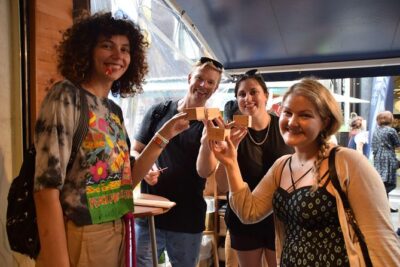
Tokyo Tsukiji Fish Market Food and Culture Walking Tour
Read our review →
Imperial Palace and Shogun Historical Walking Tour
Read our review →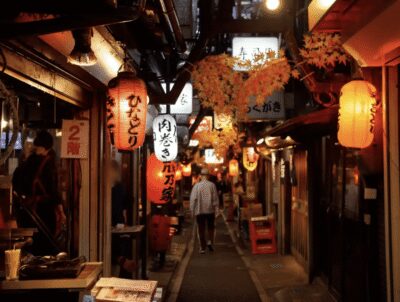
Shinjuku Local Bar and Izakaya Guided Walking Tour
Read our review →
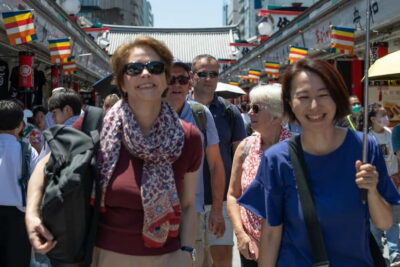
Asakusa Walking Tour with Sensoji Temple Visit
Read our review →
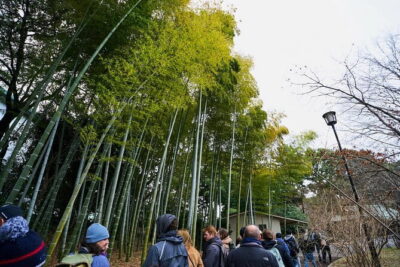
Tokyo Castle & Imperial PalaceーShogun Walking Tour
Read our review →
Browse the lists this tour appears in