
Reviewed · SHIBUYA TOURS
Blade Runner photo workshop in Shibuya with Laurence Bouchard
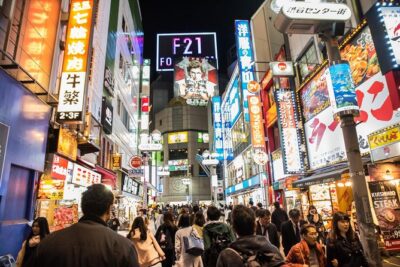
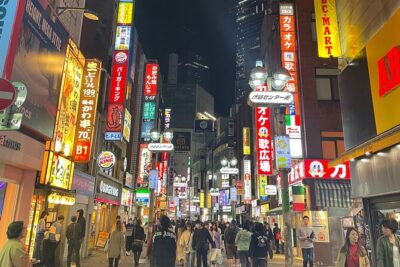
Shibuya after dark gives you exactly the raw material for a Blade Runner-style photo: neon signs, wet-looking reflections, hurried pedestrians, and streets that change mood every few steps. Laurence Bouchard has photographed this area for more than 10 years, so he can lead you beyond the obvious crossing to lesser-known spots and useful angles. I especially like the small maximum group of six and the fact that the workshop works for both serious camera users and people shooting with an iPhone.
I also like the practical focus. You begin with night settings, then try panning at Shibuya Crossing before moving through the neighborhood for more graphic images. The main caution is timing: during Japanese holidays, some locations may not be accessible or illuminated, so the route can be less rewarding.
Key points to know before booking
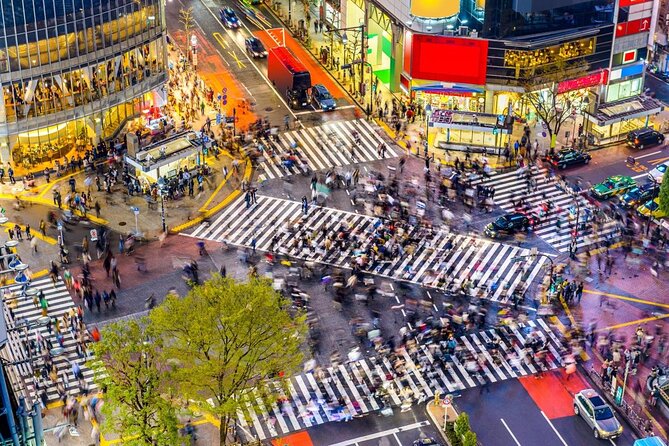
- Start at Shibuya Crossing: Practice panning and motion shots at one of Tokyo’s best-known street scenes.
- Learn from Laurence Bouchard: His decade of photographing Shibuya helps him find strong angles and unusual night locations.
- Bring almost any camera: The workshop suits interchangeable-lens cameras, compact cameras, and phones, including iPhones.
- Expect a small group: The maximum is six people, which gives you a better chance to ask for personal help.
- Plan for a two-hour evening: The workshop begins at 7:30 p.m. and returns to the starting point.
- Watch the holiday calendar: Some lights and locations may be unavailable during Japanese holidays.
Why Shibuya works so well after dark
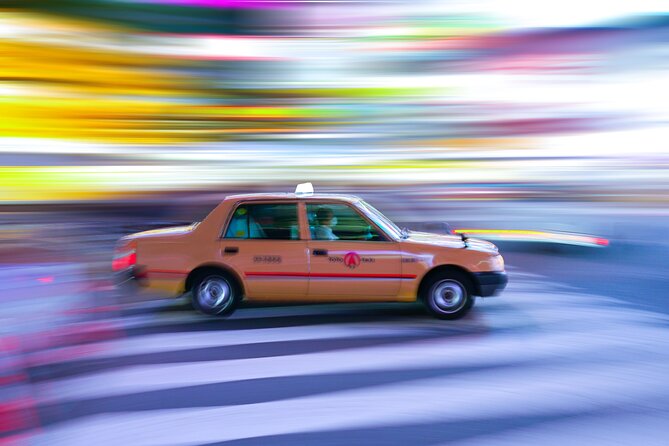
Shibuya is not merely a place to photograph. It is a place where light, movement, signage, and people all compete for your attention. That makes it a useful classroom for night photography, especially if you usually take postcard views and want to try something more graphic.
The Blade Runner idea gives the workshop a clear visual target. You are not simply collecting snapshots of Shibuya Crossing. You are looking for color, blur, reflections, silhouettes, and strong lines that make the city feel cinematic. Laurence can help you decide what to include and what to leave out.
That matters because night scenes can quickly turn into visual clutter. Shibuya has signs in every direction, bright screens, traffic, crowds, and narrow streets. A good guide can save you time by pointing out locations where those elements work together instead of fighting one another.
The route begins near the Cerulean Tower Tokyu Hotel at 26-1 Sakuragaokacho in Shibuya. The activity is near public transportation, and it ends back at the same meeting point. Since the workshop starts at 7:30 p.m., you can plan it as an evening activity after a day of sightseeing.
More things to do in Shibuya:
- Official Street Go-Kart in Shibuya
★ 5.0 · 3,435 reviews - Tokyo: Street Kart Experience in Shibuya
★ 4.9 · 1,484 reviews - Shibuya Meltdown Nightlife Tour: All-You-Can-Drink Bar Hopping
★ 5.0 · 1,058 reviews
Starting with camera settings instead of guesswork
The first part is a short conversation about camera settings. This is a small but important feature. Night photography is often less about fancy equipment than making sensible choices before you press the shutter.
You can use this opening to ask about the settings that matter most to your own camera. The exact instruction will depend on your experience and equipment, but the workshop is designed to help you produce usable images in difficult light rather than simply admire the scenery.
If you use a dedicated camera, bring it with the controls you normally use. You will get more from the session if you can follow along with aperture, shutter speed, ISO, and focus adjustments instead of spending the first half of the evening searching through menus.
Phone users are not left out. One person used an iPhone and found the workshop useful, while another participant used a phone alongside a more experienced photographer. Laurence can show you how to choose a position and angle, which is just as important as the camera itself.
That makes this a good choice for couples or families with mixed experience. One person can work on advanced camera technique while another concentrates on framing and finding the right light. An 11-year-old also took part with a parent, so the experience is not limited to working photographers.
Shibuya Crossing and the first panning shots
From the meeting point, the workshop heads to the world’s busiest crossing, where the first main exercise focuses on panning. This technique follows a moving subject as you take the picture, helping keep the subject clearer while the surroundings blur.
Shibuya Crossing is a practical place to try it because the scene supplies constant motion. You have people moving in different directions, changing patterns, and a background full of lights. You can make several attempts in a short time, then adjust your timing and settings.
Do not expect every frame to work. Panning takes practice, and the crossing gives you plenty of chances to experiment without waiting for a rare event. The value is in learning what a successful attempt feels like, then carrying that skill to other streets later in your trip.
The crossing also teaches an important street photography lesson: the most famous view is not always the strongest photograph. You may begin by aiming for the full sweep of the intersection, then find that a tighter crop, a single figure, or a blurred group creates a more interesting picture.
Laurence’s role here is practical. He can help you adjust the camera, but he can also point out when the timing, background, or angle is working. That is useful for photographers who understand their equipment but feel less comfortable working in a crowded public place.
From famous crossing to quieter photo locations
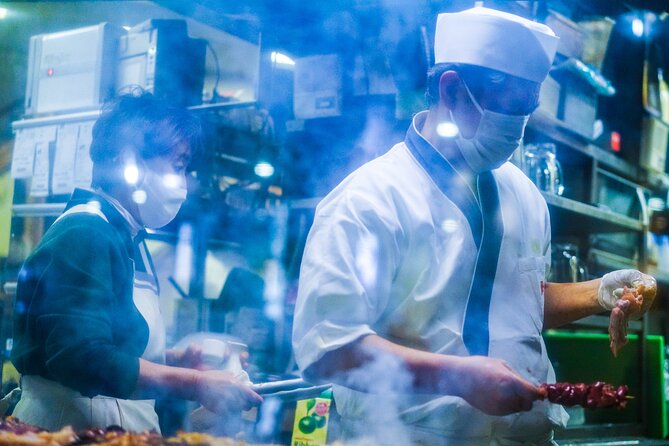
After the opening exercise, Laurence leads you to other places he has found during more than a decade of photographing Shibuya. The precise route can change, and that is part of the appeal. The goal is to find locations with strong night light and a distinct mood rather than march through a fixed list of sights.
You might work with bright signs, narrow side streets, graphic building lines, or figures passing through pools of light. These settings give you more control than the crossing, where the action is constant and the background can be hard to manage.
The workshop description emphasizes hidden side streets and unique locations, but you should interpret that in a practical way. This is not a sightseeing tour built around secret attractions. It is a photo walk built around places that produce better pictures after dark.
Laurence can show you where to stand, which direction to face, and how to use the available light. He can also help you spot patterns that are easy to miss when you are simply walking through Shibuya. A glowing sign reflected in glass, a person crossing a bright patch, or a row of lights can become the main subject once you frame it carefully.
This is where the experience may be most valuable for an experienced photographer. One participant with more than 40 years of photo experience still enjoyed finding new visual spots and working on a different approach to Shibuya. You do not need basic camera lessons to benefit from a fresh eye on the neighborhood.
More hands-on classes and workshops in Tokyo:
- Sushi Making Tokyo Roll and Authentic Japanese Sushi Class
★ 5.0 · 3,971 reviews - Tokyo: Roll and Authentic Sushi Making Class in Asakusa
★ 4.9 · 1,957 reviews - Tokyo Shinjuku Chopsticks Making Class
★ 5.0 · 1,763 reviews - Tokyo: Sushi Making Class in a Happi Coat near a Famous Spot
★ 4.9 · 1,377 reviews
Building Blade Runner-style images
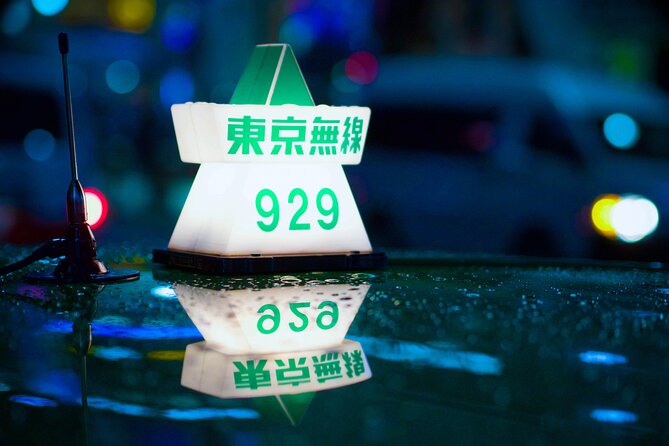
The Blade Runner theme is less about copying a film than about using a certain visual language. You are looking for a mix of artificial light, darkness, motion, and urban density. Shibuya supplies those ingredients, but you still need to make choices.
Start by asking yourself what the picture is about. Is it the color of a sign, the movement of a person, the shape of a building, or the relationship between a subject and the background? If everything is equally bright and busy, the image may lose its focus.
Laurence can help you simplify the scene. He can suggest a different angle, wait for a person to enter the frame, or show you how to use blur as part of the image instead of treating it as a mistake. These are small changes, but they can make your photographs feel deliberate.
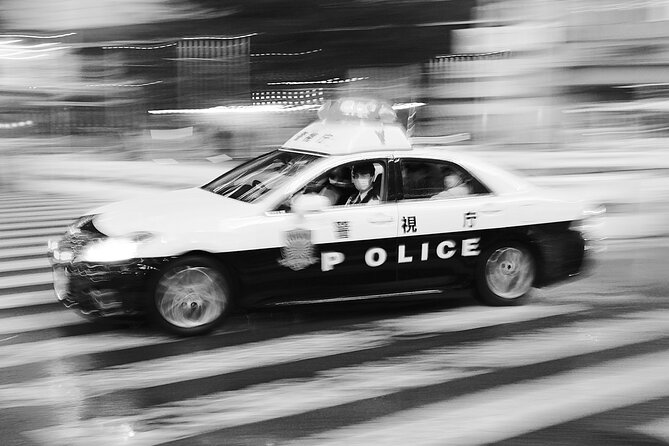
The workshop also covers nighttime action shots and panning shots. That gives you more than one way to record Shibuya. You can make sharp images that show movement clearly, then try slower shutter speeds for streaks and blur.
Your own camera will affect the results. A phone can produce strong images when you work with light and composition, while a dedicated camera gives you more control over settings. The important point is that the workshop does not require expensive gear to be worthwhile.
How personal is the instruction?
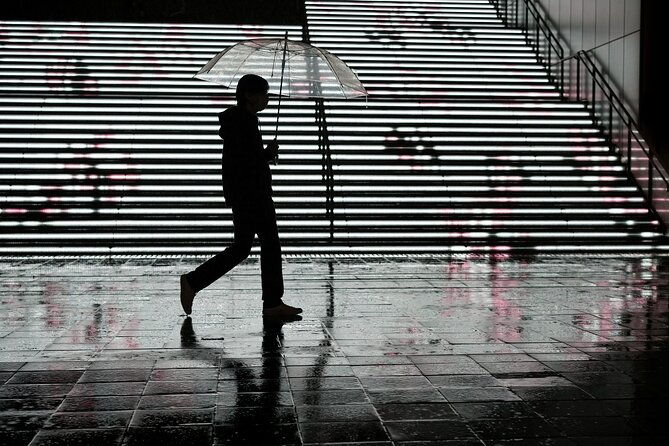
The group limit is six people, which is one of the strongest practical reasons to book. A large walking group would make it harder to stop, find a clear shooting position, and get direct help. With six or fewer, Laurence can give more attention to different cameras and skill levels.
The instruction appears adaptable rather than locked to one lesson plan. Laurence has explained techniques to beginners using phones, adjusted guidance for different camera brands, and worked with photographers who already know their equipment. That range is useful if you are traveling with someone whose experience differs from yours.
You should still be clear about your goal at the start. If you want technical help, say so. If you want composition ideas, ask for them. If you mainly want new locations, explain that too. A two-hour workshop is short, and direct questions will help you use the time well.
The experience is also suitable if street photography is outside your comfort zone. Working beside a photographer gives you a reason to pause and observe instead of rushing through the scene. You can learn how to photograph public movement without needing to invent a project on your own.
Physical demands are moderate. You will be walking through Shibuya at night and stopping in different places, so comfortable shoes and the ability to remain on your feet for the session make sense. The activity is near public transportation, which helps with getting to and from the meeting point.
What the $97.98 price buys you
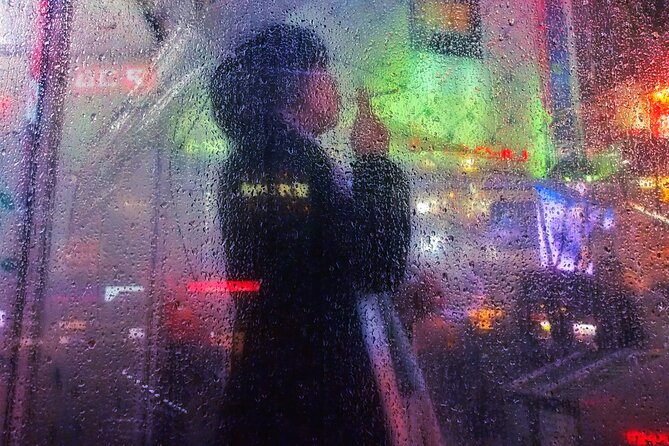
At $97.98 per person, this is not the cheapest way to see Shibuya at night. You are paying for a focused, small-group lesson rather than transportation, food, or entry to an attraction.
The value depends on how you use it. If you already photograph at night and can find your own locations, you may prefer to explore alone. But if you want to improve quickly, the cost includes a local guide who has spent over 10 years photographing this specific neighborhood, plus direct help with technique and composition.
The short length also works in its favor. A two-hour session is easy to fit into a Tokyo schedule, and you do not lose an entire evening if you have other plans. It is long enough to cover settings, the crossing, and several additional locations, but not so long that the repeated attempts at night photography become tiring.
The booking pattern suggests that people often reserve it well ahead, with an average of 39 days. That is useful to know if your Tokyo dates are fixed. The group maximum is only six, so waiting until the last minute could reduce your options.
Free cancellation is available if you cancel at least 24 hours before the 7:30 p.m. start time. Changes or cancellations inside that window are not accepted for a refund. Keep the local Tokyo time in mind when making changes.
Who will get the most from this workshop?
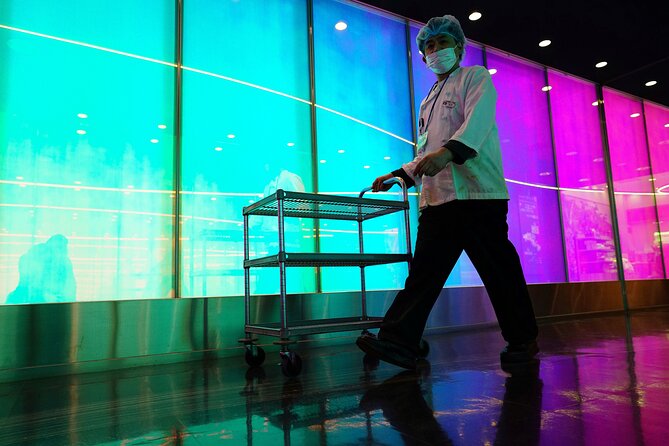
I would recommend this for a few different kinds of photographers:
- Beginners: You get a simple introduction to night settings and a chance to practice immediately.
- Phone photographers: You can work on framing, timing, and angles without owning a dedicated camera.
- Experienced photographers: You may find new Shibuya locations and a different way to approach street scenes.
- Couples and families with mixed skills: The group can accommodate different cameras and experience levels.
- Visitors who dislike aimless wandering: Laurence provides a focused route and a clear visual purpose.
It may be less suitable if you want a broad sightseeing tour, a long photography masterclass, or a guaranteed list of illuminated locations. The route depends on what is accessible and lit on the night, and Japanese holidays can affect both.
You should also know that night street photography involves trial and error. You may leave with several excellent images, but the workshop cannot promise that every frame will be a keeper. Its real benefit is learning how to find and make those images yourself.
Practical details for a smoother evening
Meet at the Cerulean Tower Tokyu Hotel at 7:30 p.m. The activity ends back at the meeting point, so you do not need to arrange a separate return location.
Bring the camera or phone you plan to use. If you have a dedicated camera, make sure you know how to change its basic settings. If you use a phone, keep it charged and be ready to experiment with timing and composition rather than relying only on automatic snapshots.
A modest level of fitness is required because the workshop takes place on foot. Wear shoes suitable for walking and keep your equipment light enough to carry comfortably for two hours.
The workshop has a mobile ticket and confirmation is provided at booking. It is also close to public transportation, making the start point fairly practical after other activities in Tokyo.
Most important, check the calendar if your visit overlaps a Japanese holiday. Some locations may be closed to access or less brightly lit. That does not make the whole evening useless, but it can limit the range of scenes Laurence can show you.
Should you book the Shibuya night photo workshop?
Book it if you want more than a quick photograph of Shibuya Crossing. The combination of panning practice, night camera settings, small-group instruction, and Laurence Bouchard’s long familiarity with the area gives the evening a clear purpose.
It is especially good for phone photographers, beginners, and experienced camera users who want a local eye on street photography. The main drawbacks are the price, the short two-hour format, and the possibility that holidays will affect the route or lighting.
For a focused introduction to Tokyo night photography, I think the workshop offers solid value. Bring realistic expectations, ask for the kind of help you need, and treat the evening as a chance to build your own way of seeing Shibuya after dark.
FAQ
Where does the workshop begin?
It begins at the Cerulean Tower Tokyu Hotel, 26-1 Sakuragaokacho, Shibuya, Tokyo 150-8512, Japan.
What time does the workshop start?
The start time is 7:30 p.m.
How long does the experience last?
The workshop lasts approximately two hours and ends back at the meeting point.
Can I use an iPhone or another phone?
Yes. The workshop can accommodate phone photography, including iPhone use, as well as dedicated cameras.
How many people can join?
The maximum group size is six people.
What happens if I need to cancel?
You can receive a full refund if you cancel at least 24 hours before the experience start time. Cancellations or changes made less than 24 hours before the start are not accepted for a refund.
Newly reviewed around Tokyo
- Tokyo Asakusa:Calligraphy & Make T-shirt Activity★ 5.0 · 62 reviews
- Intercity Shuttle, Tokyo to Haneda /Narita /Yokohama /Makuhari★ 5.0 · 5 reviews
- 1 Hour Travel around Tokyo with a Professional Photographer★ 5.0 · 3 reviews
- Travel Tokyo with Your Own Personal Photographer★ 5.0 · 43 reviews
- Train in Samurai Swordsmanship and Defeat the Demon in Tokyo★ 5.0 · 5 reviews
- Shuttle Van 6hr Tokyo Tour to-and-from Tokyo, Yokohama and Narita★ 5.0 · 9 reviews
- Kickboxing & Body Training with EX-Pro Fighter★ 5.0 · 4 reviews
- Traditional Japanese Knife Sharpening Class★ 5.0 · 18 reviews
Shibuya Tours, compared.
Shibuya Meltdown Nightlife Tour: All-You-Can-Drink Bar Hopping
Read our review →
Shibuya Official Street Go-Kart in Shibuya Annex
Read our review →

Premium Go-Kart Tour with Tower & Shibuya Crossing
Read our review →Browse the lists this tour appears in