
Reviewed · MEIJI SHRINE TOURS
Tokyo: Meiji Jingu, Yoyogi Park & Takeshita Street Tour
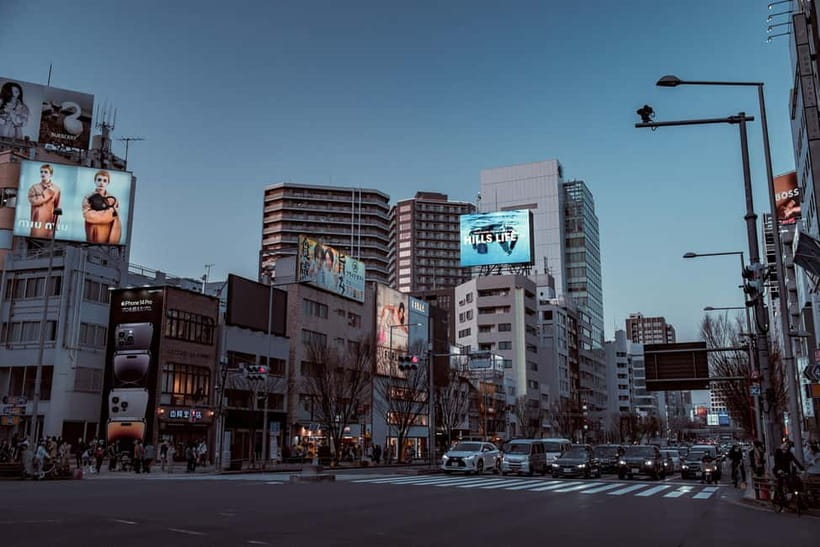
Tokyo can change character in a few city blocks. This three-hour walk takes you from the quiet forest of Meiji Jingu to the colorful shops of Takeshita Street, with Yoyogi Park and polished Omotesando in between. I like the sharp contrast, and I like that the route gives you culture, open space, food streets, and fashion without asking you to cross the city.
I especially like the chance to learn shrine customs from a local English-speaking guide, then have time to browse Harajuku with some context. Guides such as Aska, Ritsuko, and Chit Ng Li have brought warmth, humor, and clear explanations to past groups. The main consideration is physical: this is a walking tour, and comfortable shoes are essential. It is not suited to people with mobility or respiratory problems, high blood pressure, or pregnancy.
Key points to know before booking
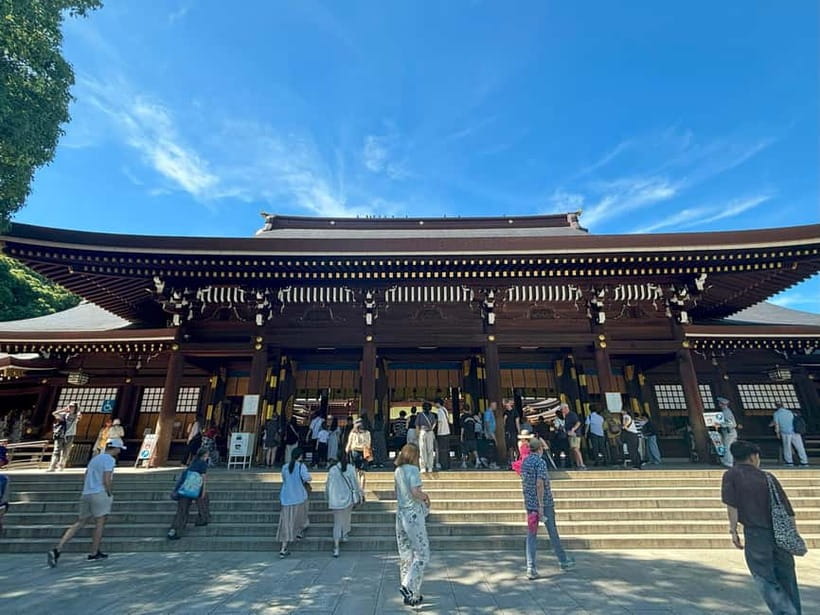
- Meiji Jingu comes first: Spend about 90 minutes learning about Shinto traditions at Tokyo’s best-known shrine.
- The mood changes fast: Yoyogi Park offers a calm green break before the shops and street food of Harajuku.
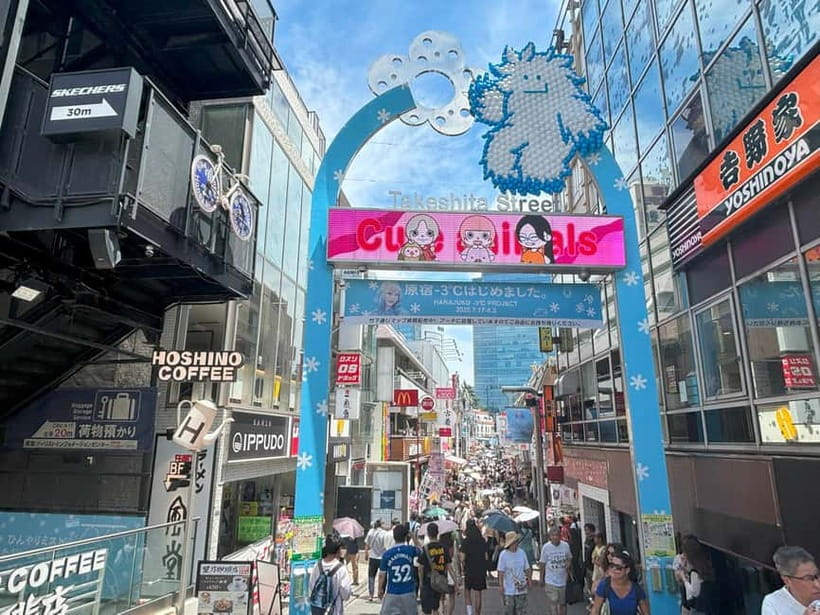
- Takeshita Street is youthful and loud: Expect quirky stores, fashion, snacks, and plenty of visual activity.
- Omotesando adds a polished finish: Modern buildings, boutiques, galleries, and cafes show another side of the district.
- Small groups can feel personal: Private and small-group options leave more room for questions and individual interests.
- The price is fair for a guided introduction: At $36 per person, you are paying mainly for three hours of local explanation and route planning, not meals or museum admission.
Why this Harajuku walk works so well
I like this tour because it does not treat Tokyo as one single thing. In one afternoon, you see a major Shinto shrine, a city park, a youth shopping street, and a high-end avenue. That range helps you understand Harajuku better than a quick shopping stop alone.
You begin at JR Harajuku Station, then move mostly on foot. The route is easy to understand, and the guide helps tie the pieces together. Meiji Jingu explains one part of Japanese culture. Takeshita Street shows modern youth style. Omotesando connects shopping, architecture, art, and city life.
The tour is also useful early in a Tokyo stay. You get your bearings in an area where you may later want to return for shopping or food. A guide can point out the difference between a place built for worship, a park used for relaxation, and streets designed for fashion and retail.
The pace is not a leisurely all-day wander. The schedule gives Meiji Jingu about 90 minutes, Yoyogi Park 30 minutes, Takeshita Street one hour, and the final shopping and sightseeing portion about 30 minutes. That is enough for an introduction, but not enough to explore every shop or museum in detail.
More Meiji Shrine tours in Tokyo:
- Tokyo: Meiji Shrine, Asakusa, Skytree Bus Tour and Cruise
★ 4.7 · 1,986 reviews - Tokyo Panoramic 1 Day: Meiji Shrine, Asakusa, Odaiba and SKYTREE®
★ 4.5 · 1,222 reviews - Tokyo: Meiji Shrine Walking Tour — Shinto & Imperial System
★ 4.9 · 266 reviews
Starting at JR Harajuku Station
Your meeting point is the West Exit of JR Harajuku Station. Look for a guide wearing a TripGuru shirt or holding a TripGuru sign. I would arrive at least 10 minutes early. The guide waits only up to 10 minutes, so a late arrival can mean missing the walk entirely.
Harajuku Station is a practical starting point because the main sights are close together. You do not spend your three hours sitting in a vehicle or waiting for transfers. The trade-off is simple: you need to keep up on foot and manage your own route to and from the meeting point.
A live English-speaking guide leads the walk. The past guide examples are a real strength here. Aska has been praised for combining good humor with detailed explanations of Japanese history. Ritsuko has explained shrine customs and culture in a clear, friendly way. Chit Ng Li has been described as professional and attentive. These names do not guarantee who will lead your particular tour, but they show the sort of guiding style you can expect from the company.
Private and small-group options are available. This matters more than it may sound. A compact group makes it easier to ask why a ritual is performed, which shops are worth your time, or where to return later. A private format should suit families and couples who want more control over the pace.
Meiji Jingu: quiet forest and Shinto customs
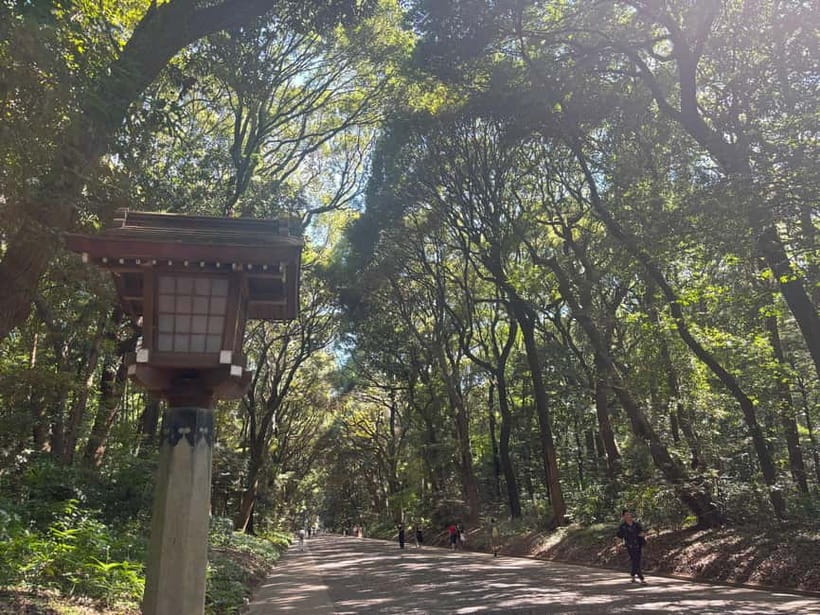
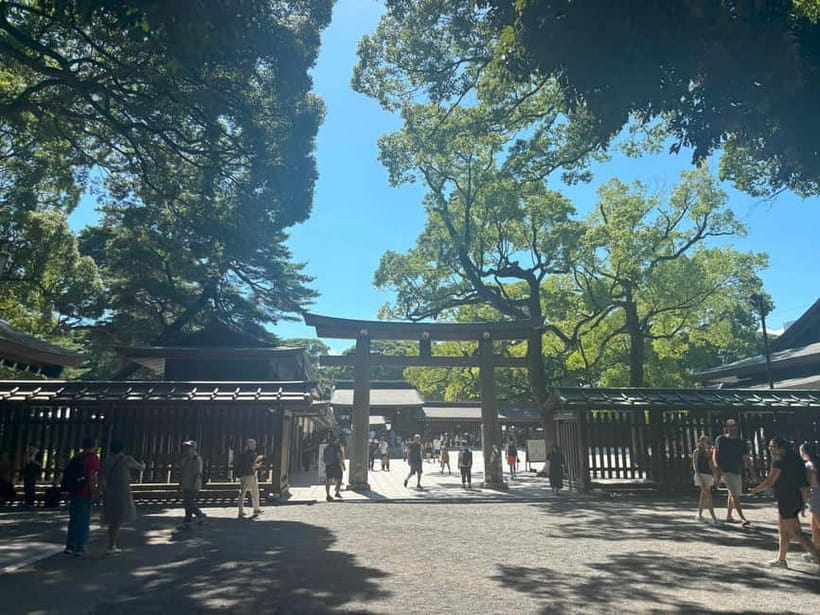
Meiji Jingu is the main cultural anchor of the walk. The shrine is surrounded by forest, which creates a striking pause after the traffic and signs around Harajuku. You are still in central Tokyo, but the sound and pace change quickly.
The guided visit lasts about 90 minutes, making it the longest stop. That gives your guide time to explain the shrine’s cultural role and the basic traditions connected with a Shinto visit. If you have never visited a Shinto shrine, this is where the tour earns its price.
A good guide can make small actions meaningful. You may learn how to approach the shrine respectfully, what the rituals represent, and how the setting fits into Japanese religious life. The value is not just seeing a large gate or taking a photograph. It is learning how to behave in a sacred place without treating it like a backdrop.
The forest path also gives you welcome breathing room. I like this section for the contrast it creates with Harajuku’s shops. It is a calm start, and it helps you notice the change when the tour later reaches the shopping streets.
There are two points to keep in mind. First, the museum is not included. If you want to visit the Meiji Shrine museum, the additional entrance fee is 1,000 yen per person. Second, the shrine visit involves walking outdoors, so weather matters. Bring sunscreen and sunglasses on a sunny day, and pack an umbrella if rain is possible.
Yoyogi Park: a short green pause
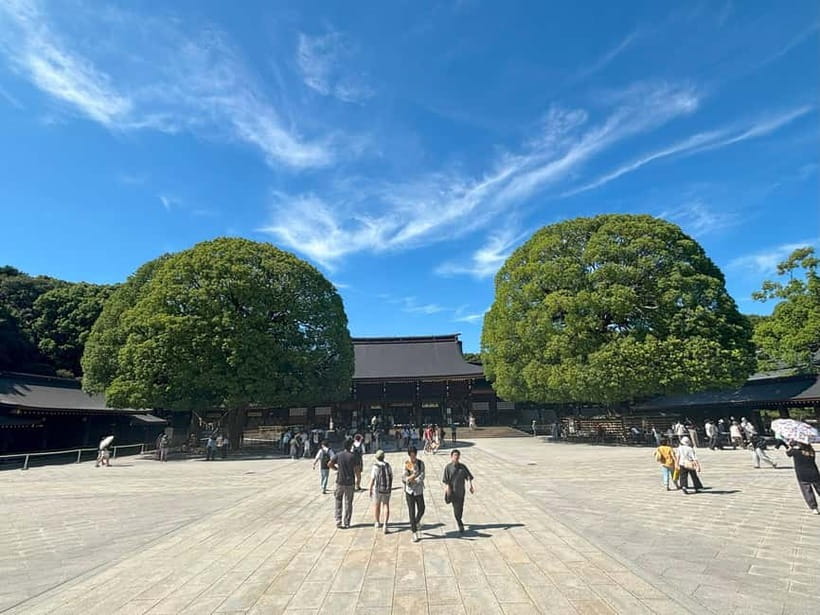
The route continues into Yoyogi Park for about 30 minutes. This is not a long nature walk, but it gives you time to enjoy one of Tokyo’s best-known open spaces and see how local people use a break from the city.
I like that the park follows Meiji Jingu. The two places are close, yet they feel different. The shrine forest has a religious purpose and a quieter tone. The park is a more casual place for relaxation and seasonal scenery.
Your guide can help you understand the area as part of daily Tokyo life rather than just a stop between attractions. The park also gives your feet a short break before the more crowded commercial part of the tour.
Do not book this experience expecting a long park outing. Thirty minutes passes quickly, and the schedule is designed to introduce the park, not cover every path. If you want extended time outdoors, you will need to return on your own.
More things to do in Harajuku:
- Tokyo Go-Kart Tour Shibuya-Harajuku-Shinjuku (*IDP Required)
★ 5.0 · 217 reviews - Tokyo: Guided Go Kart Tour from Harajuku to Shibuya Crossing
★ 4.5 · 166 reviews - Shibuya & Harajuku: Hidden Gems & Highlights Private Tour
★ 4.7 · 139 reviews - Harajuku Kawaii Fashion and Pop-Culture Tour
★ 5.0 · 94 reviews
Takeshita Street: Harajuku’s youthful side
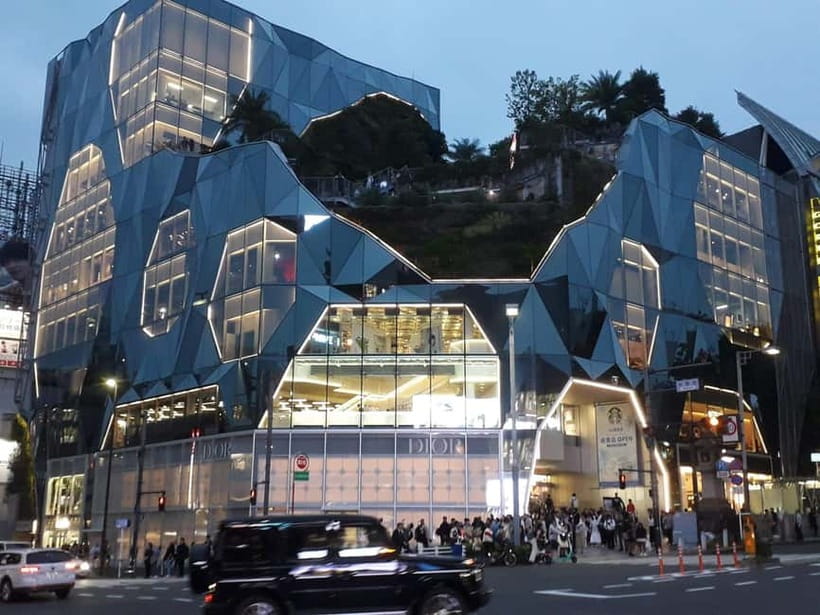
Takeshita Street changes the mood completely. After the shrine and park, you enter a district known for quirky shops, youth fashion, street food, and pop culture. The contrast is the point.
The scheduled visit lasts about one hour. That is enough to walk the street, take in its style, and stop in selected shops. You will have personal expenses here, so bring a payment method and decide in advance how much time you want to spend shopping or eating.
This is a useful place to have a guide. The street can feel confusing if you do not know what you are looking at. A guide may help you understand the local fashion scene, point out shops you might otherwise pass, and suggest places that fit your interests. One guide, Aska, has taken a family group to streets and shops they would not have found alone, including a gallery promoting local artists.
That detail says a lot about the tour’s best use. You are not simply marched past the famous signs. In a small or private group, you can ask to spend more time on fashion, art, snacks, or local culture. The exact stops may depend on the guide and group.
Takeshita Street is also the part most likely to feel crowded and noisy. If you prefer quiet lanes and museums, this may be your least comfortable section. It is still worth seeing because it shows a side of Tokyo that Meiji Jingu cannot explain.
Omotesando: a polished end to the walk
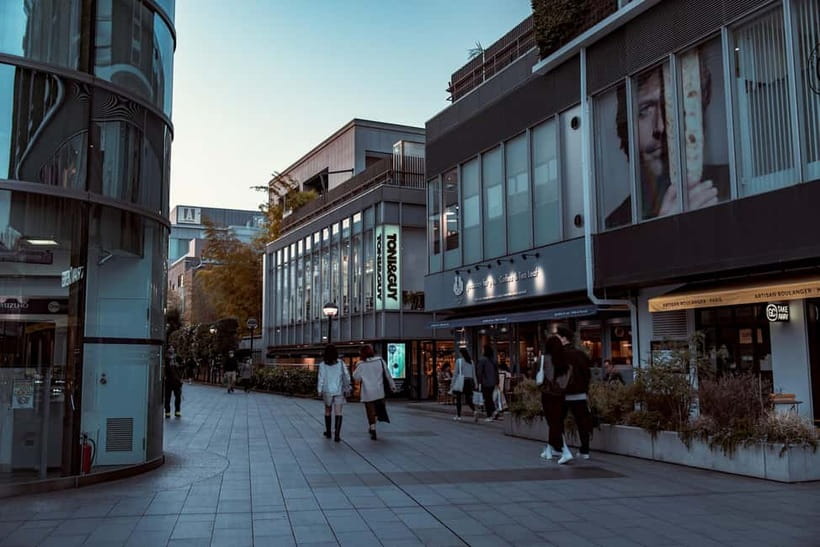
The final part takes you toward Omotesando, known for stylish shopping, modern architecture, boutiques, lifestyle stores, and cafes. The route gives you another change in tone, from the youthful energy of Takeshita Street to a more refined shopping district.
Omotesando is sometimes compared with the Champs-Élysées, but the comparison should be used carefully. The useful point is that this is a broad, fashionable avenue with high-end stores and striking buildings. You do not need to shop to enjoy the architecture and people-watching.
The scheduled time here is about 30 minutes. That is enough for an introduction and a few recommendations, but not enough for serious shopping. If you are interested in design, galleries, cafes, or fashion, ask your guide which places deserve a later visit.
This last section also helps explain Harajuku’s range. Takeshita Street shows experimental youth style. Omotesando shows polished retail and modern design. Seeing both in one walk gives you a more rounded picture of the neighborhood.
What the $36 price really covers
At $36 per person, the tour is reasonably priced for a three-hour guided walk in central Tokyo. The key value is the guide. You are paying for cultural explanations, local direction, and a planned route that links four different settings.
The price does not include meals, drinks, personal purchases, hotel pickup, or the 1,000-yen Meiji Shrine museum entry. That keeps the base cost clear, but you should budget extra if you want street food, shopping, or the museum.
I would compare the price with what you want from the afternoon. If you are happy to read about Meiji Jingu and walk Harajuku alone, you can save money. But you may miss the meaning behind shrine customs and the smaller shops or galleries a guide can point out.
The value improves for first-time visitors, families, and anyone who wants a clear introduction without spending a full day on a formal sightseeing program. The private or small-group choices also make the cost easier to justify if personal attention matters to you.
Who will get the most from this tour
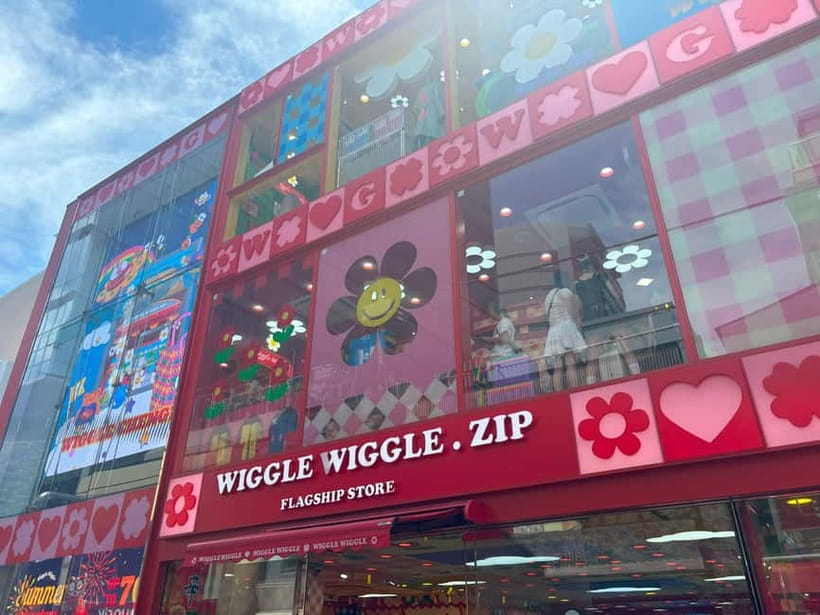
I would recommend this walk to first-time visitors who want several sides of Tokyo in a short window. It suits people who enjoy switching between culture, greenery, shopping, and city design.
Families may like the variety. A shrine alone can feel too quiet for some children, while a shopping street alone can feel shallow for adults. This route gives the group several different settings, and a personable guide can adjust explanations to the people in front of them.
It is also a good fit if you want an English-speaking guide who can answer questions as you go. Past guides including Aska and Ritsuko have been praised for warmth, humor, and clear cultural explanations. Again, your assigned guide may be different, but the format supports conversation.
I would be more cautious if you have mobility limits or a health condition affected by sustained walking. The tour is not suitable for pregnant women, people with mobility impairments, respiratory issues, or high blood pressure. Wear comfortable shoes, carry a reusable water bottle, and prepare for sun or rain.
Practical ways to enjoy the three hours
Arrive early at the West Exit of JR Harajuku Station. Ten minutes is the minimum recommended margin, but arriving earlier gives you time to identify the correct exit and find the TripGuru shirt or sign.
Wear shoes that can handle several hours on foot. Add sunscreen and sunglasses in bright weather, and carry an umbrella if rain is likely. There is no meal included, so eat beforehand or plan to buy something during the Harajuku portion.
Keep some flexibility in your expectations. The route is set, but private and small groups may have more freedom to follow particular interests. If you care about art, fashion, shrine customs, or food, say so early.
The museum fee is separate. If it matters to you, confirm with the guide how it fits into the timing, since the listed three hours also includes the park, Takeshita Street, and Omotesando.
Cancellation is free up to 24 hours before the start time, and you can reserve now and pay later. That is useful if your Tokyo schedule is still shifting.
Should you book this Harajuku experience?
Book it if you want a well-paced first look at Harajuku and prefer meaning and local explanation over wandering without a plan. The combination of Meiji Jingu, Yoyogi Park, Takeshita Street, and Omotesando is the strongest reason to choose it.
The tour is especially useful for a first afternoon in Tokyo, a family visit, or a short stay when you need to see several important areas quickly. I would choose a small or private group if the budget allows, since questions and personal interests are part of the experience.
Skip it if you want a slow museum visit, a long nature walk, or several hours of independent shopping. The schedule is active, the final shopping time is brief, and extra costs are not included.
For $36, this is a sensible introduction to Tokyo’s traditional and modern sides, provided you are ready to walk and keep an eye on the clock.
FAQ
Where does the tour meet?
Meet at the West Exit of JR Harajuku Station. Look for a guide wearing a TripGuru shirt or holding a TripGuru sign.
How long does the tour last?
The guided walking tour lasts three hours.
What language is the tour offered in?
The tour is offered in English with a live English-speaking guide.
Is the tour private or shared?
Private and small-group options are available.
Is the Meiji Shrine museum included?
No. Entrance to the Meiji Shrine museum costs 1,000 yen per person and is not included.
Are food, drinks, and personal purchases included?
No. Meals, beverages, and personal expenses are separate.
What happens if I need to cancel?
You can cancel up to 24 hours in advance for a full refund. You can also reserve the tour and pay later.
Newly reviewed around Tokyo
- Tokyo Asakusa:Calligraphy & Make T-shirt Activity★ 5.0 · 62 reviews
- Intercity Shuttle, Tokyo to Haneda /Narita /Yokohama /Makuhari★ 5.0 · 5 reviews
- 1 Hour Travel around Tokyo with a Professional Photographer★ 5.0 · 3 reviews
- Travel Tokyo with Your Own Personal Photographer★ 5.0 · 43 reviews
- Train in Samurai Swordsmanship and Defeat the Demon in Tokyo★ 5.0 · 5 reviews
- Shuttle Van 6hr Tokyo Tour to-and-from Tokyo, Yokohama and Narita★ 5.0 · 9 reviews
- Kickboxing & Body Training with EX-Pro Fighter★ 5.0 · 4 reviews
- Traditional Japanese Knife Sharpening Class★ 5.0 · 18 reviews
Meiji Shrine Tours, compared.
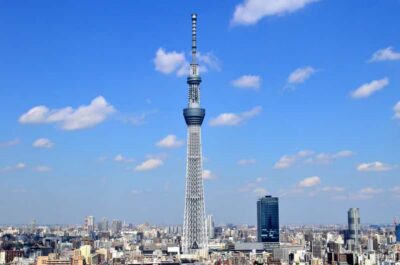
Meiji Shrine, Asakusa, Skytree Bus Tour and Cruise
Read our review →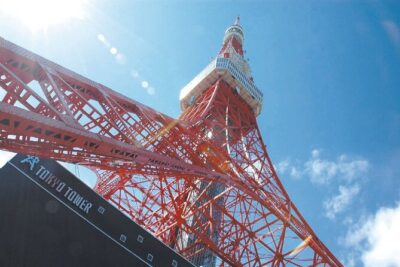
Tokyo Panoramic 1 Day: Meiji Shrine, Asakusa, Odaiba and SKYTREE®
Read our review →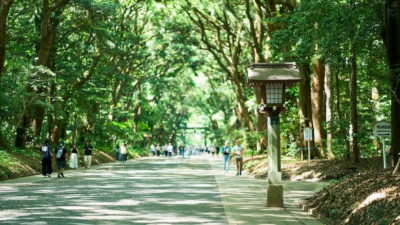
Meiji Shrine Walking Tour — Shinto & Imperial System
Read our review →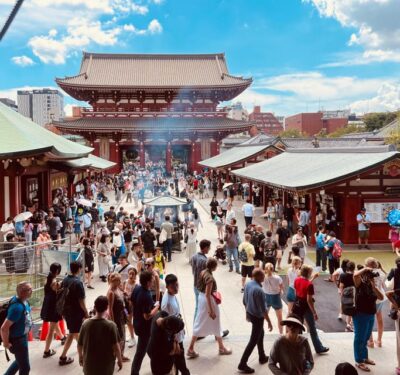
Meiji Jingu Shrine and Shinto Culture Walking Tour
Read our review →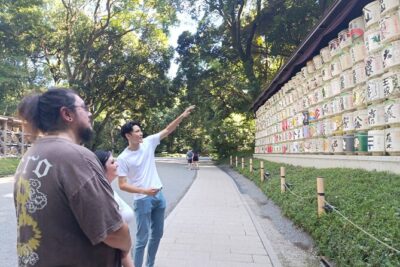
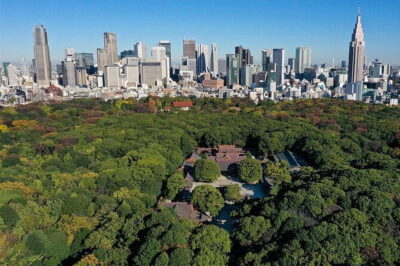
Meiji Shrine Walking Tour — Shintoism & Imperial System
Read our review →
1 Day Bus Tour with Meiji-Jingu,Odaiba,lunch&Skytree
Read our review →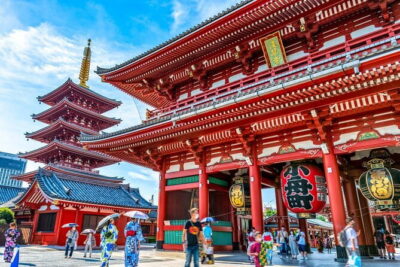
Tokyo Morning Tour : Meiji Shrine, Asakusa and Fish Market
Read our review →Browse the lists this tour appears in