
Reviewed · TOKYO SAMURAI AND NINJA EXPERIENCES
Tokyo: Best Samurai Experience
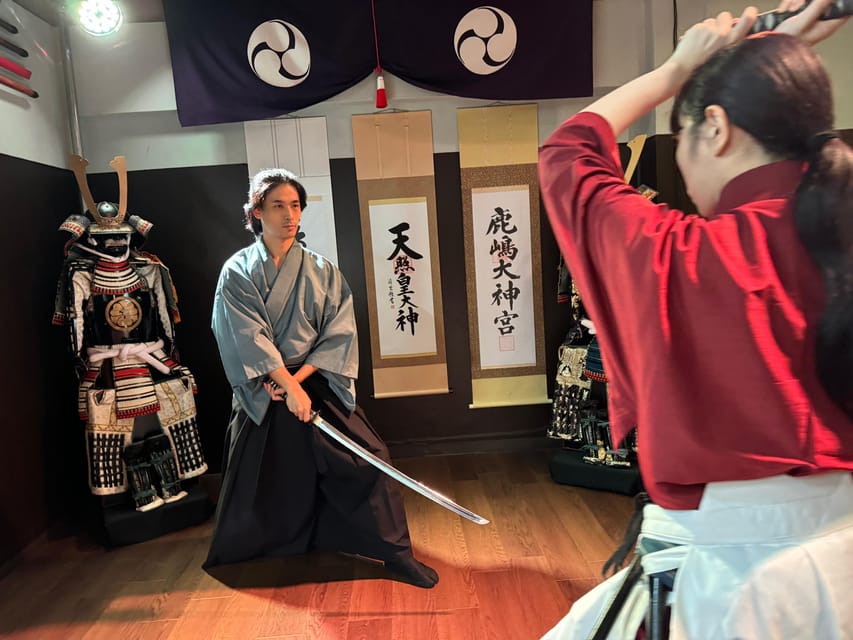
The sharpest part of this Tokyo experience is the quick change from sightseeing clothes to kimono and hakama, followed by a real lesson in drawing, holding, swinging, and returning a sword. You are not only watching a staged samurai act. You learn a short routine, then perform it with the instructors.
I like the personal scale, with no more than 10 people, and the fact that the staff help record photos and videos on your own phone. I also like the balance between useful instruction and theatrical fun, including music, lights, poses, and a final fight scene. The one-hour length is convenient, but it also means the lesson moves quickly and is more of a polished introduction than serious martial-arts training.
Key points to know before booking
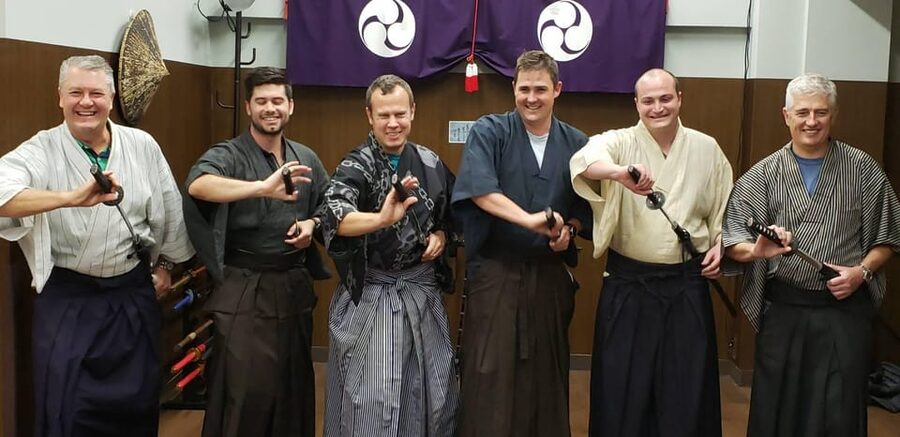
- Pick your own kimono and hakama: The costume change turns a short activity into a full character experience.
- Learn a real sequence of basic moves: You practice sword drawing, stance, swings, attacks, defenses, and retraction.
- Fight with a safe practice sword: The blade is a non-cutting prop designed for the choreographed session.
- Small groups keep it personal: The class is limited to 10 participants, with instruction in English and Japanese.
- Your phone becomes the camera crew: Staff help capture photos and videos during the action.
- Budget about $63 for one hour: That is fair if you value costume, instruction, performance, and recorded memories, but less so if you want serious historical study.
Tokyo’s fast route into samurai theater
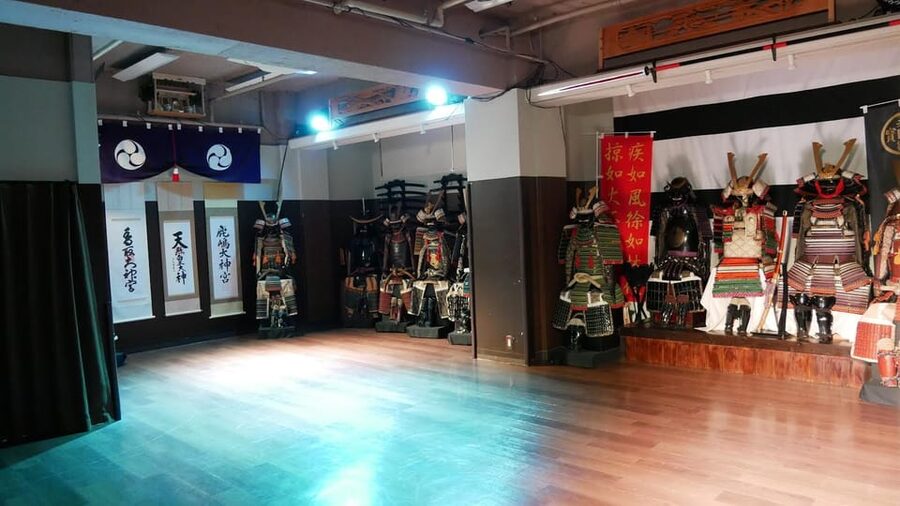
This is a hands-on stage experience, not a museum lesson or a historical reenactment in the strict sense. You enter a dojo-style space with swords, spears, and armor on display, then spend most of your hour learning how to look and move like a samurai performer.
The instructors are described as authentic teachers who have appeared in major Japanese dramas and films. That background matters because the session depends on timing and presentation as much as sword handling. You are being taught how to perform a convincing scene, not simply where to place your feet.
The setting helps. A room filled with weapons and armor feels very different from a modern studio, even though the activity is carefully organized for visitors. You get the visual atmosphere of a samurai theater without committing to a long show or a full day of cultural activities.
I would set your expectations correctly: this is a playful introduction to samurai culture. The sword is fake and cannot cut, and the fight is choreographed. That makes it suitable for beginners, families with eligible children, and anyone who wants a memorable photo rather than a demanding combat lesson.
More Tokyo samurai and ninja experiences:
- Tokyo: Samurai Ninja Museum Guided tour and Experience
★ 4.6 · 1,010 reviews - Tokyo: Samurai Sword & Archery Class from Samurai Descendant
★ 5.0 · 603 reviews - Best Samurai Experience in Tokyo
★ 5.0 · 458 reviews
Choosing your costume and getting ready
The experience begins with a choice of kimono and hakama, followed by help from the staff as you change. The costume is not a minor extra. It changes the way you carry yourself and gives the sword lesson a clear sense of occasion.
The instructors and assistants help with the clothing and provide a practice sword. Several people who attended with family found the staff welcoming, including those who were not naturally outgoing. That is useful to know if you feel awkward about dressing up or acting in front of other people.
The group limit of 10 is a real advantage here. You are less likely to disappear into a crowd, and the staff can guide each person through the movements. A small class also gives you more chances to pose with a samurai and more room to take part in the final routine.
Do not expect elaborate armor to be included. Armor is on display, but wearing it requires an optional additional fee. The kimono and hakama are included, so the main experience does not depend on buying an upgrade.
Learning the sword from handle to tip
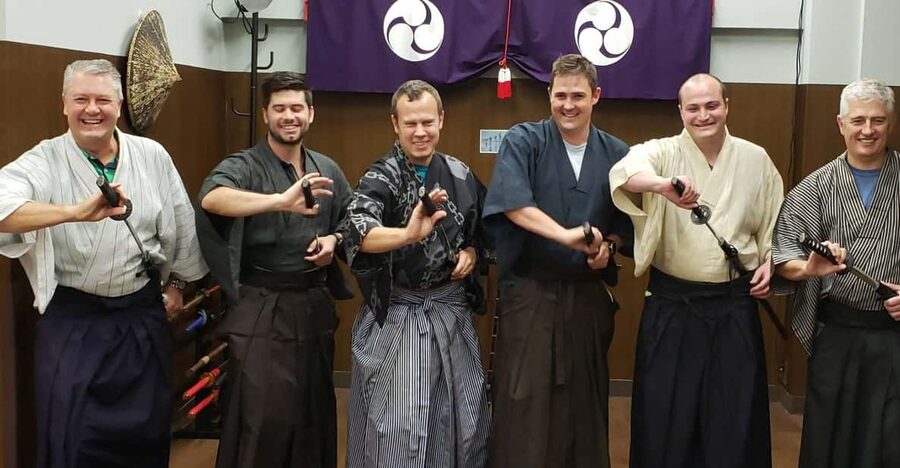
Before the fighting begins, you receive an explanation of the sword’s parts. You learn some terminology in Japanese, along with the names of stances and the correct way to execute them.
That small vocabulary lesson gives the activity more substance than simply waving a prop around. You begin to understand that the movements have a set order and that the stance is part of the performance. One participant especially enjoyed learning the Japanese names for the blade sections and the positions.
The basic sequence includes drawing the sword, holding it, swinging it, and returning it to its sheath. You also work on offensive and defensive movements. The instructors demonstrate each action, then have you repeat it, so you can copy the shape and rhythm rather than guess.
The lesson is designed for beginners. You do not need previous experience with swords or martial arts. Still, you will need to pay attention because the hour passes quickly. If you want the best result on camera, listen closely to the demonstrations and keep your movements controlled rather than trying to swing with force.
This is also where the activity shows its limits. You will not leave with a full understanding of Japanese swordsmanship, and the session cannot cover the historical, spiritual, and technical details of a long martial-arts tradition in one hour. What you get is a clear, entertaining foundation for a short performance.
The choreographed fight with a samurai
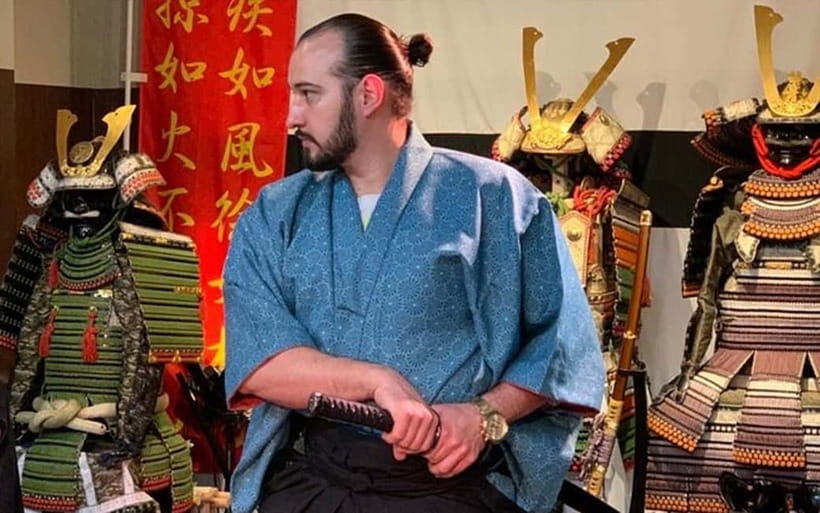
Once the basic movements are familiar, you practice a simple chanbara-style sword fight. Chanbara is a theatrical form of sword combat, and here it is used to create a safe, dramatic sequence between you and the instructor.
The practice sword is non-cutting, so safety comes from the prop, the choreography, and the instructor’s control. You are not taking part in an uncontrolled sparring match. The aim is to perform the correct sequence and react at the right moment.
The instructors bring plenty of energy to this part. One session described by a participant involved learning a fake fight that felt convincing because of the instructor’s performance. That is the key distinction: the drama comes from timing, facial expression, movement, and music, not from actual danger.
You may also get to play the hero in a larger scene involving bad guys. The activity describes an attempt to exterminate the villains to music, which gives the class a playful story line. It is best approached with a sense of humor. You are making a samurai action scene, not proving your fighting ability.
If you are shy, the staff appear to keep the tone friendly and inviting. If you enjoy old samurai films or martial arts, you will probably appreciate the chance to copy familiar screen movements. If you prefer quiet cultural activities, the performance element may feel a little loud or theatrical.
A completely different kind of day in Tokyo:
- Mt Fuji and Hakone 1-Day Bus Tour Return by Bullet Train
★ 5.0 · 26,383 reviews - 1-Day Tokyo Bus Tour
★ 5.0 · 14,250 reviews - Tokyo: teamLab Planets TOKYO Digital Art Museum Entry Ticket
★ 4.6 · 9,779 reviews - Mt Fuji & Hakone Cruise, Drum Show Bullet Train 1 Day from Tokyo
★ 4.0 · 7,413 reviews
Lights, music, photos, and your final performance
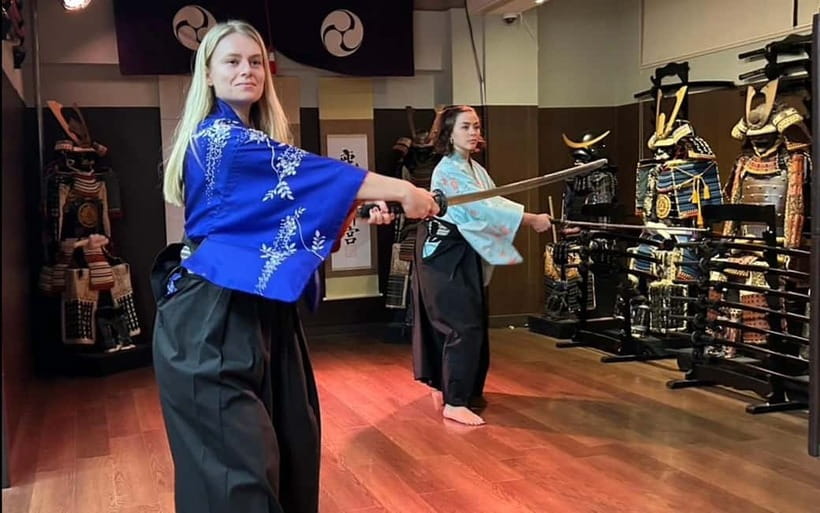
The final section adds the show-business finish. Expect music, lights, poses, and a full performance sequence after the practice portion. The structure lets you see the difference between simply learning a movement and presenting it as an action scene.
Staff members help take photos and videos with your smartphone. This is one of the strongest practical features of the experience. You do not have to rely on a hurried selfie or ask a stranger to capture the moment while you are holding a sword.
Put your phone somewhere easy for the staff to reach, and make sure it has enough battery and storage before you arrive. The information provided does not promise professional filming or edited video, so think of this as helpful staff-assisted recording rather than a produced film.
There are also photo opportunities with the samurai. Group poses and individual action shots help make the costume worthwhile, especially if this is a special family activity or one of your few cultural bookings in Tokyo.
The performance creates a satisfying ending, but it can also make the hour feel short. The session includes changing, instruction, practice, and filming, so there is not much spare time for long explanations. You will get the most from it if you arrive ready to participate from the start.
How $63 compares with the experience
At about $63 per person, the price sits above a simple costume rental and photo stop. You are paying for the costume, instruction, practice sword, small group, staged fight, and staff help with photos and videos.
I consider that reasonable for someone who values an active memory. A one-hour activity can fit neatly before dinner or between other Tokyo plans, and you do not need to buy separate costume hire or arrange a private photographer.
The value is weaker if your main goal is detailed samurai history, advanced sword technique, or a long cultural workshop. This is built around participation and entertainment. The instruction gives the performance structure, but the final product is a fun scene rather than formal martial-arts certification.
The high rating of 4.9 from 124 ratings supports the idea that the format works well for its intended audience. The strongest praise centers on energetic teachers, clear demonstrations, family fun, and the chance to capture the action. I would use that as a guide to the experience’s character: lively and interactive, not solemn or academic.
Who will enjoy this most
This is an excellent fit for people who enjoy dressing up, action films, martial arts, and hands-on cultural activities. Families can take part together, and one person can book alone. You do not need to assemble a group before reserving.
The activity has worked well for older participants too. A 61-year-old attendee described having a great time with the family, which suggests the session is not aimed only at young adults. The main requirement is the ability to follow instructions and take part physically.
It may suit you if you are nervous about performing because the staff guide each movement and keep the atmosphere friendly. It may not suit you if you dislike costumes, staged fighting, music, or being filmed on your own phone.
The stated restrictions are important. The activity is not suitable for children under 2, under 3, or under 4, and it also excludes babies under 1, pregnant women, wheelchair users, people with visual impairments, people over 95, and children shorter than 90 centimeters. The overlapping age restrictions should be clarified when booking if you are traveling with a young child.
Timing, meeting point, and useful planning advice
The activity lasts one hour, with starting times based on availability. Same-day reservations are possible, though I would not rely on that during a busy Tokyo visit. The meeting point is found by searching Google Maps for Samurai Theater Tokyo.
The location information is brief, so allow enough time to find the venue rather than arriving at the last minute. One group arrived late after a direct transfer from Kyoto and was still welcomed by the samurai, but that should not be treated as a promise. A late arrival can cost you part of the costume or instruction period.
English and Japanese are offered. The movements are demonstrated physically, which helps if your language skills are limited, but the activity still includes spoken explanations and sword terminology. Listen carefully at the beginning because the later fight depends on understanding the sequence.
You can cancel up to 24 hours before the start for a full refund, and you can reserve now while paying later. Those options are useful when your Tokyo schedule is still changing, especially if you are linking the booking with a longer Japan trip.
The good and the less good
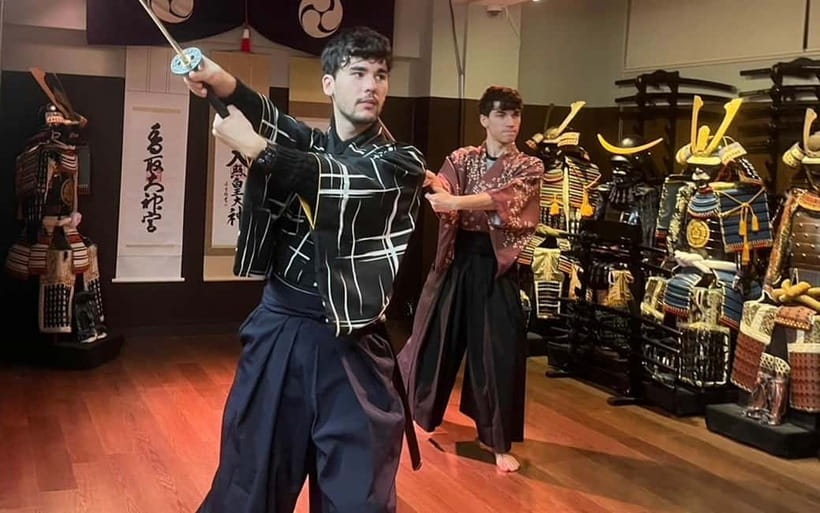
The best part is the combination of structure and play. You are taught enough sword technique to make the final scene feel earned, then given the music and theatrical setting to make it memorable.
The instructors also receive strong praise for patience, energy, and their ability to make the session comfortable for different personalities. That matters more here than a long lecture would. A nervous beginner needs clear coaching, while a samurai-film fan wants enough detail to make the movements feel convincing.
The main weakness is the short duration. Costume changes and filming take time, so the cultural explanation is necessarily limited. The activity also uses a fake sword and choreographed combat, which may disappoint anyone seeking authentic weapons training.
There is another small consideration: the optional armor fee. The armor display adds atmosphere, but you should not assume that putting it on is included in the $63 price.
Should you book the Tokyo samurai experience?
Book it if you want an easy, active Tokyo memory that combines Japanese costume, basic sword movements, comedy, and a short stage performance. It is especially good for families, solo visitors, couples, and groups of friends who want photos and videos that feel more personal than a standard sightseeing stop.
Skip it if you want a serious study of samurai history or advanced swordsmanship. The experience is theatrical by design, but it does not pretend to be a dangerous fight. For most people, that is the point: you get the look, the moves, the music, and the memory without needing previous skill.
At $63, I would call it good value when the recorded photos and the chance to take part matter to you. Arrive on time, charge your phone, wear clothing that makes changing easy, and bring a willingness to perform. That is the right attitude for this one-hour samurai show.
FAQ
How long does the samurai experience last?
The activity lasts one hour.
How much does it cost?
The listed price is $63 per person.
Is the sword real?
You use a fake, non-cutting sword. The session teaches you how to draw, hold, swing, and return it before the choreographed fight.
Are costumes included?
Yes. Changing into a kimono and hakama is included. Wearing the armor displayed at the venue requires an optional additional fee.
Is the activity offered in English?
Yes. Instruction is available in English and Japanese.
Can I book alone, and how large is the group?
One person can join the activity, and the group is limited to 10 participants.
Newly reviewed around Tokyo
- Tokyo Asakusa:Calligraphy & Make T-shirt Activity★ 5.0 · 62 reviews
- Intercity Shuttle, Tokyo to Haneda /Narita /Yokohama /Makuhari★ 5.0 · 5 reviews
- 1 Hour Travel around Tokyo with a Professional Photographer★ 5.0 · 3 reviews
- Travel Tokyo with Your Own Personal Photographer★ 5.0 · 43 reviews
- Train in Samurai Swordsmanship and Defeat the Demon in Tokyo★ 5.0 · 5 reviews
- Shuttle Van 6hr Tokyo Tour to-and-from Tokyo, Yokohama and Narita★ 5.0 · 9 reviews
- Kickboxing & Body Training with EX-Pro Fighter★ 5.0 · 4 reviews
- Traditional Japanese Knife Sharpening Class★ 5.0 · 18 reviews
Tokyo Samurai and Ninja Experiences, compared.
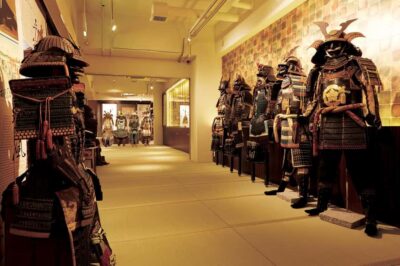
Samurai Ninja Museum Guided tour and Experience
Read our review →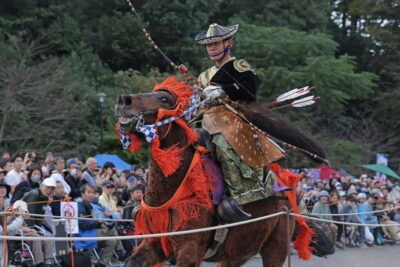
Samurai Sword & Archery Class from Samurai Descendant
Read our review →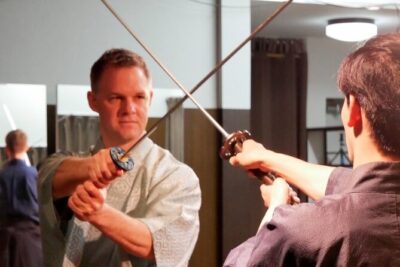
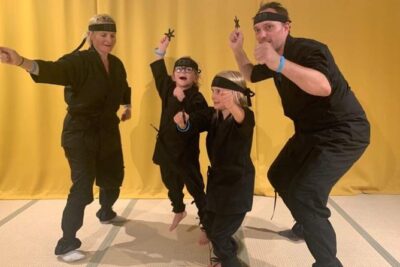
Ninja Experience (Family Friendly) at Samurai Ninja Museum TOKYO
Read our review →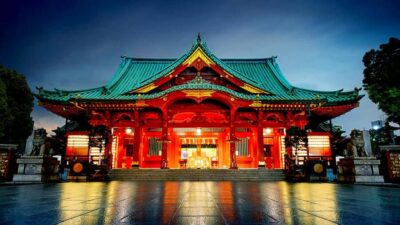
Samurai Entertainment Night Show in Kanda Shrine
Read our review →
Tokyo Sword Experience – includes Museum Ticket/Ninja Experience
Read our review →
Samurai Ninja Museum Asakusa: Samurai Sword Lesson & Tour
Read our review →
Ninja Samurai 2-hour hands-on lesson by Japanese master in Tokyo
Read our review →Browse the lists this tour appears in