
Reviewed · SHINJUKU TOURS
Shinjuku Tokyo: Authentic Japanese Home-Style Culinary Class
The best part of this class is that you do not just watch a chef prepare a polished Japanese meal. You help make it, then sit down to eat it. Near Shinjuku, you can learn practical dishes such as okonomiyaki, gyoza, takoyaki, sushi, and miso soup, all in a small kitchen setting.
I like the choice of menus and the friendly English instruction. I also like that the food is substantial, not a token sample, and that recipes may be shared so you can cook the dishes again at home. The main consideration is that the exact kitchen address arrives after booking, and menu choice may be limited if another group joins the class.
Key Points Before You Book
- Four main menus, plus custom requests: Choose from okonomiyaki and yakisoba, gyoza and takoyaki, rolled sushi and teriyaki, or a traditional gozen meal.
- A real meal at the end: You prepare several dishes, then eat together. Portions can be generous enough to serve as lunch.
- English-speaking instructors: Teachers including Kana, Lulu, Kayo, Chieko, Miyuki, and Mika explain ingredients, techniques, and food traditions.
- Good for families: Children and teenagers can take part, and the cooking steps are explained in a clear, patient way.
- Dietary needs can be discussed: Vegetarian, vegan, allergy, and other food requests should be raised before the class.
- Central Tokyo setting: The studio is in or around Shinjuku, but you receive the exact address only after booking.
What You Actually Cook in 150 Minutes
This is a compact cooking session, not an all-day culinary school. You have about two and a half hours to prepare several dishes, learn the basic methods, and eat what you have made.
The class begins with ingredients and cooking tools prepared for you. That matters in Tokyo, where a short activity can otherwise lose time to shopping, measuring, and finding unfamiliar equipment. Here, you can focus on what Japanese home cooking is trying to do: build flavor from simple ingredients, use heat carefully, and balance a meal with several small elements.
The instructor explains each step in English. The teaching style appears to vary slightly by group and instructor. Some sessions are highly hands-on, while others include more demonstration, especially when a technique takes practice or when several dishes must be finished on time.
You should expect plenty of questions about ingredients, substitutions, and cooking methods. Instructors such as Kana, Kayo, Lulu, Chieko, Miyuki, and Mika have been praised for clear explanations, patience, and friendly conversation. The exact instructor is not fixed in the information provided, so do not book expecting one particular teacher.
At the end, the food is plated and eaten together. Some instructors help with presentation and take photos during the activity. Recipes may also be sent afterward, giving you a useful record of what you cooked rather than a fading memory of lunch.
More things to do in Shinjuku:
- Tokyo: Shinjuku Food Tour (13 Dishes at 4 Local Eateries)
★ 5.0 · 6,603 reviews - Tokyo Bar Hopping Tour in Shinjuku (All-You-Can-Drink + Dinner)
★ 5.0 · 3,587 reviews - Tokyo: Shinjuku Food Tour (15 Dishes and 4 Eateries)
★ 4.9 · 2,033 reviews
Menu A: Okonomiyaki and Yakisoba
This is a strong pick if you want familiar Japanese comfort food and plenty of cooking action.
Okonomiyaki is made from batter, chopped cabbage, and other ingredients cooked on a teppan grill. You finish it with sauces and toppings. The dish is forgiving, filling, and easy to understand, but the class gives you a chance to learn the proportions and cooking method rather than simply ordering one at a restaurant.
Yakisoba adds stir-fried noodles, vegetables, and usually seafood or pork, along with a sweet and savory sauce. Together, the two dishes make a hearty meal. A side dish completes the set.
I would choose this menu if you enjoy casual Japanese food and want recipes that are realistic to recreate at home. The possible drawback is that it is a fairly filling combination, particularly if you have other food plans soon afterward.
Menu B: Gyoza and Takoyaki
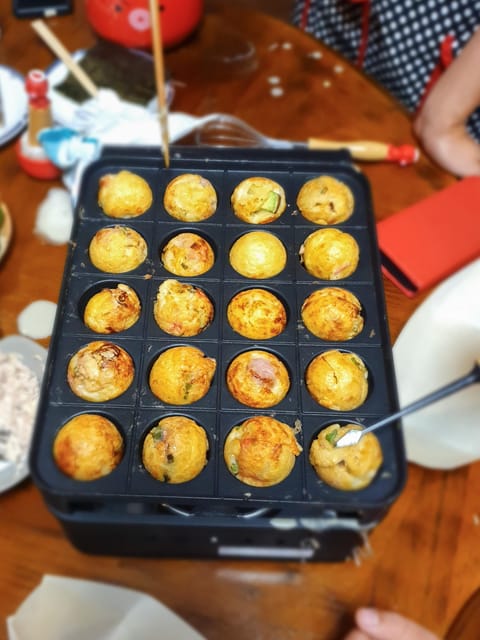
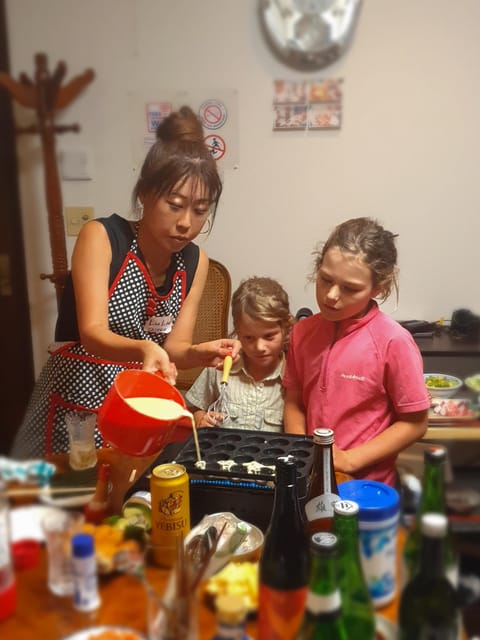
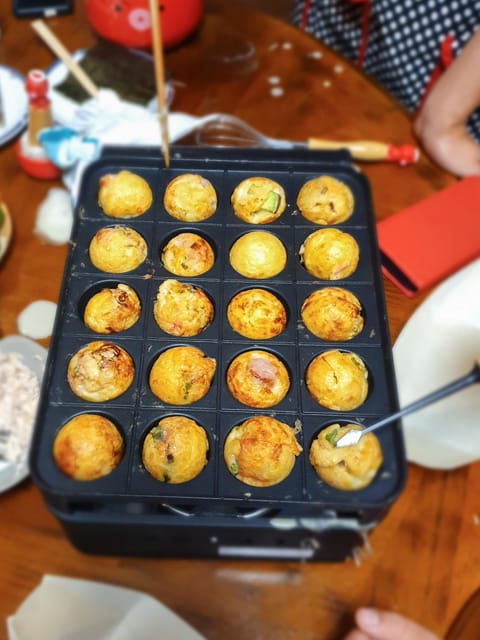
This menu is the most playful of the choices. You make Japanese gyoza, pan-fried until crisp, along with takoyaki, the round dumplings commonly associated with Osaka and summer festivals.
Gyoza gives you a useful lesson in shaping, filling, and pan-frying. Takoyaki is more of a hands-on challenge, since the batter must be cooked and turned into neat balls. It is exactly the sort of food many visitors enjoy ordering but rarely get to prepare themselves.
This option suits families, couples, and anyone who likes a bit of kitchen teamwork. Children can take part in the preparation, though the instructor will handle or supervise any hot cooking as needed. Since the class lasts only 150 minutes, expect a guided process rather than unlimited practice.
Vegetarian adaptations may be possible, but the ingredients need to be discussed ahead of time. Do not assume that a standard gyoza or takoyaki filling is vegetarian.
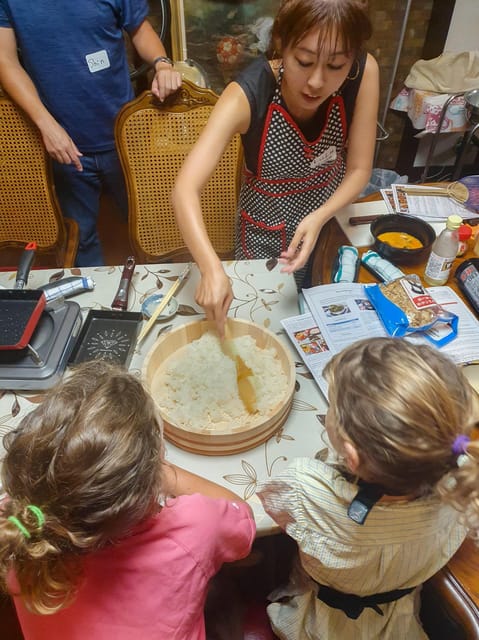
Menu C: Rolled Sushi and Teriyaki
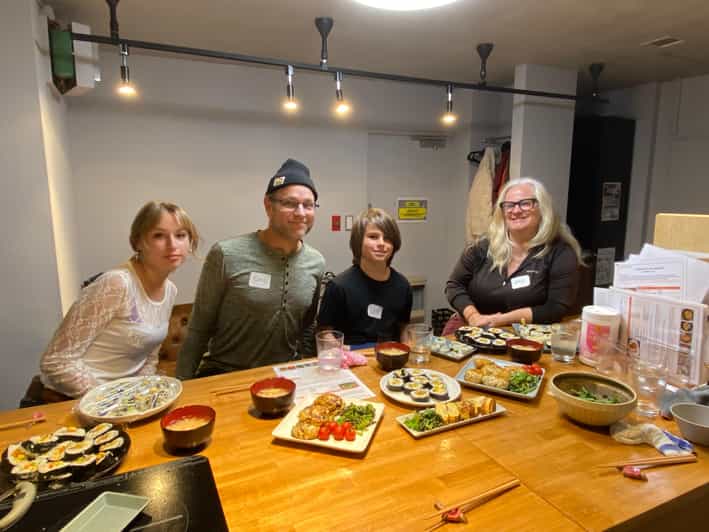
Menu C combines sushi-making with a cooked main dish, making it a good middle ground for people who want variety.
You roll and cut your own sushi pieces instead of receiving finished sushi from a shop. The set also includes either yellowtail fish or chicken teriyaki, plus miso soup. That combination gives you several useful skills: handling rice, making a clean roll, cutting portions, and building a sweet-savory teriyaki sauce.
The class is not presented as advanced sushi training. It is home-style cooking, so the value lies in learning a method you can attempt in your own kitchen. One participant specifically found that sushi and miso soup were realistic to make again at home, which is a fair measure of this menu’s appeal.
If you have allergies or avoid raw fish, tell the instructor before the class. Chicken teriyaki may offer a simpler alternative, but the available choices should be confirmed in advance.
More hands-on classes and workshops in Tokyo:
- Sushi Making Tokyo Roll and Authentic Japanese Sushi Class
★ 5.0 · 3,971 reviews - Tokyo: Roll and Authentic Sushi Making Class in Asakusa
★ 4.9 · 1,957 reviews - Tokyo Shinjuku Chopsticks Making Class
★ 5.0 · 1,763 reviews - Tokyo: Sushi Making Class in a Happi Coat near a Famous Spot
★ 4.9 · 1,377 reviews
Menu D: A Traditional Gozen Meal
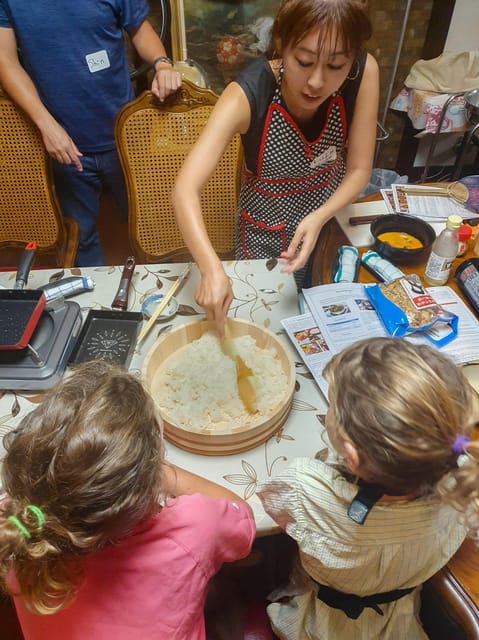
The gozen set is the best choice if you want to understand how several parts of a Japanese home meal fit together.
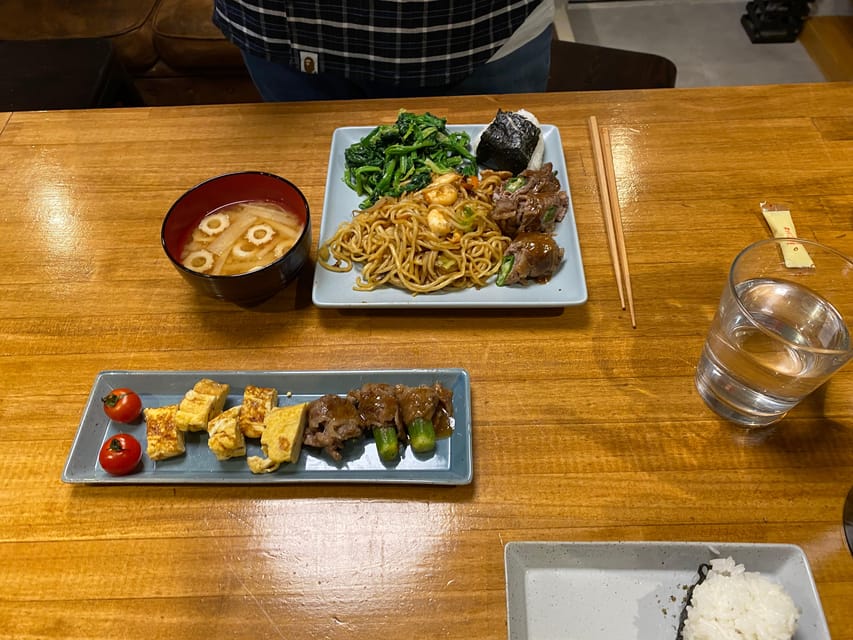
The menu includes a meat plate, a fish plate, a side dish, miso soup, and an onigiri rice ball. It is less about one famous dish and more about balance. You get different textures, flavors, and cooking methods in one sitting.
This menu also gives you the clearest picture of an everyday Japanese meal. Instead of focusing on festival food or restaurant favorites, you learn how a home-style spread can include a main protein, fish, soup, rice, and smaller accompaniments.
A special request may be possible. One group chose the gozen menu and arranged chicken teriyaki as part of it. That flexibility is useful, but it is not automatic. Contact the organizer early and agree on the menu before you arrive.
Custom Menus and Dietary Requests
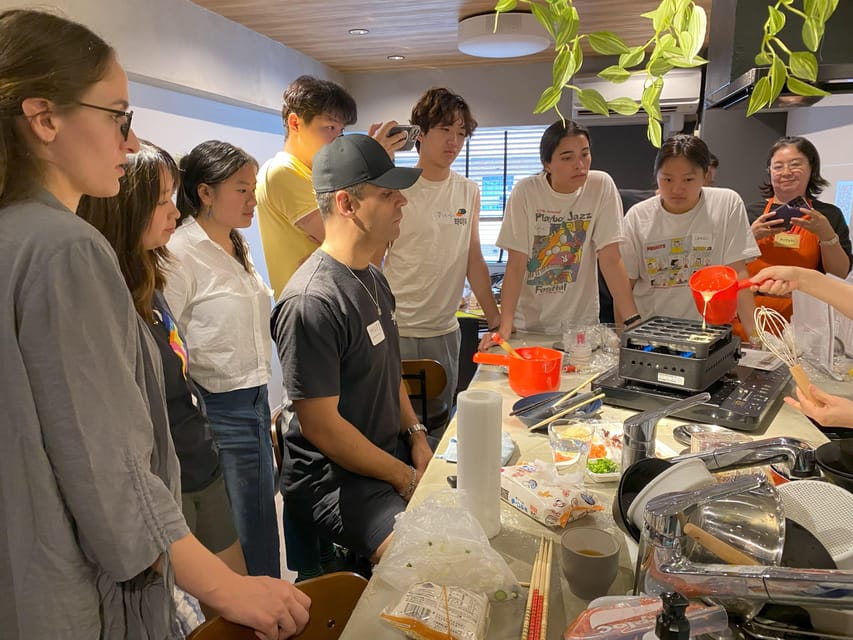
A fifth option allows you to request a menu and discuss it with the instructor. The wording is broad, so treat this as a conversation rather than a promise that any dish can be prepared.
Vegetarian and vegan participants can be accommodated, and food allergies should be reported in advance. The class has adjusted dishes for allergies and vegetarian preferences, but Japanese cooking often uses ingredients that are easy to overlook, including fish-based stock, seafood sauces, and other seasonings.
Be specific. Explain the ingredient you cannot eat, not just the name of a diet. If you are vegan, ask about soup stock, sauces, and toppings. If you have a serious allergy, receive confirmation before booking or as soon as you book.
If another group attends on the same day, you may not get your first menu choice. When your group is the only booking, menu selection is more flexible. That is an important detail for families or groups with strict dietary needs.
The Instructors Make the Difference
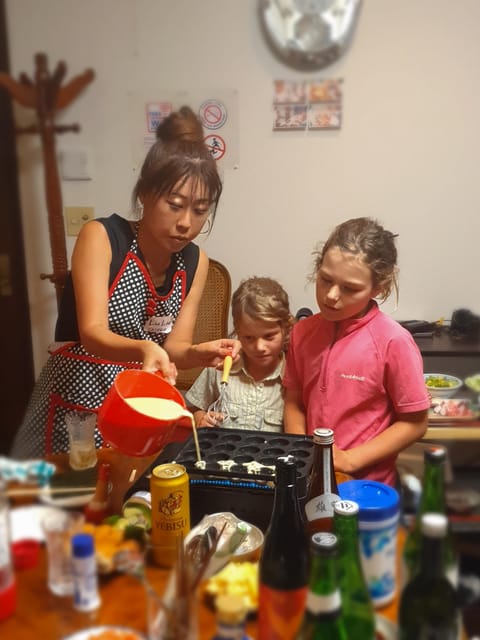
The strongest part of this experience is the teaching. The instructors are not simply there to hand you ingredients and watch the clock.
Kana has been praised for friendly conversation, clear English, and careful answers to questions. Lulu has adapted menus to food preferences, explained Japanese culture, helped with plating, shared recipes, and offered suggestions for restaurants and other destinations. Kayo has been described as patient and clear when explaining techniques.
Chieko has taught traditional recipes and cooking methods, with assistance from Yuki in one class. Miyuki has been praised for a warm, funny teaching style. Mika has focused on Japanese ingredients and how they are used.
You may also meet more than one instructor, depending on the group. The teaching can feel personal when only one group attends. That makes it easier to stop and ask about a sauce, cooking temperature, or ingredient you do not recognize.
One fair criticism is that some participants would prefer to do more of the cooking instead of watching demonstrations. If you are an experienced cook looking for advanced, nonstop practice, make your preference clear at the start. The activity is designed for a mix of abilities, so the pace may be gentler than a professional workshop.
Why the Meal at the End Matters
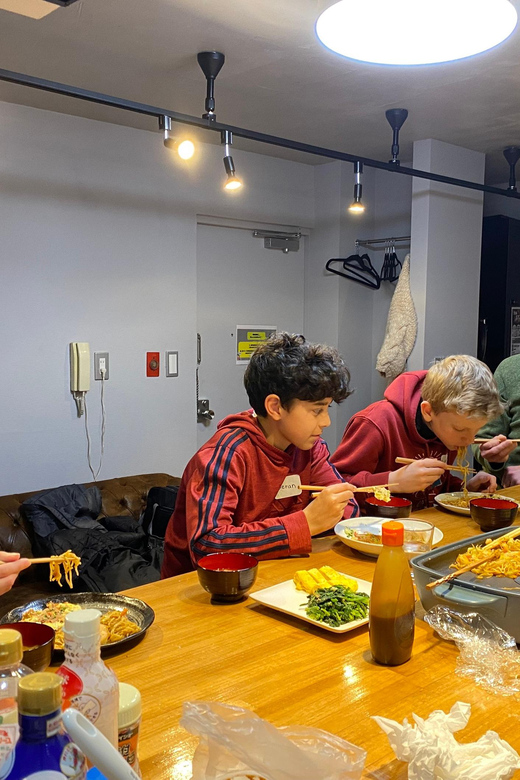
Eating the food afterward is more than a pleasant finish. It lets you see how separate tasks combine into a proper meal.
A well-made okonomiyaki can show you how cabbage, batter, sauce, and toppings work together. A gozen set shows a broader pattern, with rice, soup, protein, fish, and side dishes. Sushi and miso soup give you skills you can repeat without needing a large collection of specialist tools.
The meal can also be generous. Some participants found they had made enough food for a very filling lunch, so avoid scheduling an elaborate restaurant meal immediately afterward unless you are comfortable eating lightly.
You are likely to leave with a better sense of Japanese flavor balance. The lesson is not only about following a recipe. It is about how sauces, stock, rice, vegetables, and toppings create variety without requiring complicated cooking.
A Central Location With One Important Detail
The studio is in or around Shinjuku, one of Tokyo’s most useful areas for combining food, shopping, nightlife, and transport. The central setting makes this class easy to pair with other sightseeing.
You do not receive the exact address at the time of this description. It is sent after booking, and the organizer asks you to wait for a message. Read that message carefully and save any directions or photos. One participant had trouble finding the correct building entrance and lost time before calling the organizer.
Private transportation is not included. You arrange your own way to the studio. If you are coming from Shinjuku Station, allow time to find the correct building, especially if you are carrying bags or arriving with children.
The location has changed for at least one group, though the organizer handled the move and helped with the taxi cost in that case. Still, confirm the address shortly before the activity.
Is $88 a Fair Price?
At $88 per person, this is not the cheapest meal in Tokyo. You can eat excellent Japanese food for much less, especially at a neighborhood noodle shop or casual set-meal restaurant.
The comparison changes when you count what is included: ingredients, cooking tools, drinking water, instruction, and a complete meal. You are also paying for a small-group teaching experience in central Tokyo, not just the food on the plate.
The value is strongest if you want practical skills, cultural explanation, and a meal you help create. It is weaker if you only want to taste Japanese dishes or if you dislike structured activities.
Recipes, photos, and advice about ingredients add useful value. You may even decide to buy a pan or other cooking tool afterward, since dishes such as okonomiyaki, gyoza, and teriyaki are approachable outside Japan.
Who Will Enjoy This Most
I would recommend this class to:
- Families with children or teenagers who need an activity that keeps them involved
- Couples who want a meal with a shared task
- First-time visitors who want more than restaurant dining
- Home cooks interested in Japanese ingredients and repeatable recipes
- Vegetarians, vegans, and people with allergies who can discuss needs before arrival
- Anyone staying near Shinjuku who wants a two-and-a-half-hour break from sightseeing
It is less suitable for someone seeking advanced knife training, formal culinary certification, or a fully private class guaranteed in advance. A private feel is possible when your group is the only booking, but shared attendance can affect the menu and the amount of individual attention.
Booking Details That Matter
The class costs $88 per person and lasts 150 minutes. English is the teaching language, and the starting times depend on availability.
You can reserve now and pay later, which helps if your Tokyo schedule is still changing. Cancellation is free up to 24 hours before the activity for a full refund.
Contact the organizer as soon as you book with allergies, vegetarian or vegan requirements, and menu preferences. Do not wait until the day of the class, since ingredients are prepared in advance.
Should You Book the Shinjuku Cooking Class?
Book it if you want to cook, not just eat. The best reasons are the practical menu choices, warm English-speaking instructors, generous meal, and chance to take Japanese recipes home with you.
Choose Menu B for the most playful session, Menu C for sushi and soup you can repeat, Menu D for a fuller picture of Japanese home cooking, and Menu A for filling comfort food. If your diet is restricted, contact the organizer before paying and confirm both the ingredients and the menu.
The exact address and possible shared attendance require a little planning. But for a visitor who values local food skills over a quick restaurant stop, this is a useful and enjoyable way to spend 150 minutes near Shinjuku.
FAQ
How long does the Japanese cooking class last?
The class lasts 150 minutes, or about two and a half hours, including cooking and eating the meal.
How much does the experience cost?
The listed price is $88 per person.
Where does the class take place?
It takes place at a kitchen studio in or around Shinjuku, Tokyo. The exact address is provided after booking.
What language is used during the class?
The instructor teaches in English.
Can I choose the menu?
You can choose from four main menu options when your group is the only booking on that day. If another group attends, your menu choice may be limited.
What menus are available?
The choices include okonomiyaki and yakisoba, gyoza and takoyaki, rolled sushi with teriyaki, and a traditional gozen meal. A custom menu can also be discussed.
Can vegetarian or vegan food be arranged?
Dietary preferences, including vegetarian and vegan requests, can be discussed with the organizer. Contact them before the class.
Can food allergies be accommodated?
Allergies should be reported in advance so the menu and available options can be discussed.
Are ingredients and cooking tools included?
Yes. Ingredients, cooking tools, drinking water, and all fees and taxes are included.
Is transportation included?
No. Private transportation is not included, so you arrange your own way to the kitchen studio.
Can I cancel for a refund?
You can cancel up to 24 hours in advance for a full refund.
Can I reserve without paying immediately?
Yes. The reserve-now-and-pay-later option lets you hold a place without paying at the time of booking.
Newly reviewed around Tokyo
- Tokyo Asakusa:Calligraphy & Make T-shirt Activity★ 5.0 · 62 reviews
- Intercity Shuttle, Tokyo to Haneda /Narita /Yokohama /Makuhari★ 5.0 · 5 reviews
- 1 Hour Travel around Tokyo with a Professional Photographer★ 5.0 · 3 reviews
- Travel Tokyo with Your Own Personal Photographer★ 5.0 · 43 reviews
- Train in Samurai Swordsmanship and Defeat the Demon in Tokyo★ 5.0 · 5 reviews
- Shuttle Van 6hr Tokyo Tour to-and-from Tokyo, Yokohama and Narita★ 5.0 · 9 reviews
- Kickboxing & Body Training with EX-Pro Fighter★ 5.0 · 4 reviews
- Traditional Japanese Knife Sharpening Class★ 5.0 · 18 reviews
Shinjuku Tours, compared.
Shinjuku Food Tour (13 Dishes at 4 Local Eateries)
Read our review →
Tokyo Bar Hopping Tour in Shinjuku (All-You-Can-Drink + Dinner)
Read our review →
Shinjuku Food Tour (15 Dishes and 4 Eateries)
Read our review →
Best of Shinjuku: Izakaya Food Tour (4 Stops, 14+ Tastings)
Read our review →
Shinjuku Local Bar and Izakaya Guided Walking Tour
Read our review →
Tokyo Shinjuku Sumo Show & Experience with Photo
Read our review →
Tokyo Night Foodie Tour in Shinjuku – Seasonal Sushi, Wagyu Beef
Read our review →Browse the lists this tour appears in