
Reviewed · TOKYO SAKE TASTINGS
Unlimited Sake Tasting with Sushi Omakase tasting in Tokyo
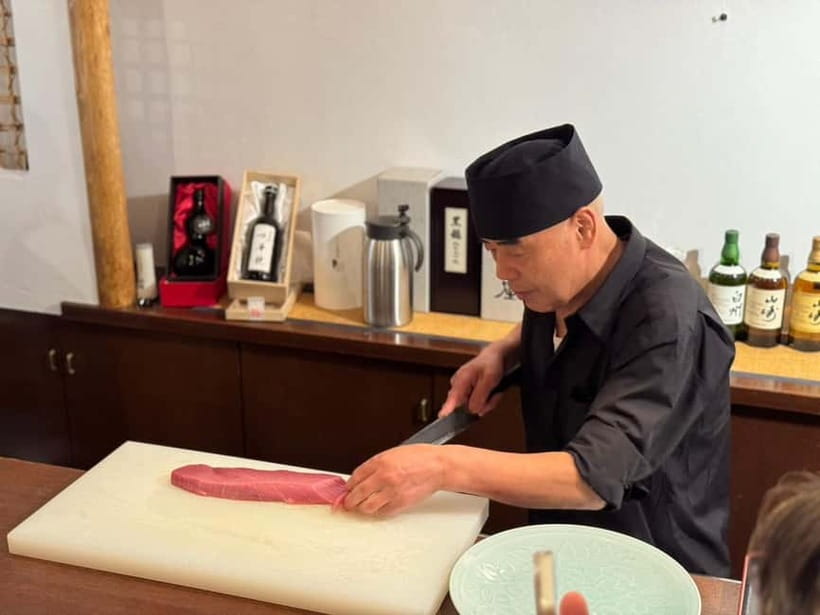
This Roppongi tasting pairs two essentials of Japanese food culture: sushi and sake. You can compare bottles from regions stretching from Hokkaido to Kyushu, then match them with fresh sushi prepared by a sushi chef, including premium tuna supplied by Yamayuki.
I like the small group limit of eight, and I like that the sake tasting runs for 75 of the 90 minutes. The price of $63 is fair if you receive the advertised range of sake and a generous sushi tasting. The main caution is that the experience may feel more like a food-and-drink session than a proper sake class, with limited explanation and, at times, fewer sake varieties than expected.
Key Points
- Eight or more sake types: Compare regional styles from northern Hokkaido to southern Kyushu, subject to availability.
- Seventy-five minutes of unlimited sake: The tasting portion takes up most of the 90-minute visit.
- Premium Yamayuki tuna: The sushi includes tuna from one of Japan’s top wholesalers.
- Fresh sushi prepared by a chef: The food is made for the tasting rather than served as a standard restaurant meal.
- Small group setting: No more than eight participants are booked into each session.
- Roppongi location: SUSHIROKU is three minutes from Roppongi Station and one minute from Don Quijote Roppongi.
Why This Tasting Works for Food-Minded Visitors
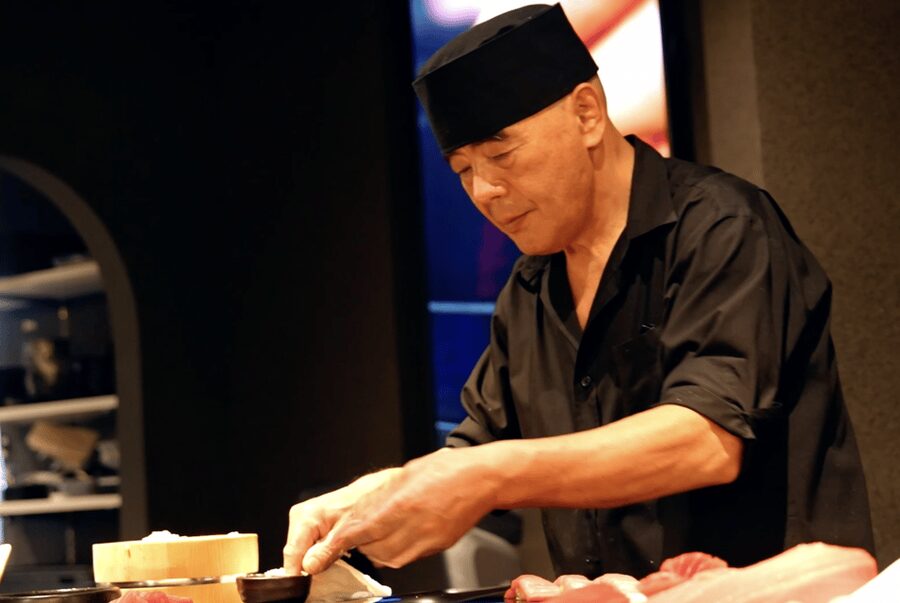
I like the basic idea here because it gives you two ways into Japanese food culture at once. Sushi is familiar to many visitors, but sake can seem harder to approach. By placing the two together, the tasting lets you notice how different drinks work with raw fish, rice, and tuna.
The sake selection is meant to cover Japan from end to end. Hokkaido, in the north, and Kyushu, in the south, have different climates and local food traditions, so a regional comparison can show how broad the sake world is. You may notice changes in aroma, sweetness, dryness, weight, and finish, although the amount of explanation can vary.
The format is also easy to fit into a Tokyo evening. At 90 minutes, it does not take over your day, and Roppongi gives you plenty of options before or after the tasting. You can visit a museum, have dinner elsewhere, or simply use the event as a short introduction to Japanese drinks.
The important qualification is this: do not book it expecting a formal lecture from a dedicated sake educator. The experience promises insight into sake’s brands and background, but the actual level of instruction may be light. If you want detailed brewing methods, historical context, or a structured lesson like a whisky seminar, you may need to ask questions yourself.
More Tokyo sake tastings:
- Ramen and Sushi Cooking Class with Sake Pairing Set in Tokyo
★ 5.0 · 291 reviews - Sake Tasting Masterclass in Shinjuku (8+ Varieties with a Pro)
★ 5.0 · 271 reviews - Sake Omakase in Tokyo: Guided Tasting by Certified Sommeliers
★ 5.0 · 239 reviews
Arriving at SUSHIROKU in Roppongi
The meeting point is SUSHIROKU, on the fourth floor of Vort Roppongi Briller Kaleido at 3-14-14 Roppongi, Minato-ku. It is about a three-minute walk from Roppongi Station, served by the Tokyo Metro Hibiya Line and the Toei Oedo Line.
The location is practical, but allow yourself enough time to find the building and reach the fourth floor. Roppongi has several large commercial buildings and bright signs, so it is worth checking the address before you leave your hotel. The venue is also one minute from Don Quijote Roppongi, a useful landmark if you are already in the area.
The location suits a short evening activity. You are not heading out to a distant brewery or rural restaurant, so this is more convenient than a day trip for learning about sake. The trade-off is that you will not get a countryside setting or a visit to a production site. The focus is tasting, not travel beyond the city.
The Sake Tasting: Regional Comparison in 75 Minutes
The main portion of the experience is the sake tasting, with unlimited sampling available for 75 minutes. The advertised selection is eight or more types, depending on what is available on the day.
That wording matters. You should expect access to a selection rather than a guaranteed list of named bottles. The sake is sourced from breweries around Japan, including areas as far north as Hokkaido and as far south as Kyushu. This gives you a useful chance to compare regional products without visiting several restaurants or shops.
A smart way to approach the tasting is to begin with small pours and take notes on the bottles you prefer. Look for differences in dryness, sweetness, fragrance, and how the drink feels beside sushi. Since the tasting is unlimited, there is no need to rush through every option at once.
There is one practical concern. A recent session provided only four sake types, despite the advertised offer of eight or more. That may reflect supply, the day’s setup, or how the tasting was handled, but it is worth keeping in mind if the number of samples is central to your decision. You can ask at the start how many varieties are currently available.
The instruction also appears uneven. The activity says you can learn about sake’s history and brands, yet some sessions have offered little background on where the sake came from, how it was made, or why the styles differ. You may get more from the experience if you ask direct questions about the brewery, region, rice, flavor profile, and recommended sushi pairing.
For a casual drinker, that may be enough. You can taste several styles, identify what you like, and order similar sake later in Japan. For a serious sake student, the experience may feel less complete unless the host provides more detail during your visit.
Premium Tuna from Yamayuki
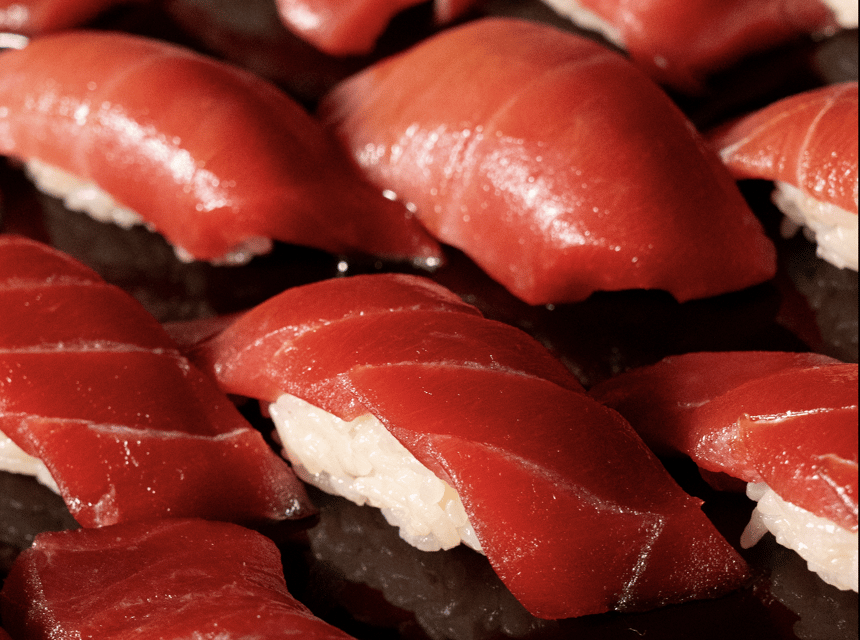
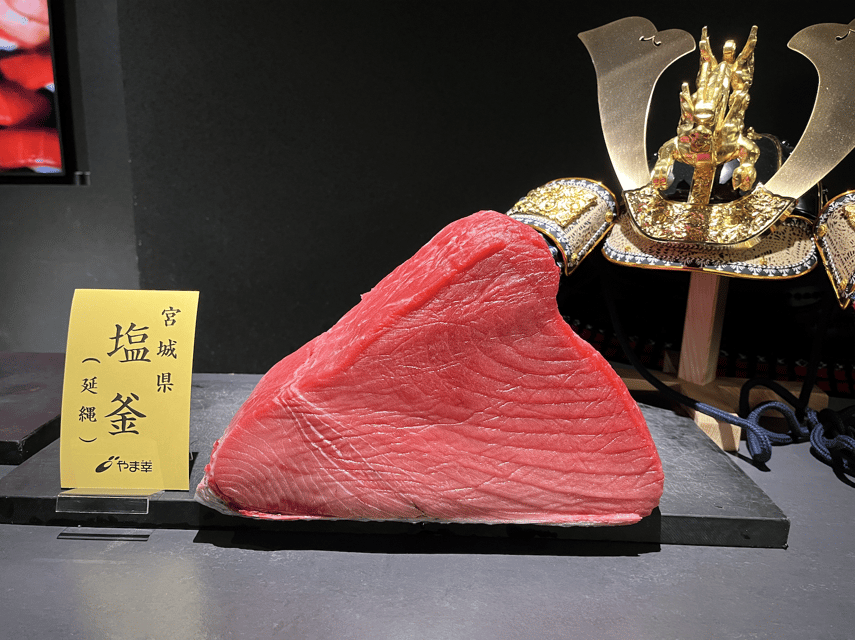
The food centerpiece is tuna from Yamayuki, described as Japan’s top wholesaler. That name is important because tuna quality has a major effect on a sushi tasting. Texture, fat, freshness, and cut all shape the experience, and premium tuna gives the chef better material to work with.
You should think of this as a tasting portion, not a full restaurant dinner. One recent format presented ten pieces of sushi within about 30 minutes. That is a useful guide to the scale of the meal, though the exact selection may vary.
The tuna is likely to be the strongest reason for food-focused visitors to book. Even if you are less interested in the sake explanation, you are still getting a chance to sample high-grade seafood in a compact setting. The sushi was described as excellent in one recent account, and the food and sake were both called delicious in another.
The price makes more sense if you value the tuna and the convenience. At $63 per person, you are not simply paying for ten pieces of sushi. You are also paying for the sake sampling, the Roppongi location, the chef-prepared format, and the chance to compare products from different parts of Japan.
Still, check your expectations. If you want a long omakase meal with many courses, this is not that. If you want a short tasting with premium tuna and plenty of sake, the format is a better match.
A completely different kind of day in Tokyo:
- Mt Fuji and Hakone 1-Day Bus Tour Return by Bullet Train
★ 5.0 · 26,383 reviews - 1-Day Tokyo Bus Tour
★ 5.0 · 14,250 reviews - Tokyo: teamLab Planets TOKYO Digital Art Museum Entry Ticket
★ 4.6 · 9,779 reviews - Mt Fuji & Hakone Cruise, Drum Show Bullet Train 1 Day from Tokyo
★ 4.0 · 7,413 reviews
How the Sushi and Sake Fit Together
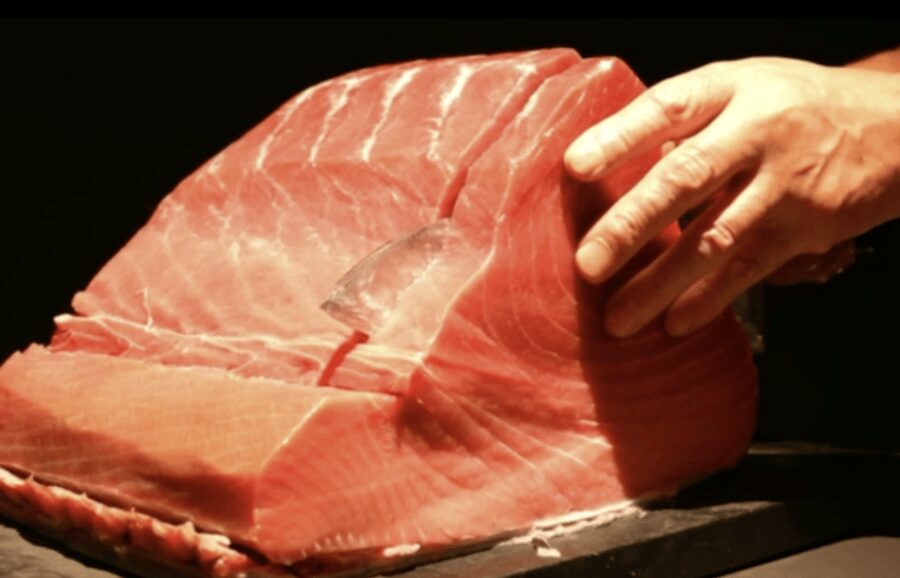
The pairing is the experience’s best idea. Sushi gives you a familiar reference point, while the sake changes the way you notice each bite. A clean, dry sake may feel different beside fatty tuna than a softer or sweeter style.
You do not need advanced knowledge to enjoy this comparison. Start by tasting the sake on its own, then take a piece of sushi and taste the drink again. Notice if the sake feels sharper, rounder, lighter, or more fragrant with food.
The listed experience does not promise a formal pairing menu for each piece, so do not assume every sushi item will come with a detailed explanation. You may need to guide yourself by asking which sake works best with the tuna or which bottle is the most traditional choice.
The sushi is generally served quickly. One recent session presented ten pieces in about 30 minutes, while sake service continued afterward. That can be efficient, but it may feel rushed if you want to pause between pieces or talk through each one.
There was also a report of guests being moved from the counter to a table near the door while they were still being served sake, apparently to make room for incoming customers. This suggests the venue may sometimes balance the tasting with regular restaurant operations. If a relaxed counter experience matters to you, that is a detail worth considering.
Group Size, Timing, and Pace
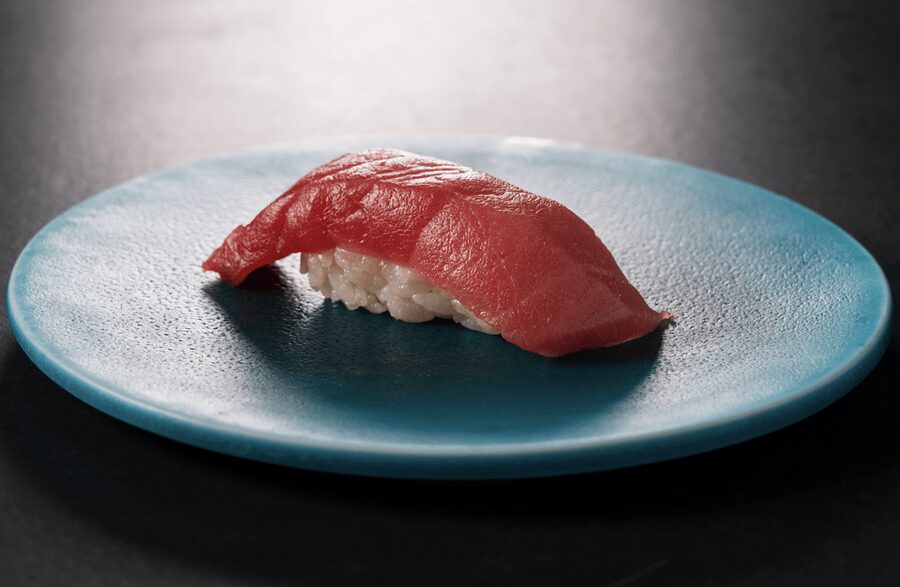
The group is limited to eight people, which is a useful size for a tasting. A small group gives you a better chance to ask questions than a large food tour, and it keeps the session more focused.
The 90-minute duration is short enough for most Tokyo itineraries. The sake portion lasts 75 minutes, leaving roughly 15 minutes for settling in, sushi service, or closing the tasting. Because the meal and drinks happen in a compact window, you should arrive ready to begin rather than expecting a long, leisurely dinner.
The pace may depend on how busy the venue is. Some sessions appear to move quickly, with the sushi served during the first half hour. That can be welcome if you have evening plans, but less appealing if you want every course explained.
Wheelchair access is available. The booking also allows free cancellation up to 24 hours before the start time, and you can reserve now and pay later. Those policies make it easier to fit the tasting into a changing Tokyo schedule, especially if you are arranging several activities in the same neighborhood.
What the $63 Price Really Buys You
The value depends on what you want from the evening. For $63, you receive sushi tasting, unlimited sake tasting, a small group setting, and premium tuna from Yamayuki. That is a reasonable package for someone who wants a compact introduction to Japanese drinks and seafood.
The value is strongest when the full sake range is available and you are comfortable sampling several styles. Unlimited tasting can make the cost attractive compared with ordering many separate glasses at a restaurant. The ability to compare products from Hokkaido through Kyushu adds variety that a single sake order would not provide.
The value is weaker if you mainly want detailed instruction. The experience has not always delivered the level of sake history, brewing information, or cultural context that some people expect. You may leave knowing which sake you like without fully understanding why it tastes that way.
It is also not the best choice for a large meal. The sushi tasting is limited, and the format is built around sampling rather than dining for several hours. If you need a substantial dinner, plan another meal before or afterward.
Who Should Book This Roppongi Experience
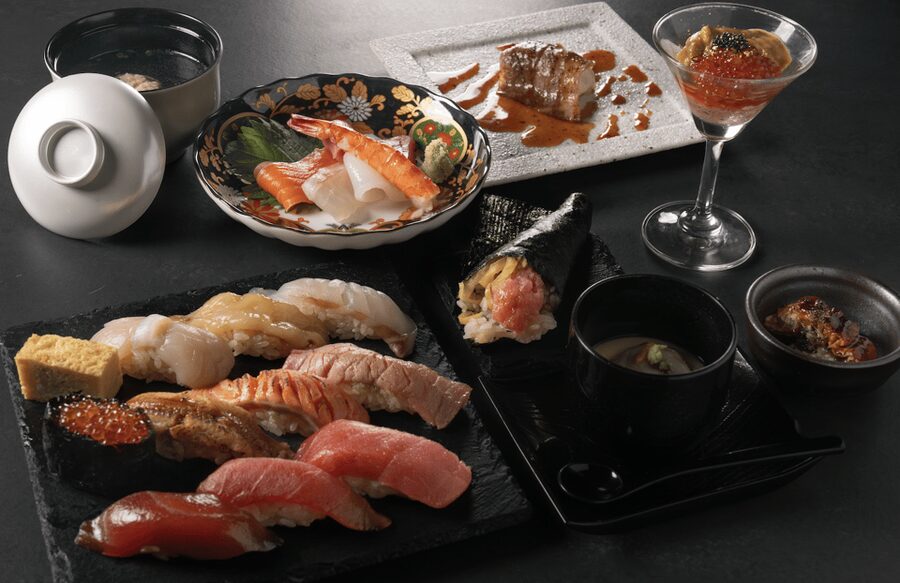
I would suggest this tasting to you if you want a simple first step into sake, especially if you are already planning time in Roppongi. It suits couples, solo visitors, and small groups who want food and drink without committing to a long formal meal.
It also works for people who like trying several regional products. You do not need to know anything about sake before arriving. The tasting gives you a chance to compare styles and discover what to order at other restaurants.
The experience is less suitable if your top priority is expert teaching. You may find the explanation too brief, especially if you have already attended detailed whisky, wine, or sake tastings. It is also less suitable if you want a long omakase dinner, a guaranteed eight or more sake lineup, or a quiet seat at the counter for the entire session.
Ask about the day’s sake selection when you arrive. If four types are available rather than eight or more, you can decide whether the food and tuna still make the experience worthwhile for you.
Final Verdict: A Good Food-and-Drink Introduction with Limits
Book this experience if you want premium tuna sushi, a compact Roppongi location, and the chance to sample sake from across Japan. The small group, 75-minute drink tasting, and $63 price give it solid appeal for a first taste of Japanese food culture.
Go in with realistic expectations. This is best treated as an informal tasting, not a full sake course. The sushi has earned the strongest praise, while the educational side can be thin and the number of available sake types may vary.
For many visitors, that balance will be fine. You get good food, plenty of tasting time, and an easy Tokyo evening activity. If detailed stories about brewing, regional traditions, and sake history are essential, ask questions early or choose a more instruction-focused experience.
FAQ
Where does the sake and sushi tasting take place?
It takes place at SUSHIROKU, on the fourth floor of Vort Roppongi Briller Kaleido, 3-14-14 Roppongi, Minato-ku, Tokyo 106-0032, Japan.
How far is SUSHIROKU from Roppongi Station?
The venue is about a three-minute walk from Roppongi Station, served by the Tokyo Metro Hibiya Line and the Toei Oedo Line.
How long does the experience last?
The complete experience lasts 90 minutes. Unlimited sake tasting is available for 75 minutes.
How many sake types can I taste?
The experience offers eight or more sake types depending on availability. The actual number may vary, and one recent session had four types available.
What food is included?
Sushi tasting is included, with fresh sushi prepared by a sushi chef. The experience features tuna from Yamayuki, described as Japan’s top wholesaler.
How many people are in the group?
The activity is limited to eight participants, making it a small-group experience.
Can I cancel or pay later?
You can cancel up to 24 hours in advance for a full refund. You can also reserve your place and pay later.
More Tokyo food tours
- Tokyo: Shinjuku Food Tour (13 Dishes at 4 Local Eateries)
★ 5.0 · 6,603 reviews - Tokyo Tsukiji Fish Market Food and Culture Walking Tour
★ 5.0 · 3,184 reviews - Tokyo: Shinjuku Food Tour (15 Dishes and 4 Eateries)
★ 4.9 · 2,033 reviews - Tokyo: Tsukiji Fish Market Food and Walking tour
★ 5.0 · 1,724 reviews
More Tokyo drink tastings and bars
- Tokyo Bar Hopping Tour in Shinjuku (All-You-Can-Drink + Dinner)
★ 5.0 · 3,587 reviews - Best of Shinjuku: Izakaya Food Tour (4 Stops, 14+ Tastings)
★ 5.0 · 1,863 reviews - Tokyo: Shinjuku Local Bar and Izakaya Guided Walking Tour
★ 4.9 · 1,794 reviews - Shibuya Meltdown Nightlife Tour: All-You-Can-Drink Bar Hopping
★ 5.0 · 1,058 reviews
Newly reviewed around Tokyo
- Yokohama Port: Private Customizable Tour with Transfer★ 5.0 · 19 reviews
- VIP Private Hostess Club Tokyo Night Life Karaoke with Girls★ 4.8 · 6 reviews
- Wagyu & Sake 8 Course Tasting Dinner in Shinjuku★ 4.9 · 20 reviews
- Walking Tour: Yanaka,Nezu& Sendagi: Tea Ceremony & Old Tokyo★ 5.0 · 3 reviews
- Hidden Gem Food & Drink Night Tour near Roppongi★ 5.0 · 4 reviews
- Asakusa: Tokyo’s #1 Family Food Tour★ 4.6 · 8 reviews
- From Ocean to Chopsticks Tsukiji Market Food Tour By Local Expert★ 5.0 · 7 reviews
- Tsukiji Fish Market Street Food & Culture Walking Tour★ 5.0 · 8 reviews
Tokyo Sake Tastings, compared.
Ramen and Sushi Cooking Class with Sake Pairing Set in Tokyo
Read our review →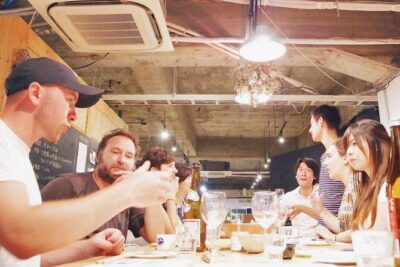
Sake Tasting Masterclass in Shinjuku (8+ Varieties with a Pro)
Read our review →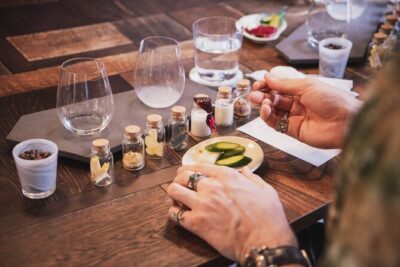
Sake Omakase in Tokyo: Guided Tasting by Certified Sommeliers
Read our review →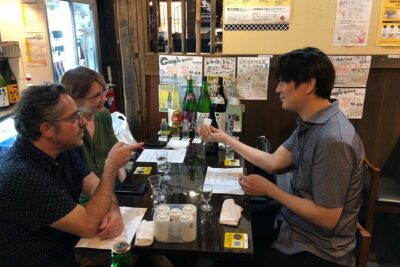
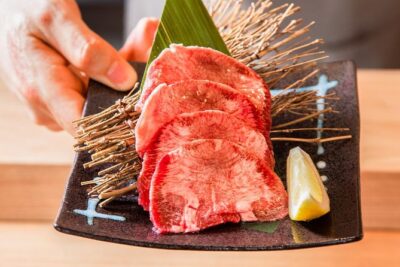
Wagyu & Sake Pairing in Shinjuku – Steak, Shabu-Shabu & More
Read our review →
Tokyo Wagyu & Sake Pairing Tasting Experience with Local Flavors
Read our review →
Sushi and Ramen Cooking Class with Sake Pairing Set
Read our review →
Tsukiji: Outer Market Walking Tour & Sake Tasting Experience
Read our review →Browse the lists this tour appears in