
Reviewed · TOKYO NIGHT TOURS
Hidden Gem Food & Drink Night Tour near Roppongi
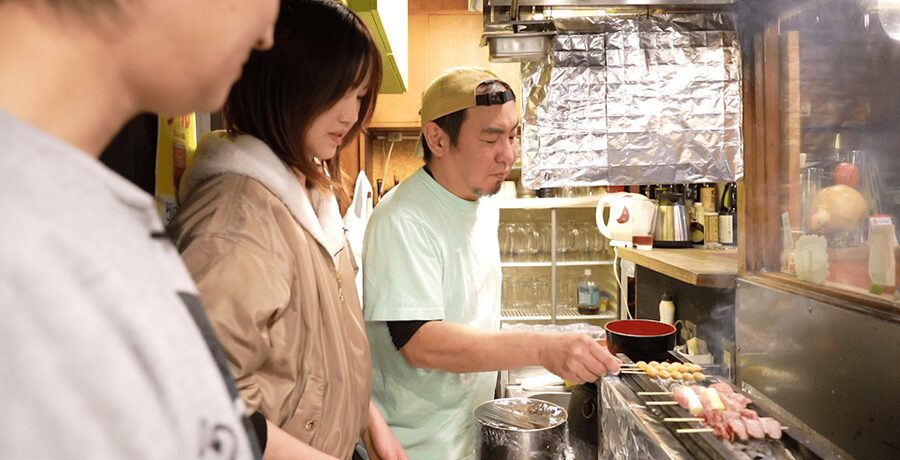
Azabujuban gives you a side of Tokyo that is easy to miss between Roppongi and Tokyo Tower. This four-hour evening moves through three small food and drink spots, with yakitori, wagyu, or sashimi at the first stop, five Japanese whiskeys at a local bar, and homemade dishes prepared by a neighborhood auntie. Guides Ellen and Taku add the personal touch.
I like the way this tour gets you away from the obvious nightlife streets, and I like that the food is substantial rather than a token tasting. The small group, limited to 10 people, also makes it easier to ask questions and keep the evening relaxed. The main drawback is the $168 price, especially since extra food and drinks are not included.
Key points to know
- Azabujuban is the real setting: You explore a local-feeling neighborhood between Roppongi and Tokyo Tower rather than spending the whole night in a major tourist district.
- Three stops fill four hours: The evening includes an izakaya meal, a five-whiskey tasting, and homemade traditional dishes with drinks.
- The first meal may vary: The restaurant depends on availability, but you can request yakitori, wagyu, or sashimi.
- Ellen and Taku bring a personal touch: Their guidance can include extra food and neighborhood stops when time and availability allow.
- You need to budget for extras: The listed inclusions cover meals, specified drinks, and whiskey samples, but not additional orders or personal purchases.
- This is an adults-only evening: You must be at least 20, and the tour is not suitable for pregnant women or people with food allergies.
Starting at Oslo Coffee in Azabujuban
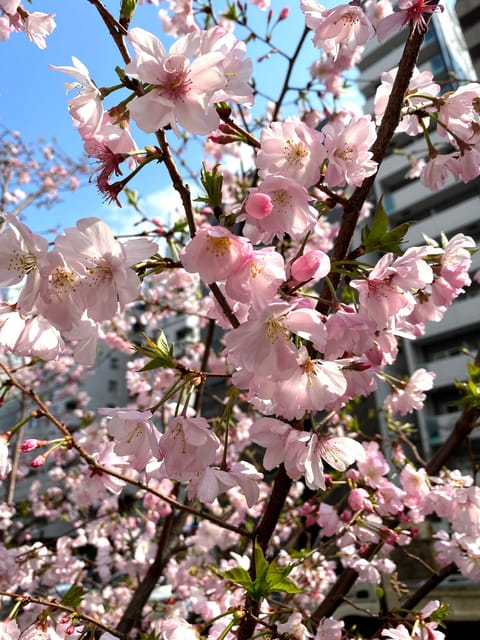
Your meeting point is in front of Azabujuban Station Exit 4, beside Oslo Coffee Azabujuban. Look for the red Japan Hopping sign. The tour returns to this same spot, which makes the evening simple to manage if you are staying near Roppongi, Tokyo Tower, or elsewhere in central Tokyo.
Azabujuban sits in a useful pocket of the city. Roppongi is close, but the neighborhood has a more residential feel and a different rhythm after dark. You are not being led from one famous sightseeing stop to another. Instead, the point is to learn how Japanese food and drinking culture works in ordinary local venues.
That setting matters. In Japan, an izakaya is not just a place to grab dinner. It is a casual restaurant and drinking spot where people order several dishes for the table, share food, and stay for conversation. A guide helps explain those small customs, from what to order to how the evening moves from one place to the next.
The group size is capped at 10. That is large enough to give the evening some energy, but small enough for a guide to keep track of everyone in compact restaurants and bars. You will want comfortable shoes, since the tour involves walking between venues, and cash for anything you choose to buy beyond the included food and drinks.
More Tokyo night tours:
- Tokyo After 5: Authentic Japanese Food & Drink Night Tour
★ 4.5 · 560 reviews - Shibuya Meltdown Night Tour: All-You-Can-Drink Bar Hopping
★ 4.8 · 183 reviews - Tokyo by Night Photography Tour (Private Option Available)
★ 5.0 · 151 reviews
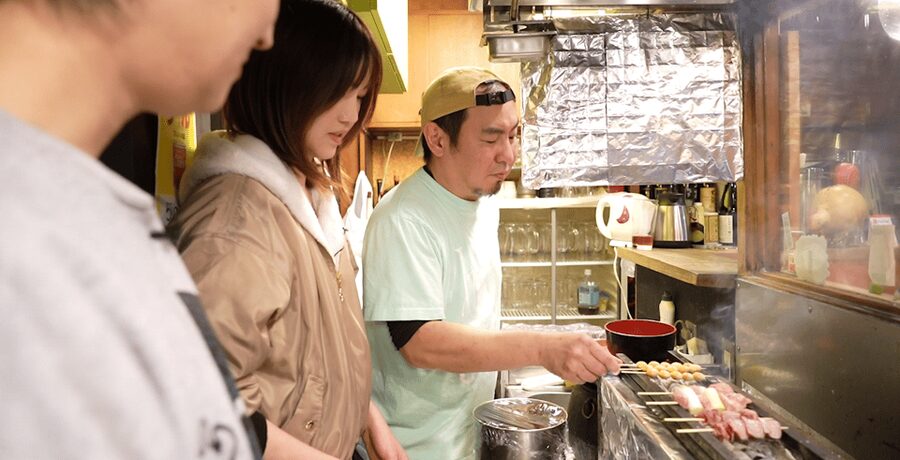
First stop: an izakaya meal with a choice of flavors
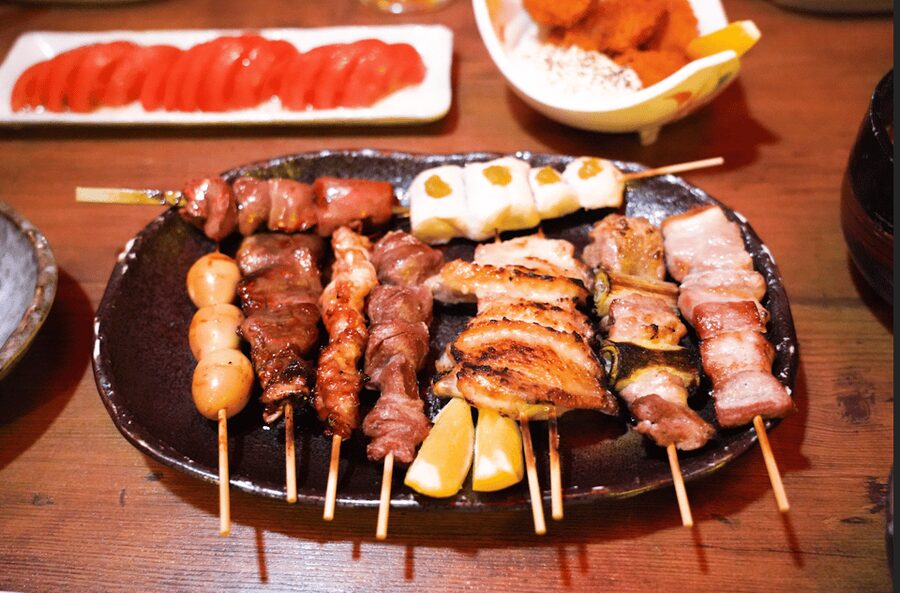
The first restaurant is selected according to availability. You can tell the team if you prefer yakitori, wagyu, or sashimi, but the choice cannot be guaranteed. This is worth understanding before you book. The tour is not a fixed restaurant reservation with one guaranteed menu. It is a guided evening shaped partly by the local places that can take the group.
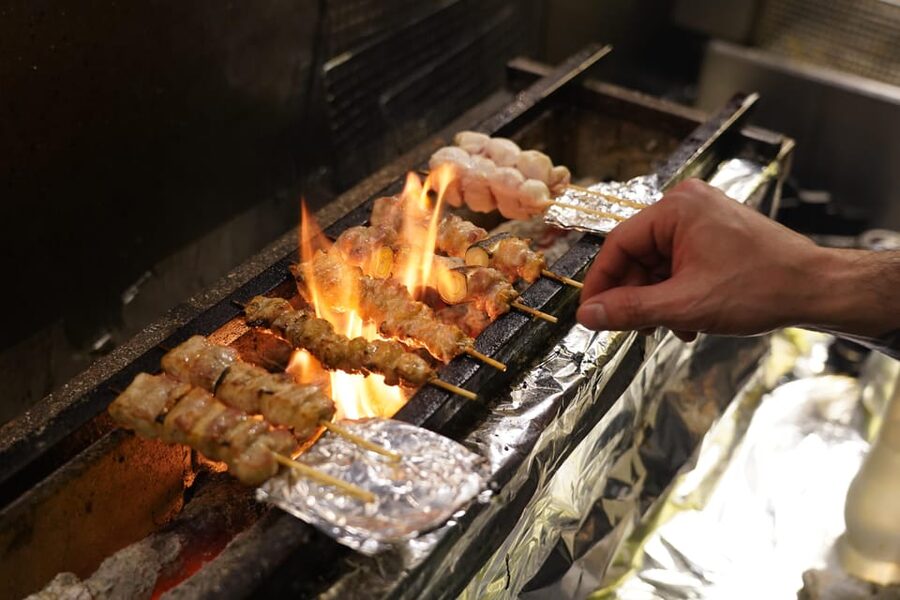
Yakitori means grilled chicken skewers, usually served in a range of cuts and seasonings. Wagyu gives you a chance to try Japan’s prized beef, while sashimi focuses on fresh raw fish. These options cover three very different parts of Japanese dining, so your preference can make a noticeable difference to the meal.
The included package provides a Japanese izakaya meal and one drink. Beer is listed for this portion of the evening, though the exact offering may depend on the venue. The food is intended to fill you up, not simply offer one small bite before the whiskey tasting.
I like that the tour starts with a proper meal. A food walk can lose its appeal when every stop offers only a sample. Here, you get time to sit down, eat, and understand the social side of an izakaya. The tradeoff is that you do not control every detail of the menu, so anyone with a firm dietary plan should contact the operator before booking.
Walking through Azabujuban after dark
Between meals, your guide leads you around Azabujuban. The area is described as home to many authentic restaurants, including places with a high level of cooking that are easy for a first-time visitor to miss. The tour uses the neighborhood itself as part of the experience, not merely as a route between restaurants.
This is where guides Ellen and Taku can make a difference. Ellen is listed as one of the guides, and Taku may join during the evening. The personal nature of the tour means the route can include places that are not part of the basic plan when there is time and an opportunity to do so.
You should not expect a formal historical walking tour. The main focus is food and drinking culture, with local context along the way. You might learn why certain dishes are ordered together, how a Japanese bar differs from an izakaya, or how to approach a menu when little English is available. The exact conversation will depend on your guide and group.
The neighborhood setting also keeps the night from feeling like a checklist. You are moving at a food-focused pace, with each stop giving you a different view of the area. If you prefer a tour that stays on a strict schedule and guarantees every restaurant in advance, this flexible approach may feel less predictable.
Second stop: five rare Japanese whiskeys
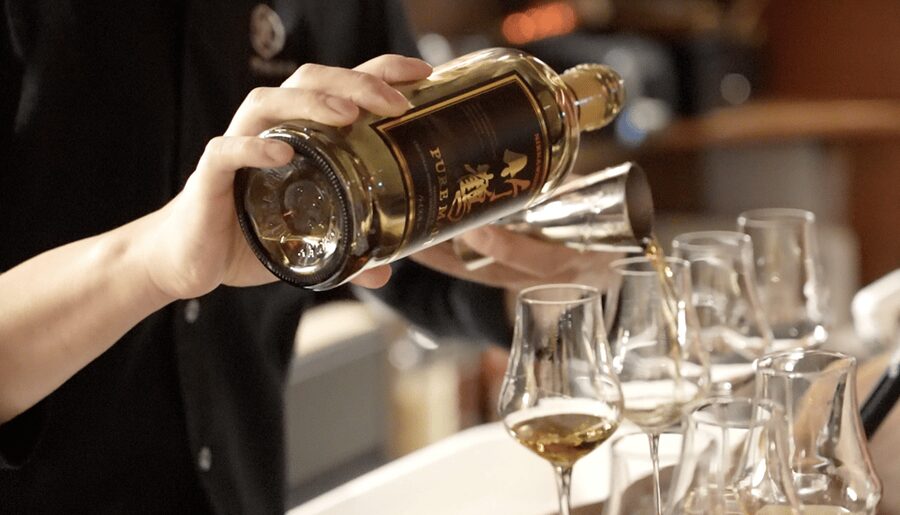
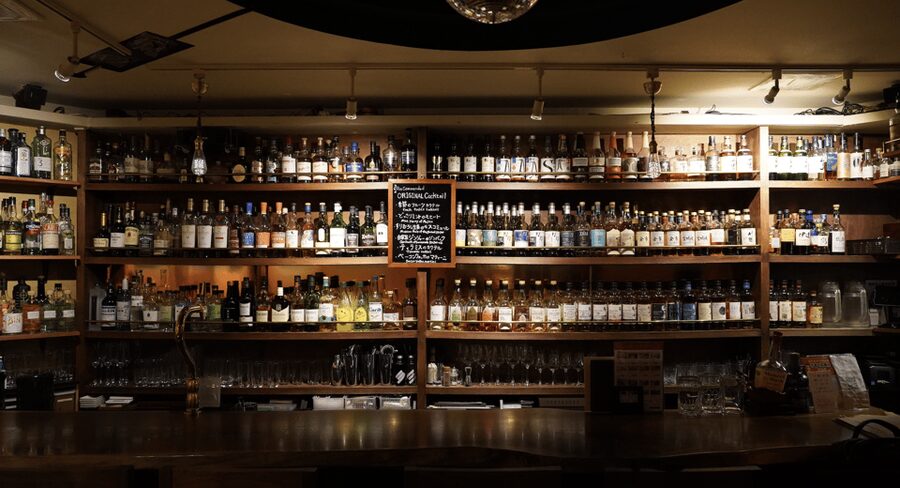
The whiskey tasting takes place at a local bar and lasts about an hour. You taste five types of rare Japanese whiskey, with 15 milliliters of each. That adds up to 75 milliliters, or about two and a half standard-size 30-milliliter pours, so the tasting is broad without being excessive.
The small pours let you compare styles rather than commit to one full serving. If you are curious about Japanese whiskey but do not know where to begin, five samples give you a useful starting point. The guide can also provide context about what you are drinking and how it fits into Japan’s bar culture.
One hour is a sensible amount of time here. It gives you room to taste and ask questions without turning the middle of the tour into a long drinking session. You still have another food stop ahead, so the evening keeps moving.
The whiskey portion is also where the tour has the clearest appeal for spirits fans. Rare bottles can be hard to identify or order on your own, especially when you are unfamiliar with Japanese labels and local bar customs. At the same time, you should not book this as a full whiskey education course. The information provided promises five tastings and a local bar experience, not a detailed distillery seminar.
You must be at least 20 to join. The tour is not suitable for pregnant women, and anyone who does not drink should consider that two of the three main stops center on alcohol.
More Tokyo food tours:
- Tokyo: Shinjuku Food Tour (13 Dishes at 4 Local Eateries)
★ 5.0 · 6,603 reviews - Tokyo Tsukiji Fish Market Food and Culture Walking Tour
★ 5.0 · 3,184 reviews - Tokyo: Shinjuku Food Tour (15 Dishes and 4 Eateries)
★ 4.9 · 2,033 reviews - Best of Shinjuku: Izakaya Food Tour (4 Stops, 14+ Tastings)
★ 5.0 · 1,863 reviews
Third stop: homemade dishes from the neighborhood
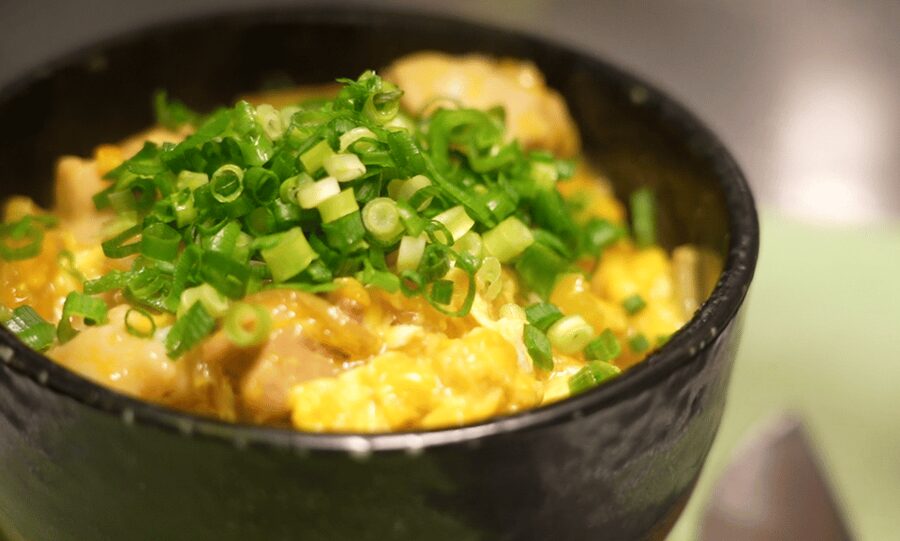
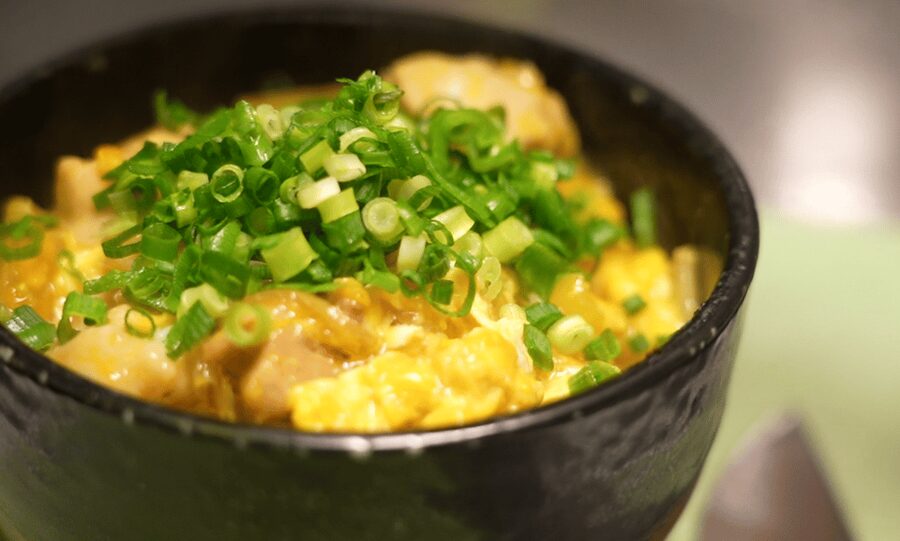
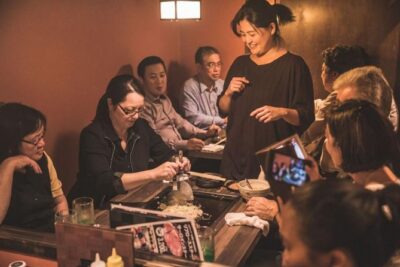
The final food stop is another local restaurant and lasts about an hour. Here, you receive homemade traditional dishes and one drink. Beer and food tasting are listed for this part of the evening, giving you another chance to eat at a slower pace after the whiskey stop.
The phrase homemade is important. This is meant to feel different from a polished restaurant course or a standard tasting menu. The dishes are prepared in the style of food you might encounter in a neighborhood setting, with the warmth and informality that often make small Japanese eateries memorable.
You can expect this stop to round out the meal rather than replace it. The full evening includes an izakaya dinner, whiskey, and homemade dishes, and the food is described as enough to fill you up. For most people, that makes the tour function as dinner as well as a nightlife outing.
There is a practical point here. Since extra food and drink are not included, you should avoid assuming that every item placed on the table is part of the package. Ask your guide if you want to order more, and keep cash handy for additional purchases. The supplied information specifically recommends bringing cash.
What the $168 price really covers
At $168 per person, this is not a bargain food crawl. The price makes more sense if you value access, guidance, and a small group rather than simply counting the number of dishes.
Your package includes a Japanese izakaya meal with one drink, five 15-milliliter Japanese whiskey samples, homemade traditional dishes with one drink, and an English-speaking guide for four hours. You are also paying for the route through Azabujuban and for help choosing and navigating places that may be difficult to find on your own.
The value is strongest for first-time visitors who want a confident introduction to Japanese nightlife. A guide can remove the uncertainty of entering a small local restaurant, reading an unfamiliar menu, or understanding how to order several dishes. Ellen and Taku can also adjust the evening conversationally, and one detailed account of the tour describes extra food and area stops being added beyond the basic plan.
The price is harder to justify if you are already comfortable with Japanese food, speak Japanese, or prefer to order freely at your own pace. You will still need to pay for anything extra, and the first restaurant is not fixed. Before booking, decide if the structure and local access are worth more to you than spending $168 on independent meals and drinks.
Food restrictions and who should book
The operator asks you to make contact about food allergies or dietary restrictions and says it will do its best to accommodate them. However, the activity is marked as not suitable for people with food allergies. That is a strong warning, not a minor footnote.
If you have an allergy, contact the company before paying and get a clear answer about what can be handled. Do not assume that a request will be possible simply because the team welcomes questions. Shared kitchens, sauces, seafood, and changing restaurant availability can make a food tour difficult for anyone with serious restrictions.
This outing suits adults who enjoy trying several foods, drinking beer and whiskey, walking between venues, and talking with a guide. It is especially useful for you if you want a first taste of izakaya culture without spending the evening guessing where to go.
It is less suitable for anyone who wants a family activity, a non-drinking tour, a guaranteed menu, or a fully scheduled route. The age limit is 20, and the listed upper age limit is 95. The tour is also not suitable for pregnant women.
Timing, flexibility, and the small-group feel
The activity lasts four hours, but the available starting time depends on the date you select. Check the schedule before planning a major evening commitment afterward. Since the tour returns to Oslo Coffee, you will at least finish where you began.
The plan includes roughly one hour at each of the three main stops, with walking and guided time connecting them. That creates a comfortable pace. You are not rushing through a dozen tastings, but you are also not sitting in one place for the entire evening.
Small groups help in practical ways. A group of no more than 10 can fit more easily into local restaurants, and your questions are less likely to get lost. It also gives the guide room to explain dishes and drinking customs without using a microphone or delivering a speech.
The flexible restaurant arrangement is both a strength and a limitation. It allows the operator to use places with availability on the day, but it means the exact first stop is not promised. If yakitori, wagyu, or sashimi is important to you, state your preference early.
Should you book this Azabujuban night tour?
Book it if you want a guided introduction to Japanese food and nightlife, especially if you are new to izakayas or Japanese whiskey. The combination of a filling meal, five whiskey samples, homemade dishes, and a small English-speaking group gives you more than a standard bar crawl.
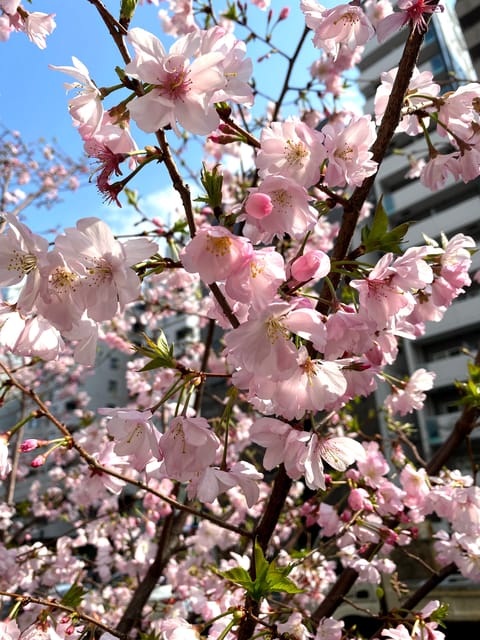
I would also choose it for the neighborhood setting. Azabujuban is close to major Tokyo sights, yet the evening focuses on local restaurants rather than famous landmarks. Guides Ellen and Taku add flexibility, and their willingness to include extra neighborhood stops can make the night feel personal.
Skip it if $168 feels high for a four-hour food outing, if you need a fixed menu, or if allergies make restaurant changes risky. Also keep cash available for extra orders, and remember that the included drinks do not cover everything you may want during the night.
For the right person, this is a useful first evening in Tokyo: eat enough for dinner, taste Japanese whiskey without ordering five full pours, and learn how local food-and-drink culture works from guides who can take you beyond the obvious streets.
FAQ
Where does the tour start?
Meet in front of Azabujuban Station Exit 4, next to Oslo Coffee Azabujuban. Look for the red Japan Hopping sign.
Where does the tour end?
The activity ends back at the same meeting point near Oslo Coffee Azabujuban.
How long does the tour last?
The tour lasts four hours. Starting times vary, so check availability for your chosen date.
What food is included?
The experience includes a Japanese izakaya meal, homemade traditional dishes, and food tastings. The food is intended to be enough to fill you up.
Can I choose between yakitori, wagyu, and sashimi?
You can tell the team which of the three you prefer. The first restaurant depends on availability, so your preference cannot be guaranteed.
How many Japanese whiskeys will I taste?
You will taste five types of Japanese whiskey, with 15 milliliters of each.
Are drinks included?
One drink is included with the izakaya meal, and one drink is included with the homemade traditional dishes. Additional food and drinks are not included.
Is the tour available in English?
Yes. The tour has a live English-speaking guide.
Can I cancel for a refund?
You can cancel up to 24 hours in advance for a full refund. The activity also offers reserve now and pay later booking.
Newly reviewed around Tokyo
- Yokohama Port: Private Customizable Tour with Transfer★ 5.0 · 19 reviews
- VIP Private Hostess Club Tokyo Night Life Karaoke with Girls★ 4.8 · 6 reviews
- Wagyu & Sake 8 Course Tasting Dinner in Shinjuku★ 4.9 · 20 reviews
- Walking Tour: Yanaka,Nezu& Sendagi: Tea Ceremony & Old Tokyo★ 5.0 · 3 reviews
- Asakusa: Tokyo’s #1 Family Food Tour★ 4.6 · 8 reviews
- Unlimited Sake Tasting with Sushi Omakase tasting in Tokyo★ 4.0 · 44 reviews
- Dive into Tsukiji Fish Market Walking Friendly Food Tour★ 5.0 · 3 reviews
- From Ocean to Chopsticks Tsukiji Market Food Tour By Local Expert★ 5.0 · 7 reviews
Tokyo Night Tours, compared.
Tokyo After 5: Authentic Japanese Food & Drink Night Tour
Read our review →
Shibuya Meltdown Night Tour: All-You-Can-Drink Bar Hopping
Read our review →
Tokyo by Night Photography Tour (Private Option Available)
Read our review →


Real Tokyo Runner Club : Daikoku Car Meet Night Tour with JDM Car
Read our review →
Browse the lists this tour appears in