
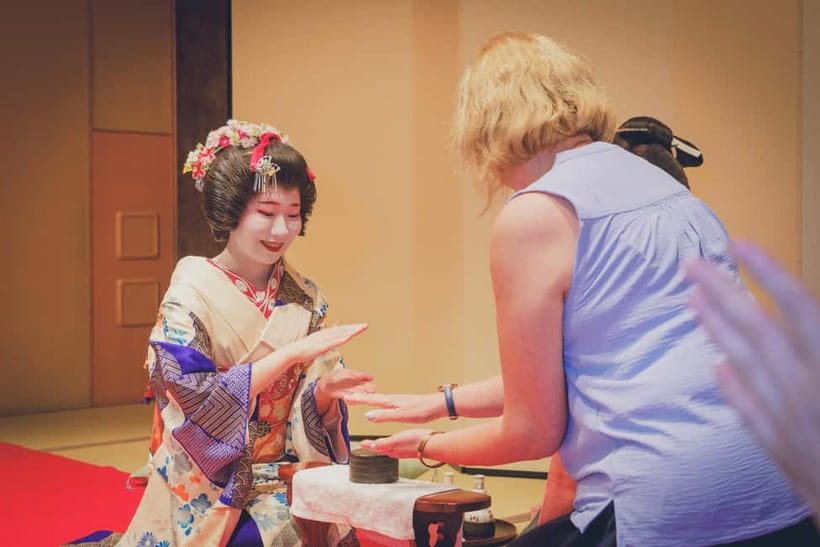
Reviewed · TOKYO GEISHA SHOWS AND DINNERS
Asakusa: Geisha Performance and Tea House Experience
A live geisha performance in Asakusa gives you more than a polished show. At Miyakodori’s Ozashiki Tea House, you sit close to the performers, hear shamisen music, watch traditional dance, and take part in a playful ozashiki-asobi game. The best part is the chance to ask questions and get beyond the costume and makeup.
I especially like the small-group feel and the way the performance opens into real conversation. The mix of elegant dance and the silly, fast-moving Konpira Fune Fune game also works beautifully. One point to budget for: each person must order one drink, alcoholic or non-alcoholic, in addition to the included matcha.
Key points
- Real geisha and maiko: Meet performers such as geiko Chizuru and maiko Tamaaki in a traditional tea house setting.
- Live shamisen music: Dance is paired with live instrumental music and singing by performers such as Shisa.
- A game everyone can join: Learn Konpira Fune Fune, an ozashiki game that turns a formal setting into a friendly one.
- Matcha and seasonal sweets: Freshly whisked tea and Japanese sweets provide a pleasant cultural pause.
- English help: An English-speaking host or translator supports questions and explanations.
- A 75-minute format: The compact schedule fits neatly into a day of sightseeing in Asakusa.
Meeting geisha in Asakusa
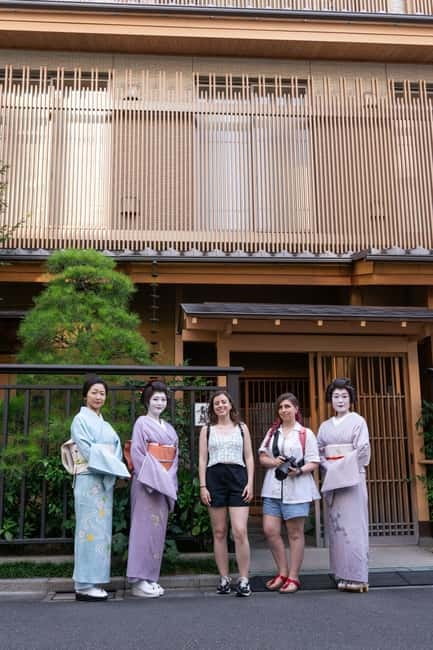
Asakusa is one of Tokyo’s best districts for traditional culture, and this experience gives you a direct encounter with one of Japan’s more private performing arts. You are not simply watching a stage show from a distance. The geisha perform nearby, then speak with you and guide you through a traditional game.
The setting is Miyakodori’s Ozashiki Tea House, also identified by the provider as 料亭都鳥. You enter a place built around hospitality, performance, and social exchange. One attendee described arriving through a hidden door before being welcomed by the owner and led into the banquet area. That detail captures the mood nicely: the experience has a sense of occasion, but it is not stiff.
You may be seated on low stools, so keep that in mind if sitting close to the floor is difficult for you. The activity is designed for solo visitors, couples, and small groups, and the friendly format makes it easy to participate even if you arrive alone.
More Asakusa and Sensoji tours:
- Tokyo: Japanese Dance Cabaret Theater Asakusa-Kaguwa Ticket
★ 4.8 · 2,270 reviews - Tokyo: Meiji Shrine, Asakusa, Skytree Bus Tour and Cruise
★ 4.7 · 1,986 reviews - Tokyo: Roll and Authentic Sushi Making Class in Asakusa
★ 4.9 · 1,957 reviews
A graceful dance with live shamisen music
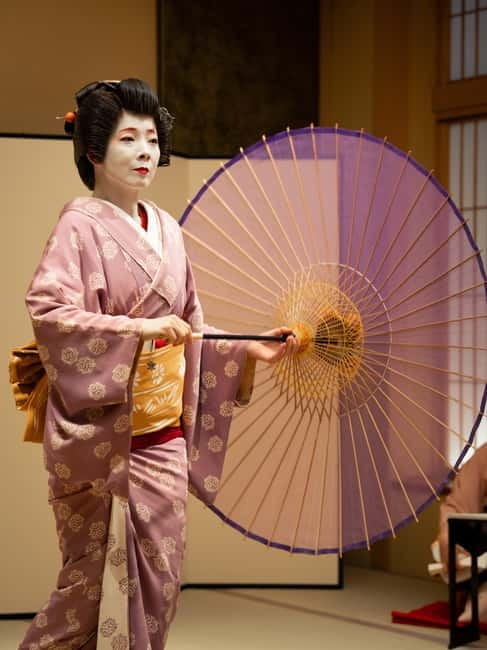
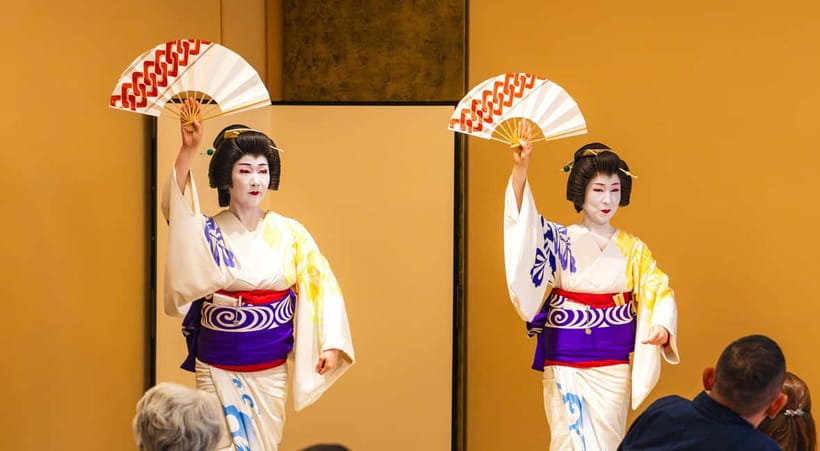
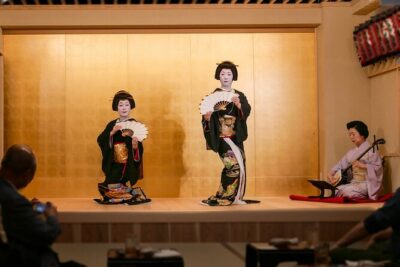
The performance begins with a welcome and then moves into traditional dance accompanied by live shamisen music. The visual appeal comes from the careful movement, formal posture, costumes, and controlled gestures. The sound gives the performance its shape, with the shamisen and singing providing a very different rhythm from the music you hear in most modern Tokyo entertainment.
The performers named in the experience feedback include geiko Chizuru, maiko Tamaaki, and Shisa, who played shamisen and sang. The distinction matters for visitors who want a closer look at the different stages and roles within this tradition. You are seeing trained artists rather than actors putting on a themed tourist display.
I would treat the dance as a short cultural performance, not a full evening theater production. The 75-minute schedule includes conversation, tea, sweets, and games, so the entertainment is varied rather than long and formal. That variety is a strength for most people, though anyone hoping for an extended concert may find the performance portion brief.
The dance has a quiet intensity. Small movements matter. A fan, a turn of the head, or the placement of a hand can carry as much weight as a large theatrical gesture. You will get more from it if you watch closely rather than waiting for rapid action.
Learning the rules of Konpira Fune Fune
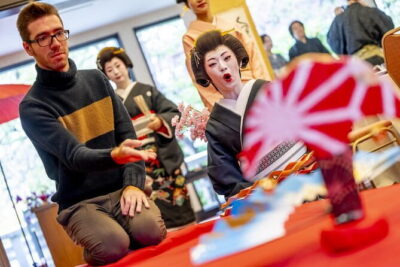
After the performance, the tone changes. You are introduced to Konpira Fune Fune, an ozashiki-asobi game traditionally associated with social entertainment in a tea house. The exact pace can become lively, and the game brings laughter into a setting that began with ceremony.
This is one of the strongest parts of the experience because it gives you something to do. You are not expected to sit silently while someone else performs. The geisha guide the activity, and the whole room can take part. One family with children from ages three to ten found the performance captivating and the game especially engaging, while several other visitors singled out the games as their favorite part.
The game also helps explain how geisha entertainment works. It is not only about dance and music. Conversation, timing, humor, and the ability to make people feel included are central skills. You get a quick lesson in that social side of the tradition.
If you are shy, do not worry too much about getting every move right. The point is shared fun, not a serious test. The hosts lead the activity, and the relaxed mood makes it easier to join in. If you are traveling with children, the game may hold their attention better than a long formal performance, although the tea house setting still calls for respectful behavior.
Matcha, seasonal sweets, and one required drink
The food and drink are simple but well chosen. You receive freshly whisked matcha and seasonal Japanese sweets. This is not a meal, so plan to eat beforehand if you need dinner. The sweets are there to complement the tea and add another small piece of Japanese seasonal culture.
Matcha can be an acquired taste, especially if you normally drink sweetened tea. The sweets help balance its earthy bitterness. You get a chance to slow down and notice how the tea, texture, and presentation work together.
There is also an important extra charge to remember. Each participant must order one drink, either alcoholic or non-alcoholic, apart from the complimentary matcha. The listed price is $106 per person, so this required order means the final cost will be higher than the headline amount.
I still find the price reasonable for the right visitor. In 75 minutes, you receive live music, dance, a guided cultural activity, matcha, sweets, conversation, and a photo. You are also paying for a setting and form of entertainment that is not easy to arrange independently. The value is weaker if you only want a short photo opportunity or a large-scale performance, but stronger if you want personal contact and participation.
More Tokyo geisha shows and dinners:
- Authentic Geisha Performance with Dinner in Tokyo
★ 4.5 · 101 reviews - Tokyo: Traditional Geisha Experience Show & Japanese Dinner
★ 4.2 · 59 reviews - Tokyo Traditional Geisha Show and Japanese Fine Dining Experience
★ 4.5 · 35 reviews - Tokyo Geisha or Oiran Dress-Up Experience and Professional Photos
★ 5.0 · 15 reviews
Asking questions about geisha life
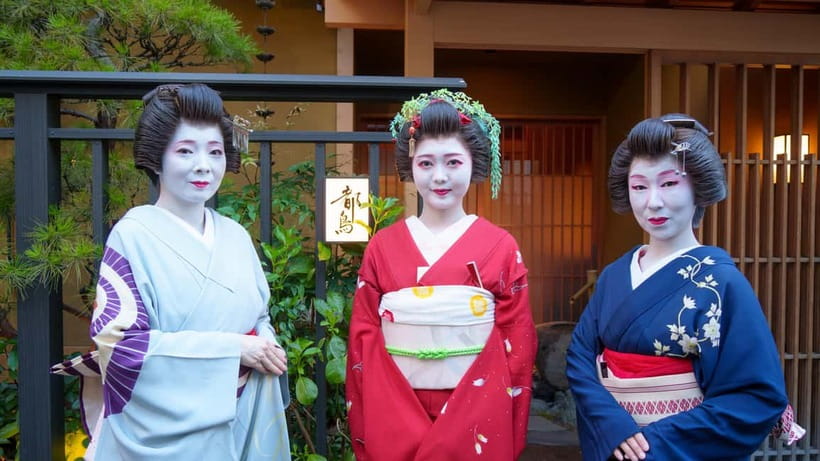
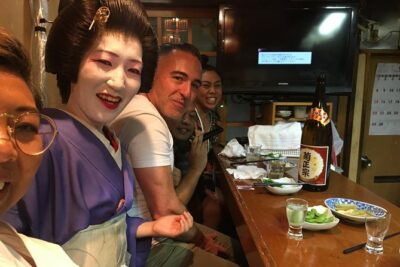
The conversation is what gives the experience its depth. After or around the performance, you have an opportunity to ask the geisha questions about their work and lives. An English-speaking host or translator helps make the exchange possible.
That access is unusual and valuable. Geisha culture is often surrounded by mystery, popular images, and misunderstandings. A direct question-and-answer session lets you hear about the world from the people who practice its arts, rather than relying only on a guidebook description.
The quality of this section depends partly on the questions you bring. Ask about training, performance, music, daily work, or the difference between geiko and maiko. Keep your questions respectful and avoid treating the performers as costumes or curiosities. The hosts create a welcoming atmosphere, but good manners still matter.
The social skill of the performers is part of the lesson. They are not only technically trained dancers and musicians. They also know how to put people at ease, draw conversation from a group, and make an ordinary question feel worth answering. That hospitality is central to what you are buying.
A personal photo at the end
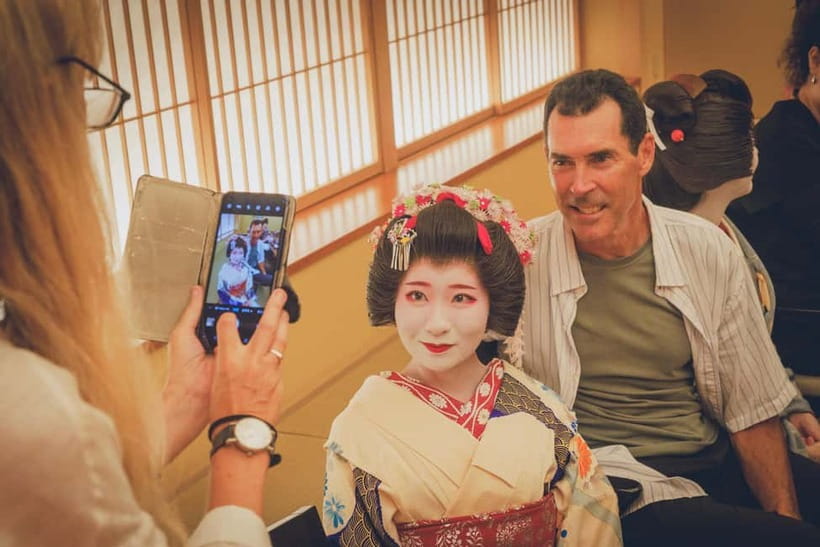
The experience ends with a commemorative photo with the geisha. It is a useful closing moment because the session moves from performance to participation and then leaves you with a physical reminder.
The photo is included, so you do not need to negotiate an extra fee for the basic keepsake. If you are celebrating a honeymoon, birthday, or another special occasion, the setting can give the day a clear highlight. One family even received help marking a birthday during the visit.
Still, keep expectations practical. This is a commemorative photo, not a private portrait session. The schedule is shared, and the group may include around 16 people at some sessions. You should have a chance to take a photo, but the experience is not designed around extended individual photography.
Group size, language, and timing
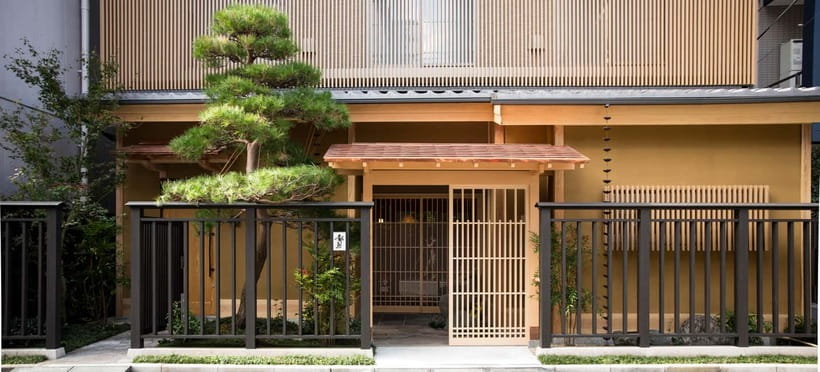
The activity lasts 75 minutes, which is long enough to include several different elements without taking over your day. It works well before or after other Asakusa sights. Since transportation to the venue is not included, you need to make your own way there and allow enough time to locate the tea house.
Arriving early is sensible. One attendee specifically advised it, and early arrival gives you time to find the meeting point, settle in, and order the required drink without rushing. Starting times vary, so check the available session when you book.
The host or greeter speaks English, and an English translator supports interaction. That does not mean every exchange will feel like a fully translated private interview, but it does make the performance and question period accessible to English speakers.
Group size affects the mood. A session of about 16 people can feel intimate enough for shared conversation while still giving the performers an audience to play against. Solo visitors should not feel out of place. Couples and small groups will also find the format easy to follow.
Who will enjoy this experience most
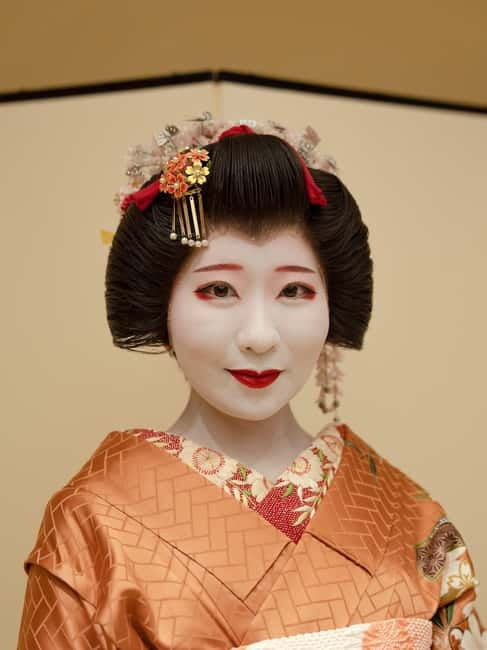
I would recommend it most strongly to people who want direct contact with Japanese culture rather than another sightseeing stop. It suits first-time visitors who want a clear introduction to geisha performance, as well as returning visitors looking for something less familiar.
It is a good choice for:
- Solo visitors who want a guided cultural activity with built-in conversation
- Couples celebrating a honeymoon or special occasion
- Families whose children can sit respectfully and join a simple game
- Visitors interested in music, dance, traditional clothing, or Japanese hospitality
- Small groups looking for an evening or afternoon activity in Asakusa
You should think twice if you dislike group participation, low seating, or any required purchase beyond the advertised price. It also is not the right pick if you want a full meal, since only sweets are included. Anyone looking for a large stage production may prefer a formal theater performance instead.
Is $106 a fair price?
At $106 per person, this is not a budget activity. The required drink adds to the cost, and meals and transportation are separate. Still, the price covers more than a short dance show.
You receive a 75-minute program with real geisha, live shamisen music, guided play, matcha, seasonal sweets, conversation, and a commemorative photo. The personal access is the key value. You are paying for a rare form of cultural hospitality in a small setting, not simply for a seat in an auditorium.
I would book it if this is one of the few cultural experiences you plan to pay for in Tokyo. I would skip it if your schedule is already packed with expensive activities or if your main aim is to keep costs low. The experience earns its price through contact and atmosphere, not through quantity of food or length of show.
Should you book the Asakusa geisha tea house experience?
I would book this if you want an elegant but friendly introduction to geisha arts. The dance and shamisen provide the formal side, while Konpira Fune Fune, matcha, questions, and the final photo make the session personal and fun.
Go in knowing the limits. It lasts only 75 minutes, you must buy one drink, transportation is not included, and the activity is not a full dinner or private performance. With those points clear, this is a strong choice for a memorable Asakusa experience, especially if you value conversation and participation as much as watching the show.
Free cancellation is available up to 24 hours before the activity, and you can reserve now while paying later. That flexibility helps if your Tokyo schedule is still changing.
FAQ
Where does the geisha experience take place?
It takes place at Miyakodori’s Ozashiki Tea House in Asakusa, a district of Tokyo on Honshu.
How long does the experience last?
The cultural experience lasts 75 minutes.
What is included in the price?
The experience includes a meeting with real geisha, a dance performance, live shamisen music, an ozashiki-asobi game, seasonal Japanese sweets, freshly whisked matcha, and a commemorative photo with the geisha.
Is a meal included?
No. Seasonal sweets are included, but meals are not.
Do I have to order a drink?
Yes. Each participant must order one drink, either alcoholic or non-alcoholic, in addition to the complimentary matcha.
Is transportation included?
No. Transportation to the tea house is not included.
Is the activity offered in English?
Yes. The host or greeter is available in English, and an English translator supports the experience.
Can I ask the geisha questions?
Yes. The experience provides an opportunity to speak with the geisha and ask questions about their lives and work, with English support available.
What game will I play?
You will be guided through Konpira Fune Fune, an authentic ozashiki-asobi game.
Is cancellation available?
Yes. You can cancel up to 24 hours in advance for a full refund. You can also reserve now and pay later.
Newly reviewed around Tokyo
- Tokyo Asakusa:Calligraphy & Make T-shirt Activity★ 5.0 · 62 reviews
- Intercity Shuttle, Tokyo to Haneda /Narita /Yokohama /Makuhari★ 5.0 · 5 reviews
- 1 Hour Travel around Tokyo with a Professional Photographer★ 5.0 · 3 reviews
- Travel Tokyo with Your Own Personal Photographer★ 5.0 · 43 reviews
- Train in Samurai Swordsmanship and Defeat the Demon in Tokyo★ 5.0 · 5 reviews
- Shuttle Van 6hr Tokyo Tour to-and-from Tokyo, Yokohama and Narita★ 5.0 · 9 reviews
- Kickboxing & Body Training with EX-Pro Fighter★ 5.0 · 4 reviews
- Traditional Japanese Knife Sharpening Class★ 5.0 · 18 reviews
Tokyo Geisha Shows and Dinners, compared.
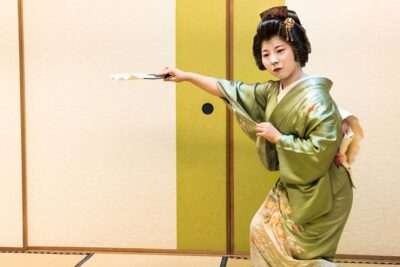
Authentic Geisha Performance with Dinner in Tokyo
Read our review →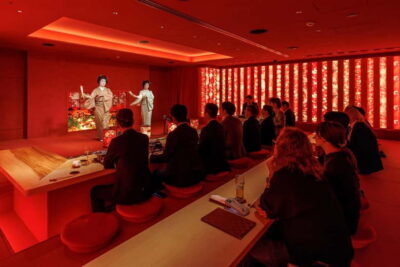
Traditional Geisha Experience Show & Japanese Dinner
Read our review →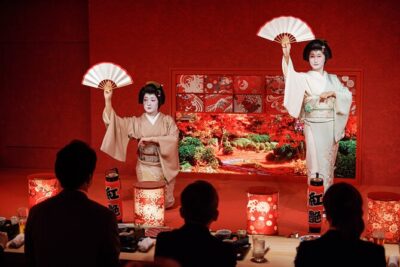
Tokyo Traditional Geisha Show and Japanese Fine Dining Experience
Read our review →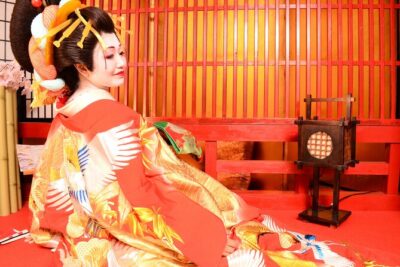
Tokyo Geisha or Oiran Dress-Up Experience and Professional Photos
Read our review →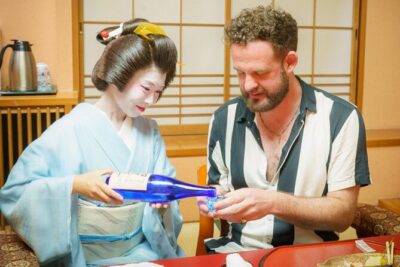
An Enchanted Evening with Geisha – A Rare Experience in Tokyo
Read our review →Browse the lists this tour appears in