
Reviewed · TOKYO SAMURAI AND NINJA EXPERIENCES
Tokyo Samurai Experience
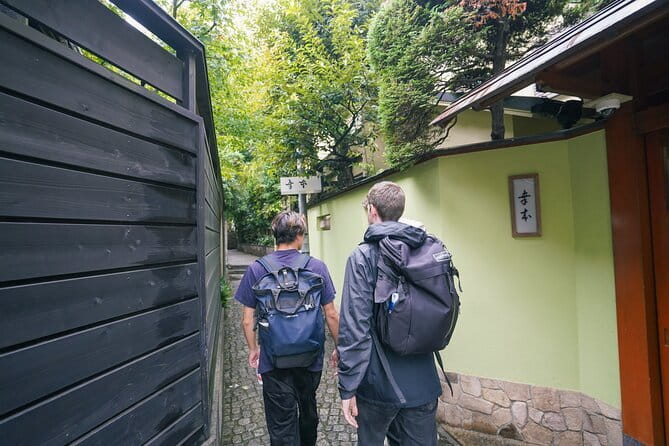
Tokyo’s samurai experience is more than a costume photo. You walk through Kagurazaka, a former samurai neighborhood, then put on a kimono and learn basic sword movements from professional instructors. The hands-on training is the heart of the tour, especially when you perform what you have practiced.
I like the small group of seven or fewer, which gives the guide room to explain local details and helps the activity feel less like a crowd procession. I also like the useful combination of walking, food, and martial arts in one four-hour outing. The main drawback is the food restriction: vegetarian lunch is available, but vegan and gluten-free meals are not.
Key points at a glance
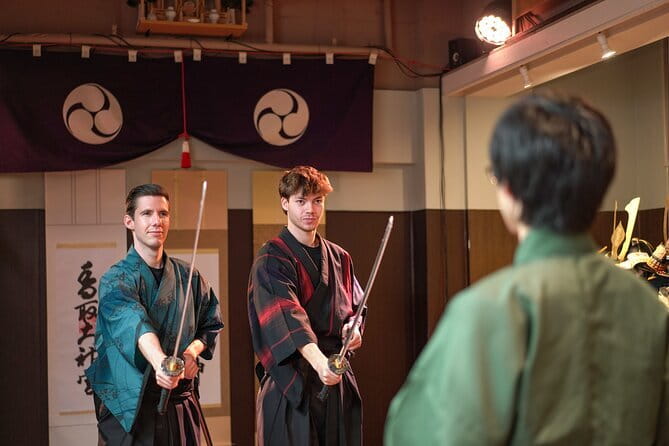
- Samurai training in a kimono: Learn basic fighting movements and use a katana under professional instruction.
- Kagurazaka on foot: See old streets, temples, and shrines in an area linked to Tokyo’s samurai past.
- Japanese lunch included: Eat at a traditional wooden restaurant, with a vegetarian choice available.
- Small maximum group: The experience accepts no more than seven people.
- One snack or sweet included: You can choose one traditional food or sweet during the tour.
- Four hours at one neighborhood base: The tour starts and ends near JR Iidabashi Station, keeping transport simple.
Why the samurai training is the main event
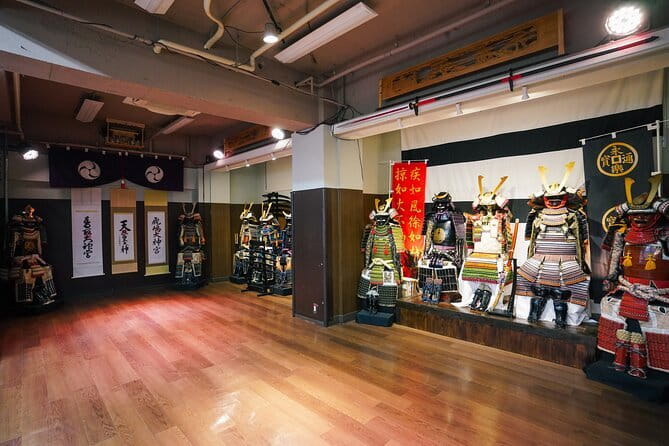
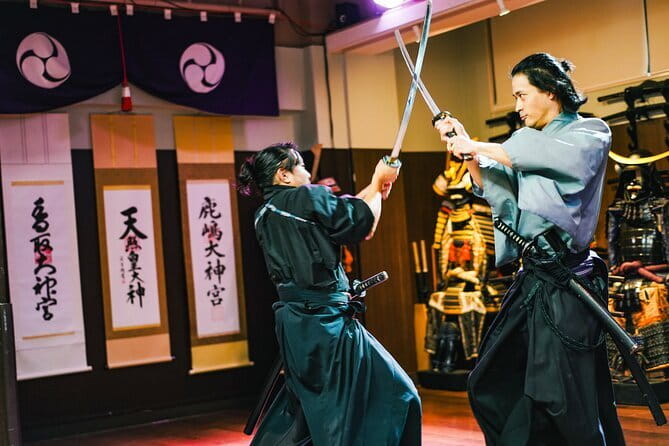
Many Tokyo cultural activities give you a costume, a quick demonstration, and a photo. This one goes further. You wear a kimono and spend about an hour learning the basic movements used in samurai combat from professional instructors at Samurai Theater Tokyo.
That structure matters. You are not simply watching a performance. You are given movements to practice, then have a chance to perform them. The result is playful, physical, and more memorable than a lecture about swords.
The word combat should still be read in context. This is a guided cultural activity, not a martial arts course. The supplied details describe basic fighting techniques and movements, not advanced weapons training. You should expect instruction built for a general audience, with the focus on participation and presentation.
The kimono adds to the experience, but it also changes how you move. You will need to pay attention to the instructor and follow the directions carefully. That is part of the fun. The costume is not only a backdrop for photographs. It helps connect the activity to the formal movements being taught.
The performance element gives the hour a clear finish. After practicing, you perform. This creates a sense of progress, even if you have never handled a katana before. If you want a Tokyo activity where you actively do something instead of simply looking at something, this is the strongest reason to book.
More Tokyo samurai and ninja experiences:
- Tokyo: Samurai Ninja Museum Guided tour and Experience
★ 4.6 · 1,010 reviews - Tokyo: Samurai Sword & Archery Class from Samurai Descendant
★ 5.0 · 603 reviews - Best Samurai Experience in Tokyo
★ 5.0 · 458 reviews
Meeting at JR Iidabashi Station
The tour begins at Aoyama Flower Market, inside JR Iidabashi Station near the West Exit. The stated meeting address is in the station at 4-chome, Iidabashi, Chiyoda City, Tokyo 102-0072.
The directions tell you to leave through the West Exit and look to your right for the flower market. That is a useful landmark in a busy station, but give yourself time to find the correct exit. Tokyo stations can have several connected passageways, and arriving early is sensible even though the meeting point is straightforward once you are in the right place.
The activity ends back at the meeting point. You do not need to arrange a separate return transfer from another part of Tokyo, and the tour stays centered on the Iidabashi and Kagurazaka area. Public transportation is nearby, making this an easy addition to a day in central Tokyo.
You receive a mobile ticket, and booking confirmation is sent at the time of booking. The tour is usually reserved about 62 days ahead, so I would not leave it until the last few days if your dates are fixed.
Walking through Kagurazaka’s samurai streets
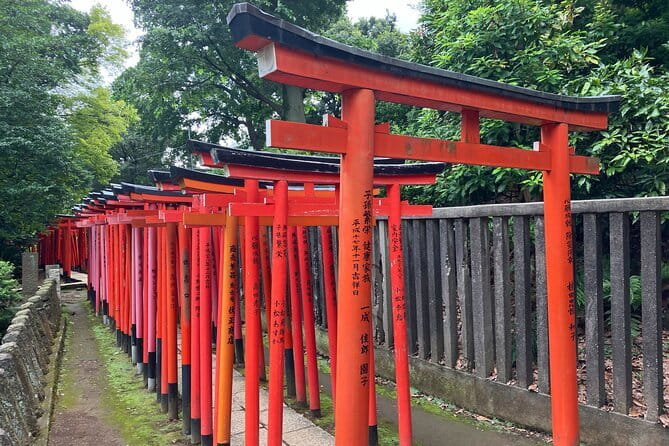
The first neighborhood portion introduces Kagurazaka, an area once associated with samurai residences. Your guide leads you past historic temples and shrines while explaining how the district developed and what life here was like.
The first listed walk is short, about 20 minutes. Think of it as an introduction rather than a full neighborhood tour. You get your bearings, hear the local story, and begin to see why Kagurazaka was chosen for this experience.
The area gives the tour a better setting than a generic downtown meeting room. Samurai training can feel disconnected from Japan if it happens in a modern commercial building. Walking through an older district first gives the activity a sense of place.
The guide is a Certified MagicalTrip guide, and the tour promises stories that go beyond a standard guidebook explanation. No guide name is provided, so you cannot request a particular person in advance. Still, the small group should make it easier to ask questions and keep up with the explanation.
Do not expect a full historical walking tour of Tokyo. The time is divided among the neighborhood, the training, and lunch. The walking sections are brief, but that is also helpful if you want a cultural activity that does not require hours on your feet.
Samurai Theater Tokyo and the one-hour kimono lesson
After the opening walk, you go to Samurai Theater Tokyo for the included samurai experience and kimono rental. The session lasts about one hour.
The instructors teach basic samurai fighting movements. The exact routine is not specified, so I would avoid booking this with the expectation of a particular sword school, named historical figure, or advanced technique. The clear promise is a supervised introduction, not specialist training.
The activity works best for people who enjoy learning by doing. You will be asked to copy movements, handle the training sequence, and take part in a performance. A participant account describes getting dressed as a samurai, learning how to use a katana, and then performing. That gives you a good sense of the session’s progression.
This is also the part most likely to appeal to families and first-time visitors who want a light, theatrical look at samurai culture. It has enough structure to feel like a lesson, but the performance keeps it from becoming overly formal.
If you are uncomfortable dressing up, prefer quiet museum visits, or want a detailed academic history of the samurai, this may not be your best match. The experience is physical and participatory. Its value comes from taking part, not from collecting a large amount of historical information.
A completely different kind of day in Tokyo:
- Mt Fuji and Hakone 1-Day Bus Tour Return by Bullet Train
★ 5.0 · 26,383 reviews - 1-Day Tokyo Bus Tour
★ 5.0 · 14,250 reviews - Tokyo: teamLab Planets TOKYO Digital Art Museum Entry Ticket
★ 4.6 · 9,779 reviews - Mt Fuji & Hakone Cruise, Drum Show Bullet Train 1 Day from Tokyo
★ 4.0 · 7,413 reviews
A traditional lunch in a wooden restaurant
Lunch takes about one hour and 40 minutes, making it the longest portion of the schedule. You eat in a traditional Japanese restaurant with a wooden interior in the Kagurazaka area.
The meal is included, and a vegetarian option is available. This is important if you do not eat meat, but the choices are limited beyond that. Vegan and gluten-free options are not available, so you should factor this into your decision before booking.
The lunch also gives the tour a slower middle section. After the movement and costume session, you can sit down and eat while continuing to experience Japanese food in a local setting. The meal is not simply a break between attractions. It is one of the three main parts of the day, alongside the Kagurazaka walk and the samurai lesson.
One traditional food or sweet is also included. You can choose one item during the tour. Additional food and drinks are available for purchase, so the included meal should cover the planned lunch rather than every extra you might want.
The exact dishes are not specified. That means you should book for the setting and overall meal experience rather than expecting a particular regional specialty. If you have serious dietary needs, the lack of vegan and gluten-free choices is a real limitation.
Returning to Kagurazaka after lunch

The final 20-minute walk takes you back through Kagurazaka. Your guide continues the look at streets where samurai once lived, along with more temples, shrines, and local stories.
This second walk is a good design choice. It prevents the day from becoming one isolated activity followed by lunch. You return to the neighborhood with more context, and the district becomes a connecting thread through the whole experience.
At the same time, the two short walks mean you will not see every part of Kagurazaka. If the neighborhood itself is your main goal, plan another visit. This tour gives you a guided introduction, not an exhaustive exploration.
For many people, the balance is just right. You get enough walking to understand the setting without spending the whole day moving between sites. The final stroll also brings you back to the starting point, which keeps the logistics easy.
What the $166.04 price covers
At $166.04 per person, this is not a cheap walking tour. The price needs to be judged against what is bundled into the four hours.
You are paying for:
- A Certified MagicalTrip guide
- The Kagurazaka walking tour
- One hour of samurai instruction
- Kimono rental
- Japanese lunch
- One traditional food or sweet
- A small group capped at seven people
A separate samurai class, meal, and private neighborhood guide could cost more when booked individually. The combined format is convenient, especially if you want several cultural activities but do not want to plan each one yourself.
The value is strongest for someone who would otherwise book a food tour and a samurai activity separately. It is weaker if you mainly want sword practice, since a large part of the price also covers lunch and neighborhood guiding.
The maximum group size is a major factor. Seven people is small enough for a more personal pace, though it is not a private tour. If the group fills, you will still share the instructor and guide with six other people.
The tour is also about four hours, so it fits neatly into a Tokyo day. You can pair it with other plans before or after, but keep in mind that lunch is long and the activity is not a quick one-hour stop.
Who will enjoy this Tokyo experience

I would recommend this to you if you want a cultural activity with a strong hands-on element. It suits first-time Tokyo visitors who want more than major sights, families looking for something active, and adults who enjoy food and historical storytelling in equal measure.
It is also a good pick if you are interested in samurai culture but do not want to commit to a specialized martial arts class. The instruction is basic, the kimono rental is included, and the performance gives the session a clear purpose.
Vegetarians can book with more confidence because a vegetarian lunch is offered. I would not choose it if you need vegan or gluten-free food, since those options are specifically not available.
The tour may be less appealing if you want a private guide, a long historical walk, or a serious study of Japanese swordsmanship. The schedule moves among several activities, so none receives the depth of a full-day specialist tour.
You should also be comfortable with a costume-based activity. The kimono and katana are central to the experience. If you prefer to observe rather than participate, the walking and lunch portions may not be enough to justify the cost.
Practical details that affect your day
The experience lasts approximately four hours and starts and ends at the same meeting point near JR Iidabashi Station. It is close to public transportation, and most people can take part.
The group limit is seven. That is worth checking when you compare this with larger Tokyo tours, since small numbers usually make instructions and questions easier to manage. The mobile ticket keeps check-in simple once you reach the meeting point.
Book early if your dates are firm. The activity averages about 62 days of advance booking, which suggests that popular dates may fill well before your visit.
The cancellation policy is forgiving if your plans are uncertain. You can cancel for a full refund up to 24 hours before the start time. Cancellations or changes made less than 24 hours ahead are not accepted for a refund, and the cut-off uses Tokyo local time.
Wear something that allows comfortable movement beneath the kimono, though the supplied information does not specify a dress code. Since you will be walking, changing clothes, and practicing movements, practical clothing is a sensible choice.
Should you book the Tokyo Samurai Experience?
Book it if you want a balanced four-hour introduction to Tokyo culture that combines a real neighborhood walk, Japanese food, and active samurai training. The strongest features are the small group, included kimono rental, professional instruction, and final performance.
Skip it if you need vegan or gluten-free food, want an advanced sword class, or would rather spend several hours on detailed history. The tour offers a lively introduction, not a specialist course.
At $166.04, the experience earns its price when you value convenience and variety. You get three different cultural activities in one compact outing, with the tour beginning and ending at a useful station. For a first visit to Tokyo, that mix makes this a practical choice for your limited sightseeing time.
FAQ
How long does the Tokyo Samurai Experience last?
The experience lasts approximately four hours, including the Kagurazaka walks, one hour of samurai training, and the traditional Japanese lunch.
Where does the tour start and end?
It starts at Aoyama Flower Market inside JR Iidabashi Station, near the West Exit. The activity ends back at the meeting point.
Is lunch included?
Yes. A traditional Japanese lunch is included, along with one traditional food or sweet. Additional food and drinks can be purchased separately.
Are vegetarian meals available?
Yes. A vegetarian lunch option is available. Vegan and gluten-free options are not available.
How many people can join the tour?
The activity has a maximum of seven participants.
Can I cancel for a full refund?
Yes, if you cancel at least 24 hours before the experience starts. Cancellations or changes made less than 24 hours before the start time are not refunded.
Newly reviewed around Tokyo
- Tokyo Asakusa:Calligraphy & Make T-shirt Activity★ 5.0 · 62 reviews
- Intercity Shuttle, Tokyo to Haneda /Narita /Yokohama /Makuhari★ 5.0 · 5 reviews
- 1 Hour Travel around Tokyo with a Professional Photographer★ 5.0 · 3 reviews
- Travel Tokyo with Your Own Personal Photographer★ 5.0 · 43 reviews
- Train in Samurai Swordsmanship and Defeat the Demon in Tokyo★ 5.0 · 5 reviews
- Shuttle Van 6hr Tokyo Tour to-and-from Tokyo, Yokohama and Narita★ 5.0 · 9 reviews
- Kickboxing & Body Training with EX-Pro Fighter★ 5.0 · 4 reviews
- Traditional Japanese Knife Sharpening Class★ 5.0 · 18 reviews
Tokyo Samurai and Ninja Experiences, compared.
Samurai Ninja Museum Guided tour and Experience
Read our review →
Samurai Sword & Archery Class from Samurai Descendant
Read our review →

Ninja Experience (Family Friendly) at Samurai Ninja Museum TOKYO
Read our review →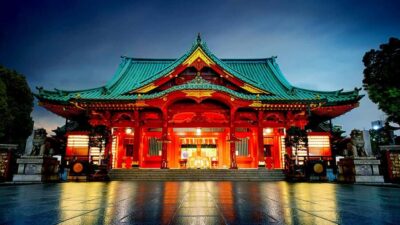
Samurai Entertainment Night Show in Kanda Shrine
Read our review →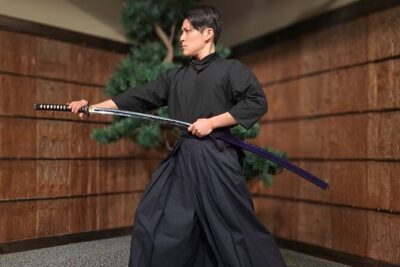
Tokyo Sword Experience – includes Museum Ticket/Ninja Experience
Read our review →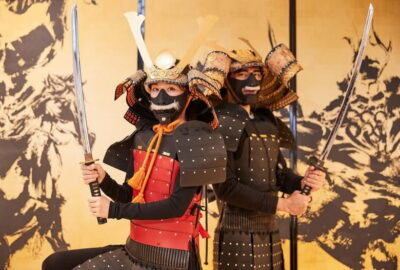
Samurai Ninja Museum Asakusa: Samurai Sword Lesson & Tour
Read our review →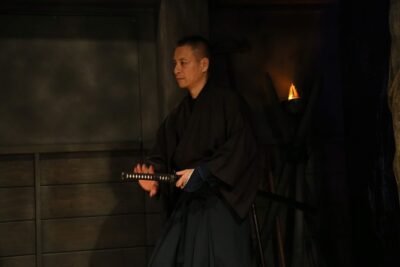
Ninja Samurai 2-hour hands-on lesson by Japanese master in Tokyo
Read our review →Browse the lists this tour appears in