
Reviewed · TOKYO SUMO EXPERIENCES
Tokyo 6hr Private Guided Tour & Sumo Show Lunch
Tokyo sightseeing ends with a sumo show and lunch at Yokozuna Tonkatsu Dosukoi Tanaka, but the smart part comes first: you and your private licensed guide shape the morning around just two or three places. You might choose old Asakusa and Senso-ji, the Imperial Palace area, or a mix of shrines, gardens, markets, and modern districts.
I like the flexible format, since Tokyo is too large for a useful one-size-fits-all route. I also like the practical help a private guide can provide. Guide Izumi, named in one especially positive account, went beyond sightseeing to help with train stations, ticket offices, and extra sights. The main caution is the walking and transport plan: fares and entrance fees are not included, and the tour description gives conflicting lunch timing, so confirm the exact schedule before booking.
Key points to know before booking
- Choose only two or three sights: The long list is a menu, not a promise to visit every location.
- Begin at 9am: Your guide meets you on foot in a designated Tokyo area, with pickup offered as part of the arrangement.
- Walk for about four hours: The morning is designed around sightseeing on foot, with public transport costs paid separately.
- Finish with sumo and lunch: The listed lunch experience lasts about two hours at Yokozuna Tonkatsu Dosukoi Tanaka.
- Pay attention to extra costs: Entrance tickets, transportation, personal expenses, and some guide entry fees are outside the base price.
- The group stays private: Only your party takes part, rather than joining a large shared bus tour.
Why the sumo lunch gives this Tokyo tour a clear focus
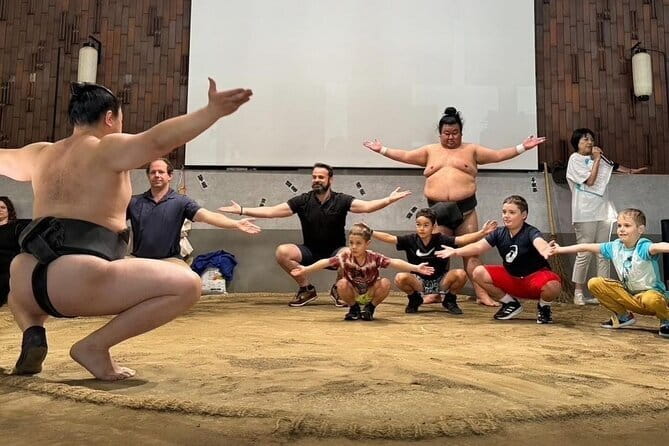
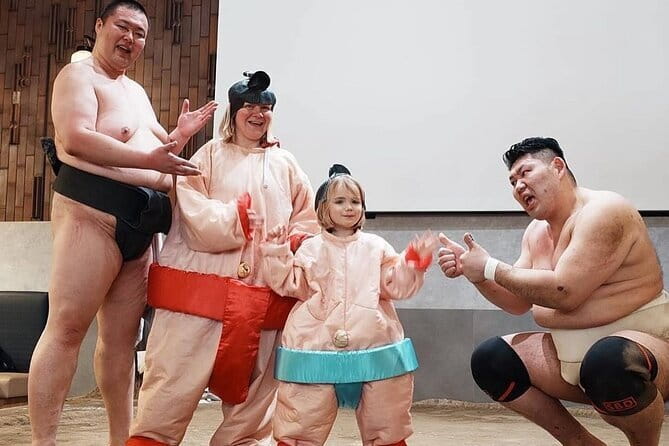
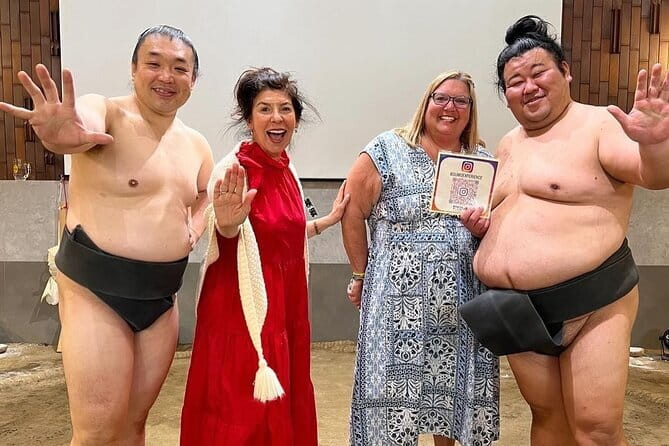
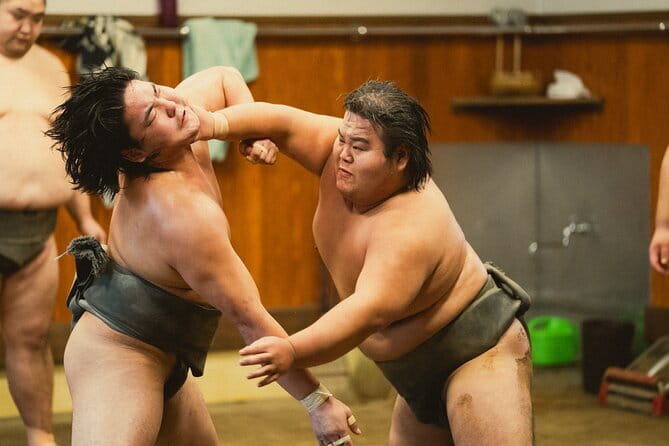
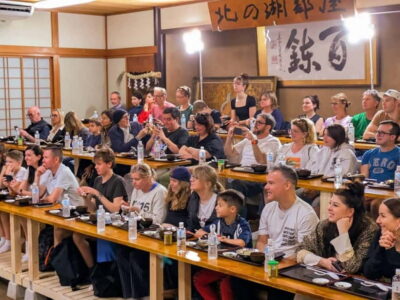
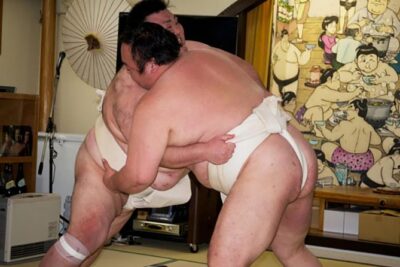
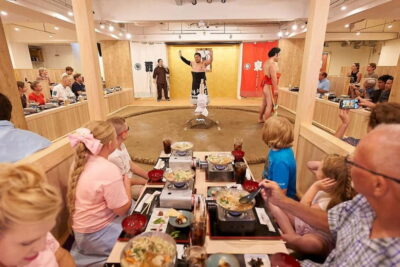
Many city tours scatter your attention across too many stops. This one has a firm ending. After a morning of Tokyo sightseeing, your guide takes you to a restaurant where you can watch a sumo show and eat lunch.
That combination is useful for first-time visitors who want a cultural activity but do not want to devote an entire day to a formal sumo event. The show gives the day a distinctive Japanese touch, while lunch provides a natural break after several hours on foot.
The sumo portion is listed as about two hours. The wider description also contains a confusing note saying the lunch may take about four hours from the start of the tour. Since the complete experience is advertised as roughly six hours, the practical reading is four hours of touring followed by about two hours for lunch and the show. I would still ask the provider to confirm the finish time.
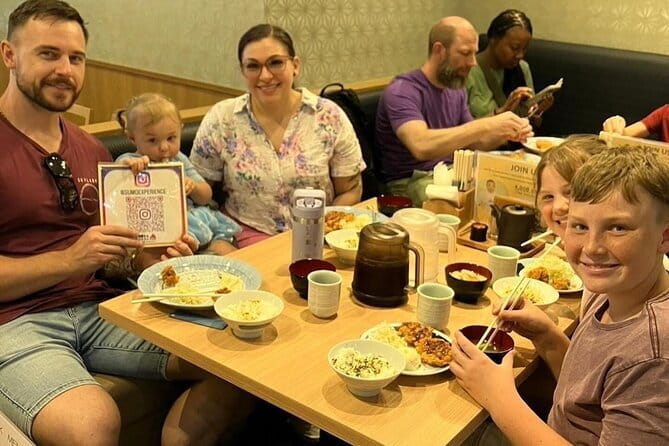
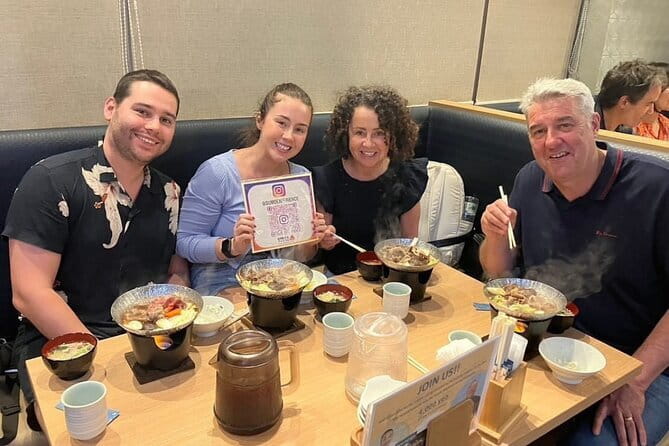
The restaurant is Yokozuna Tonkatsu Dosukoi Tanaka. Lunch there is included, which helps offset the $195.09 per-person price. You are not simply paying for a guide and a list of photo stops. You are paying for a private morning, local planning, and a set cultural activity at the end.
More Tokyo sumo experiences:
- Tokyo: Sumo Show and Dining Experience
★ 4.8 · 2,742 reviews - the SUMO show
★ 5.0 · 1,960 reviews - Tokyo Shinjuku Sumo Show & Experience with Photo
★ 5.0 · 1,750 reviews
How the four-hour morning works
The tour begins at 9am. You meet your licensed English-speaking guide on foot in the designated Tokyo area. The description also says pickup is offered and refers to meeting at your hotel, so clarify the exact meeting point when arranging the booking.
You can customize the morning after reserving by choosing two or three places from the available list. This is the most important decision you make. Tokyo’s sights are spread across a huge area, and trying to combine Asakusa, Shibuya, Shinjuku, and Odaiba in one morning would leave little time for any of them.
A private guide may help you make sensible choices based on location, opening times, and your interests. Still, the tour is described as a walking tour, not a private car tour. Transportation fees are excluded, so you may need to pay for trains or other public transit when moving between districts.
The short five-minute entries shown for each attraction should not be read as fixed sightseeing times. They appear to identify possible stops, not a complete visit schedule. You should expect the guide to build a route around the two or three places you select, rather than spend five minutes at every location.
Picking the right two or three Tokyo sights
Asakusa and Senso-ji for old Tokyo
Asakusa is one of the strongest choices for a first visit. Senso-ji, also called Asakusa Kannon Temple, is one of Tokyo’s best-known Buddhist temples and one of the city’s most colorful religious sites.
This pairing gives you a clear sense of traditional Tokyo. You can focus on the temple, the surrounding Asakusa area, or both. Since the two locations are listed separately but belong to the same part of town, they make a sensible combination for a short morning.
Choose Asakusa and Senso-ji if you want temples, local atmosphere, and a historic district rather than high-rise views or shopping. Admission is listed as free for both.
More Lunch Experiences in Tokyo:
- Tokyo: Mt.Fuji & Lake Kawaguchiko 1-Day Bus Tour w/Optional Lunch
★ 4.5 · 839 reviews - Tokyo: Sumo Experience and Chanko Nabe Lunch
★ 4.8 · 257 reviews - Tokyo: Tsukiji Fish Market Tour with 6 Stops & Seafood Lunch
★ 4.5 · 165 reviews - Tokyo: 1 Day Bus Tour with Meiji-Jingu,Odaiba,lunch&Skytree
★ 4.6 · 156 reviews
The Imperial Palace for central Tokyo history
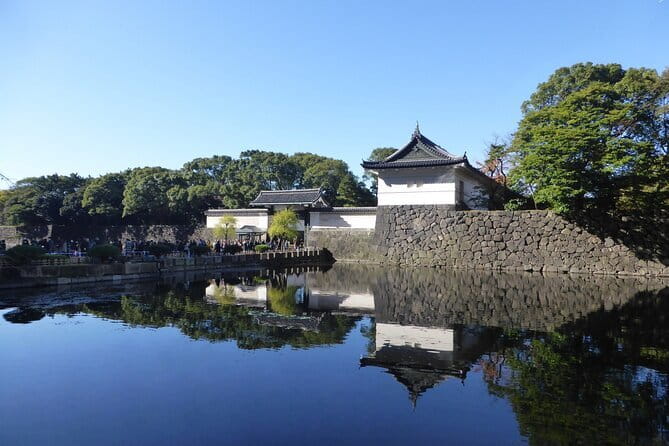
The Imperial Palace occupies the former site of Edo Castle. The grounds are surrounded by moats and large stone walls, giving you a strong visual link to Tokyo’s shogun-era past.
There is an important limit: this tour does not include access inside the Imperial Palace. The value here is the surrounding park area, walls, moats, and central setting. It works well if you want a short historical stop near the heart of the city, but it is not the right pick if entering the palace complex is your main goal.
Shinjuku Gyoen for lawns and quiet paths
Shinjuku Gyoen National Garden is one of Tokyo’s largest and most popular parks. Its open lawns, winding paths, and quiet scenery offer a change from the dense city around Shinjuku.
Admission is not included. That extra ticket is worth keeping in mind when comparing the tour price, especially if you choose two paid gardens or an observation deck. This stop suits you if you want a slower morning with greenery and room to walk rather than a tight run through major landmarks.
Tsukiji Outer Market for food and market life
The Tsukiji Outer Market lets you explore the old fish market area. It is a good choice if food, stalls, and everyday city life interest you more than formal monuments.
The stop is listed as free, but personal food purchases are not included. You may want to ask the guide how much time is planned here, since a market can easily absorb the morning if you stop to browse and eat.
Meiji Jingu, Takeshita Street, and Yoyogi Park
These three stops can be considered as a western Tokyo group, though the experience at each is different.
Meiji Jingu is a shrine dedicated to the deified spirits of Emperor Meiji and Empress Shoken. It sits beside Harajuku Station but offers a very different setting from the surrounding shopping streets. Admission is listed as free.
Takeshita Street represents Harajuku’s youth fashion and teenage culture. It is a sharper contrast to the shrine, with a more commercial and contemporary feel. Yoyogi Park, one of Tokyo’s largest city parks, adds open lawns, ponds, and wooded areas.
If you choose this part of Tokyo, I would select Meiji Jingu plus either Takeshita Street or Yoyogi Park. Trying to do all three may make the morning feel rushed, depending on where the tour begins and how you travel.
Akihabara for electronics and pop culture
Akihabara is known for electronics shops and has become a center of Japanese anime and related popular culture. This is the choice for a modern Tokyo experience, especially if shopping and technology matter more to you than gardens or temples.
Admission is listed as free, but purchases are your own expense. Akihabara also sits in a different direction from several western Tokyo choices, so pair it with nearby or central stops only after discussing the route with your guide.
Rikugien and Koishikawa Korakuen for classic gardens
Rikugien and Koishikawa Korakuen are two of Tokyo’s most respected Japanese gardens. Rikugien was built around 1700 for the fifth Tokugawa shogun and takes its name from the six poems used as inspiration for its design.
Koishikawa Korakuen is one of Tokyo’s oldest gardens, dating to the early Edo period. Both are paid attractions, and both suit you if you want carefully arranged ponds, paths, and traditional garden design.
I would not select both unless gardens are your main reason for taking the tour. One garden, paired with a contrasting district, will usually give you a more varied morning.
Hamarikyu Gardens and Tokyo Bay
Hamarikyu is a large garden in central Tokyo beside Tokyo Bay. Its seawater ponds change with the tide, and a teahouse sits on an island within the grounds.
This is a good choice if you want a garden with a strong connection to the waterfront and central city. Admission is not included. As with the other paid gardens, you need to factor in the ticket and the time required to reach it.
Tokyo National Museum
The Tokyo National Museum is Japan’s oldest and largest national museum. It is the natural choice for you if Japanese art and history matter more than outdoor sightseeing.
Admission is not included. A museum visit can also require more time than the five-minute itinerary notation suggests, so ask whether the plan is for an exterior visit or a proper look inside. If you want to see major collections, the museum may work better as the main focus of a separate half-day.
Shibuya Sky and Tokyo Tower
Shibuya Sky offers a high view of Tokyo from 229 meters. Admission is not included, so add the ticket cost when judging the day’s total value.
Tokyo Tower is the older, red landmark option. This tour includes only the main deck, not the top deck, and admission is extra. The description calls it a retro version of Tokyo Skytree, which is a useful way to think about the choice: select Tokyo Tower for a classic Tokyo symbol, or Shibuya Sky for a more modern high-rise viewpoint.
It would be difficult to fit both viewpoints into a useful morning alongside several neighborhoods. Choose one if city views are your priority.
Odaiba, Shibamata, Nezu, and Golden-Gai
Odaiba is a shopping and entertainment area on a man-made island in Tokyo Bay. It offers a modern waterfront side of the city, but its distance from many central attractions makes route planning especially important.
Shibamata, on Tokyo’s eastern edge near the Edogawa River, retains an older downtown character. It is a good pick if you want a less familiar side of Tokyo.
Nezu belongs to the old downtown area of Yanaka and Nezu. These neighborhoods avoided major damage from wars and natural disasters and retain much of their earlier character. Nezu is one of the better choices for a quieter, local-feeling walk.
Shinjuku Golden-Gai began around 1950, when eating and drinking establishments developed after a nearby black market moved to the area. Its narrow lanes and small bars give you a different view of Shinjuku. Since the area is associated with eating and drinking, personal spending is extra.
What private guiding adds to the price
The price is $195.09 per person. That is not a bargain if you only want a few landmark photos, especially since transportation and several entrance tickets are extra.
The value improves when you use the private format well. You get a licensed English-speaking guide, a route shaped around your interests, and a group limited to your own party. You also get lunch and the sumo show, which are included.
A private guide can save time in a city where station layouts and transfers can be confusing. Izumi was specifically praised for helping with extra train stations, ticket offices, and sights outside the planned route. That is the sort of practical assistance that can matter more than a long speech about a monument.
The tour is also booked, on average, 66 days ahead. That suggests you should reserve early if your Tokyo dates are fixed, especially since the activity has a strict no-refund and no-change policy. Only book once your date, group size, and morning preferences are firm.
Who will get the most from this six-hour plan
I would recommend this experience to first-time visitors who want a guided introduction without joining a large group. It is particularly useful if you want help choosing between traditional temples, gardens, markets, and modern districts.
Families and small private groups may also like the adjustable route. You can choose sights that fit your interests instead of following a fixed bus itinerary. The supplier states that most people can participate, service animals are allowed, and the tour operates near public transportation.
I would be more cautious if you dislike walking, want a private vehicle, or hope to visit many attractions in one day. The tour does not include a private car, and transportation costs are separate. It is also not ideal if you need guaranteed access to the inside of the Imperial Palace or the top deck of Tokyo Tower.
Should you book the Tokyo sumo show tour?
Book it if you want a private guide, a flexible Tokyo morning, and a cultural lunch that gives the day a clear finish. Choose your two or three stops carefully, use the guide for route advice, and budget for train fares and admission tickets.
Skip it if you want a low-cost sightseeing day, a vehicle, or a long museum visit. Before paying, confirm the meeting point and the exact lunch end time, since the description gives both a two-hour lunch duration and a conflicting four-hour estimate. For first-time visitors who value practical help, the flexibility and sumo show make the price easier to justify.
FAQ
What time does the tour start?
The stated start time is 9:00am.
How long does the experience last?
The tour is advertised as approximately six hours. The morning walking tour is described as about four hours, followed by a sumo show and lunch listed as about two hours.
Where does the tour meet?
The included meeting arrangement is on foot with a licensed guide in a designated Tokyo area. The description also refers to meeting at your hotel and says pickup is offered, so confirm the exact location after booking.
Is the tour private?
Yes. Only your group participates in this private activity, and multiple tour groups cannot be combined.
How many Tokyo sights can I choose?
You can customize the walking tour by choosing two or three locations from the available sights.
Is transportation included?
No. Transportation fees are not included. The tour also does not include a private vehicle.
Are entrance tickets included?
Entrance fees are generally not included. The guide’s entry fees are covered only for sights listed in the available sightseeing options. Specific paid attractions include Shinjuku Gyoen, Rikugien, Koishikawa Korakuen, Hamarikyu Gardens, Tokyo National Museum, Shibuya Sky, and Tokyo Tower.
What is included at lunch?
Lunch at Yokozuna Tonkatsu Dosukoi Tanaka and the sumo show are included.
Can I cancel or change the reservation?
No. The experience is non-refundable and cannot be changed for any reason after booking.
More Tokyo shows and performances
- Mt Fuji & Hakone Cruise, Drum Show Bullet Train 1 Day from Tokyo
★ 4.0 · 7,413 reviews - Mt Fuji & Hakone Cruise, Drum Show Bus 1 Day from Tokyo
★ 4.0 · 1,287 reviews - Tokyo: Sumo Show and Experience in Shinjuku
★ 4.8 · 1,001 reviews - Tokyo:Luxury Sumo Show Experience & Japanese cuisine & Drink
★ 4.7 · 577 reviews
Newly reviewed around Tokyo
- Tokyo Asakusa:Calligraphy & Make T-shirt Activity★ 5.0 · 62 reviews
- Travel Tokyo with Your Own Personal Photographer★ 5.0 · 43 reviews
- Intercity Shuttle, Tokyo to Haneda /Narita /Yokohama /Makuhari★ 5.0 · 5 reviews
- 1 Hour Travel around Tokyo with a Professional Photographer★ 5.0 · 3 reviews
- Train in Samurai Swordsmanship and Defeat the Demon in Tokyo★ 5.0 · 5 reviews
- Shuttle Van 6hr Tokyo Tour to-and-from Tokyo, Yokohama and Narita★ 5.0 · 9 reviews
- Kickboxing & Body Training with EX-Pro Fighter★ 5.0 · 4 reviews
- Traditional Japanese Knife Sharpening Class★ 5.0 · 18 reviews
Tokyo Sumo Experiences, compared.
Tokyo Shinjuku Sumo Show & Experience with Photo
Read our review →

Luxury Sumo Show Experience & Japanese cuisine & Drink
Read our review →
Tokyo Sumo Experience: Chanko & Mochi with a Former Pro
Read our review →
Ultimate Sumo Tournament: Tokyo, Osaka, Nagoya, Fukuoka
Read our review →Browse the lists this tour appears in