
Reviewed · TOKYO SUMO EXPERIENCES
Ultimate Sumo Tournament: Tokyo, Osaka, Nagoya, Fukuoka
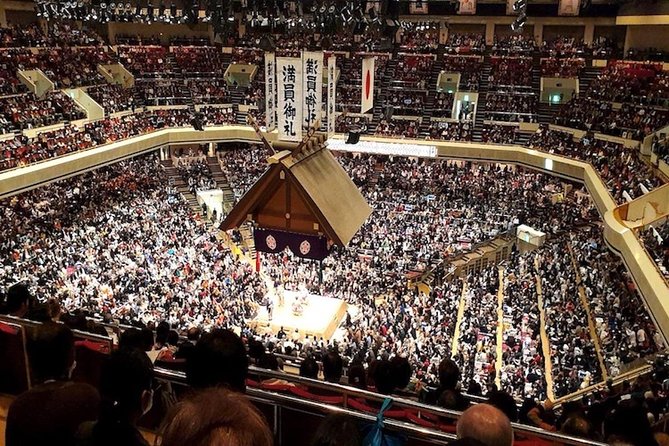
Sumo makes much more sense once someone explains the rituals, rankings, and lightning-fast bouts as they happen. This experience puts you inside an official tournament in Tokyo, Osaka, Nagoya, or Fukuoka, with a local guide nearby to explain what you are seeing.
I like the reserved seating and the audio headset, which lets you follow the commentary without losing the noise and excitement of the arena. I also like the optional chanko hot pot dinner, a fitting way to continue an afternoon centered on sumo culture. The main caution is that standard seats are on the second floor, and guide quality can vary from one departure to another.
Key points to know before booking
- Official tournaments run only six times a year: Tokyo hosts January, May, and September; Osaka hosts March; Nagoya hosts July; Fukuoka hosts November.
- The guide makes a big difference: Guides such as Hiro, Myoko, Yumi, Taku, Izumi, Seizo, and Shunsuke have been praised for explaining techniques, rankings, rituals, and wrestler backgrounds.
- Standard seats are second-floor B or C seats: Expect rows 7 to 11 for B seats, or C seats, with up to 20 people in the same area.
- Private tours use closer S or A seats: This is the better choice if ringside atmosphere and proximity matter more than price.
- The off-season option is not a tournament: It visits a sumo stable near Warabi Station for morning practice and chanko lunch, with no tournament ticket.
- Book early: Tournament group tickets may not be released until four to seven weeks before the date, and popular dates can sell out quickly.
Why sumo is worth giving four hours of your Japan trip
Sumo is often presented as two large men pushing each other out of a ring. That description misses nearly everything that makes the sport fascinating.
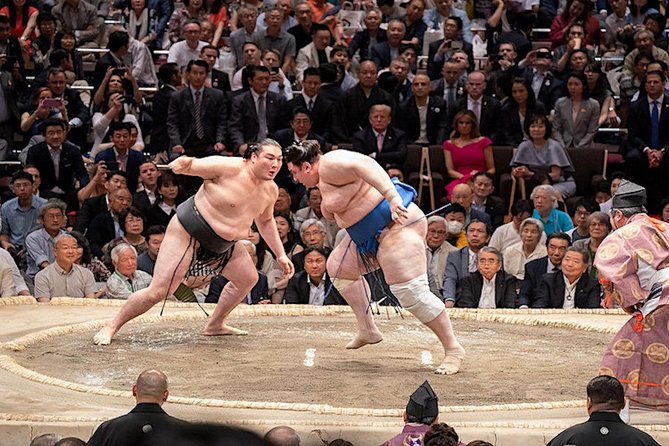
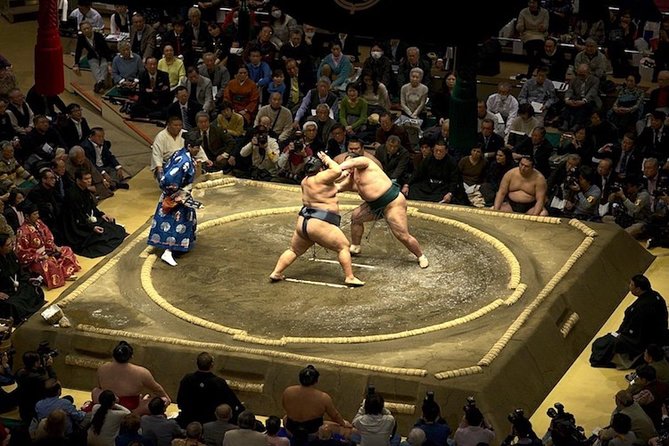
Before the bout begins, wrestlers perform ritual movements, stamp their feet, throw salt, and face one another in a tightly controlled sequence. The match itself may last only seconds. The build-up, the stare-down, the sudden charge, and the crowd response give the sport its unusual rhythm.
If you know little about sumo, the arena can be confusing at first. The wrestlers have different rankings, styles, stable affiliations, and records. A bout can turn on a sidestep, a belt grip, or a wrestler’s ability to avoid the first collision. Your guide uses the banzuke, the official ranking sheet, to help you follow those details.
The tour begins at 2 p.m. and lasts about four hours. That timing is useful because it places you in the arena for the important afternoon portion of the tournament, including the top-division bouts. One particularly helpful detail is that the commentary continues through the headsets, so you can hear the guide over the crowd.
You still have time to watch without constant explanation. Guides may provide background before the matches, then offer comments before or during selected bouts. That balance matters. Sumo is a live sporting event, not a museum lecture.
More Tokyo sumo experiences:
- Tokyo: Sumo Show and Dining Experience
★ 4.8 · 2,742 reviews - the SUMO show
★ 5.0 · 1,960 reviews - Tokyo Shinjuku Sumo Show & Experience with Photo
★ 5.0 · 1,750 reviews
Choosing the right tournament city and month
The experience is offered in the four cities where the official six-tournament schedule takes place.
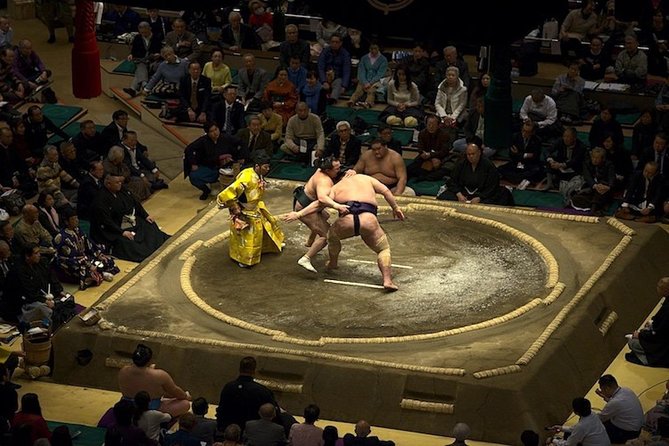
Tokyo hosts the January, May, and September tournaments at Ryogoku Kokugikan. This is sumo’s best-known home, and the surrounding Ryogoku district has a strong connection to the sport. The arena also includes a Sumo Museum, although congestion may mean your guide asks you to visit it independently rather than moving through it with the entire group.
Osaka hosts the March tournament at EDION Arena Osaka. Nagoya’s tournament takes place in July at IG Arena, while Fukuoka hosts the November tournament at Fukuoka Kokusai Center.
Each basho lasts 15 days, beginning and ending on a Sunday. The exact dates change from year to year, but the months remain fixed. If your Japan trip does not overlap one of these periods, you cannot simply attend an official tournament on another date.
This is the first thing I would check before getting excited about the booking. Look at your itinerary, identify the correct tournament city, and make sure the date fits your route. A Tokyo visit in April, for example, will not offer a Tokyo tournament.
Inside Ryogoku Kokugikan and the other arenas
The Tokyo version meets at Ryogoku Kokugikan, Japan’s official sumo arena. The Osaka, Nagoya, and Fukuoka versions use their respective tournament venues. The meeting point is sent by email at least one week before the date, so do not assume the arena entrance alone is all you need.
At the meeting point, your guide helps organize the group and leads you into the venue. The exact pattern can vary, but you should expect an introduction to the arena, information about sumo, and guidance to your seats. One practical point is that there may be a wait before seating if the group must wait for matches to finish.
Standard group participants receive B-class or C-class chair seats on the second floor. B seats are generally in rows 7 to 11, while C seating is farther back. The group can include up to 20 people sitting in the same area with the English-speaking guide.
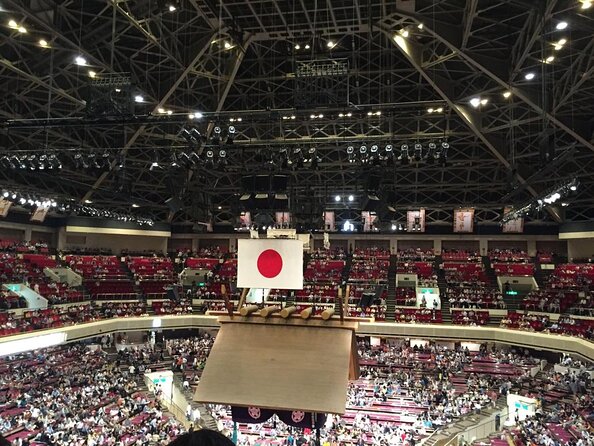
These are not close-to-the-ring seats, but they give you a broad view of the dohyo and the ceremony around it. For many first-time spectators, that wider view helps make sense of the entrances, judges, banners, and movement around the ring.
Private tours include S-class or A-class seats closer to the ring. If you care most about seeing the wrestlers at close range, or you are marking a special occasion, the private option makes more sense. If you mainly need help understanding the sport and want a reserved ticket, the standard tour is likely enough.
No outside food or drinks are allowed inside the arena. Vendors sell food and drinks within the venue, and you may have time to buy refreshments between bouts. One useful comfort tip comes from the Tokyo arena experience: the building can feel warm, so light clothing may be more comfortable.
What the guide actually adds
The strongest part of this experience is not simply getting through the door. It is having someone explain what happens before, during, and around the bouts.
Guides including Hiro, Myoko, Yumi, Taku, Izumi, Seizo, Shunsuke, and Junka have been praised for different strengths. Hiro is noted for clear headset commentary and help with wrestler form, age, rankings, and styles. Myoko has been praised for her sense of sumo history and tradition. Shunsuke has combined tournament explanations with a post-match meal and help with different dietary needs.
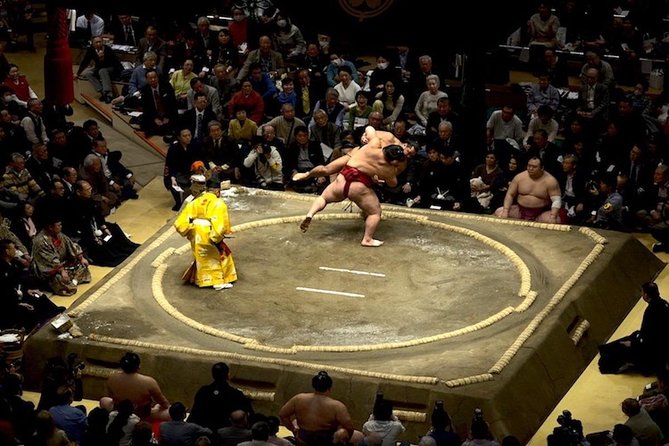
The best guides make short matches easier to follow. They can tell you who is favored, what grip a wrestler prefers, and why a particular maneuver matters. They also explain the spiritual and cultural elements, rather than treating sumo as just a contest of strength.
The audio receiver is a real advantage in a noisy arena. It lets you listen from your seat instead of standing beside the guide. Bring your own earplugs or hearing protection if you are sensitive to loud audio, since one report found the headset volume strong even at its lowest setting.
I would keep expectations realistic, though. The guide may not provide a detailed explanation of every single bout. One less positive experience involved basic information at the start but too little commentary once the tournament was underway. The tour is best for people who want guided context, not a private, nonstop lecture.
A completely different kind of day in Tokyo:
- Mt Fuji and Hakone 1-Day Bus Tour Return by Bullet Train
★ 5.0 · 26,383 reviews - 1-Day Tokyo Bus Tour
★ 5.0 · 14,250 reviews - Tokyo: teamLab Planets TOKYO Digital Art Museum Entry Ticket
★ 4.6 · 9,779 reviews - Mt Fuji & Hakone Cruise, Drum Show Bullet Train 1 Day from Tokyo
★ 4.0 · 7,413 reviews
Watching the top division from a reserved seat
The afternoon schedule builds toward the top-division matches. You can expect to see all of the Makuuchi bouts and about half of the Juryo bouts, according to the tour details.
Makuuchi is the top division, and this is where the most famous wrestlers compete. By the time these matches begin, the arena atmosphere has usually picked up. Local fans cheer for their favorites, and the short bouts can feel surprisingly intense.
The sport’s pace is part of the fun. A match may be over before you have fully processed the opening charge. That is why the banzuke chart and guide commentary are useful. You can keep track of names and rankings instead of watching a succession of anonymous wrestlers.
You also have freedom during the event. You may shop, use the bathroom, or buy food and drinks during suitable breaks. The guide may provide commentary before the bout, then allow you to enjoy the action without interruption.
The Sumo Museum can be worth a look in Tokyo, but do not expect a full guided museum visit for the entire group. When the area is crowded, you may be asked to enter on your own. Treat this as a short independent stop rather than a central part of the tour.
Chanko dinner: a fitting second act
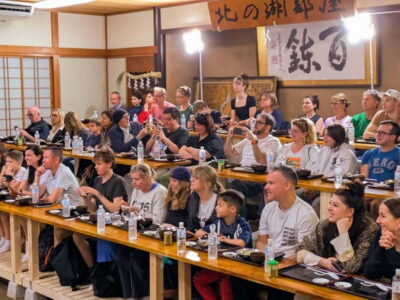
At checkout, you can select dinner at a local chanko hot pot restaurant. The meal is not included in the basic price, and drinks are not included with the dinner option.
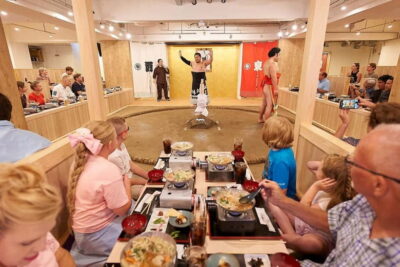
Chanko nabe is a Japanese hot pot associated with sumo wrestlers. It typically uses a chicken-stock base with vegetables, and the dish is designed to feed several hungry people from one large pot. Its connection to wrestler training makes it more than a convenient Japanese meal after the tournament.
The dinner option is a good fit if you want the day to have a clear cultural theme. You watch sumo, learn how the sport works, then eat a dish closely linked to the wrestlers’ daily lives. The meal has also been praised for helping bring the group together after the arena experience.
Vegetarian meals can be requested in the special requirements field at checkout. Traditional chanko broth usually contains pork or chicken, but the restaurant may substitute the broth. Make the request early because changes cannot be made one week before the tour date once the dinner arrangement has been accepted.
If you have other dietary needs, state them when booking. Do not wait until you arrive at the restaurant.
The off-season stable practice option
The alternative offered outside tournament season is quite different. It takes place at a sumo stable near Warabi Station, about 30 minutes from Tokyo Station.
You meet in the morning for an experience scheduled from 8 a.m. to noon. The group size is about 8 to 16 people. With a guide and audio headset, you watch wrestlers train at an authentic stable and then have chanko lunch.
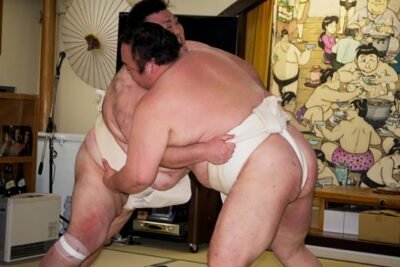
This option may be better than a tournament for someone who wants to see the discipline of training up close. Practice offers a quieter look at sumo life, and the smaller group may feel more intimate than an arena with thousands of spectators.
But read the booking details carefully. The stable visit does not include a tournament seat ticket because it is offered when no official tournament is taking place. It is not a substitute for tournament day in terms of atmosphere, schedule, or competition.
You also need to follow stable etiquette closely. The tour information does not spell out every rule, so listen carefully to your guide and expect the setting to be more formal than a normal sightseeing stop.
Is $184.38 good value?
At $184.38 per person, the price is not a casual add-on to a Tokyo holiday. The value comes from three things: the reserved ticket, the difficulty of obtaining tickets independently, and the guide’s interpretation.
Official tickets can sell quickly. Group tickets are released by the Sumo Association about four to seven weeks before the tournament, and the operator may not know whether it can secure them until close to the date. If tickets cannot be obtained, you are offered another date or a full refund.
Buying independently may cost less in theory, but it requires timing, luck, and the ability to understand the ticket system. The tour fee also includes the ticket arrangement and seating allocation, which removes some of that work.
For the standard option, remember that your seat is on the second floor. If you are paying mainly for a very close view, choose the private option with S or A seats instead. If your priority is access plus clear explanations, the standard price is easier to justify.
The dinner costs extra, so compare the full amount before booking. I would add it if you want a planned meal connected to sumo. I would skip it if you already have a favorite restaurant or need a flexible evening.
Who should book this sumo experience?
I recommend it most for first-time sumo spectators, visitors who cannot secure tickets alone, and anyone who wants cultural context during the matches. Families can also benefit because the headset commentary and ranking chart make the sport easier to follow.
It suits people who enjoy live events but do not want to spend the afternoon guessing what is happening. It is also a strong choice if your Japan schedule happens to match one of the six official tournaments.
You may not enjoy it as much if you want a completely independent afternoon, dislike fixed meeting times, or expect a private explanation of every bout. The group format means the guide must divide attention among up to 20 people on the standard tour.
The experience is rated 4.9 from 468 ratings, with 97 percent recommending it. Those numbers suggest a strong overall record, but the mixed feedback about guide commentary is worth taking seriously. The guide you receive can shape the day.
Book as early as possible, ideally three months ahead and at least one month before your date. The experience is normally non-refundable and cannot be changed after booking. If the operator cancels because of poor weather or too few participants, you are offered another date or a full refund.
Final call: book it if your dates line up
Book this experience if you want to attend an official tournament and would rather understand the rituals and rankings than simply watch large athletes collide. The reserved seat solves the hardest part, while the guide, headset, and banzuke chart give the event a clear shape.
Choose the standard group tour for the best balance of access and price. Pay more for the private option only if closer seats matter greatly. Add chanko dinner if you want a complete sumo-themed day.
If your trip falls outside the six tournament months, choose the stable visit only if you specifically want training and chanko lunch. It is a separate kind of experience, not a tournament substitute.
FAQ
When do the official sumo tournaments take place?
The six official tournaments take place in January in Tokyo, March in Osaka, May in Tokyo, July in Nagoya, September in Tokyo, and November in Fukuoka. Each tournament lasts 15 days.
Where does the tournament experience take place?
The venues are Ryogoku Kokugikan in Tokyo, EDION Arena Osaka, IG Arena in Nagoya, and Fukuoka Kokusai Center. The city depends on the tournament month.
What time does the tournament tour begin?
The listed start time is 2 p.m. The guided tournament visit lasts about four hours.
What seats are included in the standard tour?
Standard group participants receive B-class or C-class chair seats on the second floor. B seats are generally in rows 7 to 11, and the group may include up to 20 people in the same seating area.
Are closer seats available?
Yes. The private tour includes S-class or A-class seats closer to the ring.
Is dinner included?
Dinner is optional and must be selected at checkout. The meal is chanko hot pot, drinks are not included, and a vegetarian request can be made in advance.
What happens if there is no tournament during my visit?
The off-season option visits a sumo stable near Warabi Station for morning practice, with a guide, audio headset, and chanko lunch. It does not include a tournament ticket.
Newly reviewed around Tokyo
- Tokyo Asakusa:Calligraphy & Make T-shirt Activity★ 5.0 · 62 reviews
- Travel Tokyo with Your Own Personal Photographer★ 5.0 · 43 reviews
- Intercity Shuttle, Tokyo to Haneda /Narita /Yokohama /Makuhari★ 5.0 · 5 reviews
- 1 Hour Travel around Tokyo with a Professional Photographer★ 5.0 · 3 reviews
- Train in Samurai Swordsmanship and Defeat the Demon in Tokyo★ 5.0 · 5 reviews
- Shuttle Van 6hr Tokyo Tour to-and-from Tokyo, Yokohama and Narita★ 5.0 · 9 reviews
- Kickboxing & Body Training with EX-Pro Fighter★ 5.0 · 4 reviews
- Traditional Japanese Knife Sharpening Class★ 5.0 · 18 reviews
Tokyo Sumo Experiences, compared.
Tokyo Shinjuku Sumo Show & Experience with Photo
Read our review →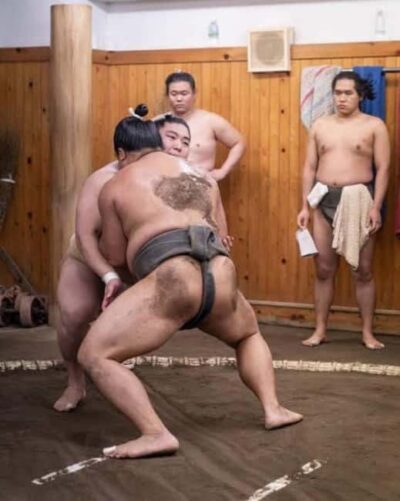
Luxury Sumo Show Experience & Japanese cuisine & Drink
Read our review →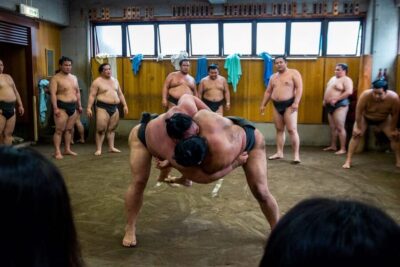
Tokyo Sumo Experience: Chanko & Mochi with a Former Pro
Read our review →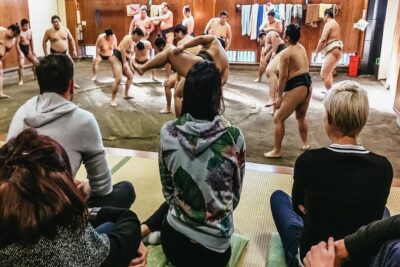
Browse the lists this tour appears in