
Reviewed · TOKYO FOOD TOURS
Asakusa, Tokyo’s #1 Family Food Tour
Asakusa’s great strength is that it gives you Tokyo in several flavors at once: temple rituals, old downtown streets, snack shops, and a proper meal. This three-hour food walk links them neatly, with five tasting stops and lunch from southern Japan rather than simply sending you from one famous storefront to another.
I like the small group limit of 10, which gives your guide room to explain unfamiliar foods and answer family questions. I also like the mix of tastes: Japanese plums, pickles, rice crackers, tea, melon pan, ice cream, and a regional lunch. The main caution is the price, $221 per person, which makes this a better choice for food-focused visitors than for anyone seeking only a quick snack stroll.
Key points to know
- Five food stops include lunch, dessert, regional tastings, and one drink.
- Asakusa’s backstreets and temple area provide the setting, not just a series of restaurant visits.
- Southern Japanese cuisine gives the lunch a regional angle beyond standard Tokyo fare.
- Groups are limited to 10 people, useful for families and questions.
- Guides Michie and Wesley are specifically praised for their patience and personal care in hot weather.
- Vegetarian and pescetarian options are available, but food stops can change with season, schedules, weather, and holidays.
Why this Asakusa food walk works well for families
Food tours can be hit or miss with children. A long explanation about customs may lose them, while a string of tiny samples may leave adults hungry. This tour takes a more useful middle route. You move through Asakusa, hear short stories about the district, try several recognizable and less familiar foods, then sit down to a substantial southern Japanese lunch.
The family appeal comes from variety. A child who ignores pickles may happily accept melon pan. Someone who is cautious about Japanese food can start with rice crackers or ice cream. Adults get more than sweets and street food because lunch is part of the experience.
The tour is also limited to 10 people. That matters in Asakusa, where the area around Senso-ji can be crowded and easy to lose your group in. A smaller party makes it simpler to hear the guide and stay together as you move between food stops.
This is not a private tour, and the schedule is shared with other food lovers. Still, the group cap keeps it from feeling like a large procession. Children must be accompanied by an adult, and children age 10 and above require a copy of passport information.
More Asakusa and Sensoji tours:
- Tokyo: Japanese Dance Cabaret Theater Asakusa-Kaguwa Ticket
★ 4.8 · 2,270 reviews - Tokyo: Meiji Shrine, Asakusa, Skytree Bus Tour and Cruise
★ 4.7 · 1,986 reviews - Tokyo: Roll and Authentic Sushi Making Class in Asakusa
★ 4.9 · 1,957 reviews
Meeting at Asakusa Culture Tourist Information Center
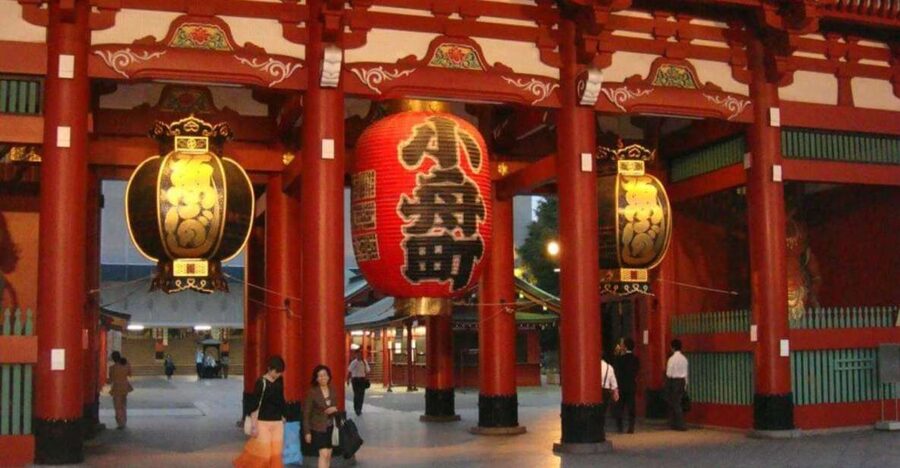
The tour begins at 11 a.m. at the Asakusa Culture Tourist Information Center, at 2-chōme-18-9 Kaminarimon. This is a practical place to meet because it puts you close to Kaminarimon, the famous entrance area for Senso-ji, and the main sights of Asakusa.
Your guide begins with a short orientation to the district. That opening is useful because Asakusa can feel like several neighborhoods pressed together: a major temple precinct, shopping streets, food stalls, old side streets, and busy transport routes.
You should arrive ready to walk and eat at a steady pace. The experience lasts about three hours and requires a good level of physical fitness. No hotel pickup is provided, and transportation costs are not included, so you need to make your own way to the meeting point.
Exploring Asakusa one taste at a time
The food portion is built around about five stops, including lunch. The exact foods can shift with the season, restaurant schedules, public holidays, weather, and other changes. That flexibility is worth understanding before you book. You are buying a guided food experience, not a guaranteed menu of fixed dishes.
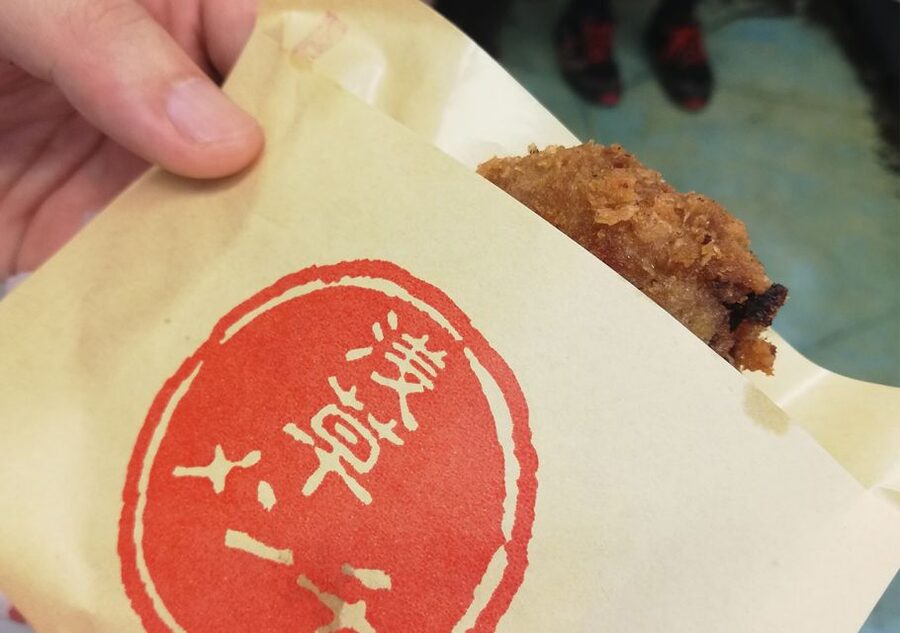
The tastings can include Japanese plums, pickles, rice crackers, tea, ice cream, and melon bread. These choices give you a broad introduction to Japanese snack culture. Some are familiar from convenience stores and markets, while others make more sense when a guide explains when and how they are eaten.
I especially like the inclusion of regional foods from around Japan. Asakusa is in Tokyo, but the tour does not limit your palate to Tokyo dishes. You get a small lesson in how Japanese food varies by region without needing to travel across the country.
The food is also paced as part of a walk. You are not sitting in one restaurant for three hours. That keeps the afternoon active, though it means you should not expect a slow, formal meal at every stop.
Kaminarimon and the first feel of old Tokyo
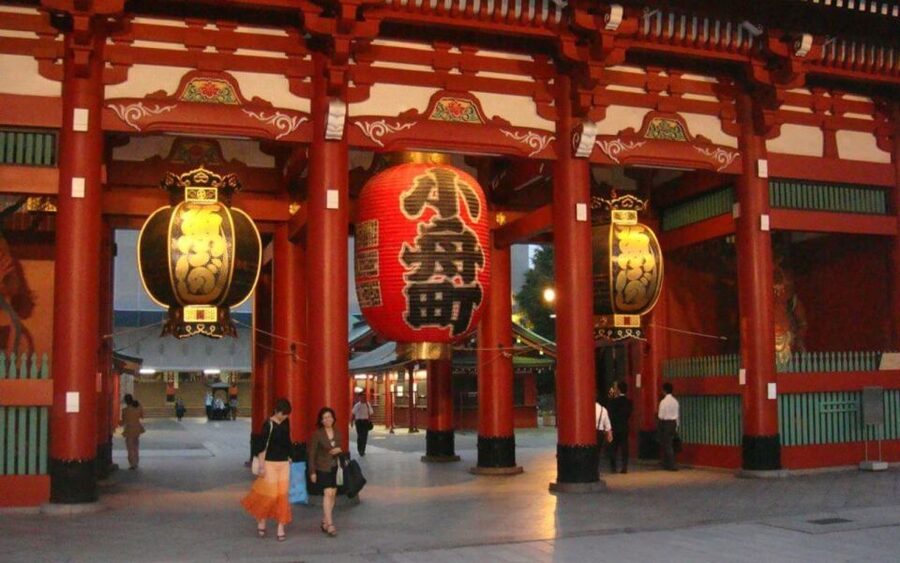
Kaminarimon, or the Thunder Gate, is one of Asakusa’s most recognizable landmarks. The stop itself is brief, but the surrounding area sets the tone for the tour. This is where the guide can connect the busy entrance to local customs, food traditions, and the downtown character of Asakusa.
The value here is context. Many people see the large gate, take a photograph, and move on. With a local English-speaking guide, you get help understanding how the district functions beyond its postcard image.
You may also pass through smaller streets and alleys that are easy to miss if you follow only the main route. The guide’s local route knowledge helps you spend less time checking maps and more time noticing shops, food counters, and ordinary neighborhood details.
More Tokyo food tours:
- Tokyo: Shinjuku Food Tour (13 Dishes at 4 Local Eateries)
★ 5.0 · 6,603 reviews - Tokyo: Shinjuku Food Tour (15 Dishes and 4 Eateries)
★ 4.9 · 2,033 reviews - Best of Shinjuku: Izakaya Food Tour (4 Stops, 14+ Tastings)
★ 5.0 · 1,863 reviews - Tokyo Night Foodie Tour in Shinjuku – Seasonal Sushi, Wagyu Beef
★ 5.0 · 1,161 reviews
Senso-ji, Hōzōmon, and the temple district
Senso-ji is the central sight in Asakusa, and the tour uses it as more than a backdrop for lunch. The route includes the Hōzōmon gate, Senso-ji Temple, Asakusa Shrine, and Nakamise Street.
The temple area can be crowded, so the guide’s short explanations are helpful. You can learn how the parts of the precinct fit together and hear stories about the district’s shitamachi, or downtown, identity. The tour does not charge separate admission for these stops.
Do not expect a long temple lecture. The listed stops at Hōzōmon, Senso-ji, and Asakusa Shrine are short, with the wider Asakusa visit carrying most of the walking and storytelling. That is a benefit if your family wants food and sightseeing in one outing, but less ideal if your main goal is detailed religious or architectural study.
Nakamise Street is the planned ending area, near the main gate of Senso-ji. From here, you are in a good position to continue exploring independently after the tour.
Melon pan and the sweeter side of Asakusa
Melon pan is one of the tour’s most appealing stops for families. Despite its name, it is not a melon-filled pastry. It is a sweet Japanese bread with a crisp, patterned top, and it is often treated as a local snack or dessert.
The point is not only to taste it. Your guide can help place it within Japan’s everyday food culture and show you why it is popular. For children, it offers an easy introduction to Japanese bakery food. For adults, it is a reminder that some of the best local discoveries are simple snacks rather than expensive dishes.
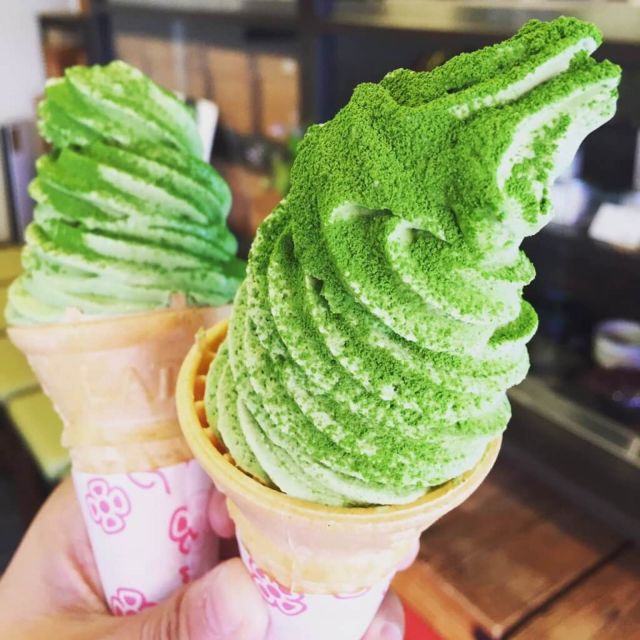
Dessert is included, and the final sweet taste may be matcha tea or ice cream, depending on the schedule and conditions. One drink is included, while additional drinks and food cost extra. If your family has a strong appetite, budget for that possibility.
Southern Japanese lunch gives the tour its substance
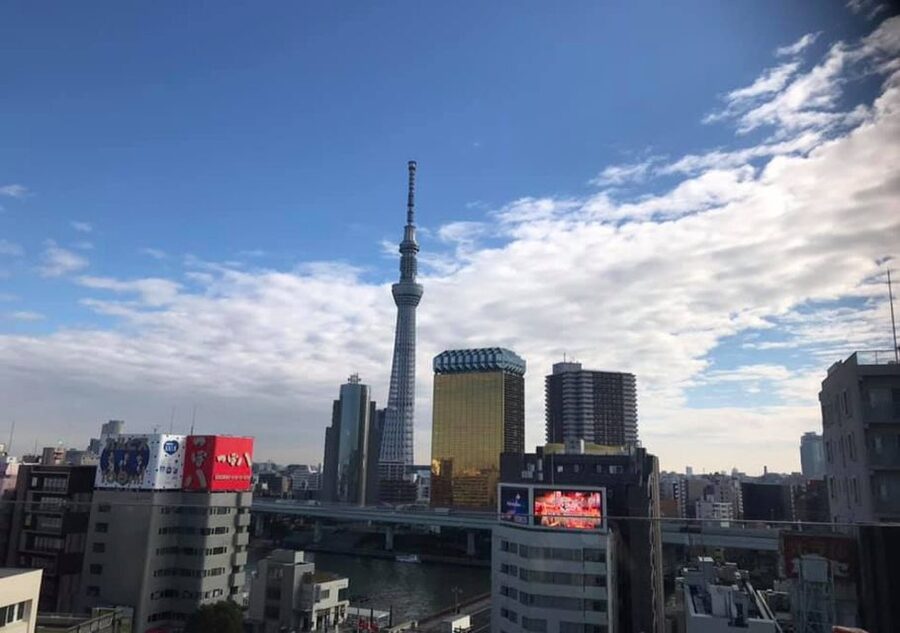
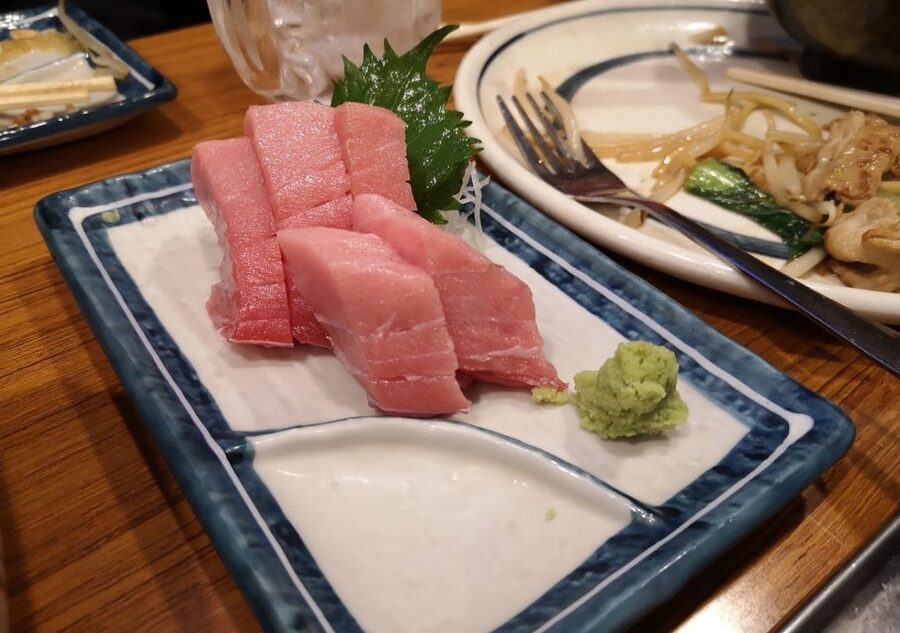
The included lunch is the main reason this tour is more than a grazing walk. You sit down for cuisine from southern Japan, adding a regional perspective that you would not get from a generic list of Tokyo street foods.
The supplied details do not specify the exact southern region or fixed dishes, so you should not book expecting one named specialty. Menus can change, and substitutions may be made when restaurants are closed, schedules shift, or other conditions interfere.
Still, the idea is valuable. Tokyo’s food scene draws from every part of Japan, and a southern regional meal lets you compare local flavor traditions with the snacks you have tasted along the way. You also get a proper pause in the middle of the walk, which helps families manage the afternoon.
Vegetarian and pescetarian guests can be accommodated according to the tour details. If your needs are more restrictive, confirm them when booking, since the precise food stops are not fixed.
Guides, heat, and the human side of the tour
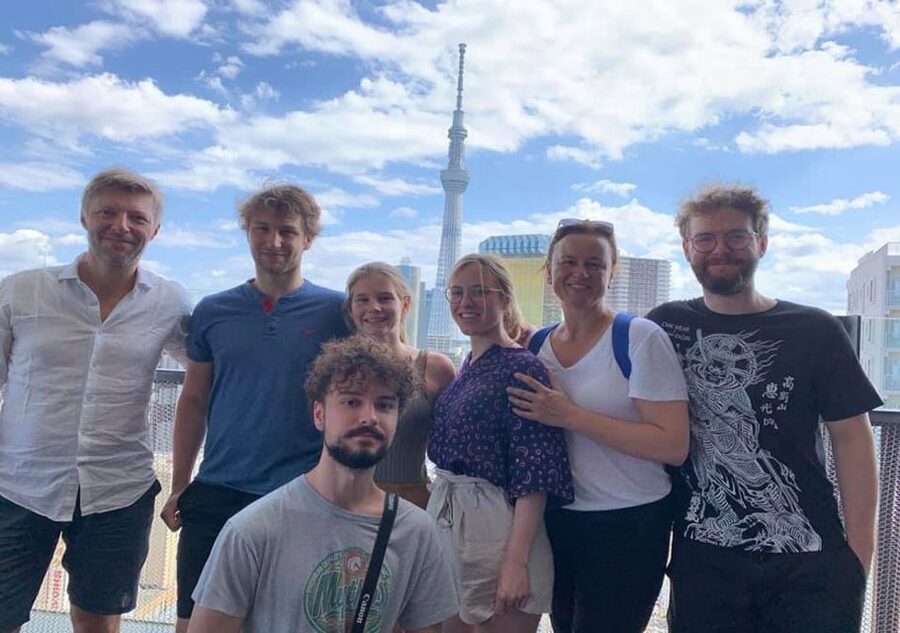
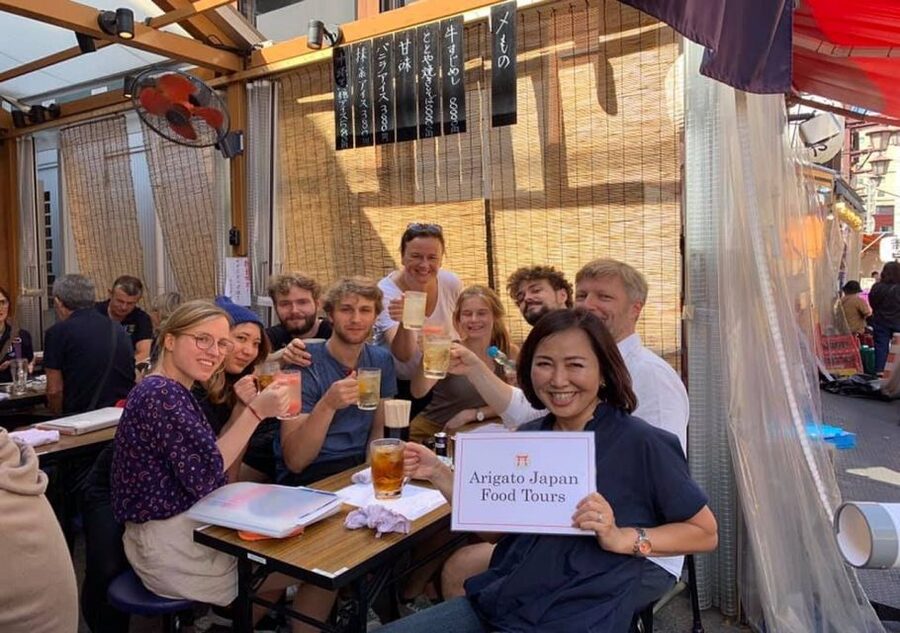
The named guides Michie and Wesley receive specific praise for being personable, patient, and attentive. That kind of care matters on a family outing, especially when children ask repeated questions or the group moves through hot, crowded streets.
One especially useful detail concerns a day with temperatures around 35C and humidity near 70 percent. Michie and Wesley provided their own cooling products to help participants stay comfortable. You should not count on that exact gesture every time, but it shows why guide quality matters here.
Plan your own hot-weather basics as well: water, light clothing, sun protection, and comfortable walking shoes. The tour includes one drink, not unlimited refreshments. Asakusa can be demanding in summer, and the physical fitness note should be taken seriously by anyone with mobility concerns or low tolerance for heat.
Is $221 per person a fair price?
At $221 per person, this is not a budget food crawl. The price needs to cover more than the food itself. You are paying for a local English-speaking guide, five stops, lunch, dessert, one drink, neighborhood orientation, and the convenience of moving through Asakusa without planning every stop yourself.
The value is strongest if you are new to Tokyo, want a family-friendly introduction, or prefer a guided route through a busy district. It is also useful if you want to sample several categories of food without ordering full portions on your own.
The value is weaker if you already know Asakusa well, speak Japanese comfortably, or mainly want to buy melon pan and snacks at your own pace. You could spend less by exploring independently, though you would lose the explanations, planned route, and included lunch.
The tour is booked an average of 54 days ahead, which suggests you should plan early during busy travel periods. Same-day booking is available according to the tour details, but availability is not guaranteed. Free cancellation is allowed up to 24 hours before the start time. Weather or minimum group requirements can also lead to a change of date or a full refund.
Who should book this experience?
I would recommend it to families who want food and sightseeing in one outing, first-time visitors to Tokyo, and anyone who enjoys trying small portions with an explanation attached. The group size works well for parents who want help keeping children engaged without committing to a private tour.
It also suits visitors who want a gentle introduction to Japanese regional food. Pickles, plums, rice crackers, tea, melon pan, and southern cuisine create a broad tasting list without requiring you to choose unfamiliar dishes alone.
I would be more cautious if you want a fixed menu, a private guide, a deep temple study, or a relaxed restaurant lunch that lasts most of the afternoon. The exact stops can change, the pace includes walking, and the price is high for a short tour.
Should you book the Asakusa family food tour?
Book it if you value local guidance, variety, and convenience more than bargain pricing. The combination of Senso-ji, side streets, regional tastings, melon pan, and southern Japanese lunch gives you a clear introduction to Asakusa without spending your first afternoon guessing where to eat.
Skip it if you prefer independent wandering or already have a detailed food plan. For the right family, though, the small group, patient guides such as Michie and Wesley, and built-in lunch make this a practical way to get oriented and fed in one memorable afternoon.
FAQ
How long does the Asakusa food tour last?
The tour lasts approximately three hours.
What time does the tour begin?
It begins at 11 a.m.
Where does the tour meet?
Meet at the Asakusa Culture Tourist Information Center, 2-chōme-18-9 Kaminarimon, Taito City, Tokyo 111-0034, Japan.
Where does the tour end?
The tour ends at the main gate of Senso-ji Temple in the Asakusa area, near Nakamise Street.
How many food stops are included?
Five food stops are included, including lunch, dessert, regional tastings, and street food.
What foods might be included?
Possible tastings include Japanese plums, pickles, rice crackers, tea, ice cream, melon bread, and regional foods. The selection can change with the season and other local conditions.
Is the tour suitable for vegetarians and pescetarians?
Yes. Vegetarian and pescetarian options are available.
Can I cancel for a full refund?
Yes, if you cancel at least 24 hours before the experience start time. Cancellations made less than 24 hours in advance are not refunded.
Newly reviewed around Tokyo
- Tokyo Asakusa:Calligraphy & Make T-shirt Activity★ 5.0 · 62 reviews
- Intercity Shuttle, Tokyo to Haneda /Narita /Yokohama /Makuhari★ 5.0 · 5 reviews
- 1 Hour Travel around Tokyo with a Professional Photographer★ 5.0 · 3 reviews
- Travel Tokyo with Your Own Personal Photographer★ 5.0 · 43 reviews
- Train in Samurai Swordsmanship and Defeat the Demon in Tokyo★ 5.0 · 5 reviews
- Shuttle Van 6hr Tokyo Tour to-and-from Tokyo, Yokohama and Narita★ 5.0 · 9 reviews
- Kickboxing & Body Training with EX-Pro Fighter★ 5.0 · 4 reviews
- Traditional Japanese Knife Sharpening Class★ 5.0 · 18 reviews
Tokyo Food Tours, compared.
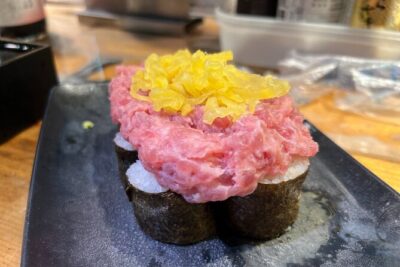
Shinjuku Food Tour (13 Dishes at 4 Local Eateries)
Read our review →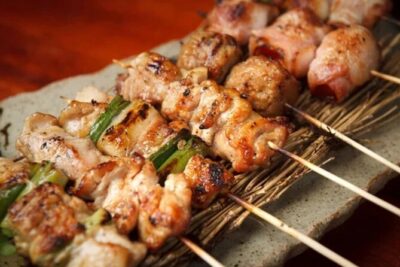
Shinjuku Food Tour (15 Dishes and 4 Eateries)
Read our review →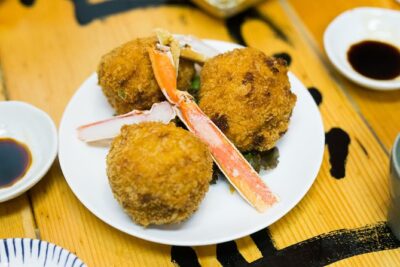
Best of Shinjuku: Izakaya Food Tour (4 Stops, 14+ Tastings)
Read our review →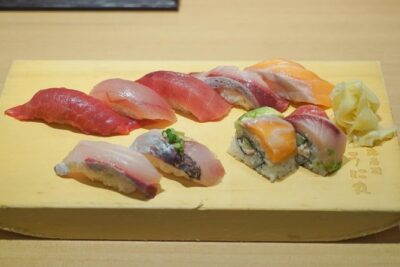
Tokyo Night Foodie Tour in Shinjuku – Seasonal Sushi, Wagyu Beef
Read our review →
Eat and Drink Like a Local: Tokyo Ueno Food Tour-Taverns&Ramen
Read our review →
Tsukiji Fish Market: Street Food & Culture Walking Tour
Read our review →
Browse the lists this tour appears in