
Reviewed · TOKYO SAMURAI AND NINJA EXPERIENCES
Samurai experience: art and soul of the sword
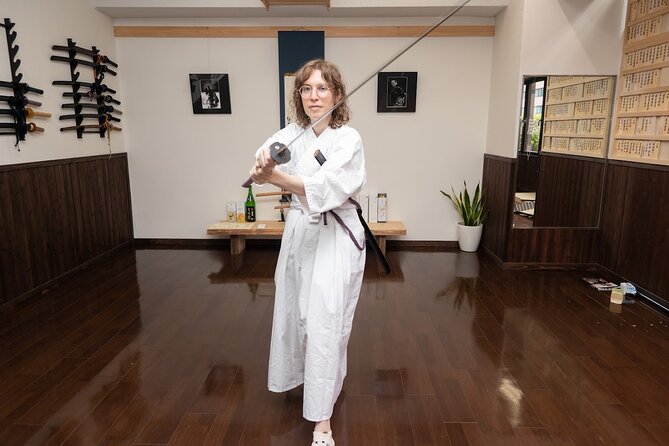
The most surprising part of this Tokyo samurai experience is what comes first: not sword fighting, but etiquette. At the dojo, you learn why drawing a sword was a serious last resort, then study the courtesy, discipline, and self-control expected of a samurai.
I like two things here. First, the lesson gives you a more thoughtful picture of samurai life than a costume photo or staged battle. Second, you get hands-on practice, including a sword, samurai clothing, and a man-shaped cardboard target. Adults can also choose real tatami cutting.
The main consideration is safety and pace. This is a structured martial arts lesson, not free play. You must follow the master’s instructions, and the real sword option is limited to participants aged 18 or older who sign a waiver.
Key points
- Start with samurai etiquette: Learn how to approach, handle, and respect the sword before practicing with it.
- Practice Iaido in a real dojo: The lesson focuses on the controlled drawing and use of the sword.
- Wear samurai attire: Changing into traditional-style clothing helps set the tone for the session.
- Choose the adult tatami-cutting option: Participants aged 18 and over may cut a rolled tatami mat with a real sword.
- Watch a close-up master demonstration: The final display makes more sense after you have tried the basic movements yourself.
- Small group, short format: The activity lasts about 90 minutes and accepts no more than 10 participants.
Why the first lesson is about restraint
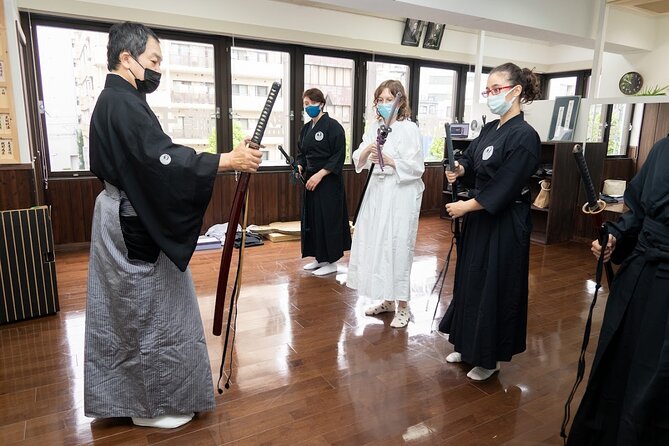
Many people picture a samurai as a fearless fighter who solves every problem with a blade. This experience offers a quieter and more useful correction. You begin by learning that drawing the sword was not a casual decision. Diplomacy, courtesy, and self-control mattered just as much as physical skill.
That opening changes the mood of the whole session. You are not simply handed a prop and told to swing. The sword has rules, and those rules reflect the values of bushido, often translated as the way of the samurai. The teacher explains the flow of the experience and introduces the discipline behind Iaido before you start moving.
I like this approach because it gives the activity some meaning. A quick sword demonstration can be exciting, but it may leave you with only a photograph. Here, even a short lesson asks you to think about why the weapon was used and what kind of control a samurai was expected to show.
The setting also matters. You meet at Kuramae Station and go to an Iaido dojo, rather than spending the whole activity in a general tourist venue. The available information does not identify the master by name, but the class is led by a master, with demonstrations also supported by a teaching assistant.
More Tokyo samurai and ninja experiences:
- Tokyo: Samurai Ninja Museum Guided tour and Experience
★ 4.6 · 1,010 reviews - Tokyo: Samurai Sword & Archery Class from Samurai Descendant
★ 5.0 · 603 reviews - Best Samurai Experience in Tokyo
★ 5.0 · 458 reviews
Changing into samurai attire at the dojo
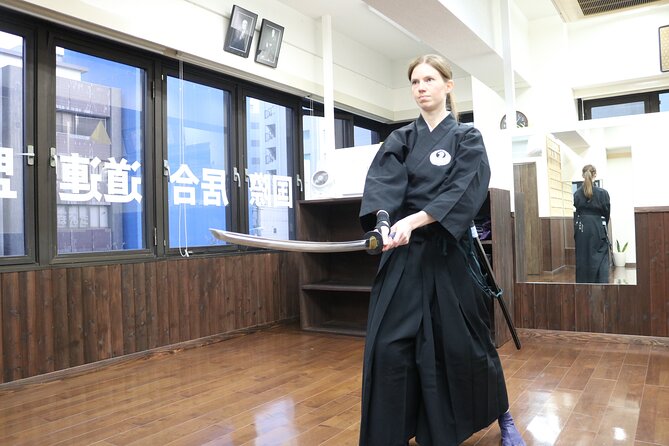
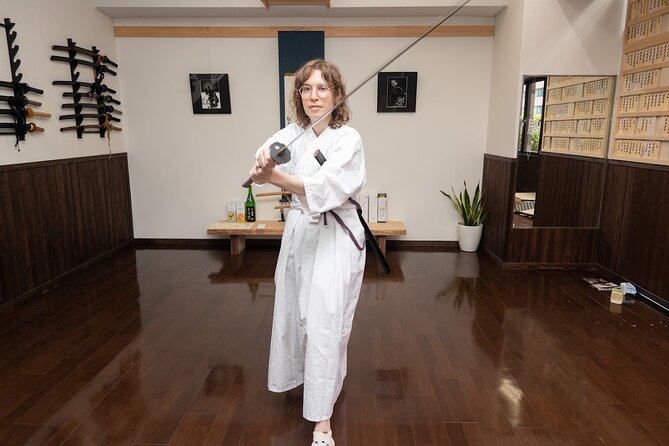
After arriving, you change into samurai attire and receive a sword for the lesson. This is part of the experience, not just a photo opportunity. Clothing changes how you stand, move, and pay attention, especially when the teacher begins explaining proper conduct around the sword.
You should expect a formal atmosphere. The class asks you to listen carefully and copy instructions rather than improvise. That makes it a good fit if you enjoy learning a traditional practice step by step. It may feel restrictive if you want a loose, theatrical activity where you can swing a sword immediately.
The sword etiquette lesson is one of the strongest parts of the program. You learn that the weapon demands respect before it demands speed. Even if you have no interest in martial arts, this section helps you understand why samurai culture placed such weight on courtesy and discipline.
The format is also manageable. The full session lasts about 1 hour and 30 minutes, so you can fit it into a morning in Tokyo without giving up an entire day. The stated start time is 9:00 am, which means you will need to plan an early trip to Kuramae Station.
Learning Iaido through controlled movement
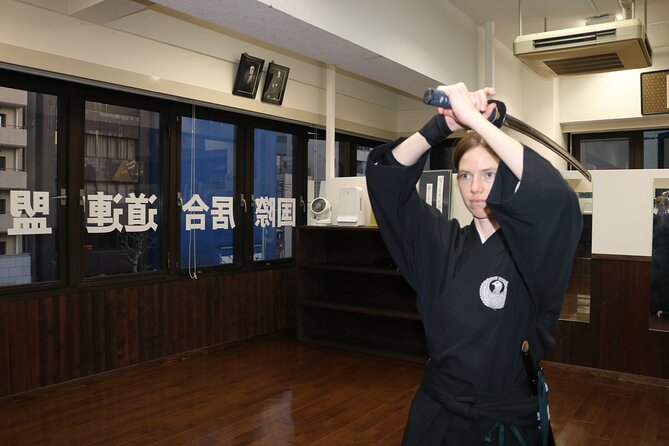
The main martial art here is Iaido, a form of swordsmanship centered on drawing the sword with control and precision. The session introduces the flow of the art and gives you a chance to practice its basic movements.
You should not expect a full martial arts course in 90 minutes. Instead, think of this as a compact introduction led by a master. The emphasis is on form, focus, and correct procedure. Your own movements will be basic, but that is part of the point. A short attempt makes the master’s later demonstration easier to appreciate.
The activity is active but not described as strenuous. Still, you should have a moderate level of physical fitness. You will be standing, handling a sword, and following movement instructions, so comfortable clothing and shoes are sensible, even though the experience provides samurai attire.
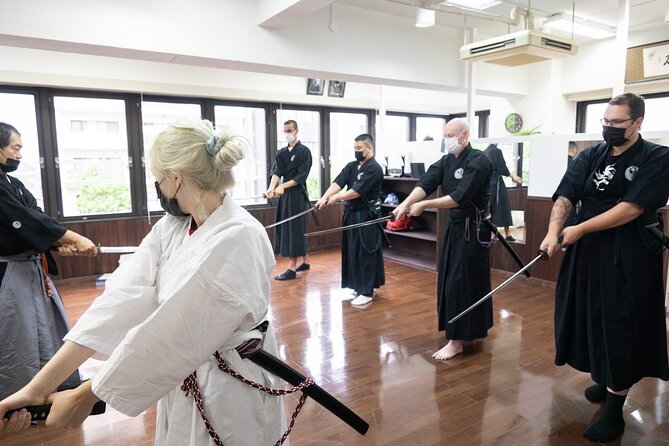
The group size is limited to 10 people. That is important for an activity involving weapons and close instruction. A small class should make it easier to hear the master, watch the demonstrations, and receive direction. It also means availability may be limited, so confirmation is subject to availability within 48 hours of booking.
Cutting the cardboard target
After the introduction, you practice with a sword on a man-shaped cardboard target. This gives you a clear goal without immediately moving to the more demanding real sword option.
The target section adds a physical release after the formal opening. You have learned how to treat the sword and how the movements should work. Now you can apply those instructions to a target, still under the master’s supervision.
Do not read this as a combat lesson. The activity does not promise sparring, fighting another person, or learning a set of battle techniques. It is a controlled introduction to Iaido and the discipline surrounding it. That distinction is useful when comparing this experience with theatrical samurai shows or sword-themed attractions.
I also like the order of events. Starting with cardboard gives you a safer way to understand the motion before deciding if you want to use a real sword. The master’s instructions remain the rule throughout, and you must follow them.
A completely different kind of day in Tokyo:
- Mt Fuji and Hakone 1-Day Bus Tour Return by Bullet Train
★ 5.0 · 26,383 reviews - 1-Day Tokyo Bus Tour
★ 5.0 · 14,250 reviews - Tokyo: teamLab Planets TOKYO Digital Art Museum Entry Ticket
★ 4.6 · 9,779 reviews - Mt Fuji & Hakone Cruise, Drum Show Bullet Train 1 Day from Tokyo
★ 4.0 · 7,413 reviews
The optional real sword and tatami cut
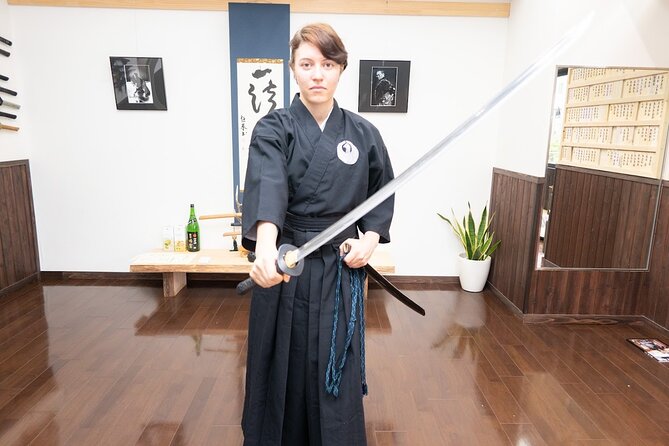
Participants who choose the additional real sword option can try cutting a rolled tatami mat. This is likely to be the most memorable physical part of the session, but it comes with firm conditions.
You must be at least 18 years old on the date of the experience. You must sign a waiver, and you must follow the master’s directions. If you do not choose this option, the minimum participation age is 5.
That age distinction matters for families. Children aged 5 and above can take part in the main experience, but the real sword cutting option is for adults only. The supplied information does not give a separate price for the option, so check the current booking details before you reserve if tatami cutting is important to you.
The real sword section should not be treated as an automatic upgrade for everyone. It adds a stronger sense of consequence and requires more attention. If your main goal is to understand samurai manners and try Iaido in a dojo, the standard session may be enough. If you are an adult who wants the most hands-on version available, the tatami cut gives the lesson a clear physical climax.
Why the master’s demonstration matters
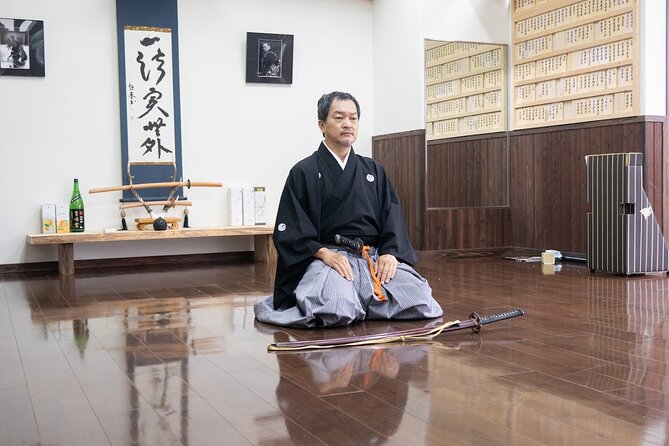
Near the end, the master performs a solo demonstration at close range. This is more than a final showpiece. Once you have struggled through the basic movements yourself, you can see the difference between an introductory attempt and expert control.
The demonstration is especially useful because Iaido can look simple from a distance. A swift draw or cut may take only a moment, but the lesson shows that the movement depends on preparation, posture, timing, and discipline. Watching the master after your own practice gives you a better eye for those details.
A teaching assistant also takes part in demonstrations and training support. The available information does not provide either person’s name, so you should not expect a named celebrity instructor. The value comes from the dojo setting, the instruction, and the chance to see the movements close up.
The master’s performance also reinforces the opening lesson about restraint. The ideal samurai is not presented as someone eager to fight. Skill and composure are meant to prevent unnecessary conflict, not encourage it.
What the $216.86 price means
At $216.86 per person, this is not a cheap add-on activity. The price makes more sense if you value a small-group lesson, traditional clothing, direct instruction, sword practice, a master demonstration, and a certificate of completion.
You are paying for a focused cultural activity rather than a sightseeing stop. There is no long list of Tokyo landmarks included, and the session lasts only about 90 minutes. If you measure value by hours occupied, the price may feel high. If you want a rare, specialized experience that gives you active participation in a dojo, the calculation looks better.
The small maximum of 10 people helps support the cost. Sword instruction needs close attention, and a large crowd would weaken the personal side of the lesson. The certificate at the end is a pleasant keepsake, though I would view it as a bonus rather than the main reason to book.
You should also compare the price with your interests. A visitor who wants a quick costume photograph can probably find a less expensive option. Someone who wants an explanation of samurai values, an Iaido lesson, and a master’s demonstration is getting a more focused package.
Kuramae Station and the morning schedule
The meeting point is Kuramae Station at 2-chōme-3-1 Kuramae, Taito City, Tokyo 111-0051. The activity begins at 9:00 am and ends back at the meeting point.
Starting at a station is practical, but you should allow enough time to find the exact meeting point. The experience is near public transportation, yet the information provided does not specify the station exit or walking time. Do not cut it close, especially if you are unfamiliar with Tokyo’s train system.
The early start has one clear benefit: you can finish before the middle of the day and continue sightseeing. It may be less convenient if you are recovering from a late arrival or staying far from Kuramae. I would choose this for a morning when you can arrive calm and alert. Rushing in from another part of Tokyo would work against the patience the lesson requires.
The activity returns to its starting point, so there is no complicated end-of-tour transfer to arrange. It is a tidy fit for a day in Tokyo.
Who will enjoy this experience most
I would recommend this activity to adults and families who want more than a costume session. It suits people interested in Japanese culture, martial arts, etiquette, and traditional disciplines. It also works well for anyone who prefers doing something active instead of simply looking at displays.
The standard activity can suit children from age 5, but children must be able to listen and follow instructions. The sword work is supervised, and the class has a formal tone. A child who wants a noisy mock battle may find it too serious.
The real sword option is best for adults who are comfortable signing a waiver and following strict directions. You do not need to choose it to enjoy the lesson. In fact, the cultural and educational parts come before the tatami cutting and make up much of the experience’s value.
This is less suitable if you want an unstructured activity, a long historical lecture, or a full day devoted to samurai culture. It is also not the right choice for anyone unwilling to follow the master’s instructions. With a weapon in hand, attention is not optional.
Practical details before you book
The activity is offered with a mobile ticket, which keeps entry simple once your booking is confirmed. Confirmation is expected within 48 hours, subject to availability. The average booking lead time is 23 days, so planning ahead is sensible, especially if you have a fixed Tokyo schedule.
The group maximum is 10 people. The experience requires a moderate level of physical fitness, and the real sword option requires participants to be 18 or older. The standard experience has a minimum age of 5 when the real sword option is not selected.
Free cancellation is available if you cancel at least 24 hours before the local start time. Cancellations made less than 24 hours before the start, along with late changes, are not accepted for a refund.
The most useful tip is to decide in advance what you want from the session. If you want the lesson and demonstration, book the standard format. If you are an adult who specifically wants to cut a rolled tatami mat, confirm that the real sword option is available and understand the waiver requirement.
Should you book the Tokyo samurai experience?
Book it if you want a compact, serious introduction to Iaido and samurai values, with real instruction rather than a staged fight. The small group, dojo setting, samurai attire, cardboard practice, close demonstration, and optional adult tatami cutting give the morning a clear shape.
Skip it if you are mainly looking for cheap entertainment, a quick photo, or a free-form sword battle. At $216.86, the experience asks you to value discipline and instruction. For the right person, that is exactly why it works: you leave with more than a souvenir certificate. You leave with a better sense of why the sword was respected, and why the strongest samurai was not always the one who drew it first.
FAQ
Where does the samurai experience begin?
It begins at Kuramae Station, 2-chōme-3-1 Kuramae, Taito City, Tokyo 111-0051, Japan.
What time does the activity start?
The stated start time is 9:00 am.
How long does the experience last?
The activity lasts approximately 1 hour and 30 minutes.
Does the activity end at the meeting point?
Yes. The activity ends back at the meeting point.
What is Iaido?
Iaido is a form of swordsmanship practiced by samurai. The experience introduces its controlled movements and sword-drawing techniques.
Can children participate?
Yes. The minimum age is 5 when the real sword option is not selected. Participants using the real sword option must be at least 18 on the date of the experience.
What are the requirements for cutting a rolled tatami mat?
You must be 18 or older, sign a waiver, and follow the master’s instructions.
How far in advance can I cancel for a full refund?
You can cancel at least 24 hours before the experience start time for a full refund. Late cancellations and changes made less than 24 hours before the start are not accepted.
Newly reviewed around Tokyo
- Tokyo Asakusa:Calligraphy & Make T-shirt Activity★ 5.0 · 62 reviews
- Intercity Shuttle, Tokyo to Haneda /Narita /Yokohama /Makuhari★ 5.0 · 5 reviews
- 1 Hour Travel around Tokyo with a Professional Photographer★ 5.0 · 3 reviews
- Travel Tokyo with Your Own Personal Photographer★ 5.0 · 43 reviews
- Train in Samurai Swordsmanship and Defeat the Demon in Tokyo★ 5.0 · 5 reviews
- Shuttle Van 6hr Tokyo Tour to-and-from Tokyo, Yokohama and Narita★ 5.0 · 9 reviews
- Kickboxing & Body Training with EX-Pro Fighter★ 5.0 · 4 reviews
- Traditional Japanese Knife Sharpening Class★ 5.0 · 18 reviews
Tokyo Samurai and Ninja Experiences, compared.
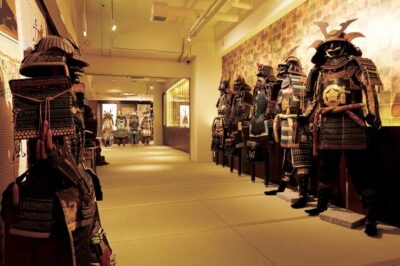
Samurai Ninja Museum Guided tour and Experience
Read our review →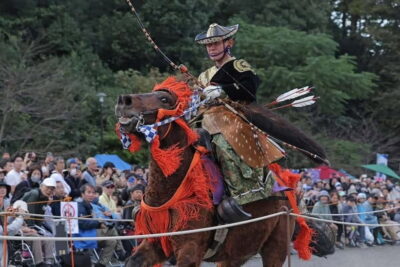
Samurai Sword & Archery Class from Samurai Descendant
Read our review →

Ninja Experience (Family Friendly) at Samurai Ninja Museum TOKYO
Read our review →
Samurai Entertainment Night Show in Kanda Shrine
Read our review →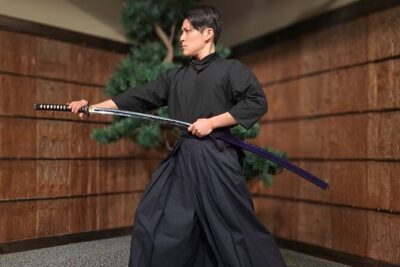
Tokyo Sword Experience – includes Museum Ticket/Ninja Experience
Read our review →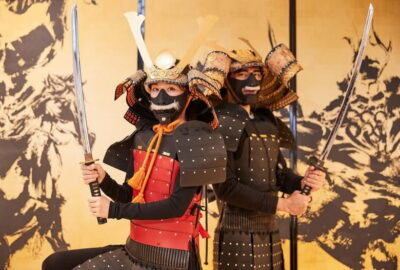
Samurai Ninja Museum Asakusa: Samurai Sword Lesson & Tour
Read our review →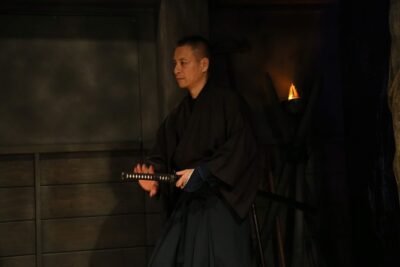
Ninja Samurai 2-hour hands-on lesson by Japanese master in Tokyo
Read our review →Browse the lists this tour appears in