
Reviewed · TOKYO SAKE TASTINGS
Sake Omakase in Tokyo: Guided Tasting by Certified Sommeliers
The clever part of this Tokyo tasting is that it treats sake as more than a single drink. You compare rice styles, taste the same sake at different temperatures, try spice and herb infusions, and see how the drinking vessel changes flavor. It turns a familiar word into a much bigger subject.
I like the small six-person group, where you can ask direct questions, and I like the four-course format with pickles, cheese, cured meats, and dessert. The main thing to consider is that free-flowing alcohol over two hours can be a lot, especially if you arrive without eating.
Key points at a glance
- Seven Japan-exclusive sakes: The selection is designed for tasting, comparison, and discovery rather than simply serving one house pour.
- Four themed courses: Rice, temperature, infusions, vessels, and food pairings give the session a clear learning path.
- Certified multilingual sommeliers: Guides lead in English, Japanese, and Chinese, with names including Eric, Aaron, Frank, and Phillip.
- Only six people: This is a close-up class, not a crowded bar tasting, so questions are part of the experience.
- Showa-era centerpiece: A reclaimed wood table gives the designer tasting room a strong sense of place.
- Unlimited refills: You can revisit the pours, but pace yourself and eat beforehand.
Seven sakes, four courses, and a better way to taste
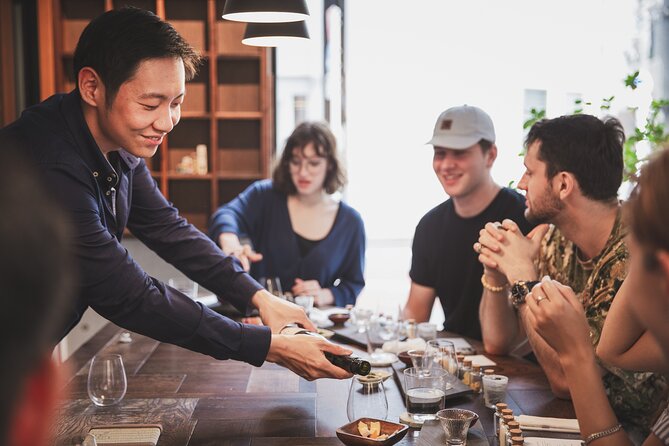
Many first-time sake tastings simply line up several glasses and explain the labels. This session takes a more useful route. The seven selected sakes appear across four themed courses, and each course asks you to notice one change at a time.
That matters because sake can be hard to compare when too many things shift at once. Here, the focus may be the rice in one course, the serving temperature in another, and the cup or flavor addition in the next. You get a practical sense of why two bottles that both say sake can taste so different.
The experience lasts about two hours. That is long enough to explain brewing methods and flavor profiles without turning the evening into a lecture. The small bites also help keep the tasting grounded in food, which is how most people will actually enjoy sake in Japan.
The word omakase suggests that the sommelier makes the choices for you. That is useful here. You do not need to know which regional brewery, rice variety, or serving style to request. You can simply pay attention to what you like, then ask why.
More Tokyo sake tastings:
- Ramen and Sushi Cooking Class with Sake Pairing Set in Tokyo
★ 5.0 · 291 reviews - Sake Tasting Masterclass in Shinjuku (8+ Varieties with a Pro)
★ 5.0 · 271 reviews - Tasting All Types of Sake with Sommelier
★ 5.0 · 151 reviews
Rice comparison makes the first lesson useful
One of the most valuable themes is the comparison of rice. Sake begins with rice, but sake rice is not simply table rice placed in a bottle. The way rice is polished and handled affects aroma, texture, and the final balance.
You do not need technical brewing knowledge to follow this part. The guides explain the differences in plain English and connect them to what you smell and taste. If you already have a favorite sake, this is the moment to ask what may be creating that preference.
Eric is specifically praised for leading guests through seven pours in a clear, relaxed way. That combination is important. A tasting can become tiring when the guide speaks over the group or floods you with terminology. The aim here is to give you enough background to make your own judgments.
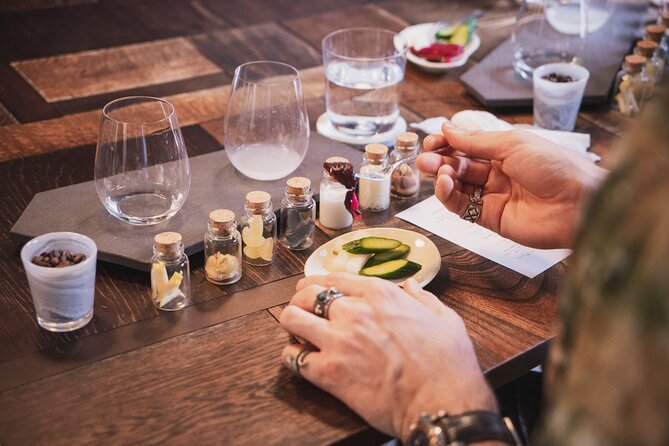
The food helps. Pickles can sharpen your sense of acidity and savory flavor, while cheese and cured meats show how sake works beyond traditional Japanese dishes. Dessert provides a different test, especially for sweeter or more aromatic pours. The portions are described as small bites, so do not treat this as dinner.
Five temperatures show why serving style matters
Sake is often served chilled, but that is only one part of the story. This tasting includes sake served at five different temperatures, allowing you to notice how aroma, body, and finish shift as the liquid warms or cools.
A sake that feels crisp when cold may seem fuller when warmer. Aromas may become easier to detect, while alcohol may feel more noticeable. You do not have to memorize the temperatures to gain something from the exercise. The useful lesson is that a bottle is not locked into one fixed experience.
This is also a good section for anyone who thinks they dislike sake. You may have tried one cold, dry style and assumed the whole category was similar. Comparing several temperatures gives you a fairer test and may point you toward a softer, sweeter, more aromatic, or more savory style.
The free refills make this comparison more practical. You can revisit a pour rather than relying on one quick sip. Still, unlimited service is not a challenge to finish everything. It is a chance to taste again when a pairing or temperature changes your view.
Infusions and vessels add the playful surprises
The course also includes spice and herb infusions. This moves the session away from a strict lesson in traditional brewing and toward contemporary sake culture. The additions show how aroma and flavor can be shaped for a particular mood, dish, or style of drinking.
For some people, this will be the most fun part. It gives you permission to think of sake as flexible rather than formal. For others, it may be less useful if they want only an orthodox tasting of unaltered bottles. The guides can help explain what you are tasting and how the additions affect the base sake.
The drinking vessel is another change that sounds small but can be surprisingly clear. Shape, opening, and material influence how aromas reach your nose and how the drink feels in your mouth. It is a good reminder that tasting is not only about what is in the bottle.
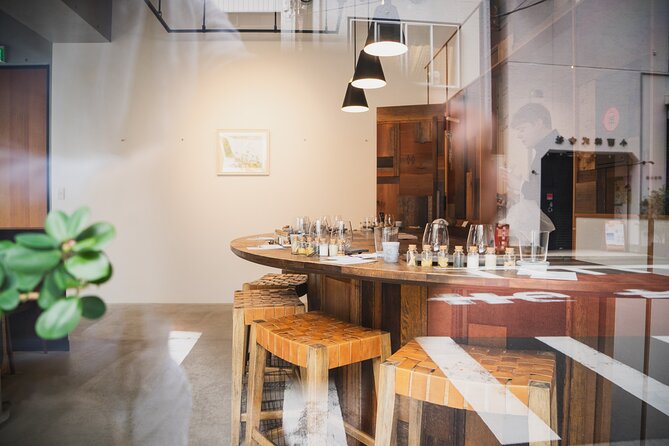
The reclaimed wood table is part of this setting. It comes from a Showa-era building and forms the center of the designer tasting room. That detail gives the session a physical link to older Tokyo, even though the tasting itself focuses on current sake styles.
A completely different kind of day in Tokyo:
- Mt Fuji and Hakone 1-Day Bus Tour Return by Bullet Train
★ 5.0 · 26,383 reviews - 1-Day Tokyo Bus Tour
★ 5.0 · 14,250 reviews - Tokyo: teamLab Planets TOKYO Digital Art Museum Entry Ticket
★ 4.6 · 9,779 reviews - Mt Fuji & Hakone Cruise, Drum Show Bullet Train 1 Day from Tokyo
★ 4.0 · 7,413 reviews
A six-person room keeps the conversation moving
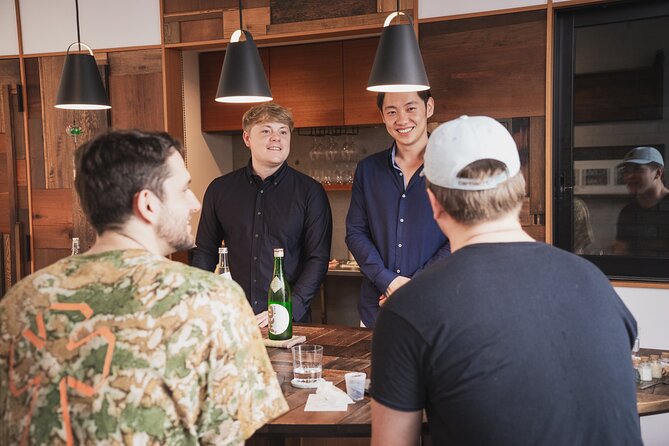
The maximum group size is six. I consider that one of the strongest reasons to choose this experience over a large public tasting. You can ask about a flavor you do not recognize, explain what you usually drink, or ask which style might suit your palate next.
A small group also makes the session more social. One person may prefer dry sake, another may favor sweeter pours, and those differences create easy conversation. Several of the comments about the experience highlight new friendships and a relaxed atmosphere, which fits the format.
The guides are certified sommeliers with more than 2,500 tasting experiences behind them. They lead in English, Japanese, and Chinese, and named hosts include Aaron, Frank, Eric, and Phillip. The teaching style appears to be friendly rather than stiff. That is useful if you are new to sake and worry about asking a basic question.
You should still expect alcohol to be the focus. This is not a general Tokyo food tour with one ceremonial sip. Seven varieties with refills can add up. The practical move is to eat a proper meal before arriving, especially since the provided snacks are meant to support the tasting rather than replace dinner.
What the small bites add to each pour
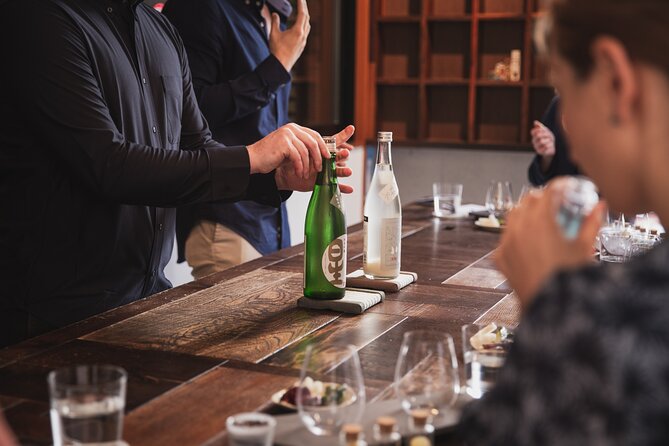
The food is not an afterthought. Each of the four courses comes with snacks chosen to make the sake easier to understand and enjoy. The listed items include pickles, cheeses, cured meats, and dessert.
Pickles offer a sharp, salty contrast. Cheese and cured meat bring fat and savory flavor, which can make a sake seem rounder or more refreshing by comparison. Dessert gives you a chance to test how the final pours work with sweetness.
This is valuable even if you are not a food expert. You learn by contrast. A sake that seems plain on its own may become more interesting with food, while a bold pour may overpower a delicate bite. The lesson transfers well to future meals in Japan.
Do not expect a full meal or a fixed menu with substantial portions. The experience promises small bites, and one useful tip is to eat beforehand. If you arrive hungry, the snacks may not be enough to carry you through two hours of alcohol.
The room and setting in central Tokyo
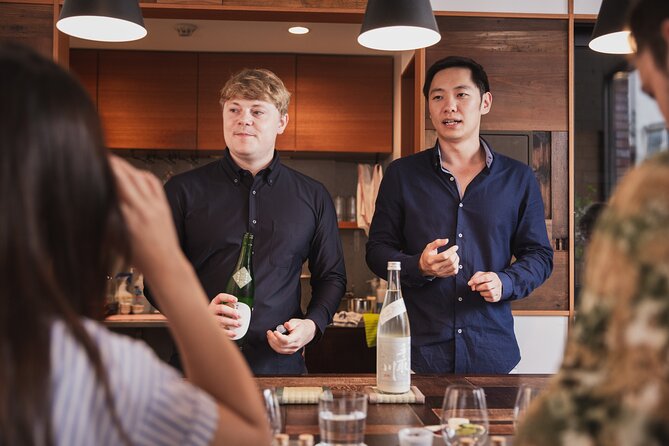
The meeting point is Linden House, at 1-chōme-9-9 Kanda Ogawamachi in Chiyoda City. The location is near public transportation, and the tasting begins and ends at the same point.
That return to the starting point is handy. You do not need to work out a second meeting location after several pours, and you can plan the activity as a compact part of a Tokyo day. Transportation to and from the experience is not included, so you make your own way there and back.
The room is designed for tasting rather than a loud night out. The Showa-era reclaimed table provides a warm centerpiece, while the limited seating keeps attention on the glasses and the conversation. If you want a rowdy izakaya evening, this is a different sort of night. If you want to learn in a polished setting, it fits better.
A mobile ticket is provided, and booking confirmation arrives at the time of booking. Most people can participate, but this is not suitable for anyone with an alcohol allergy. The activity requires a minimum number of bookings, so a cancellation for that reason would result in another date or experience, or a full refund.
Is $79.52 a fair price?
At $79.52 per person, this is not the cheapest way to drink sake in Tokyo. You can find individual pours at bars for less. The price makes more sense if you value the instruction, the seven-sake selection, the snacks, and the chance to compare styles under one roof.
Unlimited refills also affect the calculation, though I would not judge the experience by how much alcohol you can consume. The real value is guided comparison. A good sommelier can help you identify what you enjoy, explain why, and point you toward better choices for the rest of your trip.
The group size strengthens the value. Six people is small enough for a personal conversation, and the two-hour format gives the guides time to answer questions. You are paying for access to their expertise as much as for the liquid in the glasses.
I would consider it a good use of money for a first-time sake drinker, a couple with different tastes, or someone who has tried sake but never understood the differences. It is less compelling if you already have strong sake knowledge and mainly want to drink a large amount at the lowest price.
Who should book this tasting?
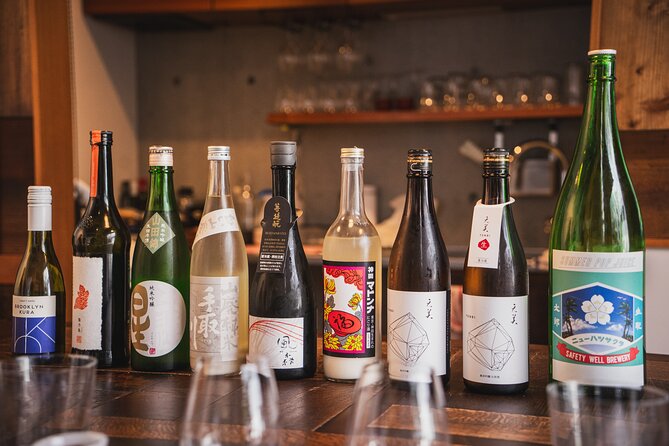
This suits you if you want a clear introduction to sake without studying labels beforehand. It also works well for people who want to understand why they like a certain bottle and how to find similar styles.
It is a good rainy-day or evening plan because the activity is indoors, lasts about two hours, and returns you to the meeting point. It can also fit neatly between other central Tokyo plans, provided you leave enough time to arrive without rushing.
The experience is especially useful for:
- First-time sake drinkers who want an easy starting point
- Visitors who prefer small groups to large tours
- Couples or friends with different sake preferences
- People interested in food pairing and serving temperature
- Anyone who wants English, Japanese, or Chinese guidance
- Sake fans looking for Japan-exclusive bottles
You may want something else if you do not drink alcohol, have an alcohol allergy, want a full dinner, or dislike guided tastings. The session is built around alcohol education, not sightseeing or transportation.
How to prepare for the two hours
Eat before you arrive. The small bites are helpful, but they are not a meal, and the free-flowing format can catch you off guard if you start hungry.
Arrive ready to taste rather than to chase a favorite label. The value comes from comparison, so pay attention to your own reactions. Notice which sake feels dry, sweet, light, full, floral, savory, or warm at different temperatures.
You do not need prior sake experience. The guides are there to explain brewing types, flavor profiles, pairings, and serving choices. Ask what suits your palate best, especially if you want recommendations for sake bars or restaurants later in your trip.
Cancellation is free up to 24 hours before the start time for a full refund. Changes or cancellations inside that window are not accepted for a refund, so keep the local Tokyo time in mind when making plans.
Should you book Sake Omakase in Tokyo?
I would book this if you want more than a quick sake flight. The strongest features are the six-person limit, the seven Japan-exclusive selections, the four different tasting ideas, and the friendly multilingual instruction from sommeliers including Eric, Aaron, Frank, and Phillip.
The only real caution is the alcohol load and the lack of a full meal. Eat first, pace yourself, and use the refills for comparison rather than quantity. For a visitor who wants to leave Tokyo with a clearer sense of what sake they actually enjoy, this is a focused and worthwhile two hours.
FAQ
Where does the sake tasting take place?
It takes place at Linden House, 1-chōme-9-9 Kanda Ogawamachi, Chiyoda City, Tokyo 101-0052, Japan.
How long does the experience last?
The tasting lasts approximately two hours.
How many people can join the tasting?
The activity has a maximum of six participants.
How many sakes are included?
Seven sommelier-selected, Japan-exclusive sake varieties are included.
Are refills included?
Yes. The sake is served with unlimited refills during the four themed courses.
What food is provided?
Small bites are served with each course, including pickles, cheeses, cured meats, and dessert.
What languages do the sommeliers speak?
The sommeliers guide the tasting in English, Japanese, and Chinese.
Is transportation included?
No. Transportation to and from the meeting point is not included, and there is no hotel pickup or drop-off.
What is the cancellation policy?
You can cancel at least 24 hours before the start time for a full refund. Cancellations or changes made less than 24 hours before the start time are not accepted for a refund.
More Tokyo food tours
- Tokyo: Shinjuku Food Tour (13 Dishes at 4 Local Eateries)
★ 5.0 · 6,603 reviews - Tokyo Tsukiji Fish Market Food and Culture Walking Tour
★ 5.0 · 3,184 reviews - Tokyo: Shinjuku Food Tour (15 Dishes and 4 Eateries)
★ 4.9 · 2,033 reviews - Tokyo: Tsukiji Fish Market Food and Walking tour
★ 5.0 · 1,724 reviews
More Tokyo drink tastings and bars
- Tokyo Bar Hopping Tour in Shinjuku (All-You-Can-Drink + Dinner)
★ 5.0 · 3,587 reviews - Best of Shinjuku: Izakaya Food Tour (4 Stops, 14+ Tastings)
★ 5.0 · 1,863 reviews - Tokyo: Shinjuku Local Bar and Izakaya Guided Walking Tour
★ 4.9 · 1,794 reviews - Shibuya Meltdown Nightlife Tour: All-You-Can-Drink Bar Hopping
★ 5.0 · 1,058 reviews
Newly reviewed around Tokyo
- Tokyo Asakusa:Calligraphy & Make T-shirt Activity★ 5.0 · 62 reviews
- Intercity Shuttle, Tokyo to Haneda /Narita /Yokohama /Makuhari★ 5.0 · 5 reviews
- 1 Hour Travel around Tokyo with a Professional Photographer★ 5.0 · 3 reviews
- Travel Tokyo with Your Own Personal Photographer★ 5.0 · 43 reviews
- Train in Samurai Swordsmanship and Defeat the Demon in Tokyo★ 5.0 · 5 reviews
- Shuttle Van 6hr Tokyo Tour to-and-from Tokyo, Yokohama and Narita★ 5.0 · 9 reviews
- Kickboxing & Body Training with EX-Pro Fighter★ 5.0 · 4 reviews
- Tokyo History: Sensoji Temple & Asakusa District Private Tour★ 5.0 · 28 reviews
Tokyo Sake Tastings, compared.
Ramen and Sushi Cooking Class with Sake Pairing Set in Tokyo
Read our review →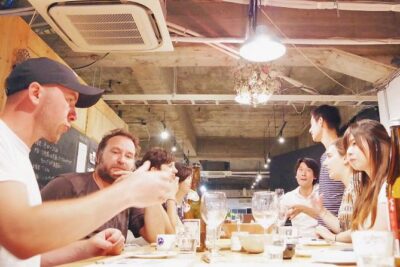
Sake Tasting Masterclass in Shinjuku (8+ Varieties with a Pro)
Read our review →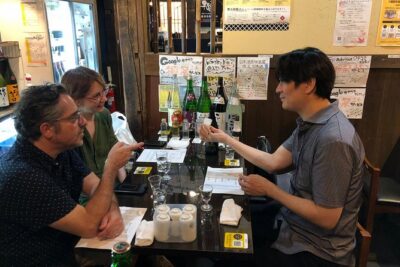
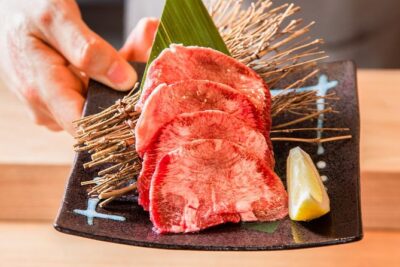
Wagyu & Sake Pairing in Shinjuku – Steak, Shabu-Shabu & More
Read our review →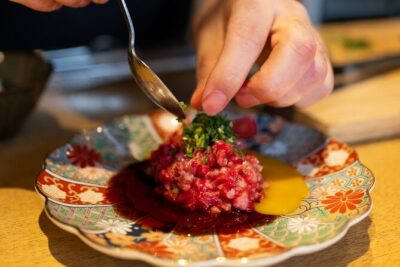
Tokyo Wagyu & Sake Pairing Tasting Experience with Local Flavors
Read our review →
Sushi and Ramen Cooking Class with Sake Pairing Set
Read our review →
Tsukiji: Outer Market Walking Tour & Sake Tasting Experience
Read our review →
Cozy Tokyo Class: Ramen, Sushi, Sake Pairing & Cultural Exchange
Read our review →Browse the lists this tour appears in