
Reviewed · TOKYO SAMURAI AND NINJA EXPERIENCES
Samurai Experience in Tokyo / SAMURAI’ve
A metal katana, a samurai costume, and a short sword-fighting sequence make this more than a photo stop. At SAMURAI’ve in Sendagaya, professional performers teach you how to draw the sword, hold it, move with it, and show the respect built into samurai etiquette.
I like the hands-on format, and I like that the class ends with a proper photo session rather than a rushed snapshot. The instructors use humor and patience, and Master Shin has been especially praised for making the activity work well for families and young teenagers.
The main catch is timing. The class lasts about an hour, and the start time must be checked carefully because the booking information can be easy to misunderstand. Arrive late and you may miss the whole session.
Key points at a glance
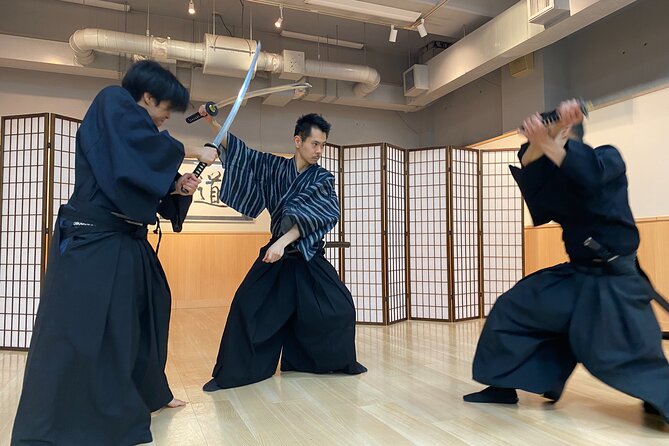
- You wear a full samurai-style costume: The session begins with a kimono and dressing guidance, so your photos feel part of the activity rather than an afterthought.
- The sword is metal but not sharp: You handle a substantial practice katana, not a toy, while learning controlled movements.
- Samurai manners come before swordplay: Respect, posture, and etiquette are part of the lesson.
- Professional performers lead the class: Instructors bring stage experience and know how to keep the group moving.
- The class is short and social: The one-hour group format suits families, couples, and first-time visitors who want a focused cultural activity.
- A performance can be added: You may arrange a samurai show by the instructors for an extra charge.
What happens inside the Sendagaya samurai class
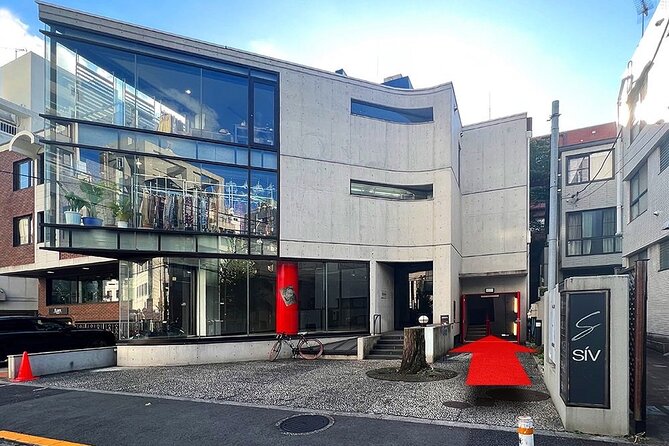
The experience takes place at SAMURAI’ve in Sendagaya, Tokyo, in the basement of the Shibata Building at 3-3-12 Sendagaya, Shibuya. It is near public transportation, and the activity begins and ends at the same meeting point.
You have two listed session times: 10:30 to 11:30 in the morning and 3:00 to 4:00 in the afternoon. Pick the time that fits your sightseeing plans, but check it closely when booking. One customer missed the experience after a calendar entry showed noon instead of the actual start time. This is the sort of small booking error that can spoil an otherwise simple activity.
The class can include up to 19 people. That is a fairly large group for a one-hour lesson, but the format is built for shared instruction, demonstrations, and photographs. You will not receive a private sword lesson. If you want individual coaching throughout, this group activity may feel limited. If you enjoy meeting other people and learning together, the group setting should work well.
More Tokyo samurai and ninja experiences:
- Tokyo: Samurai Ninja Museum Guided tour and Experience
★ 4.6 · 1,010 reviews - Tokyo: Samurai Sword & Archery Class from Samurai Descendant
★ 5.0 · 603 reviews - Best Samurai Experience in Tokyo
★ 5.0 · 458 reviews
First step: putting on the samurai costume
The session starts with kitsuke, the process of putting on the costume. You wear a samurai-style kimono and receive guidance on how it is arranged. This matters because the clothing changes the way you stand and move. It also gives the photo session more weight than simply holding a sword in your everyday clothes.
The costume is included in the price, as is the metal practice katana. The clothing has been described as clean, and the studio itself as neat. That may sound like a small point, but it matters when you are changing into a costume and spending the next hour handling equipment.
Allow yourself enough time to arrive before the listed start. The costume stage is part of the scheduled hour, not a separate warm-up period. If you arrive late, you may lose the chance to get dressed properly and follow the full lesson.
Samurai etiquette before sword movements
Next comes reigi sahou, the basics of samurai etiquette and manners. This section gives the class some cultural shape. You are not simply being handed a sword and asked to copy a dramatic pose. You first learn that conduct, control, and respect are part of the samurai image.
The etiquette lesson also helps explain why the sword movements are deliberate. The session is not presented as wild stage combat. You are taught how to carry yourself, how to handle the sword, and how to perform movements with care.
I especially like this order. Costumes and sword photos are easy to sell, but manners make the experience feel more considered. The class remains light and approachable, yet it gives you a small window into the discipline associated with samurai performance.
Learning the basic katana movements
The basic lesson introduces sword-fighting movements step by step. You learn how to draw the sword and practice fundamental actions before putting them together. The katana is metal and heavy enough to feel substantial, though it is not sharp along the edge.
That weight changes the activity. This is not a plastic prop that you can wave around without thought. You need to keep control of your arms and follow the instructor’s pace. The class therefore has a real physical component, although the supplied information does not describe it as strenuous exercise.
The instructors are professional samurai performers who appear in shows and events. That background is useful here because they know how to demonstrate movement clearly and make it look dramatic without turning the lesson into a dangerous free-for-all. Master Shin has been singled out for balancing humor with safety, especially with young teens.
You should expect instruction suited to beginners. The session teaches basic moves rather than advanced swordsmanship. If you already study martial arts, you may find the lesson introductory. For a first taste of samurai movement in Tokyo, the simple structure makes sense.
A completely different kind of day in Tokyo:
- Mt Fuji and Hakone 1-Day Bus Tour Return by Bullet Train
★ 5.0 · 26,383 reviews - 1-Day Tokyo Bus Tour
★ 5.0 · 14,250 reviews - Tokyo: teamLab Planets TOKYO Digital Art Museum Entry Ticket
★ 4.6 · 9,779 reviews - Mt Fuji & Hakone Cruise, Drum Show Bullet Train 1 Day from Tokyo
★ 4.0 · 7,413 reviews
Tachimawari: putting the lesson together
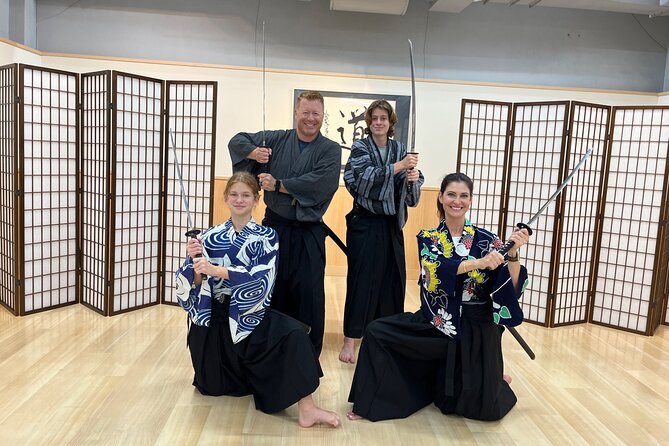
The tachimawari section is where the class becomes most active. You use what you have learned to perform samurai sword fighting first-hand. Near the end, you combine the movements into a sequence.
This final routine is the part most likely to make the hour feel worthwhile. You are no longer only copying isolated motions. You are trying to remember posture, timing, sword position, and the order of the actions while performing in costume.
The activity remains controlled. The sword is a metal fake sword, and the class is led by trained performers. Still, you should listen closely and avoid treating the katana as a prop for unsupervised play. The weight and shape require attention.
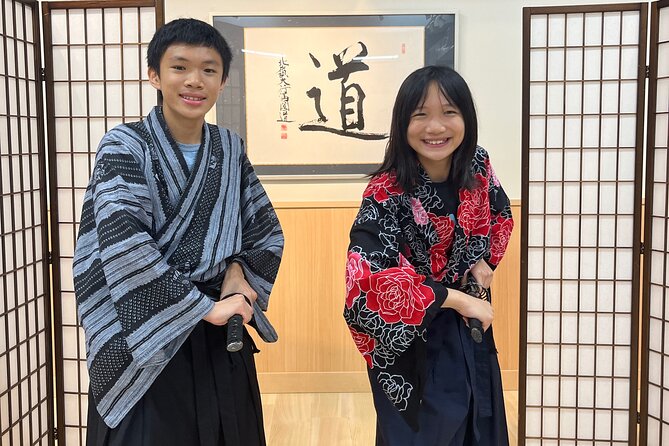
Families seem particularly well suited to this section. A 10-year-old and a 14-year-old were able to take part with their family, and the instruction was described as fun and manageable. The class also suits couples, friends, and solo visitors who do not mind joining a group.
The photo session is part of the value
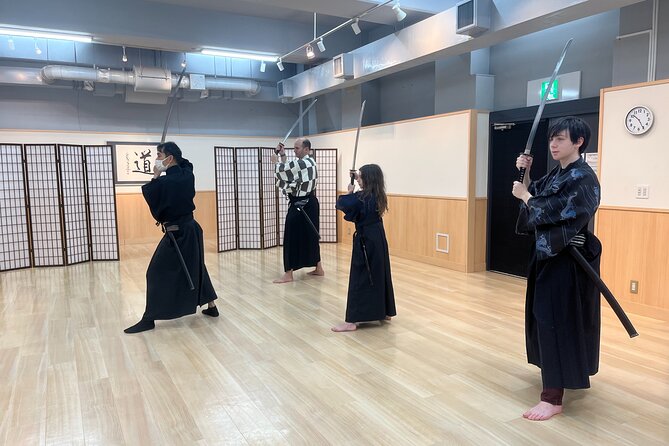
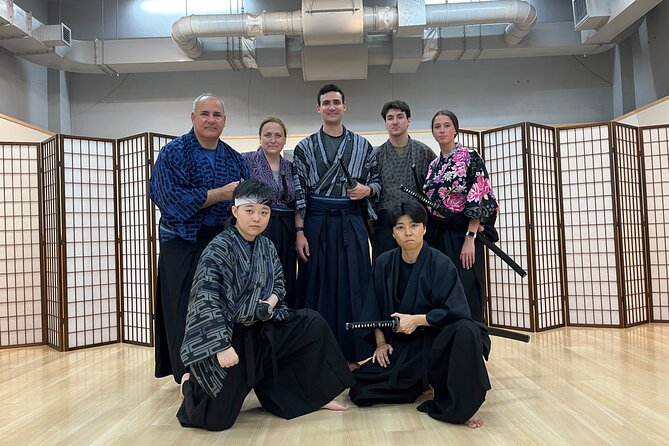
The final photo shoot gives you time to preserve the costume and sword experience. An assistant takes many pictures, so you are not limited to one hurried phone image taken by another participant.
This is one of the strongest practical features of the activity. A short cultural class can blur together with the rest of a busy Tokyo trip. The photographs give you a clear record of what you did, and the costume makes the pictures distinctive.
Do not expect a full professional portrait package unless that is separately stated. The information promises a photo shoot and assistance with pictures, not edited studio portraits or a large set of printed photographs. Think of it as a guided opportunity to get good personal photos during the activity.
The photo session also gives the class a natural ending. You finish with a visual result after learning the etiquette and sword sequence, rather than simply changing clothes and leaving.
Who teaches the experience
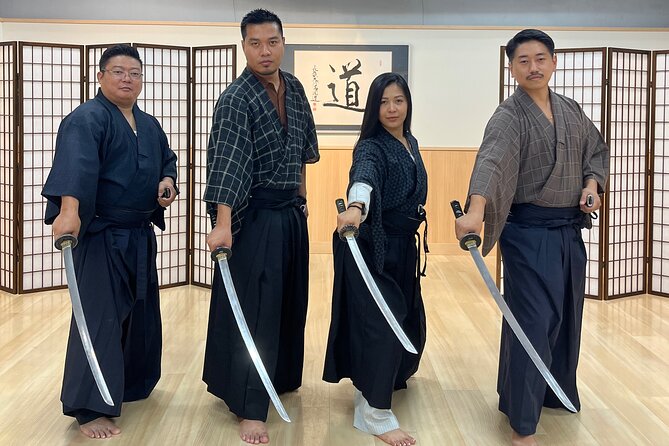
All instructors in the program are professional samurai performers. Their work in shows and events shapes the tone of the class. You get instruction from people used to presenting sword movement in front of an audience, not only from someone demonstrating a private hobby.
Master Shin is the named instructor associated with the strongest family-focused praise. His approach has been described as experienced, talented, patient, and funny with young teens. Other instructors are also described as friendly and professional.
That said, the exact instructor is not guaranteed in the information provided. You may meet Master Shin, or another member of the performance team. The important point is that the teaching staff comes from a performance background and has experience making the activity safe and entertaining.
The instructors also leave room for questions. This is useful if you want more than a set routine. Ask about the etiquette, the sword movements, or the way samurai are presented in performance. The one-hour schedule limits how far the discussion can go, but it gives you a chance to connect the movements with the wider tradition.
Adding a samurai performance
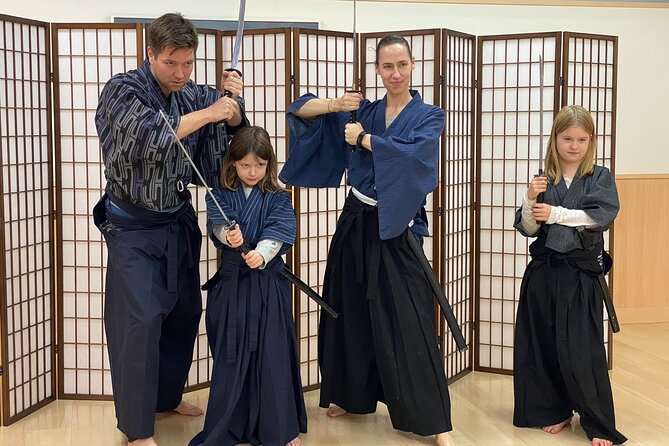
You can arrange a samurai performance by the instructors during the program. This costs extra and is not part of the standard $71.85 admission.
The add-on may suit you if you want a more theatrical show or are marking a special occasion. It could also help family members who prefer watching to taking part. Before paying more, consider how much time you want to spend on instruction. The standard experience is only about an hour, so an added performance may change the balance between doing and watching.
The basic class already includes professional performers, costume, sword instruction, and photographs. I would treat the show as an optional extra rather than a necessary part of the experience. Ask for the additional price and exact performance details before committing, since those details are not included here.
Is $71.85 a fair Tokyo activity price?
At $71.85 per person, this is not a cheap casual photo opportunity. The value comes from the complete package: costume use, a metal practice katana, instruction in etiquette and sword movements, a group sequence, and a photo session.
For an hour-long activity, the price will feel fairer if you care about the teaching and the photographs. If you only want to put on a kimono for five minutes, you can likely find simpler costume-photo options. If you want a structured experience led by professional performers, the price is easier to justify.
Group discounts are available, which may improve the cost for families or larger parties. The class can include up to 19 people, so the per-person price does not buy private attention. You are paying for access to the program and instructors rather than a one-to-one lesson.
The experience is also easy to fit into a Tokyo itinerary. A morning session leaves most of the day open, while the 3:00 p.m. option can follow sightseeing. Since the activity returns you to the meeting point, you do not need to arrange a separate end location.
Practical points before you book
The activity is near public transportation, but no specific station or walking time is supplied. Use the full address and allow time to find the building and basement room. Tokyo addresses can take a moment to match with the right entrance, so arriving at the last minute is a poor plan.
Confirmation is provided at booking. Check the confirmation for the exact date and start time, and do not rely only on an automatic calendar entry. The experience has two scheduled time slots, and the incorrect noon calendar setting caused one person to miss the class.
Most people can participate, according to the activity information. The group is capped at 19, and no special fitness requirement is given. Still, you will be standing, dressing in a costume, holding a metal sword, and following basic movement instructions. If you have concerns about those activities, contact the provider before booking.
Free cancellation is available if you cancel at least 24 hours before the local start time. Cancellations or changes inside that window are not accepted for a refund. This gives you some flexibility, but it does not protect against a last-minute missed start.
Who will enjoy SAMURAI’ve most
I would recommend this class to families with school-age children and teenagers, especially if your group wants an activity everyone can do together. The mix of costume, simple instruction, safe sword practice, and photos gives different ages something to enjoy.
It also fits couples and friends looking for a cultural activity with a playful side. You do not need previous martial arts experience. The instructors teach the basic movements, and the group format removes some of the pressure of performing alone.
Solo visitors can join as well, especially if they enjoy meeting people during organized activities. You should be comfortable taking part in front of others, since the lesson and final sequence are shared experiences.
I would be more cautious about booking if you want an in-depth study of Japanese swordsmanship. This is a one-hour introduction with a performance element, not a long martial arts course. It is also not the best choice if you dislike costumes, group instruction, or fixed start times.
Should you book this samurai experience?
Book it if you want to do something in Tokyo, not only look at something. You will dress as a samurai, learn the manners behind the role, handle a metal practice katana, perform a short sequence, and leave with photographs.
The strongest reasons to choose it are the patient instructors, the professional performance background, and the way the activity works for families. Master Shin’s friendly teaching style has been particularly well suited to young visitors, while the photo session gives the hour a lasting result.
Skip it if you are seeking private instruction, advanced sword technique, or a long historical lecture. Also check the start time twice, arrive early, and remember that the optional performance costs extra. With those limits in mind, SAMURAI’ve offers a lively and fairly focused cultural activity at a sensible price for anyone who wants a hands-on Tokyo memory.
FAQ
How long does the samurai experience last?
The activity lasts approximately one hour. The listed sessions run from 10:30 a.m. to 11:30 a.m. and from 3:00 p.m. to 4:00 p.m.
Where does the activity take place?
It takes place at SAMURAI EXPERIENCE in Tokyo, also called SAMURAI’ve, at 3-3-12 Sendagaya, Shibuya, Tokyo 151-0051, in the basement of the Shibata Building.
What is included in the price?
The experience includes samurai costumes and a metal fake katana for the class.
Is the sword sharp?
No. The included katana is a metal fake sword and is not sharp along the edge. It is still described as heavy, so you should follow the instructor’s handling directions.
Can children take part?
The activity information says most people can participate. A 10-year-old and a 14-year-old took part in a family session, but no specific minimum age is provided.
Is a samurai performance included?
No. You can arrange a performance by the instructors, but it requires an additional fee.
Can I cancel for a refund?
You can cancel for a full refund up to 24 hours before the local start time. Cancellations or changes made less than 24 hours before the experience are not accepted for a refund.
Newly reviewed around Tokyo
- Tokyo Asakusa:Calligraphy & Make T-shirt Activity★ 5.0 · 62 reviews
- Intercity Shuttle, Tokyo to Haneda /Narita /Yokohama /Makuhari★ 5.0 · 5 reviews
- 1 Hour Travel around Tokyo with a Professional Photographer★ 5.0 · 3 reviews
- Travel Tokyo with Your Own Personal Photographer★ 5.0 · 43 reviews
- Train in Samurai Swordsmanship and Defeat the Demon in Tokyo★ 5.0 · 5 reviews
- Shuttle Van 6hr Tokyo Tour to-and-from Tokyo, Yokohama and Narita★ 5.0 · 9 reviews
- Kickboxing & Body Training with EX-Pro Fighter★ 5.0 · 4 reviews
- Traditional Japanese Knife Sharpening Class★ 5.0 · 18 reviews
Tokyo Samurai and Ninja Experiences, compared.
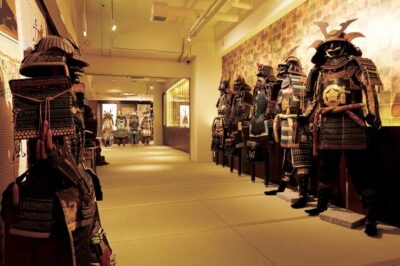
Samurai Ninja Museum Guided tour and Experience
Read our review →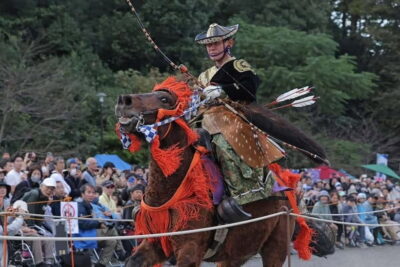
Samurai Sword & Archery Class from Samurai Descendant
Read our review →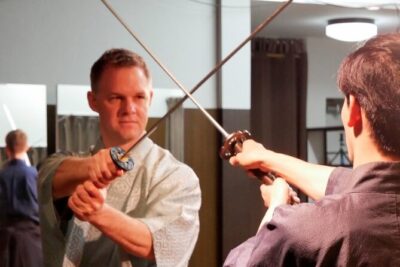
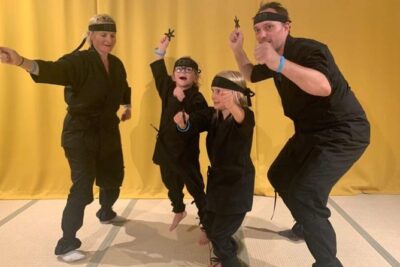
Ninja Experience (Family Friendly) at Samurai Ninja Museum TOKYO
Read our review →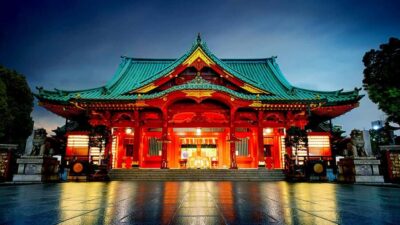
Samurai Entertainment Night Show in Kanda Shrine
Read our review →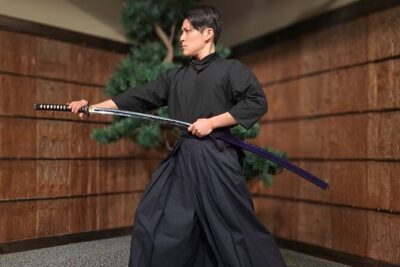
Tokyo Sword Experience – includes Museum Ticket/Ninja Experience
Read our review →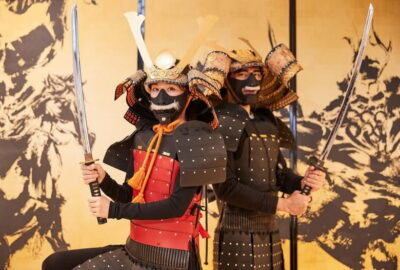
Samurai Ninja Museum Asakusa: Samurai Sword Lesson & Tour
Read our review →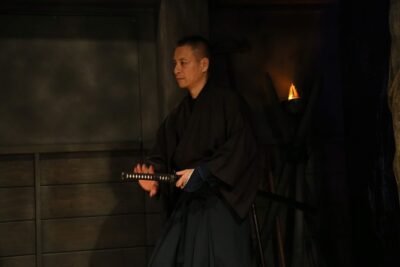
Ninja Samurai 2-hour hands-on lesson by Japanese master in Tokyo
Read our review →Browse the lists this tour appears in