
Reviewed · TOKYO SAMURAI AND NINJA EXPERIENCES
Samurai Experience Mugai Ryu Iaido in Tokyo
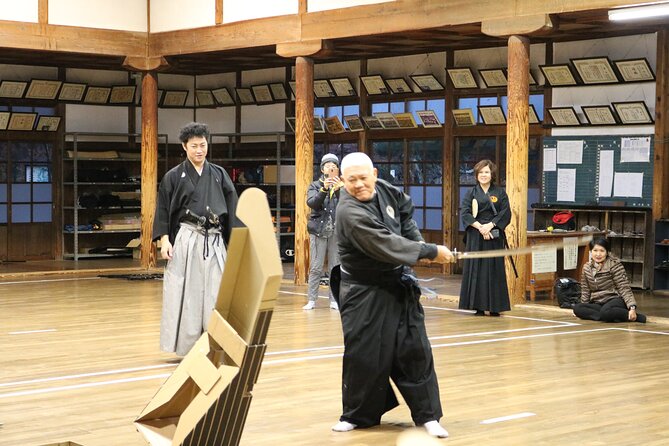
The heart of this Tokyo experience is a rare chance to study Mugai-ryu Iaido with Master Takeda Hougyoku, head of the International Iaido Organization Hougyoku-kai. In one compact hour, you change into hakama, learn how to draw and sheath a sword, practice basic movements, and watch a formal Iaido demonstration.
I like the small maximum group of eight, since it gives Master Takeda and the English-speaking instructor room to correct your movements and answer questions. I also like the clear focus on tradition: this is not a staged sword show, but a short lesson tied to a 340-year-old school of Japanese swordsmanship.
The main drawback is the short format. You will get a vivid introduction, not years of training packed into one session, and the listed price of $151.92 is high for 60 minutes. Still, the personal instruction, clothing rental, sword rental, and access to the master make it more than a simple photo stop.
Key points at a glance
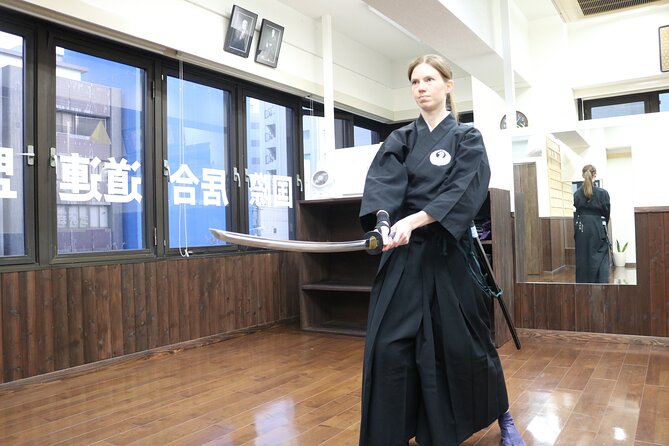
- A 340-year Mugai-ryu tradition: Master Takeda carries on the Mugai-ryu style through ancient scrolls and formal Iaido practice.
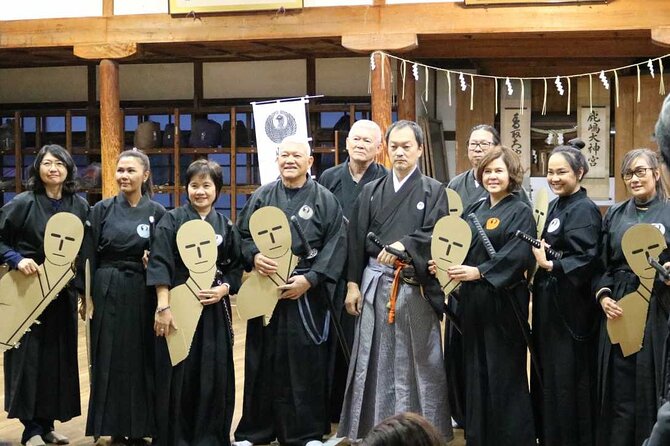
- A very small group: The activity accepts no more than eight people, so you are not lost in a large demonstration.
- Safe mock katanas: You learn sword handling with imitation Japanese swords rather than live blades.
- Hakama included: You change into traditional samurai clothing before beginning the lesson.
- A hands-on 60-minute lesson: You learn basic sword movements, drawing, sheathing, and the flow of Iaido.
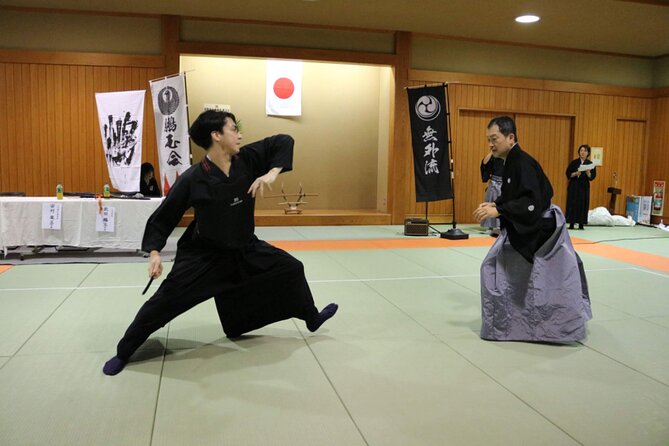
- A real kata demonstration: The session ends with formal Mugai-ryu patterns performed by the master.
Meeting the Mugai-ryu tradition in Kuramae
The experience begins at 4-chōme-20-10 Kuramae in Taito City, an area served by public transportation. You arrange your own way there, since hotel and attraction pickup are not included. I would allow extra time to find the exact entrance, especially if you are navigating Tokyo’s streets with a phone map.
Kuramae gives this activity a useful setting. You are not being taken to a theme park or a theatrical stage built for visitors. You arrive at a meeting point in Tokyo and enter a focused lesson where the art itself is the main event.
The session is led by Master Takeda Hougyoku, head of the International Iaido Organization Hougyoku-kai. He is described as the heir to ancient scrolls connected with the Mugai-ryu masters, and the experience presents the style as a living martial art rather than a costume performance.
That distinction matters. Samurai imagery is everywhere in Japan, but much of it is designed for quick photos. Here, the clothing and sword are used to help you understand the posture, discipline, and sequence behind Iaido. You still get photographs, but they come after learning what the movements mean.
More Tokyo samurai and ninja experiences:
- Tokyo: Samurai Ninja Museum Guided tour and Experience
★ 4.6 · 1,010 reviews - Tokyo: Samurai Sword & Archery Class from Samurai Descendant
★ 5.0 · 603 reviews - Best Samurai Experience in Tokyo
★ 5.0 · 458 reviews
Changing into hakama before the lesson
Your first step is changing into rented hakama, the pleated trousers associated with Japanese martial arts and formal wear. The clothing is included in the price, so you do not need to bring or rent a costume separately.
This part may sound like a small extra, but it changes the feel of the activity. Once you are dressed, you are not simply holding a souvenir sword for a picture. You are preparing for a structured lesson, and the clothing helps set the tone.
Do not expect a long costume session. The full activity lasts about an hour, so the change is part of a tightly planned schedule. If you need extra time with clothing or have concerns about movement, keep that in mind before booking.
The hakama also creates one of the strongest photo opportunities. You can take pictures during the experience, and the traditional clothing gives those photographs more meaning than a standard rental costume pose. Ask about photographs at an appropriate point, since the lesson itself requires attention and safe handling.
Learning what Iaido actually involves
After changing, Master Takeda and the instructor explain what Iaido is and outline the order of the session. This introduction is important because Iaido is not simply sword fighting. It is a formal practice built around controlled movements, posture, drawing the sword, and returning it to its sheath.
You are shown how to hold the mock katana and how to move it safely. The instruction includes the basic flow of drawing and sheathing, along with simple patterns that help you understand how a complete movement fits together.
I like this step because it gives you a framework before you begin. Without it, the sword handling could become a string of disconnected gestures. With it, you can see why the position of your hands, body, and feet matters.
The English-speaking instructor helps make the introduction practical. The available information does not give the instructor’s name, but the teaching team includes Master Takeda and an English-speaking assistant. That makes the session suitable for visitors who do not speak Japanese.
You should still expect an introduction rather than a full language course. The lesson is short, and the art uses movements that require watching closely. Listen to the explanation, then pay attention to demonstrations and corrections.
Handling a mock katana safely
The swords used for the lesson are imitation katanas. That is a major practical point, especially if you are nervous about handling a Japanese sword for the first time.
You learn where to place your hands, how to hold the sword, how to draw it, and how to return it to the sheath. Even with a mock weapon, the instructor treats the movements seriously. That is part of the appeal. You are not waving a prop around for effect, but following a controlled sequence.
The safety focus makes this activity suitable for many first-time participants. Most people can take part, and the group size is limited to eight. The description does not list a minimum age, physical requirements, or special accommodations, so you should ask the provider directly if those details matter to you.
The one-hour length also helps. You are not committed to a full day of martial arts instruction, and you do not need prior sword experience. Beginners can get a clear taste of the discipline without preparing for a demanding training session.
A completely different kind of day in Tokyo:
- Mt Fuji and Hakone 1-Day Bus Tour Return by Bullet Train
★ 5.0 · 26,383 reviews - 1-Day Tokyo Bus Tour
★ 5.0 · 14,250 reviews - Tokyo: teamLab Planets TOKYO Digital Art Museum Entry Ticket
★ 4.6 · 9,779 reviews - Mt Fuji & Hakone Cruise, Drum Show Bullet Train 1 Day from Tokyo
★ 4.0 · 7,413 reviews
Trying the basic tameshigiri movement
The itinerary includes an introduction to tameshigiri, described as the practice of using a sword to cut something. Because the experience uses imitation katanas, you should treat this as a guided introduction to the movement and idea rather than assume you will use a sharp blade.
The available details do not specify exactly what you will cut or how the exercise is carried out with the mock swords. That is worth clarifying when you book if tameshigiri is the main reason you are interested.
Even so, its place in the lesson is useful. It shows that Mugai-ryu is not only about appearance or ceremonial poses. The style is presented as practical martial arts, with movements designed around control, timing, and a clear action.
This is also where careful attention matters most. Follow the instructor’s directions, keep the sword pointed as instructed, and resist the urge to improvise for a better photograph. The point is to learn the form, not to create a dramatic sword scene.
Watching formal Iaido kata
The final highlight is a demonstration of Iaido kata. Kata are predetermined patterns of attack, and the demonstration lets you see the finished form after you have tried the basic movements yourself.
This order works well. First, you learn the vocabulary of the activity. Then you see an expert use that vocabulary in a complete sequence. Movements that seemed simple during the introduction take on more force when joined together with speed, balance, and precision.
Master Takeda’s demonstration is likely to be the most memorable part for many people. The description identifies him as a master entrusted with carrying on the 340-year-old Mugai-ryu spirit, so his performance gives the short session a direct link to the school’s lineage.
You will not become proficient in Iaido after one hour. That is not the promise here. The value is seeing how the individual actions connect and gaining a better understanding of the discipline behind Japanese sword traditions.
What the $151.92 price includes
At $151.92 per person, this is an expensive one-hour activity. You are paying more than you would for a general cultural demonstration, but the package includes hakama rental, an English-speaking instructor, and Japanese sword rental.
The small group also changes the value calculation. With a maximum of eight people, you have a better chance of receiving direct attention than you would in a large stage show. The experience is designed around participation, not just watching someone else perform.
The presence of Master Takeda adds another reason for the price. You are not simply being placed in samurai clothing and handed a prop. The lesson is connected to a recognized Mugai-ryu organization and a stated 340-year tradition.
Still, I would not recommend it to someone who wants a long martial arts class or a budget-friendly cultural activity. At roughly one hour, this works best as a special Tokyo experience for someone willing to pay for personal access, traditional clothing, and a focused lesson.
Who will get the most from this experience
This activity suits first-time Tokyo visitors who want an organized introduction to Japanese culture beyond temples, shopping, and food. It also works well for repeat visitors who have already seen the major sights and want something more hands-on.
It is a good match for anyone interested in martial arts, Japanese history, photography, or traditional clothing. You do not need prior Iaido experience, and the activity is designed to explain the basics before asking you to perform them.
Families and mixed groups should check the age and participation details before booking. The information says most people can participate, but it does not give specific rules for children or guests with mobility concerns.
The experience may be less satisfying if you want a long, relaxed cultural visit. The hour moves quickly, and the format is lesson first, photographs second. You should arrive ready to listen and follow instructions.
Timing, transport, and cancellation details
The activity begins and ends at the Kuramae meeting point. There is no hotel pickup or drop-off at tourist attractions, so plan your route before the day of the session. The location is near public transportation, which makes it practical to reach from other parts of Tokyo.
Confirmation is sent within 48 hours of booking, subject to availability. Since the activity averages nine days of advance booking, I would not leave it until the last part of your trip if meeting Master Takeda is important to you.
You can cancel for a full refund if you do so at least 24 hours before the start time. Changes or cancellations made within 24 hours are not accepted for a refund, and the cutoff follows local Tokyo time.
The mobile ticket is convenient. Keep it accessible on your phone, and make sure the meeting address is saved before leaving your hotel.
Is the Mugai-ryu Iaido lesson worth booking?
I would book this if you want a compact, personal introduction to a serious Japanese martial art and value direct instruction more than a low price. The strongest reasons are the maximum group of eight, the chance to learn from Master Takeda Hougyoku, the included hakama, and the final kata demonstration.
I would skip it if you want a full-length training course, a cheap activity, or a sword show with extended entertainment. The session is only 60 minutes, and the details about the tameshigiri portion are limited.
For the right person, this is a memorable way to see a less familiar side of Tokyo. You handle a mock katana, learn the logic behind basic Iaido movements, wear traditional clothing, and watch a master continue a 340-year-old style. That is a focused experience, not a generic samurai photo stop.
FAQ
Where does the Samurai Experience Mugai Ryu Iaido activity begin?
It begins at 4-chōme-20-10 Kuramae, Taito City, Tokyo 111-0051, Japan.
Where does the activity end?
The activity ends back at the meeting point.
How long does the Iaido experience last?
The lesson lasts approximately 60 minutes.
What is included in the price?
The price includes rental hakama, an English-speaking instructor, and Japanese sword rental.
Are the swords real?
The experience uses imitation katanas, also described as mock Japanese swords.
Who teaches the experience?
Master Takeda Hougyoku leads the experience, with help from an English-speaking instructor. Master Takeda is head of the International Iaido Organization Hougyoku-kai.
How many people can join the activity?
The group has a maximum of eight participants.
Do I need previous martial arts experience?
No previous experience is stated as a requirement. The lesson explains the basics of Iaido and safe sword handling, and most people can participate.
Is hotel pickup included?
No. Hotel pickup and drop-off are not included, and pickup from tourist attractions is also not included.
Can I cancel for a full refund?
Yes. You can receive a full refund if you cancel at least 24 hours before the experience start time. Cancellations or changes made less than 24 hours before the start time are not refunded.
Newly reviewed around Tokyo
- Tokyo Asakusa:Calligraphy & Make T-shirt Activity★ 5.0 · 62 reviews
- Intercity Shuttle, Tokyo to Haneda /Narita /Yokohama /Makuhari★ 5.0 · 5 reviews
- 1 Hour Travel around Tokyo with a Professional Photographer★ 5.0 · 3 reviews
- Travel Tokyo with Your Own Personal Photographer★ 5.0 · 43 reviews
- Train in Samurai Swordsmanship and Defeat the Demon in Tokyo★ 5.0 · 5 reviews
- Shuttle Van 6hr Tokyo Tour to-and-from Tokyo, Yokohama and Narita★ 5.0 · 9 reviews
- Kickboxing & Body Training with EX-Pro Fighter★ 5.0 · 4 reviews
- Traditional Japanese Knife Sharpening Class★ 5.0 · 18 reviews
Tokyo Samurai and Ninja Experiences, compared.
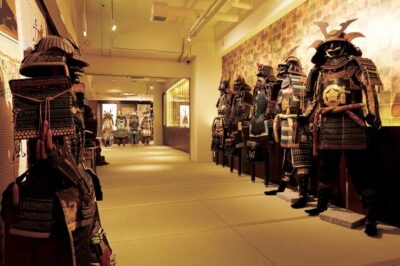
Samurai Ninja Museum Guided tour and Experience
Read our review →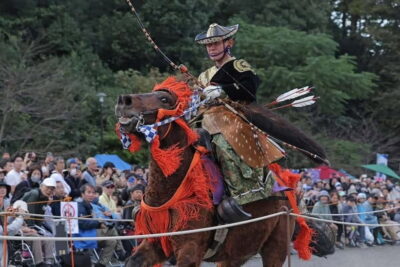
Samurai Sword & Archery Class from Samurai Descendant
Read our review →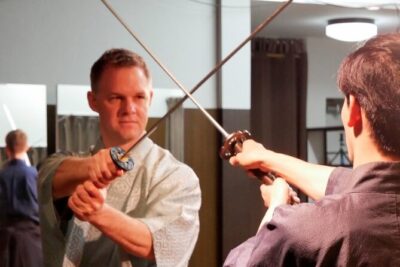

Ninja Experience (Family Friendly) at Samurai Ninja Museum TOKYO
Read our review →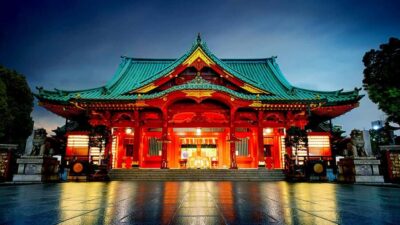
Samurai Entertainment Night Show in Kanda Shrine
Read our review →
Tokyo Sword Experience – includes Museum Ticket/Ninja Experience
Read our review →
Samurai Ninja Museum Asakusa: Samurai Sword Lesson & Tour
Read our review →
Ninja Samurai 2-hour hands-on lesson by Japanese master in Tokyo
Read our review →Browse the lists this tour appears in