
Reviewed · TOKYO RAMEN TOURS AND CLASSES
Cozy Tokyo Class: Ramen, Sushi, Sake Pairing & Cultural Exchange
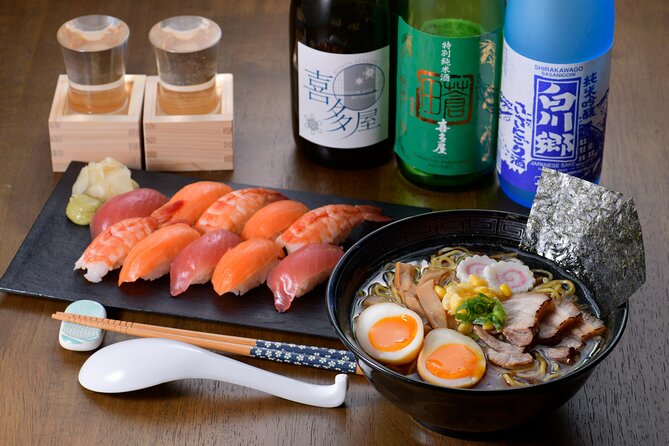
The best part of this Tokyo class is the chance to cook two Japanese favorites from scratch, then sit down and eat what you made. You work with ramen and sushi, with gyoza also listed as an option, while English-friendly hosts explain the food and share bits of Japanese cooking culture.
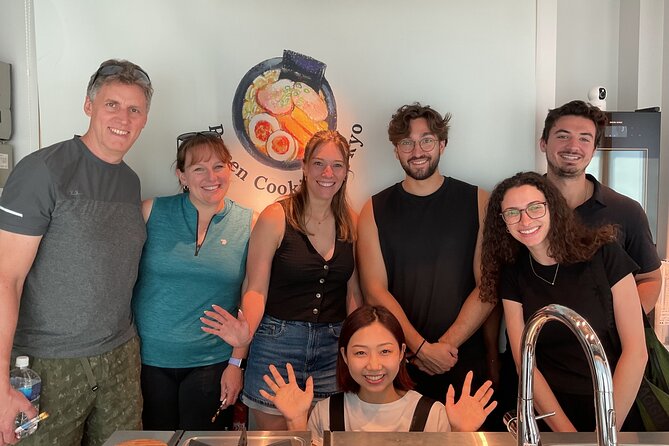
I like the small-group feel, which makes it easier to ask questions and follow each step. I also like the warm social side: Umi, Kou, Komi, Alissa, Risa, and Namiko are among the hosts named for the class, and the experience is built around conversation as much as recipes. The main point to check before booking is group size, since the highlights describe a maximum of four people, while the additional information gives a maximum of eight.
Key points to know before booking
- You make ramen and sushi from scratch, with gyoza listed as an optional dish.
- The class lasts about three hours, giving you time to cook, eat, talk, and ask questions.
- Sake pairings are included, along with Japanese beer and non-alcoholic drinks.
- Recipes are provided, so you can try the dishes again at home.
- The class welcomes beginners, families, couples, and experienced cooks.
- The meeting point is in Tsukuda, Chuo City, at HAUS Tsukishima, near public transportation.
A three-hour food class with a personal feel
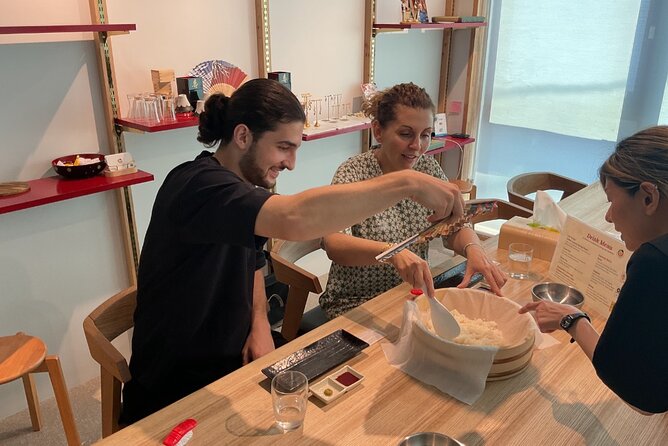
At $79, this is less about watching a chef perform and more about spending an afternoon or evening making lunch or dinner with a small teaching team. You are not simply handed a bowl of ramen and a plate of sushi. You take part in the preparation, hear why the dishes matter, and get a chance to repeat the process later at home.
That distinction matters in Tokyo, where you can eat excellent ramen and sushi almost anywhere. A cooking class earns its keep by showing you something you cannot get from a restaurant table: how the food comes together, what the cook is trying to achieve, and which steps are manageable in your own kitchen.
The class is presented as a cultural exchange, not just a recipe lesson. You can expect conversation with the hosts as you work, along with stories about Japanese food traditions. The tone sounds relaxed and social, which makes this a useful choice if you want an activity that helps you meet people rather than spend another evening sightseeing on your own.
The setting is at Japan, 104-0051 Tokyo, Chuo City, Tsukuda, 2-chōme135 HAUS Tsukishima. The activity returns to the same meeting point. Since the class is near public transportation, you can fit it into a day of exploring Tokyo, though you should allow enough time to find the building and arrive ready to begin.
More Tokyo ramen tours and classes:
- Eat and Drink Like a Local: Tokyo Ueno Food Tour-Taverns&Ramen
★ 5.0 · 957 reviews - Ramen & Gyoza Cooking Class in Tokyo with Local Supermarket Visit
★ 5.0 · 823 reviews - Tokyo: Ramen Tasting Tour with 6 Mini Bowls of Ramen
★ 4.9 · 432 reviews
Meeting the hosts at HAUS Tsukishima
The class begins when you meet the English-friendly Japanese hosts at the Tsukuda address. Names connected with the teaching team include Umi, Kou, Komi, Alissa, Risa, and Namiko. The exact team may vary, but the important point is that the class is designed for communication in English.
A small class changes the whole cooking experience. In a large room, you may spend half the lesson trying to see the instructor’s hands or waiting for help. Here, the advertised highlights describe a cap of four people, while the formal additional information allows up to eight. That is still a manageable maximum, but the difference is worth confirming when you book if the intimate setting is central to your decision.
The small format also suits beginners. You can ask how a step should look, check your technique, and slow down when needed. Experienced home cooks may not learn every basic kitchen skill here, but they can still pick up useful ideas about ramen, sushi preparation, and the way these dishes are organized.
You should expect a hands-on lesson rather than a formal tour of the neighborhood. The value comes from the people in the room and the food on the work surface, not from sightseeing outside the class.
Making ramen and learning the food behind it
Ramen is one of the two main dishes on the schedule. The class teaches you to make it from scratch, although the supplied details do not specify the exact broth style, noodle method, toppings, or preparation sequence. That means you should not book expecting a particular regional ramen recipe unless the provider confirms it beforehand.
What you can expect is a practical introduction to the parts of the dish and the work needed to bring them together. The hosts explain the process at a pace intended for beginners, and the recipes are given to you afterward. That take-home material is important because ramen involves several elements, and remembering every step from a single class can be difficult.
The class also puts ramen in a cultural setting. As you cook, the hosts share stories about Japanese culinary traditions. I like this approach because it turns a familiar dish into a way of understanding everyday food in Japan. You are not just following instructions by habit. You are hearing why certain foods and methods have a place in Japanese cooking.
The final bowl is also part of the lesson. You eat what you prepare, which gives you an immediate way to judge the results. If a texture or flavor surprises you, you can ask about it while the process is still fresh.
Sushi preparation, with gyoza as an option
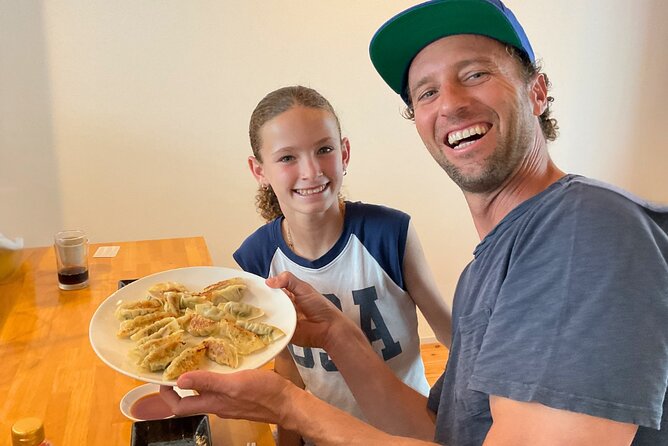
Sushi is the second featured dish. The class description says you will create sushi from scratch, while gyoza is also mentioned as an optional alternative. Because the wording presents both possibilities, I would confirm the exact menu before booking, especially if one dish is the main reason you want to attend.
Sushi can look simple when it arrives neatly arranged at a restaurant. Making it yourself shows how much care goes into handling ingredients and shaping the finished pieces. The class gives you a chance to work through that process with guidance instead of trying to guess at home.
The food is described as using fresh ingredients, and the teaching team focuses on clear instructions. That is useful for beginners who may worry that sushi is too technical. You do not need to arrive with professional knife skills or years of kitchen experience. The class is meant to include first-time cooks as well as people who already cook regularly.
Gyoza gives the experience a different angle. If this option is available for your session, you will have a chance to make a popular Japanese dumpling alongside the ramen and sushi program. Since the details do not say exactly how the menu is chosen, ask the provider in advance if gyoza is a must-have.
More Tokyo sake tastings:
- Ramen and Sushi Cooking Class with Sake Pairing Set in Tokyo
★ 5.0 · 291 reviews - Sake Tasting Masterclass in Shinjuku (8+ Varieties with a Pro)
★ 5.0 · 271 reviews - Sake Omakase in Tokyo: Guided Tasting by Certified Sommeliers
★ 5.0 · 239 reviews - Tasting All Types of Sake with Sommelier
★ 5.0 · 151 reviews
Sake, beer, and a meal at the end
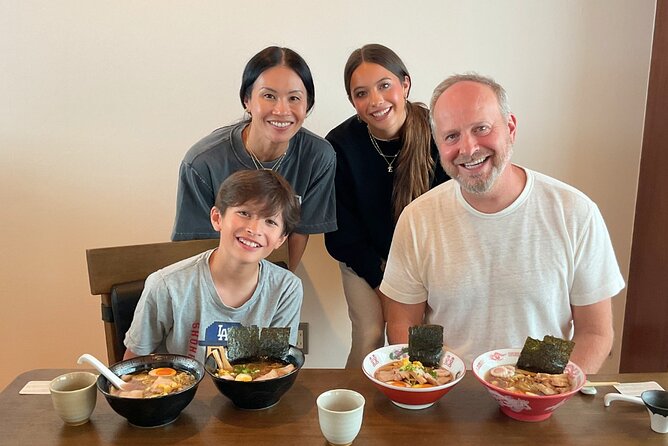
Food classes can feel rushed if everyone cooks and then leaves immediately. This one builds in time to taste the results and enjoy drinks together. Unlimited sake pairings are included, along with Japanese beer and non-alcoholic beverages.
The drink service adds a social element, but it also calls for common sense. If you do not drink alcohol, you can choose a non-alcoholic option. If you do enjoy sake, remember that an unlimited supply can make a three-hour cooking session feel longer than expected, especially after a full day of sightseeing.
The sake is intended to pair with the food rather than replace the cooking lesson. You can ask questions, compare flavors, and talk with the hosts while eating. Several comments about the class specifically praise the generous sake service, friendly atmosphere, and the way the meal becomes a shared occasion.
This part makes the class a good fit for birthdays, honeymoons, couples, and friends on a special trip. It is also suitable for families, with the practical note that any alcohol service should be treated as optional for children and non-drinkers.
Cultural exchange instead of a standard demonstration
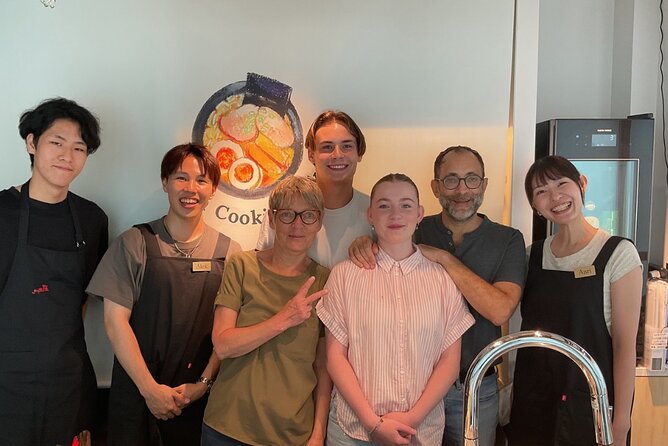
The phrase cultural exchange can sound vague, but here it has a clear meaning: you cook with Japanese hosts, talk with them, and hear about food traditions while working. The conversation is part of the activity, not an extra lecture added at the end.
I especially like that the class seems to leave room for questions. The teaching team is described as warm, funny, caring, and easy to understand. Several instructors are praised for explaining the steps at a good pace and making the process feel comfortable for people who had never made these dishes before.
That human contact is the real reason to choose this experience over a cooking video. You can ask what to do when a piece of sushi does not look right, check the pace of a recipe, or discuss how the food connects to daily life in Japan. The result is more memorable than simply collecting another meal.
Still, expectations matter. This is a friendly cooking class, not a full culinary school course. You may learn enough to repeat the dishes at home, but you should not expect advanced knife training, a detailed study of regional ramen, or a long seminar on Japanese cuisine. The class works best when you want useful skills and good conversation in one compact session.
Is $79 a good value?
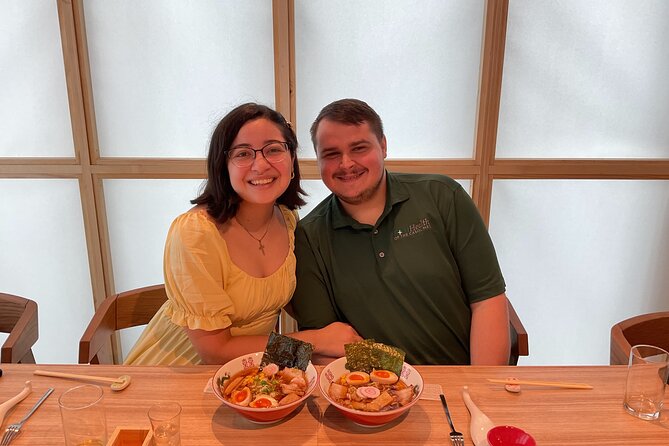
At $79 for about three hours, the price is reasonable if you value participation, drinks, and the social setting. Your fee covers the class, ingredients, food you prepare, listed drinks, and all fees and taxes. You also receive recipes, which extend the value beyond your time in Tokyo.
A restaurant meal alone could cost less, depending on where you eat. But a restaurant does not teach you how to make the food or give you a recipe to take home. The class is strongest for people who want an activity, not just dinner.
The price makes particular sense for a short Tokyo visit. You can learn several well-known dishes in one sitting without committing to a full-day program. It also gives you something concrete to remember and repeat after returning home.
The value is less clear if you are only looking for a quick meal or if you dislike group activities. You are paying for instruction, conversation, and the chance to cook. Those benefits disappear if you would rather let someone else do all the work.
Who will enjoy this class most?
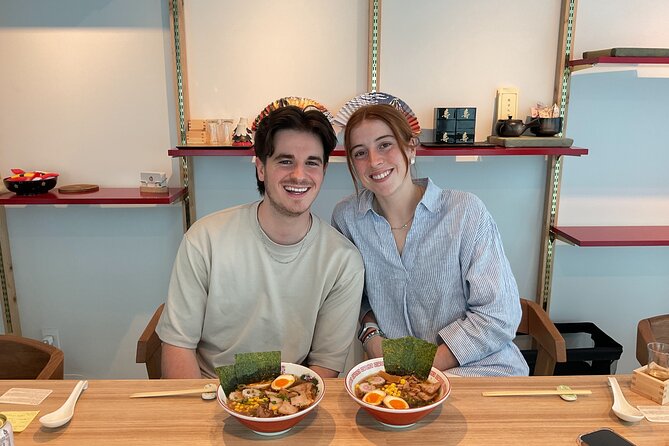
I would recommend it to:
- Couples seeking a relaxed activity for a birthday or honeymoon
- Families wanting a hands-on food experience
- Friends who enjoy cooking and shared meals
- Beginners who want clear instructions without a formal classroom feel
- Experienced cooks looking for a Japanese food lesson and new recipes
- Visitors with limited time who want a three-hour cultural activity
It may be less suitable for someone seeking a quiet or highly structured class. The cultural exchange is central, so conversation is likely to be part of the experience. You should also confirm the menu if you have your heart set on gyoza rather than sushi.
The group-size wording deserves attention. The main description says the class is capped at four people, while the additional booking information states a maximum of eight. Both are small by cooking-class standards, but they create different moods. A four-person class feels almost private. An eight-person class is still social and workable, but less intimate.
Timing, cancellation, and practical planning
Plan on roughly three hours from start to finish, with the activity ending back at HAUS Tsukishima. Since the meeting point is near public transportation, it should be practical to reach without private transport. Private transportation is not included.
You receive confirmation when you book. For flexibility, free cancellation is available if you cancel at least 24 hours before the local start time. Cancelling within 24 hours, or making changes inside that window, does not qualify for a refund.
Because the class includes food and drinks, avoid scheduling it so tightly that you must rush away halfway through. The whole point is to cook, eat, ask questions, and talk. Give yourself breathing room before and after the session.
Should you book the ramen and sushi class?
Book this experience if you want more than a meal and like the idea of learning with a friendly Japanese teaching team. The strongest reasons are the hands-on preparation, the small-group setting, the included sake or non-alcoholic drinks, and the recipes you can use at home.
I would be more cautious if you need a guaranteed four-person class, a specific ramen style, or gyoza as the main dish. Confirm those details first, since the listed group limits and menu wording leave some room for variation.
For most visitors, $79 buys a useful three hours of food, conversation, and practical Japanese cooking skills. It is a good pick for a first-time cook, a family activity, or a special-occasion afternoon in Tokyo.
FAQ
How long does the Tokyo cooking class last?
The class lasts approximately three hours.
Where does the activity begin?
It begins at HAUS Tsukishima, Japan, 104-0051 Tokyo, Chuo City, Tsukuda, 2-chōme135.
Where does the activity end?
The activity ends back at the meeting point.
What dishes will I learn to make?
The class includes ramen and sushi, with gyoza listed as an optional dish. Confirm the exact menu before booking if gyoza is important to you.
Are drinks included?
Yes. Unlimited sake pairings, Japanese beer, and non-alcoholic beverages are included.
Is the class suitable for beginners?
Yes. The class is designed for beginners and experienced cooks and is suitable for families, couples, and friends.
Can I cancel for a full refund?
Yes, if you cancel at least 24 hours before the experience start time. Cancellations within 24 hours are not refunded.
More Tokyo food tours
- Tokyo: Shinjuku Food Tour (13 Dishes at 4 Local Eateries)
★ 5.0 · 6,603 reviews - Tokyo Tsukiji Fish Market Food and Culture Walking Tour
★ 5.0 · 3,184 reviews - Tokyo: Shinjuku Food Tour (15 Dishes and 4 Eateries)
★ 4.9 · 2,033 reviews - Tokyo: Tsukiji Fish Market Food and Walking tour
★ 5.0 · 1,724 reviews
More Tokyo drink tastings and bars
- Tokyo Bar Hopping Tour in Shinjuku (All-You-Can-Drink + Dinner)
★ 5.0 · 3,587 reviews - Best of Shinjuku: Izakaya Food Tour (4 Stops, 14+ Tastings)
★ 5.0 · 1,863 reviews - Tokyo: Shinjuku Local Bar and Izakaya Guided Walking Tour
★ 4.9 · 1,794 reviews - Shibuya Meltdown Nightlife Tour: All-You-Can-Drink Bar Hopping
★ 5.0 · 1,058 reviews
Newly reviewed around Tokyo
- Tokyo Asakusa:Calligraphy & Make T-shirt Activity★ 5.0 · 62 reviews
- Intercity Shuttle, Tokyo to Haneda /Narita /Yokohama /Makuhari★ 5.0 · 5 reviews
- 1 Hour Travel around Tokyo with a Professional Photographer★ 5.0 · 3 reviews
- Travel Tokyo with Your Own Personal Photographer★ 5.0 · 43 reviews
- Train in Samurai Swordsmanship and Defeat the Demon in Tokyo★ 5.0 · 5 reviews
- Shuttle Van 6hr Tokyo Tour to-and-from Tokyo, Yokohama and Narita★ 5.0 · 9 reviews
- Kickboxing & Body Training with EX-Pro Fighter★ 5.0 · 4 reviews
- Tokyo History: Sensoji Temple & Asakusa District Private Tour★ 5.0 · 28 reviews
Tokyo Ramen Tours and Classes, compared.

Eat and Drink Like a Local: Tokyo Ueno Food Tour-Taverns&Ramen
Read our review →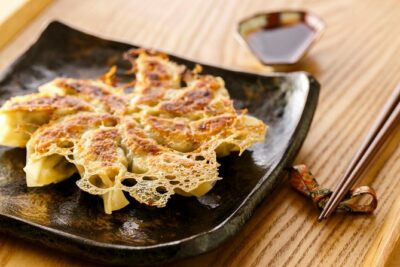
Ramen & Gyoza Cooking Class in Tokyo with Local Supermarket Visit
Read our review →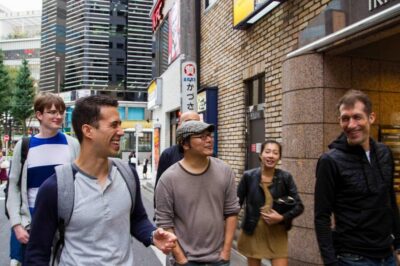

Easy Ramen Cooking Experience in Kabukicho, Shinjuku
Read our review →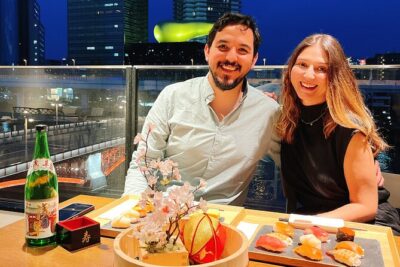
Ramen and Sushi Cooking Class with Sake Pairing Set in Tokyo
Read our review →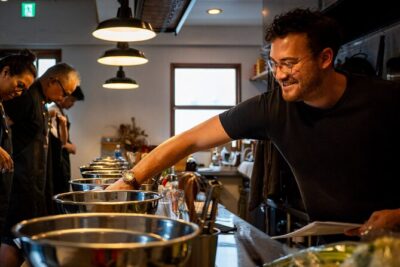
Professional Ramen & Gyoza with Ramen Chef in a restaurant!
Read our review →
Ramen Dojo Tokyo | Make All 3 (Tonkotsu/Shoyu/Miso)
Read our review →Ramen Dojo Tokyo | Make All 3 (Tonkotsu/Shoyu/Miso)
Read our review →Browse the lists this tour appears in