
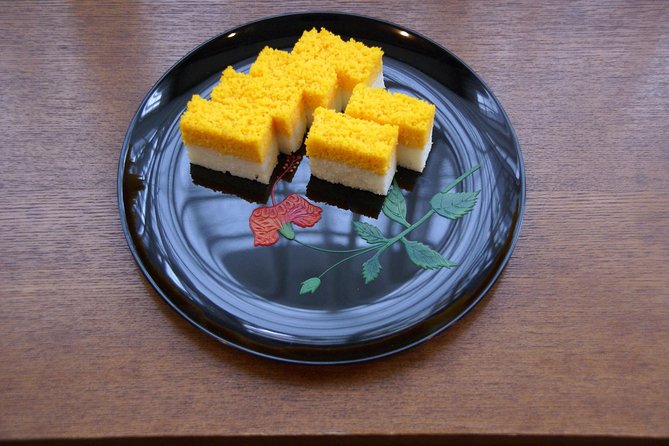
Reviewed · COOKING CLASSES
Creative Japanese Cooking in a Beautiful Tokyo Home with Makiko
The best part of this experience happens before the cooking starts. Makiko takes you through neighborhood food shops so you can see how Tokyo residents choose meat, produce, fish, sweets, and pantry items for ordinary meals. Then you cook in her home and sit down together to eat what you made. That personal setting gives the evening a warmer feel than a standard cooking school.
I like the local shopping tour, which turns unfamiliar Japanese ingredients into things you can recognize and use. I also like that the menu changes with the season and that you can share dietary needs or cooking preferences when you book. The main consideration is that this is a visit to a private home, not a polished commercial class, so the experience is personal and informal by design.
Key points to know before booking
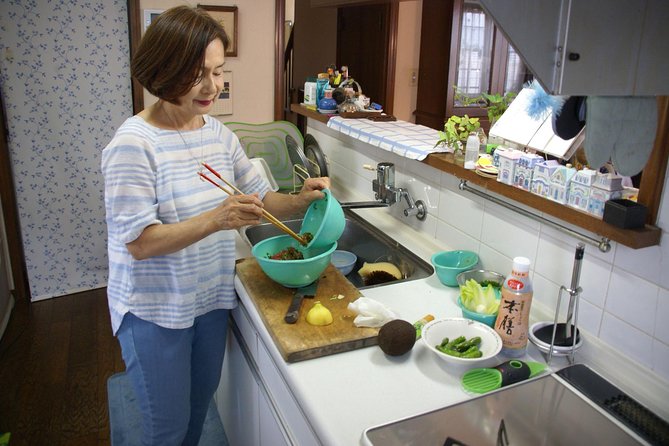
- Meet Makiko near Komazawa: The experience begins around the Komazawa area, with station meeting details provided for your booking.
- Shop like a local: Visit a supermarket and neighborhood food shops, with stops that may include meat, fruit, vegetables, convenience foods, sweets, and other daily staples.
- Cook in a private home: The hands-on kitchen portion lasts about 1.5 to 2 hours, depending on group size.
- Eat what you prepare: After cooking, you sit at Makiko’s dining table for the meal.
- Seasonal menu: Dishes vary with the time of year, and you can note allergies, dietary restrictions, or food preferences in advance.
- Private experience: Only your own group participates, with free cancellation up to 24 hours before the start time.
A Tokyo meal that begins at the market
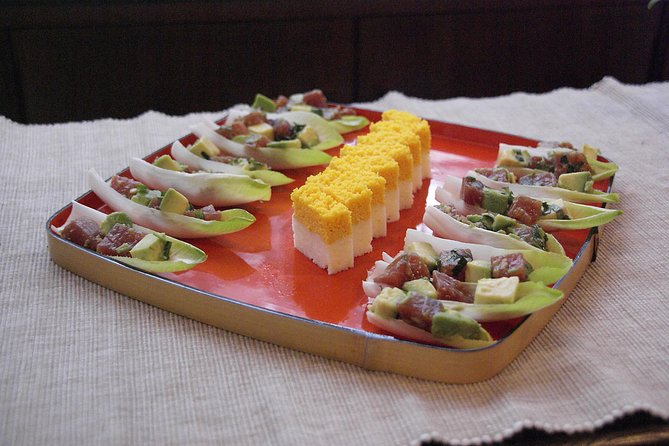
Many cooking classes put you in front of a cutting board at once. This one starts with a short lesson in how food moves through a Tokyo neighborhood. Makiko meets you near the station and leads you to local shops, including a supermarket and smaller food stores.
That first walk matters. Japanese food can look simple on the plate, yet the shopping choices behind it are often precise. The cut of meat, the type of vegetable, the season, and the way an ingredient is packaged all shape the final dish. With Makiko beside you, you can ask what an item is, how it is used, and why it belongs in an everyday Japanese kitchen.
The shopping portion has a distinctly local focus. Previous groups were shown butcher and meat shops, fruit and vegetable sellers, convenience stores, and even a sweet shop. You should not expect a sightseeing tour of Tokyo landmarks. The reward is seeing a normal neighborhood through food, which can tell you more about daily life than another famous street or observation deck.
The stop at a sweet shop is a nice touch, especially if you enjoy the small discoveries that come from being with a local. The exact route and stores can change, so think of this as a practical food orientation rather than a fixed list of attractions.
More Tokyo cooking classes:
- Ramen & Gyoza Cooking Class in Tokyo with Local Supermarket Visit
★ 5.0 · 823 reviews - Tokyo: Easy Ramen Cooking Experience in Kabukicho, Shinjuku
★ 4.6 · 321 reviews - Ramen and Sushi Cooking Class with Sake Pairing Set in Tokyo
★ 5.0 · 291 reviews
From Komazawa streets to Makiko’s kitchen
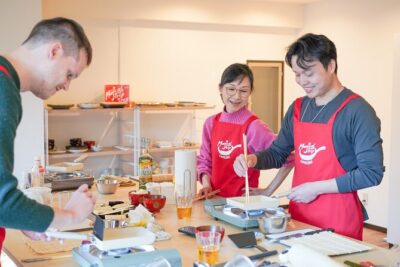
After shopping, you head to Makiko’s home in a neighborhood near Komazawa Olympic Park. The experience is intentionally small and personal. You are not entering a restaurant kitchen with a chef calling orders across a crowded room. You are visiting a Tokyo resident who cooks in her own home.
That distinction is important. If you want a formal cooking school with printed recipes, uniform workstations, and a set menu every time, this may feel less structured. If you want to understand how Japanese food is prepared in a real household, the home setting is the point.
The cooking portion generally lasts 1.5 to 2 hours. The timing depends partly on how many people are in your group, and the menu changes by season. Makiko explains the steps as you work and shares practical tips that may not appear in a recipe book.
You will make traditional-inspired, homemade Japanese dishes, but the exact dishes are not guaranteed in advance. That flexibility allows the food to match the season. It also means you should tell the provider about allergies, dietary restrictions, and cooking preferences at the time of booking. Put specific requests in the special requirements field rather than waiting until the class begins.
The class suits curious cooks more than people who want to watch a demonstration from the sidelines. You take part in preparing the food, and the value comes from asking questions while the work is happening. Makiko’s experience with Japanese cuisine gives you room to ask about ingredients, methods, and the reasons behind each step.
What makes Makiko’s teaching useful
The strongest praise for this experience centers on Makiko herself. She meets the group at the station, handles the neighborhood walk, explains the shopping choices, and then guides the cooking at home. That continuity helps the experience feel like one connected visit rather than two separate activities.
Her approach also appears to work well for different group sizes. One account specifically notes that she handled a larger group and adapted to its needs. The experience is still private, so only your group takes part, but private does not always mean tiny. Check your confirmed booking if group size matters to you.
I like the chance to ask questions throughout the process. You can ask about an ingredient in the shop, then see how it is prepared at home. That connection is more useful than memorizing a recipe without understanding what to buy or how Japanese cooks use the ingredient in daily meals.
The food is only half the lesson. You also get stories and conversation about Japanese cuisine. Several highly positive comments focus on the time spent talking with Makiko, not just the dishes themselves. Plan to be engaged and curious. This is a social experience built around food.
Sitting down to eat what you made
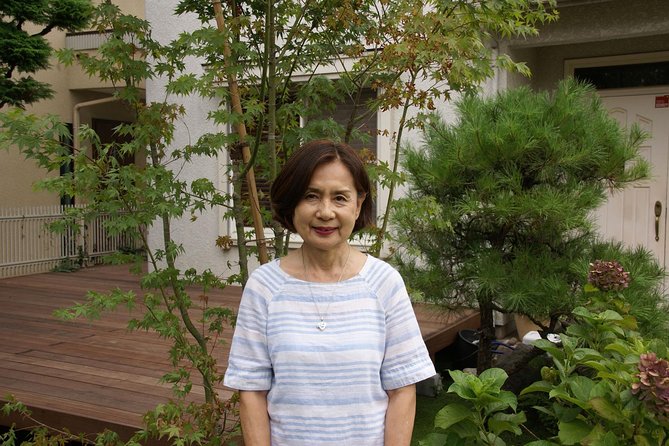
Once the cooking is finished, you sit at Makiko’s dining table and share the meal. This gives the afternoon or evening a natural finish. You see the food in its prepared form, taste the results, and can ask follow-up questions while eating.
The meal is included in the price, along with the supermarket tour and cooking class. At $89 per person, the cost is not low compared with a basic group cooking lesson. But you are paying for about three hours, a private format, a guided shopping walk, instruction, ingredients, and a meal in a local home.
I see the value most clearly if you want cultural context as well as cooking practice. A standard class may teach you how to prepare a dish. This experience adds the question of how the ingredients are bought and how the meal fits into ordinary Tokyo life.
The value is less clear if you only want a fast recipe lesson. The market walk and conversation take time, and the home visit is central to the format. You should book it for the full experience, not simply for a list of dishes.
A completely different kind of day in Tokyo:
- Mt Fuji and Hakone 1-Day Bus Tour Return by Bullet Train
★ 5.0 · 26,383 reviews - 1-Day Tokyo Bus Tour
★ 5.0 · 14,250 reviews - Tokyo: teamLab Planets TOKYO Digital Art Museum Entry Ticket
★ 4.6 · 9,779 reviews - Mt Fuji & Hakone Cruise, Drum Show Bullet Train 1 Day from Tokyo
★ 4.0 · 7,413 reviews
Seasonal food and special requests
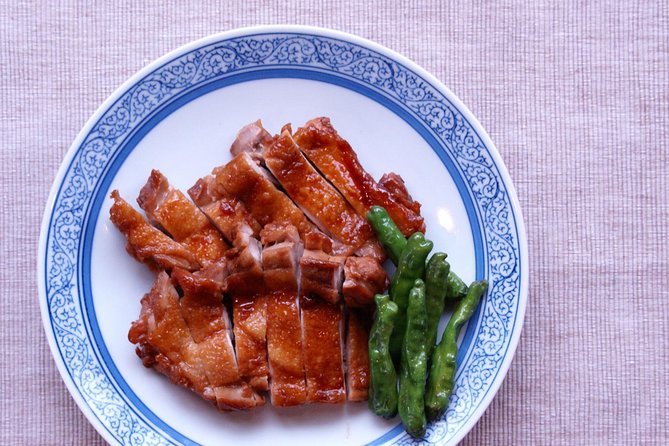
The changing menu is both a strength and a small uncertainty. Seasonal cooking can make the meal feel more connected to Japan’s calendar, and it gives you a reason to return at another time of year. On the other hand, you cannot rely on a particular dish unless it is confirmed with the provider.
This matters for serious food planning. If you have allergies or strong dietary needs, share them when booking. The details specifically ask for allergies, restrictions, and cooking preferences in advance. You should be clear and specific, since the menu is prepared around the planned experience.
The available information does not promise that every preference can be met, so do not assume a complex diet will be easy to accommodate. Ask before you commit if your needs are significant. For ordinary preferences, early notice gives Makiko the best chance to plan appropriately.
There is also a cat in the house. The cat is described as shy and quiet and usually hides upstairs when people are present. This is useful to know if you have allergies or simply want to avoid animals in a private home. It is not presented as an active part of the experience.
Timing, meeting points, and getting there
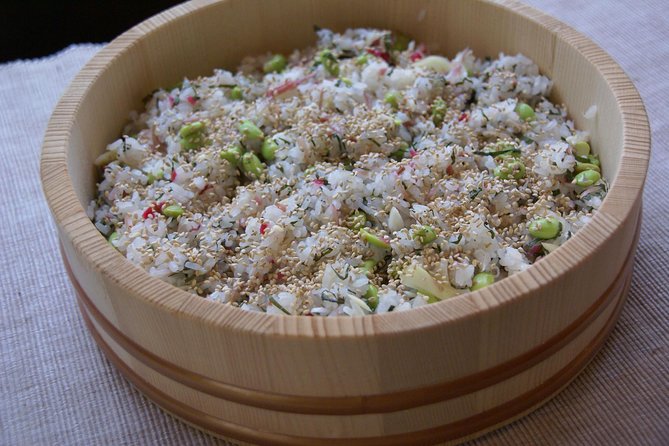
The activity lasts about three hours in total. The cooking itself takes about 1.5 to 2 hours, leaving the rest for the local food walk, movement to the home, introductions, and the meal.
The meeting information needs careful attention. The experience description says Makiko greets you at Komazawa-Daigaku station, while the included pickup information names Sakurashinmachi station on the Tokyu Denentoshi Line. The listed meeting address is in Sakurashinmachi, Setagaya City, and another part of the details gives a Sakurashinmachi starting point.
Because those details do not match perfectly, check the confirmed meeting instructions before setting out. Do not choose a station based on a quick glance at the general description. The activity ends back at the meeting point, and hotel pickup and drop-off are not included.
A mobile ticket is provided. Confirmation is sent within 48 hours of booking, subject to availability. I would allow extra time for finding the correct station exit and meeting point, particularly if you are not familiar with Tokyo’s train system.
Who will enjoy this private home visit
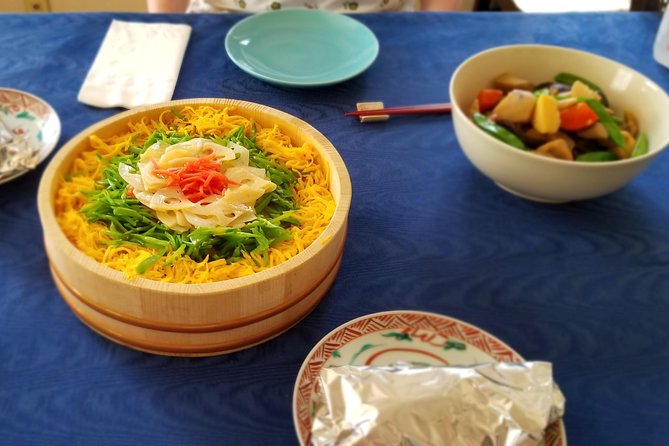
This suits you if you like food, local neighborhoods, and conversation. It is especially good for people who want to learn how Japanese ingredients appear in daily cooking rather than only eating restaurant food.
It also works well for families or private groups who want a shared activity. The format lets your group participate together, and Makiko has experience accommodating larger groups. You should still consider the size and interests of your party, since a cooking lesson works best when everyone is willing to take part.
The experience is a good match for:
- Curious home cooks who want practical Japanese techniques
- First-time visitors who want a look at ordinary Tokyo life
- Food lovers interested in shopping for Japanese ingredients
- Private groups seeking a personal activity
- People who enjoy conversation as much as the meal
It may be less suitable if you want a landmark-heavy tour, a restaurant setting, or a fixed menu. It also may not be the right choice for a strict dietary requirement unless Makiko confirms that she can accommodate it.
Is $89 a fair price?
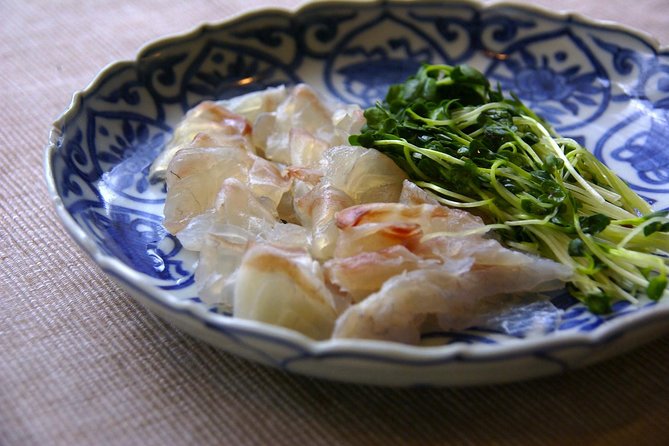
At $89 per person, this is a midrange to upper-midrange food activity. The price includes more than an hour of kitchen instruction. You also get the market visit, the food, the private format, and time in a local home.
The private nature is the biggest factor in the value. You are not sharing the class with unrelated groups, and the conversation can focus on your questions and interests. That matters if you want to learn rather than simply follow a demonstration.
The cost also covers an experience that would be hard to arrange on your own. You could visit a Japanese supermarket independently, but you would not have Makiko explaining what you are seeing, selecting ingredients for a meal, and connecting the shopping to the cooking.
I would compare it with the cost of a regular cooking class in Tokyo, but not judge it by recipe count. The real product is access to a household, a neighborhood food routine, and a meal prepared with a local cook. If that sounds valuable to you, the price is reasonable. If your only goal is to learn one inexpensive dish, you can probably find a simpler class for less.
Booking advice and cancellation
Book ahead if your dates are fixed. This experience is often reserved around 72 days in advance, which suggests that availability can matter, especially for private scheduling.
You can cancel for a full refund up to 24 hours before the local start time. Cancellations or changes made inside that 24-hour window are not accepted for a refund. Since the activity depends on a host opening her home and planning food, make sure your party is settled before the cutoff.
At booking, include all dietary information and cooking preferences. Also keep the confirmation handy on your phone, particularly because of the different station references in the supplied details.
Should you book Creative Japanese Cooking with Makiko?
Book this if you want a personal food experience rather than a polished class. The neighborhood shopping walk, home kitchen, seasonal menu, and shared meal work together well. I especially like that you see the ingredients before you cook them, then learn how they fit into a Japanese meal.
Skip it if you need a guaranteed menu, a commercial kitchen, or a sightseeing route filled with major Tokyo sights. Also pause if the meeting-point details or private-home format make you uncomfortable.
For most food-minded visitors, this is a thoughtful way to spend three hours in Tokyo. You leave with cooking techniques, a better sense of Japanese ingredients, and a story about everyday life that you cannot get from a restaurant table alone.
FAQ
How long does the experience last?
The full experience lasts approximately three hours. The cooking section takes about 1.5 to 2 hours, depending on the size of your group.
Where does the experience begin?
The details refer to meeting Makiko near Komazawa-Daigaku station and also provide a Sakurashinmachi meeting point on the Tokyu Denentoshi Line. Check your confirmation for the exact station and address.
Is hotel pickup included?
No. Hotel pickup and drop-off are not included.
What does the experience include?
It includes a private supermarket tour with Makiko, a Japanese cooking class, and the meal you prepare together.
Does the menu stay the same all year?
No. The menu may change with the season.
Can I share allergies or dietary restrictions?
Yes. You should provide allergies, dietary restrictions, and cooking preferences when booking, including details in the special requirements field.
Is this a commercial cooking school?
No. It is a private visit to Makiko’s home, where she shares Japanese food and culture through a hands-on cooking experience.
Is the activity private?
Yes. Only your group participates in the activity.
Is there an animal in the home?
Yes. There is a shy, quiet cat in the house. The cat usually hides upstairs when people are present.
Can I cancel for a full refund?
Yes, if you cancel at least 24 hours before the experience begins. Cancellations or changes made less than 24 hours before the start time are not eligible for a refund.
Newly reviewed around Tokyo
- Tokyo Asakusa:Calligraphy & Make T-shirt Activity★ 5.0 · 62 reviews
- Intercity Shuttle, Tokyo to Haneda /Narita /Yokohama /Makuhari★ 5.0 · 5 reviews
- 1 Hour Travel around Tokyo with a Professional Photographer★ 5.0 · 3 reviews
- Travel Tokyo with Your Own Personal Photographer★ 5.0 · 43 reviews
- Train in Samurai Swordsmanship and Defeat the Demon in Tokyo★ 5.0 · 5 reviews
- Shuttle Van 6hr Tokyo Tour to-and-from Tokyo, Yokohama and Narita★ 5.0 · 9 reviews
- Kickboxing & Body Training with EX-Pro Fighter★ 5.0 · 4 reviews
- Traditional Japanese Knife Sharpening Class★ 5.0 · 18 reviews
Cooking Classes, compared.
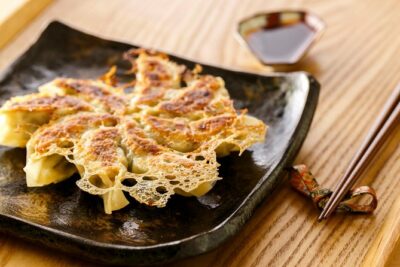
Ramen & Gyoza Cooking Class in Tokyo with Local Supermarket Visit
Read our review →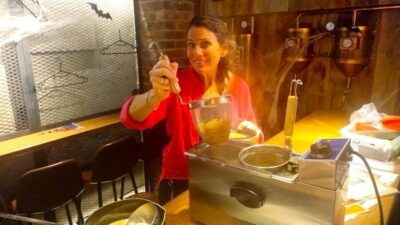
Easy Ramen Cooking Experience in Kabukicho, Shinjuku
Read our review →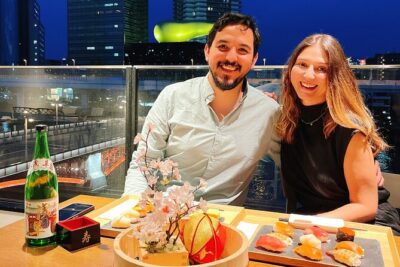
Ramen and Sushi Cooking Class with Sake Pairing Set in Tokyo
Read our review →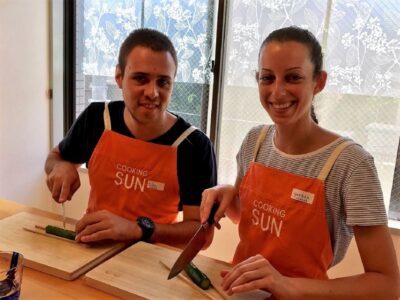
Tokyo Washoku 4-hour Cooking Class: From Market to Table
Read our review →
Small-Group Wagyu Beef and 7 Japanese Dishes Tokyo Cooking Class
Read our review →
Private Home Cooking in Yanaka – Local Flavors in a Warm Setting
Read our review →
Tokyo Sushi Making Experience & Japanese Cooking Class
Read our review →Browse the lists this tour appears in