
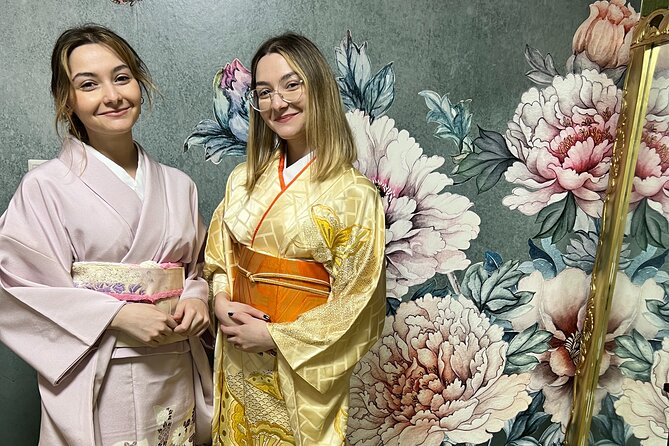
Reviewed · TOKYO KIMONO EXPERIENCES
Let’s make kimono !(Kimono is a gift for you
The unusual part of this Tokyo experience is that you do not simply rent a kimono for an hour. You choose a vintage garment, help adjust it to your size, and leave with something you can wear again. The small-group setting makes the process personal, with a maximum of five people.
I like the wide choice of colors and fabrics, plus the patient help when cutting, folding, taping, and ironing feel less simple than they sound. I also like that children, men, taller guests, and larger-size guests can take part. The main catch is that the name can mislead you: some women’s garments are remade into an easy-to-wear jacket and skirt rather than preserved as a traditional full kimono, and better fabrics or accessories cost extra.
Key points at a glance
- A kimono to keep: You select a vintage kimono and take home the finished garment or altered pieces.
- A practical 90-minute class: You learn basic fitting and dressing steps, then have time for photos.
- Optional upgrades: Basic kimonos are included, while more ornate choices can cost about ¥2,000 to ¥6,000 extra.
- Good for families: Women, men, girls, and boys each have slightly different activities.
- A residential Tokyo setting: The meeting point is in Kiba, Koto City, at a private home rather than a large rental shop.
- Small and personal: The group is capped at five people, with morning and afternoon sessions.
Choosing a vintage kimono in Kiba
The experience takes place at 6-chōme-8-6 Kiba in Koto City, an older residential part of Tokyo. You may initially wonder if you have arrived at the right place, especially if you expect a bright storefront with signs and mannequins. The setting is a private home, so keep the address handy and allow time to find it.
That home setting is part of the appeal. You get away from Tokyo’s standard costume-rental routine and spend time in a local neighborhood. One useful detail is that staff can help if you get turned around on arrival, but you should not count on a large commercial reception desk.
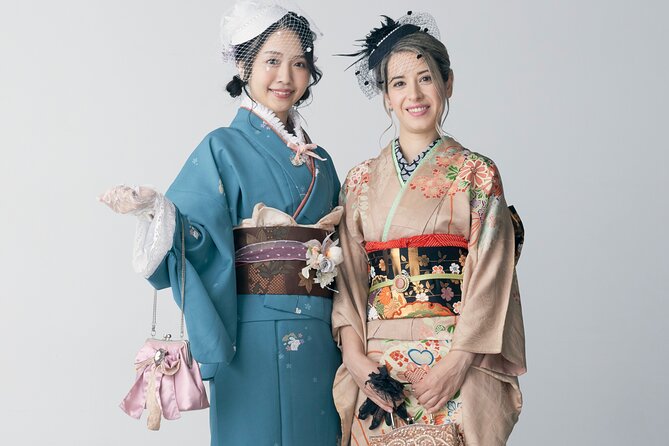
Once inside, you choose from vintage and preowned kimonos. The selection includes different colors, prints, textures, and levels of decoration. Some basic pieces are included in the price, while more elaborate fabrics require an additional payment. The extra charge is listed at roughly ¥2,000 to ¥6,000 for women’s kimono upgrades, though the final cost depends on what you select.
Take your time at this stage. The prettiest garment on a hanger may not be the most comfortable or practical choice for your size. Ask for help comparing fabrics and patterns, and check the price before committing to an upgrade.
A key point: these are vintage pieces. Some may have stains or other signs of previous use. That is not a flaw hidden by the experience, but it is part of buying and working with older clothing. If you want a flawless new garment, this is not the right activity. If you like the idea of a one-off piece with some age and character, the condition may add to its appeal.
More Tokyo kimono experiences:
- Tokyo: Matcha and Kimono Experience
★ 4.7 · 219 reviews - Tokyo: Asakusa Kimono Dressing and Matcha Experience
★ 4.9 · 173 reviews - Asakusa: Kimono Tea Ceremony with Matcha and Sweet
★ 4.9 · 153 reviews
How the women’s kimono class works
The women’s session is the most hands-on part of the activity. After selecting a kimono, the staff customize it to your size. The work can include cutting, folding, taping, hemming, and ironing, depending on the garment and the fit you need.
You do not need advanced sewing skills. The process is built around simple construction techniques, and help is available if cutting or folding makes you nervous. One especially useful result is learning how to adjust a kimono so it is easier to wear on your own later.
This is where the experience differs from a standard dressing appointment. You are not simply dressed by someone else, take a few photographs, and return the clothing. You have a hand in preparing the garment. That makes the souvenir more personal, though it also means the activity is not a traditional kimono-making course in the formal craft sense.
Be clear about what you want before the alterations begin. For some women, the garment is reshaped into an easy-to-wear kimono style. For others, the pieces become a jacket and skirt that can be worn separately or together. If your goal is to preserve a full traditional kimono exactly as it is, ask the staff to explain the planned alterations first.
The staff also show you how the clothing is worn. You learn practical steps for arranging the kimono and obi, rather than simply standing still while someone else does everything. The class is aimed at making kimono wear less intimidating. Traditional dressing can be difficult, and this simplified method gives you a more realistic chance of repeating it at home.
Obi, accessories, and the final photo session
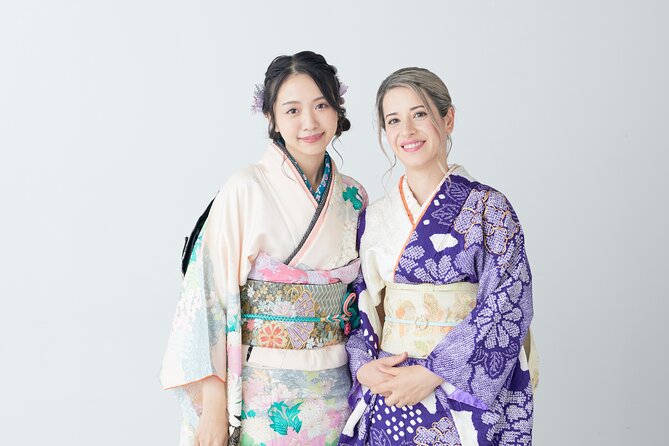
An obi is included as a free rental, along with the obiage, obijime, and obi pillow. These pieces help create the finished look and show you how the layers work together.
Read that wording carefully. The accessories are available for purchase, but they are not automatically yours to keep just because they are used during the session. If you want the complete set, ask about the purchase price before the class ends.
Japanese sandals and tabi socks are not included. You can still take part without them, but your final look may not include traditional footwear. If shoes matter for your photographs, plan around this limitation.
After the fitting and dressing lesson, you have photo time. Staff take pictures of you in the finished outfit, so you do not need to rely entirely on a phone held at arm’s length. In one especially helpful touch, photographs can be sent afterward if your phone battery fails during the activity.
The photo session is not a formal professional shoot. Think of it as a pleasant record of the day and a way to show your finished work to friends and family. The private-home setting makes the photographs feel less staged than a large rental studio, but the focus remains on the handmade outfit and your experience.
Separate options for men and children
Men choose a kimono, with a haori and kimono set available for an additional ¥2,000. A haori is the short jacket worn over the kimono, and adding it gives the outfit a more complete formal look.
Men also receive a distinctive personal touch: staff print the participant’s name in kanji, with a choice of font color, then iron it onto the kimono. This is a nice souvenir detail and gives the men’s session its own identity instead of treating it as a reduced version of the women’s class.
Children can join, but the itinerary is not identical to the women’s session. Girls choose a children’s kimono, and some children’s garments do not need adjustment. In those cases, the child can wear the kimono without cutting the fabric.
Boys can have their name printed in Japanese on the collar of the kimono. That small feature may be especially appealing to children who want something made specifically for them.
The activity works well for families because each person can have a different role. Adults may spend more time selecting and altering a garment, while children may focus on dressing, styling, and photos. Staff are used to helping children, including an 11-year-old in one family’s experience, but parents should understand that children’s clothing follows a separate process.
A completely different kind of day in Tokyo:
- Mt Fuji and Hakone 1-Day Bus Tour Return by Bullet Train
★ 5.0 · 26,383 reviews - 1-Day Tokyo Bus Tour
★ 5.0 · 14,250 reviews - Tokyo: teamLab Planets TOKYO Digital Art Museum Entry Ticket
★ 4.6 · 9,779 reviews - Mt Fuji & Hakone Cruise, Drum Show Bullet Train 1 Day from Tokyo
★ 4.0 · 7,413 reviews
Why the 90-minute timing matters
The class lasts about an hour and a half. That is long enough to choose a garment, make basic alterations, learn how to wear it, and take photographs without turning the activity into an all-day commitment.
Still, the time goes quickly. If you are choosing among many fabrics, asking questions, and making upgrades, do not arrive expecting a leisurely shopping session followed by a long cultural lecture. The core activity is practical and creative.
Morning and afternoon sessions are available, which makes it easier to fit into a day in Tokyo. Since the meeting point is in Kiba, check your route carefully and avoid booking another fixed appointment too close to the end. The activity returns to the same meeting point.
The group maximum is five people. That is an important advantage if you want individual help with fitting or need advice about size. It also means the experience may feel more like a workshop in someone’s home than a polished attraction with a large team and a fixed script.
The activity has received the Omotenashi Selection Gold Award, an award chosen by a panel of foreigners living in Japan. That gives you some context about its appeal to international visitors, though it does not change the hands-on nature of the class.
Price, upgrades, and the real value
At $43.11 per person, the base price is reasonable for a 90-minute activity that includes the kimono, obi rental, supporting obi accessories, fitting help, and photographs. The value improves if you want a wearable souvenir rather than a temporary costume.
The important word is base. Several of the more ornate kimonos cost extra, and some participants have paid around ¥6,000 for an upgraded kimono or obi. A complete purchase can reach roughly ¥11,000 per person, depending on the fabric and accessories. Families should calculate this before arriving, since a low starting price can rise when several people choose premium pieces.
I would treat the additional cost as a personal shopping decision, not a hidden fee. There are basic choices included, but the most striking fabrics may sit outside that range. Ask which garments are covered before you fall in love with one.
The strongest value is for someone who wants to keep and use the garment. If you only want to wear traditional clothing for photographs, a simple rental and dressing service may be cheaper or more suitable. If you want a vintage item, fitting advice, and a story attached to the souvenir, this workshop offers more than a quick costume rental.
What the experience does not teach
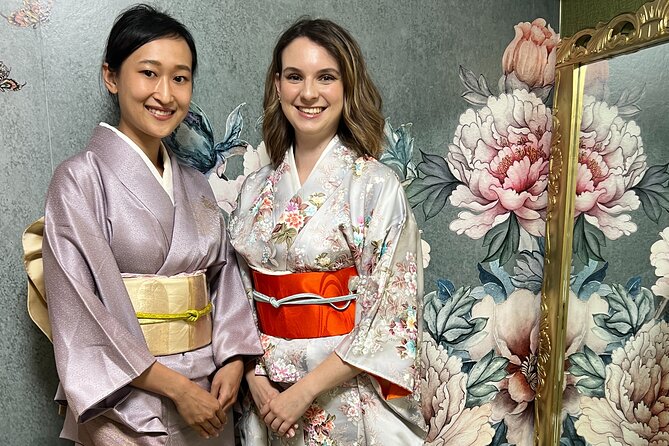
Do not book this expecting a full lecture on Japanese clothing history or a formal lesson in every kimono rule. The main focus is selection, alteration, dressing, and photos.
You can ask questions during the process, and the staff can explain practical details about wearing and styling a kimono. Some people may want more cultural background than the 90-minute schedule provides. If that sounds like you, read up on kimono basics beforehand and use the session to ask focused questions.
The class is also not a traditional tailoring apprenticeship. You learn simple ways to make a vintage kimono easier to wear, not the complete construction of a kimono from raw fabric. That distinction matters, especially because the activity title suggests that you make a kimono from scratch.
The best description is an upcycling and styling workshop. You select an existing vintage kimono, adjust it to fit, and turn it into a practical garment or outfit. That is a creative approach, but it will not satisfy someone looking for a strict, untouched traditional form.
Who should book this Tokyo activity
I would recommend it for couples, families, first-time visitors, and anyone who prefers a personal activity over a large commercial attraction. It is especially useful if you are tall or have a larger build and usually struggle to find Japanese clothing that fits. The staff can adjust pieces to your size, though the available vintage garments will still vary.
It also suits older participants. One family brought a mother in her late 70s and found that she could take part without trouble. If sitting or moving on the floor is a concern, ask the provider about the current setup before booking, since the activity takes place in a home.
Children can join, and the boys’ name printing and girls’ dressing options give them something active to do. Teens may enjoy the selection and photographs, while adults may appreciate learning a method they can repeat later.
I would hesitate if you dislike preowned clothing, want a guaranteed pristine garment, or expect all fabrics and accessories to be included. I would also think twice if your main goal is a formal cultural lecture. This activity is more about making, fitting, wearing, and keeping.
The experience is non-refundable and cannot be changed after booking. If poor weather causes the provider to cancel, you are offered another date or a full refund. Service animals are allowed, and the activity is near public transportation.
Should you book the kimono workshop?
Book it if you want a personal Tokyo memory that you can wear after your holiday. The small group, vintage fabric selection, fitting help, children’s choices, and name-printing details give the activity more substance than a quick rental appointment.
Go in with clear expectations. You are adapting an existing kimono, not weaving and sewing a new one. Confirm the cost of upgraded fabrics and accessories, accept that vintage pieces may show stains, and ask how your garment will be altered before work begins.
For a creative keepsake and a calm introduction to wearing kimono, I think the experience is a good buy at the base price. For a strict traditional dressing ceremony with extensive cultural instruction, choose a different activity.
FAQ
How long does the kimono experience last?
The activity lasts approximately 1 hour and 30 minutes.
What is included in the price?
The experience includes a kimono, a free obi rental, and free rental of the obiage, obijime, and obi pillow. Japanese sandals and tabi socks are not included.
Do upgraded kimonos cost extra?
Yes. Women’s kimono upgrades are listed at about ¥2,000 to ¥6,000. A men’s haori and kimono set costs an additional ¥2,000. Accessories and some garments may also be available for purchase.
Can children participate?
Yes. Children can choose children’s kimonos. Girls and boys have separate options, and boys can have their names printed in Japanese on the collar.
Where does the activity start and end?
It starts at 6-chōme-8-6 Kiba, Koto City, Tokyo 135-0042, Japan, and ends back at the same meeting point.
Can I cancel or change my booking?
The experience is non-refundable and cannot be changed for any reason. If the provider cancels because of poor weather, you can choose another date or receive a full refund.
Newly reviewed around Tokyo
- Tokyo Asakusa:Calligraphy & Make T-shirt Activity★ 5.0 · 62 reviews
- Intercity Shuttle, Tokyo to Haneda /Narita /Yokohama /Makuhari★ 5.0 · 5 reviews
- 1 Hour Travel around Tokyo with a Professional Photographer★ 5.0 · 3 reviews
- Travel Tokyo with Your Own Personal Photographer★ 5.0 · 43 reviews
- Train in Samurai Swordsmanship and Defeat the Demon in Tokyo★ 5.0 · 5 reviews
- Shuttle Van 6hr Tokyo Tour to-and-from Tokyo, Yokohama and Narita★ 5.0 · 9 reviews
- Kickboxing & Body Training with EX-Pro Fighter★ 5.0 · 4 reviews
- Tokyo History: Sensoji Temple & Asakusa District Private Tour★ 5.0 · 28 reviews
Tokyo Kimono Experiences, compared.
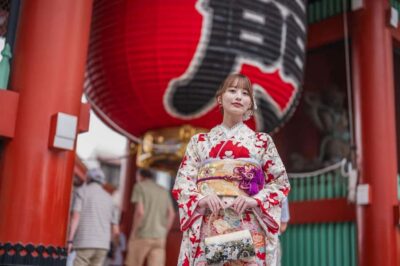
Tokyo Asakusa: Traditional Kimono Rental Experience at Wargo
Read our review →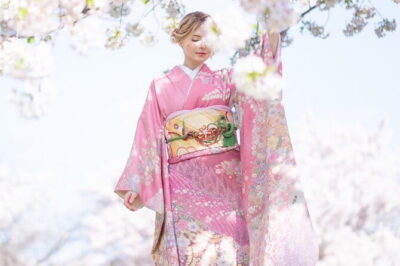
Tokyo Authentic Kimono Rental in Asakusa with Photography Option
Read our review →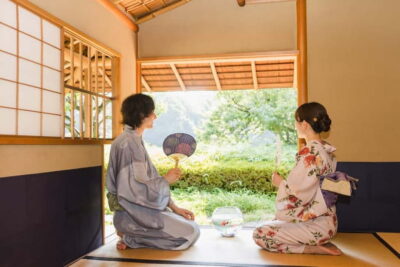
Kimono Rental inside Shinjuku Gyoen National Garden
Read our review →
Browse the lists this tour appears in