
Reviewed · WORKSHOPS
Japanese Fan Painting Workshop ~ in a Tokyo Flower Shop
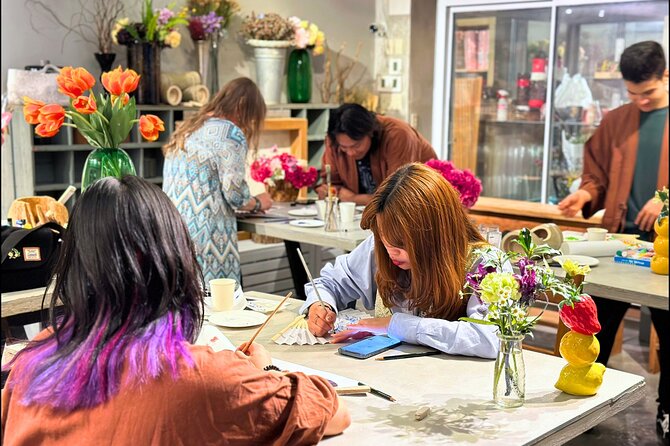
Painting a Japanese fan in a flower shop is a fine way to slow down in Tokyo. Ruby and her team guide you through the process, from choosing a fan to handling paint on its unusual surface. You can use classic motifs such as cherry blossoms, koi, and scenic views, or create something entirely your own.
I like the quiet flower-filled setting, which gives this workshop a softer mood than Tokyo’s crowded sights. I also like that beginners are welcome, and that the finished fan is both a souvenir and a useful object. The main consideration is value: at $60 for about two hours, this suits you best if you want hands-on making time, not just a quick cultural demonstration.
Key Points
- Choose your own fan: Pick from several shapes, sizes, and colors before you begin painting.
- Work with Ruby and her team: You receive guidance on designs, paints, brushes, and the tricky irregular surface.
- Paint in a flower shop: The calm, flower-filled setting gives the session a peaceful break from city sightseeing.
- Learn traditional motifs: Cherry blossoms, koi fish, and scenic views offer an easy starting point.
- Take home a useful souvenir: Your finished fan is made by you and can also help cool you in warm weather.
- Plan ahead: The two-hour session is limited to 20 people and is often reserved well before the date.
A Quiet Art Break Near Kojimachi
The workshop begins at The Park House Chiyoda Kojimachi, at 6-chōme 46 Kōjimachi in Chiyoda City. This is not a grand museum room or a formal art school. You enter a flower shop filled with color and plant life, then settle in for a small creative session.
That setting matters. Tokyo can ask a lot of your attention: train changes, busy crossings, bright signs, and a long list of famous sights. Here, the pace changes as soon as you sit down with a fan, a brush, and a choice of paints.
You do not need to arrive with an art background. One of the clearest strengths of the class is the patient help offered to beginners. Ruby has guided people who openly describe themselves as poor painters, helping them turn a blank fan into something personal and presentable.
The group can include up to 20 people. That is large enough to meet other artsy visitors, but it is not a private lesson. If you want constant one-to-one coaching, a smaller class would be better. If you like having other people around while you work, the group size can add a pleasant social note.
More hands-on classes and workshops in Tokyo:
- Sushi Making Tokyo Roll and Authentic Japanese Sushi Class
★ 5.0 · 3,971 reviews - Tokyo: Roll and Authentic Sushi Making Class in Asakusa
★ 4.9 · 1,957 reviews - Tokyo Shinjuku Chopsticks Making Class
★ 5.0 · 1,763 reviews
Choosing a Fan Before You Paint
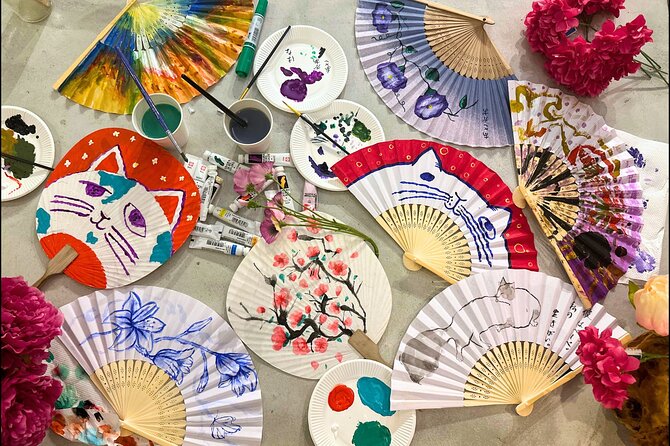
A fan is more than a flat sheet of paper. It has curves, folds, edges, and a handle or frame that affect how your design will look. At the start, you can choose among different shapes, sizes, and colors, giving you some control over the final result.
This choice is part of the fun, but it also affects the work ahead. A larger fan gives you more room for a scene or a bold pattern. A smaller one may be easier to finish in the available time. A colored base can shape the mood of your design before you even pick up a brush.
The fan is also functional. It can serve as a cooling tool in warm weather, so your finished work is not destined to sit only on a shelf. That practical use gives the souvenir more character than a standard purchased trinket.
You may want to think about your design before the paint comes out. Traditional Japanese subjects offer a reliable starting point:
- Cherry blossoms for a light, seasonal pattern
- Koi fish for a strong central image
- Scenic views for a broader composition
- Your own shapes, colors, or personal ideas for something less traditional
The class does not force you into one style. You can study Japanese motifs or take the opportunity to make something that reflects your own taste.
Learning to Paint on an Irregular Surface
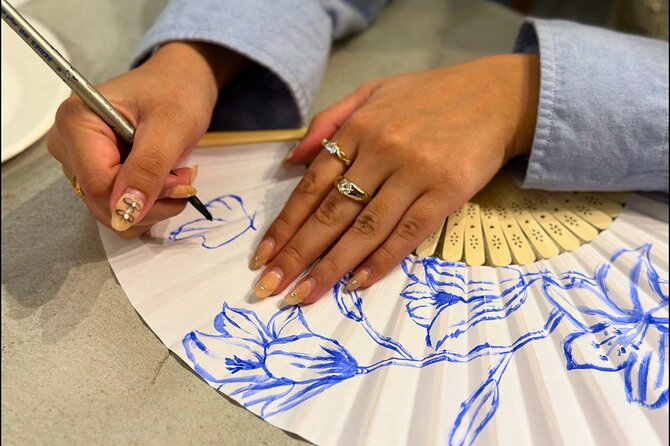
The most useful part of the instruction is not simply being told what to paint. It is learning how paint behaves on a fan. The surface is not perfectly flat, and that changes how you place a line, fill an area, or handle a curve.
The workshop provides the materials, including paints and delicate brushes. You receive advice on using acrylic and water-based paints, which can behave differently as you work. This is especially helpful if you are used to painting on paper or canvas.
A fan also demands some restraint. A small design may look better than a crowded one, and a curved fold can interrupt a long line. You might find it easier to sketch a simple plan first, then build up color in manageable sections.
Ruby’s guidance is particularly useful for first-time painters. You can ask for help with a motif, color choice, or technique rather than trying to solve every problem alone. The class is designed to support your own creation, not replace it with a teacher-made sample.
That distinction makes the result personal. Your fan may not look like a professional piece, and that is fine. Its value comes from the time you spent making it and from the fact that you can explain what you chose to paint.
Traditional Japanese Motifs or Your Own Design
The historical and cultural introduction gives the craft some context. Fans have played a role in Japanese culture, and the session explains their significance while you work. The information is tied to the object in your hands, which makes it easier to remember than a detached lecture.
Cherry blossoms are an approachable subject because their basic forms are recognizable and easy to adapt. Koi fish offer a more detailed challenge, while a scenic view lets you arrange several elements across the fan.
You are not required to copy a traditional image. If you have a favorite color scheme, a personal symbol, or a simple abstract idea, you can use it. This freedom helps people with different artistic confidence levels find a comfortable approach.
I would advise you not to overreach. Two hours passes quickly once you choose a fan, listen to the guidance, and begin painting. A clear design with a few well-placed details is likely to work better than an ambitious scene that leaves you rushing at the end.
The workshop can also suit couples or friends. You may begin with the same general idea and end with very different results. That contrast makes the final photos more interesting, and it gives you a small shared memory without requiring a full day away from Tokyo’s other sights.
A completely different kind of day in Tokyo:
- Mt Fuji and Hakone 1-Day Bus Tour Return by Bullet Train
★ 5.0 · 26,383 reviews - 1-Day Tokyo Bus Tour
★ 5.0 · 14,250 reviews - Tokyo: teamLab Planets TOKYO Digital Art Museum Entry Ticket
★ 4.6 · 9,779 reviews - Mt Fuji & Hakone Cruise, Drum Show Bullet Train 1 Day from Tokyo
★ 4.0 · 7,413 reviews
Why the Flower Shop Setting Works
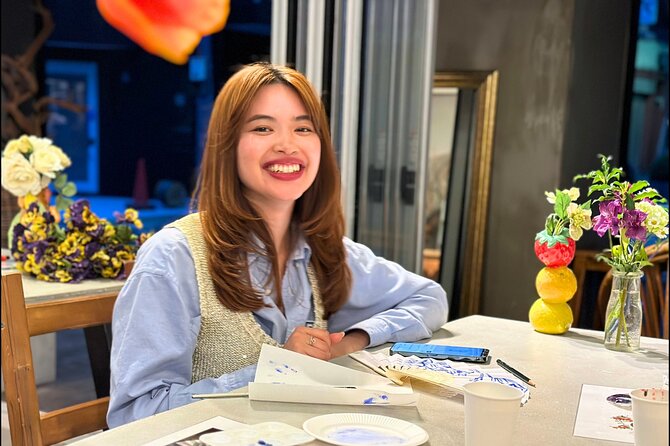
The flower shop is not just a backdrop. It changes the tone of the activity. Flowers and plants create a gentle visual setting, while the act of painting asks you to focus on one small object instead of the whole city.
I like this combination because it feels connected to Japanese design without becoming overly formal. You are working with color, shape, balance, and seasonal images in a place already built around flowers and visual detail.
It is also a good choice for an afternoon when you need a break. You can leave the major sightseeing route for a while and do something that uses your hands. That makes this workshop different from simply looking at art in a gallery.
The setting may not be ideal for someone who wants a loud, high-energy social activity. The mood is calm and focused. Conversation is possible, but the main action is the painting in front of you.
What the Two Hours Feel Like
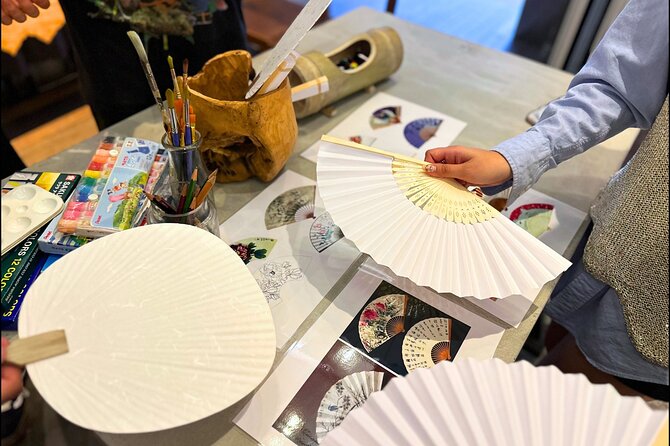
The session begins with your welcome into the shop and a chance to choose your fan. The available range of shapes, sizes, and colors means the first decision is creative rather than administrative.
Next comes an introduction to fan painting and its place in Japanese culture. You learn about traditional subjects and receive guidance on the tools and paints. This is the point to ask questions about your idea, especially if you are unsure how to approach the fan’s curved or folded surface.
The main portion is hands-on painting. You work at your own fan while Ruby and the team offer suggestions and technical help. You can follow a traditional motif or develop your own design.
At the end, you have time to see the finished work and take photos. The process does not end with a disposable craft. You leave with a fan that you painted yourself, along with a clearer sense of how design changes when the surface is shaped and functional.
The pace is relaxed rather than rushed, but two hours is still a limited window. If you paint slowly or want a very detailed scene, keep your plan modest. If you finish early, you can use the time to refine colors or details.
Is $60 a Fair Price?
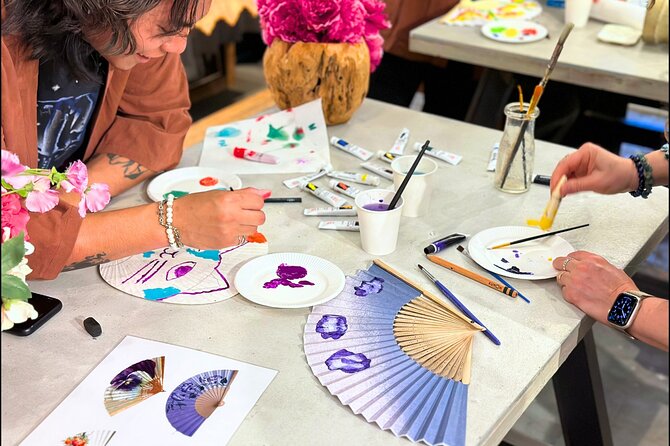
The price is $60 per person. That is more than you would pay for a basic souvenir fan in a shop, but the comparison is not quite fair. You are paying for the fan, the art materials, instruction, cultural background, use of the flower-filled space, and the time set aside for making something yourself.
The value depends on how you travel. If your goal is the cheapest possible introduction to Japanese crafts, this will not be the obvious pick. You could buy a fan for less and skip the class.
If you want a guided activity and a personal keepsake, the price is easier to justify. The instruction is particularly valuable for beginners, since painting on an irregular surface can be awkward without advice. A finished object made with help also has more meaning than one picked up from a shelf.
The class has an average booking lead time of 47 days, so I would not leave it until the last part of a Tokyo trip. That does not guarantee every date will sell out, but it signals that planning ahead is sensible.
Who Will Enjoy This Workshop Most
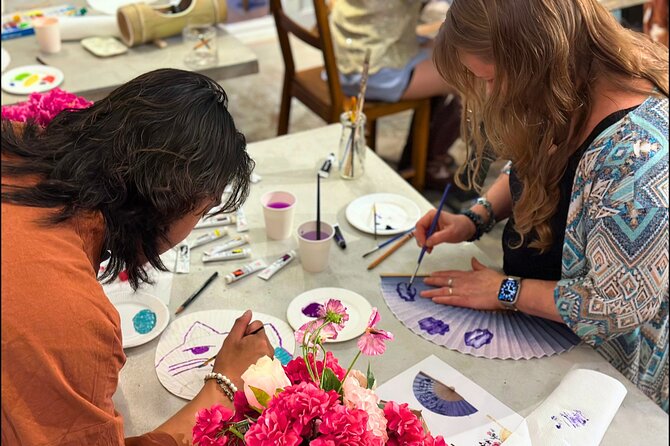
This activity fits you well if you:
- Want a calm break from Tokyo’s fast pace
- Enjoy drawing, painting, flowers, design, or small crafts
- Prefer making a souvenir to buying one
- Are traveling with a partner or creative friend
- Feel curious about Japanese motifs but do not have formal art training
- Want a two-hour activity that does not take over the entire day
It is also suitable for people who are nervous about their art skills. Patient guidance is a major part of the experience, and you can choose a simple design rather than attempting a complex scene.
You may want to skip it if you dislike seated creative work or prefer major landmarks and guided sightseeing. It is not a broad tour of Tokyo, and it does not include several stops. The entire point is to stay in one place and make one object.
The maximum group size is 20. Most people can participate, and service animals are allowed. The meeting point is near public transportation, but the supplied details do not specify a particular station or give walking directions, so check the exact location before setting out.
Practical Details Before You Book
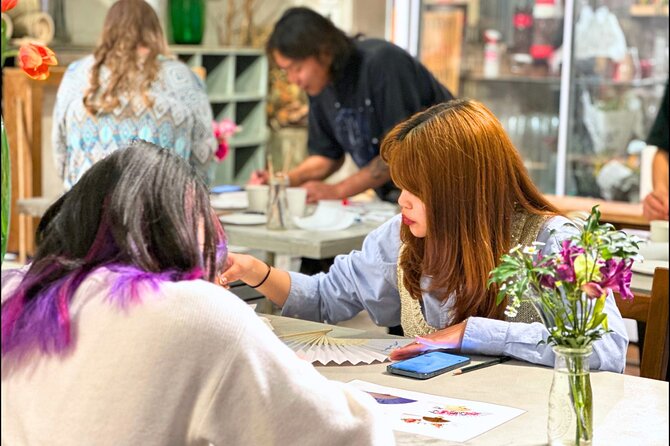
The activity lasts about two hours and ends back at the starting point. A mobile ticket is available, and confirmation is provided when you book.
The meeting point is:
The Park House Chiyoda Kojimachi
6-chōme 46 Kōjimachi
Chiyoda City, Tokyo 102-0083, Japan
Arrive ready to choose a fan and begin working. Since the setting is a flower shop, a calm and tidy approach is sensible while handling paint and brushes.
The class includes the materials needed for the project. You do not need to bring your own paints or brushes. You can choose traditional designs or create your own, so a little advance thought about colors and subjects may help you use the two hours well.
Free cancellation is available if you cancel at least 24 hours before the start time. Cancellations made less than 24 hours in advance are not refunded, and changes in that final 24-hour period are not accepted. The cut-off follows local Tokyo time.
Should You Book the Japanese Fan Painting Workshop?
I would book this if you want a small, personal experience with a finished souvenir and you are willing to pay for guided creative time. The flower shop setting, patient instruction from Ruby and her team, and freedom to choose your own design give the class more substance than a quick paint-and-go activity.
The strongest reason to book is the combination of beginner-friendly help and a useful handmade object. You do not need to be a good painter to take part, and you can learn practical lessons about acrylic and water-based paint on an uneven surface.
I would think twice if $60 feels high for a two-hour activity or if you have already done many similar art workshops. The value is best for someone who wants a peaceful change of pace, not someone looking for a low-cost souvenir.
For couples, creative friends, and solo visitors who enjoy meeting other artsy people, this is a thoughtful addition to a Tokyo itinerary. Reserve ahead, keep your design manageable, and you should leave with both a painted fan and a pleasant pause in the middle of the city.
FAQ
How long does the Japanese Fan Painting Workshop last?
The workshop lasts approximately two hours.
How much does the workshop cost?
The price is $60 per person.
Where does the activity begin?
It begins at The Park House Chiyoda Kojimachi, 6-chōme 46 Kōjimachi, Chiyoda City, Tokyo 102-0083, Japan.
Where does the workshop end?
The activity ends back at the meeting point.
Are painting materials provided?
Yes. The workshop provides paints, brushes, and the other materials needed for the fan painting activity.
Can I choose my own fan?
Yes. Participants can choose from a variety of Japanese fan shapes, sizes, and colors.
How many people can join the workshop?
The activity accepts a maximum of 20 participants.
What is the cancellation policy?
You can cancel for a full refund up to 24 hours before the experience starts. Cancellations or changes made less than 24 hours before the start time are not accepted for a refund.
Newly reviewed around Tokyo
- Tokyo Asakusa:Calligraphy & Make T-shirt Activity★ 5.0 · 62 reviews
- Intercity Shuttle, Tokyo to Haneda /Narita /Yokohama /Makuhari★ 5.0 · 5 reviews
- 1 Hour Travel around Tokyo with a Professional Photographer★ 5.0 · 3 reviews
- Travel Tokyo with Your Own Personal Photographer★ 5.0 · 43 reviews
- Train in Samurai Swordsmanship and Defeat the Demon in Tokyo★ 5.0 · 5 reviews
- Shuttle Van 6hr Tokyo Tour to-and-from Tokyo, Yokohama and Narita★ 5.0 · 9 reviews
- Kickboxing & Body Training with EX-Pro Fighter★ 5.0 · 4 reviews
- Tokyo History: Sensoji Temple & Asakusa District Private Tour★ 5.0 · 28 reviews
Workshops, compared.
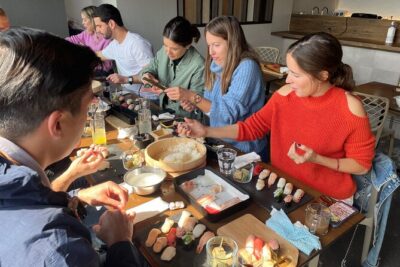
Sushi Making Tokyo Roll and Authentic Japanese Sushi Class
Read our review →
Roll and Authentic Sushi Making Class in Asakusa
Read our review →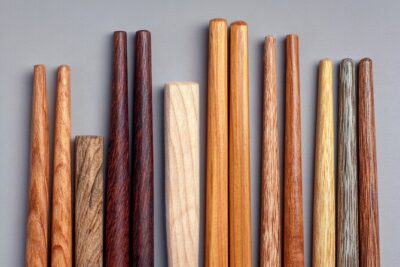
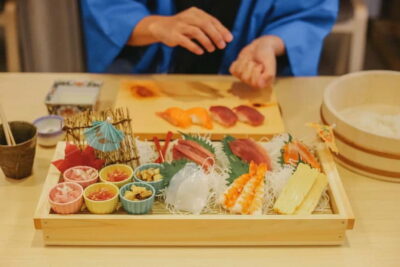
Sushi Making Class in a Happi Coat near a Famous Spot
Read our review →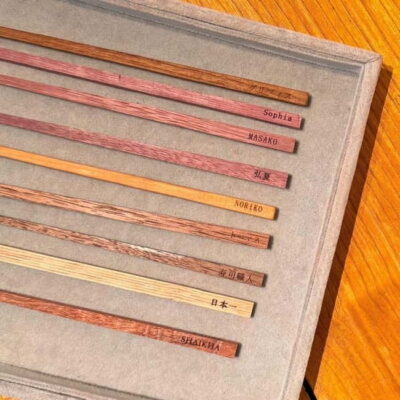
Tokyo Sushi Making Class in Tsukiji with Professional Chef
Read our review →
Ramen & Gyoza Cooking Class in Tokyo with Local Supermarket Visit
Read our review →
Matcha Making Class in Tokyo with Authentic Japanese Sweets Set
Read our review →Browse the lists this tour appears in