
Reviewed · TOKYO COOKING CLASSES
Cook Favorite Japanese Dishes with a Tokyo Mom
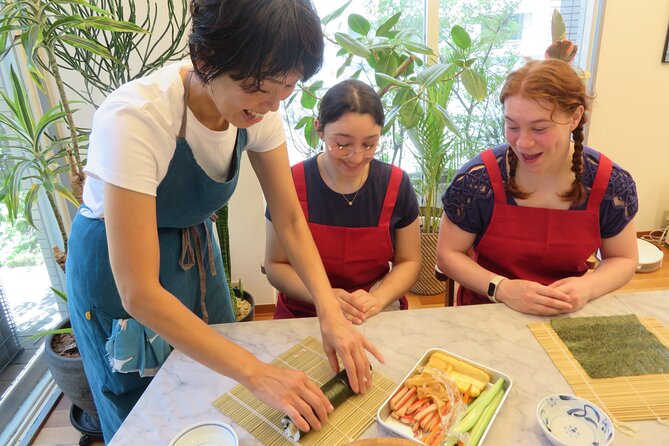
Japanese home cooking makes the best part of this class. You work in a real Tokyo kitchen with Aki, preparing the sort of balanced meal a Japanese family might eat at home, rather than watching a polished food demonstration. I especially like the from-scratch dashi and the choice of a main dish, since both give you skills you can use after your trip. The only drawback is that you must make your own way to the meeting point near Shinjuku.
I also like the class’s small, private format and its attention to presentation. Aki uses pictures, brief food background, and clear steps to help both beginners and confident cooks, and the class can be adjusted for vegetarian diners. At $120 per person, it is not a cheap meal, but it offers a full cooking session, all ingredients, an apron, recipes, and a personal cultural exchange.
Key points at a glance
- Cook with Aki in a real home kitchen: This is a private activity for your group, not a large demonstration.
- Learn real dashi: You prepare Japanese soup stock from scratch without additives, a useful foundation for miso soup and other dishes.
- Choose your main dish: Pick teriyaki chicken, Saikyo yaki miso-marinated fish, or pork and vegetable gyoza.
- Make a complete Japanese meal: The menu includes norimaki or onigiri, a seasonal vegetable dish, miso soup, and your chosen main.
- Expect a 2.5-hour hands-on class: Ingredients, kitchen tools, apron use, and a digital recipe sheet are included.
- Plan your own arrival: The class starts and ends at 1-chōme-24-7 Shinjuku, with no private transportation provided.
A Tokyo kitchen instead of a staged food show
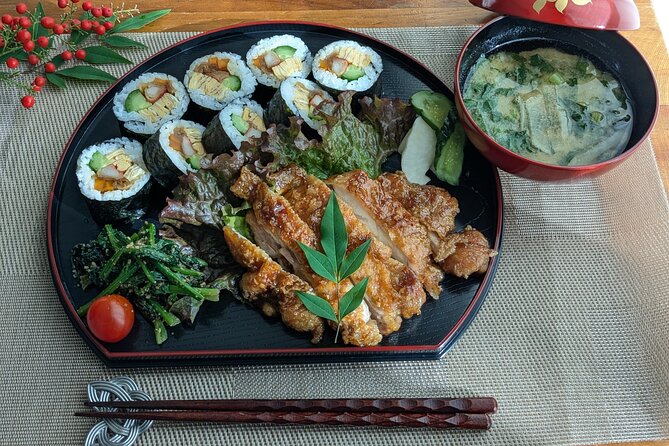
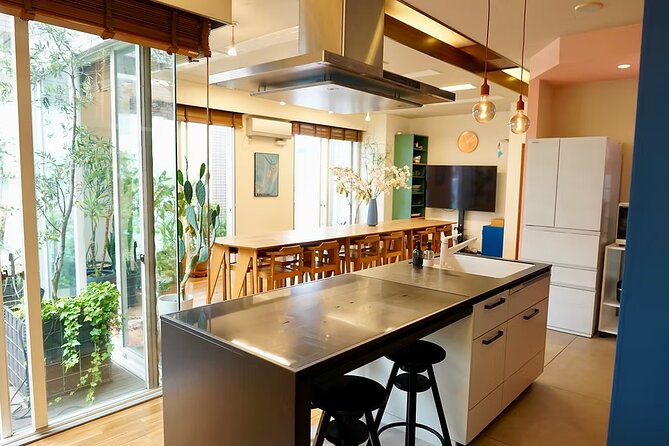
Tokyo Mom’s Kitchen gives you a close look at everyday Japanese food through the person who prepares it. Aki teaches in English and guides you through each task, explaining not only how to cook the food but also why the ingredients and methods matter.
That distinction is important. Japanese food is often presented abroad as sushi bars, ramen shops, or elaborate restaurant dishes. Those foods have their place, but a home meal shows another side of Japan: rice, soup, vegetables, a main dish, and careful balance. This class focuses on that daily pattern.
The activity lasts about two and a half hours and is private, so only your group takes part. That makes it easier to ask questions, slow down when you need help, or spend extra time shaping sushi and dumplings. It also means the experience is best suited to people who want conversation and personal instruction, not a quick demonstration before rushing to the next sight.
The meeting point is アイ・ディール株式会社, at 1-chōme-24-7 Shinjuku, Shinjuku City, Tokyo 160-0022. You need to arrive there on your own. The location is near public transportation, but private transportation is not included, so allow time to find the address and arrive ready to begin.
More Tokyo cooking classes:
- Tokyo: Roll and Authentic Sushi Making Class in Asakusa
★ 4.9 · 1,957 reviews - Tokyo Shinjuku Chopsticks Making Class
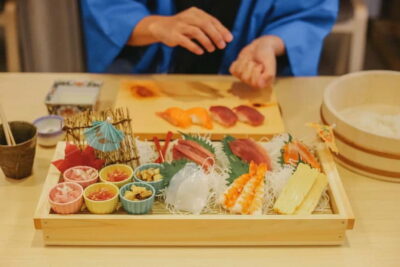
★ 5.0 · 1,763 reviews - Tokyo: Sushi Making Class in a Happi Coat near a Famous Spot
★ 4.9 · 1,377 reviews
Starting with dashi, the backbone of the meal
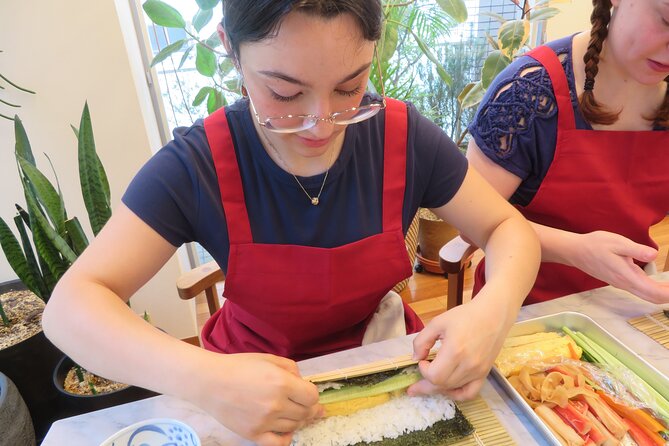
The first important lesson is dashi, the Japanese soup stock used to create savory depth in many dishes. Here, you make it completely from scratch without additives.
That may sound like a small step, but it is one of the most useful parts of the class. A good stock can turn a simple soup or vegetable dish into something rounded and satisfying. Learning the basic method gives you more than a recipe for one afternoon. It gives you a building block for Japanese cooking at home.
Aki’s approach is practical. She uses pictures and brief explanations about the food being prepared, which helps you follow the process even if you have little experience with Japanese ingredients. One published experience specifically praised her ability to teach both novice and experienced cooks, so you should not feel that the class is aimed only at complete beginners.
The ingredients are prepared for the class, and all cooking tools are available. That keeps the focus on technique and flavor rather than on shopping for unfamiliar products. You still take part in the preparation, but you do not lose valuable class time searching for every ingredient or weighing out a long list of items.
Choosing the main dish that fits your appetite
You select one main dish from three choices. This is a useful feature because the dishes offer very different cooking experiences.
Teriyaki chicken
Teriyaki chicken is the most familiar choice for many people. You prepare tender chicken with a sweet and savory soy-based glaze. It is a good pick if you want a straightforward dish that is easy to remember and recreate.
The appeal is practical. Teriyaki sauce is widely known outside Japan, but preparing it in a home-cooking setting helps you understand the balance behind it rather than treating it as a bottled topping. If you enjoy comforting, familiar flavors, this is likely the safest choice.
A completely different kind of day in Tokyo:
- Mt Fuji and Hakone 1-Day Bus Tour Return by Bullet Train
★ 5.0 · 26,383 reviews - 1-Day Tokyo Bus Tour
★ 5.0 · 14,250 reviews - Tokyo: teamLab Planets TOKYO Digital Art Museum Entry Ticket
★ 4.6 · 9,779 reviews - Mt Fuji & Hakone Cruise, Drum Show Bullet Train 1 Day from Tokyo
★ 4.0 · 7,413 reviews
Saikyo yaki
Saikyo yaki uses fish marinated in sweet white miso before grilling. The result is rich and delicate, with a gentle miso flavor rather than a heavy sauce.
Choose this dish if you want to try something less standard than teriyaki chicken. It also shows how Japanese cooks use miso beyond soup. Since the class uses natural ingredients and a made-from-scratch approach, this option gives you a clearer sense of how seasoning and time shape a simple fish dish.
Gyoza
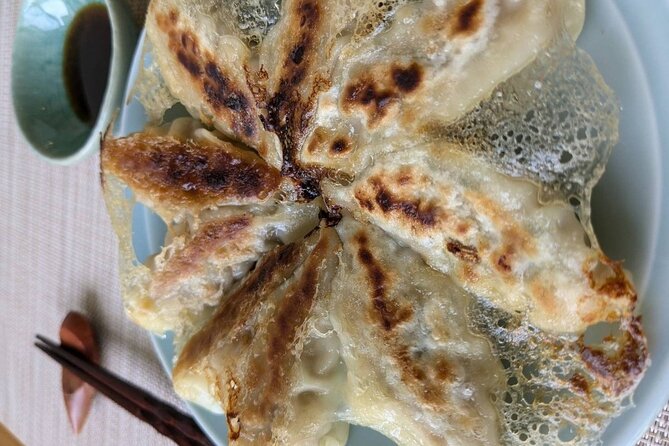
Gyoza brings a more hands-on task to the table. You fill dumplings with ground pork and vegetables, then pan-fry them.
This is likely the liveliest option if you enjoy shaping food with your hands. It also gives you a technique you can repeat at home, although the finished dumplings depend on how neatly you fill and fold them. Aki’s clear step-by-step teaching matters here. One cooking session included sushi, gyoza, and miso soup, with the participants making the dumplings and rolls successfully enough for Aki to joke that they could open a Japanese restaurant in Chicago.
Norimaki or onigiri, plus the rest of the meal
The class includes traditional norimaki, a sushi roll wrapped in nori. You can request onigiri, a rice ball, instead.
The choice changes the feel of the lesson. Norimaki is the more familiar sushi-style activity, with attention to rice, filling, rolling, and presentation. Onigiri is simpler in form and closely tied to everyday Japanese meals and packed lunches. If you have already made sushi elsewhere, onigiri gives you a different look at how rice functions in ordinary home cooking.
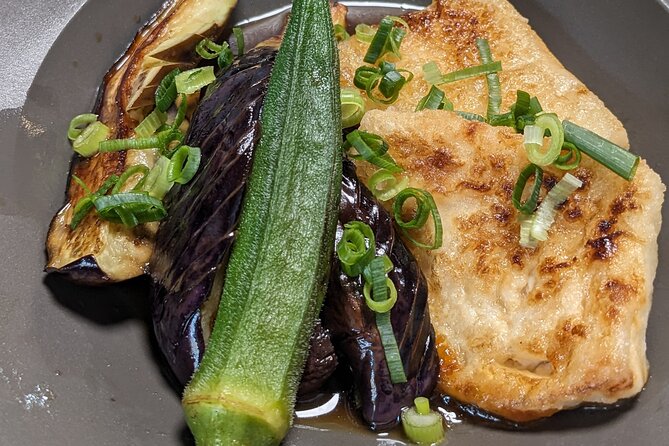
You also prepare a seasonal vegetable dish. The specific vegetable changes with the season, so this part connects the menu to what is available rather than forcing the same plate all year. Seasonal cooking is central to Japanese food culture, and this small dish helps show how a meal can include vegetables without making them an afterthought.
Miso soup completes the menu. Because you begin with homemade dashi, the soup is also a practical lesson in how stock, miso, and simple additions work together. You are not just stirring miso into hot water. You are building the flavor in stages.
Together, the dishes create a full meal: rice or rice-based food, soup, vegetables, and a main. That balance is one of the class’s strongest features. You leave with several separate recipes, but also with a better sense of how Japanese home meals fit together.
Presentation matters as much as flavor
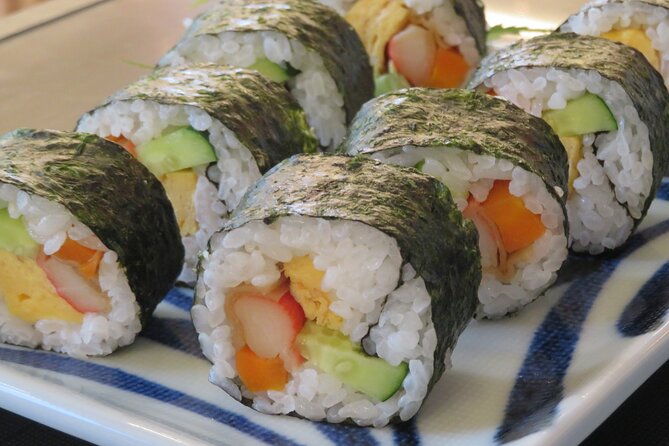
Aki pays attention to making the food look good, not only taste good. That is especially useful in Japanese cooking, where arrangement, color, and neatness often matter as much as seasoning.
You may notice small choices about how ingredients are cut, placed, or served. The point is not to turn the class into a formal lesson in culinary art. It is to show how a few careful details can make an ordinary home meal feel special.
The class also includes brief history and food background. This gives context without taking over the cooking. You learn what you are doing while your hands stay busy, which is a better way to remember the lesson than listening to a long talk before touching the ingredients.
Do not expect a restaurant kitchen or professional chef’s performance. The setting is intentionally personal and domestic. Some people will find that warmth appealing. Others may prefer a larger school with several stations, more equipment, and a wider menu. Your choice depends on whether you value contact with a local host over a polished culinary production.
What the $120 price really covers
The price is $120 per person. That is a serious expense for a two-and-a-half-hour activity, especially if you are comparing it with a casual Japanese meal that costs much less.
The value comes from the combination of food, instruction, and access. Your price includes all ingredients, kitchen tools, apron rental, an English-speaking Japanese host, and a digital recipe sheet in PDF form. You are paying for a private class rather than simply buying lunch.
The recipe sheet adds value after the trip. The best cooking class is one you can repeat at home, and the menu is realistic enough for that. Dashi, miso soup, gyoza, teriyaki chicken, onigiri, and seasonal vegetables are useful dishes, not decorative one-off creations.
The private format also changes the calculation. Only your group participates, so you are not sharing the teacher’s attention with a large room. If you are traveling as a couple, family, or small group of friends, that personal instruction may make the cost feel fair. If you are a solo visitor watching every yen, the price may be harder to justify.
There is no private transfer included. You also need to pay for your own travel to and from the meeting point, though the area is near public transportation. Add that time and cost when comparing this class with an activity that collects you from your hotel.
Who will get the most from this class
I would recommend this experience to you if you enjoy learning by doing. It suits curious eaters, home cooks, families, and couples who want a quieter cultural activity between major Tokyo sights.
It is also a strong choice if you have eaten Japanese food in restaurants but want to understand the home side of the cuisine. The menu shows how soup, rice, vegetables, and a main dish work as one meal. That lesson is more useful than learning one complicated restaurant specialty in isolation.
Beginners should feel comfortable. Aki teaches with pictures and clear steps, and the private format lets you ask for help. More experienced cooks can still get something from the dashi lesson, the fish marinade, the dumpling folding, and the attention to presentation.
Vegetarians can request a vegetarian option. You should make that request in advance so the menu can be planned properly. The listed main choices include chicken, fish, and pork, so do not assume that the standard menu will suit a vegetarian without prior notice.
This may not be right for you if you want a fast, low-cost food stop, a formal restaurant meal, or a tour centered on famous Tokyo landmarks. The activity is about cooking and conversation. The kitchen is the attraction.
Timing, transport, and small practical points
The class takes about 2 hours and 30 minutes. That is long enough to prepare several dishes without turning the activity into an all-day commitment. You should still avoid scheduling a tight appointment immediately afterward, since cooking time can vary with the group’s pace.
The class starts and ends at the same meeting point near Shinjuku. Since no private transportation is provided, check your route before leaving and allow a little extra time for Tokyo’s large stations and busy streets. Your confirmation includes the details, unless you book within two days of the activity. In that case, confirmation may arrive within 48 hours and depends on availability.
A mobile ticket is provided, so you can keep the booking on your phone. Free cancellation is available up to 24 hours before the start time. If you cancel later than that, the payment is not refunded, and changes made within 24 hours are not accepted.
The class is recommended to book well ahead. The average booking point is 37 days before the activity, which is a useful warning if your Tokyo dates are fixed. A private class has limited space, so waiting until the last minute may leave you without a suitable time.
Should you book Tokyo Mom’s Kitchen?
Book this class if you want an authentic home-cooking lesson with direct instruction, a complete Japanese meal, and recipes you can use after returning home. The homemade dashi, choice of main dish, seasonal vegetable course, and private setting give the experience real substance.
The strongest reasons to choose it are Aki’s personal teaching style, the chance to make food from scratch, and the balance of hands-on work with cultural context. The main cautions are the $120 price, the need to reach the Shinjuku meeting point yourself, and the fact that the activity is more about food culture than sightseeing.
For a casual meal, spend less at a restaurant. For a personal connection to Japanese family cooking, this class earns its place in a Tokyo itinerary.
FAQ
How long does the Japanese cooking class last?
The class lasts approximately 2 hours and 30 minutes.
Where does the activity start and finish?
It starts and ends at アイ・ディール株式会社, 1-chōme-24-7 Shinjuku, Shinjuku City, Tokyo 160-0022, Japan.
What dishes will I prepare?
The menu includes norimaki or onigiri, one main dish of your choice, a seasonal vegetable dish, and miso soup. You also prepare dashi from scratch.
Which main dishes can I choose?
You can choose teriyaki chicken, Saikyo yaki, which is miso-marinated fish, or gyoza filled with ground pork and vegetables.
Is a vegetarian option available?
Yes. A vegetarian option is available upon request.
What is included in the price?
The price includes all cooking ingredients, use of kitchen tools, apron rental, a digital recipe sheet in PDF format, and an English-speaking Japanese host. Private transportation is not included.
Newly reviewed around Tokyo
- Tokyo Asakusa:Calligraphy & Make T-shirt Activity★ 5.0 · 62 reviews
- Intercity Shuttle, Tokyo to Haneda /Narita /Yokohama /Makuhari★ 5.0 · 5 reviews
- 1 Hour Travel around Tokyo with a Professional Photographer★ 5.0 · 3 reviews
- Travel Tokyo with Your Own Personal Photographer★ 5.0 · 43 reviews
- Train in Samurai Swordsmanship and Defeat the Demon in Tokyo★ 5.0 · 5 reviews
- Shuttle Van 6hr Tokyo Tour to-and-from Tokyo, Yokohama and Narita★ 5.0 · 9 reviews
- Kickboxing & Body Training with EX-Pro Fighter★ 5.0 · 4 reviews
- Tokyo History: Sensoji Temple & Asakusa District Private Tour★ 5.0 · 28 reviews
Tokyo Cooking Classes, compared.

Roll and Authentic Sushi Making Class in Asakusa
Read our review →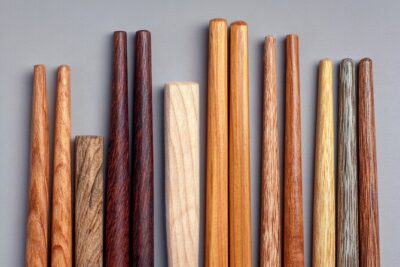
Sushi Making Class in a Happi Coat near a Famous Spot
Read our review →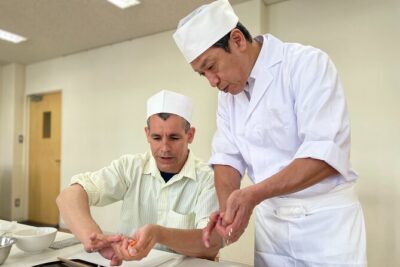
Tokyo Sushi Making Class in Tsukiji with Professional Chef
Read our review →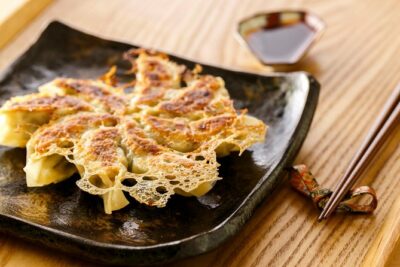
Ramen & Gyoza Cooking Class in Tokyo with Local Supermarket Visit
Read our review →
Matcha Making Class in Tokyo with Authentic Japanese Sweets Set
Read our review →
Tsukiji Fish Market Sushi Making Class with Pro Chef
Read our review →
Browse the lists this tour appears in