
Reviewed · TOKYO KIMONO EXPERIENCES
Enjoy plus size Kimono
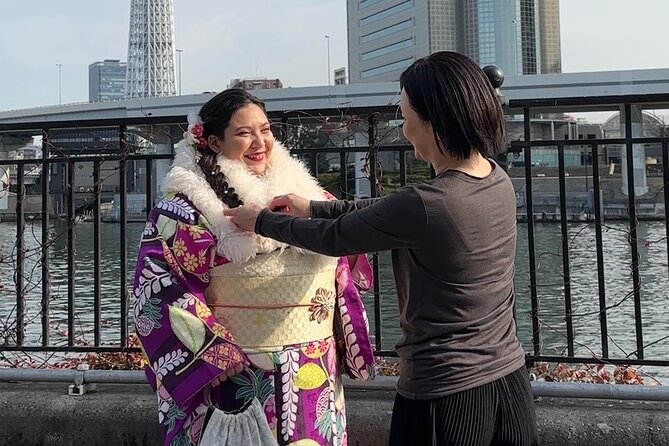
The best thing about this Asakusa activity is simple: plus-size visitors can wear a real kimono, rather than being limited to a narrow selection or told that nothing fits. Female staff help you choose the pattern, dress you, arrange a Japanese-style hairstyle, and then accompany you outside for photos.
I like the personal attention and the fact that you use your own phone or camera, so the pictures belong to you right away. I also like the thoughtful range of included pieces, from the belt and inner layer to shoes, socks, hair ornaments, and a handbag. The main caution is size: the widest part of your torso must be no more than 130 centimeters, and choices become fewer in the largest sizes.
Key points to know before booking
- Plus-size sizing: The widest torso measurement is limited to 130 centimeters, with height limits of 170 centimeters for women and 190 centimeters for men.
- Private attention: Only your group takes part, so the staff can focus on fitting, styling, posing, and questions.
- Asakusa photo walk: After dressing, you spend about 1 hour and 45 minutes outside taking photos around one of Tokyo’s best-known traditional districts.
- Choice of accessories: You select your kimono pattern, hair accessories, and bag. Even the largest women’s sizes have more than 10 pattern choices.
- Seasonal clothing: You wear a kimono in winter and a lighter yukata in summer, with the timing based on the temperature.
- Good value for two: The listed price is $85.65 per person, with a 15 percent discount when booking for two or more people.
Why this kimono session matters for plus-size visitors
Japanese kimono are built around a fairly narrow standard size, which can make a traditional dress-up activity stressful before it even begins. This session directly addresses that problem. It provides larger kimono and gives you the measurements up front, so you can check your fit before paying or arriving.
For women, the maximum height is 170 centimeters. For men, it is 190 centimeters. The key torso limit is 130 centimeters, or about 52 inches, at the widest point. If you measure above that, contact the operator before booking rather than relying on the regular reservation page.
The larger the size, the smaller the pattern selection becomes. That is a fair trade-off to understand. Still, the largest women’s size has more than 10 designs, which gives you a real choice instead of a single emergency option. Men’s larger kimono are more limited, with only a few basic dark colors and no pattern selection.
This is not a costume booth where you throw on a robe for five minutes. The staff dress you in layers, secure the belt, arrange the outfit, and prepare your hair if you are a woman. That care is important because a kimono looks and feels different when properly fitted.
More Tokyo kimono experiences:
- Let’s make kimono !(Kimono is a gift for you
★ 5.0 · 252 reviews - Tokyo: Matcha and Kimono Experience
★ 4.7 · 219 reviews - Tokyo: Asakusa Kimono Dressing and Matcha Experience
★ 4.9 · 173 reviews
Meeting Alisa near Asakusa Station
The activity begins at noon near Asakusa Station, at 1-chōme-1-3 Asakusa in Taito City. Asakusa is served by several railway and subway lines, and the wording around the station has caused confusion for at least one visitor. I strongly recommend confirming the exact station, line, and meeting instructions with NicoTour Japan before the day of the activity.
That small bit of preparation matters. Arriving in the wrong part of Asakusa can cost you valuable time, especially because the session has a fixed start and the staff need to reserve time for dressing. Save the meeting details on your phone and allow extra time to find the correct exit.
Once you meet Alisa and her staff, you change clothes at the shop. The session is private, so you do not have to compete with a large group for attention or feel rushed while choosing your outfit. This setup is especially helpful if you have questions about fit, modesty, footwear, or how to move comfortably in the clothing.
The staff are female, and women receive Japanese-style hair setting as part of the preparation. Men can take part alone, and male and female couples can book matching participation with men’s and women’s kimono.
Choosing your kimono, hair ornaments, and bag
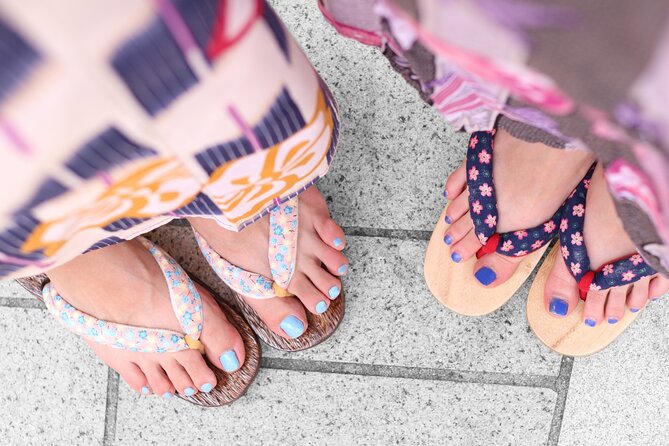
The selection process is one of the more enjoyable parts of the afternoon. You choose the kimono pattern, hair accessories, and bag, while the staff help you put the full look together. Shoes, socks, the inner layer, belt, and other rental pieces are included, so you do not need to assemble the outfit yourself.
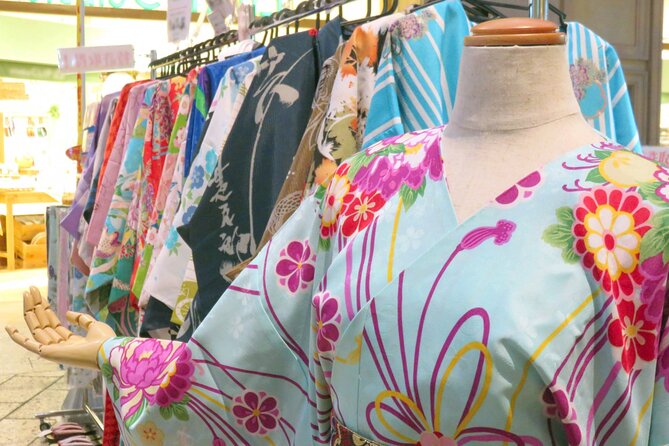
For women in standard larger sizes, the color and pattern choice should be reasonably broad. At the upper end of the size range, you may have fewer options, but more than 10 patterns are still available. That is worth keeping in mind if you have a very particular color in mind.
Men should set expectations differently. The larger men’s kimono selection consists of a few basic dark colors, and the information provided says there are no pattern choices for that size range. If the look of the fabric is central to your plans, ask about the available men’s options before booking.
In winter, you wear a kimono. In summer, the outfit changes to a yukata, a lighter summer kimono. The operator adjusts the timing according to the temperature, which is sensible in Tokyo’s hot and humid conditions. One person described the heat as intense but still felt the outfit and photographs made the effort worthwhile.
The 45-minute dressing and hair session
The schedule allows about 45 minutes for dressing and hair preparation. That is enough time for a proper fitting without turning the whole day into a costume appointment.
For women, the hairstyle is set in a Japanese style, and you choose the ornaments that finish it. The staff make adjustments as they work, which helps the outfit feel personal rather than pulled straight from a rack.
You should wear practical clothing underneath and arrive ready to be dressed by someone else. The kimono is not something you casually slip on and forget. Layers and a firm belt create the traditional shape, so the clothing may feel snug, especially in warm weather.
That is the main comfort issue. A kimono or yukata can restrict your stride, and summer heat can make the outfit feel heavy. The benefit is that you have staff nearby to make adjustments before leaving. Tell them plainly if anything pinches or feels too tight.
A completely different kind of day in Tokyo:
- Mt Fuji and Hakone 1-Day Bus Tour Return by Bullet Train
★ 5.0 · 26,383 reviews - 1-Day Tokyo Bus Tour
★ 5.0 · 14,250 reviews - Tokyo: teamLab Planets TOKYO Digital Art Museum Entry Ticket
★ 4.6 · 9,779 reviews - Mt Fuji & Hakone Cruise, Drum Show Bullet Train 1 Day from Tokyo
★ 4.0 · 7,413 reviews
Walking through Asakusa with a private photographer
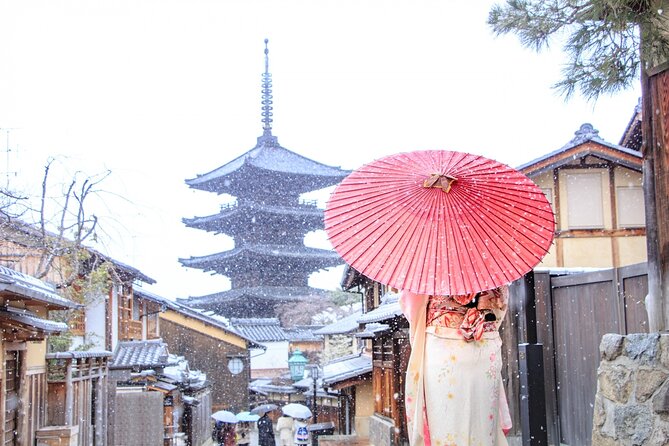
At about 12:45 p.m., you leave the shop with Alisa and begin the photo portion. The outdoor session lasts until roughly 2:30 p.m., when you return to change clothes.
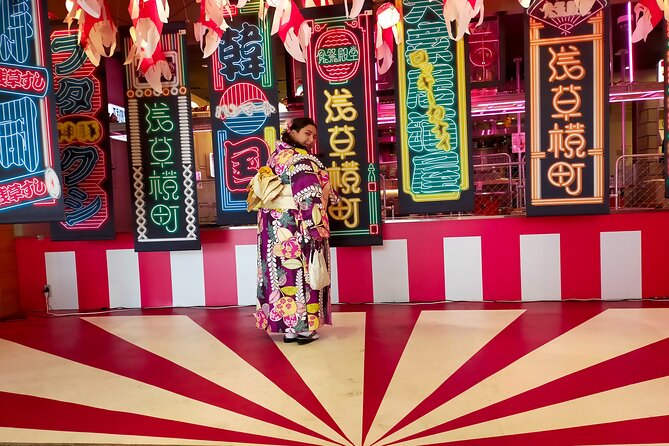
The exact route and stops are not fixed in the information provided, but the activity is centered on Asakusa and includes advice on good photo spots. Asakusa is a natural setting for kimono pictures because it gives you old Tokyo streets, traditional architecture, and a strong sense of place within a modern city.
Alisa takes pictures with your smartphone or camera. This is a practical advantage. You do not have to depend on a stranger to take a quick group photo, and you leave with images stored on your own device. Bring a phone with sufficient battery and enough free storage.
The private format also improves the photography. If you are alone, Alisa can focus on you instead of managing a large group. If you book as a couple, she can take individual and paired photos. The activity also works for men traveling alone, female friends, and couples wearing different styles.
One particularly useful feature is the guidance on posing and locations. Many people can put on a beautiful kimono and still end up with stiff or awkward photographs. Having someone accompany you, suggest angles, and handle the camera removes that problem.
Still, you should not expect a professional studio shoot with edited files, lighting equipment, or a printed album. The service is a guided photo walk using your device. That is more flexible and personal, but the final image quality depends on your camera, the weather, and the light.
Why Asakusa works so well for this activity
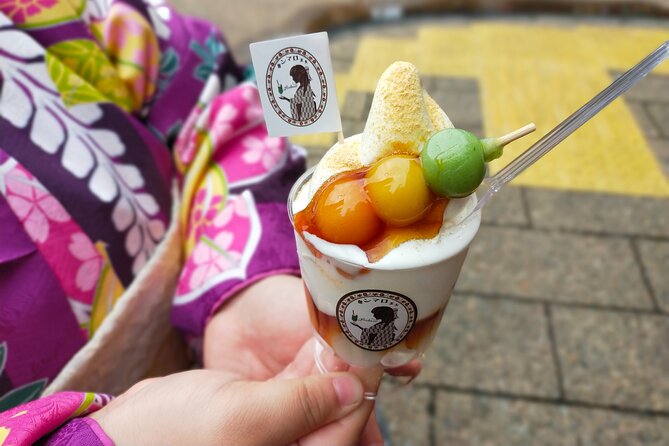
Asakusa gives this outing more substance than a dressing-room photo session. You are not only wearing traditional clothing indoors. You are walking through one of Tokyo’s most recognizable old districts and seeing how the outfit looks in a real neighborhood.
The photos gain context from the surroundings, and you get a short cultural outing at the same time. The operator also answers questions about the kimono tradition, which is useful if you want more than a pretty picture.
Weather can change the mood. One couple had heavy rain, yet Alisa worked around it and still took worthwhile photos. That is encouraging, but rain will naturally affect how long you want to walk and how clean your shoes and clothing remain. Check the forecast and bring a small umbrella if needed, though the supplied details do not say that one is provided.
Tokyo’s summer heat is another practical concern. A light yukata is more suitable than a formal winter kimono, but it can still feel warm and restrictive. If you dislike heat or have limited mobility, ask how much walking is expected and tell the staff about any physical concerns.
What the $85.65 price includes
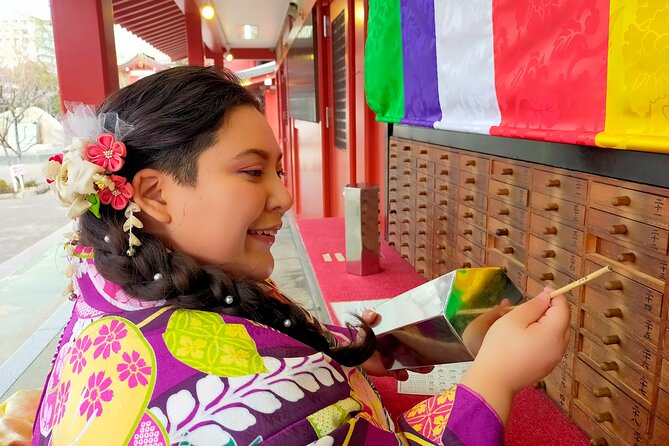
At $85.65 per person, this is not the cheapest way to rent a kimono for an hour. It is also more than a basic self-service rental, because the fee covers the outfit, dressing, hair styling for women, accessories, shoes, socks, a bag, personal attention, and a guided photo walk.
That makes the value easier to judge. If you only want to wear a kimono and take one or two quick pictures, a simple rental may cost less. If you want help with fitting, a proper hairstyle, an accompanying photographer, and advice on where to pose, the added cost is more reasonable.
The discount is important for couples and friends. Book two or more people and the price drops by 15 percent. At the listed price, that works out to about $72.80 per person before any other booking charges. For a couple celebrating a honeymoon or marking a first trip to Japan, the discount makes the private format more attractive.
Food is not included, and neither is private transportation. Plan your own route to Asakusa and budget separately for snacks or drinks. The activity ends back at the meeting point, so you are free to continue exploring the district afterward.
Who should book this experience
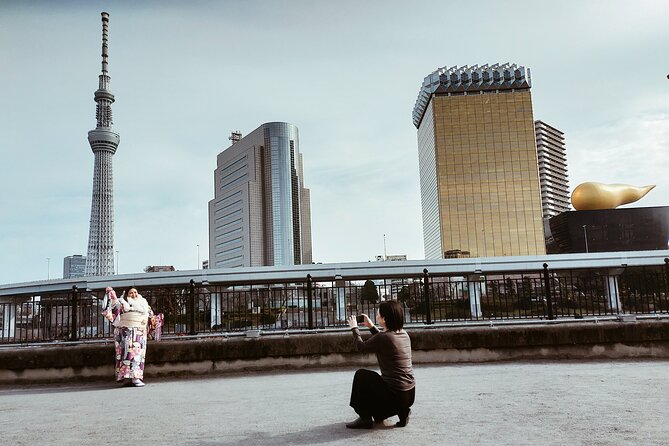
I would recommend this for a solo visitor who wants a personal cultural activity and reliable photos. It is also well suited to couples, especially those celebrating a honeymoon, and to friends who want coordinated pictures without asking passersby for help.
Plus-size women are the clearest match because the activity specifically carries larger kimono and gives firm measurements in advance. The friendly, patient approach is useful if you are nervous about whether traditional clothing will fit or worried about asking questions.
Men can participate, but the clothing selection is narrower in larger sizes. Men who care about color or pattern should contact the operator first. Families and most able-bodied visitors can participate, and service animals are allowed.
This is less suitable for someone who wants a long sightseeing tour, a formal lesson in kimono history, or a guaranteed set of professionally edited photographs. It is a three-hour dressing and photo outing, not a full-day cultural course.
Small details that can make the afternoon better
- Check your torso and height against the limits before booking.
- Confirm the exact Asakusa meeting point and railway line.
- Bring the camera or smartphone you want used for the photographs.
- Charge your phone fully and clear storage space.
- Allow time for the 45-minute dressing session.
- Wear clothing that is easy to change out of.
- Expect less pattern choice in the largest sizes, especially for men.
- Plan for heat in summer and ask for adjustments if the outfit feels uncomfortable.
- Keep the afternoon flexible, since weather may affect the photo walk.
Free cancellation is available up to 24 hours before the start time. Changes or cancellations made less than 24 hours before noon on the day of the activity are not accepted for a refund.
My take: a strong choice with one important check
I would book this if your priority is to wear a kimono that fits, receive hands-on help, and come away with useful photographs from Asakusa. The private format, Japanese hairstyling, included accessories, and patient personal service give it more value than a quick rental counter.
Before paying, confirm two things: your measurements and the exact meeting location. Those are the only serious hurdles. If you fit within the limits and understand that large-size men’s choices are basic, this is a thoughtful way to enjoy a traditional Japanese outfit without feeling self-conscious or left to manage the details alone.
FAQ
What is the maximum size for this kimono experience?
The widest part of your torso must be no more than 130 centimeters, or about 52 inches. If your measurement is larger, contact NicoTour Japan directly before trying to book.
Are there height limits?
Yes. The height limit is 170 centimeters for women and 190 centimeters for men.
What is included in the price?
The price includes the rental kimono or yukata, belt, inner clothing, shoes, socks, hair accessories, bags, and related dressing items. Women also receive Japanese-style hairstyling.
Can men or solo visitors take part?
Yes. Men can participate alone, and solo visitors can book the private activity. Female couples and couples choosing men’s and women’s kimono can also participate.
Does the guide take the photographs?
Yes. Alisa accompanies you outside and takes photographs with your camera or smartphone. The activity does not include private transportation, snacks, or food.
Is there a discount for booking two or more people?
Yes. Groups of two or more receive a 15 percent discount. The listed price is $85.65 per person before that discount.
Newly reviewed around Tokyo
- Tokyo Asakusa:Calligraphy & Make T-shirt Activity★ 5.0 · 62 reviews
- Intercity Shuttle, Tokyo to Haneda /Narita /Yokohama /Makuhari★ 5.0 · 5 reviews
- 1 Hour Travel around Tokyo with a Professional Photographer★ 5.0 · 3 reviews
- Travel Tokyo with Your Own Personal Photographer★ 5.0 · 43 reviews
- Train in Samurai Swordsmanship and Defeat the Demon in Tokyo★ 5.0 · 5 reviews
- Shuttle Van 6hr Tokyo Tour to-and-from Tokyo, Yokohama and Narita★ 5.0 · 9 reviews
- Kickboxing & Body Training with EX-Pro Fighter★ 5.0 · 4 reviews
- Traditional Japanese Knife Sharpening Class★ 5.0 · 18 reviews
Tokyo Kimono Experiences, compared.
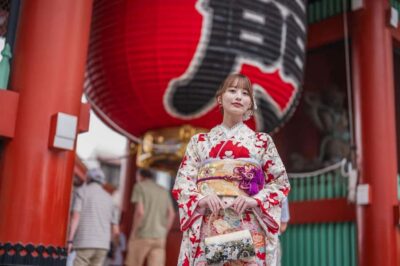
Tokyo Asakusa: Traditional Kimono Rental Experience at Wargo
Read our review →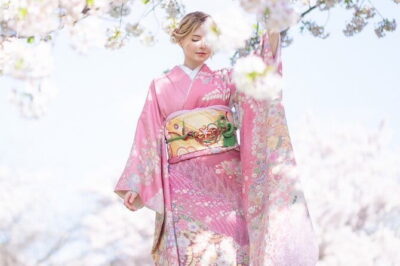
Tokyo Authentic Kimono Rental in Asakusa with Photography Option
Read our review →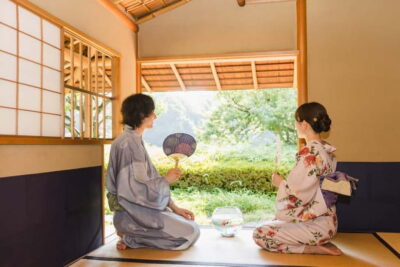
Kimono Rental inside Shinjuku Gyoen National Garden
Read our review →Browse the lists this tour appears in