
Reviewed · TOKYO BIKE TOURS
3h Tokyo E-Bike Tour: Hidden Gems, and Local Life with guide
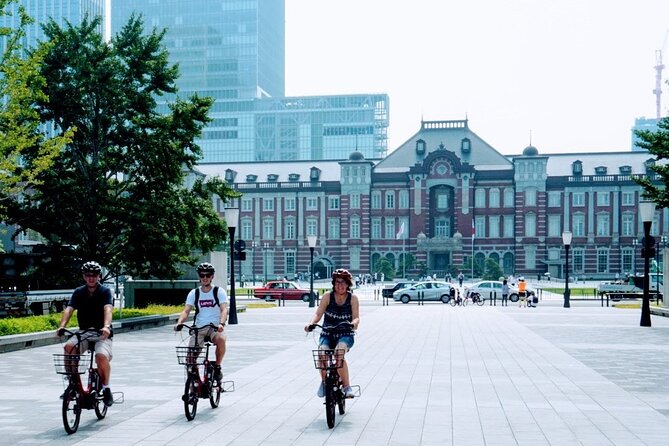
Tokyo makes more sense from a bicycle seat. In three hours, this small-group ride links grand sights such as Tokyo Station and the Imperial Palace with local streets that trains simply cannot reach. The electric assist keeps the hills and heat from turning the outing into a workout.
I like two things in particular: the small maximum of six people, which lets guides such as Yo, Jenny, Take, Kazu, and Ted adjust the pace and answer questions, and the choice between morning and afternoon routes. The morning ride leans toward the Imperial Palace, Ginza, and Tsukiji. The afternoon route heads toward Akihabara, Asakusa, Kappabashi, and Ryogoku.
The main consideration is traffic. You need to be comfortable riding on city streets and able to keep up with the group. Tokyo cycling is manageable with a careful guide, but this is not a completely carefree path through quiet parks.
Key points to know before you book
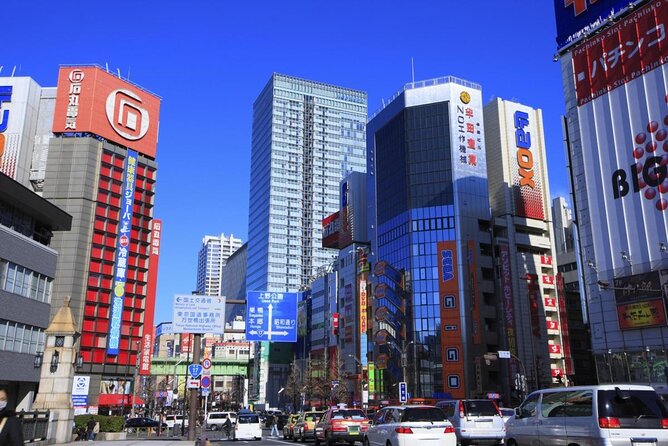
- Two different three-hour routes: Morning sightseeing covers Tokyo Station, the Imperial Palace, Ginza, and Tsukiji. Afternoon sightseeing heads east toward Akihabara, Asakusa, Kappabashi, and Ryogoku.
- Electric bikes make a real difference: The assist helps in Tokyo’s heat and lets you cover far more ground than a walking tour.
- Local streets are part of the appeal: You may pass small bars, residential lanes, neighborhood shops, and shortcuts that larger sightseeing vehicles cannot use.
- The group stays small: The tour has a maximum of six people per booking, with a minimum of two participants for departure.
- Practical equipment is included: You get an e-assist bicycle, helmet, insurance, simple rain gear, and seasonal items such as winter gloves or summer cooling products.
- You must be a confident cyclist: The minimum age is 12, the minimum height is 147 centimeters, and anyone unable to ride a bicycle cannot join.
Starting near Kanda Station
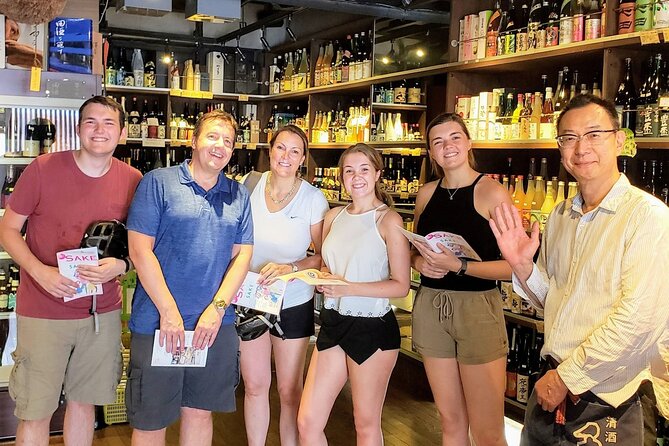
The tour begins at Cycling Holiday Tokyo, about a one-minute walk from the west exit of JR Kanda Station. That central location is useful because you can reach it easily by train, and the shop has a restroom, waiting room, and luggage storage for nonvaluable items.
The staff fit you with an electric bicycle and helmet before setting off. The bikes are designed to be easy to operate, and a front basket gives you somewhere to put water or a small bag. You still need to ride actively, steer, brake, and watch the road. The motor helps, but it does not replace basic cycling skills.
Kanda is an apt starting point. It is a compact downtown area shaped by Japanese office life, with narrow streets and many small bars. You get an early look at a side of Tokyo that feels less polished than the postcard districts. The opening stop is short, but it helps set the tone: this is partly a major-sights tour and partly a look at ordinary city life.
More Tokyo bike tours:
- Tokyo Great Cycling Tour
★ 5.0 · 811 reviews - Tokyo Top Highlights 3h Guided E-bike Tour
★ 5.0 · 714 reviews - Tokyo: 3-Hour Bike or E-Bike City Highlights Tour
★ 4.8 · 435 reviews
The morning route: from Tokyo Station to Tsukiji
The morning ride is the better choice if you want Tokyo’s major central sights, grand architecture, and a taste of the old commercial city. It also gives you a useful orientation early in your trip.
You first ride through Tokyo’s financial district, where modern office buildings create some of the most photogenic urban views in the city. The guide may adjust the streets based on traffic, pedestrians, and the day’s conditions, so the exact path can change. That flexibility is useful for safety, though it means you should not expect every stop to follow a rigid script.
Tokyo Station and Marunouchi
At Tokyo Station’s Marunouchi forecourt, you pause to look toward the station building from Gyoko-dori Street. The red-brick facade gives this part of Tokyo a formal, European-influenced feel, while the surrounding business district shows how quickly the city shifts from historic architecture to glass towers.
The stop is brief, about five minutes, so think of it as a photo and orientation point rather than a full architectural visit. Your guide explains the station’s history, giving context that is easy to miss if you only pass through on a train.
Imperial Palace gates and moat views
The route continues toward Otemon Gate, where you look across the moat toward Fujimi Yagura, a traditional watchtower associated with the Imperial Palace grounds. This is one of the tour’s strongest moments because the bicycle gets you between central business streets and a broad, open historic setting without the need to find your way through Tokyo’s complicated rail system.
You also pass Sakuradamon, one of the best-known traditional castle gates in the palace area. Depending on the route and conditions, the ride may include more of the palace gardens and their large open park spaces. The contrast is striking: towers, moats, trees, and wide paths sit beside the center of one of the world’s largest cities.
The palace area is not a long walking visit, and you do not enter the palace itself as part of the listed route. You see selected gates, moats, and exterior views, with the guide explaining what you are looking at. That makes the stop efficient, but anyone wanting a detailed palace tour should plan a separate visit.
A completely different kind of day in Tokyo:
- Mt Fuji and Hakone 1-Day Bus Tour Return by Bullet Train
★ 5.0 · 26,383 reviews - 1-Day Tokyo Bus Tour
★ 5.0 · 14,250 reviews - Tokyo: teamLab Planets TOKYO Digital Art Museum Entry Ticket
★ 4.6 · 9,779 reviews - Mt Fuji & Hakone Cruise, Drum Show Bullet Train 1 Day from Tokyo
★ 4.0 · 7,413 reviews
Ginza backstreets
From the palace district, the group rides through Ginza. Depending on traffic and the day, you may use the main streets or quieter lanes behind the luxury stores. The backstreets are often the more interesting choice because they show how restaurants, offices, and small local businesses fit behind the polished shopping frontage.
This is also where a local guide adds practical value. Guides have pointed out less expensive and more authentic places to eat near Ginza, information that can help you return later without paying only for the district’s famous name. Do not expect a formal food tour, though. Food and drinks are not included, and any stop for refreshments is self-paid.
Tsukiji Outer Market
The morning route finishes its main sightseeing arc at Tsukiji Outer Market. Small, old-fashioned food shops line the streets, selling ingredients and prepared foods. You have about ten minutes here, enough to get a feel for the market and note places to revisit after the ride.
The short timing is both a strength and a limit. You see Tsukiji without surrendering the whole morning, but you will not have time for a leisurely market meal or extended shopping. If Tsukiji is high on your list, treat this stop as a preview and return independently after the tour.
The afternoon route: Akihabara, Asakusa, and Ryogoku
The afternoon route has a different personality. It is the better fit if you want Tokyo’s pop culture, traditional temple district, kitchen shops, and sumo connections in one compact ride.
After leaving Kanda, the group heads toward Akihabara, Tokyo’s famous subculture district. The guide explains the neighborhood beyond the familiar maid-cafe image, offering context about its youth and geek culture. The stop is short, around five minutes, so you should not expect time for serious shopping. Instead, it gives you a quick introduction before the route moves into older and more traditional districts.
Kappabashi kitchen street
Kappabashi Dogugai, often called Tool Street, is a practical and unusual stop. Shops here sell kitchen utensils, professional cooking equipment, Japanese knives, restaurant supplies, and the food displays seen outside many Japanese eateries.
You may have about ten minutes to look around and shop. That is enough to spot a useful souvenir, but not enough for a slow browse through every store. If you are interested in Japanese knives or cooking tools, note the shops that catch your eye and return later with more time. The bicycle makes this district easy to add to a larger route, but carrying a large purchase afterward may be inconvenient.
Asakusa and its oldest temple setting
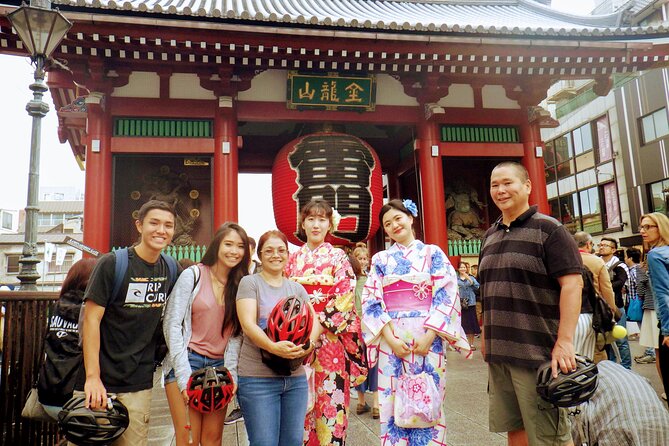
Asakusa offers the afternoon route’s clearest traditional image of Tokyo. The district is famous for its temple, old-style streets, and strong connection to the city’s past. The tour includes a short stop where the guide can explain temple customs and rituals, information that helps you behave respectfully during the rest of your Japan trip.
Again, the time is limited to roughly ten minutes. You see the essential setting and receive an introduction, but the ride is not a replacement for spending an afternoon around Asakusa’s temple precinct and shopping streets. If you want photographs and a first look, the stop works well. If you want to explore every lane, return later on foot.
Ryogoku and the sumo district
The route continues to Ryogoku, the area associated with sumo wrestling. The guide may point out the sumo arena and explain the district’s connection to the sport. With good timing, you might even see actual sumo wrestlers in the area, though that is clearly a possibility rather than a promise.
Ryogoku is a good example of the tour’s mix of planned sightseeing and lucky encounters. You get the neighborhood context regardless, but an unexpected sighting can make the ride especially memorable. The bicycle also helps connect Ryogoku with Asakusa and Kappabashi without spending time changing trains.
Nihonbashi brings both routes together
Both morning and afternoon rides include Nihonbashi Bridge. This historic crossing is tied to Japan’s old road system, with distances traditionally measured from Nihonbashi. The bridge also marks the area’s long role as a commercial center.
The stop is short, about five minutes, but it provides a useful piece of city geography. Tokyo is not just a collection of separate attractions. Nihonbashi, Kanda, Ginza, and the palace district are linked by old roads, business activity, and changing patterns of daily life. Cycling helps you see those connections instead of teleporting between stations.
Why an e-bike works so well in Tokyo
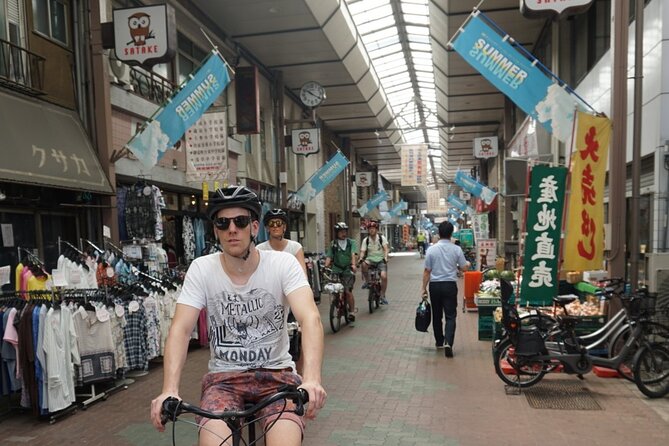
Tokyo is relatively easy to explore by train, but the train network can make the city feel like a series of disconnected points. An e-bike fills in the space between them. You can stop for a photograph, pass through a residential lane, and continue without waiting on a platform or climbing another station staircase.
The electric assist matters most in summer. Tokyo can be hot and muggy from July through August, and several riders have found the motor helpful on warm days. Bring water, sunscreen, and a towel. An electrolyte drink is a sensible choice in high heat, especially since the ride lasts three hours.
The bike also helps families and mixed-ability groups stay together. Teenagers from age 12 can participate if they meet the height requirement and can ride safely. Guides such as Yoshiko, Yo, Ted, Take, Jenny, and Kazu have been praised for keeping groups together, explaining local customs, and adjusting their approach to adults and younger riders.
Still, an e-bike is not a magic carpet. You must manage busy streets, pedestrians, intersections, and the possibility of falling behind. One useful piece of advice is simple: stay close to the guide and do not assume the group will wait indefinitely if you stop without warning.
Guides, pace, and the small-group advantage
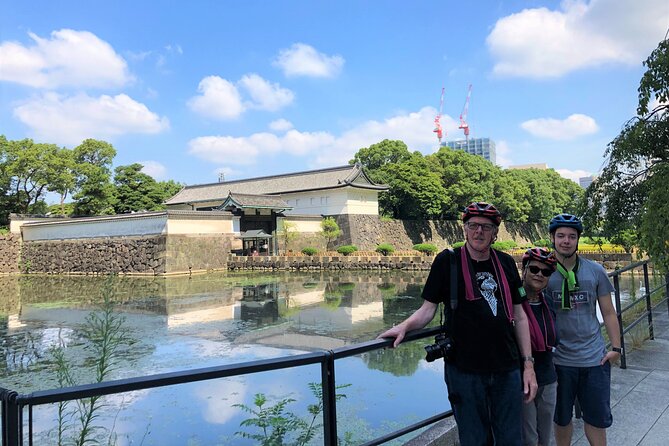
The strongest part of this experience is the human guidance. Names that appear frequently in the operation include Yo, Jenny, Take, Kazu, Ted, Ninja, Yoshiko, and Yoppi. The exact guide depends on the date, but the format gives you a local cyclist who can explain history, food, neighborhoods, and everyday customs while you ride.
The small group helps in several ways. You can ask why a street matters, where a certain food comes from, or how to behave at a temple. The guide can also stop for photographs and keep an eye on safety more easily than on a large bus tour.
The pace is generally designed to cover a lot of ground without exhausting you. That makes the ride especially useful on your first morning in Tokyo, when you want to identify districts to revisit later. It is also a good choice for repeat visitors who have seen the main attractions but want a look at local lanes and less obvious connections.
Price, equipment, and practical value
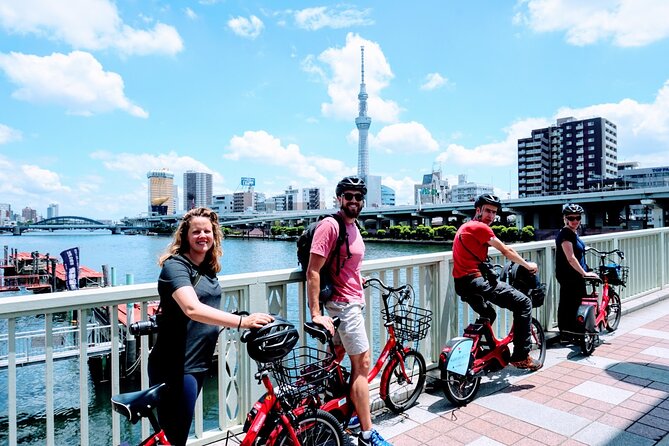
At about $63.01 per person, the tour is reasonably priced for a three-hour guided activity in central Tokyo. The value comes from the combination of bicycle rental, electric assist, helmet, English-speaking guide, insurance, and a route that connects several districts. You also avoid the cost and effort of arranging a bicycle independently.
Simple rain gear is provided, along with winter gloves and summer cooling products when appropriate. You can leave luggage at the shop, except for valuables. Food and drinks cost extra, so budget for any market snack or café stop.
The tour requires at least two participants to operate, although a solo booking can join if other people are scheduled. The maximum is six people per booking, which keeps the outing personal without making it private.
Rain can cancel the tour, with a different date or full refund offered. The operator checks the forecast the day before, and the guide can stop and return to the shop if conditions become unsafe during the ride. In extreme summer heat, the activity may also be canceled or ended early for safety.
Who should choose this Tokyo ride?
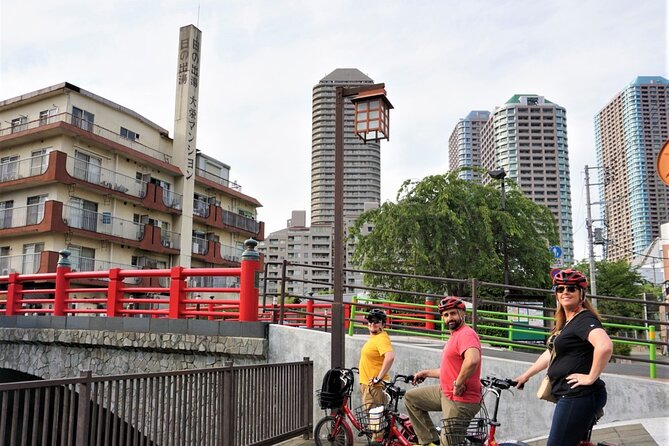
I would choose this tour if you want a quick city orientation, enjoy active sightseeing, and like learning from a local guide while moving through several neighborhoods. It suits first-time visitors especially well, since the route helps you decide where to return on foot or by train.
It also works for families with older children, couples, and repeat visitors who want more than the usual major sights. The afternoon route is a strong choice for people interested in Asakusa, kitchen tools, sumo, and Japanese pop culture. The morning route suits architecture, palace views, Ginza, and Tsukiji.
I would not choose it if you dislike cycling in traffic, cannot ride confidently, or want long, unhurried visits at each attraction. The stops are short, and the ride is designed to connect many parts of Tokyo rather than examine one district in detail.
Should you book the 3-hour Tokyo e-bike tour?
Yes, if you want to cover a broad slice of Tokyo while still seeing neighborhood streets and learning local context. I especially like booking it near the start of a trip, using the ride to mark places for later meals, shopping, and longer walks.
Choose the morning route for the Imperial Palace, Tokyo Station, Ginza, and Tsukiji. Choose the afternoon route for Akihabara, Kappabashi, Asakusa, Ryogoku, and a chance to see sumo culture up close. Bring water, sunscreen, and comfortable clothes, then stay alert on the road. For about $63, this is a practical way to get your bearings without spending three hours underground.
FAQ
Where does the Tokyo e-bike tour start and finish?
The tour starts and ends at Cycling Holiday Tokyo, at 3-chōme-8-6 Uchikanda, Chiyoda City, near Kanda Station. The shop is about a one-minute walk from the west exit of JR Kanda Station.
How long is the tour?
The experience lasts approximately three hours.
What sights are included on the morning route?
The morning route can include Kanda, Tokyo’s financial district, Tokyo Station, the Imperial Palace area, Sakuradamon, Ginza, Tsukiji Outer Market, local backstreets, and Nihonbashi Bridge.
What sights are included on the afternoon route?
The afternoon route can include Kanda, Akihabara, Kappabashi Tool Street, Asakusa, Ryogoku, local streets, and Nihonbashi Bridge.
What is included in the price?
The price includes an electric-assist bicycle, helmet, English guide, insurance, simple rain gear, and seasonal items such as winter gloves or summer cooling products. You may also leave luggage at the shop, except for valuables. Food and drinks are not included.
Who can join the tour?
Participants must be at least 12 years old and at least 147 centimeters tall. You must be able to ride a bicycle, and the tour requires a minimum of two participants to operate. The maximum is six people per booking.
More 3 Hour Experiences in Tokyo
- Tokyo: 3-hour Guided E-Bike Tour of the City’s Hidden Gems
★ 4.8 · 251 reviews - 3-Hour Tokyo Pub Crawl Nightlife Welcome Guided Tour in Shibuya
★ 5.0 · 209 reviews - Tokyo: 3-Hour Bike/E-Bike Tour of the City’s Highlights
★ 5.0 · 209 reviews - 3-Hour Small-Group Sushi Making Class in Tokyo
★ 5.0 · 166 reviews
Newly reviewed around Tokyo
- Tokyo Asakusa:Calligraphy & Make T-shirt Activity★ 5.0 · 62 reviews
- Intercity Shuttle, Tokyo to Haneda /Narita /Yokohama /Makuhari★ 5.0 · 5 reviews
- 1 Hour Travel around Tokyo with a Professional Photographer★ 5.0 · 3 reviews
- Travel Tokyo with Your Own Personal Photographer★ 5.0 · 43 reviews
- Train in Samurai Swordsmanship and Defeat the Demon in Tokyo★ 5.0 · 5 reviews
- Shuttle Van 6hr Tokyo Tour to-and-from Tokyo, Yokohama and Narita★ 5.0 · 9 reviews
- Kickboxing & Body Training with EX-Pro Fighter★ 5.0 · 4 reviews
- Traditional Japanese Knife Sharpening Class★ 5.0 · 18 reviews
Tokyo Bike Tours, compared.
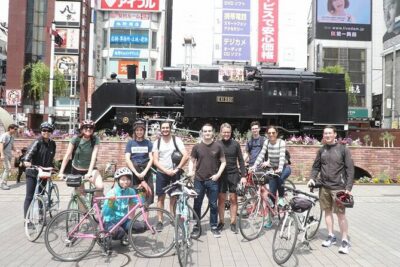
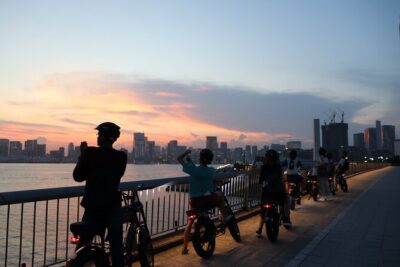
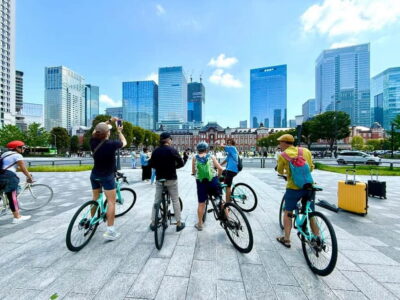
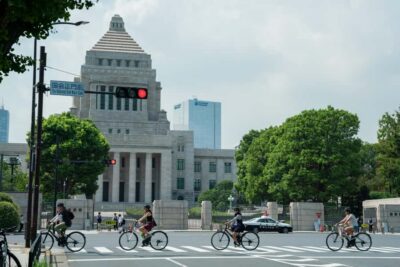
3-hour Guided E-Bike Tour of the City’s Hidden Gems
Read our review →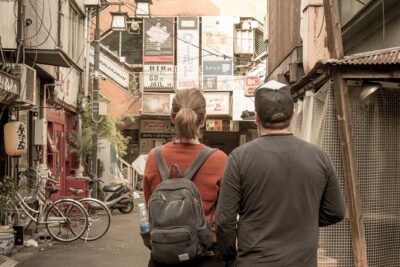
3-Hour Bike/E-Bike Tour of the City’s Highlights
Read our review →
Tokyo downtown bicycle tour Tokyo Backstreets Bike Tour
Read our review →Browse the lists this tour appears in