
Reviewed · TOKYO SUSHI MAKING CLASSES
Create Your Own Party Sushi Platter in Tokyo
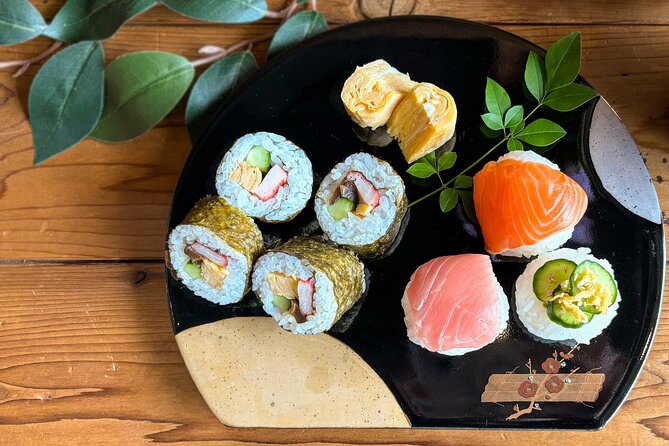
The fun here is making sushi that looks ready for a celebration, not just learning to roll a basic maki. In about two hours, you prepare futomaki, round temari sushi, miso soup, and tamagoyaki, then sit down to eat what you made.
I like the mix of careful Japanese technique and dishes you can repeat at home. I also like that English-speaking instructors work beside you, making this a friendly choice for first-time cooks and small groups. The main drawback is the non-refundable booking policy, so you need to be sure your plans are firm.
Key points at a glance
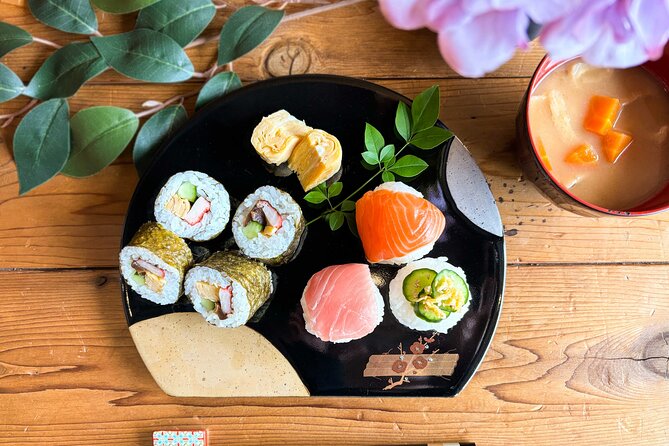
- Make two showy sushi styles: Learn thick futomaki rolls and round temari sushi, both suited to parties and celebrations.
- Cook a complete Japanese lunch: Miso soup and tamagoyaki add two useful home-style dishes to the menu.
- English support is provided: Instructors explain the steps and offer help while you work.
- Start at 11:30 am in Minato: The class lasts about two hours and finishes back at the meeting point.
- A good group activity: Bookings require at least four people, while the class can accept up to 40.
- Lunch and ingredients are included: You pay for the cooking session, food, and meal in one price.
Why futomaki and temari sushi make good class projects
Many sushi classes focus on one familiar roll. This one gives you two very different shapes to practice, and that makes the lesson more useful.
Futomaki is the thick roll. You place sushi rice and several ingredients on a sheet of nori, then roll it into a substantial cylinder. It takes a little care to keep the filling in place and produce an even shape. Once sliced, the cross-section reveals the ingredients inside.
Temari sushi is smaller and round. You form the rice into a ball, then top it with sashimi and vegetables. Its neat, decorated look makes it a natural choice for parties, seasonal gatherings, and other special occasions.
I like this pairing because the two styles teach different skills. Futomaki asks you to manage a larger roll and several fillings. Temari sushi is about shaping, proportion, and appearance. You are not simply copying a restaurant dish. You are learning how Japanese cooks turn simple ingredients into food that looks special.
The class description does not list the exact fillings or sashimi used, so you should not expect a fixed menu beyond the named dishes. The useful point is that you learn the methods from the beginning, with the ingredients supplied.
More Tokyo sushi making classes:
- Sushi Making Tokyo Roll and Authentic Japanese Sushi Class
★ 5.0 · 3,971 reviews - Tokyo: Roll and Authentic Sushi Making Class in Asakusa
★ 4.9 · 1,957 reviews - Make Sushi and Create Unforgettable Memories in Tokyo
★ 5.0 · 1,413 reviews
Starting in Minato at 11:30 am
The meeting point is in Minato City, a central Tokyo area, and the class starts at 11:30 am. You need to arrange your own way there because private transportation is not included.
That late-morning start works well for a relaxed day. You do not need to rush through breakfast, and the class leads naturally into lunch. Allow time to find the meeting point, since the supplied details do not include a hotel pickup or private transfer.
The activity ends back at the same meeting point. That makes the plan simple: arrive, cook, eat, and continue your Tokyo day from where you began. Since the activity lasts about two hours, you can still schedule an afternoon visit elsewhere, but leave some breathing room around the stated duration.
A mobile ticket is provided. Keep the booking confirmation easy to access on your phone, especially if you are meeting friends separately.
The lesson: careful work with an English-speaking instructor
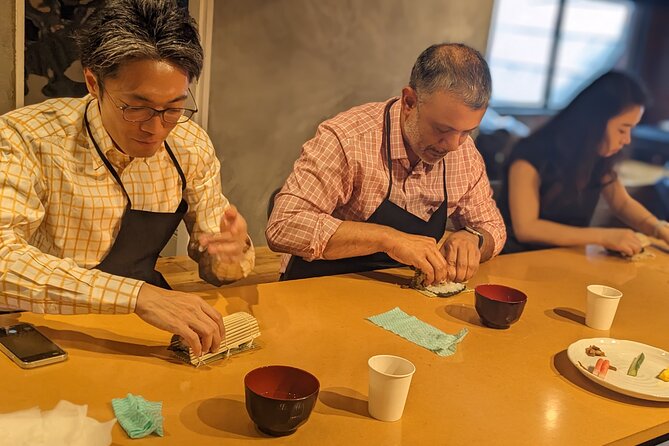
The teaching style is meant to be hands-on. English-speaking instructors support you side by side, explain the steps, and help as you work. That matters with sushi because small details affect the final result: the amount of rice, the placement of fillings, and the pressure used while shaping.
You can expect the lesson to move through preparation and assembly rather than a simple cooking demonstration. The goal is for you to make the food yourself. That gives you a better feel for the texture and technique than watching someone else do all the work.
The class also offers a social element. With a minimum of four people per booking, it suits a group of friends, relatives, or colleagues who want to make lunch together. The maximum capacity is 40 people, so the atmosphere can change depending on the size of your session. A small booking should feel more personal, while a larger one may feel more like a group event.
The available feedback points to a particularly good fit for team activities and social gatherings. The combination of cooking, talking, and eating gives a group something to do together without requiring anyone to be an expert.
Making futomaki, the thick party roll
Futomaki is the more structured part of the lesson. You work with a sheet of nori, spread sushi rice across it, arrange several ingredients, and roll everything into one thick piece. The finished roll is sliced so each piece shows the filling inside.
This is a worthwhile skill for anyone who wants to recreate a Japanese meal at home. Futomaki can be prepared for a shared table, and its large size makes it practical for a party. You learn more than the taste of sushi. You learn how rice, seaweed, and several fillings must be balanced so the roll holds together.
Do not judge your first roll only by its appearance. The point of the class is to practice the method, and the instructor support gives you a chance to correct mistakes as you go. If you are cooking with friends, the uneven rolls may become part of the fun.
The food you make is included as lunch, so your finished roll is not just a practice object. You get to eat the result of your work during the same session.
A completely different kind of day in Tokyo:
- Mt Fuji and Hakone 1-Day Bus Tour Return by Bullet Train
★ 5.0 · 26,383 reviews - 1-Day Tokyo Bus Tour
★ 5.0 · 14,250 reviews - Tokyo: teamLab Planets TOKYO Digital Art Museum Entry Ticket
★ 4.6 · 9,779 reviews - Mt Fuji & Hakone Cruise, Drum Show Bullet Train 1 Day from Tokyo
★ 4.0 · 7,413 reviews
Shaping temari sushi into small edible decorations
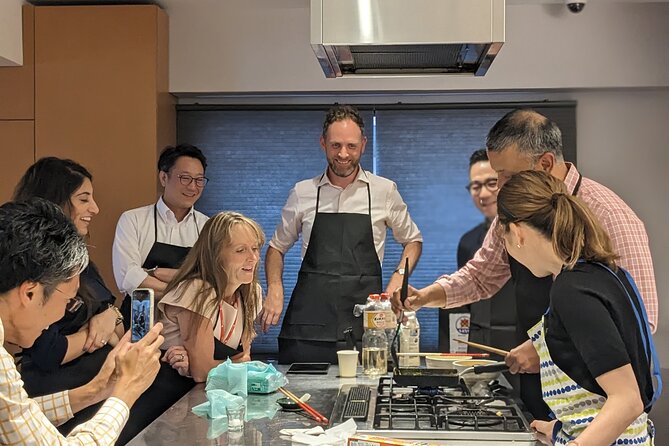
Temari sushi gives the class a different rhythm. Instead of making a long roll, you form rice into a round shape and top it with sashimi and vegetables.
Its appeal is visual. The small rounds can be arranged on a plate and served at a celebration. That is why this style is useful for a home cook who wants to make an occasion feel special without relying on complicated equipment.
You also get a lesson in restraint. A temari piece is small, so the topping and rice need to work together. The form looks simple, but neat shaping takes attention. The instructor can help you understand how to form the rice and place the toppings.
The exact seafood and vegetables are not specified, so anyone with strict dietary needs should ask the provider before booking. The class description confirms sashimi and vegetables, but it does not provide substitutions or a full ingredient list.
Miso soup and tamagoyaki add real home-cooking value
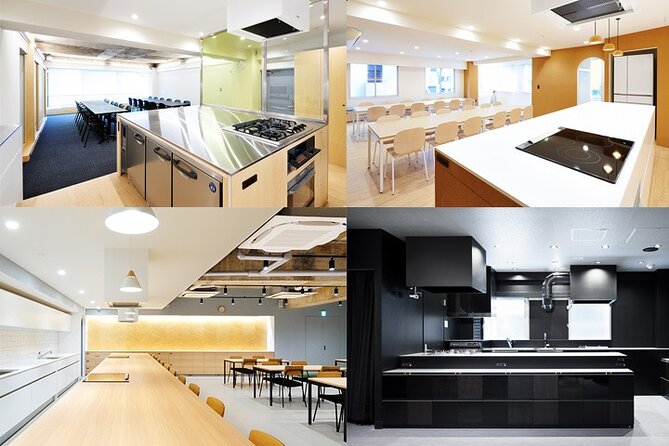
Sushi is the headline, but I think the miso soup and tamagoyaki make this class more useful for everyday cooking.
Miso soup is one of Japan’s most familiar home-style dishes. Learning it alongside sushi gives you a fuller meal rather than a lesson focused only on presentation. You can also use the basic approach as a starting point for future meals.
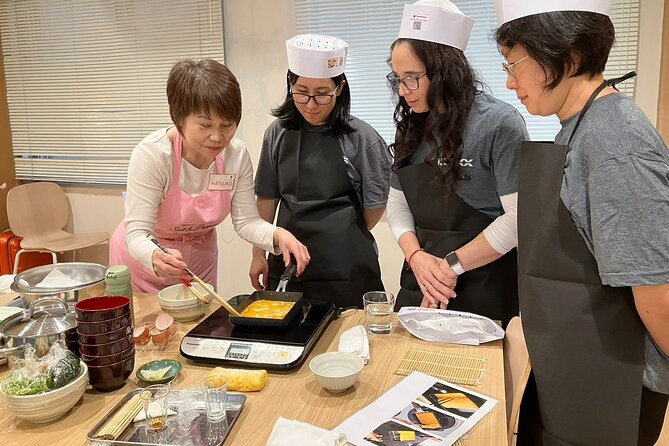
Tamagoyaki, the Japanese rolled omelet, is another practical addition. It is made by cooking and rolling layers of egg into a compact form. The technique looks easy until you try to keep the layers tidy, which makes instructor guidance helpful.
These two dishes also give you a break from sushi assembly. You work with different textures and cooking methods, then bring everything together for lunch. For a first introduction to Japanese cooking, that wider menu is a strong point.
The class does not promise a printed recipe booklet or take-home ingredients, so you should treat the session as a practical lesson rather than a formal cooking course. Take notes or photographs of your own work if the class rules permit it.
Eating the lunch you prepare
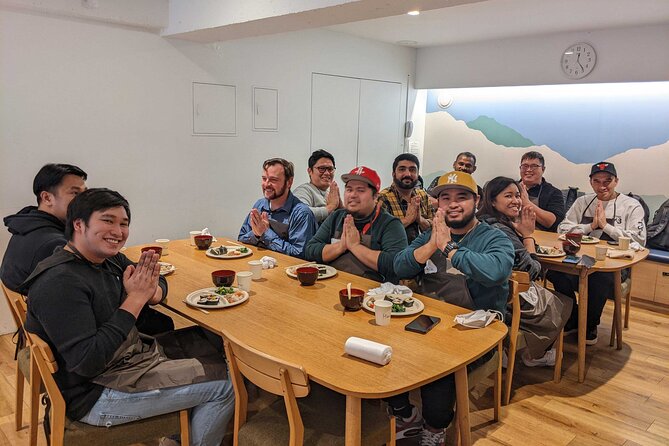
Lunch is included, along with the ingredients and cooking experience. That makes the price easier to judge because you are paying for instruction, food, and a meal in one booking.
The meal also gives you a clear reward at the end of the class. You are not trying a sample prepared by someone else. You eat futomaki, temari sushi, miso soup, and tamagoyaki made during the session.
I find that useful when choosing a cooking class. You can tell if the recipes suit your taste, and you leave with a better sense of what you would like to make again. One especially appealing part of the experience is the chance to imagine hosting your own sushi party at home.
Do keep expectations sensible. This is a two-hour introduction, not a full professional sushi course. You will learn the named dishes and techniques, but the short format limits how far the lesson can go into knife skills, fish selection, rice preparation, or advanced presentation.
Is $100.73 a fair price?
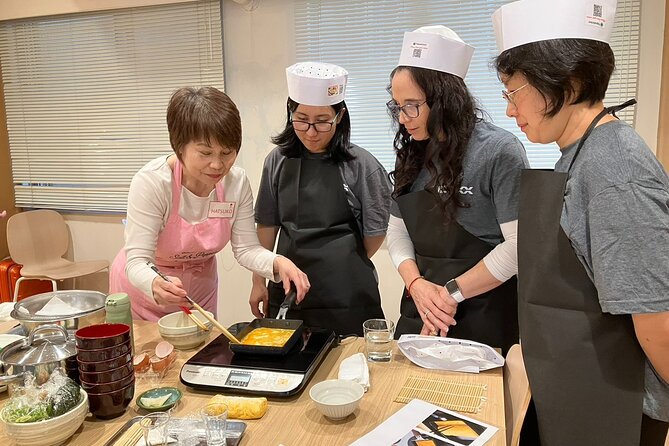
At $100.73 per person, this is not a cheap lunch. You should book it for the instruction and shared activity, not simply for the amount of food on the plate.
The value improves if you care about learning techniques you can use later. The price includes ingredients, lunch, and English-speaking support, so you are not paying separately for a meal after the class. It can also make sense for a group that wants a planned activity with a clear start and finish.
For a group of friends, the social value matters. You prepare a meal together, learn about Japanese cooking, and have something concrete to talk about while you eat. It is also suited to a team-building outing, provided everyone is comfortable with the group size.
The cost may feel high if you want a quick introduction to sushi or are mainly looking for lunch. In that case, a restaurant meal will likely be simpler. Choose this class when the hands-on lesson is the main reason you are booking.
Who will enjoy this class most?
I would recommend it most for:
- Friends who want a shared Tokyo activity
- Families with older children who can take part in food preparation
- Couples looking for a meal with a practical twist
- Work groups seeking a social cooking session
- Home cooks who want to learn party-friendly Japanese dishes
- First-time sushi makers who prefer English guidance
It is less suitable if you need a private class, a very small guaranteed group, or a fully detailed menu in advance. The capacity can reach 40 people, and the minimum booking is four, so the session may feel more communal than intimate.
You should also check ahead if you have allergies, seafood restrictions, or dietary requirements. The listed dishes include sashimi, vegetables, rice, nori, miso soup, and egg omelet, but the full ingredient details and substitution options are not provided.
Booking details that affect your decision
Confirmation is provided when you book, and the ticket is mobile. The class starts at 11:30 am in Minato City, runs for about two hours, and returns to the meeting point.
The booking is non-refundable and cannot be changed for any reason. That is the biggest practical caution. Do not reserve this until your Tokyo schedule is settled.
The activity also needs at least four people per booking. If the minimum is not met and the provider cancels, you are offered another date or experience, or a full refund. That protection applies to a cancellation caused by the minimum not being reached, not to a change of mind on your part.
Should you book this Tokyo sushi class?
Book it if you want to make and eat a Japanese lunch, not just watch a chef work. The two sushi styles are attractive, the home-style dishes add substance, and English-speaking help makes the lesson approachable.
The strongest reason to choose it is the party angle. Futomaki and temari sushi are made to look good on a shared table, and the class can leave you with ideas for hosting your own meal at home.
Skip it if $100.73 feels too high for a two-hour activity, if you need a flexible cancellation policy, or if you want a private and highly specialized sushi lesson. For a settled group that enjoys cooking together, this offers a friendly and useful taste of Japanese food culture in central Tokyo.
FAQ
Where does the cooking class take place?
The class takes place in Minato City, Tokyo, Japan. The activity ends back at the meeting point.
What time does the class start?
The class starts at 11:30 am.
How long does the experience last?
The cooking experience lasts approximately two hours.
What dishes will I learn to make?
You will learn to make futomaki, temari sushi, miso soup, and tamagoyaki, the Japanese rolled omelet.
Is lunch included?
Yes. Lunch, ingredients, and the cooking experience are included in the price.
How many people are required to book?
A minimum of four people is required per booking. The activity can accommodate a maximum of 40 people.
Newly reviewed around Tokyo
- Tokyo Asakusa:Calligraphy & Make T-shirt Activity★ 5.0 · 62 reviews
- Intercity Shuttle, Tokyo to Haneda /Narita /Yokohama /Makuhari★ 5.0 · 5 reviews
- 1 Hour Travel around Tokyo with a Professional Photographer★ 5.0 · 3 reviews
- Travel Tokyo with Your Own Personal Photographer★ 5.0 · 43 reviews
- Train in Samurai Swordsmanship and Defeat the Demon in Tokyo★ 5.0 · 5 reviews
- Shuttle Van 6hr Tokyo Tour to-and-from Tokyo, Yokohama and Narita★ 5.0 · 9 reviews
- Kickboxing & Body Training with EX-Pro Fighter★ 5.0 · 4 reviews
- Traditional Japanese Knife Sharpening Class★ 5.0 · 18 reviews
Tokyo Sushi Making Classes, compared.
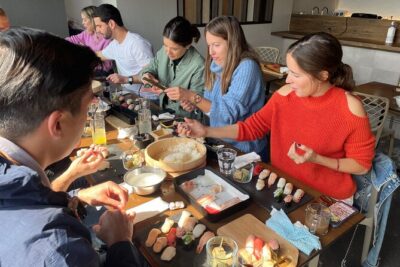
Sushi Making Tokyo Roll and Authentic Japanese Sushi Class
Read our review →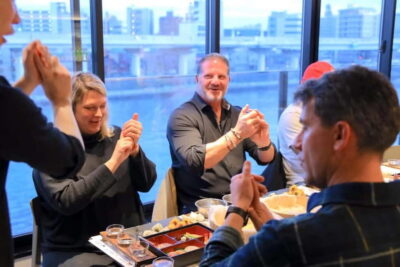
Roll and Authentic Sushi Making Class in Asakusa
Read our review →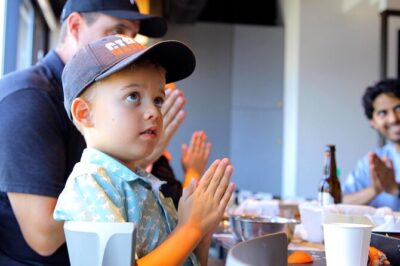
Make Sushi and Create Unforgettable Memories in Tokyo
Read our review →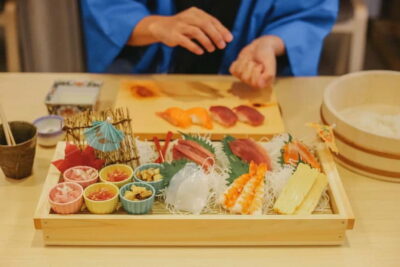
Sushi Making Class in a Happi Coat near a Famous Spot
Read our review →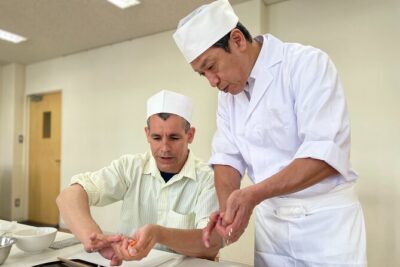
Tokyo Sushi Making Class in Tsukiji with Professional Chef
Read our review →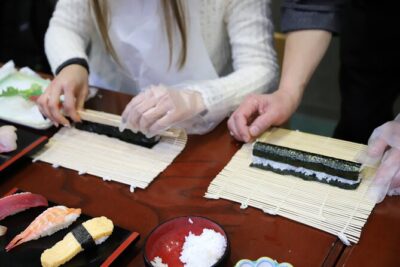
Tsukiji Fish Market Guided Tour and Sushi Making with Pro Chef
Read our review →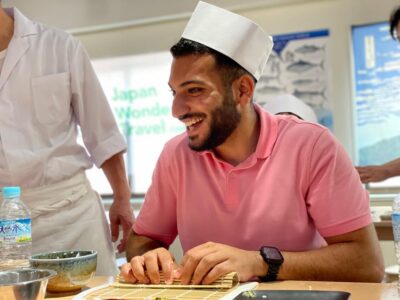
Tsukiji Fish Market Sushi Making Class with Pro Chef
Read our review →
Browse the lists this tour appears in