
Reviewed · TOKYO SAMURAI AND NINJA EXPERIENCES
Tokyo:Samurai Training : Swords, Bushido & Mental Discipline
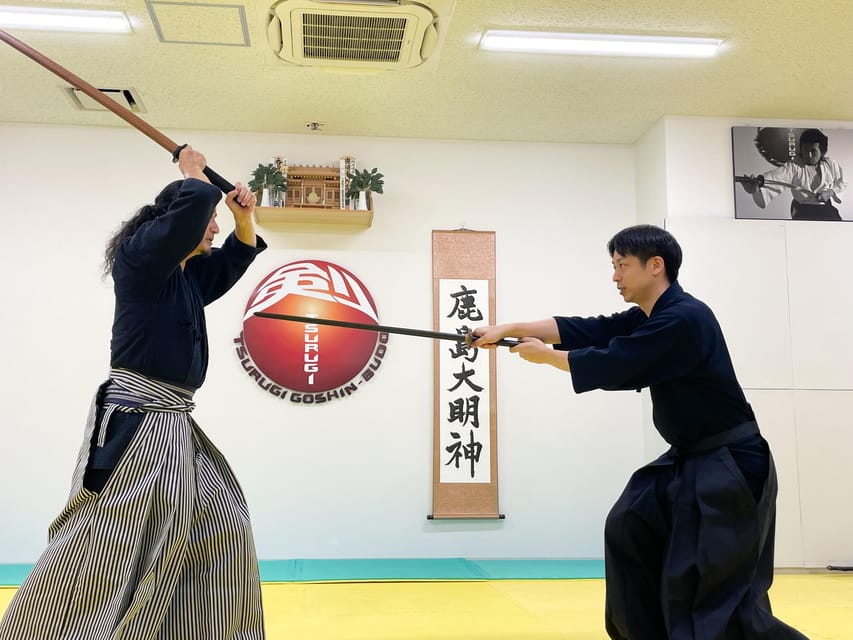
Tokyo’s samurai training puts you in a dojo on land once tied to Edo Castle, then asks you to work for the title. You learn etiquette, breathing, wooden-sword technique, heavy-stick drills, and one-on-one sparring with an instructor. It is hands-on rather than a staged sword show.
I like the calm opening, since Bushido begins with posture and control, not wild sword swinging. I also like the small class size, capped at six, and the personal touches from instructors such as Oedo and Yukikaze, including matcha, traditional sweets, and a scroll certificate with your name.
The main consideration is physical effort. You will kneel, move carefully, handle a heavy practice stick, and spar with an instructor, so this is not the best pick if you have a cold, are pregnant, or want a purely passive cultural activity.
Key points to know
- Train in historic Kojimachi: The dojo sits in a district once connected with the inner grounds of Edo Castle.
- Learn more than sword poses: The session covers Bushido, etiquette, breathing, meditation, posture, and awareness.
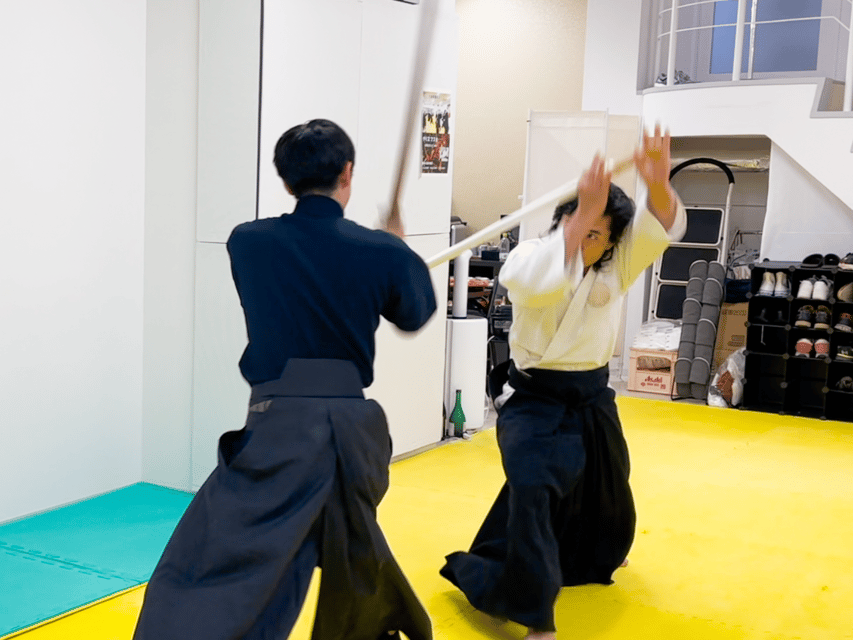
- Practice with a heavy stick: Strength drills add real physical work to the lesson.
- Try silent ninja-style walking: Balance and quiet movement become part of the training.
- Finish with sparring and a certificate: You apply a combat kata with an instructor, then receive a personalized scroll and commemorative photo.
A two-hour samurai lesson in central Tokyo
For $83 per person, this is a compact, active cultural lesson rather than a long sightseeing tour. You get two hours of instruction, uniform rental, a live sword demonstration, matcha and sweets, a photo, and a personalized certificate.
That package gives the price some weight. You are paying for a guided activity with equipment, clothing, and direct instruction, not simply admission to a performance. The small group limit of six also matters. It gives the instructors room to correct your stance and work with you directly.
The minimum booking is two participants. That makes this a good choice for couples, friends, and families who want to take part together. Solo booking may not work if no second participant is available, so check the date carefully before making plans.
More Tokyo samurai and ninja experiences:
- Tokyo: Samurai Ninja Museum Guided tour and Experience
★ 4.6 · 1,010 reviews - Tokyo: Samurai Sword & Archery Class from Samurai Descendant
★ 5.0 · 603 reviews - Best Samurai Experience in Tokyo
★ 5.0 · 458 reviews
Finding the dojo in Kojimachi
The training takes place in Tokyo’s Kojimachi district, an area connected with the former inner grounds of Edo Castle. That setting gives the lesson a useful sense of place. You are not learning samurai movements in a generic entertainment venue.
Transportation is not included, so you need to make your own way to the dojo. At the entrance, look for a samurai waiting for you and a samurai nobori flag. The flag is your main landmark and should make the final approach easier.
Remove your shoes before entering. Smoking is not allowed indoors. You should also provide the height and size of every participant in advance so the included uniforms can be prepared.
Starting with Bushido, etiquette, and stillness
The class begins with samurai etiquette and the spirit of Bushido. This first section is important because it gives meaning to the physical work that follows. You are not simply learning how to hold a wooden sword. You are being shown how discipline, respect, and self-control fit into the practice.
Breathing exercises and meditation come next. The aim is to settle your mind before you start moving. For many people, this may be the most unfamiliar part of the session. Tokyo can be noisy and fast, but the dojo asks you to slow down, pay attention, and control your breath.
Instruction is available in English and Japanese. English-speaking participants can follow the lesson, though one participant noted that the instructors did not speak fluent English. The teaching still included clear guidance and a friendly attitude, but you should expect some demonstrations and physical examples to carry part of the explanation.
The instructors named for this activity are Oedo and Yukikaze. Their role is more than presenting a costume or waving a sword. They guide you through the principles, explain the movements, and work with you during the practical sections.
Wooden swords and the weight of the practice stick
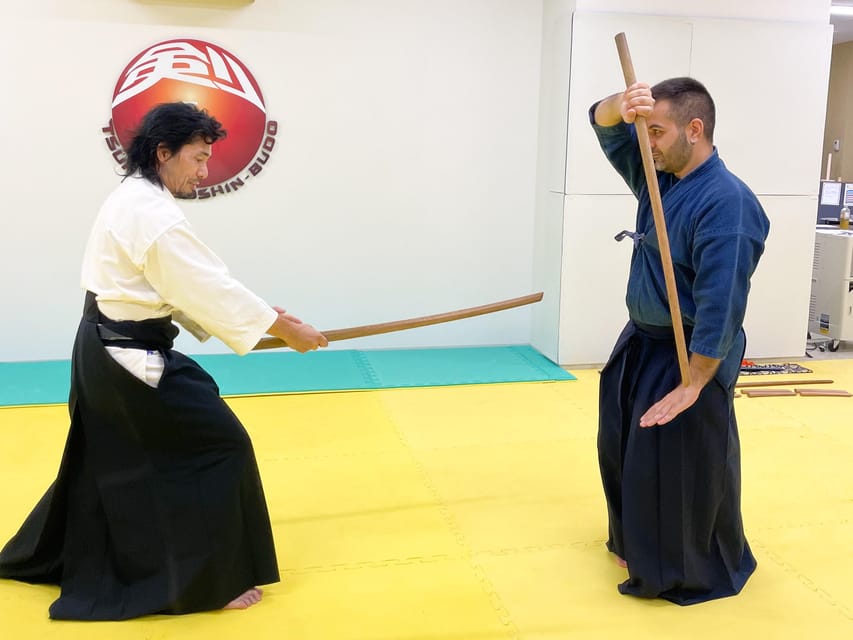
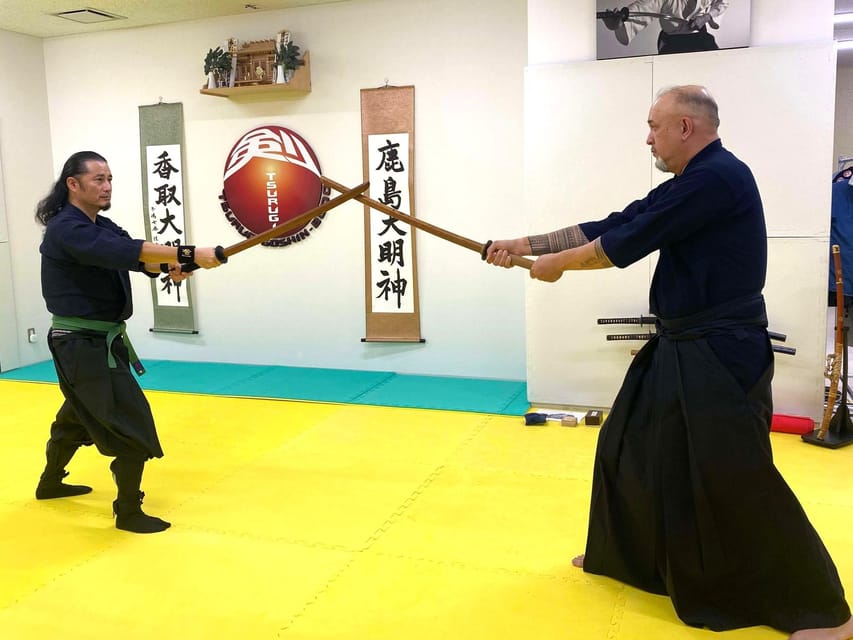
Once the mental preparation is complete, you move into basic wooden-sword drills. This is a beginner-friendly introduction, so you do not need previous sword training. The wooden sword lets you focus on grip, posture, movement, and timing without starting with a sharp blade.
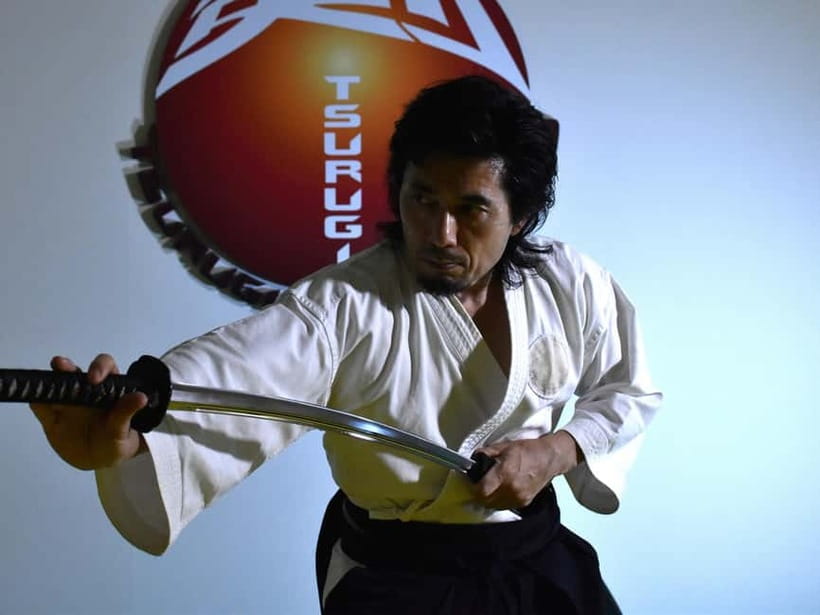
A live sword demonstration by the instructor adds useful context. You can see the control and precision expected from the technique, then practice a safer version yourself. The demonstration is a highlight for anyone curious about traditional sword work, but it is worth keeping your expectations realistic. This is a short introductory class, not professional weapons training.
The heavy practice stick changes the pace. It adds strength work and makes you aware of your arms, shoulders, stance, and core. The drill is not only about force. You need to keep control while handling the extra weight, which connects physical effort with the mental discipline introduced earlier.
You should wear comfortable clothing under the uniform and be ready to move. The uniform is supplied, but the class still involves active practice. The supplied information does not specify the exact footwear or changing arrangements, so follow the dojo’s instructions when you arrive.
A completely different kind of day in Tokyo:
- Mt Fuji and Hakone 1-Day Bus Tour Return by Bullet Train
★ 5.0 · 26,383 reviews - 1-Day Tokyo Bus Tour
★ 5.0 · 14,250 reviews - Tokyo: teamLab Planets TOKYO Digital Art Museum Entry Ticket
★ 4.6 · 9,779 reviews - Mt Fuji & Hakone Cruise, Drum Show Bullet Train 1 Day from Tokyo
★ 4.0 · 7,413 reviews
Silent walking and ninja-style awareness
The silent walking section may sound playful, but it has a clear purpose. Moving quietly requires balance, posture, and close attention to where you place your feet. It also gives you a break from the more obvious sword movements.
This exercise can be useful for beginners because it makes small mistakes easy to notice. If your weight shifts too quickly or your posture collapses, quiet movement becomes difficult. The lesson turns those details into something you can feel rather than simply hear in an explanation.
It is also one of the more unusual parts of the session. Plenty of cultural activities let you wear traditional clothing or pose with a prop. Fewer ask you to test balance and awareness through controlled walking. If you enjoy learning by doing, this section adds real value.
Learning one authentic combat kata
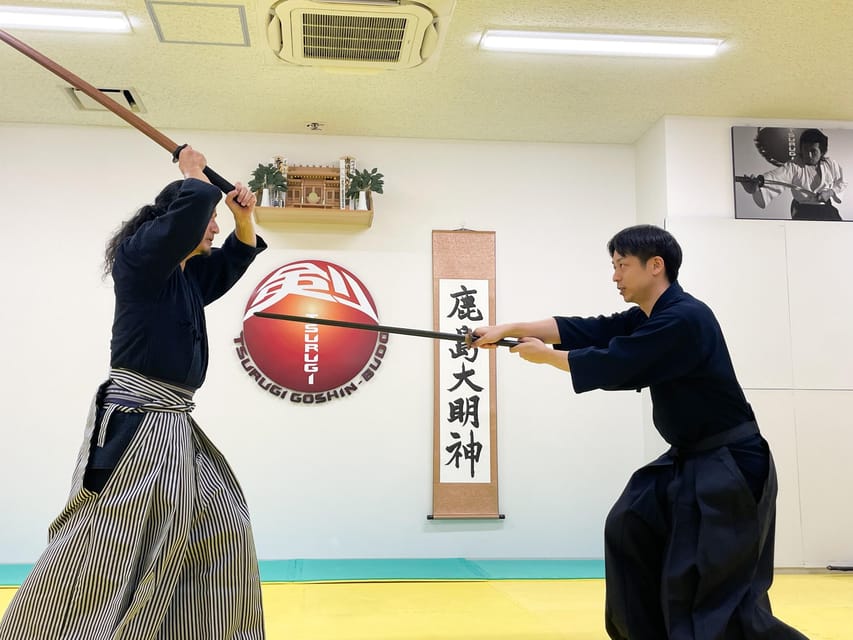
The main technical section focuses on practical sword skills and one authentic samurai combat kata. A kata is a set sequence of movements. Learning one complete form gives you something specific to remember instead of a handful of disconnected poses.
The class builds toward the kata gradually. You begin with basic wooden-sword work, then add the ideas of distance, posture, timing, and control. The exact level of difficulty will depend on your coordination and how quickly you follow the instructor, but the session is designed for beginners.
This is also where the difference between a photo opportunity and a training class becomes clear. You are not just holding a sword for a picture. You are trying to connect several movements in the correct order and under instruction.
The pace may feel quick for anyone who has never handled a practice sword. Pay close attention to the demonstration, copy the basic shape of the movement, and do not worry about looking polished right away. The point is to learn the form and understand the discipline behind it.
One-on-one sparring with an instructor
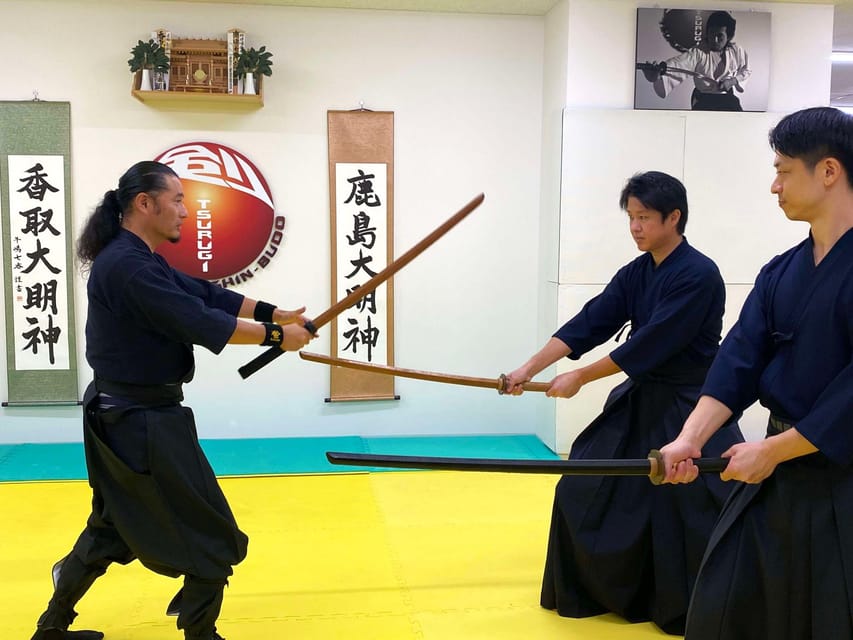
The lesson ends its active portion with one-on-one sparring against an instructor. This gives you a chance to apply the techniques you have been practicing. It also adds a little pressure, since you must respond to another person instead of repeating a movement alone.
The wording matters here: you spar with an instructor, not with another untrained participant. That provides a controlled setting for trying the movements and lets the teacher guide the pace. Still, you should listen closely and follow safety instructions.
This is likely to be the most exciting part for many people, but it may also be the part that makes the session feel physical. If you are looking for a quiet history talk, this activity may be more energetic than you expect. If you want a personal challenge and a memorable story from Tokyo, the sparring gives the class its strongest sense of participation.
The experience is not suitable for pregnant women or people with a cold. Those restrictions are especially sensible for a class involving movement, close instruction, and physical exertion.
Matcha, sweets, and a slower cultural pause
During the break, you receive matcha green tea and traditional Japanese sweets. This pause helps divide the class into clear sections. After the concentration and movement of the drills, sitting down for tea gives you time to reset.
The tea is not the main reason to book the activity, but it makes the session feel more connected to Japanese culture. The dojo is presenting both the practical and ceremonial sides of the samurai image. You get strength work and sparring, then a quiet moment with tea and sweets.
Do not treat this as a formal tea ceremony. The available details describe authentic matcha and traditional sweets during the break, not a dedicated tea lesson. It is best understood as a small cultural interlude within the training.
Samurai clothing, photographs, and the scroll certificate
Uniform rental is included. Wearing the traditional outfit changes how the activity feels and helps the photographs look the part. You should give the organizers everyone’s height and size, using the requested S, M, or L information.
At the end, you can take a commemorative photo in samurai attire. This is a useful extra for families and couples, especially if you want a clear record of the day beyond ordinary Tokyo snapshots.
You also receive a personalized scroll-style certificate with your name and the techniques you learned. It is a simple souvenir, but a more thoughtful one than a generic ticket or printed card. The certificate marks what you actually practiced: etiquette, sword basics, combat technique, or the kata covered in your session.
The photo and certificate do add a ceremonial finish. Just keep in mind that the experience is not a historical reenactment with a long explanation of samurai life. Its focus is practical training, with cultural details woven around it.
English instruction and the small-group advantage
The class is conducted in English and Japanese, with a maximum of six participants. That small number is one of the strongest practical features. You are less likely to disappear in a crowd, and the instructor can watch your posture, grip, and movement.
English instruction appears suitable for beginners, but the class may rely on demonstration as well as spoken explanation. That is common in a physical lesson. Watch carefully, ask for clarification when needed, and expect the instructors to show you the correct movement.
The friendly approach is part of the appeal. One participant described the instructors as exceptionally helpful and positive, even with some limits in fluent English. That suggests the teaching style is encouraging, which matters when you are trying unfamiliar movements in front of other people.
Because the group is small, booking for a family can work especially well. One family described the activity as a strong bonding moment. The shared challenge gives parents and children, or siblings, something to laugh about and practice together.
Who will get the most from this activity
I would choose this for you if you want to be active, curious, and willing to try something outside the usual Tokyo sightseeing circuit. It suits first-time participants because no previous sword experience is required, and the class explains the basics before moving into the kata and sparring.
It is also a good fit for families, couples, and small groups. The shared uniforms, physical drills, tea break, photo, and certificate give the session several kinds of memory, not just one.
You may want to skip it if you dislike close physical instruction, have mobility concerns not addressed in the activity information, or want a long academic talk about samurai history. The two-hour format leaves enough time for several activities, but not for an exhaustive historical study.
The session also requires a minimum of two participants. If you are booking alone, confirm availability before building your day around it.
Is the $83 price fair?
At $83, the value depends on what you want from a Tokyo activity. It is not the cheapest way to spend two hours, but the fee covers a uniform, instructor demonstration, English guidance, hands-on drills, one-on-one sparring, matcha, sweets, a photo, and a named scroll certificate.
The strongest value comes from personal instruction. A large public demonstration might give you a better view of polished sword work, but it would not give you the chance to practice the kata or spar with an instructor. Here, you take part in nearly every section.
The price is easier to justify if you care about a distinctive souvenir and an activity you can share with family or friends. It is less attractive if you mainly want historical information or a professional sword show.
Free cancellation is available up to 24 hours before the start time, and you can reserve now and pay later. That gives you some flexibility while planning a busy Tokyo schedule. Starting times vary, so check availability before choosing the activity.
Should you book Tokyo samurai training?
Book it if you want a focused, physical lesson that connects Bushido ideas with actual movement. The combination of meditation, heavy-stick drills, silent walking, sword kata, and instructor sparring makes this more substantial than a costume photo stop.
I especially like it for families and small groups. You leave with a shared challenge, a photo, and a certificate that records the techniques you practiced. The Kojimachi setting adds a useful historical link without requiring a full-day tour.
Skip it if you are pregnant, have a cold, or want a completely passive cultural visit. For everyone else, $83 is a fair price for two hours of direct instruction and several included extras, provided you are ready to participate rather than simply watch.
FAQ
Where does the samurai training take place?
The activity takes place at a traditional dojo in Tokyo’s Kojimachi district on Honshu. The area was once connected with the inner grounds of Edo Castle.
How do I find the meeting point?
A samurai will wait at the dojo entrance. Look for the samurai nobori flag, which serves as the landmark.
How long does the activity last?
The training lasts two hours. Starting times vary, so you need to check availability for the date you want.
Is the activity taught in English?
Yes. The instructors provide guidance in English and Japanese. The named instructors are Oedo and Yukikaze.
How many people can join the group?
The group is limited to six participants. At least two participants are required for the activity to run.
Are samurai uniforms included?
Yes. Uniform rental is included. You should provide everyone’s height and size, using S, M, or L, before the activity.
What is included besides the training?
The price includes a live sword demonstration, English guidance, matcha tea, traditional Japanese sweets, a commemorative photo, and a personalized scroll-style certificate.
Who should not join this activity?
The activity is not suitable for pregnant women or people with a cold. Shoes must be removed indoors, and smoking is not allowed inside the dojo.
Newly reviewed around Tokyo
- Tokyo Asakusa:Calligraphy & Make T-shirt Activity★ 5.0 · 62 reviews
- Intercity Shuttle, Tokyo to Haneda /Narita /Yokohama /Makuhari★ 5.0 · 5 reviews
- 1 Hour Travel around Tokyo with a Professional Photographer★ 5.0 · 3 reviews
- Travel Tokyo with Your Own Personal Photographer★ 5.0 · 43 reviews
- Train in Samurai Swordsmanship and Defeat the Demon in Tokyo★ 5.0 · 5 reviews
- Shuttle Van 6hr Tokyo Tour to-and-from Tokyo, Yokohama and Narita★ 5.0 · 9 reviews
- Kickboxing & Body Training with EX-Pro Fighter★ 5.0 · 4 reviews
- Traditional Japanese Knife Sharpening Class★ 5.0 · 18 reviews
Tokyo Samurai and Ninja Experiences, compared.
Samurai Ninja Museum Guided tour and Experience
Read our review →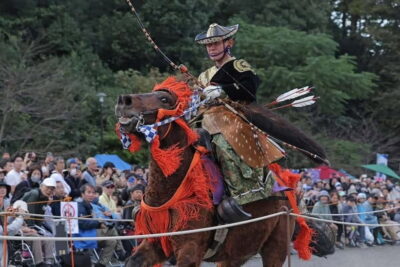
Samurai Sword & Archery Class from Samurai Descendant
Read our review →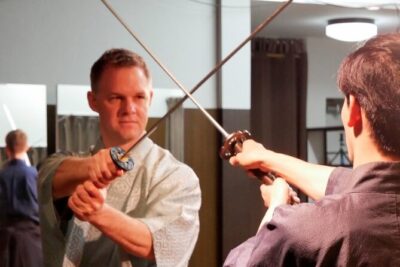
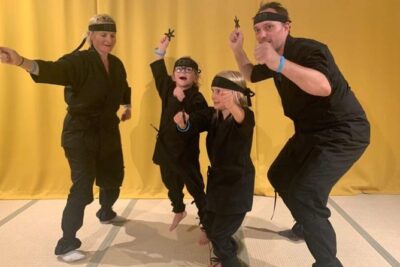
Ninja Experience (Family Friendly) at Samurai Ninja Museum TOKYO
Read our review →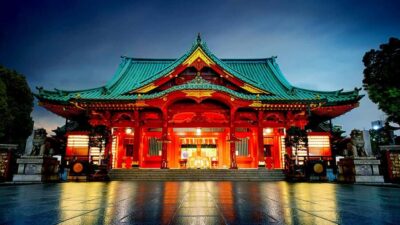
Samurai Entertainment Night Show in Kanda Shrine
Read our review →
Tokyo Sword Experience – includes Museum Ticket/Ninja Experience
Read our review →
Samurai Ninja Museum Asakusa: Samurai Sword Lesson & Tour
Read our review →
Ninja Samurai 2-hour hands-on lesson by Japanese master in Tokyo
Read our review →Browse the lists this tour appears in