
Reviewed · TOKYO SUMO EXPERIENCES
Tokyo:Luxury Sumo Show Experience & Japanese cuisine & Drink
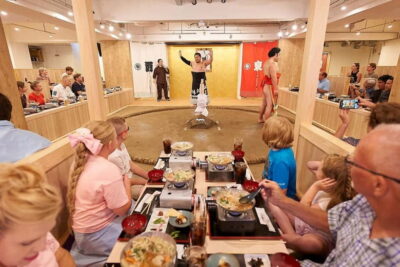
A real sumo ring sits in the center of this intimate Asakusa restaurant, with retired wrestlers demonstrating training moves, explaining the rules, and staging lively bouts just a few steps away. I like the clear bilingual commentary and the chance to ask questions instead of simply watching. I also like the warm, funny crowd interaction, especially for families and solo visitors.
The main point to understand is that this is a polished entertainment show, not a visit to an active sumo stable. Food quality can vary slightly, and the $103 starting price is not equally good value for every seating level, especially if you do not care about drinks or souvenirs.
Key points at a glance
- A geisha dance opens the show, followed by a photo opportunity before the sumo program begins.
- Hosts explain sumo in English and Japanese, including rules, rituals, training methods, and match strategy.
- A5 wagyu sukiyaki, chanko hot pot, and matcha dessert form the main meal.
- Business and First Class seats include unlimited drinks, with premium Yamazaki whisky added to First Class.
- You may enter the ring for a friendly challenge, although participants are chosen by lottery if many people volunteer.
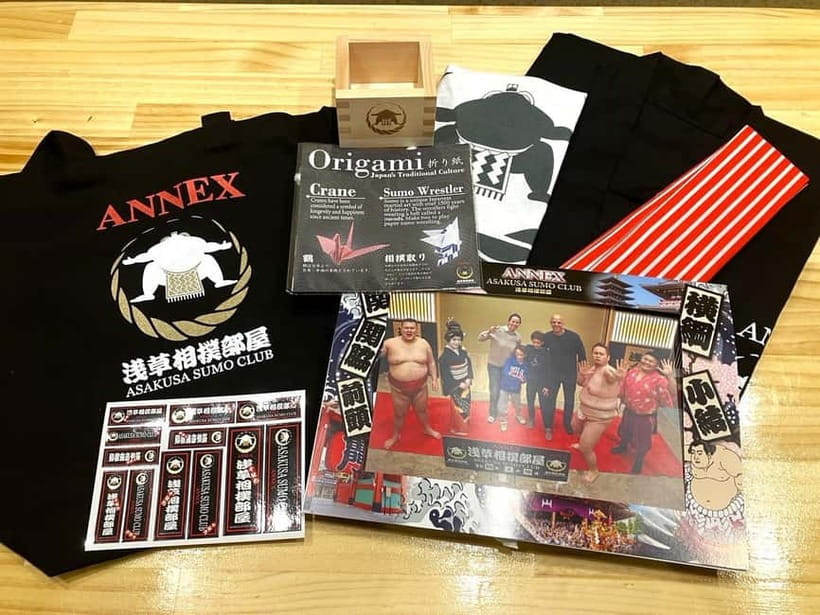
- A printed photo and souvenir give you something tangible to take home.
What this Asakusa sumo evening really is
Tokyo has several ways to see sumo, but they do not all offer the same thing. This experience is built for visitors who want an easy introduction, a meal, and plenty of interaction in one two-hour sitting.
The wrestlers are retired professionals, not active competitors training for the next tournament. That distinction matters. You will not see the quiet discipline of an early-morning stable visit, where active wrestlers follow a strict routine and outsiders observe from the edge. Instead, you get a friendly stage show with explanations, demonstrations, jokes, questions, photographs, and audience participation.
I think that format works well for a first encounter with sumo. The sport has rules and customs that can seem mysterious if you only watch a match. Here, the hosts explain the ring, the movements, the idea of pushing an opponent out, and the role of traditional rituals in a way that children and adults can follow.
The setting is the Asakusa Sumo Club Annex, next to Matsuya Restaurant along Asakusa Kokusai Street. It is the more private and refined branch of the popular Asakusa Sumo Club, with sofa seating available in the higher categories. You may be seated with other people, but the room is designed to feel smaller and more personal than a large theater.
More Tokyo sumo experiences:
- Tokyo: Sumo Show and Dining Experience
★ 4.8 · 2,742 reviews - the SUMO show
★ 5.0 · 1,960 reviews - Tokyo Shinjuku Sumo Show & Experience with Photo
★ 5.0 · 1,750 reviews
The opening: geisha dance and a gentle start
The program begins with a Japanese dance performed by a geisha. It gives the evening a graceful opening before the louder, more playful sumo demonstrations begin.
The dance is not the main event, but it adds a valuable cultural contrast. Sumo is physical, noisy, and comic at times. The geisha performance is controlled and delicate, with small movements that reward close attention. Afterward, you may take a photo with the geisha before the show turns toward sumo.
If you are bringing children, this first section may feel slower than the wrestling. Still, it helps make the experience more than a staged sports performance. You get a brief look at another Japanese performance tradition in the same room, without adding a separate booking.
Learning sumo without needing prior knowledge
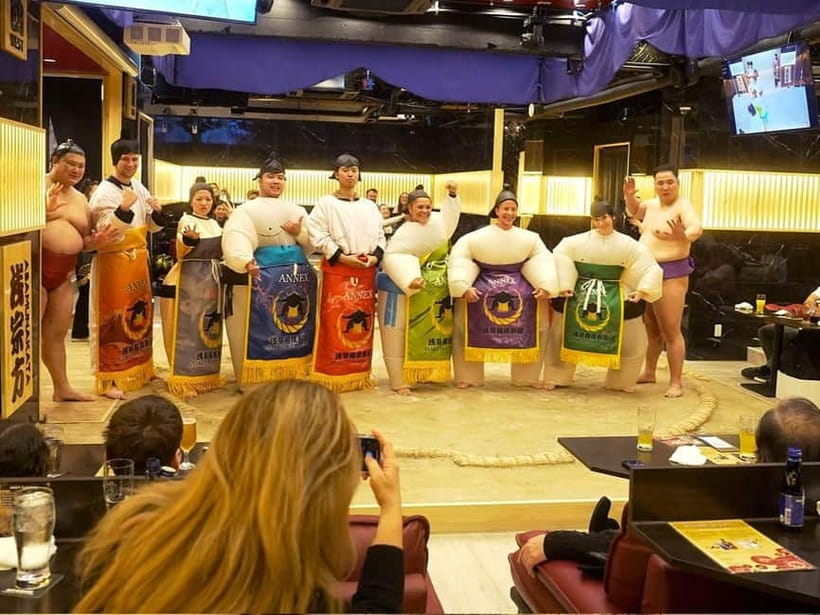
The bilingual commentary is one of the strongest parts of the program. The hosts explain in English and Japanese throughout the show, so you are not left trying to work out why a wrestler performs a certain movement or what counts as a winning match.
The explanations cover sumo history, rules, rituals, training techniques, and strategy. The hosts also invite questions, so it helps to arrive with a few of your own. Ask about the ring, the salt, the opening ceremony, or how a wrestler wins without punching. The question-and-answer time can be one of the most useful parts of the evening.
The style is intentionally light. Hosts such as Luke and Go are described as engaging English-speaking masters of ceremony, and the tone is closer to a lively cultural lesson than a formal lecture. That makes the program especially useful if you know very little about sumo or if you are traveling with teenagers who need more than a quiet demonstration to stay interested.
You should not expect a scholarly talk on the sport. The information is designed to be quick, clear, and entertaining. For most people, that is the right choice during a meal.
Watching training moves and live bouts close to the ring
Once the basics are clear, the wrestlers demonstrate real training techniques and then perform sumo bouts in the ring. The close distance is important. You can see the size, balance, footwork, and sudden force of the wrestlers in a way that a television screen cannot match.
The performances are arranged for entertainment, so expect humor and audience involvement. The wrestlers interact with the room, respond to the host, and keep the mood friendly. This is not a serious tournament, and it should not be judged by the standards of one.
That does not make the physical display fake or uninteresting. The wrestlers are retired professionals, and their movement, timing, and strength remain the heart of the evening. The program gives you a safe way to see the mechanics of sumo at close range while also explaining why the sport has such a formal public image.
The tone can be especially effective for families. Children may not sit through a traditional cultural lecture, but they are likely to pay attention when the lesson leads to a real match and a chance to participate.
More Tokyo shows and performances:
- Mt Fuji & Hakone Cruise, Drum Show Bullet Train 1 Day from Tokyo
★ 4.0 · 7,413 reviews - Mt Fuji & Hakone Cruise, Drum Show Bus 1 Day from Tokyo
★ 4.0 · 1,287 reviews - Tokyo: Sumo Show and Experience in Shinjuku
★ 4.8 · 1,001 reviews - Tokyo Bay Yakatabune Dinner/Day Cruise with Japan Show and Drinks
★ 4.5 · 473 reviews
The sumo challenge: your chance to enter the ring
The most memorable part for many people is the chance to step into the ring. Volunteers can take part in a friendly sumo challenge against one of the wrestlers, with the host guiding the exchange and keeping it playful.
You do not need to be strong or athletic. The point is the comedy, the contrast in size, and the thrill of standing where the wrestlers have just performed. Teenagers and children can also take part, with the experience adjusted to suit the participant.
There is one important limit: the number of challengers is restricted for each performance. If many people want to participate, the final names are chosen by drawing lots. Volunteering does not guarantee a place, so do not book this experience solely because you expect to wrestle.
If you are selected, staff help with photographs and the surrounding audience becomes part of the fun. If you are not selected, you still watch other people try, which is usually a lively section of the show.
A Japanese meal built around sumo food
Your meal includes a Japanese A5 wagyu beef sukiyaki bento, chanko nabe, and matcha dessert. Sukiyaki brings thinly sliced beef and a sweet-savory Japanese flavor, while chanko nabe is the hearty hot pot associated with sumo wrestlers.
The chanko is more than a themed extra. It connects the meal to the food traditionally linked with sumo training. You get a filling dish that helps explain how the sport’s food culture differs from a small tasting menu.
The meal is generally described as generous and well presented, though one diner found the food needed to be hotter. That is a fair consideration in a show where dishes may be served to many tables at once. Business and First Class add tempura, which makes those categories more attractive if dinner matters as much to you as the performance.
Vegetarian and vegan meals are possible, but you must request them at least two days before the reservation date. The venue cannot prepare gluten-free or halal meals. If you have strict dietary needs, you may bring your own food, but do not assume a same-day request can be handled.
Choosing between Standard, Business, and First Class
The starting price is about $103 per person, but the value depends heavily on the seating category.
Standard table seats include the sukiyaki meal, chanko hot pot, matcha dessert, and one complimentary drink. This is the sensible choice if you mainly want the show and do not expect to drink throughout the evening. Additional drinks can be purchased.
Business sofa seats include sukiyaki, tempura, chanko hot pot, and unlimited drinks. The wider sofa seating gives you a more relaxed position and a strong view of the ring. If you enjoy beer, whisky, sake, or soft drinks, the unlimited bar can make the higher price easier to justify.
First Class front-row sofa seats place you closest to the ring. They include the same expanded meal, unlimited drinks, premium Japanese whisky such as Yamazaki, and a special souvenir set with a happi coat. This category is aimed at people who want the most direct view and care about the added gifts and whisky.
My practical advice is simple: choose Standard for the basic cultural experience, Business for a longer dinner and drinks, and First Class for a special occasion. A higher seat will not turn the show into an active-stable visit. You are paying for comfort, proximity, beverages, and extras.
Photos, souvenirs, and the personal touch
Photography is built into the program. You can take a photo with the geisha, and after the sumo performance you receive a commemorative photo with the wrestlers. Staff also help take pictures during the sumo challenge, which is useful for solo visitors and families who want everyone in the frame.
Souvenirs vary by seating category and season. First Class includes the most substantial set, including a happi coat, while other categories receive their own gifts. The exact items can change, so treat the souvenir as a pleasant extra rather than the main reason to book.
The photo is a stronger value point. It records the experience in a way that a quick phone snapshot may not, particularly if you take part in the ring challenge. Staff are also willing to help with photos after the performance, when the atmosphere is less rushed.
Who will enjoy it most
This is a good match for:
- Families with school-age children or teenagers
- First-time visitors who want sumo explained in plain English
- Couples looking for dinner with a cultural performance
- Solo visitors who want a structured evening with built-in interaction
- Anyone who prefers a close, hosted show to a large stadium event
The format is welcoming to children, and babies under one year are not suitable. The venue is not wheelchair accessible because of stairs, so wheelchair users should choose another activity.
You should also think about your expectations. If you want to see active wrestlers training in a working stable, this is the wrong format. If you want a serious tournament atmosphere with long stretches of quiet observation, it may feel too theatrical. The humor and audience participation are central, not side features.
Location, timing, and useful planning advice
The meeting point is along Asakusa Kokusai Street, next to Matsuya Restaurant. The program lasts two hours, and starting times vary, so check the available session when booking.
An evening session can work well after exploring Asakusa, though some nearby businesses may be closed later at night. The area around the temple and smaller streets can still give you something to see while you wait, but plan your route rather than assuming every shop will be open.
Allow time to find the Annex, especially if your confirmation names it separately from the main Asakusa Sumo Club. One person arrived at the wrong venue and was walked over by staff, but it is better to go straight to the Annex and avoid a hurried start.
The venue may seat you with other people. That is normal for this type of dinner show and can add to the shared laughter, but it is worth knowing if you expected a private table.
Is the $103 price fair?
At the base level, you are paying for a two-hour cultural show, a full Japanese meal, one drink, bilingual hosting, a photo, and a souvenir. Compared with paying separately for dinner and a performance, that can be fair, particularly in central Asakusa.
The value improves if you care about the explanations and interaction. The show gives you more than a staged match, and the hosts make the unfamiliar rules easy to follow. The geisha dance, question time, photos, and possible ring challenge add several different elements to one evening.
The price feels less compelling if you only want to watch sumo or if you do not drink. In that case, Standard seats make more sense than paying for unlimited beverages and premium spirits. Business and First Class are better suited to a celebration or to people who will use the food, drinks, sofa seating, and front-row access.
Should you book the Asakusa Annex sumo show?
Book it if you want an easy, funny, interactive introduction to sumo with dinner included. It is especially strong for families, first-time visitors, couples, and solo visitors who want plenty of help understanding what they are watching.
Choose Standard if you want the core show at the lowest price. Choose Business if unlimited drinks and sofa seating matter. Choose First Class only if front-row access, Yamazaki whisky, and the larger souvenir set are worth the extra cost to you.
Skip it if you want a genuine active-stable training visit, need wheelchair access, or require gluten-free or halal food. For everyone else, this is a well-organized evening that turns a complicated Japanese sport into something you can understand, laugh at, and remember.
FAQ
Is this a real sumo tournament?
No. The show is performed by retired sumo wrestlers for entertainment. It is different from visiting an active sumo stable for serious early-morning training.
Is English commentary provided?
Yes. Live commentary is provided in English and Japanese throughout the show, including explanations of sumo rules, history, rituals, training, and strategy.
Can I participate in the sumo challenge?
You may volunteer to enter the ring, but participation is limited. If many people want to take part, the final participants are selected by drawing lots.
What food is included?
The meal includes a Japanese A5 wagyu beef sukiyaki bento, chanko nabe hot pot, and matcha dessert. Tempura is added for Business and First Class seats.
Are vegetarian or vegan meals available?
Yes, but you must request a vegetarian or vegan meal at least two days before the reservation date. Gluten-free and halal meals are not available.
Is the venue wheelchair accessible?
No. The restaurant has stairs and is not wheelchair accessible. Babies under one year are also not suitable for this activity.
Newly reviewed around Tokyo
- Tokyo Asakusa:Calligraphy & Make T-shirt Activity★ 5.0 · 62 reviews
- Travel Tokyo with Your Own Personal Photographer★ 5.0 · 43 reviews
- Intercity Shuttle, Tokyo to Haneda /Narita /Yokohama /Makuhari★ 5.0 · 5 reviews
- 1 Hour Travel around Tokyo with a Professional Photographer★ 5.0 · 3 reviews
- Train in Samurai Swordsmanship and Defeat the Demon in Tokyo★ 5.0 · 5 reviews
- Shuttle Van 6hr Tokyo Tour to-and-from Tokyo, Yokohama and Narita★ 5.0 · 9 reviews
- Kickboxing & Body Training with EX-Pro Fighter★ 5.0 · 4 reviews
- Traditional Japanese Knife Sharpening Class★ 5.0 · 18 reviews
Tokyo Sumo Experiences, compared.
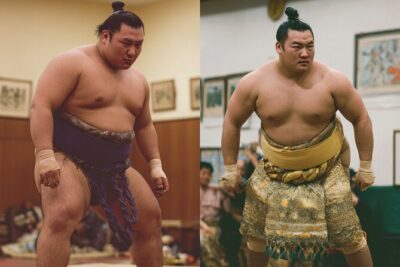
Tokyo Shinjuku Sumo Show & Experience with Photo
Read our review →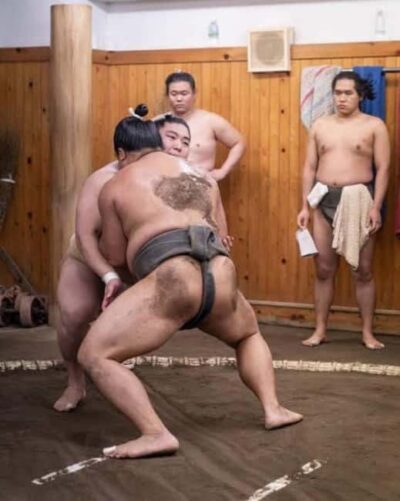
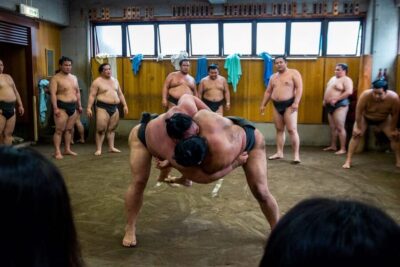
Tokyo Sumo Experience: Chanko & Mochi with a Former Pro
Read our review →
Ultimate Sumo Tournament: Tokyo, Osaka, Nagoya, Fukuoka
Read our review →
Browse the lists this tour appears in