
Reviewed · HISTORICAL TOURS
Tokyo to Kawagoe: Private Historical Day Trip
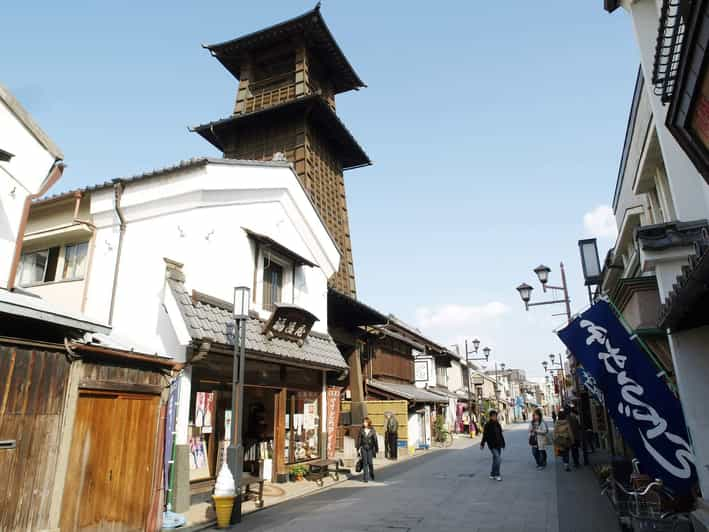
Kawagoe gives you a clear look at old Japan without sending you far from Tokyo. In less than an hour north of the capital, Little Edo offers wooden merchant houses, a famous bell tower, shrine visits, and sweet shops along streets that still recall its castle-town past.
I like the personal guide matching, since you can shape the day around temples, food, crafts, or local culture. I also love the chance to see Kita-in Temple, including a room linked to Edo Castle. The main drawback is that this is a walking-heavy outing, and some people may find six hours of streets and brief shop visits less exciting than Tokyo’s bigger sights.
Key points to know before you book
- A private guide shapes the day around you: Your host can adjust the visit to suit your interests rather than follow a fixed group route.
- Kawagoe’s Edo-era center is the main attraction: Traditional wooden buildings and charcoal-tiled storehouses give the town its old-town character.
- Kita-in Temple has a direct Tokyo connection: One room once formed part of the famous Edo Castle.
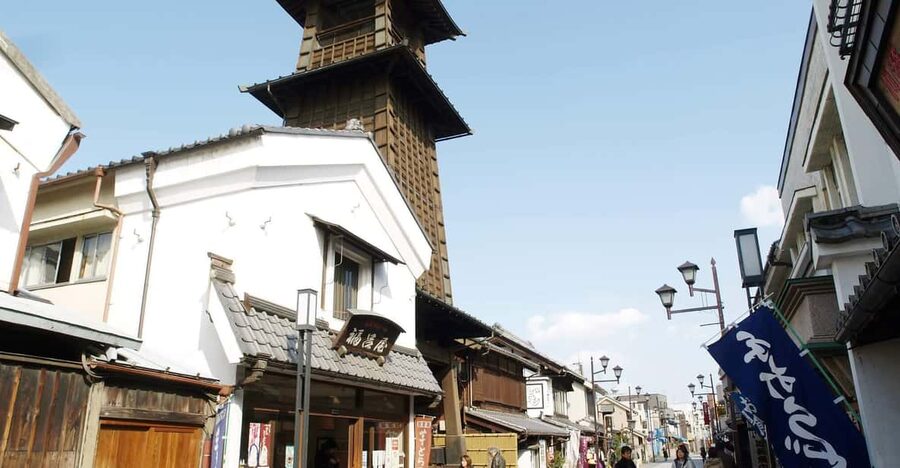
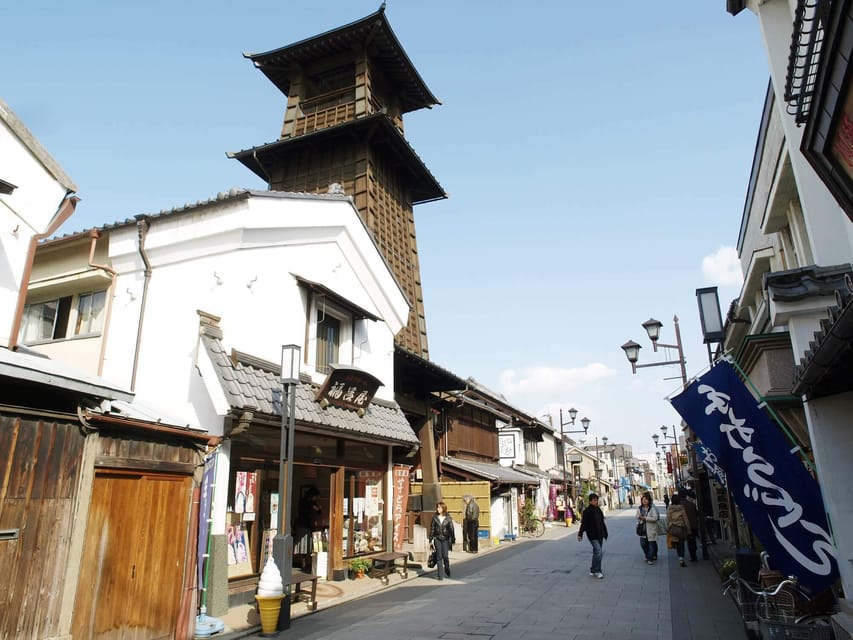
- Toki no Kane is Kawagoe’s local symbol: The historic bell tower is one of the town’s easiest landmarks to recognize.
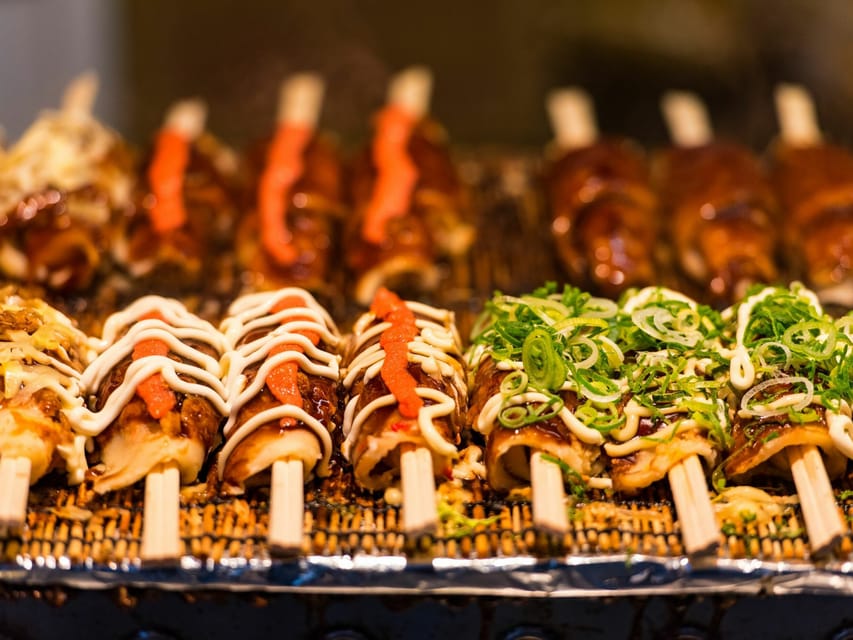
- Food is part of the fun: Try local eel and unusual sweet potato treats, especially along Penny Candy Lane.
- The $264 price buys privacy, not an all-inclusive day: Transportation, meals, and attraction tickets cost extra.
Why Kawagoe makes a good break from Tokyo
Tokyo can feel endless. Kawagoe feels compact and easier to read. Its old streets preserve the look of a former castle town, with dark, charcoal-tiled buildings that once served practical needs as much as decorative ones.
The town is often called Little Edo because it recalls the era when Tokyo was known as Edo. You will not find a perfectly frozen historical village here. Modern life continues around the old buildings, which is part of the appeal. You see the past beside ordinary shops, roads, and daily routines.
I think the private format matters most here. Kawagoe’s attractions are spread through a walkable town, and a guide can explain why a building, temple, shrine, or food matters instead of leaving you to glance at it and move on.
The day begins with a meeting near JR Shinjuku Station’s South East Exit. The stated meeting spot is by the main door of the tourist center. Confirm the exact spot and start time with your host before setting out, since the activity offers several possible starting times and transportation is not included.
From Tokyo, your host accompanies you to Kawagoe, but you pay transportation costs separately. That arrangement gives you flexibility, though you should add the fare to the advertised $264 per-person cost when planning your budget.
More history and heritage tours in Tokyo:
- Tokyo: Imperial Palace and Shogun Historical Walking Tour
★ 5.0 · 2,251 reviews - Tokyo: Imperial Palace Japanese History Walking Tour
★ 4.9 · 987 reviews - Tokyo: Shinjuku Historical Walking Tour & Secret Backstreets
★ 5.0 · 530 reviews
A private day with a local host
This is not a standard group tour with a guide delivering the same speech to everyone. You are matched with a local host based on your interests and requests. The host speaks English or Japanese, and the experience is for a private group.
That format worked especially well for visitors who wanted a personal pace. Lauren was described as genuine, kind, and accommodating, while Leon helped one family shape a day around its interests and kept teenagers engaged with stories. Those details point to the main strength of the format: the quality of the day depends on how clearly you tell your host what you want.
Before the visit, think about your priorities. You might ask for more temple time, more food stops, more shopping, or a closer look at Kawagoe’s old buildings. If you want to see the Festival Museum, tell your host. If you prefer a slower visit at Hikawa Shrine, say so.
The personal approach also helps families and mixed-age groups. A guide can spend less time on subjects that lose your children and more time on stories, sweets, crafts, or unusual local customs. You should not expect a fixed list of every possible stop in one six-hour visit, however. A personalized day means some choices have to be made.
Kita-in Temple and the Edo Castle connection
Kita-in Temple is one of the most meaningful stops because it links Kawagoe to old Tokyo in a very direct way. One room at the temple once formed part of Edo Castle, the seat of power in the city then known as Edo.
That connection gives the temple more weight than a quick photo stop. You are not simply looking at an old religious building. You are seeing a surviving piece of the city that became modern Tokyo, moved to Kawagoe and preserved there.
Your host can add the context that makes this kind of stop work. Without explanation, temple buildings can blur together after several days in Japan. With a guide, you can ask about the room, the temple’s role, and how Kawagoe fit into the political world of the old castle town.
The information provided does not promise a specific ticket arrangement or a fixed amount of time inside Kita-in Temple. Attraction tickets are not included, so ask your host which sites you will enter and what admission costs to expect.
Hikawa Shrine offers a quieter pause
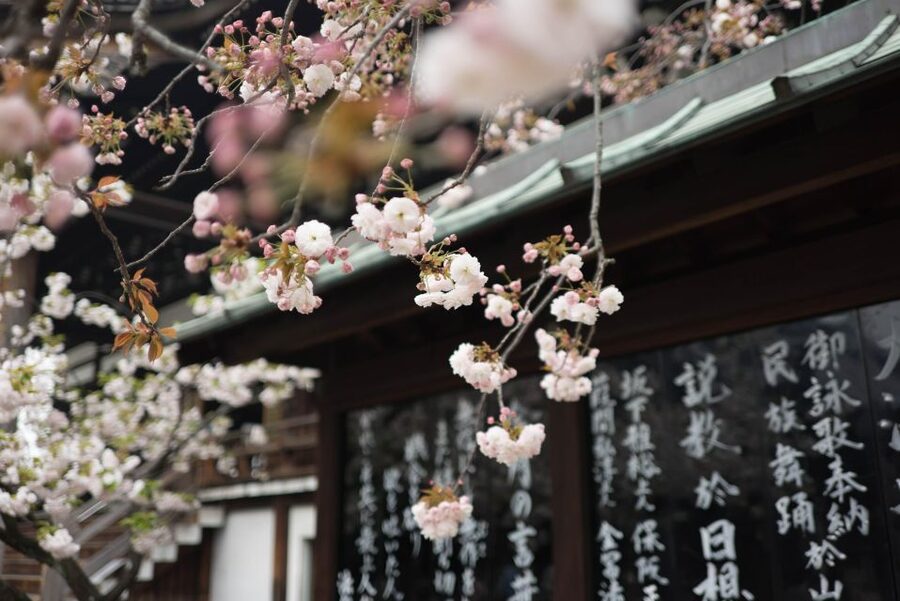
Hikawa Shrine is one of the key cultural stops in Kawagoe. The shrine gives the day a change of rhythm after the old commercial streets and temple buildings.
I would treat it as a place to slow down rather than rush through for a single photograph. Your guide can help you understand what you are seeing and explain local customs, while you take in the setting and the details of the shrine grounds.
One useful point from the available feedback is that a shrine visit became the highlight of one person’s day. That is a reminder that Kawagoe does not need to compete with Tokyo’s biggest attractions. Its appeal comes from small shifts in mood: a temple room, a shrine, a bell, an old shopfront, and a snack you would not have chosen on your own.
The activity is wheelchair accessible, but it is also described as a walking experience. If you use a wheelchair or have mobility concerns, discuss the route with your host in advance. The itinerary can be personalized, but the exact surfaces, entrances, and amount of walking are not specified.
More 1 Day Tours in Tokyo:
- Mt Fuji and Hakone 1-Day Bus Tour Return by Bullet Train
★ 5.0 · 26,383 reviews - 1-Day Tokyo Bus Tour
★ 5.0 · 14,250 reviews - Mt Fuji & Hakone Cruise, Drum Show Bullet Train 1 Day from Tokyo
★ 4.0 · 7,413 reviews - Tokyo: DisneySea 1-Day Passport
★ 4.5 · 2,726 reviews
Toki no Kane and the old commercial streets
Toki no Kane, or the Bell of Time, is Kawagoe’s best-known landmark. The tower recalls the town’s old clock and bell system, when the sound helped mark the hours for local residents.
Your guide will help you find it while navigating the remains of the old castle-town area. The tower is not just a decorative photo point. It helps you picture how the town once functioned, with merchants and residents organizing their day around a public sound.
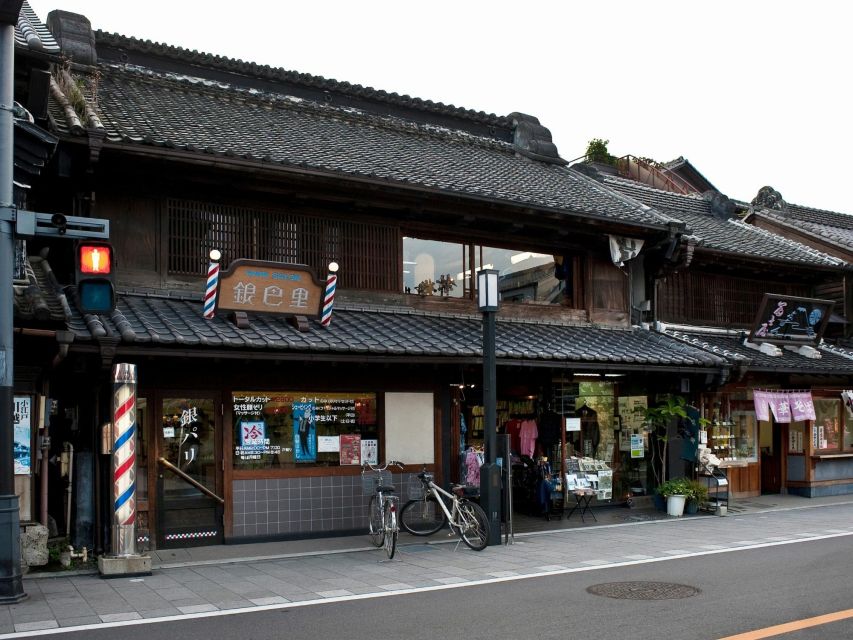
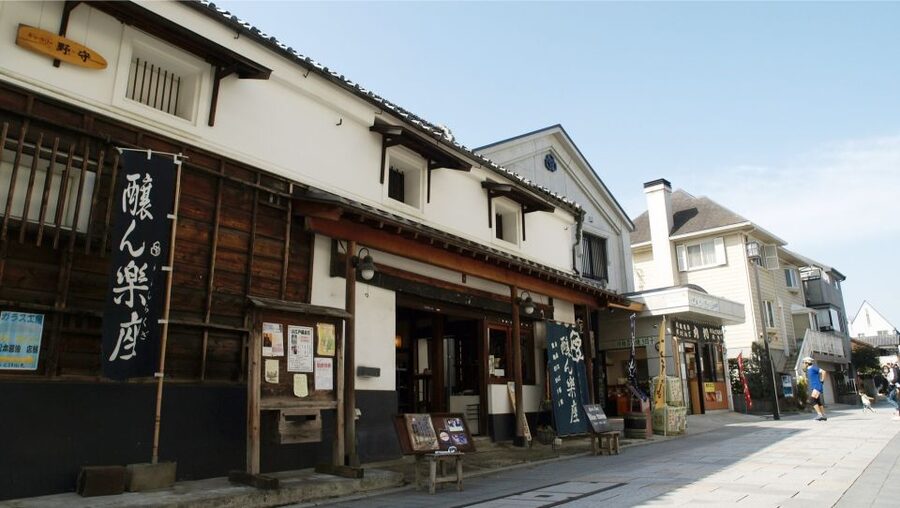
From there, Kurazukuri Street gives you the clearest view of Kawagoe’s traditional buildings. The heavy, charcoal-tiled storehouses were designed to protect goods from fire. Their dark facades now give the street its distinctive look.
I like this part of the experience because it makes the town’s past visible without requiring a museum visit at every turn. You can walk, look closely at the architecture, step into shops, and let your host point out details you might otherwise miss.
The tradeoff is pace. One person found the old buildings interesting but felt the day involved too much walking and only brief visits to shops. If you want a busy schedule packed with indoor attractions, tell your host at the start. If you enjoy strolling and looking at storefronts, the same route may feel just right.
Penny Candy Lane and Kawagoe’s sweet side
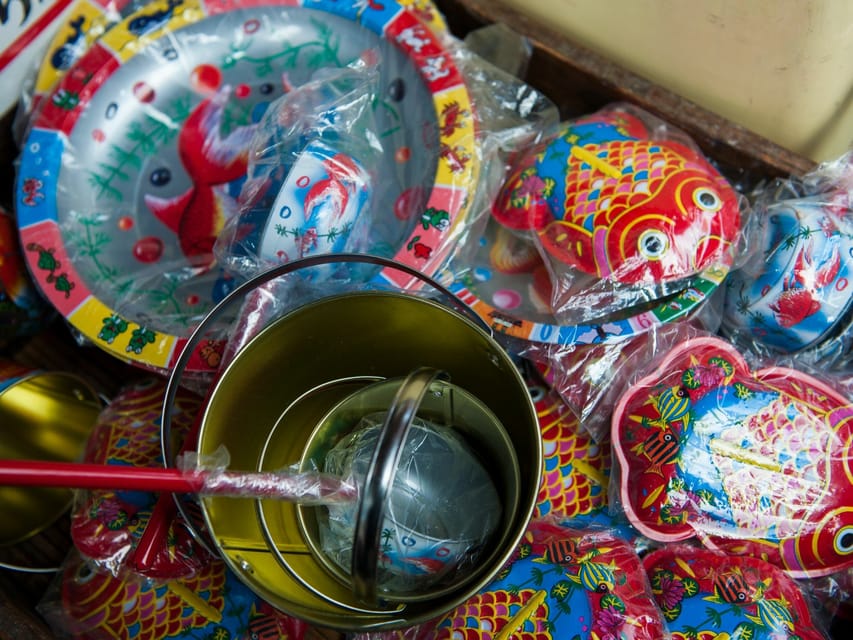
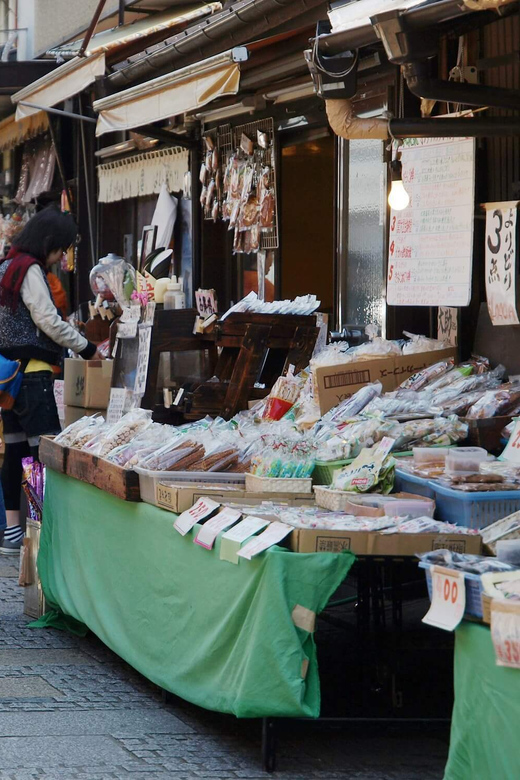
Penny Candy Lane brings a lighter mood to the day. This rustic street is associated with traditional sweets and gives you a chance to browse rather than simply move from one historic building to the next.
The name suggests inexpensive, nostalgic candy, but the broader appeal is the old-fashioned setting and the chance to choose small treats. Your host can help you understand what is local and show you how to order or sample items.
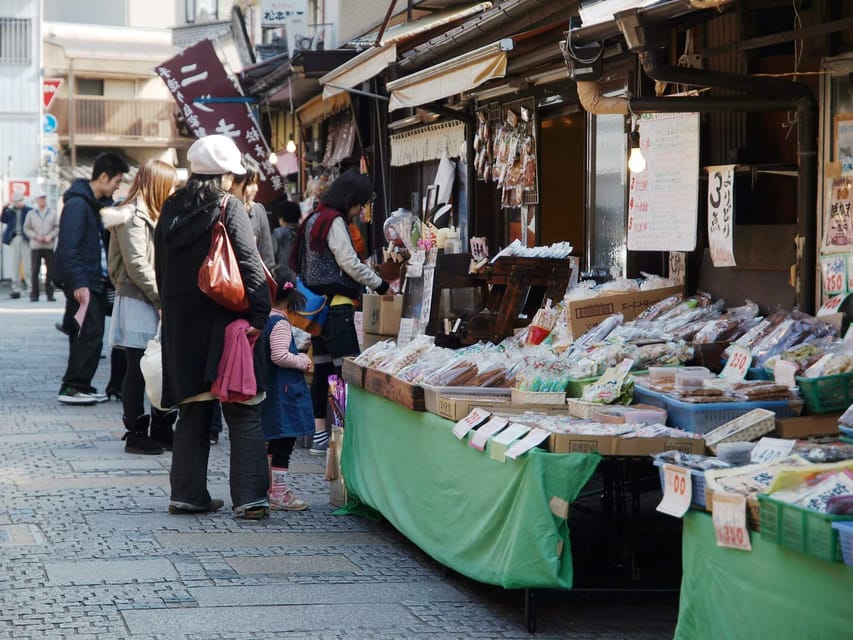
Kawagoe is also known for sweet potato-based foods. You might find these in unusual forms, from snacks to desserts, and your host can point out options that are difficult to identify if you do not read Japanese.
This is one place where the private format can save you from guessing. You can ask what is worth trying, what is sweet rather than savory, and which items travel well as souvenirs. Food and drinks are not included, so keep some money available for tasting.
Local food, including eel and sweet potato treats
The experience includes a chance to learn how to eat local specialties such as boiled eel. That may sound simple, but food customs and unfamiliar preparations are often where a local host adds the most value.
You do not need to be an adventurous eater to enjoy this part. Tell your host what you avoid, and ask for suggestions that fit your comfort level. The itinerary also mentions quirky sweet potato-infused treats, which can be a fun choice for anyone who wants something strongly tied to Kawagoe.
Meals are not included, and the exact restaurant or food stop is not fixed. That is useful if you have dietary needs or a firm budget, but it also means you should not book expecting a full food tour.
I would think of the food as part of the browsing experience rather than the central purpose of the day. Kawagoe’s streets, buildings, temples, and shrines come first. The snacks help you connect those sights to everyday local life.
Kawagoe Festival and the Festival Museum
The annual Kawagoe Festival fills the streets with elaborate floats and celebrates the arrival of summer. If your visit happens during the festival, you may see the town at its most theatrical and crowded.
The festival is not guaranteed as part of this six-hour experience. If the event is not taking place, the Festival Museum offers another way to understand it. The museum displays the festival’s style and gives you a sense of the floats, traditions, and public energy involved.
Ask your host how the festival fits into your date and route. If you are visiting outside the festival period, the museum may be a good choice for adding indoor cultural context to a day otherwise focused on walking.
Admission tickets are not included, so budget separately for the museum and any other attractions you enter. Your host can help you decide if the museum is worth your time based on your interests.
Is $264 per person a fair price?
At $264 per person, this is not a cheap way to reach Kawagoe. You also pay for transportation, food, drinks, and attraction tickets. If you are traveling alone or as a couple, the total cost can rise quickly.
The value comes from privacy and flexibility. A private host can adjust the day, answer your questions, help with food choices, and keep the pace suited to your group. That can be useful if you have limited time in Tokyo, are traveling with teenagers, or want more than a self-guided walk through the old streets.
The price is harder to justify if you mainly want to see Toki no Kane and Kurazukuri Street on your own. Kawagoe’s central sights can be explored without paying for a private guide, and some visitors may prefer choosing their own shops and stopping for photos at their own speed.
I would book this for the interpretation and personal planning, not simply for transportation to Kawagoe. Before committing, decide how much you value a guide’s help. If your group wants history, food advice, and a flexible route, the cost may be worthwhile. If you prefer independent sightseeing, use the money for other Tokyo experiences.
Timing, weather, and practical planning
The experience lasts six hours, making it a substantial half-day outing rather than a quick side trip. Allow room in your day for the trip between Tokyo and Kawagoe, even though the town is less than an hour from the capital.
The activity runs in all weather. Wear comfortable shoes and bring weather protection suited to the forecast. Since the tour is built around walking, your comfort will shape how much you enjoy the old streets and temple areas.
You can cancel up to 24 hours in advance for a full refund, and you can reserve now while paying later. Those terms are useful if your Tokyo plans may change.
The private group format means you do not need to match another group’s pace. It also means you should use the first conversation with your host well. Explain your interests, walking limits, food preferences, and must-see stops.
Who should book this Kawagoe day trip?
I would recommend it to first-time visitors who want historical context without leaving Tokyo for a full overnight trip. It also suits families, couples, and small private groups that value conversation and a flexible plan.
It is a good choice if you like traditional buildings, temples, shrines, local snacks, and shopping for crafts or souvenirs. The guide matching can make the day especially useful if you want someone to connect the sights to your particular interests.
I would think twice if you dislike walking, want a packed museum schedule, or are mainly looking for grander sights than Kawagoe offers. One person found the old buildings interesting but did not consider the day the most entertaining option near Tokyo. That is fair advice: Kawagoe is appealing because it is modest, local, and atmospheric, not because it rivals every major attraction in the capital.
Should you book it?
Book this private Kawagoe outing if you want a personal introduction to Little Edo, with a guide who can connect Kita-in Temple, Hikawa Shrine, Toki no Kane, old merchant buildings, local sweets, and festival culture into one day.
Skip it if you are happy exploring on your own or if six hours of walking and shop browsing sounds slow. For the best value, tell your host exactly what you want before the day begins and remember to add transport, food, and admission fees to the $264 price.
FAQ
How long does the Tokyo to Kawagoe experience last?
The experience lasts six hours.
Where do I meet the host?
The host waits by the main door of the tourist center near JR Shinjuku Station’s South East Exit.
Is transportation from Tokyo included?
No. Transportation costs are not included in the activity price.
Are food and drinks included?
No. You pay separately for food and drinks.
Are attraction tickets included?
No. Tickets to attractions are not included.
Is the tour private?
Yes. This is a private group experience with a personalized itinerary.
Which languages does the guide speak?
The available guide languages are English and Japanese.
Can the itinerary be changed to suit my interests?
Yes. The activity can be personalized to match your preferences and requests.
What happens if the weather is bad?
The experience takes place in all weather. You should plan suitable clothing and comfortable footwear for the walking route.
Newly reviewed around Tokyo
- Tokyo Asakusa:Calligraphy & Make T-shirt Activity★ 5.0 · 62 reviews
- Intercity Shuttle, Tokyo to Haneda /Narita /Yokohama /Makuhari★ 5.0 · 5 reviews
- 1 Hour Travel around Tokyo with a Professional Photographer★ 5.0 · 3 reviews
- Travel Tokyo with Your Own Personal Photographer★ 5.0 · 43 reviews
- Train in Samurai Swordsmanship and Defeat the Demon in Tokyo★ 5.0 · 5 reviews
- Shuttle Van 6hr Tokyo Tour to-and-from Tokyo, Yokohama and Narita★ 5.0 · 9 reviews
- Kickboxing & Body Training with EX-Pro Fighter★ 5.0 · 4 reviews
- Traditional Japanese Knife Sharpening Class★ 5.0 · 18 reviews
Historical Tours, compared.

Imperial Palace and Shogun Historical Walking Tour
Read our review →
Yanaka Walking Tour: Historic and Traditional District of Tokyo
Read our review →
Shinjuku Historical Walking Tour & Secret Backstreets
Read our review →
Mt. Fuji Heritage Tour: Traditional Villages, Lakes & Shrine
Read our review →
The Best of Izakaya in Shinjuku Food & Cultural Tour
Read our review →
Yanaka Historical Walking Tour in Tokyo’s Old Town
Read our review →Browse the lists this tour appears in