
Reviewed · TOKYO SUMO EXPERIENCES
Tokyo: Sumo Morning Practice Viewing Tour at a Real Stable
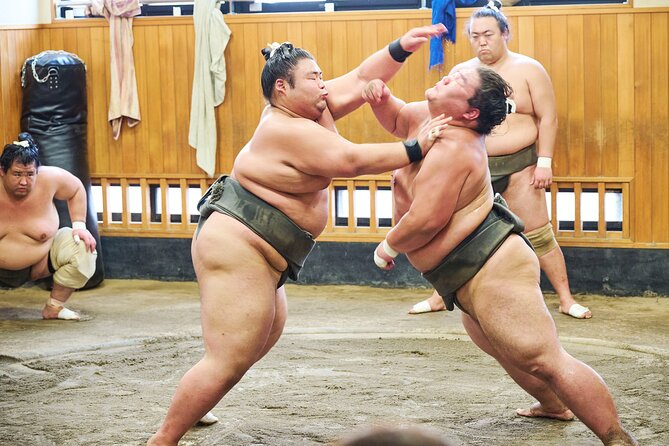
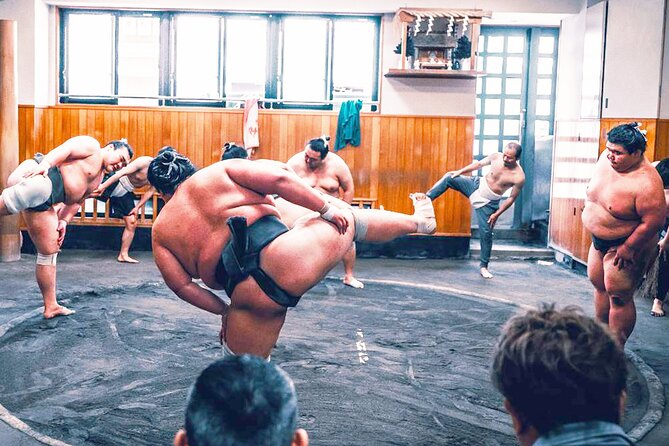
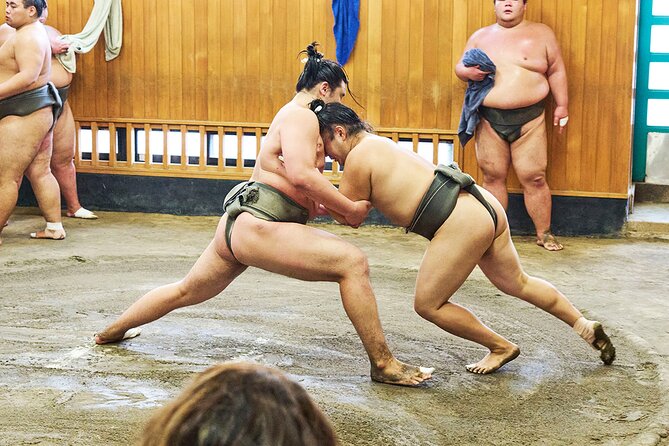
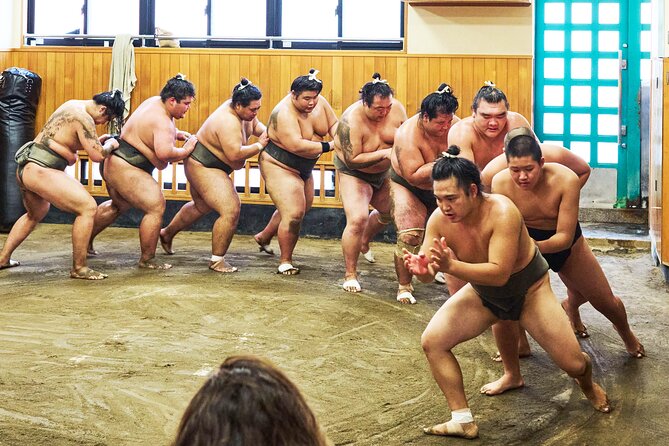
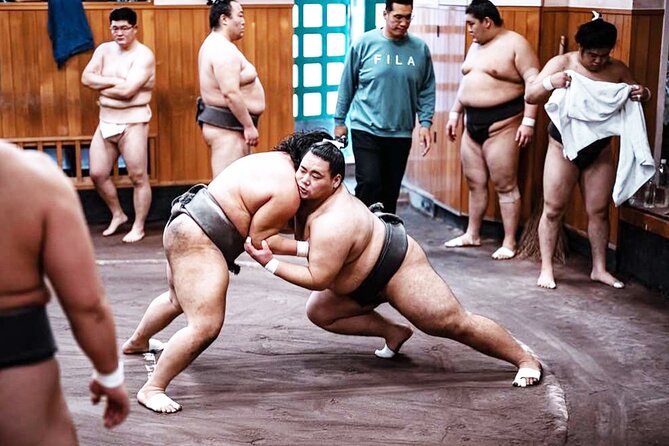
Tokyo sumo practice is not a staged show. You sit close to the ring while wrestlers slap, shove, stretch, and collide as they prepare for competition. The stable is also their home and workplace, so silence and modest dress are part of the experience, not optional extras.
I like the clear introduction from guides such as Mao, Yuki, Kawa, and Tomo, and I like how close you are to the action. You can hear the impact and see the wrestlers’ speed at arm’s length. The main drawback is the strict schedule: arrive late and you may miss the stable entirely, and you must stay until practice ends.
Key points
- Watch a real morning practice: This is daily training, not a performance arranged for tourists.
- Sit close to the ring: You can see the wrestlers’ footwork, balance, strain, and technique in detail.
- Learn the meaning behind the rituals: Your guide explains sumo rules, Shinto customs, rankings, and tournament preparation.
- Meet wrestlers outside practice: You may have a chance to speak with them after training, depending on the stable’s schedule.
- Plan for strict etiquette: Keep your phone silent, stay seated, avoid noise, and do not eat or drink apart from water.
- Allow extra travel time: Meet at Kiyosumi-Shirakawa Station, Exit A1, and arrive well before the appointed time.
Why a sumo stable feels different from a stadium
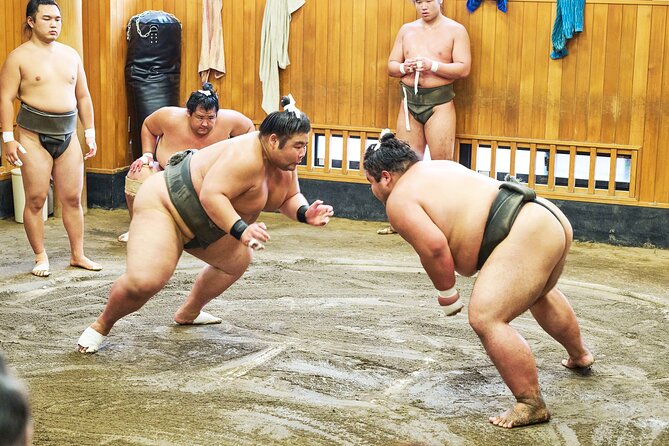
A tournament gives you the full spectacle of sumo: banners, crowds, ceremony, and bouts that count. This visit gives you the work behind it. At a stable, wrestlers train early, repeat basic movements, and push one another without playing to an audience.
That difference matters. You are not watching a theatrical version of sumo. The wrestlers pay little attention to the people sitting nearby. Their focus stays on the ring, their opponents, and the instructions from the stable.
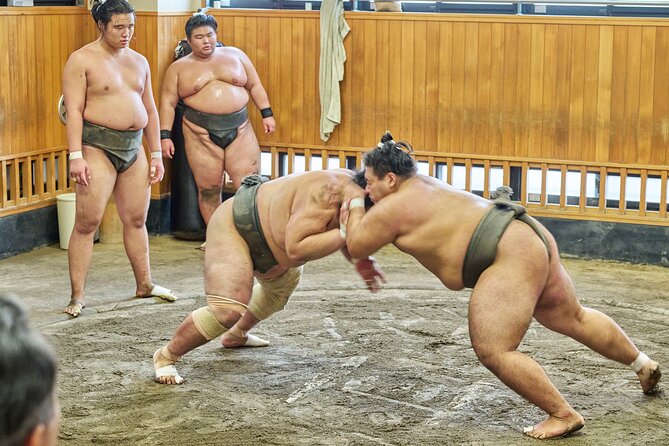
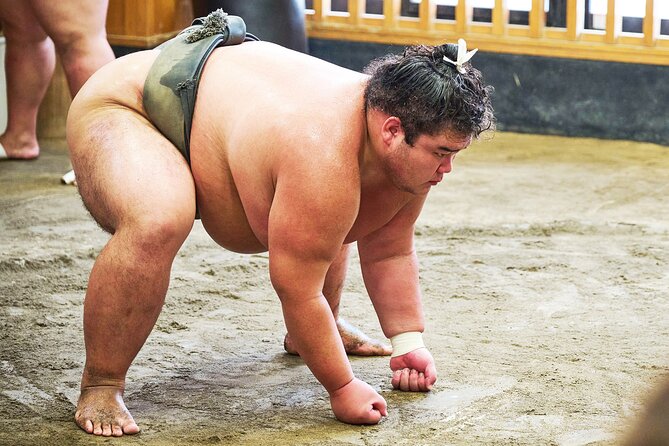
You may see warmups, stretching, practice bouts, and ritual movements. The action can look simple at first, but the close view shows how much control is involved. A short clash can include timing, balance, grip, foot placement, and raw strength.
The stable is also where wrestlers live and eat. It is a working community built around the sport. You do not receive a tour of every part of that life, but the setting gives you a useful sense of the commitment required. Training begins early, and young wrestlers work toward higher ranks through a demanding routine.
More Tokyo sumo experiences:
- Tokyo: Sumo Show and Dining Experience
★ 4.8 · 2,742 reviews - the SUMO show
★ 5.0 · 1,960 reviews - Tokyo Shinjuku Sumo Show & Experience with Photo
★ 5.0 · 1,750 reviews
Meeting at Kiyosumi-Shirakawa Station
The tour begins at Kiyosumi-Shirakawa Station, Exit A1. You can reach the station on the Toei Oedo Line or the Hanzomon Line. Look for a guide holding a Local Guide Stars sign in front of the exit.
This is a simple meeting point, but Tokyo’s rail system can still cost you time if you are unfamiliar with the lines or transfer stations. I would arrive at least 30 minutes early. One late group caused the stable visit to become shorter, which is a painful trade when the whole point is watching practice.
After meeting your guide, you may take a train to the stable. The final location can differ from the meeting point, so do not assume you will finish exactly where you started. If you have another booking afterward, leave a generous gap.
The tour lasts about two hours, but the practice may run a little shorter or longer. You must stay until the end, usually around 9:00 to 10:00 in the morning. This is not a stop-in activity you can join for 20 minutes before rushing to something else.
The guide’s introduction makes the action easier to follow
Before entering the stable, your English-speaking guide explains the basics of sumo. This part is important because the practice itself is quiet. You cannot expect to ask questions during the training, and the wrestlers are not stopping to explain what they are doing.
Guides Mao, Yuki, Kawa, and Tomo have each led sessions praised for clear explanations and a friendly approach. The strongest guiding style here is practical rather than overloaded with facts. You learn enough to recognize the key movements and understand why the wrestlers repeat them.
Your guide can cover:
- How a bout is won by forcing an opponent outside the ring or making any part of the body touch the ground
- The rules and basic structure of a sumo match
- The purpose of ritual movements
- Sumo’s connection with ancient Shinto beliefs
- How training supports the tournaments
- What daily life is like inside a stable
This background changes the way you watch. A stomp is not just a stomp. A bow, pause, or deliberate movement carries meaning. Sumo combines combat, ceremony, and discipline, and the guide helps you see those layers before you sit down.
The guides also answer questions about Japanese life and the sport. Mao has been praised for being patient with questions and for explaining without making the subject feel like a lecture. That is useful in a small, quiet setting where a good explanation can make the difference between simply watching bodies collide and understanding what you are seeing.
Sitting beside the ring during practice
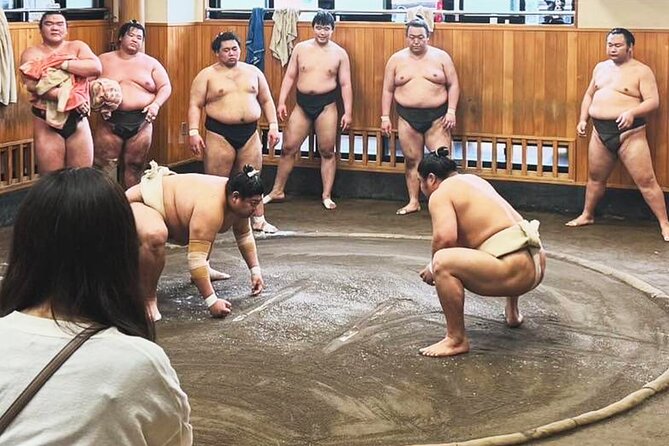
The best part comes when you enter the stable and take a place beside the ring. You are close enough to see the wrestlers’ expressions, hear the slap of flesh, and notice how quickly a practice bout can turn.
This closeness also comes with limits. You are not free to stand, walk around, or shift seats whenever you want. Keep your phone on silent and avoid making noise. The stable is a workplace, and the wrestlers need to concentrate.
Do not expect a polished presentation. The wrestlers do not perform introductions, repeat a move for a better photo, or adjust their routine for the group. That lack of attention is exactly what gives the visit its value.
The practice can be intense. Sumo wrestlers are large, but the sport is not simply about size. You will see speed, flexibility, balance, and sudden changes in force. Several comments about the session point to the shock of seeing how athletic the wrestlers are at close range.
A practice bout may be brief, yet the effort is obvious. Repeated pushing and grappling demand stamina. The wrestlers train with purpose, and the atmosphere can feel serious even when no official match is taking place.
More early morning tours in Tokyo:
- Tokyo: Sumo Morning Practice Viewing Tour
★ 4.8 · 570 reviews - Tokyo: Sumo Morning Training Visit
★ 4.4 · 370 reviews - Tokyo: Sumo Morning Practice Tour at Sumida City
★ 4.8 · 308 reviews - Tokyo Sumo Morning Practice Tour at Stable
★ 5.0 · 298 reviews
The spiritual side of sumo
Sumo is tied to Shinto, and the ritual side becomes easier to understand when you see it in the stable rather than only in a tournament arena. Movements before a bout can serve practical and spiritual purposes. They prepare the wrestlers physically while also showing respect for the ring and the traditions of the sport.
Your guide explains this connection before practice. You may then notice gestures that would otherwise pass too quickly to understand. For many visitors, this is the part that makes the activity more than a sports demonstration.
The spiritual customs also explain the strict behavior expected from you. Sitting quietly and staying in place is not just about keeping other people happy. You are entering a serious place of work with its own rules.
This is a good choice if you want cultural context along with action. If you only want a loud, fast sporting event, the quiet etiquette may feel restrictive. I think the restraint improves the visit, but it requires you to accept the rules from the start.
Speaking with wrestlers after training
The tour includes an opportunity to speak with wrestlers outside training hours. This is an opportunity, not a guaranteed private conversation with every athlete. Practice comes first, and the stable’s schedule controls what is possible.
The chance to meet the wrestlers adds a human element to the visit. During practice, you mainly see athletes at work. Afterward, a brief exchange can help you connect the training to the people who live this demanding life.
Some sessions have also allowed photos with wrestlers. Do not treat that as the main product, and follow your guide’s instructions. The stable is not a photo studio, and a respectful request is essential.
The most useful questions are likely to be simple and specific: how long someone has trained, what a daily routine involves, or how wrestlers prepare for tournaments. Your guide can help with communication if needed.
What the $98 price gets you
At $98 per person, this is not a cheap morning activity. You are paying for access to a place that is normally closed to the public, plus an English-speaking guide who explains a world most visitors cannot enter on their own.
The value depends on what you want from Tokyo. If your priority is the lowest possible cost, you could visit a public tournament event or watch sumo-related attractions elsewhere. Those choices may offer more visible ceremony, but they do not provide the same close view of ordinary training inside a working stable.
I think the price makes sense for visitors who value access and interpretation. You are not paying for a long itinerary with several attractions. You are paying for a rare setting, a short walking distance from the ring, and guidance that helps you understand what you see.
The value is also stronger for first-time sumo viewers. Without an explanation, the repeated practice can seem confusing. With the rules, rituals, and ranking system in mind, the session becomes much easier to follow.
A small group improves the cost calculation. Group sizes can vary, with recent sessions ranging from about 11 to 14 people. That is intimate enough to keep the stable visit personal, though it is not a private tour.
Rules that affect your comfort
You need to dress modestly. The stable is a traditional workplace, so avoid clothing that is too revealing or casual in a way that may seem disrespectful.
You must remain seated during practice. You cannot get up to take photographs, change position, or use the restroom. Go before entering, and keep your phone silent. You may bring water, but eating and drinking during practice are not allowed apart from water.
Noise is prohibited. That includes casual conversation, phone sounds, and excited reactions. It may feel strange at first to watch powerful physical contact in near silence, but the quiet is part of what makes the training feel real.
Once you leave the stable, you cannot re-enter. Do not step outside because you think the session is nearly finished. Stay until your guide confirms that the visit is over.
The activity is not suitable for children under 11. Older children who can sit quietly and follow the rules may be better suited, but the supplied conditions specifically exclude those under 11.
Who will enjoy this morning most
I would choose this tour if you want a close look at Japanese culture and do not need a conventional sightseeing format. It suits visitors who enjoy learning how a tradition works from the inside, even when the setting is quiet and the schedule is strict.
It is especially useful for:
- First-time visitors who want an introduction to sumo
- Sports fans interested in training rather than only competition
- People who prefer local institutions to staged cultural shows
- Visitors who enjoy photography but can accept strict limits during practice
- Adults and older children who can remain still and quiet
- Anyone with a free morning and no tight appointment afterward
I would hesitate if you need flexibility. The meeting is exact, late arrival may mean no entry, and you cannot leave early. I would also think twice if your main goal is to meet famous wrestlers or take lots of photographs. Those moments may happen, but they are secondary to observing practice.
Is the Sumo Morning Practice Viewing Tour worth booking?
Book it if you want to see the sport at close range and understand the traditions behind it. The strongest features are the working stable, the close seating, and the guides’ ability to explain the rules without burying you in information.
Prepare properly. Reach Exit A1 early, wear modest clothing, use the restroom first, silence your phone, and clear your morning schedule until at least 10:00. If you can accept those conditions, the $98 fee buys access to a side of Tokyo that most visitors cannot arrange for themselves.
Skip it if you want a flexible, noisy, photo-heavy attraction. This is a quiet observation experience built around respect. For the right visitor, that is precisely why it works.
FAQ
Where does the tour meet?
Meet in front of Kiyosumi-Shirakawa Station at Exit A1. The station is served by the Toei Oedo Line and the Hanzomon Line. Your guide will hold a Local Guide Stars sign.
How long does the tour last?
The stated duration is two hours. Practice and the tour may be a little shorter or longer than expected, and the practice usually ends around 9:00 to 10:00 in the morning.
Will I visit a real sumo stable?
Yes. The activity takes you to a real sumo training stable where wrestlers live, eat, and train. The stable is normally closed to the public.
Can I talk with the wrestlers?
You may have an opportunity to speak with wrestlers outside training hours. The timing depends on the stable’s schedule.
Can I take photographs?
Photographs have been possible during some sessions, including photos with wrestlers. You must follow the guide’s instructions, remain seated during practice, and avoid disturbing the training.
What should I wear?
Wear modest clothing. The stable is a place of work, and respectful dress is required.
Can I leave the stable before practice ends?
No. You must stay until the end of practice. Once you leave the stable, re-entry is not possible.
Are children allowed?
The activity is not suitable for children under 11.
What happens if I arrive late?
Late arrival may mean that entry is not possible. Arrive early, allowing extra time to find the station and meet at Exit A1.
Newly reviewed around Tokyo
- Tokyo Asakusa:Calligraphy & Make T-shirt Activity★ 5.0 · 62 reviews
- Intercity Shuttle, Tokyo to Haneda /Narita /Yokohama /Makuhari★ 5.0 · 5 reviews
- 1 Hour Travel around Tokyo with a Professional Photographer★ 5.0 · 3 reviews
- Travel Tokyo with Your Own Personal Photographer★ 5.0 · 43 reviews
- Train in Samurai Swordsmanship and Defeat the Demon in Tokyo★ 5.0 · 5 reviews
- Shuttle Van 6hr Tokyo Tour to-and-from Tokyo, Yokohama and Narita★ 5.0 · 9 reviews
- Kickboxing & Body Training with EX-Pro Fighter★ 5.0 · 4 reviews
- Tokyo History: Sensoji Temple & Asakusa District Private Tour★ 5.0 · 28 reviews
Tokyo Sumo Experiences, compared.
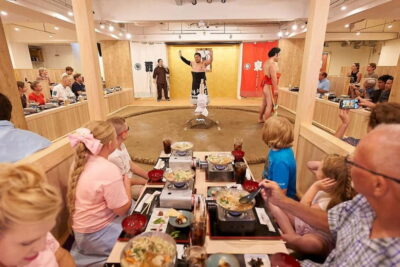
Tokyo Shinjuku Sumo Show & Experience with Photo
Read our review →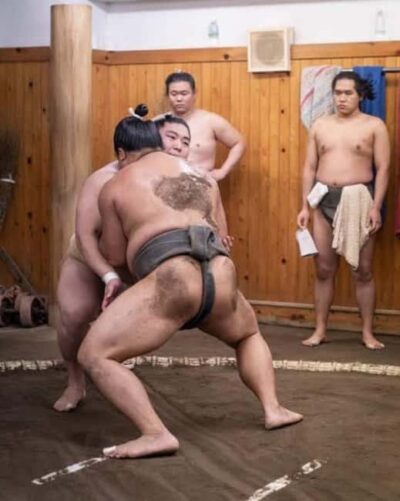

Luxury Sumo Show Experience & Japanese cuisine & Drink
Read our review →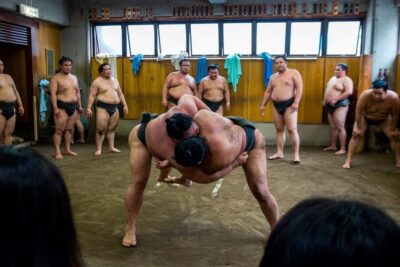
Tokyo Sumo Experience: Chanko & Mochi with a Former Pro
Read our review →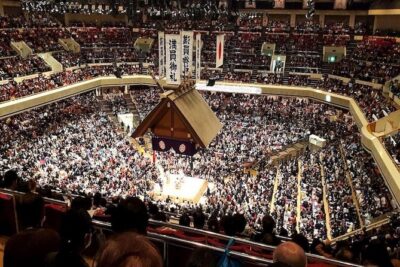
Ultimate Sumo Tournament: Tokyo, Osaka, Nagoya, Fukuoka
Read our review →Browse the lists this tour appears in