
Reviewed · YANAKA OLD TOWN TOURS
Tokyo:Stroll in Old traditional culture towns~Yanaka & Nezu
Tokyo’s old neighborhoods are often more revealing than its famous neon districts. This 3.5-hour walk from Nippori Station takes you through Yanaka and Nezu, where temples, cemeteries, wooden houses, tiny shops, and narrow lanes give you a calmer view of the city. It feels less like sightseeing by checklist and more like walking through a lived-in neighborhood.
I especially like the slow pace and small-group format, which leave room for questions and local details. I also like the range of stops, from the torii-lined path at Nezu Shrine to old liquor shops and the local food stalls of Yanaka Ginza. The main drawback is simple: this is a long walking tour with stairs, limited seating, and no guaranteed shop openings, so hot days and Mondays can affect the experience.
Key points to know
- Old Tokyo on foot: Walk among buildings from the Meiji and Showa periods, quiet lanes, temples, shrines, and residential streets.
- Sui leads the walk: Sui is the main guide and speaks English, with a friendly style that suits families and curious first-time visitors.
- Religion explained clearly: Visit Nezu Shrine and Tennoji Temple while learning how Shinto and Buddhism appear in daily Japanese life.
- Useful local shopping: Get help choosing snacks, souvenirs, daifuku, sake, and other goods along Yanaka Ginza.
- A real neighborhood, not a stage set: You may see nursery children, older residents, family-run shops, and everyday local routines.
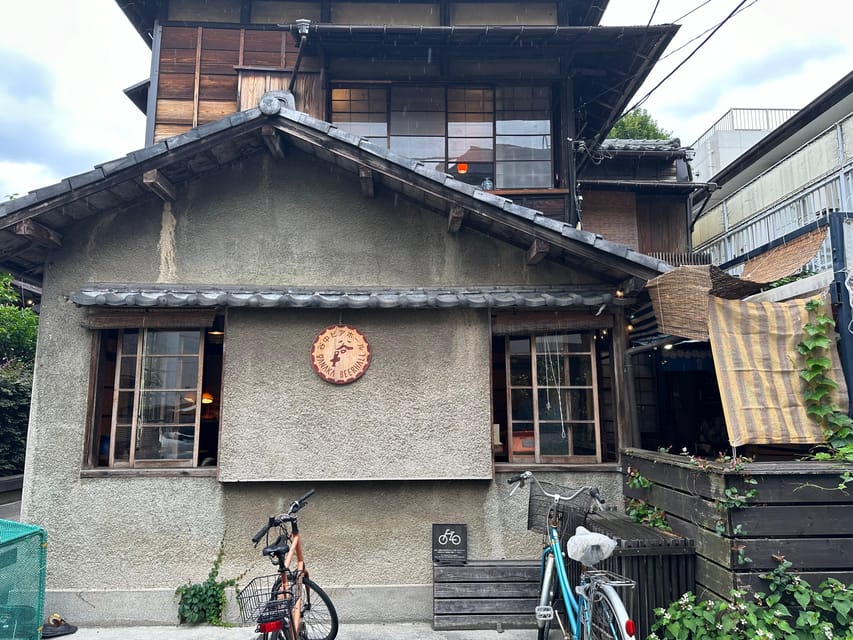
- Seasonal changes matter: Spring includes sakura mochi when available, while summer adds a drink stop at a converted traditional building and skips Yanaka Ginza.
Why Yanaka and Nezu show you another Tokyo
Tokyo can feel like a city built for speed. Trains arrive by the minute, streets fill quickly, and much of the modern center is shaped by towers, department stores, and bright signs. Yanaka and Nezu offer a different rhythm.
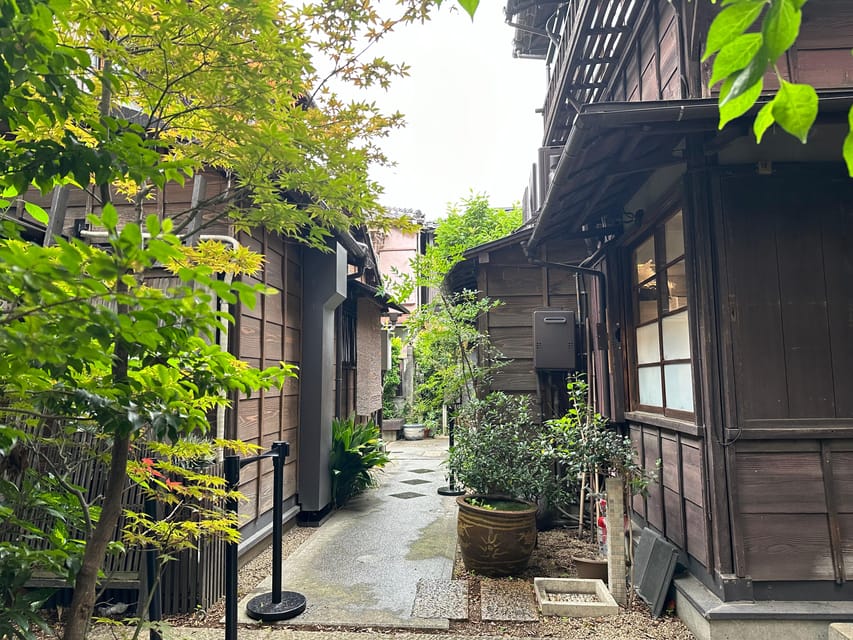
These neighborhoods retain a large amount of older Tokyo character. You walk past small wooden homes, modest newer houses, workshops, shrines, temples, and gardens tucked beside ordinary streets. The area was not destroyed on the same scale as many other parts of the city during World War II, so some buildings and street patterns from earlier periods remain.
That does not mean Yanaka is frozen in time. You still see modern homes, convenience stores, working businesses, schoolchildren, and residents going about their day. That mix is the point. You are not walking through a museum. You are seeing how older Tokyo survives inside the modern city.
I find this tour most useful early in a Tokyo visit. It gives you cultural context for the temples, shrine customs, food shops, and neighborhood etiquette you will keep encountering elsewhere in Japan. It also makes a good break from the intense commercial districts of Shinjuku and Shibuya.
More old Tokyo walks around Yanaka:
- The Old Quarter of Tokyo – Yanaka Walking Tour
★ 4.5 · 590 reviews - Yanaka Walking Tour: Historic and Traditional District of Tokyo
★ 5.0 · 530 reviews - Tokyo: Old Quarter Yanaka Walking Tour
★ 4.8 · 406 reviews
Starting at Nippori Station
The meeting point is the West Exit of Nippori Station, marked for Yanaka. Your guide waits in the area after you leave the station, and the meeting instructions emphasize arriving punctually because the walk starts on time.
Nippori is a practical starting point. It is well connected, and you immediately move from a major transport hub into a quieter district. The contrast happens quickly: station crowds give way to low-rise streets and a more residential feel.
Wear proper walking shoes. The route lasts about 210 minutes, and you use staircases along the way. You should also carry cash because small local shops may not accept every form of payment. Bring water and, if you tend to get hungry, a snack before starting. The route can run into lunchtime, and one participant found that the walk left them very hungry by the end.
The pace is relaxed rather than athletic. Still, relaxed does not mean effortless. This is not a suitable choice for wheelchair users, and anyone with difficulty managing stairs should choose another way to see the district.
Walking through daily life in Yanaka
The first part of the route takes you through quiet residential streets. This is where the tour earns its price. A map can show you Yanaka, but it cannot easily explain why one lane matters, how an old home fits into the neighborhood, or what you are seeing when local residents use a small religious site.
Sui is the main guide for this walk. Her approach, based on the experience described for the tour, is conversational and attentive. She answers questions, adjusts explanations to the group, and may add stops or spend extra time when the schedule allows. Her English is strong enough for detailed discussion of Japanese history, customs, religion, and local life.
The human details are often the most memorable. You might see young children from a local nursery, older people handling their daily errands, or shopkeepers working in businesses passed down through generations. These are brief encounters, not arranged performances. You should be polite, avoid photographing people without permission, and remember that residents live here.
The neighborhood also provides a useful lesson in Tokyo’s changing housing. Traditional structures appear beside newer residences, showing how families and businesses adapt without clearing away every older trace. Sui can help you notice details that are easy to miss when walking alone.
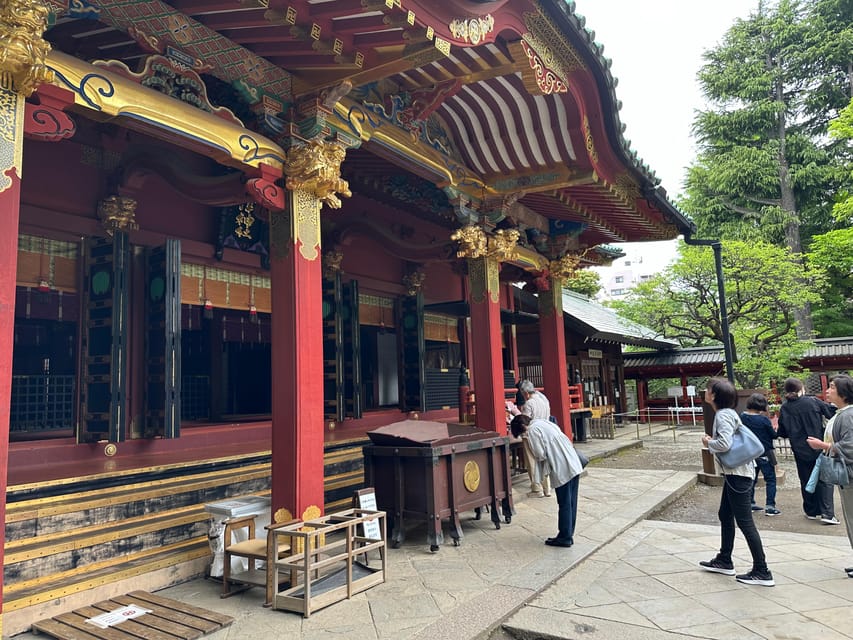
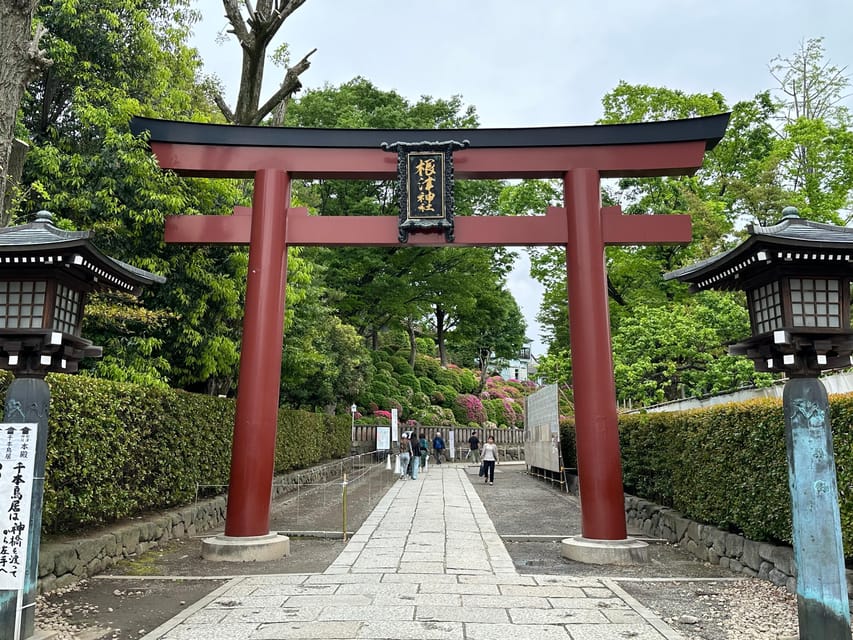
Nezu Shrine and its red torii path
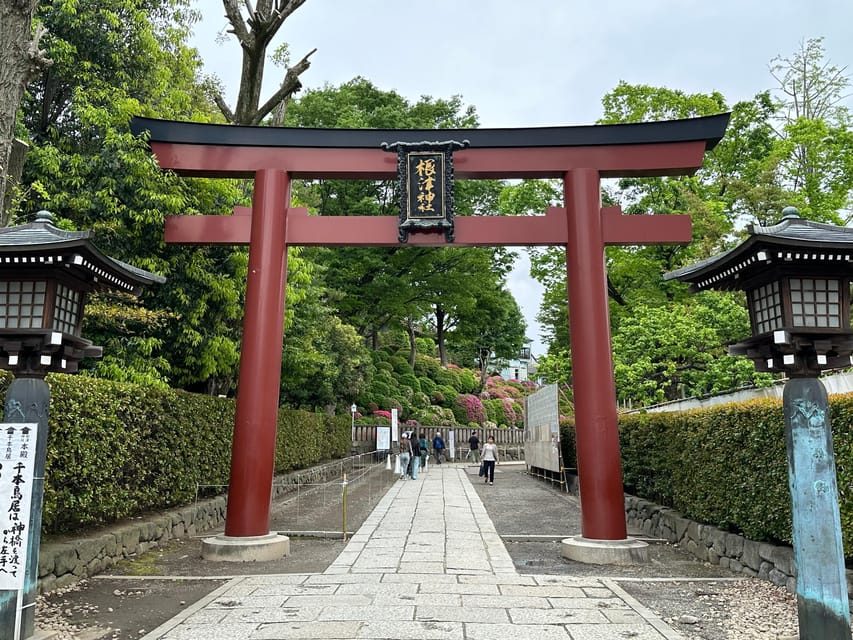
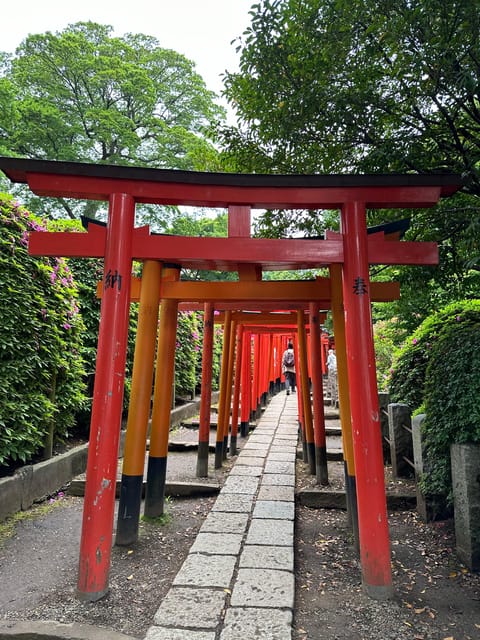
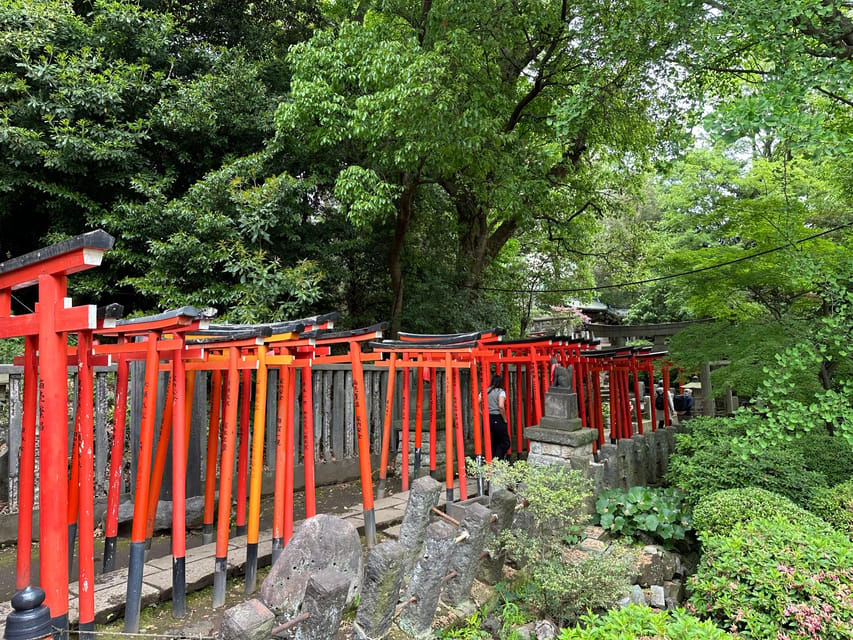
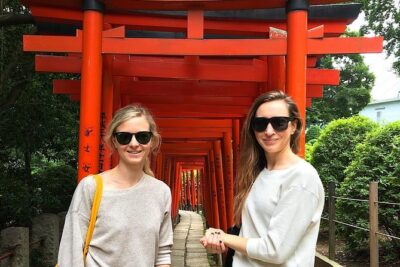
Nezu Shrine is one of the most visually striking stops. Its approach includes a picturesque line of torii gates, creating the familiar tunnel effect associated with Japanese shrines. It is a good place to ask questions because the setting makes religious customs easier to understand.
The tour includes discussion of Japan’s main religious traditions and the different roles of shrines and temples. That matters because first-time visitors often use the words interchangeably. A shrine is associated with Shinto, while a temple is Buddhist, and the customs, architecture, and symbols differ.
Your guide can also explain how ordinary Japanese people may interact with both traditions during the year. The tour is not presented as a formal religious lecture. Instead, the information comes while you are standing in the actual setting, learning how to behave and what details to notice.
The shrine can be beautiful and calm, but it remains a functioning place of worship. Keep your voice down, follow posted rules, and give people space when they are praying. The torii make a strong photo stop, though you should not treat every gate as a simple backdrop.
A completely different kind of day in Tokyo:
- Mt Fuji and Hakone 1-Day Bus Tour Return by Bullet Train
★ 5.0 · 26,383 reviews - 1-Day Tokyo Bus Tour
★ 5.0 · 14,250 reviews - Tokyo: teamLab Planets TOKYO Digital Art Museum Entry Ticket
★ 4.6 · 9,779 reviews - Mt Fuji & Hakone Cruise, Drum Show Bullet Train 1 Day from Tokyo
★ 4.0 · 7,413 reviews
Tennoji Temple and a quieter pause
Tennoji Temple brings a different mood. Its large bronze seated Buddha gives the site a clear visual focus, while the Japanese garden offers a place to slow down. This is one of the stops where the tour’s unhurried style works well.
I like that the itinerary does not rush from one famous sight to another. A temple garden has value partly because you have time to notice its shape, plantings, stonework, and quiet atmosphere. You do not need to be religious to appreciate the calm.
Sui also explains the practical side of temple visits, including the basic customs for praying. This is useful if you feel uncertain about what to do at a shrine or temple. You can ask questions without feeling as if you are interrupting a larger group.
Keep in mind that places of worship are not entertainment venues. The experience depends partly on your own behavior. If you want loud commentary, rapid photo stops, or a packed schedule, this will feel too gentle. If you enjoy small details and quiet pauses, it is a strong part of the walk.
Yanaka Cemetery beneath the trees
Yanaka Cemetery is one of Tokyo’s largest and most scenic cemeteries. The route passes through tree-lined sections where the city feels surprisingly distant, despite being surrounded by dense urban neighborhoods.
A cemetery may not be on every visitor’s list, but it helps explain the area’s identity. Religious buildings, graves, homes, and small businesses exist close together here. The cemetery is also a place of local history, and the line of trees adds beauty without turning the stop into a formal sightseeing attraction.
You should treat the cemetery with respect. Walk quietly, stay on appropriate paths, and avoid stepping into spaces connected with graves. The atmosphere is peaceful, but it is still an active sacred and memorial place.
This stop also breaks up the streetscape. After lanes lined with homes and shops, the open, shaded cemetery gives you a chance to breathe. It is one reason the tour feels less hurried than many city walking routes.
Old buildings from Meiji to Showa
The walk points out traditional buildings and structures dating from the Meiji period, from 1868 to 1912, through the Showa period, from 1926 to 1989. You will not simply be shown a row of preserved facades. The value comes from seeing older design elements mixed into a modern working district.
Look for wooden construction, narrow frontage, older shop layouts, and the way homes sit close to the street. Some buildings have been altered, repaired, or given new uses. That is more honest than expecting an untouched historic quarter.
The tour also touches on the period before World War II and the way older parts of Tokyo survived. Sui provides the historical links, so you can understand why Yanaka looks different from districts rebuilt with wider roads and larger modern structures.
One review described visits to old Japanese houses and bathhouses as part of the morning experience, but the advertised core route centers on neighborhood streets, shrines, temples, cemetery grounds, shops, and traditional buildings. Exact access to private buildings can vary, so do not book expecting a full indoor-house tour.
Yoshida Liquor Store and old local businesses
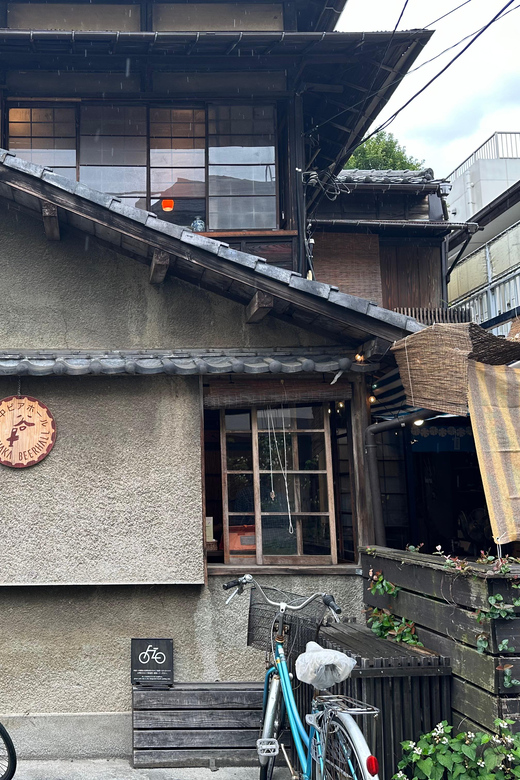
Yoshida Liquor Store is a traditional Japanese sake shop and one of the route’s more specific stops. Small businesses like this add texture to the tour because they show how neighborhood commerce works beyond major shopping streets.
You may learn about sake and see the kind of modest shop that has served local customers for years. If you want to buy something, cash is useful. Shop hours can change, and some businesses close on Mondays, so the stop may be viewed from outside or adapted if the store is shut.
This is also where a guide’s local knowledge has practical value. Sui can point out traditional products and explain what might make a good souvenir. Past participants received suggestions for handmade snacks, local food, and small gifts, including daifuku.
Do not expect a tasting program or a large retail selection unless specifically offered on the day. Think of Yoshida Liquor Store as a window into neighborhood life, with shopping advice as a useful bonus.
Yanaka Ginza, local food, and Sunset Staircase
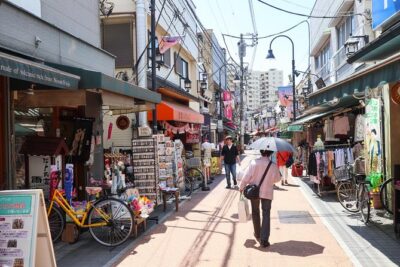
Yanaka Ginza is the most commercial part of the route, but it is still a local shopping street rather than a major Tokyo department-store zone. It is lined with small food shops, souvenir stores, and businesses selling everyday goods.
Your guide introduces local street foods and helps you understand what is worth trying. This is a good place to spend cash, especially if you enjoy sampling small snacks instead of sitting down to a long meal. The street can also be a practical source of souvenirs that feel more connected to the neighborhood than generic airport purchases.
The tradeoff is that Yanaka Ginza may be busier than the residential lanes. It can also feel more visitor-oriented, especially compared with the quiet temple grounds. I see it as a useful final shopping stop rather than the heart of the experience.
The route ends near Sunset Staircase, a popular local photo spot. The staircase gives you a compact view of the street and surrounding neighborhood, with a clear sense of ordinary Tokyo rather than postcard Tokyo. It is a pleasant closing scene, but do not expect a grand panoramic lookout.
The usual drop-off options are Nippori Station, Yanaka Ginza, or Nezu Station. That flexibility helps you continue sightseeing or find lunch. Several participants also received restaurant suggestions or help reaching their next station, though you should not assume a personal escort beyond the planned finish.
Seasonal planning for spring and summer
Spring is a particularly appealing time for this walk. From March 25 to April 25, 2026, the tour includes a free sakura mochi for each participant when available. The listed blooming dates are only an estimate, since weather controls the timing, and the sweet may be replaced with another traditional Japanese snack if needed.
The supplied information also highlights a special Sakura season from March 25 to April 10, 2026. If cherry blossoms are important to you, check the actual forecast and bloom reports rather than relying only on the date range.
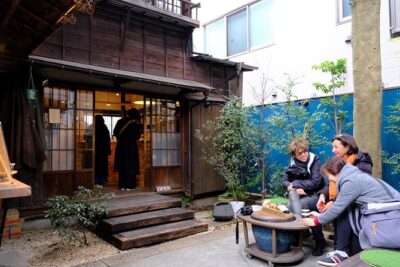
Tokyo’s summer can be hot and humid. From June 1 to September 11, 2026, the route includes a stop at a cafe converted from an old traditional building, with one drink included. The sightseeing stops remain largely the same, but Yanaka Ginza is omitted, and the tour ends at Nezu Station.
That summer adjustment is sensible. A three-and-a-half-hour walk in high heat can be tiring, and one participant found a September walk difficult in 36°C weather. Even with the cafe stop, bring water, wear light clothing, and consider the time of day before booking.
What the $29 price gets you
At $29 per person, this is an inexpensive way to add structure and context to a neighborhood that is easy to wander through but harder to understand alone. You are paying for an English-speaking guide, local interpretation, help with religious customs, and the chance to find shops and food you might pass without noticing.
The value is strongest if you are curious about everyday culture. If you only want major landmarks or a fast list of photo stops, you could walk parts of Yanaka and Nezu independently for less. But you would lose the explanations that connect the cemetery, temple, shrine, homes, and businesses.
Private or small-group options are available. A small group matters here because narrow lanes and quiet worship sites are not ideal for a large crowd. It also gives you more freedom to ask about religion, food, architecture, or practical Tokyo life.
The tour has free cancellation up to 24 hours before departure and allows you to reserve now and pay later. Those policies are useful, but the more important planning issue is the walking itself. Arrive early, wear comfortable shoes, and do not schedule a tight appointment immediately afterward.
Who should book this walk
I would choose this tour for a first or second Tokyo visit if you want a calmer counterpoint to the city center. It suits people who enjoy history, local customs, architecture, small shops, and conversation more than dramatic views.
Families can also do well here. Sui has provided toys and treats for children, answered questions from younger participants, and helped families find a suitable restaurant afterward. Still, parents should judge their children’s tolerance for a long walk, temple etiquette, and stairs.
This is less suited to anyone with limited mobility, a strong dislike of walking, or a need for a fixed indoor schedule. Monday visits may have fewer open shops. Summer visits require extra care in the heat, and shop access can change on any day.
Should you book the Yanaka and Nezu walk?
Book it if you want to understand the quieter side of Tokyo rather than simply photograph it. Sui’s local guidance is the main reason to choose this experience, especially if you want help with shrine customs, Japanese religious traditions, neighborhood food, and small purchases.
The tour is worth $29 for most visitors who enjoy a relaxed pace and can manage the walking. Just set realistic expectations: this is a residential district, not a parade of headline attractions, and the route can be tiring in hot weather.
I would book in spring for the best chance of pleasant walking and seasonal sweets, or in cooler months for a calmer outing. If your schedule allows only one Tokyo walking tour, this is a smart choice for seeing how old neighborhoods continue to function inside a very modern city.
FAQ
How long does the Yanaka and Nezu tour last?
The scheduled duration is 210 minutes, or about 3.5 hours. The tour may finish slightly earlier or later depending on the pace and the day.
Where does the tour start?
The meeting point is Nippori Station at the West Exit marked for Yanaka. The guide waits in the waiting area after you leave the exit.
Where can the tour finish?
The available drop-off points are Nippori Station, Yanaka Ginza, and Nezu Station. During the summer schedule, the tour ends at Nezu Station and does not visit Yanaka Ginza.
Who guides the tour?
Sui is the main guide for this Yanaka walking tour. The tour is conducted in English, and private or small-group options are available.
What sights are included?
The route includes Yanaka and Nezu residential streets, Nezu Shrine, Tennoji Temple, Yanaka Cemetery, traditional buildings from the Meiji and Showa periods, Yoshida Liquor Store, Yanaka Ginza, and Sunset Staircase.
What should I bring?
Bring comfortable shoes and cash. The route includes staircases, and some small shops may not accept every payment method.
Is the tour suitable for wheelchair users?
No. The tour is not suitable for wheelchair users because the route includes stairs and uneven neighborhood streets.
Newly reviewed around Tokyo
- Tokyo Asakusa:Calligraphy & Make T-shirt Activity★ 5.0 · 62 reviews
- Intercity Shuttle, Tokyo to Haneda /Narita /Yokohama /Makuhari★ 5.0 · 5 reviews
- 1 Hour Travel around Tokyo with a Professional Photographer★ 5.0 · 3 reviews
- Travel Tokyo with Your Own Personal Photographer★ 5.0 · 43 reviews
- Train in Samurai Swordsmanship and Defeat the Demon in Tokyo★ 5.0 · 5 reviews
- Shuttle Van 6hr Tokyo Tour to-and-from Tokyo, Yokohama and Narita★ 5.0 · 9 reviews
- Kickboxing & Body Training with EX-Pro Fighter★ 5.0 · 4 reviews
- Traditional Japanese Knife Sharpening Class★ 5.0 · 18 reviews
Yanaka Old Town Tours, compared.
Yanaka Walking Tour: Historic and Traditional District of Tokyo
Read our review →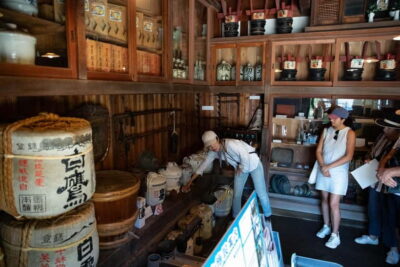
Yanaka Historical Walking Tour in Tokyo’s Old Town
Read our review →
Private Home Cooking in Yanaka – Local Flavors in a Warm Setting
Read our review →
Let’s experience calligraphy in YANAKA, Taito-ku, TOKYO !!
Read our review →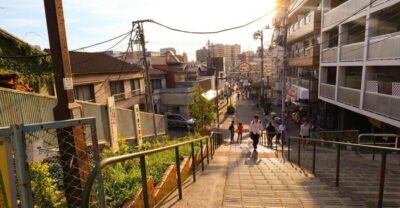
Yanaka District: Historical Walking Tour in Tokyo’s Old Town
Read our review →
Discover the Art of Ikebana in Tokyo’s Historic Yanaka District
Read our review →Browse the lists this tour appears in