
Reviewed · TOKYO SAMURAI AND NINJA EXPERIENCES
Tokyo: Samurai Sword Academy in the Hometown of Last Samurai
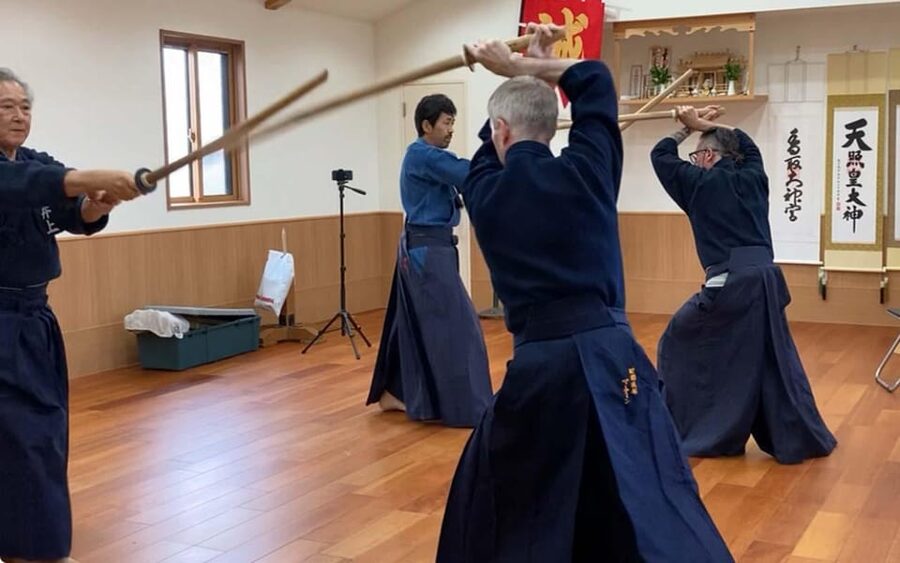
The unusual part of this Tokyo-area experience is that you train in the actual Tennen Rishin-ryu Hino Dojo, in the hometown of the Shinsengumi, the late-Edo swordsmen often called the Last Samurai. Masao Inoue, a descendant of Shinsengumi executive Genzaburo Inoue, leads the program with English and Japanese instruction.
I like the tiny group, limited to four people, and the careful build-up from posture and footwork to kata, partner practice, and handling a real Japanese sword. I also like the setting above the Inoue Genzaburo Museum, just five minutes from Hino Station. The catch is that this is active martial-arts training, not a quick photo stop, so it is unsuitable for children under 18 and people with several health or mobility concerns.
Key details before you book
- Train in Tennen Rishin-ryu: Learn the sword style associated with the Shinsengumi, rather than watching a staged samurai show.
- Meet Masao Inoue: The dojo chairman is a descendant of Genzaburo Inoue, a Shinsengumi executive.
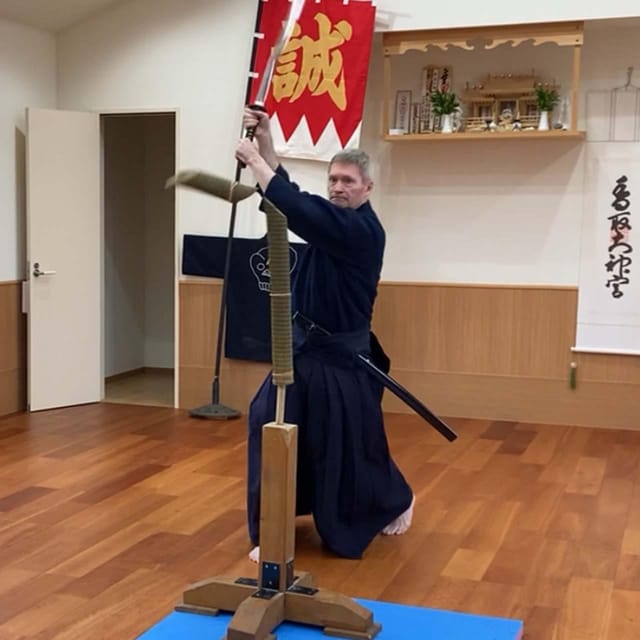
- Use real training equipment: The session includes a wooden sword and a Japanese sword, with tatami cutting included in the later practice.
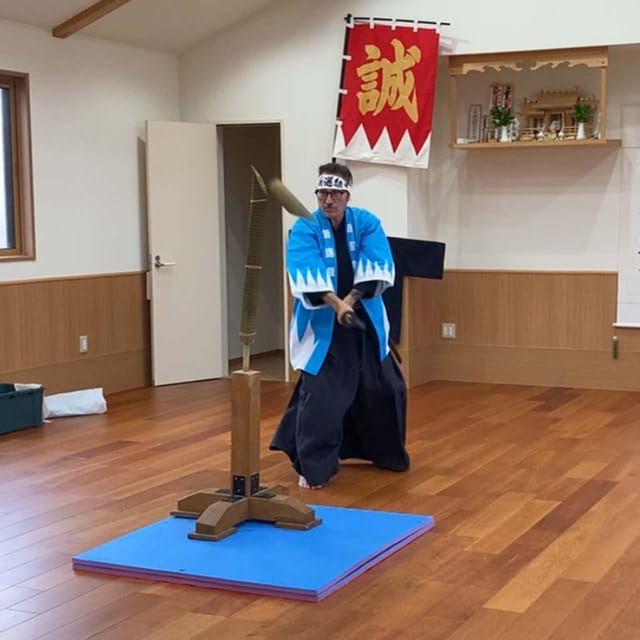
- Wear traditional clothing: Dogi, hakama, and the Shinsengumi’s dandara baori are supplied.
- Keep the group personal: No more than four participants take part, with English and Japanese instruction.
- Allow two hours plus travel: The dojo is in Hino, a short walk from Hino Station on the JR Chuo Line, outside central Tokyo.
Why Hino matters to the Shinsengumi story
Tokyo has plenty of samurai-themed activities, but Hino gives this one a stronger connection to the people behind the legend. The swordsmen who practiced Tennen Rishin-ryu in Hino helped form the Shinsengumi at the end of the Edo period. That group became famous for its role in the final years of the shogunate.
The word samurai can be stretched pretty thin in tourist activities. Here, the link is specific. You are learning the sword style tied to the Shinsengumi, in a dojo where the tradition is still practiced, with instruction led by a descendant of one of its senior figures.
That does not turn a two-hour lesson into a full history course. It does give the physical activity a useful setting. When you work through a stance or hold a sword in Hino, the story is not floating in some distant museum display. The place, family connection, and training method all point in the same direction.
The experience takes place on the second floor of the Inoue Genzaburo Museum. You do not need to plan a full day around it, but the museum and nearby Hino sights can help you make the short trip feel worthwhile.
More Tokyo samurai and ninja experiences:
- Tokyo: Samurai Ninja Museum Guided tour and Experience
★ 4.6 · 1,010 reviews - Tokyo: Samurai Sword & Archery Class from Samurai Descendant
★ 5.0 · 603 reviews - Best Samurai Experience in Tokyo
★ 5.0 · 458 reviews
Finding the dojo from Tokyo
The meeting point is about a five-minute walk from Hino Station on the JR Chuo Line. That makes the venue fairly easy to reach, but it is not a central Tokyo activity. You need to allow time for the ride to Hino, then find the museum and dojo.
That extra journey is part of the trade-off. If your Tokyo schedule is packed with Asakusa, Shibuya, and the Imperial Palace, Hino may feel like a detour. If you want a quieter experience with a clear local connection, the trip pays off better than another generic cultural demonstration.
Communication is available in English and Japanese. The very small group also matters here. With a maximum of four participants, the instructors can watch your stance and foot placement instead of leaving you to copy movements from the back of a large room.
Your first steps in dogi and hakama
The equipment is included, so you do not need to bring a special outfit. You receive a dogi and hakama for practice, along with the dandara baori associated with the Shinsengumi.
The clothing is more than a costume prop. A proper practice uniform helps shift the mood from sightseeing to training, and the hakama makes you pay attention to how you move your legs. The baori adds a clear Shinsengumi touch, but the main point is still the lesson rather than a photo opportunity.
Masao Inoue leads the program as chairman of the Tennen Rishin-ryu Hino Dojo. The teaching style described by participants is serious without being stiff. The instructors explain not only what movement to make, but why the body needs to be placed that way.
That detail matters for beginners. Sword movements can look simple when performed by an experienced practitioner. Your feet, hips, shoulders, hands, and timing all need to work together. A careful explanation of posture can prevent awkward movement and helps you understand that kenjutsu is not just waving a blade through the air.
Wooden swords, footwork, and kata
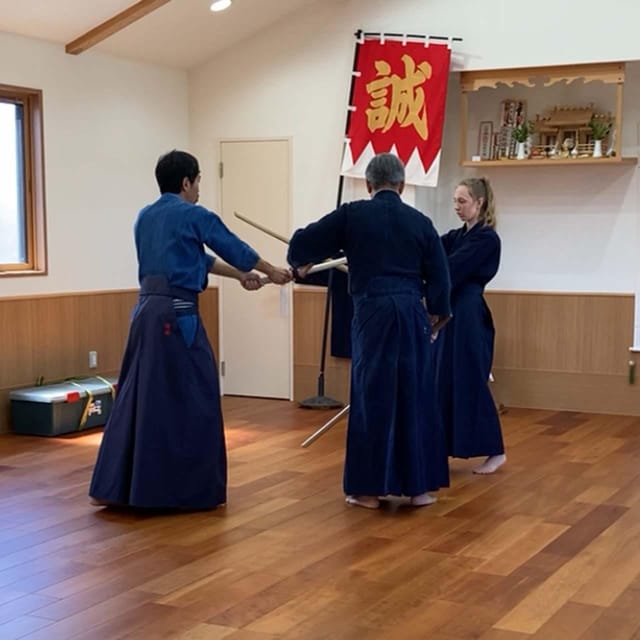
The lesson starts with the safer foundation: posture, footwork, and wooden-sword work. You learn how to hold yourself, move into position, and perform basic kata. The progression gives you time to learn before any real blade enters the picture.
I like this order because it keeps the experience from becoming a novelty act. You are not handed a sword at the door and told to copy a dramatic pose. You first learn the body mechanics that make the later work more controlled.
The instructors also introduce movements with a partner. One participant described working through duel practice, which gives the lesson a more active feel than repeating solo forms. Even so, the small-group format and instructor supervision are important. This is a place to follow directions carefully, not to improvise your own samurai battle.
You may not memorize every kata in one session. That is normal. The useful result is a feel for the structure of the art: how to stand, how to step, how to keep control, and how a sequence is built. If you have never tried a martial art, the instructors’ patience will matter more than your ability to learn quickly.
A completely different kind of day in Tokyo:
- Mt Fuji and Hakone 1-Day Bus Tour Return by Bullet Train
★ 5.0 · 26,383 reviews - 1-Day Tokyo Bus Tour
★ 5.0 · 14,250 reviews - Tokyo: teamLab Planets TOKYO Digital Art Museum Entry Ticket
★ 4.6 · 9,779 reviews - Mt Fuji & Hakone Cruise, Drum Show Bullet Train 1 Day from Tokyo
★ 4.0 · 7,413 reviews
Handling a Japanese sword
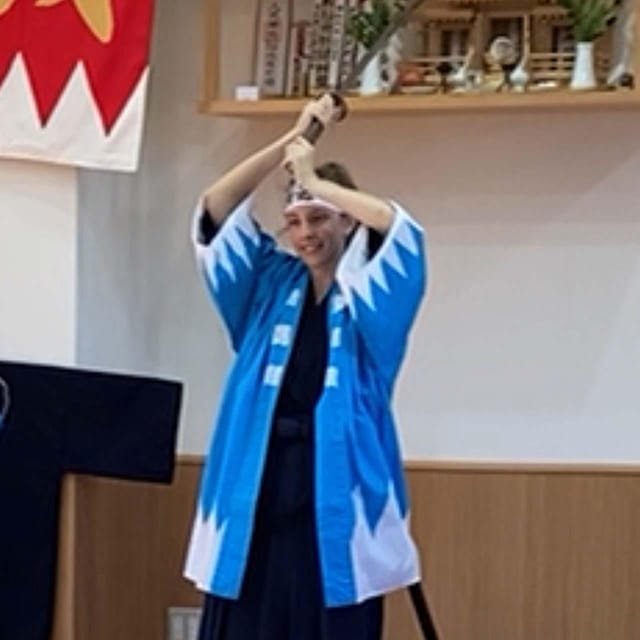
The later part of the lesson introduces a Japanese sword. This is likely the moment most people anticipate, but it works better because the earlier practice has prepared you.
Handling a real sword changes your sense of scale and responsibility. It is not simply a heavier wooden prop. You need to pay attention to the blade, your grip, your distance, and the instructions from the sensei. The program presents the sword as the soul of the samurai, and the respectful approach is central to the experience.
The lesson is described as staged and supportive, which is exactly what you want here. You should expect the instructors to guide you through the process rather than push you into a dramatic stunt. The goal is controlled movement and understanding, not speed.
A practical point: low fitness, back problems, recent surgery, vertigo, heart problems, and other listed conditions can make this unsuitable. Pregnant participants, wheelchair users, people with mobility impairments, and anyone with a cold are also advised not to take part. The activity is not recommended for children under 18 or people over 75.
The tatami cutting finale
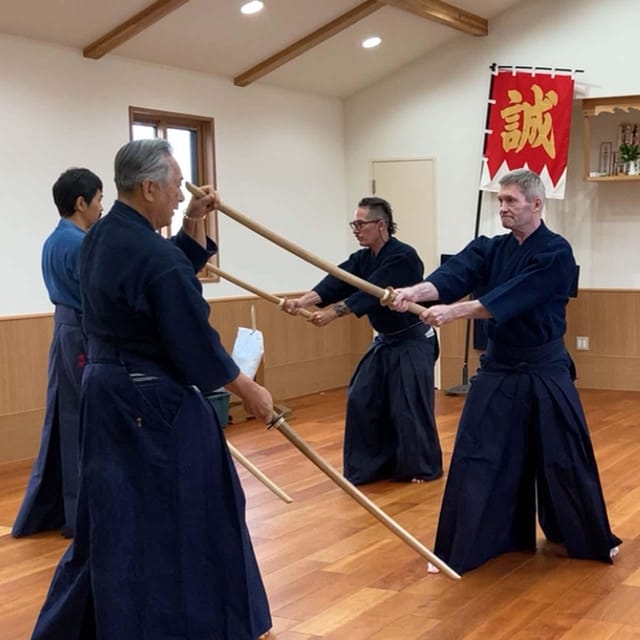
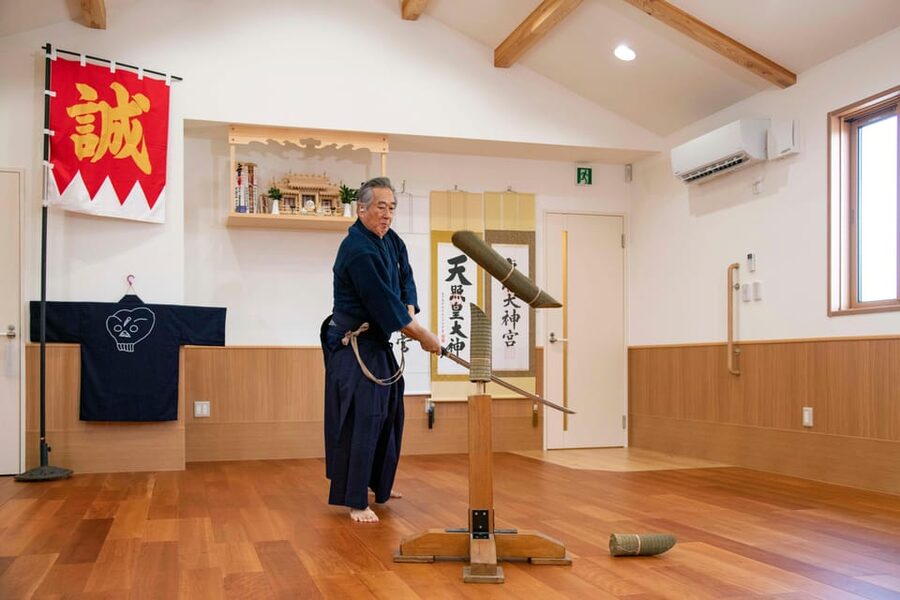
The most hands-on part is cutting tatami with a real sword. This gives you a clear finish to the lesson and lets you apply the stance, grip, and cutting motion you have been practicing.
Tatami cutting sounds simple until you consider how many things must line up. Your posture, swing, angle, and follow-through all affect the result. The earlier practice suddenly has a purpose, and the instructor’s corrections become easy to understand.
This is also the point where expectations need to stay sensible. You are not completing a samurai apprenticeship in two hours. You are trying a carefully supervised exercise that shows how technique matters more than force.
The session ends with a final surprise. The exact details are not specified in advance, which is probably best. It gives the program a little ceremony without turning the whole event into a scripted show.
What makes the teaching work
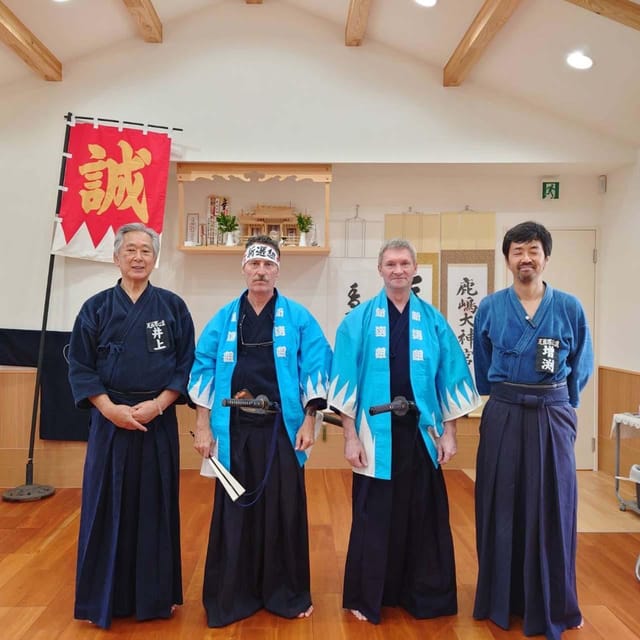
The strongest part of the program is the instruction. The teachers are described as patient, attentive, friendly, and encouraging, while still treating the art seriously. That balance is important for visitors who may arrive with enthusiasm but no martial-arts experience.
English support is available, though the exact language mix can vary by session. Demonstration, repetition, and close attention to movement also help bridge the gap when technical terms are unfamiliar.
The best instructors do not merely tell you to move your feet. They explain why foot placement helps prevent injury and why posture affects the cut. That practical teaching gives the experience value beyond the souvenir photo.
You should also expect a respectful tone. The setting is a real dojo, not a theme-park stage. You will get the most from it if you listen closely, accept corrections, and avoid treating the sword as a toy.
Is $116 a fair price?
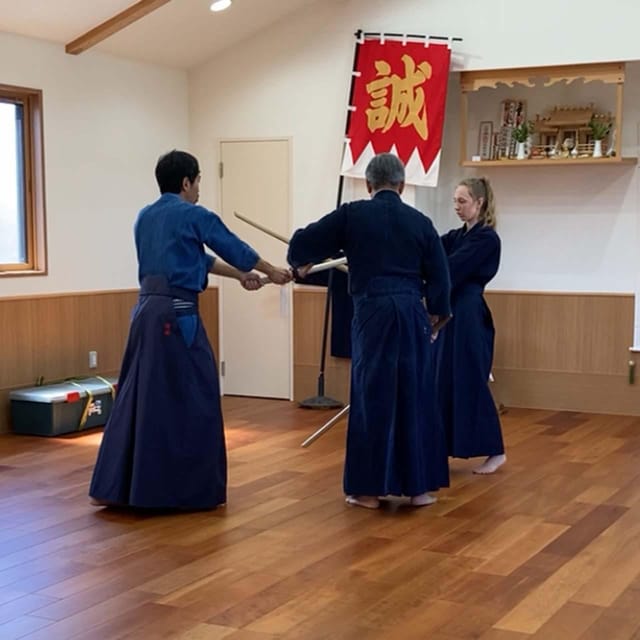
At $116 per person, this is not a cheap add-on activity. The value comes from what is bundled into the two hours: an instructor-led lesson, the wooden and Japanese swords, dogi and hakama, the Shinsengumi’s dandara baori, and access to an operating Tennen Rishin-ryu dojo.
The group limit makes the price easier to defend. Four participants is small enough for direct correction, and sword instruction benefits from that attention. A large group could offer the same basic movements, but it would not provide the same personal feel.
The historical connection also matters. You are not paying only for a costume and a sword-handling photo. You are visiting Hino, working in the dojo, and learning from Masao Inoue, whose family connection reaches back to the Shinsengumi.
I would consider it good value if you want a serious cultural activity and have room in your budget. I would skip it if you are looking for a quick, inexpensive attraction near central Tokyo, or if you prefer watching a performance to taking part in physical instruction.
Who should book this experience?
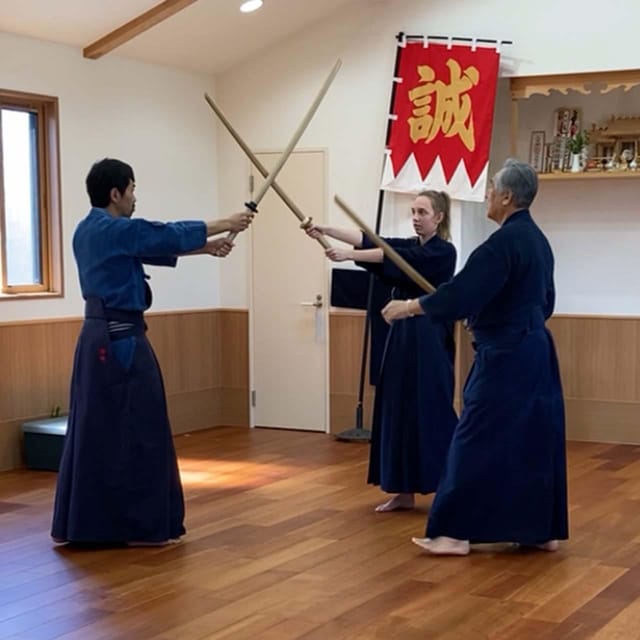
This suits adults with a real interest in Japanese history, martial arts, or traditional culture. You do not need previous sword experience. In fact, the staged progression makes it suitable for beginners who are willing to concentrate and accept instruction.
It is also a strong choice for someone who has already seen Tokyo’s major sights and wants an activity with a more personal connection to the city’s past. The trip to Hino gives you a different side of the Tokyo region.
You may want to choose another activity if your main goal is a relaxed cultural display. The two hours involve posture, movement, practice, and sword handling. People with low fitness or the listed medical conditions should not book without confirming that the activity is appropriate for them.
Book this if you want to learn something, not just pose with a katana. The strongest reasons are the real dojo, the four-person limit, the link to the Shinsengumi, and the chance to progress from wooden-sword drills to tatami cutting. For a visitor who values authentic instruction over a polished show, the price and trip to Hino make sense.
Practical facts at a glance
The experience lasts two hours and costs $116 per person. Starting times vary, so you need to check availability for your date.
The venue is on the second floor of the Inoue Genzaburo Museum, about five minutes from Hino Station on the JR Chuo Line. The activity is offered in English and Japanese, with no more than four participants.
Cancellation is free up to 24 hours before the start time, and you can reserve now and pay later. That gives you some flexibility if you are arranging several Tokyo day plans.
FAQ
Where does the samurai sword experience take place?
It takes place on the second floor of the Inoue Genzaburo Museum, about a five-minute walk from Hino Station on the JR Chuo Line.
How long does the experience last?
The swordsmanship program lasts two hours.
How many people can join?
The group is limited to four participants.
Who leads the swordsmanship experience?
Masao Inoue, chairman of the Tennen Rishin-ryu Hino Dojo and a descendant of Shinsengumi executive Genzaburo Inoue, leads the program.
What sword style will I learn?
You will learn elements of Tennen Rishin-ryu, the swordsmanship style associated with the Shinsengumi.
Will I use a real Japanese sword?
Yes. The experience includes handling a Japanese sword, along with practice using a wooden sword.
What clothing and equipment are included?
The program includes a dogi and hakama, the Shinsengumi’s dandara baori, a wooden sword, and a Japanese sword.
Is the activity available in English?
Yes. Instruction is available in English and Japanese.
Can I cancel for a refund?
You can cancel up to 24 hours in advance for a full refund. You can also reserve your place and pay later.
Newly reviewed around Tokyo
- Tokyo Asakusa:Calligraphy & Make T-shirt Activity★ 5.0 · 62 reviews
- 1 Hour Travel around Tokyo with a Professional Photographer★ 5.0 · 3 reviews
- Travel Tokyo with Your Own Personal Photographer★ 5.0 · 43 reviews
- Intercity Shuttle, Tokyo to Haneda /Narita /Yokohama /Makuhari★ 5.0 · 5 reviews
- Train in Samurai Swordsmanship and Defeat the Demon in Tokyo★ 5.0 · 5 reviews
- Shuttle Van 6hr Tokyo Tour to-and-from Tokyo, Yokohama and Narita★ 5.0 · 9 reviews
- Kickboxing & Body Training with EX-Pro Fighter★ 5.0 · 4 reviews
- Traditional Japanese Knife Sharpening Class★ 5.0 · 18 reviews
Tokyo Samurai and Ninja Experiences, compared.
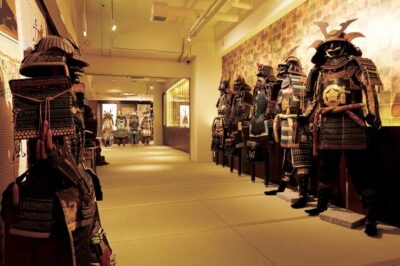
Samurai Ninja Museum Guided tour and Experience
Read our review →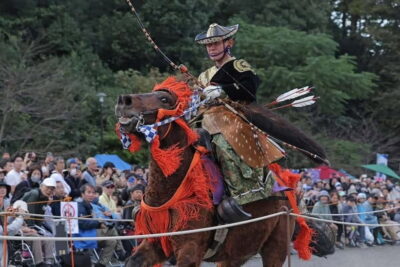
Samurai Sword & Archery Class from Samurai Descendant
Read our review →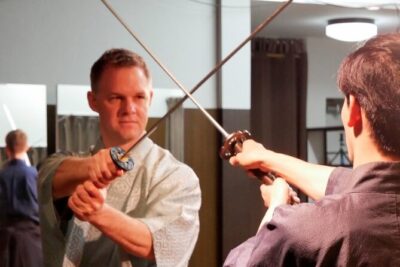
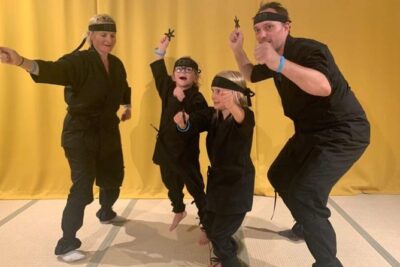
Ninja Experience (Family Friendly) at Samurai Ninja Museum TOKYO
Read our review →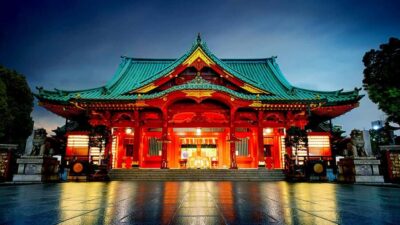
Samurai Entertainment Night Show in Kanda Shrine
Read our review →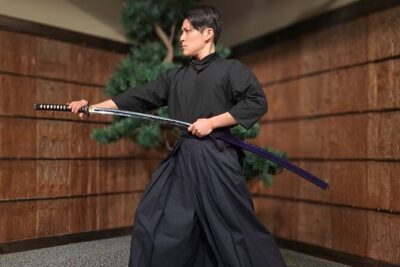
Tokyo Sword Experience – includes Museum Ticket/Ninja Experience
Read our review →
Samurai Ninja Museum Asakusa: Samurai Sword Lesson & Tour
Read our review →
Ninja Samurai 2-hour hands-on lesson by Japanese master in Tokyo
Read our review →Browse the lists this tour appears in