
Reviewed · TOKYO SAMURAI AND NINJA EXPERIENCES
Tokyo: Samurai Ninja Museum Guided tour and Experience
The best part of this Tokyo experience is that it turns a museum visit into a short history lesson with something to do. You’ll see samurai armor, helmets, swords, and ninja equipment, then try shuriken throwing and dress in samurai gear for photos. It is a neat way to put faces and movement onto a subject often reduced to movie scenes.
I like the friendly English guides, who keep the explanations clear and lively. I also like the balance: first you learn about Japan’s past, then you get to hold a metal samurai sword, wear a real helmet, and test your aim with ninja stars.
The main consideration is the group size. Bookings through one platform may allow up to 15 people, but additional participants can join through other booking sites, so the room may feel busy during the hands-on activities.
Key points at a glance
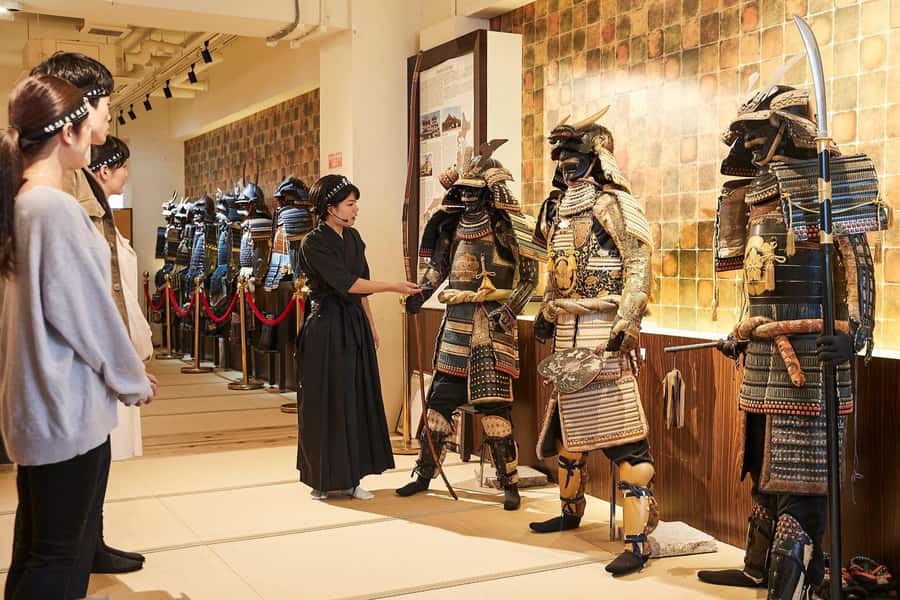
- See genuine samurai equipment: Armor, helmets, swords, and other displays give the talk something solid to focus on.
- Learn with an English-speaking guide: Guides including Kenny, Nami, Shin, Megan, Ken, and Nao have led lively, easy-to-follow tours.
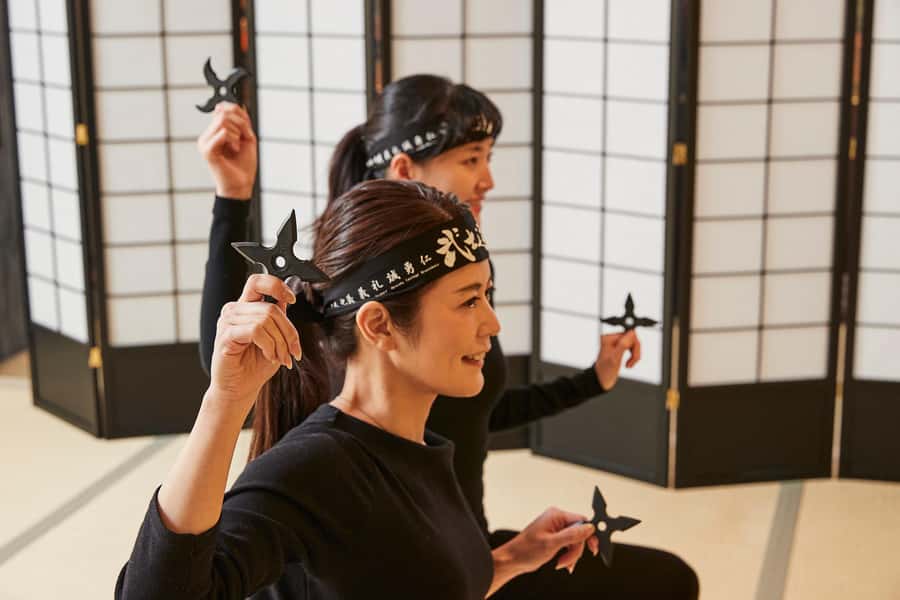
- Throw ninja stars: The shuriken activity is short, safe, and a clear favorite for children and adults.
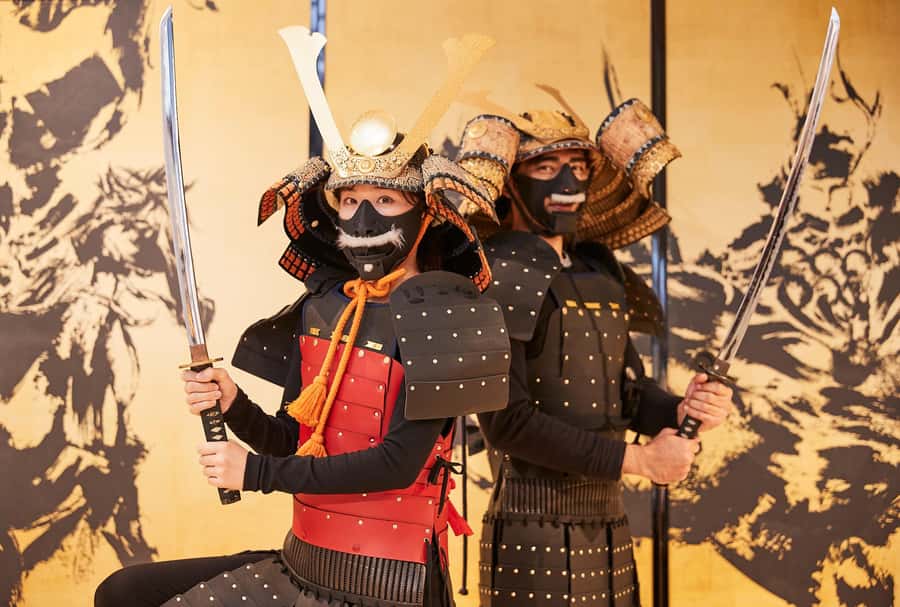
- Dress as a samurai: You can wear samurai clothing, put on a real helmet, and hold a metal sword for photos.
- Plan for about an hour: The tour is short enough for a busy Tokyo day and long enough to cover the main ideas.
- Expect a shared group: The experience can include more than 15 people, depending on where bookings are made.
A short museum visit with a hands-on finish
This is not a full-day historical program. It is a compact Tokyo activity, generally lasting about an hour, that mixes explanation, displays, costume, and simple skill practice.
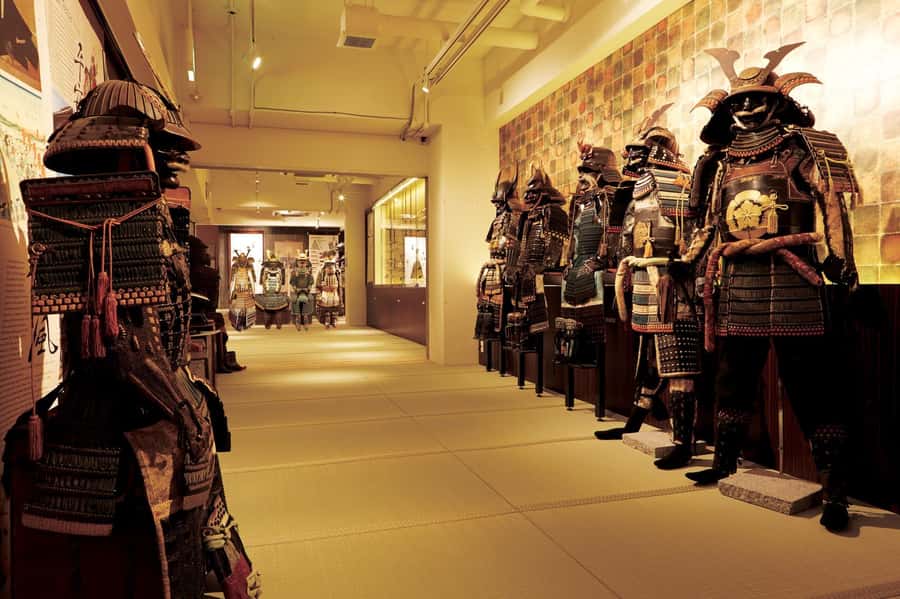
You begin inside the Samurai Ninja Museum with a guided look at the collection. The exhibits give you a chance to see the physical side of the subject: layered armor, striking helmets, swords, and equipment connected with samurai and ninja life.
The guide supplies the context. You’ll hear about the role of the samurai, the place of ninjas in Japanese history, important events, and how the samurai period eventually ended. The exact flow can vary slightly with the group and guide, but the pattern is clear: listen, look closely, then take part.
That structure works well for me. A museum display can be impressive but hard to understand without explanation. Here, the talk gives meaning to the objects, and the activities keep the visit from becoming a long lecture.
More Tokyo samurai and ninja experiences:
- Tokyo: Samurai Sword & Archery Class from Samurai Descendant
★ 5.0 · 603 reviews - Best Samurai Experience in Tokyo
★ 5.0 · 458 reviews - Ninja Experience (Family Friendly) at Samurai Ninja Museum TOKYO
★ 5.0 · 441 reviews
What you learn about samurai and ninja life
The tour is designed as an introduction rather than an advanced study of Japanese history. You’ll learn the broad story of the samurai and ninjas, their roles in the past, and some of the myths linked to them.
That last point matters. Popular films and television often blend fact with fantasy. The guides address different myths and explain where the familiar image of the samurai or ninja fits, and where it does not. If you arrive with a fondness for samurai films, you’ll likely enjoy comparing the screen version with the historical picture.
The displays help keep the lesson concrete. Armor and helmets are not just decorative objects here. They give you a sense of how samurai presented themselves and how equipment shaped their public image. The swords also provide a useful starting point for understanding why these figures became such powerful symbols of Japan.
The ninja portion is more mysterious by nature. The guide explains their role in history while separating popular ideas from the information presented in the museum. You should not expect a university-level lecture, but you will leave with a clearer idea of both groups than you had from movies alone.
Guides who make the history easier to follow
The guide makes a big difference in a short experience like this. The English-speaking hosts named in the supplied information include Kenny, Nami, Shin, Megan, Ken, Nao, Leon, and Hashan. Your guide will depend on the date and schedule, but the format calls for live English commentary rather than a recorded audio tour.
Kenny is described as funny and energetic, with a style that works well for families and people who enjoy a little humor with their history. Nami is noted for explaining samurai, ninjas, and everyday life in Japan. Shin has led tours with detailed explanations, while Megan’s tour was described as informative and well paced.
That variety is worth keeping in mind. This is not a silent museum where you simply read labels at your own speed. You are joining a presentation, and the guide’s personality shapes the experience. The strongest guides appear to make the subject easy to understand without treating it as a dry school lesson.
I would especially choose this activity if you are visiting with children or teenagers. Several parts of the tour invite participation, and guides may use games or questions to bring younger members into the story. Adults get useful historical background, while children have a reason to keep paying attention.
Armor, helmets, and swords you can see up close
The museum’s central appeal is the equipment. You’ll see samurai armor, helmets, and swords rather than relying only on pictures or spoken explanations.
The helmets are particularly helpful for understanding the visual drama of samurai culture. Their shapes and decorations make it easy to see why the samurai image has remained so recognizable. The armor also helps you picture the difference between a ceremonial display and ordinary modern clothing.
The experience includes a real samurai helmet and a metal samurai sword during the dress-up portion. That does not mean you are handling museum pieces from the display cases, so keep your expectations sensible. Still, holding a metal sword and wearing a helmet gives the history a physical quality that a standard museum ticket cannot provide.
Photography is part of the fun. You can take pictures dressed as a samurai, and the costume moment gives families a souvenir that feels more personal than another photo of an exhibit. If you are traveling with children, this is often the part they remember most.
More Tokyo museums and galleries:
- Tokyo: teamLab Planets TOKYO Digital Art Museum Entry Ticket
★ 4.6 · 9,779 reviews - Tokyo Studio Ghibli Museum and Ghibli Film Appreciation Tour
★ 4.5 · 421 reviews - Tokyo Sword Experience – includes Museum Ticket/Ninja Experience
★ 5.0 · 314 reviews - Samurai Ninja Museum Asakusa: Samurai Sword Lesson & Tour
★ 4.8 · 306 reviews
The samurai dress-up experience
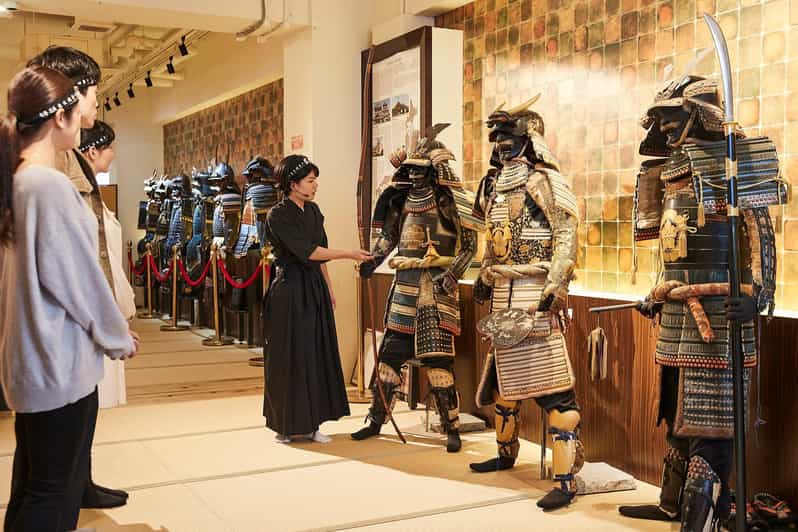
At some point in the visit, you can put on samurai clothing, wear the helmet, and hold a metal sword. The activity is simple, but it changes the mood of the tour.
You are no longer only hearing about samurai presentation and status. You are given a small, carefully controlled taste of the visual experience. For a child, the chance to dress up can make the historical talk click. For an adult, it is a good excuse to stop taking solemn museum photos and enjoy the silliness of the moment.
I would not book this solely as a costume photo opportunity. The dress-up is brief, and the main value comes from the combination of explanation and participation. Think of it as one part of a compact museum visit, not a full theatrical performance.
The activity may take time when a large group is present. Be patient while other people have their turn, and expect the exact order to depend on the guide and the crowd. The potential wait is the trade-off for a shared experience at a relatively modest price.
Throwing shuriken like a ninja
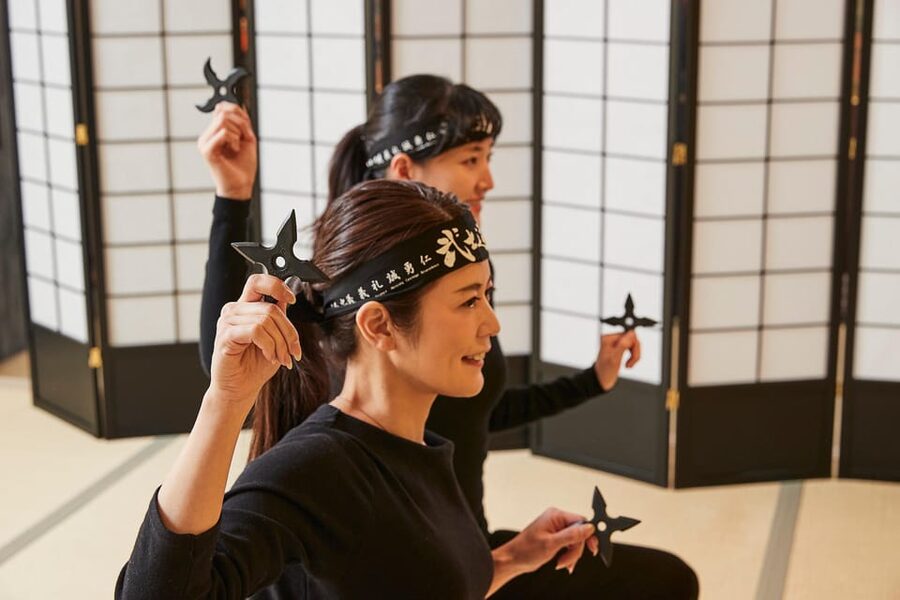
The ninja star throwing session is the other major activity. You’ll practice throwing shuriken at a target, giving you a playful way to finish the historical section.
This is not a serious martial arts class. The point is to try the motion, test your aim, and enjoy a few throws. The activity has enough structure to make it feel like more than a photo stop, but it remains accessible to people with no previous experience.
Children often respond strongly to this part, and adults usually find it entertaining too. One version of the activity includes a small contest, with the possibility of keeping a star if you win. Since details can vary by session, treat that as a possible extra rather than the main reason to book.
The shuriken practice also helps the tour maintain its pace. After listening to historical explanations and examining equipment, you get to do something physical. That change keeps the hour from feeling heavy, especially for younger children.
Why the one-hour length works
The tour’s reported length is about one hour, which I see as a strength. Tokyo offers enough large sights to fill an entire day, so a short activity is easier to fit between neighborhoods, meals, and larger museum visits.
The pace gives you an introduction without asking you to commit half a day to one topic. Families can enjoy it without worrying that younger children will lose interest before the end. Adults who already know a little about samurai history may also appreciate the compact format.
The limit is equally clear. You will not cover every period, political change, weapon, or social detail in an hour. The museum and guide provide a useful starting point, not the final word on samurai and ninja history.
If you want an in-depth academic tour, this will feel light. If you want a clear introduction with activities, it is a better match. I would schedule it on a day when you want one focused cultural stop rather than a long historical program.
Value at $27 per person
At $27 per person, the price covers entry, the English guided tour, ninja star throwing, and the samurai dress-up experience. That is a fair package if you would otherwise pay separately for a museum visit and a family activity.
The value comes from the guide-led format. You are not just entering a room and looking at objects. You receive an explanation, get to ask or respond during the presentation, and take part in two activities.
For solo adults, the value depends on your interest. If samurai and ninja history are already high on your Tokyo list, the cost is easy to justify. If you are only mildly curious, you may find the displays and short talk worthwhile, but the costume and shuriken activities will probably determine whether the price feels right.
For a family, the package can work especially well. It gives children something active to do, while adults receive enough historical information to make the visit more than a novelty stop. Several children can participate in the same shared activity, which makes it a useful option for mixed-age groups.
The price does not include extra purchases, such as souvenirs. One family bought samurai swords after the tour, but those are separate from the admission and activities.
Group size, pacing, and what to expect
The experience can be shared with a fairly large group. One booking channel allows a maximum of 15 people, but the museum accepts bookings through other sites, so the total number in a session may be higher.
A larger group can affect the photo and throwing portions. You may need to wait while others dress up or take their turn. On the positive side, the guide has a chance to create a lively atmosphere, and family members can enjoy watching each other try the activities.
The tour has been described as well paced, with enough time for the historical explanation and enough movement to keep it lively. I would arrive ready to listen, but not expecting a private guide or unlimited time with every exhibit.
The location is in Tokyo, in an area described as convenient for shopping and reachable by train or taxi. The supplied details do not identify a station or exact address, so check your booking information for the meeting point before setting out.
Who should book this Tokyo experience?
I would put this near the top of the list for families with children or teenagers. The combination of stories, displays, dressing up, and shuriken throwing gives each age group something to enjoy.
It also suits first-time visitors who want a quick introduction to Japanese history. You can learn the basic ideas without spending an entire day in a major museum, and the guide can correct some of the common movie-inspired assumptions about samurai and ninjas.
Fans of Japanese films, history, or martial arts should find plenty to enjoy, especially in the armor and sword displays. The activity also works for couples and solo visitors, though the costume portion naturally feels more playful when you are willing to join in.
I would be less likely to choose it if you want an extensive collection, long periods of quiet viewing, or detailed historical research. The strength is the mix of education and fun, not the size or depth of a national museum.
My booking advice
Book this tour if you want a short, friendly introduction with real equipment, a live English guide, and activities that make the subject easier to remember. It is particularly useful on a Tokyo day when you have only an hour to spare or when your group includes children.
Before booking, accept that the group may be larger than 15 people and that the historical coverage will stay at an introductory level. If that sounds right, the $27 price is reasonable for the museum entry, guided talk, costume session, and shuriken practice.
I would choose it for the experience of handling the helmet and sword, seeing the armor up close, and watching a family member try the ninja stars. Those details give the visit its character and make it more than a standard museum stop.
FAQ
How much does the Samurai Ninja Museum experience cost?
The listed price is $27 per person. It includes museum entry, the English-speaking guided tour, ninja star throwing, and the samurai dress-up experience.
How long does the tour last?
The tour is about one hour long. That makes it easy to fit into a busy Tokyo itinerary.
Is the tour offered in English?
Yes. The experience includes a guided tour with an English-speaking guide.
What is included in the samurai experience?
You can dress up as a samurai, wear a real samurai helmet, and hold a metal samurai sword.
Can I throw ninja stars?
Yes. Ninja star, or shuriken, throwing is included in the experience.
How many people can join the tour?
You can reserve a maximum of 15 people through GetYourGuide, but the museum accepts bookings from other sites, so more participants may be present.
Is the experience suitable for children?
Yes. The activities are designed to be engaging for children, and the tour includes dressing up and ninja star throwing. The short length also suits families with younger children.
Newly reviewed around Tokyo
- Tokyo Asakusa:Calligraphy & Make T-shirt Activity★ 5.0 · 62 reviews
- Intercity Shuttle, Tokyo to Haneda /Narita /Yokohama /Makuhari★ 5.0 · 5 reviews
- 1 Hour Travel around Tokyo with a Professional Photographer★ 5.0 · 3 reviews
- Travel Tokyo with Your Own Personal Photographer★ 5.0 · 43 reviews
- Train in Samurai Swordsmanship and Defeat the Demon in Tokyo★ 5.0 · 5 reviews
- Shuttle Van 6hr Tokyo Tour to-and-from Tokyo, Yokohama and Narita★ 5.0 · 9 reviews
- Kickboxing & Body Training with EX-Pro Fighter★ 5.0 · 4 reviews
- Traditional Japanese Knife Sharpening Class★ 5.0 · 18 reviews
Tokyo Samurai and Ninja Experiences, compared.
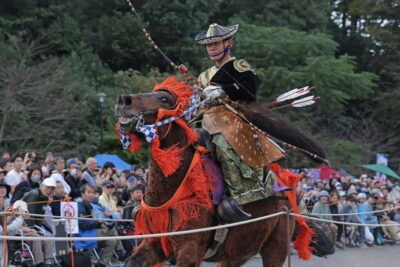
Samurai Sword & Archery Class from Samurai Descendant
Read our review →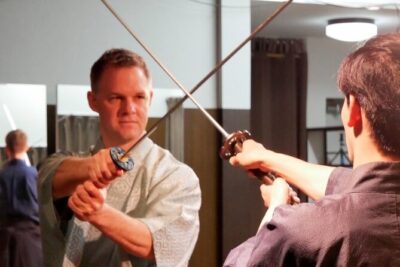

Ninja Experience (Family Friendly) at Samurai Ninja Museum TOKYO
Read our review →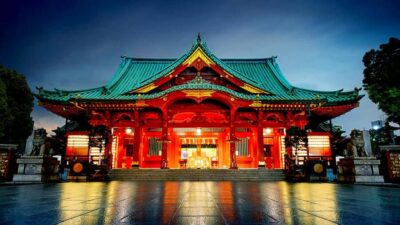
Samurai Entertainment Night Show in Kanda Shrine
Read our review →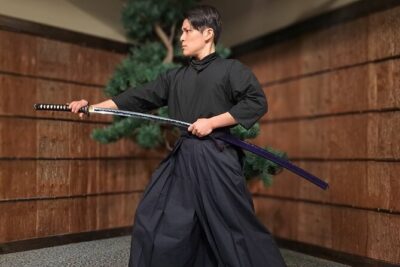
Tokyo Sword Experience – includes Museum Ticket/Ninja Experience
Read our review →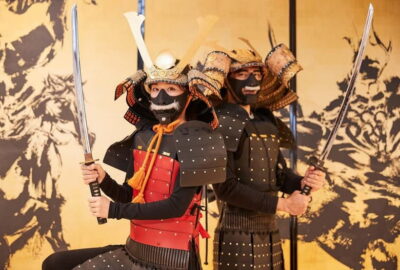
Samurai Ninja Museum Asakusa: Samurai Sword Lesson & Tour
Read our review →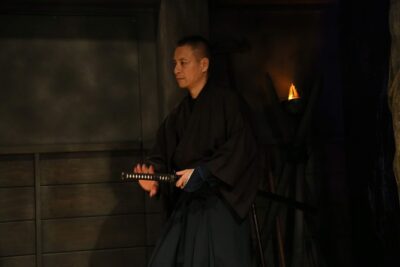
Ninja Samurai 2-hour hands-on lesson by Japanese master in Tokyo
Read our review →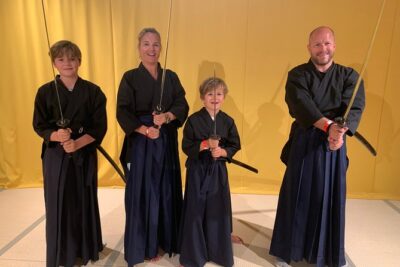
Samurai Sword Experience (Family Friendly)at SAMURAI MUSEUM TOKYO
Read our review →Browse the lists this tour appears in