Reviewed · MORNING
Tokyo: Morning Sightseeing Bus Tour
Tokyo is easiest to understand from the back of a coach when you have only a morning. This tour links Meiji Shrine, the Imperial Palace, and Asakusa with quick drives through Harajuku, Akihabara, Ueno, and Kappabashi. You get the city’s broad outline without spending half the day changing trains.
I like the quiet forest around Meiji Shrine and the matcha experience in Asakusa, which gives the tour more local flavor than a simple photo-bus ride. I also like the strong English commentary from guides such as Aoi, Angela, Taka, and Tsubasa, along with the multilingual audio option.
The tradeoff is time. Traffic can force short stops, and the tour ends in Asakusa rather than returning you to your hotel. If you want long visits inside each place, this is too brisk. If you want a useful first look at Tokyo, it makes good sense.
Key points to know before booking
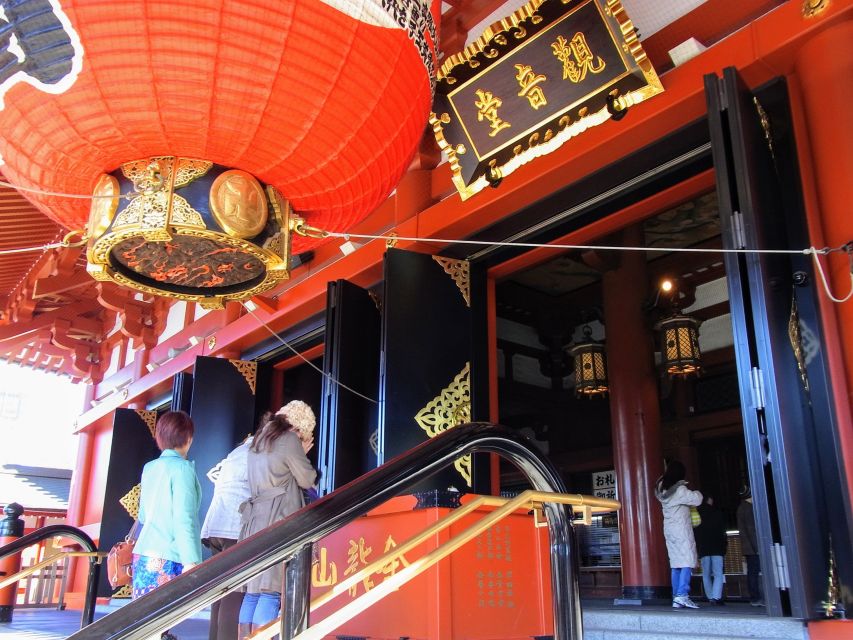
- The tour finishes at Senso-ji in Asakusa, so plan your lunch and afternoon from there.
- Meiji Shrine provides the calmest stop, with a forested approach that feels far removed from central Tokyo.
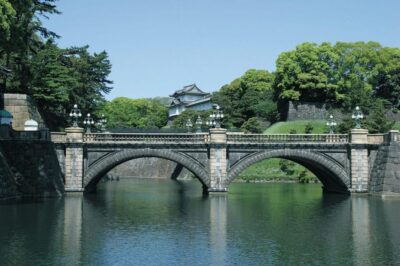
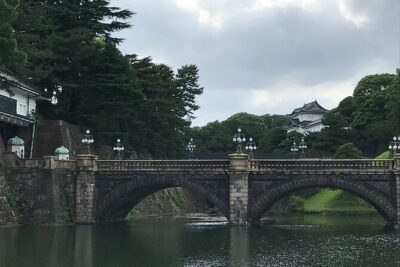
- The Imperial Palace visit is brief, with access to either the East Garden or Niju-bashi Bridge area.
- Matcha is part of the price, with a choice of a drink or matcha gelato.
- The coach connects far-flung districts, including Harajuku, Akihabara, Ueno, and Kappabashi.
- Comfortable shoes matter, since the tour mixes coach travel with walking at shrines, gardens, shopping streets, and Asakusa.
A fast, useful introduction to Tokyo
At $90 per person, this is not the cheapest way to move around Tokyo. You are paying for an English-speaking guide, a reserved air-conditioned coach, Wi-Fi, audio support, and a planned route that covers several districts in 210 minutes.
I see the value mainly in the time saved. Tokyo’s major sights are spread widely, and a first-time visitor can lose hours figuring out train lines, station exits, and the best order for each stop. This tour gives you a citywide orientation before lunch, then leaves you in Asakusa, one of Tokyo’s best areas for continuing on foot.
The tour begins at 8 a.m. The meeting point depends on the booking option, with the listed locations including the Robert Indiana LOVE sculpture in Ginza and the LOVE statue area in Shinjuku. Check your voucher carefully. A precise start is important because the coach cannot wait for late arrivals.
The morning route is designed around passing sights as well as stopping at major ones. You will see Kabukicho, Harajuku, Omotesando, the National Diet Building, Akihabara, Ueno, and Kappabashi from the coach. These drive-by views are useful for orientation, but they are not full visits.
More early morning tours in Tokyo:
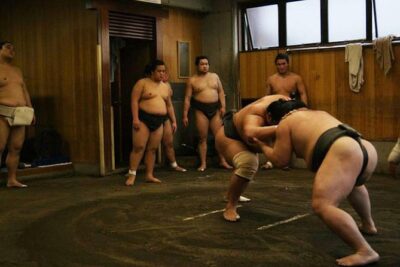
- Tokyo: Sumo Morning Practice Viewing Tour
★ 4.8 · 570 reviews - Tokyo: Sumo Morning Training Visit
★ 4.4 · 370 reviews - Tokyo: Sumo Morning Practice Tour at Sumida City
★ 4.8 · 308 reviews
Meiji Shrine and the quiet side of central Tokyo
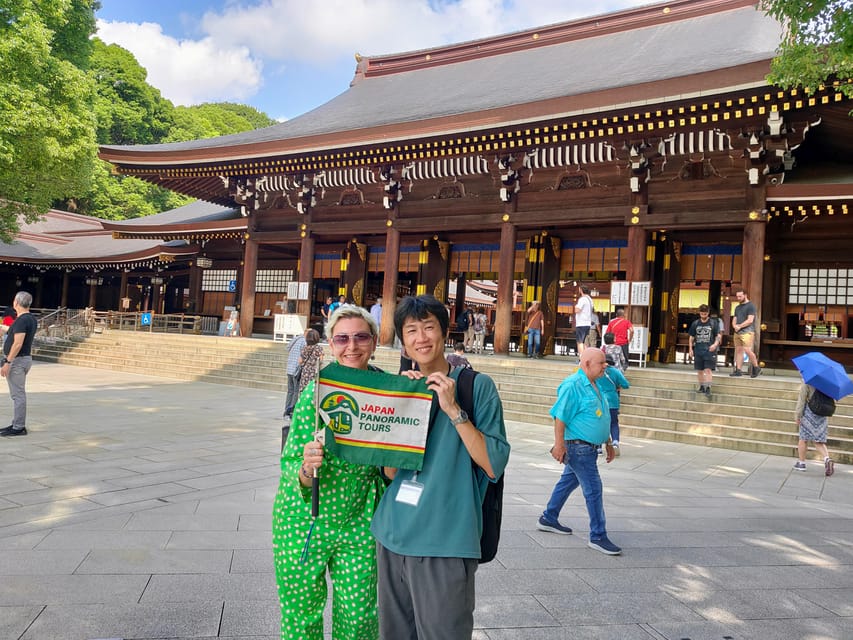
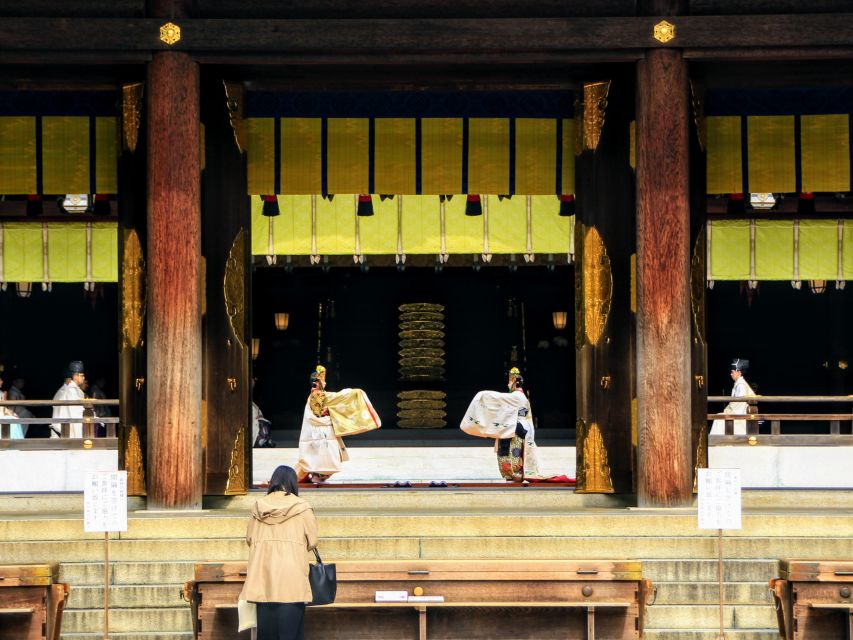
Meiji Shrine is the first substantial stop, and it is a smart choice for the morning. Built in 1921 for Emperor Meiji, the shrine sits within a broad forested area in the middle of the city. Once you enter the grounds, traffic and tall buildings fade from attention.
I like this part because it gives you a proper introduction to Shinto practice rather than just a quick landmark photograph. Your guide explains the traditional way to approach and worship at a shrine, helping you understand what to do before you reach the main area.
You should expect to walk here. Comfortable shoes are listed as essential for good reason, since the route includes shrine grounds and later shopping streets. The visit also has a quiet, reflective quality that contrasts nicely with the busy districts later in the morning.
The stop is not a complete exploration of every corner of the shrine grounds. The tour has several more areas to cover, so you will need to listen carefully and stay aware of the meeting time. Still, Meiji Shrine is one of the places where the short format works well: the forest, the shrine approach, and the basic customs can be appreciated without a long stop.
Harajuku, Omotesando, and the National Diet Building
After Meiji Shrine, the coach passes Takeshita Avenue, Harajuku’s famous youth and pop culture street. You do not get a long shopping visit here, so think of this stretch as a moving introduction to Tokyo’s fashion and entertainment districts.
The coach also travels along Omotesando, a polished shopping area known for major stores and modern architecture. This is helpful if you are deciding where to return later, but it is not a substitute for exploring the side streets on foot.
The National Diet Building provides another useful contrast. Japan’s parliament house is known for its symmetrical design and was built in 1936. You see it from the coach rather than touring the interior, so the value is visual and historical rather than hands-on.
This section shows both the strength and limit of the tour. You can cover several areas that would be difficult to combine on your own in one morning, but the pass-by sights remain brief. Keep your camera ready, and do not expect time to get off at every location.
The Imperial Palace stop, East Garden or Niju-bashi Bridge
The coach stops at the Imperial Palace, the current residence of the Imperial family and the former site of Edo Castle. Depending on conditions and the operating plan, the visit includes either the East Garden, with its traditional Japanese garden setting, or Niju-bashi Bridge in the Outer Garden.
This stop adds historical context to the tour. Tokyo is not only a collection of modern districts. The palace grounds point back to the city’s castle origins and to the political power that shaped Japan.
If you visit the East Garden, you get a garden-focused stop with stonework, greenery, and traces of the old castle site. If the route uses Niju-bashi Bridge, you get a more compact visit and a classic palace photograph. The choice is not always in your hands, so book this tour for the general palace experience rather than one exact viewpoint.
The palace stop is also subject to weather, traffic, and operational changes. If a listed place closes, an alternative may be used. That flexibility helps the operator keep the morning moving, but it means you should not treat every stop as guaranteed in the exact order described.
A completely different kind of day in Tokyo:
- Mt Fuji and Hakone 1-Day Bus Tour Return by Bullet Train
★ 5.0 · 26,383 reviews - 1-Day Tokyo Bus Tour
★ 5.0 · 14,250 reviews - Tokyo: teamLab Planets TOKYO Digital Art Museum Entry Ticket
★ 4.6 · 9,779 reviews - Mt Fuji & Hakone Cruise, Drum Show Bullet Train 1 Day from Tokyo
★ 4.0 · 7,413 reviews
Akihabara, Ueno, and Kappabashi from the coach
The route then moves through Akihabara, Tokyo’s center for anime, manga, games, and Otaku culture. You will mainly see the district from the bus. That is enough to recognize the visual character of the area and decide if you want to return on your own for shops and arcades.
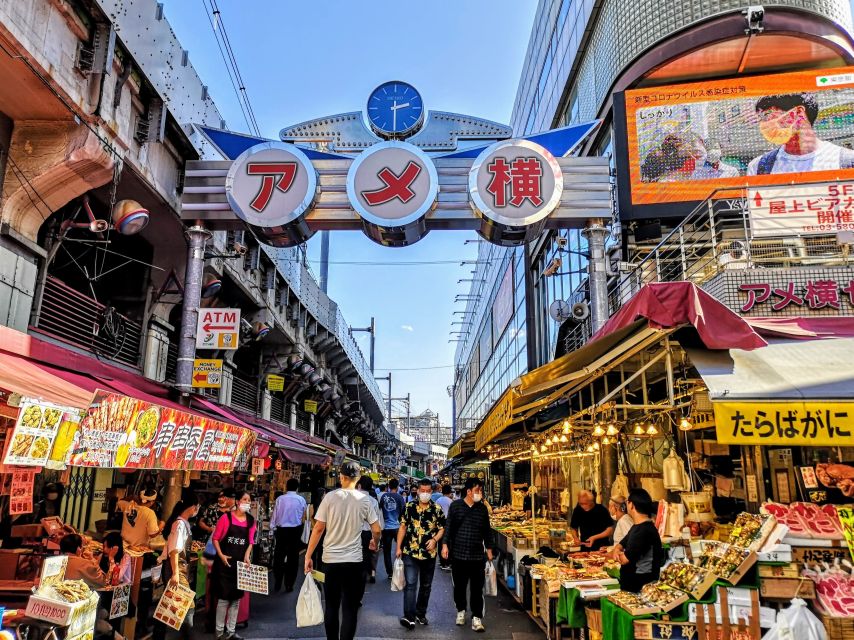
The coach also passes Ueno, known as Japan’s oldest park, before reaching Kappabashi market street. Kappabashi is famous for kitchen goods, Japanese dishes, knives, restaurant supplies, and remarkably realistic food replicas.
For me, Kappabashi is one of the most interesting drive-by areas because it shows a practical side of Tokyo that many first-time tours skip. It is less about grand monuments and more about the tools, displays, and small businesses that support the city’s food culture.
The limitation is clear: there is no listed shopping stop at Akihabara, Ueno, or Kappabashi. If you already know you want Japanese knives, cookware, or food models, set aside another visit. The coach ride gives you a preview, not time to browse.
Asakusa, Nakamise Avenue, and Senso-ji
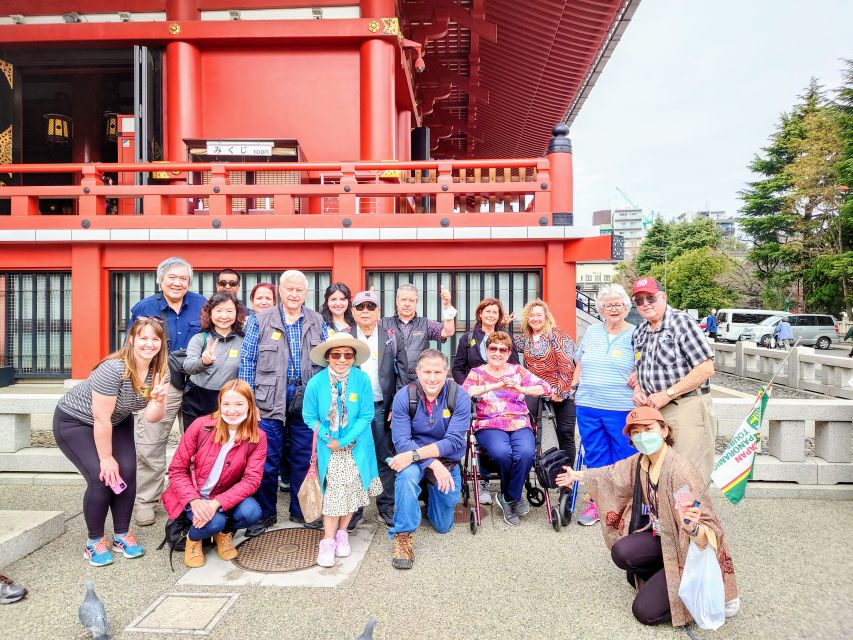
Asakusa is the main finale, and the tour ends here. This historic district is one of the best places in Tokyo to walk, shop, eat, and continue sightseeing after the coach departs.
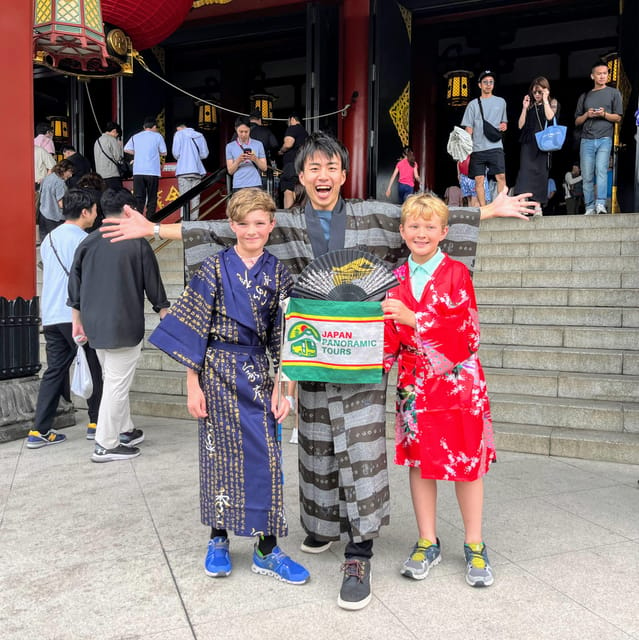
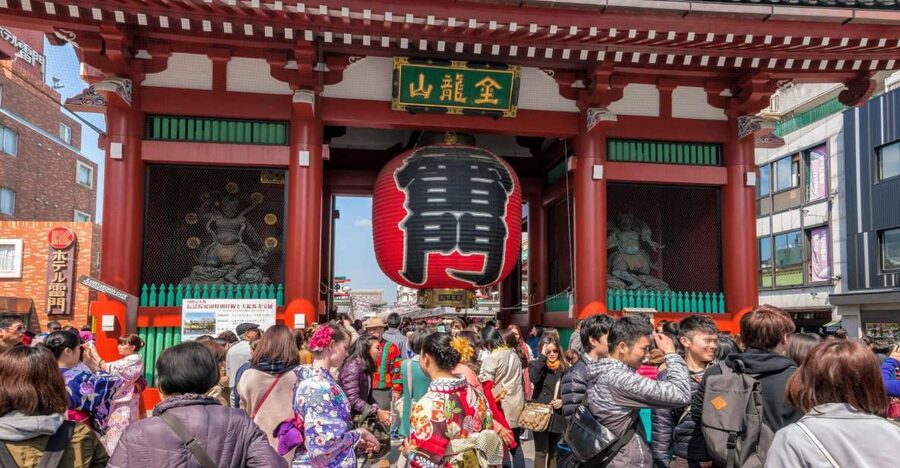
Your first target should be Kaminari-mon Gate, marked by its huge red lantern. It is one of Tokyo’s most recognizable photo spots, but it is more than a picture stop. From the gate, Nakamise Avenue leads toward Senso-ji, lined with shops selling snacks, souvenirs, and traditional-style goods.
You will have time to explore the shopping street and take photographs. Since the tour ends at Senso-ji, you are free to stay in Asakusa afterward rather than rushing back to a central hotel. That makes the finishing point especially useful for visitors with a full afternoon ahead.
The tour does not provide an extra drop-off service. I would treat this as a benefit rather than a problem if Asakusa is already part of your plans, but it matters if you need to return to Ginza or Shinjuku immediately. You will need to arrange your own onward transport.
The Uji matcha stop adds a real taste of Japan
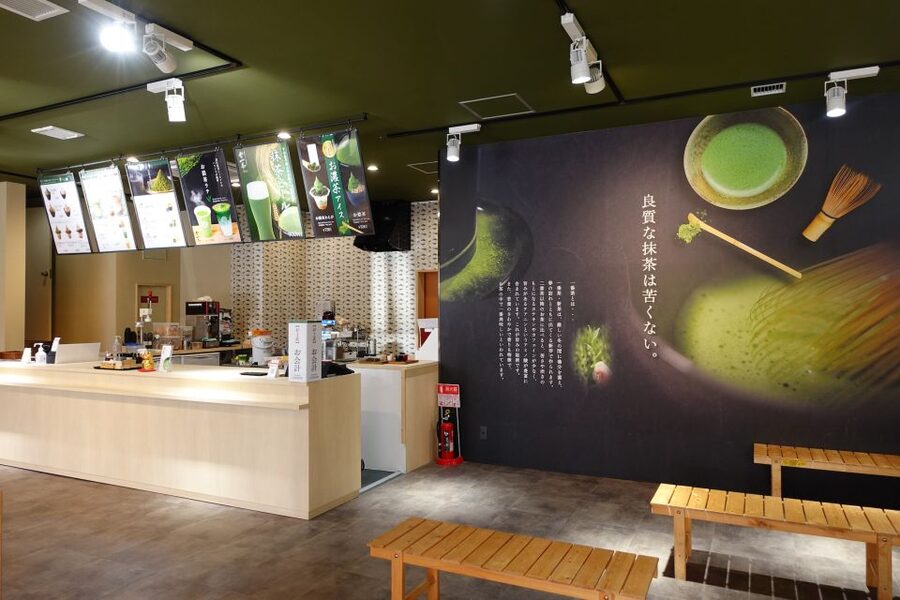
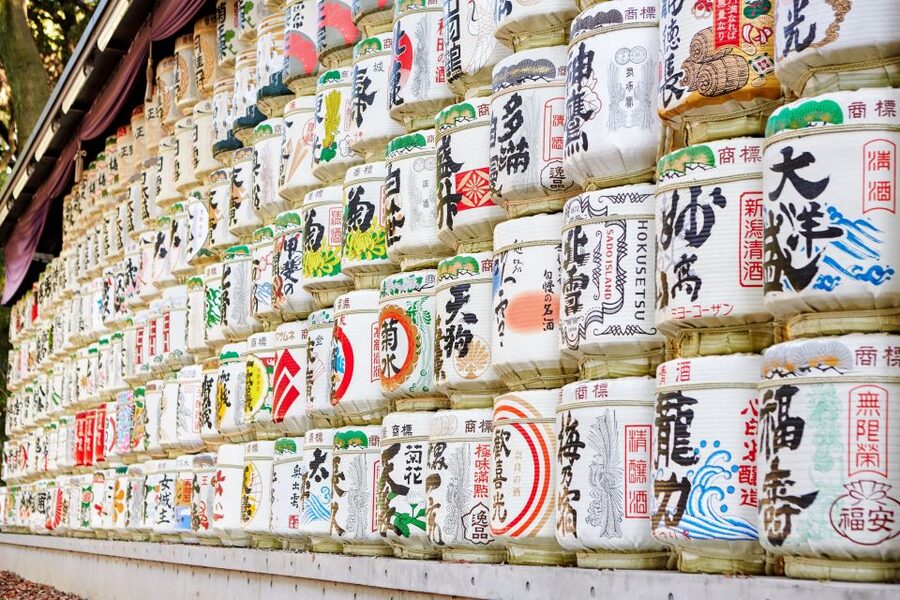
The matcha experience is one of the tour’s most appealing details. You receive authentic Uji matcha from Kyoto, made with Ichibancha, or first-flush tea. The experience is presented as a less bitter, premium style of matcha.
You can choose a matcha drink or matcha gelato. The gelato is likely the easier choice if you are new to powdered green tea or want a cool treat after walking around Asakusa. A matcha beer option is also available according to the activity details, though the included item is described as a matcha drink or matcha gelato.
This is not a full tea ceremony, and you should not book it expecting a long formal lesson. Its value is simpler: you get to try a Japanese flavor in a historic district, with enough context to make the stop feel connected to the culture around you.
The matcha shop is closed on May 14. On that date, the operator provides matcha souvenirs instead. If the tea itself is a deciding factor, check your date before booking.
Guide quality and language support
The live tour is conducted in English. The guide handles the main explanations, route changes, shrine customs, and questions. Strong guides can make a large difference on a compact city tour, and names associated with this experience include Aoi, Angela, Taka, Levin, Jack, and Tsubasa.
The best guide feedback centers on clear English, humor, and a friendly attitude. Aoi is noted for explaining each part of the route clearly, while Angela is described as helpful and engaging. Taka is remembered for combining information with entertainment. These personal touches matter because much of the morning involves short glimpses from the coach.
Audio guides are available in English, French, Italian, Spanish, German, Portuguese, and Ukrainian. The live guide remains English-speaking, so the audio system is most useful if you prefer detailed explanations in another language.
The listed equipment includes headsets, free Wi-Fi, regular ventilation, and antibacterial coating on the coach. Wi-Fi is a useful extra for checking maps or sending photos, though I would still download anything important before departure.
How much walking and how rushed is it?
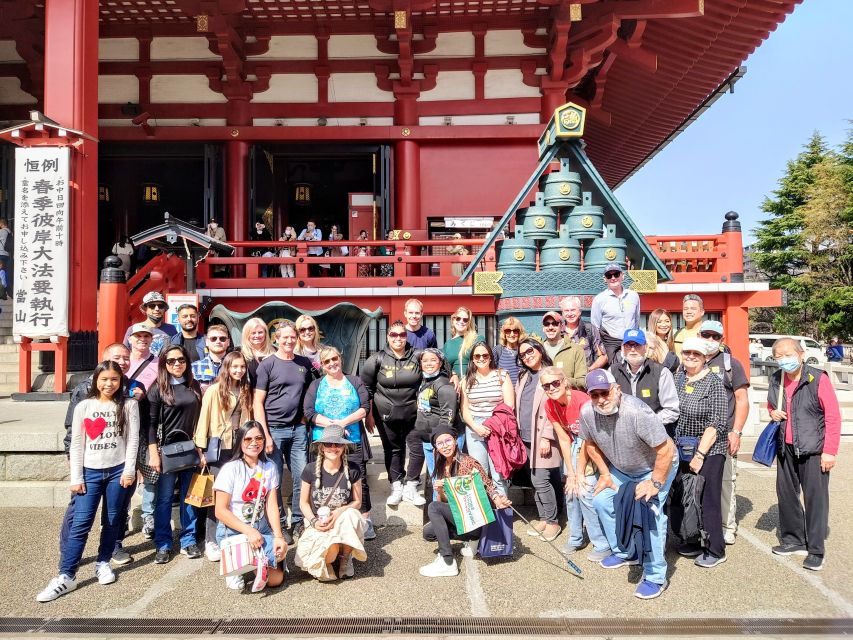
The tour is not a walking tour, but it is not a sit-down sightseeing ride either. You walk at Meiji Shrine, the Imperial Palace area, and Asakusa, with additional movement through Nakamise Avenue and around Senso-ji.
Wear shoes that can handle several hours of mixed pavement and shrine grounds. The tour lasts three and a half hours, and the timing can feel tight when traffic is heavy. One earlier experience noted rushing at sightseeing points because of traffic, while other accounts describe the tour as smooth and well organized.
Both impressions can be true. Tokyo traffic is unpredictable, and a route covering this many districts has little spare time. The guide may need to shorten a stop or change the order. You get breadth, not deep time at every landmark.
The coach is a good help in summer heat, rain, or cold weather, but you still need to leave it several times. Bring water and keep your belongings easy to carry. If you have luggage, you are responsible for loading and unloading it from the trunk, including wheelchairs and strollers.
Who will get the most from this $90 tour?
I would recommend this tour to a first-time visitor, a person with only one day in Tokyo, or anyone who wants a clear orientation before exploring independently. It is also useful for families and older visitors who prefer not to navigate several busy train stations in one morning.
The tour is especially practical if your afternoon plans are in Asakusa. You can finish at Senso-ji, eat nearby, continue shopping, or use Asakusa as the starting point for more sightseeing.
I would be more cautious if you have already seen Tokyo’s major districts or want long visits at individual sights. You will not have a full shopping session in Harajuku, Akihabara, or Kappabashi. The Imperial Palace visit can also vary between the East Garden and Niju-bashi Bridge.
The $90 price makes the most sense when you count the coach, guide, Wi-Fi, audio options, and included matcha together. If you are comfortable planning your own route and using Tokyo’s trains, you can likely spend less. You are paying for convenience, context, and a carefully arranged morning.
Practical details before you reserve
The tour offers free cancellation up to 24 hours before departure and a reserve-now, pay-later option. The exact meeting point may vary, so confirm whether your booking uses the Ginza LOVE sculpture or the Shinjuku LOVE statue area.
The itinerary order can change because of traffic, weather, closures, or other operating needs. Several locations are viewed from the coach rather than visited on foot, and the final stop is Senso-ji in Asakusa.
If you make separate bookings for your group, provide the booking numbers and total number of people before the tour. This helps the operator connect the reservations.
Should you book this Tokyo morning tour?
Book it if you want to see a lot of Tokyo before lunch and prefer a guide to handle the route. Meiji Shrine, the palace area, and Asakusa give you three very different sides of the city, while the coach adds quick views of Harajuku, Akihabara, Ueno, and Kappabashi.
Skip it if you want leisurely shopping, long temple visits, or a detailed palace tour. The route is brisk, and traffic can reduce time at some stops.
For a first morning in Tokyo, I think the strongest plan is to take the tour, stay in Asakusa after the matcha stop, and continue exploring from there. You get your bearings quickly, sample a traditional tea, and finish in a district that rewards walking at your own pace.
FAQ
Where does the Tokyo morning tour begin?
The meeting point depends on the option booked. Listed starting locations include the Robert Indiana LOVE sculpture in Ginza and the LOVE statue area in Shinjuku. Check your booking details for the exact location.
How long does the tour last?
The tour lasts 210 minutes, or three and a half hours. It begins at 8 a.m. for the listed morning departure.
Where does the tour finish?
The tour finishes at Senso-ji in Asakusa. No additional drop-off service is provided, so you should arrange your own onward transport or continue sightseeing in Asakusa.
Is matcha included?
Yes. The tour includes a matcha drink or matcha gelato. The experience uses Uji matcha from Kyoto, including first-flush tea. On May 14, the matcha shop is closed and matcha souvenirs are provided instead.
What languages are available?
The live guide speaks English. Multilingual audio support is available in French, Italian, Spanish, German, Portuguese, and Ukrainian, with English also supported.
What should I bring?
Bring comfortable shoes. You will walk at Meiji Shrine, the Imperial Palace area, and Asakusa. If you bring luggage, you are responsible for loading and unloading it from the coach trunk.
Newly reviewed around Tokyo
- Tokyo Asakusa:Calligraphy & Make T-shirt Activity★ 5.0 · 62 reviews
- 1 Hour Travel around Tokyo with a Professional Photographer★ 5.0 · 3 reviews
- Travel Tokyo with Your Own Personal Photographer★ 5.0 · 43 reviews
- Intercity Shuttle, Tokyo to Haneda /Narita /Yokohama /Makuhari★ 5.0 · 5 reviews
- Train in Samurai Swordsmanship and Defeat the Demon in Tokyo★ 5.0 · 5 reviews
- Shuttle Van 6hr Tokyo Tour to-and-from Tokyo, Yokohama and Narita★ 5.0 · 9 reviews
- Kickboxing & Body Training with EX-Pro Fighter★ 5.0 · 4 reviews
- Traditional Japanese Knife Sharpening Class★ 5.0 · 18 reviews
Morning, compared.

Tokyo Ryogoku Sumo Morning Practice + Photo Shoot with Wrestlers
Read our review →