
Reviewed · TOKYO SAMURAI AND NINJA EXPERIENCES
Tokyo: Ninja Sword Fighting Experience
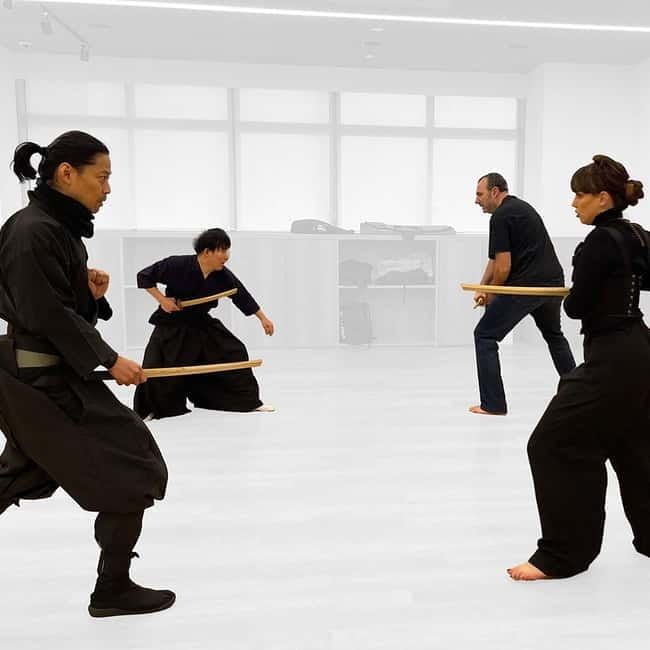
Tokyo’s ninja workshop is less about secret missions and more about learning practical stage combat basics in a friendly, small-group setting. You’ll watch trained ninjas work, practice simple movements and sword techniques, then join a paired battle before posing for photos.
I like the personal instruction and the chance to see a live demonstration at close range. I also like the low price, just $22 for an hour of guided activities. The main drawback is that this is a short introductory session, not a full martial arts course, and you must bring your own comfortable clothes because ninja costumes are not included.
Key points at a glance
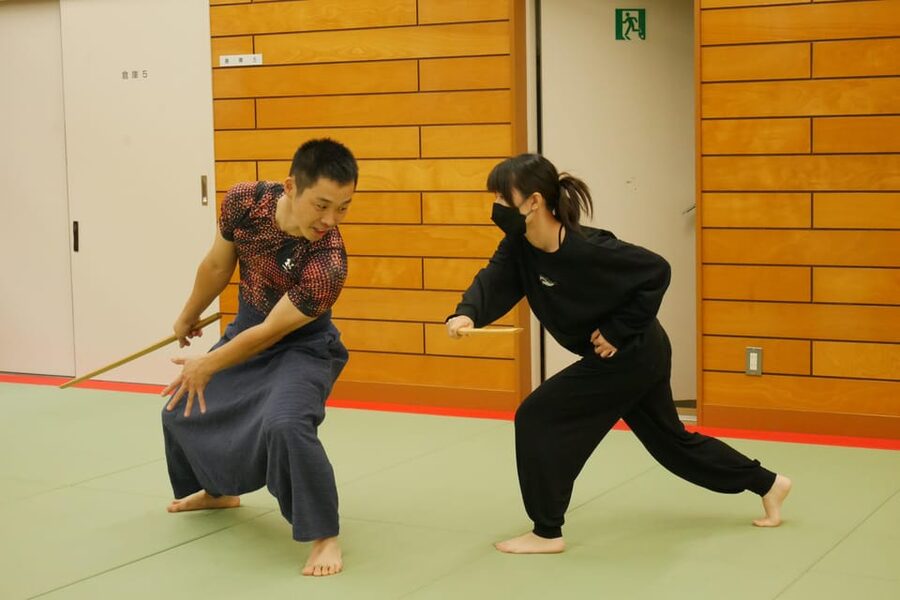
- Train with a small group: No more than six people take part, giving you room to follow instructions and ask for help.
- Learn basic sword technique: You practice how to hold, pose with, and strike using a practice ninja sword.
- Meet Master Dai and his students: The session may include training with Master Dai and other professional instructors.
- Watch before you try: A live ninja demonstration lets you see the movements at full speed.
- Make a short action scene: Paired training gives the session a playful, movie-like finish.
- Reach it from central Tokyo: The studio is listed on Google Maps as Samurai Experience Photo Studio ICHI, near Tokyo Station, Ginza, and Tsukiji.
What this Tokyo ninja workshop is really like
This is a one-hour activity built around movement, instruction, and photos. It is not presented as a museum visit or a long historical lecture. Instead, you get a quick introduction to ninja culture, a warm-up, basic physical practice, paired sword work, and a demonstration.
That format works well if you want something active between sightseeing stops. You do not need prior martial arts experience. The instructors lead you step by step, making this suitable for beginners who want to try something theatrical without committing to a demanding class.
The small group size matters. With a maximum of six participants, you are less likely to disappear in a crowd. You can watch the instructor closely, repeat the movement, and receive corrections when needed. For an activity based on posture and timing, that personal attention is worth more than a large room full of people moving at once.
The workshop is led in English and Japanese. Master Dai is one of the named instructors connected with the experience, and the class can include his students as training partners. The friendly teaching style is a major part of the appeal. You are not expected to arrive knowing how to stand, hold the sword, or perform a ninja pose.
More Tokyo samurai and ninja experiences:
- Tokyo: Samurai Ninja Museum Guided tour and Experience
★ 4.6 · 1,010 reviews - Tokyo: Samurai Sword & Archery Class from Samurai Descendant
★ 5.0 · 603 reviews - Best Samurai Experience in Tokyo
★ 5.0 · 458 reviews
Getting to Samurai Experience Photo Studio ICHI
Search Google Maps for Samurai Experience Photo Studio ICHI. The listed coordinates are 35.6658949, 139.7852608. The venue is described as being in central Tokyo, with access from Tokyo Station, Ginza, and Tsukiji.
I would give yourself extra time to find the entrance. Tokyo addresses can be precise but still confusing when you are navigating unfamiliar streets or looking at several nearby buildings. Arrive 15 minutes before your booked start time, rather than trying to reach the studio at the last second.
The activity does not include transportation. You arrange your own route to the venue, and you are responsible for getting back afterward. One useful personal touch is that Master Dai has walked participants to the train stop after class, though this should not be treated as a guaranteed part of every session.
Wear comfortable shoes and clothing that allow you to move freely. You will be warming up, changing positions, and practicing strikes, so restrictive clothes or slippery footwear would make the hour less comfortable.
A warm welcome and a short ninja history lesson
The session begins with an introduction to the history and culture of ninjas. This gives the physical exercises some context before you start moving. The information is part of a hands-on workshop, so do not expect a long academic talk or a detailed historical tour.
I like this balance. You receive enough background to understand the theme, then quickly put that idea into practice. For many visitors, the appeal is not only learning facts about ninjas but also trying the posture, focus, and controlled movements associated with them.
The instructors greet you and explain what will happen. This is especially useful if you have never joined a martial arts or action class. You can watch the instructor first, then copy the movement without feeling pressured to get everything right immediately.
The session is designed for complete beginners and for people who prefer to watch. That makes it flexible for families, couples, and mixed groups in which one person is more eager to participate than another. You can take part in the movements or observe the training before deciding how active you want to be.
Warm-up and the first ninja movements
After the introduction comes a warm-up. The purpose is simple: prepare your body for the basic positions and actions that follow. You should still treat this as a physical activity, not as a seated cultural presentation.
The first movements focus on the foundations of ninja action choreography. You learn how to hold your body, how to pose, and how to move with control. These details can look easy when a trained performer does them, but they take concentration when you try them yourself.
The instructor breaks each action into manageable steps. You practice the essential stance and movements before adding the sword. That order helps you focus on balance and body position instead of waving a prop around without control.
This is also where comfortable clothing pays off. You may need to bend, shift your weight, or hold a position for a short time. You do not need special equipment, and the practice sword is included, but your own shoes and clothes should be suitable for activity.
A completely different kind of day in Tokyo:
- Mt Fuji and Hakone 1-Day Bus Tour Return by Bullet Train
★ 5.0 · 26,383 reviews - 1-Day Tokyo Bus Tour
★ 5.0 · 14,250 reviews - Tokyo: teamLab Planets TOKYO Digital Art Museum Entry Ticket
★ 4.6 · 9,779 reviews - Mt Fuji & Hakone Cruise, Drum Show Bullet Train 1 Day from Tokyo
★ 4.0 · 7,413 reviews
Learning to hold and strike with a practice sword
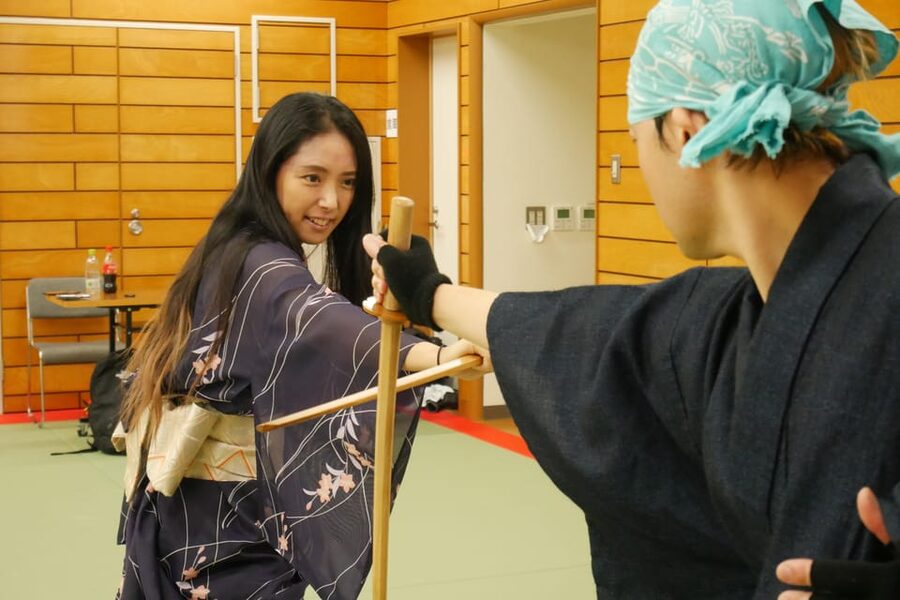
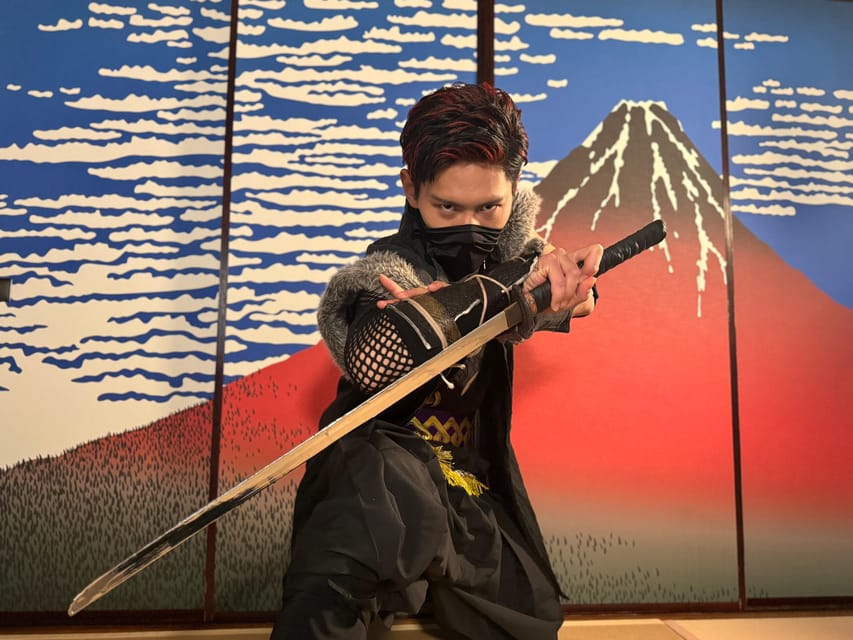
The sword section is the main reason many people book this experience. You learn the proper way to hold the practice ninja sword, pose with it, and perform basic strikes. The emphasis is on beginner technique and action choreography rather than advanced combat training.
The practice sword is included, so you do not need to bring equipment. The session also gives you a chance to handle the sword under supervision, which is far better than trying to copy a movie pose without guidance.
Pay attention to the instructor’s directions and keep your movements controlled. The point is not to swing as hard as possible. It is to learn the shape of the movement, the timing, and the dramatic posture that makes a ninja scene look convincing.
If you are taking photos or video, wait until the instructor says it is appropriate. The workshop includes a photo opportunity at the end, and the instructors can help you create a memorable image without turning the whole class into a photo shoot.
Paired training with a professional ninja
Once you have practiced the basic actions, you team up with a professional ninja for paired training. This is the most theatrical part of the class. You get to perform a short battle sequence that feels closer to an action scene than a conventional exercise.
The paired work gives you a reason to use the movements you have just learned. Instead of repeating a stance in isolation, you respond to another person and work on timing. The instructor guides the sequence so beginners can follow along.
You should keep your expectations sensible. This is not a full fight, and the hour does not turn you into a trained ninja. It is a supervised introduction to simple movement and choreography, designed to be fun and accessible.
That makes the activity a good pick for people who enjoy trying something unusual in Tokyo. You get an active memory and a story to tell, rather than another hour spent looking at displays or walking through shops. It also works well for friends who want a shared activity with a clear beginning, middle, and finish.
Watching the live ninja demonstration
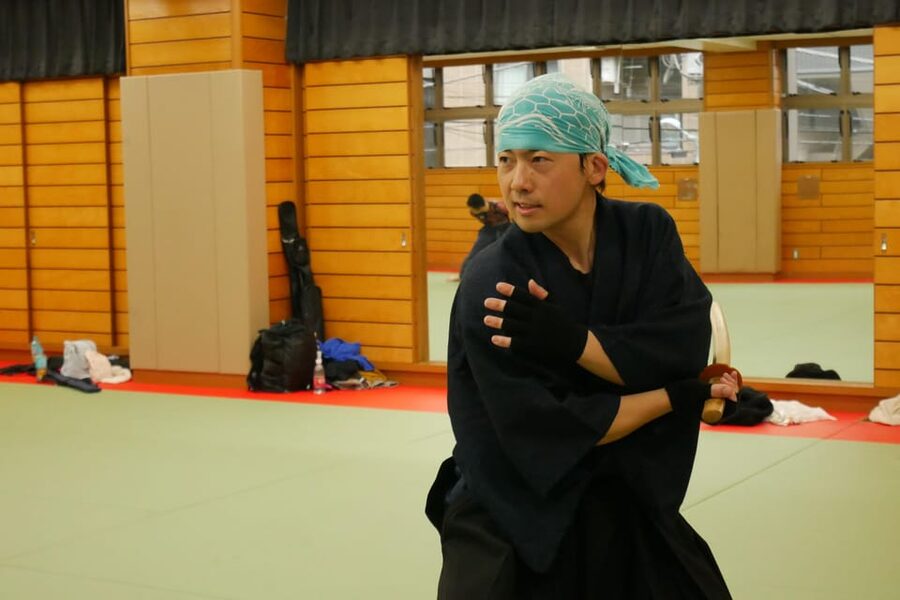
The workshop includes a live demonstration by a skilled ninja. Seeing the technique performed by someone with training helps you understand the difference between the beginner version and the polished version.
Watch the details: the stance, the control of the sword, the speed of the movement, and the way a simple pose becomes dramatic when performed with confidence. The demonstration gives context to the practice without requiring you to master difficult skills yourself.
This part also helps if you prefer to observe. You can still enjoy the class even if you are not eager to perform every movement. The experience is built for both active participants and people who want to watch the training before joining in.
The demonstration is likely to be a highlight for children and for anyone interested in action movies. It shows the performance side of ninja culture, while the earlier instruction lets you try a simplified version of those actions yourself.
Photos with the ninjas at the end
The workshop finishes with photos alongside the ninjas. This is included in the price and gives you a simple souvenir of the activity.
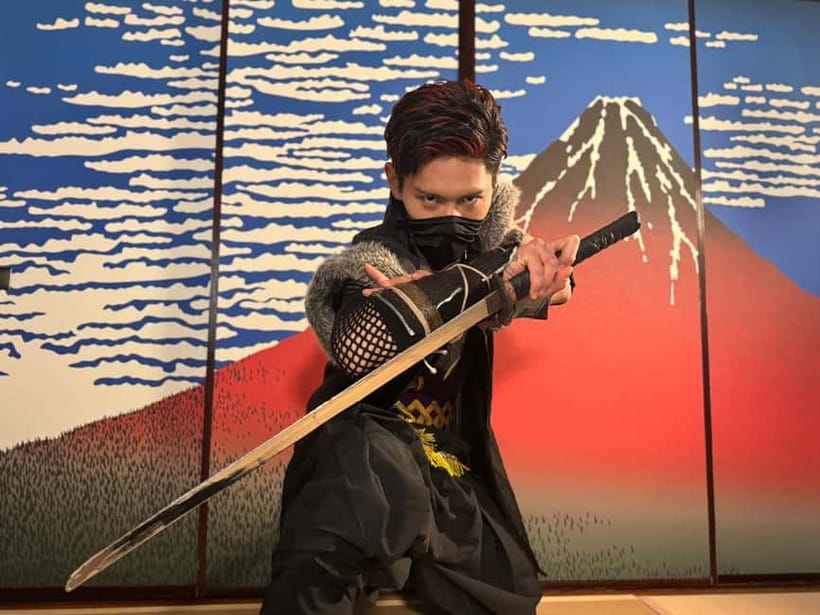
The photos matter because the class is partly about performance. After learning how to stand, hold the sword, and pose, you have a chance to use those skills in a finished image. You may also be able to take videos or additional pictures, depending on the flow of the session and the instructor’s direction.
Master Dai and his students have helped participants create photos and videos that preserve the experience. If getting good pictures matters to you, arrive with your phone ready, but do not let the camera distract you from the instruction.
A costume is not included. You will be photographed in the clothing you wear, so choose something comfortable that you will not mind seeing in the pictures. Dark or simple clothing may suit the theme, but the activity does not require a particular outfit.
Is $22 good value for one hour?
At $22 per person, this is a modestly priced Tokyo activity. The value comes from the combination of instructor-led practice, use of a sword, paired training, a live demonstration, and photos.
You are not paying for a long tour or a full historical presentation. You are paying for a compact, active workshop with professional guidance. For that reason, the price makes sense if you want a memorable break from standard sightseeing and are happy with a one-hour introduction.
The small group limit improves the value. A session for up to six people should give you more direct attention than a large performance class. You also receive more than a simple photo opportunity because you learn the movements before posing with the sword.
There are extra costs to keep in mind. Meals and drinks are not included, and neither is transportation to the studio. You also need to supply your own clothing and shoes. These are minor expenses, but they should be part of your planning.
Who should book this experience?
I would choose this workshop for:
- First-time visitors who want an active Tokyo activity
- Couples and friends looking for a shared photo-friendly experience
- Families with participants who can comfortably take part in light physical activity
- Action movie fans and people curious about sword choreography
- Visitors who want English-speaking instruction in a small group
- People with only one free hour near central Tokyo
It is especially useful for mixed groups. One person can be excited about sword training while another mainly wants to watch and take photos. The workshop allows both styles of participation.
I would not choose it for someone seeking serious martial arts instruction, a long lesson in Japanese history, or an authentic ninja costume experience. The session is short and introductory. It offers a taste of the subject, not a complete course.
Pregnant people and those with mobility impairments should not book this activity. Smoking is not allowed. If you have any doubt about the physical movements, check before booking rather than arriving unprepared.
Booking, timing, and cancellation advice
The session lasts one hour, with starting times based on availability. Plan to arrive 15 minutes early so you can find the studio and be ready when the class begins.
The activity allows free cancellation up to 24 hours in advance for a full refund. You can also reserve now and pay later, which helps if your Tokyo schedule is still changing.
Because the group is limited to six people, booking ahead is sensible if your dates are fixed. The compact duration also makes it easy to place near visits to Tokyo Station, Ginza, or Tsukiji, provided you allow enough time for transport and finding the venue.
Should you book the Tokyo ninja workshop?
Book it if you want a friendly, affordable, hands-on activity with a clear theatrical payoff. The strongest parts are the small group, patient instruction, paired sword practice, live demonstration, and final photos. The positive feedback has been consistent about the warm instructors, with particular praise for Master Dai and the step-by-step teaching.
Skip it if you want a longer cultural program, a costume included in the price, or advanced sword training. This is a one-hour introduction, and that short format is both its strength and its limit.
For most visitors who are curious about ninja movements and want something more active than sightseeing, I think the $22 price is easy to justify. Arrive early, wear comfortable clothes and shoes, and be ready to play along with the action.
FAQ
How long does the Tokyo ninja sword fighting experience last?
The workshop lasts one hour.
Where is the workshop held?
The venue is listed on Google Maps as Samurai Experience Photo Studio ICHI. The coordinates are 35.6658949, 139.7852608. It is in central Tokyo, with access from Tokyo Station, Ginza, and Tsukiji.
What languages are spoken during the workshop?
Instruction is available in English and Japanese.
How many people can join the activity?
The group is limited to six participants.
Is a ninja costume included?
No. A ninja costume is not included, so you should wear comfortable clothing suitable for physical activity.
Is the practice sword included?
Yes. The activity includes practice with a ninja sword.
What should I bring?
Bring comfortable shoes and comfortable clothes. You should arrive 15 minutes before the session begins.
Can I cancel the booking?
Yes. You can cancel up to 24 hours in advance for a full refund. Reserve now and pay later is also available.
Newly reviewed around Tokyo
- Tokyo Asakusa:Calligraphy & Make T-shirt Activity★ 5.0 · 62 reviews
- Intercity Shuttle, Tokyo to Haneda /Narita /Yokohama /Makuhari★ 5.0 · 5 reviews
- 1 Hour Travel around Tokyo with a Professional Photographer★ 5.0 · 3 reviews
- Travel Tokyo with Your Own Personal Photographer★ 5.0 · 43 reviews
- Train in Samurai Swordsmanship and Defeat the Demon in Tokyo★ 5.0 · 5 reviews
- Shuttle Van 6hr Tokyo Tour to-and-from Tokyo, Yokohama and Narita★ 5.0 · 9 reviews
- Kickboxing & Body Training with EX-Pro Fighter★ 5.0 · 4 reviews
- Traditional Japanese Knife Sharpening Class★ 5.0 · 18 reviews
Tokyo Samurai and Ninja Experiences, compared.
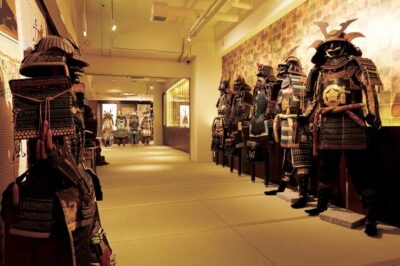
Samurai Ninja Museum Guided tour and Experience
Read our review →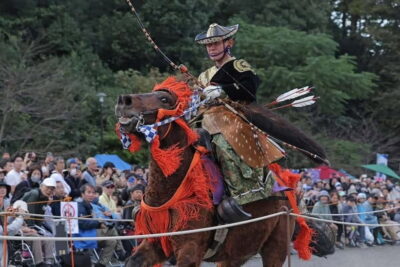
Samurai Sword & Archery Class from Samurai Descendant
Read our review →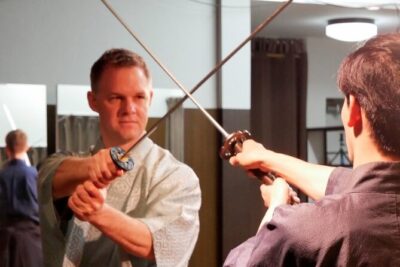
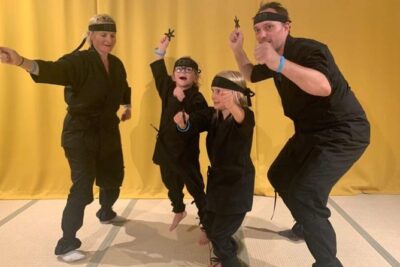
Ninja Experience (Family Friendly) at Samurai Ninja Museum TOKYO
Read our review →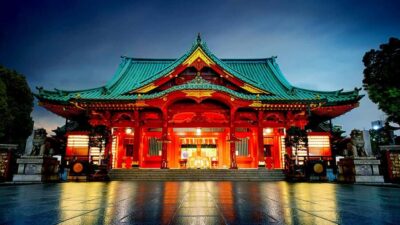
Samurai Entertainment Night Show in Kanda Shrine
Read our review →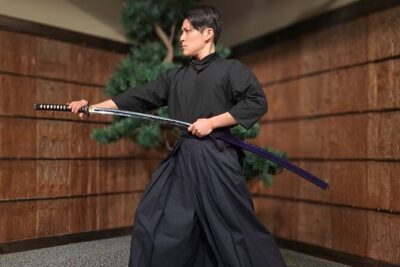
Tokyo Sword Experience – includes Museum Ticket/Ninja Experience
Read our review →
Samurai Ninja Museum Asakusa: Samurai Sword Lesson & Tour
Read our review →
Ninja Samurai 2-hour hands-on lesson by Japanese master in Tokyo
Read our review →Browse the lists this tour appears in