
Reviewed · MOUNT FUJI DAY TRIPS FROM TOKYO
4 Day Tour – Mount. Fuji, Tokyo, Hakone, Kamakura and Yokohama
Tokyo one day, Kamakura and Yokohama the next, then Mt. Fuji and Hakone: this private tour packs Japan’s biggest nearby sights into four long days. You ride in an air-conditioned car rather than sorting out crowded trains, and your English-speaking driver can adjust the pace and stops.
I like the door-to-door convenience and the chance to see places that are awkward to combine by public transport. I also like the personal touch: Armad is praised for taking care of guests in Tokyo, taking photos, and parking in handy spots, while David is noted for going out of his way to show unusual attractions. The trade-off is a full schedule, and this is a driver-led tour by default, not a fully guided cultural tour.
Key points to know before booking
- A private car covers five major areas: Tokyo, Kamakura, Yokohama, Mt. Fuji, and Hakone.
- The schedule is ambitious: each day is about 10 hours including driving and transfers.
- Tokyo’s first day has many stops: Tsukiji, Asakusa, Shibuya, Harajuku, Akihabara, Odaiba, and more.
- Mt. Fuji views depend on weather: the Fuji Five Lakes area offers superb photo stops, but clouds can hide the mountain.
- Admission costs add up: the ropeways, observation decks, temples, museums, and teamLab Planets are not all included.
- You get a private experience: only your group participates, with space for up to five people at the listed price.
What this four-day Japan tour is really offering
This is best understood as a private transport service with a carefully suggested sightseeing plan. You are not joining a bus full of strangers or piecing together a complicated route on your own. Your driver collects you at the agreed pickup point, handles the roads and parking, and helps you fit several destinations into one day.
That convenience matters in the Tokyo region. Kamakura and Hakone sit in different directions from central Tokyo, while Mt. Fuji’s popular sights are spread around lakes, villages, viewpoints, and mountain roads. Public transport can get you to many of these places, but not always in a neat sequence.
The price is $3,000 per group of up to five people. At full capacity, that works out to $600 per person for four days of private transport and driver service, before hotels, meals, and separate admission fees. For a couple, it is a much more expensive choice. For a family or group of five, the calculation is more favorable, especially if you value time and do not want to manage Japan’s rail connections.
You should also set your expectations correctly. The driver speaks English and can explain the area, but the standard service is not described as a guided tour. A separate guide can be arranged for an extra charge. If temple symbolism, Japanese history, and local stories are central to your trip, ask about adding that guide.
More Mount Fuji day trips from Tokyo:
- Mt Fuji and Hakone 1-Day Bus Tour Return by Bullet Train
★ 5.0 · 26,383 reviews - Mt Fuji & Hakone Cruise, Drum Show Bullet Train 1 Day from Tokyo
★ 4.0 · 7,413 reviews - Tokyo Mt Fuji 5th St & Hakone Cruise Bus Tour w/Bullet Train
★ 4.4 · 5,024 reviews
Day one: Tokyo from Tsukiji to Shibuya
The first day tries to show you several sides of Tokyo, from old religious districts to neon shopping streets and modern waterfront architecture. It is a lot to cover, so the value of the private car is highest here.
At Tsukiji Fish Market, you get about 45 minutes. The former wholesale market area is now known for food stalls, small shops, and an easy introduction to Tokyo’s seafood culture. The stop is short, so think of it as a quick taste of the district rather than a long food-focused visit.
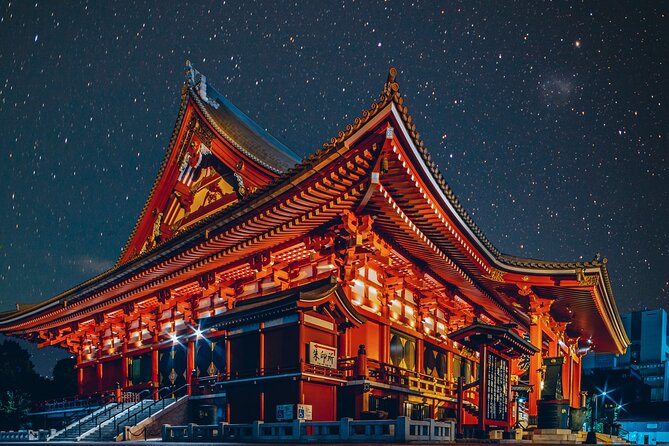
Next comes Senso-ji Temple in Asakusa, Tokyo’s oldest religious building and one of its most colorful. Allow about an hour to approach through the busy gate and shopping street, see the temple buildings, and take in the contrast between traditional architecture and the surrounding city.
The planned stop at Tokyo Skytree lasts about an hour, but the observation deck ticket is extra. This is an important cost and timing point. If you want to go up, confirm whether the visit fits the day and budget. The tower offers broad views over Tokyo, but a paid observation deck may compete with other paid viewpoints later in the trip.
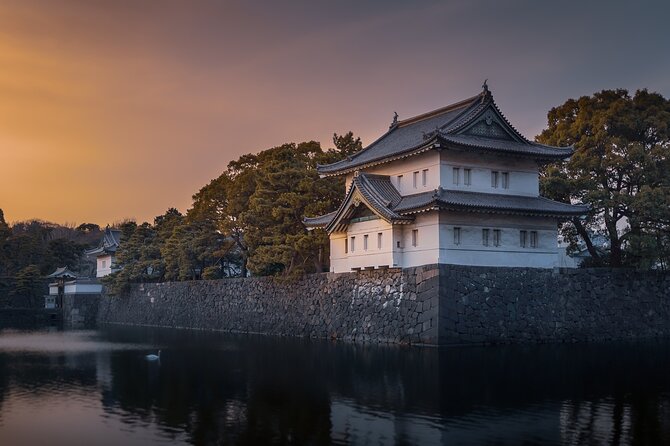
At the Imperial Palace, you spend about 45 minutes around the East Garden. The palace grounds connect today’s imperial family with the former Edo Castle, the seat of the Tokugawa shoguns from 1603 to 1867. The garden is free, though access and opening conditions can affect what you see.
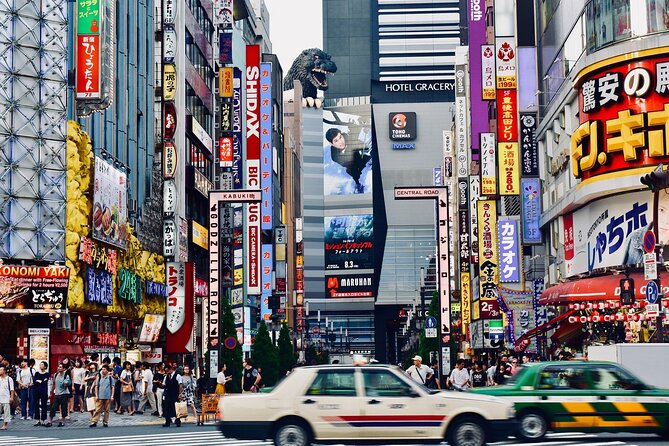
You then move to Akihabara, the famous electronics, manga, anime, and gaming district. Thirty minutes gives you a look at the area, but not much time for serious shopping. If anime or electronics are a main reason for visiting Tokyo, tell your driver early so the schedule can be adjusted.
The route continues to Meiji Jingu Shrine, set in a forested area in the middle of Shibuya. The visit is shorter, around 30 minutes, but the change of mood is welcome after Akihabara. You then get about an hour on Takeshita Street, where youth fashion shops, novelty goods, and sweet crepes define the experience.
At Shibuya Crossing, you have roughly 20 minutes for the famous scramble and photos. This is a quick stop, not a deep look at the neighborhood. The nearby streets have plenty to explore, so you may want to trade another stop for extra time here.
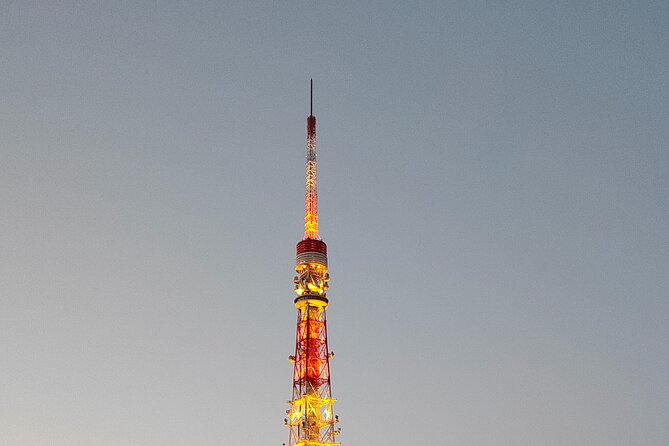
Tokyo Tower is listed as a brief photo stop. The information supplied for the tour mixes up Tokyo Tower with Tokyo Skytree, so do not rely on the stated height in the description. Treat this as a chance to see the red-and-white tower from outside unless your driver confirms a paid entry.
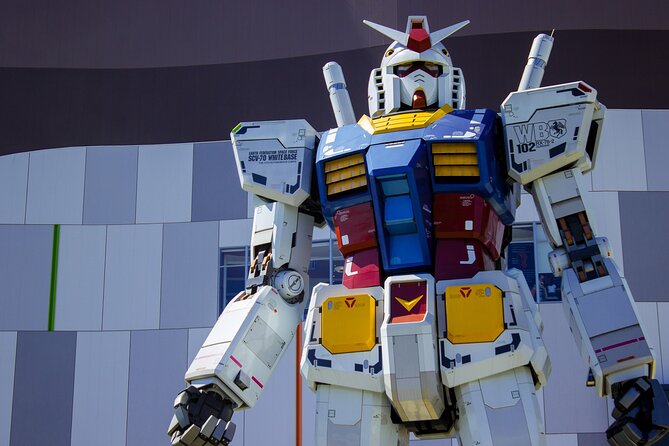
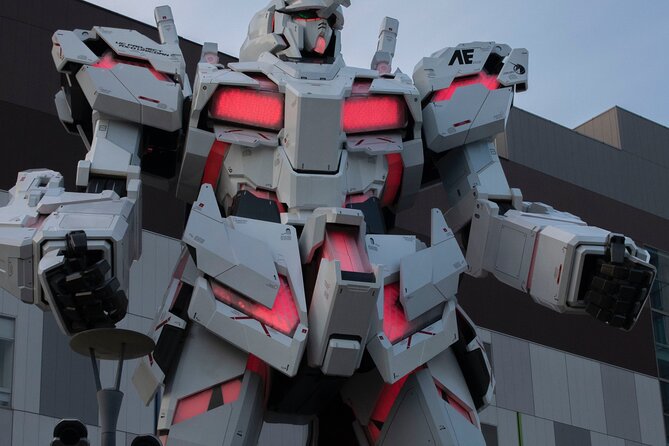
Two optional stops are teamLab Planets TOKYO and the Statue of Liberty replica in Odaiba. teamLab Planets requires its own ticket and is worth considering only if you want an art attraction built around water, light, flowers, and large exhibition spaces. Odaiba’s 11-meter Statue of Liberty replica is free and makes a quick photo stop with Rainbow Bridge behind it.
This day is ambitious. You will see many famous names, but several visits are short. I would discuss priorities before departure, especially if you care more about temples and gardens than shopping districts.
Day two: Kamakura temples and Yokohama waterfront
Day two shifts from Tokyo’s scale to the old temple town of Kamakura, followed by Yokohama’s Chinese and harbor districts. The temple admissions are generally separate, so carry a little extra budget for entry fees.
Hokoku-ji Temple is known for its bamboo garden and Zen setting. The planned hour gives you enough time to walk through the grove and pause at the temple. This is one of the more distinctive stops on the trip, but admission is not included.
At Hasedera Temple, you have about 45 minutes. The temple is associated with a large wooden Kannon statue and has hillside grounds. The visit is relatively short, so you may need to keep moving rather than explore every corner.
The Great Buddha at Kotoku-in gets 30 minutes. This is a focused stop to see Kamakura’s famous outdoor Buddha and temple grounds. Admission is separate, and the short time works well if your goal is a direct visit.
You then spend an hour at Tsurugaoka Hachimangu Shrine, Kamakura’s main cultural center. Its ponds, approach, shrine buildings, and festival connections give you a broader sense of the city than a single temple visit. The site also has museums, though museum entry is not included in the tour price.
A longer break comes on Kamakura Komachidori, a pedestrian street lined with shops, sweets, restaurants, clothing, and souvenirs. The planned 90 minutes gives you room to eat or browse, though it is a busy commercial street rather than a quiet historic lane.
In Yokohama, Chinatown offers a different urban mood, with restaurants, food shops, and a Chinese community that dates back about 160 years. One hour is enough for a walk and meal, but food costs are your responsibility.
Sankeien Garden provides a calmer change of pace. Built by silk trader Tomitaro Hara and opened in 1906, the Japanese-style garden includes historic buildings and carefully arranged paths. Admission is extra. If gardens are important to you, this is a stop worth protecting when the day runs late.
The final optional stop is Minatomirai, Yokohama’s modern waterfront district. You might see the Landmark Tower area, shops, and harbor views if time allows. Since this stop is not guaranteed, ask your driver whether it can be included before the day begins.
Day three: Fuji views, village springs, and outlet shopping
Day three is the most weather-sensitive. The route includes several strong Mt. Fuji viewpoints, but clouds can block the peak. A private vehicle lets you adjust the order, yet no driver can guarantee a clear view.
Oshino Hakkai is a village of eight springs fed by water from Mt. Fuji’s underground aquifer. The stop lasts around 30 minutes and gives you a quick look at one of the area’s natural features.
At Chureito Pagoda, you get another 30 minutes. The pagoda and Mt. Fuji together form one of Japan’s most recognizable photo scenes. The stop can involve stairs and a short climb, so wear shoes suited to walking.
Lake Kawaguchiko is one of the easiest Fuji Five Lakes to reach and has hot springs, attractions, and mountain views. The planned 30 minutes is enough for a brief look, but not a relaxed lakeside outing.
The Mt. Fuji Panoramic Ropeway takes you from Lake Kawaguchiko toward a viewpoint on Mt. Tenjo. Allow an hour, and expect a separate ticket. This is one of the day’s main paid attractions, so confirm operating conditions and timing.
At Oishi Park, you look across flowers and the lake toward Mt. Fuji. Lavender is a noted feature, but seasonal conditions affect what is in bloom. This is an easy photo stop and a good place to pause if the mountain is visible.
Saiko Iyashi no Sato Nenba recreates an old Japanese village with thatched-roof buildings. It offers a more cultural and architectural visit than the lake viewpoints, but admission is not included and the stop is limited to about 30 minutes.
The route also includes Arakura Fuji Sengen Shrine, another mountain-view stop, followed by Mt. Fuji’s Fifth Station. The Fifth Station is a major starting point for climbers and gives you a closer sense of the mountain. The scheduled two hours is generous compared with the other stops, though road access can change with weather.
The day ends at Gotemba Premium Outlets, with about two hours for shopping. This is a clear sign that the experience is meant to suit mixed interests. Some people in your group can shop while others enjoy views of Mt. Fuji or local food. If shopping is not appealing, ask if that time can be exchanged for another Fuji-area stop.
More Hakone day trips from Tokyo:
- Tokyo: Mt. Fuji Tour, Hakone Ropeway, Owakudani, Lake Ashi
★ 4.7 · 4,002 reviews - Private Tour to Mt. Fuji and Hakone (Fully Licenced Operator)
★ 5.0 · 1,910 reviews - Mt Fuji & Hakone Cruise, Drum Show Bus 1 Day from Tokyo
★ 4.0 · 1,287 reviews - From Tokyo: Mt. Fuji & Hakone Tour w/ Return by Bullet Train
★ 4.2 · 1,278 reviews
Day four: Hakone’s volcanic valleys and art
Hakone brings together Lake Ashi, forest shrines, hot spring scenery, ropeway rides, gardens, and sculpture. The day includes several paid attractions, so admission costs can be significant.
The schedule begins with Amazake-chaya Tea House, a centuries-old rest stop known for amazake made from an unchanged recipe. The supplied timing is not specified, but this is the kind of place where a short pause can add local character to a busy day.
At Hakone Shrine, buildings sit among dense forest near Lake Ashi. The visit takes about an hour, and the shrine ticket is separate. The setting is the main appeal, especially after several days in large cities.
You then spend an hour at Lake Ashi, a crater lake formed after Mount Hakone’s eruption about 3,000 years ago. The lake is scenic, but the exact view depends on weather and the day’s route.
The Hakone Ropeway connects Sounzan and Togendai through Owakudani. The one-hour stop gives you time for the aerial ride and views of the volcanic area. Tickets are not included, and ropeway operation can be affected by conditions.
At Owakudani Valley, sulfur springs and volcanic ground create one of Hakone’s most unusual sights. The famous black eggs are associated with the area. This stop is free according to the supplied details, though food purchases are separate.
Gora Park offers a smaller garden visit with a tea house, greenhouses, and a central fountain. The park requires admission and receives only about 30 minutes, so it works best as a quick addition rather than a main attraction.
The day finishes at the Hakone Open-Air Museum, a large outdoor sculpture museum spread over 70,000 square meters. One hour is enough for a selected walk, though art lovers may want more time. Admission is extra, and this is another place where the private schedule may need adjustment.
The best fit, the weak points, and the value
I would choose this tour if you have four days, want a private vehicle, and prefer seeing a lot rather than lingering in one district. It is especially useful for families, groups of friends, or anyone who finds Japanese transport planning tiring.
The biggest strength is flexibility. The schedule is described as customizable, and the private format means your group can discuss priorities with the driver. The personal care reported from Armad in Tokyo, including convenient parking and taking photos, is exactly the kind of small help that makes a packed day easier. David is also praised for seeking out less usual attractions during the later days.
The biggest weakness is the number of stops. Ten Tokyo stops in one day is a checklist, not a relaxed city visit. The Mt. Fuji day also mixes viewpoints, cultural sites, mountain access, and two hours of shopping. You should identify your top three interests for each day and accept that the rest may be brief.
The price makes more sense with five people. If you are a couple, compare it with arranging trains, taxis, and local guides separately. Hotels are not included, so you choose and pay for accommodation in each place. Most major admission charges are also separate, including Skytree, the ropeways, temples, museums, and teamLab Planets.
Free cancellation is available if you cancel at least 24 hours before the start time. The tour depends on good weather, and poor conditions can lead to a new date or a full refund.
Should you book it?
Book this tour if private transport, a full schedule, and broad coverage matter more to you than slow sightseeing. It gives you a practical way to connect Tokyo with Kamakura, Yokohama, Mt. Fuji, and Hakone, and a full group of five can get reasonable value from the fixed price.
Skip it if you want long temple visits, independent wandering, or detailed historical guiding at every stop. In that case, shorten the route or add a professional guide for an extra fee. Before paying, confirm your pickup point, the preferred stops, which paid attractions you want, and how the driver will handle weather changes around Mt. Fuji.
FAQ
How long is each tour day?
Each day is approximately 10 hours, including commuting time.
How many people can join the private tour?
The listed price covers a private group of up to five people. Larger groups can be accommodated for an additional cost.
Is accommodation included?
No. You choose and pay for your own accommodation in each place.
Is a professional tour guide included?
No. The standard experience includes an English-speaking driver, but a separate guide can be arranged for an additional fee.
Are admission tickets included?
Some stops are free, but many paid attractions are separate. Examples include Tokyo Skytree, teamLab Planets TOKYO, several Kamakura temples, the Mt. Fuji Panoramic Ropeway, Saiko Iyashi no Sato Nenba, Mt. Fuji’s Fifth Station, Hakone Ropeway, Gora Park, and the Hakone Open-Air Museum.
What happens if the weather is poor?
Because the experience requires good weather, poor conditions may lead to a different date or a full refund.
More Yokohama trips from Tokyo
- Narita Airport: One Way Private Transfer to Tokyo|Yokohama Hotels
★ 4.5 · 69 reviews - Tokyo: Private One-Way Transfers to/from Yokohama Port
★ 4.5 · 50 reviews - Private Car Tour to see Highlights of Kamakura, Enoshima, Yokohama from Tokyo
★ 5.0 · 48 reviews - Haneda Airport: One Way Private Transfer to Tokyo|Yokohama Hotels
★ 4.0 · 28 reviews
More Kamakura day trips from Tokyo
- Tokyo: Mt. Fuji, Kamakura, Big Buddha, & Lake Ashi Day Trip
★ 4.5 · 867 reviews - Tokyo:Sea of Mount Fuji, Hakone Ropeway, Ōwakudani, Enoshima
★ 4.9 · 84 reviews - Kamakura 8 hr Private Walking Tour with Licensed Guide from Tokyo
★ 5.0 · 80 reviews - Tokyo: Kamakura & Enoshima Day Tour with Pickup & Train Ride
★ 4.1 · 61 reviews
Newly reviewed around Tokyo
- Tokyo Asakusa:Calligraphy & Make T-shirt Activity★ 5.0 · 62 reviews
- Intercity Shuttle, Tokyo to Haneda /Narita /Yokohama /Makuhari★ 5.0 · 5 reviews
- 1 Hour Travel around Tokyo with a Professional Photographer★ 5.0 · 3 reviews
- Travel Tokyo with Your Own Personal Photographer★ 5.0 · 43 reviews
- Train in Samurai Swordsmanship and Defeat the Demon in Tokyo★ 5.0 · 5 reviews
- Shuttle Van 6hr Tokyo Tour to-and-from Tokyo, Yokohama and Narita★ 5.0 · 9 reviews
- Kickboxing & Body Training with EX-Pro Fighter★ 5.0 · 4 reviews
- Traditional Japanese Knife Sharpening Class★ 5.0 · 18 reviews
Mount Fuji Day Trips from Tokyo, compared.
Mt Fuji and Hakone 1-Day Bus Tour Return by Bullet Train
Read our review →
Mt Fuji & Hakone Cruise, Drum Show Bullet Train 1 Day from Tokyo
Read our review →
Tokyo Mt Fuji 5th St & Hakone Cruise Bus Tour w/Bullet Train
Read our review →
Mt. Fuji Tour, Hakone Ropeway, Owakudani, Lake Ashi
Read our review →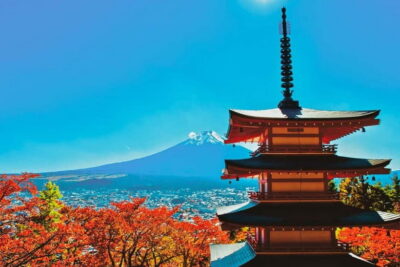
Mt.Fuji,Kawaguchiko Oishi Park,Arakurayama Sengen Park
Read our review →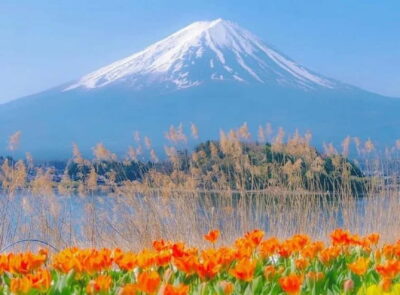
Mt Fuji Top 5 Spots Day Tour: Arakurayama Park,Oshino Hakkai
Read our review →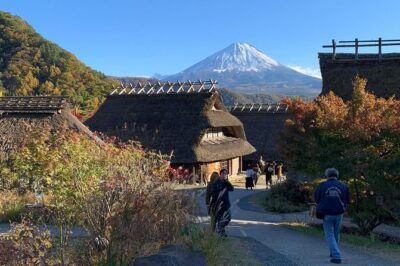
Private Tour to Mt. Fuji and Hakone (Fully Licenced Operator)
Read our review →Browse the lists this tour appears in