
Reviewed · TOKYO WAGYU AND YAKINIKU DINING
Wagyu and Sushi : Tokyo Gastronomic Journey
Sushi and wagyu make a strong double act, but the setting gives this evening its real flavor. You move through Omoide Yokocho, Kabukicho, and Golden Gai, where tiny bars, old alleys, and neon signs show you a side of Shinjuku that is easy to miss on your own. Guides such as Yuki, Natsuki, Miharu, Emma, and Ando Minoru have helped turn the meal into a cultural walk.
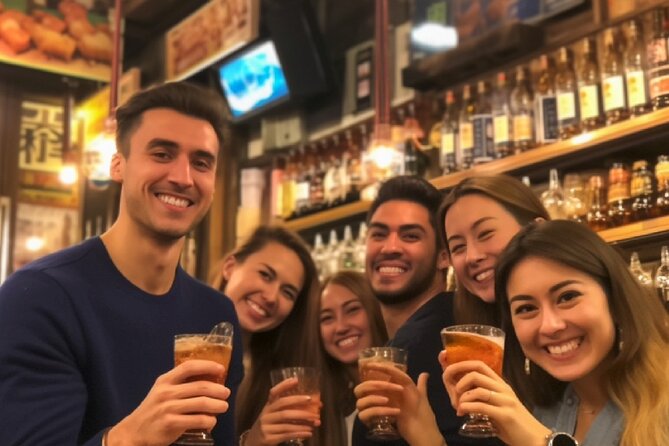
I like the small group of no more than 10, which gives you room to ask about sushi manners, beef grades, sake, and local customs. I also like the two-stop format: one meal centers on carefully made sushi, while the other lets you grill wagyu at your table, often with a drink such as sake or a whiskey soda.
The main thing to consider is value. At $156.77 per person, this is not simply a cheap dinner. You are paying for food, drinks, a guide, and access to places you may not feel comfortable finding alone. If you only want two restaurant meals, you may find the price harder to justify.
Key points to know before booking
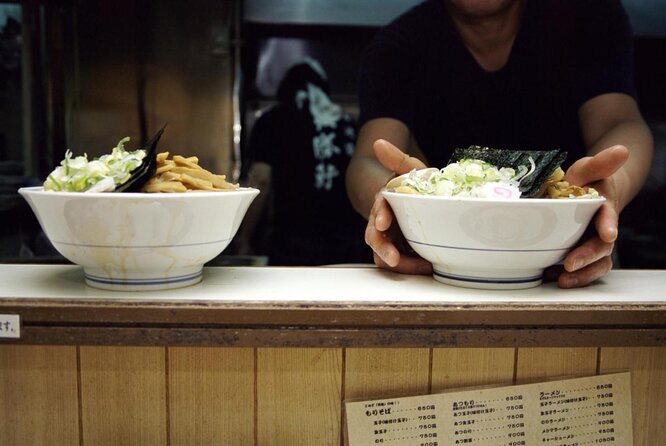
- Two iconic Japanese foods in one evening: The meal includes sushi and wagyu, with dinner served at two food stops.
- A compact Shinjuku night walk: The route links Omoide Yokocho, Kabukicho, Godzilla Head, Hanazono Shrine, and Golden Gai.
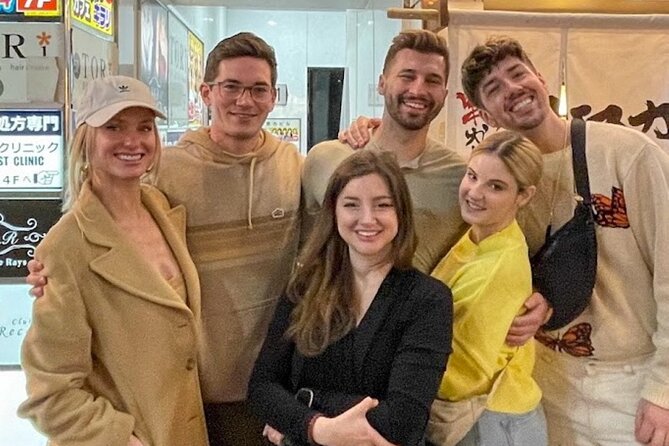
- A genuinely small group: The maximum is 10 people, useful for questions and conversation.
- Guides add food and neighborhood context: Yuki, Natsuki, Miharu, Emma, and Ando Minoru are among the guides named in the experience details.
- Drinks are included for adults: Alcoholic beverages are included for participants aged 20 and above.
- The evening ends in Golden Gai: You finish near one of Shinjuku’s most famous streets of tiny bars.
Why sushi and wagyu work so well together
This tour gives you two very different introductions to Japanese food. Sushi is about freshness, rice, slicing, order, and restraint. Wagyu yakiniku is more hands-on, with thin pieces of beef cooked at your table. One course asks you to pay attention to texture and balance. The other lets you enjoy the rich flavor of grilled meat.
That contrast is useful if this is your first night in Tokyo. You do not have to choose between a sushi dinner and a beef dinner, and you do not have to spend time guessing which restaurant will offer a worthwhile meal. Your guide handles the restaurant sequence and explains what you are eating.
The food stops are described as small and local rather than large, formal dining rooms. That can be a plus. A compact sushi restaurant may feel more personal, and a small yakiniku restaurant gives the table grill a central role. It can also mean tight seating and a less leisurely pace, so do not book this expecting a long, quiet fine-dining meal.
More Tokyo wagyu and yakiniku dinners:
- Tokyo Night Foodie Tour in Shinjuku – Seasonal Sushi, Wagyu Beef
★ 5.0 · 1,161 reviews - Tokyo: Wagyu and 7 Japanese Dishes Cooking Class
★ 4.9 · 273 reviews - Small-Group Wagyu Beef and 7 Japanese Dishes Tokyo Cooking Class
★ 5.0 · 190 reviews
Meeting in Shinjuku at 6:30 pm
The tour begins at 6:30 pm at 7-chōme-10-5 Nishishinjuku, in Shinjuku City. The walk then finishes at the Hashimoto Building at 1-chōme-1-5 Kabukichō, near Golden Gai.
You should allow time to reach the meeting point. Shinjuku Station is enormous, and the West Exit area can be confusing even when you know you are close. The experience is near public transportation, but hotel pickup and drop-off are not included. Any transport costs during the evening are also separate, listed at roughly 200 to 800 yen.
Three hours is a sensible length for this kind of outing. You get enough time for food and neighborhood walking, but the tour does not take over your entire evening. I would book it early in a Tokyo visit if you want practical food guidance for later meals. I would also avoid scheduling a long-distance train or another fixed event immediately afterward.
Omoide Yokocho, where old Tokyo squeezes into narrow lanes
One of the first areas on the route is Omoide Yokocho, close to the West Exit of Shinjuku Station. Its narrow lanes and tiny restaurants feel far removed from the clean, broad spaces around the station.
This is a useful first stop because it changes your sense of scale. Shinjuku can feel like a district built for crowds, giant signs, and tall buildings. Omoide Yokocho offers the opposite experience: small counters, close-set eateries, and food prepared in a compact setting.
You may not dine here, since the included dinner is described as two food stops elsewhere, but the area gives your guide a good place to explain everyday eating culture and the role of small drinking establishments. Keep your camera ready, but stay aware of people moving through the lanes. These are working restaurants, not a stage set for sightseeing.
Kabukicho after dark
Kabukicho is known for its restaurants, bars, nightclubs, and adult entertainment. It is one of the most famous nightlife districts in Tokyo, and the tour gives you a structured way to walk through it.
That structure matters. You can see the signs and side streets without having to decide which doorway to enter. Your guide can also explain the area’s character and point out landmarks along the way. The district is lively and visually dramatic, but it is not a place where you should wander carelessly into an unfamiliar bar or accept every invitation from the street.
For many people, the neighborhood walk is as valuable as the food. You get a look at the social side of Tokyo that daytime sightseeing does not provide. If you prefer quiet streets and early dinners, though, Kabukicho may feel intense.
A completely different kind of day in Tokyo:
- Mt Fuji and Hakone 1-Day Bus Tour Return by Bullet Train
★ 5.0 · 26,383 reviews - 1-Day Tokyo Bus Tour
★ 5.0 · 14,250 reviews - Tokyo: teamLab Planets TOKYO Digital Art Museum Entry Ticket
★ 4.6 · 9,779 reviews - Mt Fuji & Hakone Cruise, Drum Show Bullet Train 1 Day from Tokyo
★ 4.0 · 7,413 reviews
Godzilla Head and the Shinjuku photo stop
Godzilla Head is an easy, fun pause on the route. The giant head rises above the Kabukicho area and gives you one of Shinjuku’s most recognizable photo opportunities.
This stop is brief rather than a major attraction, but it breaks up the walking and gives you a clear landmark to remember. Your guide can also help you keep track of where you are in the district, which is handy in a neighborhood filled with signs and similar-looking lanes.
Bring a phone with enough battery for photos. The tour includes photos, but the Godzilla stop is also a chance to take your own. Do not expect an admission visit or a long stop inside an attraction. It is a street-level photo point included in the evening route.
Hanazono Shrine adds a quieter pause
Hanazono Shrine offers a change of mood from Kabukicho’s nightlife. The shrine is part of the walk, giving you a short look at a traditional religious site within one of Tokyo’s busiest entertainment districts.
That contrast is one of the tour’s strongest features. In a few city blocks, you can move from neon signs and late-night restaurants to a shrine setting with a calmer feel. Your guide can explain local customs and the place of shrines in Japanese life, though the provided schedule does not specify how long you spend there.
Treat this as a cultural stop, not a full shrine tour. The evening is built around food and neighborhood discovery, so the shrine gives context rather than a detailed architectural visit.
Sushi first, with guidance on manners
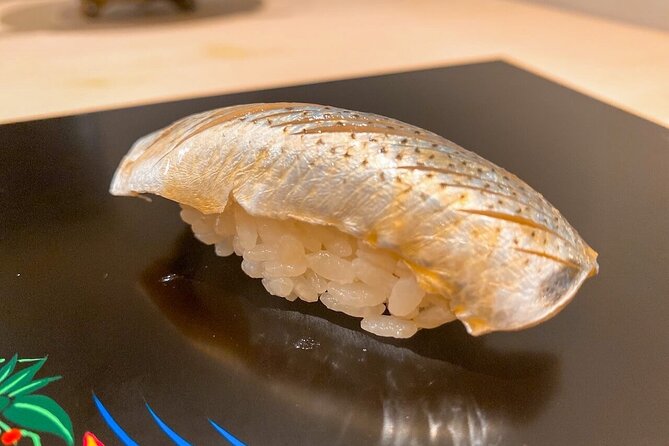
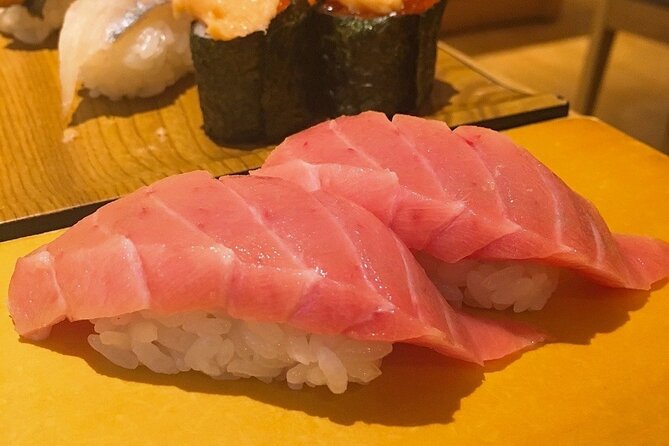
The sushi stop is one of the main reasons to book this experience. The included meal features sushi prepared by local chefs, and the guide explains the basic etiquette and food customs that can be hard to pick up from a guidebook.
That help is practical. You can ask when to use chopsticks, how to handle a piece of sushi, what the chef is serving, and how sushi differs from the versions commonly found outside Japan. The point is not to turn dinner into a classroom. It is to help you feel more at ease while you eat.
The food itself receives especially strong praise in the supplied feedback. One account describes a small sushi restaurant that the diner would not have found alone, with carefully made pieces considered better than what they had eaten back home. That does not guarantee the exact same menu for every departure, but it does suggest that the sushi stop is chosen for quality and local character rather than spectacle.
You should also understand the limits. The tour does not promise a private sushi lesson, a fixed chef’s menu, or unlimited servings. It is a guided dinner stop within a three-hour route.
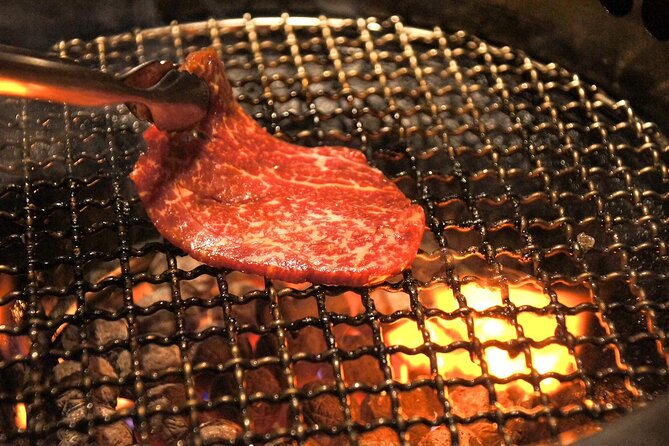
Wagyu yakiniku, cooked at your own table
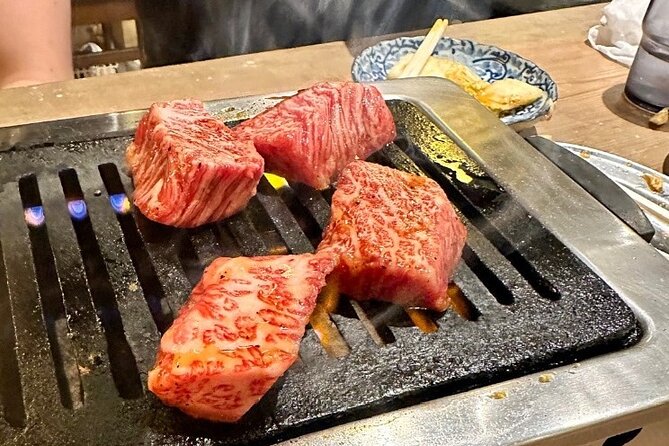
The wagyu stop changes the pace completely. Instead of receiving finished plates, you grill the beef at your table. This is one of the most enjoyable parts of the evening because it gives you something to do while your guide explains the meat and the restaurant customs.
Wagyu is prized for its marbling and rich texture, so small portions can feel satisfying. The table grill also makes dinner social. You can compare cooking times with the people in your group, ask your guide when a piece is ready, and enjoy the smell of the beef as it cooks.
The food pairing may include a whiskey soda or another alcoholic drink for those aged 20 and above. The included drinks add to the value, especially if you would otherwise order them separately. If you do not drink alcohol, confirm the available alternatives with the operator before booking, since the provided details only specify alcoholic beverages.
As with the sushi stop, this is not presented as an unlimited feast. Think of it as a focused tasting dinner at two restaurants, with the guide and neighborhood walk included.
Golden Gai is the right place to finish
Golden Gai is a cluster of tiny bars east of Kabukicho. Its small-scale buildings and narrow lanes preserve an older style of Tokyo nightlife, and the tour ends near the Hashimoto Building in this area.
The end point makes sense. After sushi and wagyu, you finish in a district where the evening can continue if you wish. The tour does not include extra bar entry or a separate Golden Gai drink, so any further stop is your own expense.
Golden Gai is not for everyone. Many bars are very small, and some may have limited seating or particular house rules. The advantage of ending here is that you can decide what to do next instead of being taken through a long chain of bars.
What the $156.77 price really covers
At $156.77 per person, the tour costs more than simply buying two casual meals. The price includes a local guide, dinner at two food stops, alcoholic beverages for participants aged 20 and older, and photos. It also covers the organization of an evening in districts where finding the right places can take time.
I see the value in three parts. First, you get two well-known Japanese food styles in one sitting. Second, a guide explains etiquette and local customs as you eat, which can make unfamiliar restaurants easier to enjoy. Third, the walking route connects several Shinjuku areas that would feel disconnected if you visited them separately.
The value drops if you already know Shinjuku well or are comfortable choosing small restaurants without help. One piece of feedback makes this exact point: the guide was pleasant, but the diner felt the two restaurants could have been visited independently.
Group discounts may be available, and the tour is often booked about 52 days ahead. That timing suggests you should reserve early if your Tokyo dates are fixed, particularly if you want a small group. Confirmation is normally sent at booking, though reservations made within one day of departure are subject to availability.
The small group makes a difference
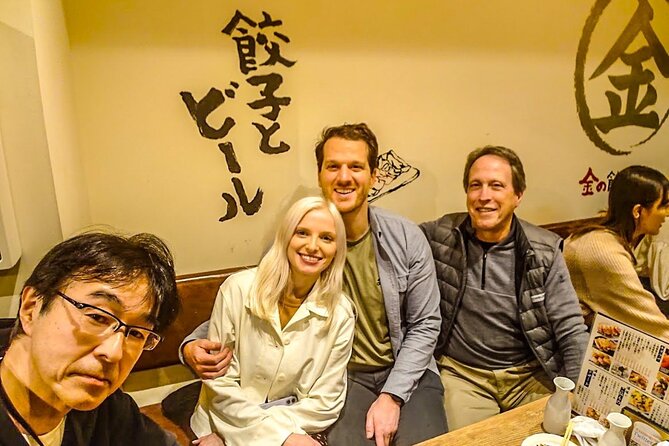
A maximum of 10 people is a useful limit for a food walk. You can hear the guide in narrow streets, ask questions without holding up a large crowd, and share the meal without the event feeling like a bus tour.
The people in the group are likely to have different levels of comfort with sushi, wagyu, sake, and Japanese nightlife. That variety can help if you enjoy meeting other food-focused visitors. It can be less appealing if you want a private dinner or a fast, highly controlled schedule.
The named guides provide another reason to expect a personal tone. Yuki is described as especially well-informed about Japanese food culture, Natsuki as friendly and strong on neighborhood history, and Miharu as someone who explained landmarks and customs between the two restaurants. Emma and Ando Minoru are also named guides associated with warm, helpful evenings.
Guide quality can vary from one departure to another, as it does on any small-group tour. Still, the repeated praise for friendly guidance, clear food explanations, and thoughtful help is a meaningful strength.
Who should book this evening?
I would recommend it to a first-time Tokyo visitor who wants a ready-made introduction to Shinjuku food and nightlife. It also suits solo visitors who would like company at dinner, couples who want more context than a restaurant reservation provides, and anyone nervous about ordering in a small local restaurant.
Food lovers will get the most from it, especially if you want sushi and wagyu on the same night. The tour also works well after a day of sightseeing because the route is compact and the three-hour length leaves room for a later drink or a quiet night.
I would hesitate if you are searching for a luxury tasting menu, a private guide, a long shrine visit, or a deep tour of Japanese culinary technique. The experience is social, active, and neighborhood-focused. It is not a formal food seminar.
Wear comfortable shoes. You will walk through narrow streets and entertainment districts, and the evening includes several stops rather than one long seated meal. Also remember that transportation is extra, hotel pickup is not provided, and the cancellation deadline is 24 hours before the 6:30 pm start for a full refund.
Should you book the Wagyu and Sushi Tokyo Gastronomic Journey?
Book it if you want a guided introduction to two famous Japanese foods, small restaurants, and Shinjuku after dark without planning every detail yourself. The combination of sushi, table-grilled wagyu, Godzilla Head, Hanazono Shrine, and Golden Gai gives you a well-shaped evening.
Skip it if your main goal is the lowest possible dinner price or if you prefer choosing restaurants independently. At $156.77, the food alone is not the whole purchase. The best reason to book is the mix of meals, local guidance, and access to Shinjuku’s smaller streets in a group small enough for real conversation.
FAQ
How long does the Wagyu and Sushi Tokyo Gastronomic Journey last?
The experience lasts approximately three hours.
What time does the tour begin?
The tour begins at 6:30 pm.
Where does the tour start?
It starts at 7-chōme-10-5 Nishishinjuku, Shinjuku City, Tokyo 160-0023, Japan.
Where does the tour finish?
It ends at the Hashimoto Building, 1-chōme-1-5 Kabukichō, Shinjuku City, Tokyo 160-0021, near Golden Gai.
How many people can join the group?
The tour has a maximum of 10 participants.
Are food and drinks included?
Dinner at two food stops is included, along with alcoholic beverages for participants aged 20 and older.
Is transportation included?
No. Transportation costs, listed at approximately 200 to 800 yen, are not included. Hotel pickup and drop-off are also not provided.
Can I cancel for a full refund?
Yes. You can cancel at least 24 hours before the experience start time for a full refund. Cancellations or changes made less than 24 hours before the start are not accepted for a refund.
Newly reviewed around Tokyo
- Tokyo Asakusa:Calligraphy & Make T-shirt Activity★ 5.0 · 62 reviews
- Intercity Shuttle, Tokyo to Haneda /Narita /Yokohama /Makuhari★ 5.0 · 5 reviews
- 1 Hour Travel around Tokyo with a Professional Photographer★ 5.0 · 3 reviews
- Travel Tokyo with Your Own Personal Photographer★ 5.0 · 43 reviews
- Train in Samurai Swordsmanship and Defeat the Demon in Tokyo★ 5.0 · 5 reviews
- Shuttle Van 6hr Tokyo Tour to-and-from Tokyo, Yokohama and Narita★ 5.0 · 9 reviews
- Kickboxing & Body Training with EX-Pro Fighter★ 5.0 · 4 reviews
- Traditional Japanese Knife Sharpening Class★ 5.0 · 18 reviews
Tokyo Wagyu and Yakiniku Dining, compared.
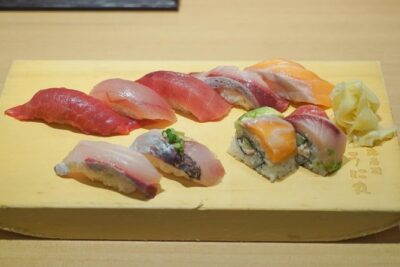
Tokyo Night Foodie Tour in Shinjuku – Seasonal Sushi, Wagyu Beef
Read our review →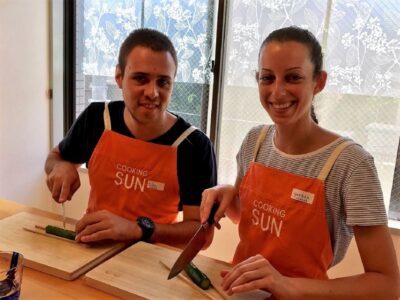
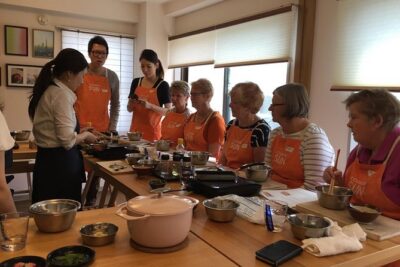
Small-Group Wagyu Beef and 7 Japanese Dishes Tokyo Cooking Class
Read our review →
Nagano Snow Monkey 1 Day Tour with Beef Sukiyaki Lunch from Tokyo
Read our review →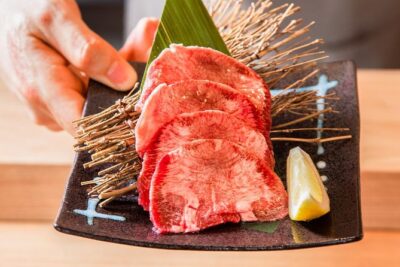
Wagyu & Sake Pairing in Shinjuku – Steak, Shabu-Shabu & More
Read our review →
Tokyo Wagyu & Sake Pairing Tasting Experience with Local Flavors
Read our review →
Wagyu Beef and Sake Pairing Foodie Tour in Tokyo
Read our review →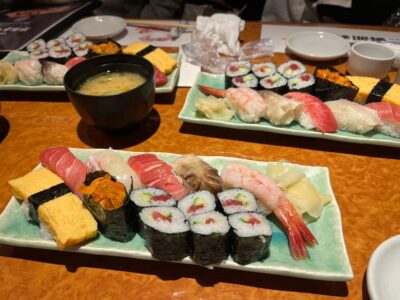
Browse the lists this tour appears in