
Reviewed · TOKYO SUMO EXPERIENCES
Unique Afternoon Live Sumo training tour in Tokyo
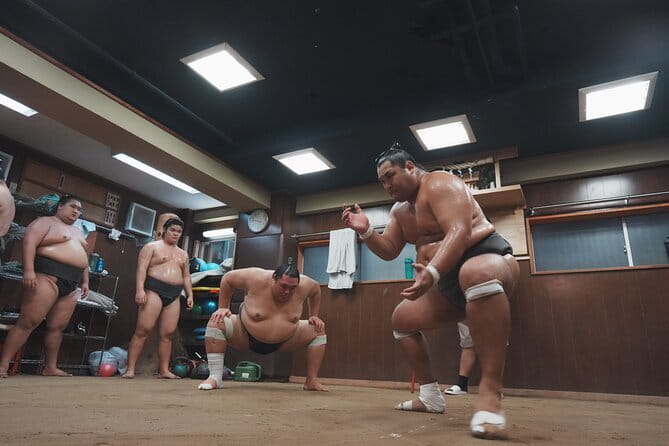
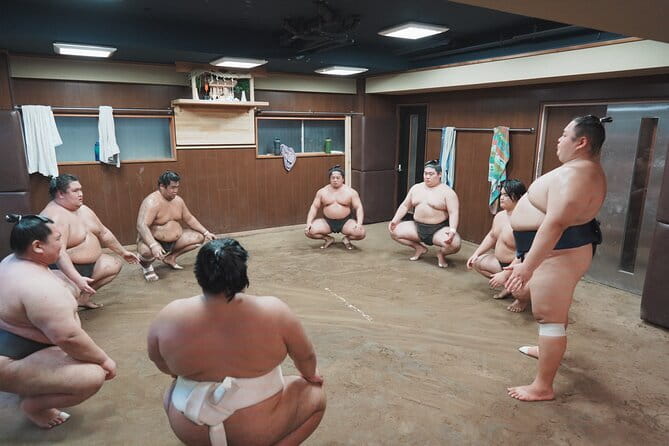
Sumo training is not a stage show. At Nakamura-beya Sumo Stable, you sit close to the practice ring and watch professional wrestlers repeat the hard, disciplined movements that prepare them for competition. I like the small group of no more than 10 people and the chance to see real training rather than a polished performance. The included photo with the wrestlers is also a fine souvenir.
I also like the language support, with a live guide who speaks English, Japanese, and Korean, plus an audio guide in 10 languages. The main thing to know is that the first 20 to 30 minutes can feel quiet as the wrestlers warm up. Patience matters here, and the more forceful clashes come later.
Key points to know before booking
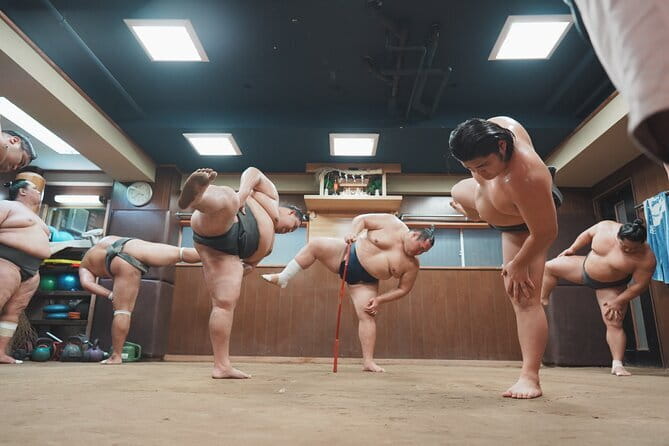
- Watch authentic keiko at Nakamura-beya: You see wrestlers warm up, stomp, clash, and prepare for competition in their own training space.
- Expect a 90-minute visit: The opening warm-up can be slow, but the action becomes more intense once wrestling begins.
- Keep the group small: The tour has a maximum of 10 people, which helps you see the ring without a large crowd.
- Use the language support: Live explanations are available in English, Japanese, and Korean, with audio guidance in 10 languages.
- Plan for mixed seating: Chairs are available for 8 to 10 people, while others sit on the floor.
- Remember the timing can change: Training is usually in the afternoon, but it sometimes takes place in the morning.
Why this Tokyo sumo visit feels different
Many Tokyo visitors encounter sumo through a tournament ticket, a museum display, or a short cultural performance. This visit takes you into the daily work behind the sport. You are not watching a presentation designed for tourists. You are watching wrestlers train.
That difference matters. Sumo has a formal public side, but training shows the repetition and effort that support it. You see the wrestlers prepare their bodies, focus their attention, and work through familiar movements again and again. The atmosphere can be quiet at first, then suddenly physical when the clashes begin.
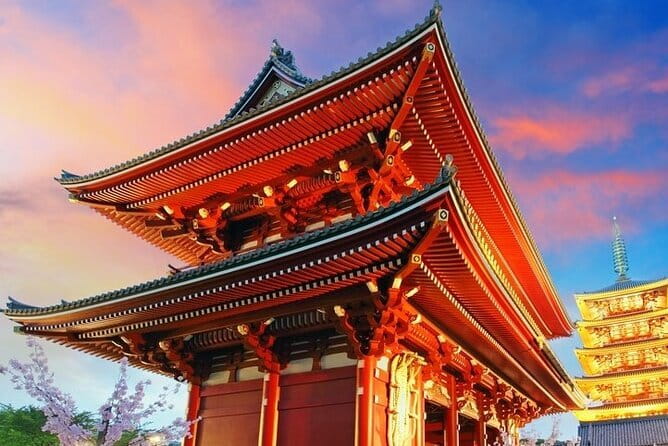
The setting is Nakamura-beya Sumo Stable in Ryogoku, Tokyo’s sumo district. The activity lasts about 1 hour and 30 minutes, and the admission fee is included. You meet at the stable at 1-chōme-18-7 Ryōgoku, Sumida City, and the visit ends at that same point.
I would choose this for the cultural access, not for constant action. If you need a fast-moving attraction every minute, the warm-up may test your patience. If you want to understand how sumo wrestlers prepare, the slower opening gives the later bouts more meaning.
More Tokyo sumo experiences:
- Tokyo: Sumo Show and Dining Experience
★ 4.8 · 2,742 reviews - the SUMO show
★ 5.0 · 1,960 reviews - Tokyo Shinjuku Sumo Show & Experience with Photo
★ 5.0 · 1,750 reviews
What you see during the first 30 minutes
The visit begins with keiko, the Japanese term for sumo practice. The wrestlers warm up in front of you, working through movements that may seem simple when viewed one at a time. The powerful stomps and repeated exercises are part of a careful physical routine.
This opening is the quietest part of the visit. Plan on the first 20 to 30 minutes feeling less dramatic than the later wrestling. That does not make it pointless. It gives you time to notice the discipline of the practice and the way the wrestlers prepare before putting their full strength into a clash.
A guide helps explain what you are seeing. The live guide can speak English, Japanese, and Korean. If your preferred language is different, the audio guide covers 10 languages. A printed explanation pamphlet about sumo keiko is also included, which gives you something useful to follow during the training.
You should treat this part as observation, not entertainment on demand. Keep your attention on the ring, and you will better understand why the strong moments later are not random bursts of action. They come after preparation.
When the wrestling gets intense
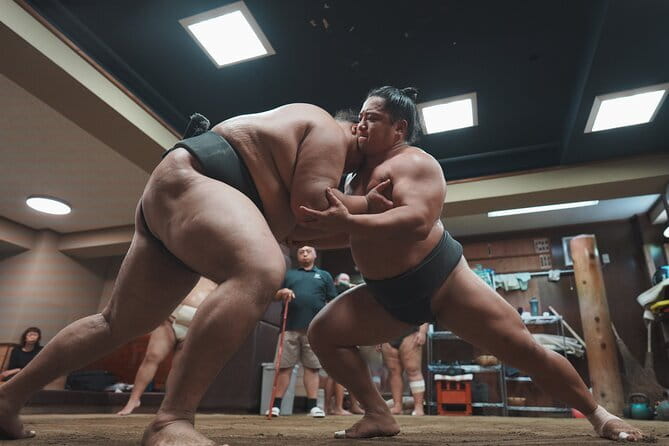
Once the wrestlers move from warm-up exercises into more direct wrestling, the tone changes. The clashes are short, forceful, and close to the seating area. You can feel the physical nature of the sport in a way that is difficult to get from a televised match.
The supplied details describe intense action once three wrestlers begin wrestling. The exact order and pace of practice can vary, so you should not expect a fixed show with a set number of bouts. That is part of the value, and also part of the uncertainty. You are observing a working training session rather than following a theater schedule.
I like this format because it leaves room for the real rhythm of sumo. There is preparation, waiting, sudden power, and repetition. The experience is strongest when you accept those pauses instead of expecting a nonstop contest.
Families can enjoy the visit, including older children and teenagers who are curious about sport. The physical scale of the wrestlers helps make the session memorable, while the cultural setting gives it more substance than a quick photo opportunity. Adults who already know Tokyo may find this a useful way to see a side of the city they could easily miss.
A close look at sumo discipline

Sumo is often reduced to its final push or throw, but training reveals the work before that moment. The stomps, clashes, and repeated routines show how much control is involved. Strength matters, but so do balance, timing, and concentration.
The pamphlet and guide explanations help you place the movements in context. You do not need to arrive with prior sumo knowledge. The audio guide also makes this practical for a mixed-language group, especially if members of your party understand different languages.
The stable setting adds a sense of place. You are not simply watching athletes perform in a large arena. You are seeing them train in the environment connected to their daily practice. That can make the visit feel more personal, but it also means you must follow the stable’s expectations and remain a respectful observer.
This is not a hands-on lesson. The information provided does not include a chance to wrestle, join exercises, or enter the practice area. Your role is to watch, listen, and learn.
A completely different kind of day in Tokyo:
- Mt Fuji and Hakone 1-Day Bus Tour Return by Bullet Train
★ 5.0 · 26,383 reviews - 1-Day Tokyo Bus Tour
★ 5.0 · 14,250 reviews - Tokyo: teamLab Planets TOKYO Digital Art Museum Entry Ticket
★ 4.6 · 9,779 reviews - Mt Fuji & Hakone Cruise, Drum Show Bullet Train 1 Day from Tokyo
★ 4.0 · 7,413 reviews
Seating, comfort, and the small-group advantage
The tour allows a maximum of 10 people. That is a useful limit for a visit where the details happen close to the floor. A smaller group should make it easier to see the wrestlers and hear the explanations than a large bus-style outing.
Seating is not uniform. There are chair-type seats for 8 to 10 people, while the rest of the group can sit on the floor. If floor seating would be uncomfortable for you, contact the operator before booking rather than assuming a chair is guaranteed.
This is one of the clearest practical considerations. The activity is suitable for most people, and it is near public transportation, but the seating arrangement may affect your comfort. Wear clothing that allows you to sit easily, and check the details before you go if you have a mobility concern.
Free Wi-Fi and phone charging service are available. Those are small extras, but they help if you are moving around Tokyo all day and need to keep your phone ready for maps, translation, or photos after the visit. They do not replace the need to plan your route to the stable, since pickup and drop-off are not included.
Language help without losing the local setting
A language barrier can make a cultural visit feel distant. Here, the live guide speaks English, Japanese, and Korean, and the audio guide is available in 10 languages. That gives you several ways to follow the explanations without turning the visit into a lecture in only one language.
The guide is there to explain the practice, while the wrestlers continue training. That balance is important. You get context, but the training remains the focus.
If your language is covered by the audio guide, use it to catch details while keeping your eyes on the ring. If you speak English, Japanese, or Korean, you can also follow the live explanation. The included pamphlet is helpful when you want a quick written reference.
The information provided does not name the individual guide, so you should not book expecting a particular host. The useful point is the available language coverage and the small group size.
Is $137.71 a fair price?

At $137.71 per person, this is not a budget activity. The visit lasts about 90 minutes, so you are paying for access to a specialized cultural setting rather than a full-day tour. There is no transportation, meal, or extended sightseeing route included.
The price makes more sense if authentic access is your priority. You receive entry to the training session, explanations, a sumo keiko pamphlet, language support, Wi-Fi and charging service, and a photo with the wrestlers. The photo gives you a lasting reminder, while the training itself is the main reason to book.
I would compare this with the cost of other limited-access cultural activities in Tokyo, not with a standard museum ticket. This is a narrow experience focused on one tradition. If you have already seen a sumo tournament and only want another quick look, the price may feel high. If you have never seen live sumo training and value close observation, it can be worthwhile.
The small group also matters in the value calculation. Ten people or fewer is a much more personal format than a large group gathered around a distant performance. Still, the visit is short, so book it for the access and authenticity, not because it fills a whole afternoon.
Timing and planning your visit
Training is usually held in the afternoon, but it sometimes takes place in the morning. Check the start time carefully when you book. Do not build your Tokyo day around a general assumption that every session will be after lunch.
You must make your own way to Nakamura-beya Sumo Stable. Pickup and drop-off are not included, although the meeting point is near public transportation. Leave enough time to reach Ryōgoku and find the stable without rushing.
Confirmation arrives when you book. The activity returns to the same meeting point at the end, so you can plan your next stop from there. Since the visit lasts around 90 minutes, it can fit neatly into a day of exploring Ryōgoku, but the details supplied here do not include additional sightseeing stops.
Free cancellation is available if you cancel at least 24 hours before the start time. Changes or cancellations made within 24 hours are not accepted for a refund, and the cutoff uses Tokyo local time.
Who should book this experience?
I would recommend it to first-time visitors who want a direct introduction to sumo, as well as repeat visitors who have already seen Tokyo’s better-known sights. It also suits families, since the wrestlers’ physical strength and the close setting can hold the attention of teenagers and adults.
Sports fans will appreciate the training element, but you do not need to know the rules in advance. The explanations and pamphlet give you a way into the activity.
This is less suitable if you need guaranteed chair seating, cannot sit on the floor, or want a fast show with action from the first minute. It may also disappoint anyone expecting a formal tournament. You are watching practice, and practice includes warm-up, repetition, and pauses.
The best mindset is simple: arrive ready to observe real work. The opening may seem uneventful, but it sets up the more powerful wrestling that follows.
Should you book the Nakamura-beya visit?
Book this tour if you want authentic sumo training in a small group, can handle the possibility of floor seating, and are willing to give the warm-up time to develop. The close view, language support, and photo with the wrestlers make it more than a quick look at a sporting tradition.
Skip it if your budget is tight, you need a guaranteed chair, or you want a full tournament atmosphere. At $137.71, the value depends on how much you care about seeing the training behind sumo. For a first look at this side of Japanese culture, the visit offers something difficult to arrange on your own.
FAQ
Where does the sumo training tour take place?
It takes place at Nakamura-beya Sumo Stable, located at 1-chōme-18-7 Ryōgoku, Sumida City, Tokyo 130-0026, Japan.
How long does the activity last?
The visit lasts approximately 1 hour and 30 minutes.
Is the training held in the afternoon?
Training is usually held in the afternoon, but it sometimes takes place in the morning. Check the time when booking.
How many people can join the tour?
The activity has a maximum of 10 participants.
Is transportation included?
No. Pickup and drop-off are not included. You must make your own way to the meeting point, which is near public transportation.
What languages are available?
The live guide can speak English, Japanese, and Korean. An audio guide is available in 10 languages.
Are seats provided?
There are chair-type seats for 8 to 10 people. Other participants can sit on the floor.
Is a photo with the sumo wrestlers included?
Yes. A photo with the sumo wrestlers is included.
Is Wi-Fi available?
Yes. Free Wi-Fi and phone charging service are available during the experience.
Can I cancel for a refund?
Yes. You can cancel at least 24 hours before the start time for a full refund. Cancellations or changes made less than 24 hours before the start time are not accepted for a refund.
Newly reviewed around Tokyo
- Tokyo Asakusa:Calligraphy & Make T-shirt Activity★ 5.0 · 62 reviews
- Intercity Shuttle, Tokyo to Haneda /Narita /Yokohama /Makuhari★ 5.0 · 5 reviews
- 1 Hour Travel around Tokyo with a Professional Photographer★ 5.0 · 3 reviews
- Travel Tokyo with Your Own Personal Photographer★ 5.0 · 43 reviews
- Shuttle Van 6hr Tokyo Tour to-and-from Tokyo, Yokohama and Narita★ 5.0 · 9 reviews
- Kickboxing & Body Training with EX-Pro Fighter★ 5.0 · 4 reviews
- Train in Samurai Swordsmanship and Defeat the Demon in Tokyo★ 5.0 · 5 reviews
- Traditional Japanese Knife Sharpening Class★ 5.0 · 18 reviews
Tokyo Sumo Experiences, compared.
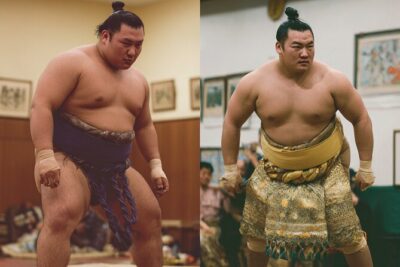
Tokyo Shinjuku Sumo Show & Experience with Photo
Read our review →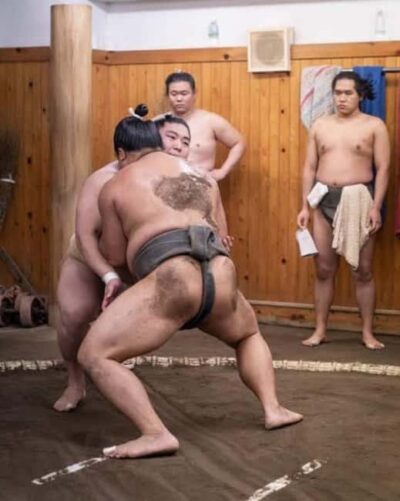

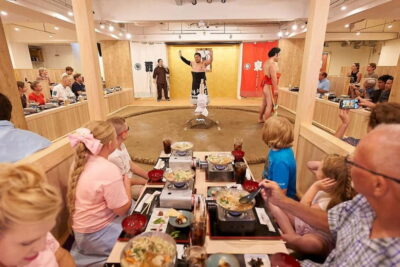
Luxury Sumo Show Experience & Japanese cuisine & Drink
Read our review →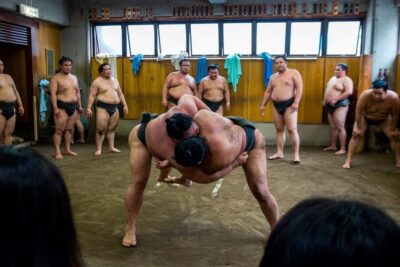
Tokyo Sumo Experience: Chanko & Mochi with a Former Pro
Read our review →
Ultimate Sumo Tournament: Tokyo, Osaka, Nagoya, Fukuoka
Read our review →Browse the lists this tour appears in