Reviewed · TOURS
Tokyo: Tour Privado por Tokio en español
Tokyo comes into focus through its neighborhoods, and this private Spanish-language tour gives you four very different slices of the city in one day. You’ll see Senso-ji and Kaminarimon Gate, try sweets such as mochi and melon pan, then move from anime shops to cherry trees and Shinjuku’s free city view.
I like the private format, which lets your guide explain Japanese customs in Spanish and help with local transport. I also like the route’s range: traditional Asakusa, seasonal Ueno, pop-culture-heavy Akihabara, and neon-lit Shinjuku all have a place. The main caution is that the day is long, and meals, fares, and other transport costs are not included.
Key points at a glance
- Four Tokyo districts in eight hours: Asakusa, Ueno, Akihabara, and Shinjuku each show a different side of the city.
- Spanish-speaking private guide: The experience is designed for one group of up to five people, with hotel or nearby station pickup.
- Asakusa sweets and temple sights: Look for mochi, dorayaki, and melon pan around Senso-ji.
- Akihabara beyond electronics: Expect anime, manga, video games, maid cafes, and a look at a very modern part of Japanese culture.
- Free city views in Shinjuku: The 45th-floor Tokyo Metropolitan Government Building observatory gives you a strong city panorama without a separate observation-deck charge.
- A practical warning: You pay for food and transport, the tour runs in most weather, and it is not suitable for wheelchair users.
A full day that connects old and new Tokyo
This is a neighborhood tour rather than a single-attraction visit. That matters in Tokyo, where a short train ride can shift you from temple courtyards to electronic billboards and from quiet park paths to nightlife streets.
You receive hotel pickup, or pickup at a nearby station, and spend the day with a guide who speaks Spanish. The group is private and limited to five people, so the experience should feel more personal than a large bus tour. Your guide also assists with transport in Japan, but the cost of your trains or other rides comes out of your pocket.
The planned schedule allows about two hours in each district. That is enough time for an introduction to each area, photos, questions, and some wandering, but not enough for a long museum visit or serious shopping in every neighborhood. I would treat this as a well-paced orientation to Tokyo, not as four exhaustive neighborhood tours.
The route description places Asakusa, Ueno, Akihabara, and Shinjuku in the day. One version of the description presents Akihabara before Ueno, while the itinerary lists Ueno first, so confirm the order when arranging the day. The four areas are the important part, but the sequence may affect meal timing and the light available for photographs.
Other Tokyo days people book alongside this one:
- Mt Fuji and Hakone 1-Day Bus Tour Return by Bullet Train
★ 5.0 · 26,383 reviews - 1-Day Tokyo Bus Tour
★ 5.0 · 14,250 reviews - Tokyo: teamLab Planets TOKYO Digital Art Museum Entry Ticket
★ 4.6 · 9,779 reviews
Asakusa, Senso-ji, and the Kaminarimon Gate
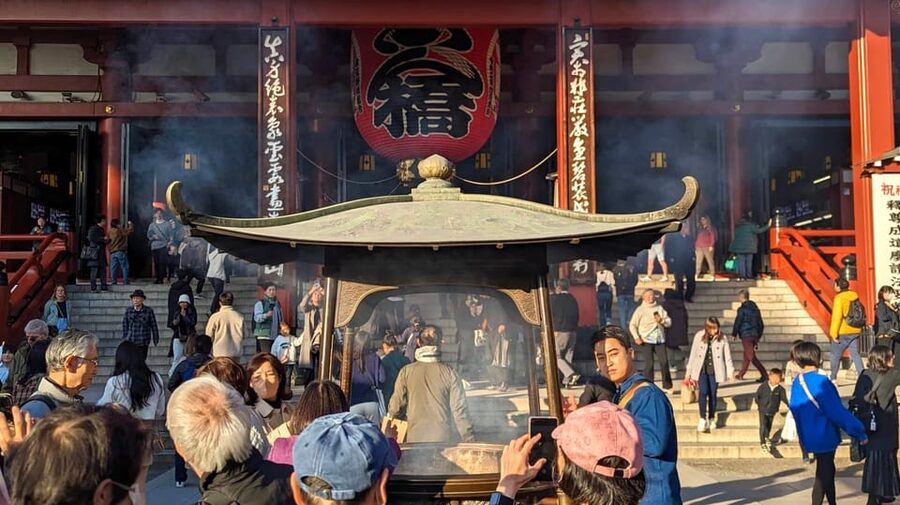
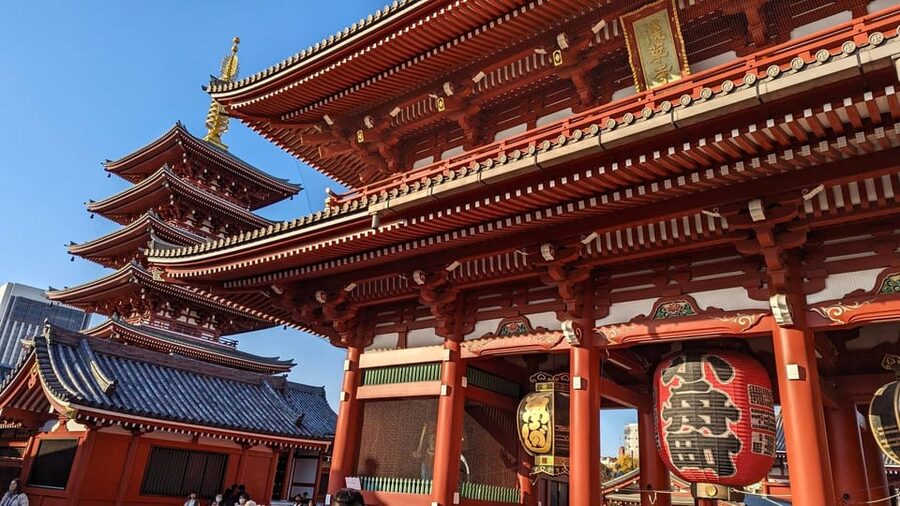
Asakusa is the natural place to begin because it gives you a strong introduction to traditional Tokyo. The famous Kaminarimon Gate is an easy photo stop, with its large lantern and broad entrance leading toward Senso-ji, one of the city’s best-known temples.
Your guide can explain the customs you see around the temple, including the basic rhythm of approaching a Japanese Buddhist site. This is where the tour’s focus on Japanese culture, tradition, samurai, and cherry blossoms becomes useful. You are not just checking off a temple. You are getting context for the gestures, buildings, decorations, and local habits that can otherwise pass quickly in a crowded city.
Allow room for food here. The tour specifically points to mochi, dorayaki, and melon pan, a sweet, crisp-topped bread that is a popular Japanese snack. The wording calls out a particularly good melon pan, but taste is personal and availability can change. Bring cash, since cash is specifically recommended for the day and small food purchases are easier that way.
The two-hour stop gives you time to see the temple area and sample something, but it is not a promise of a full food tour. Meals are not included, so decide with your guide when to make a proper lunch stop or snack break.
Asakusa can also be one of the busier parts of the day. The private guide helps by giving you a point of contact in Spanish, but the district remains a major sightseeing area. If you want quiet temple photography, ask about the best timing and be ready to share the space respectfully.
Ueno Park and the Sakura connection
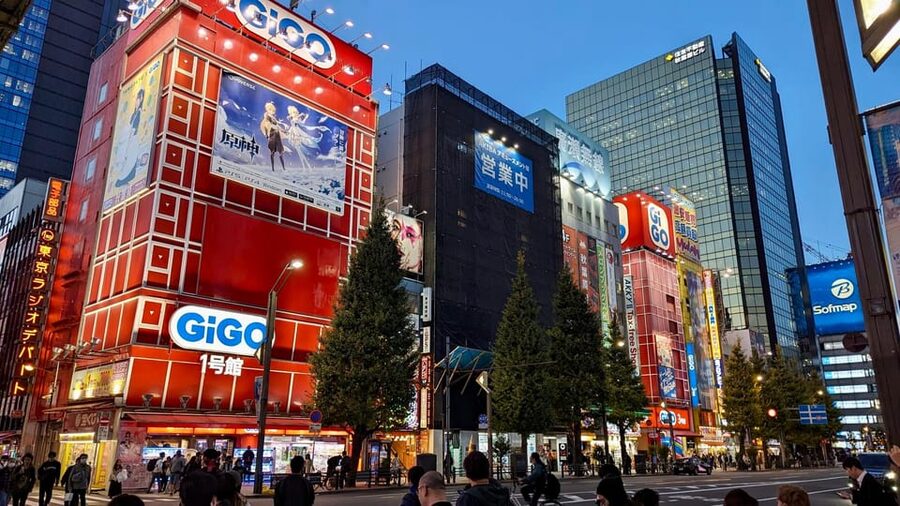
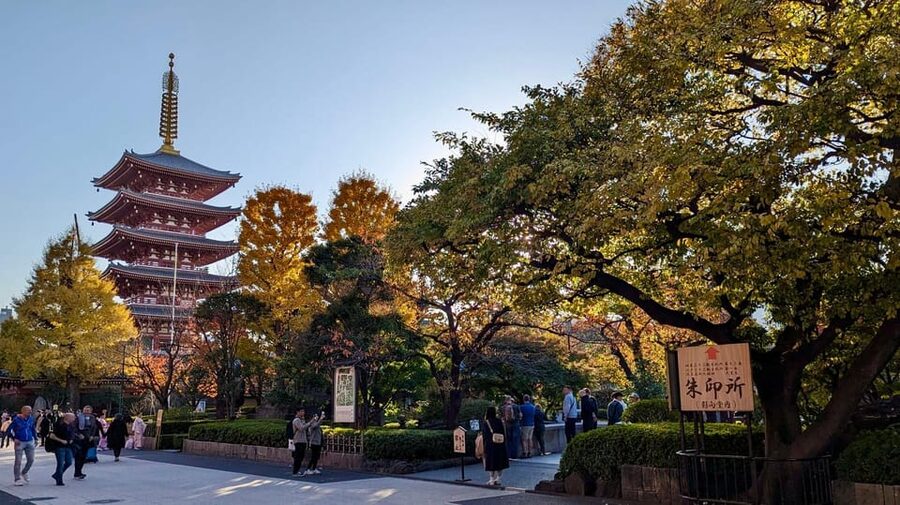
Ueno shifts the mood from temple streets to open park paths. The area is known for its cherry trees, the Sakura Avenue, and popular temples. During cherry blossom season, this stop may be the most visually striking part of the route, although blossoms are seasonal and cannot be guaranteed.
I like the inclusion of Ueno because it gives the day some breathing room. After the dense streets of Asakusa, a park visit offers a different view of Tokyo and creates space for your guide to explain why cherry blossoms hold such an important place in Japanese culture.
The description centers on the park, Sakura Avenue, and temples rather than a specific museum or paid attraction. That keeps the stop flexible and helps the group avoid spending the entire afternoon indoors. It also means you should not book this tour expecting a detailed museum visit at Ueno.
Two hours is enough for a guided walk and photographs. If the trees are in bloom, you may want to linger, but the rest of the route still lies ahead. Comfortable shoes are a good idea because the day includes several walking areas and station transfers.
Akihabara, anime, manga, and maid cafes
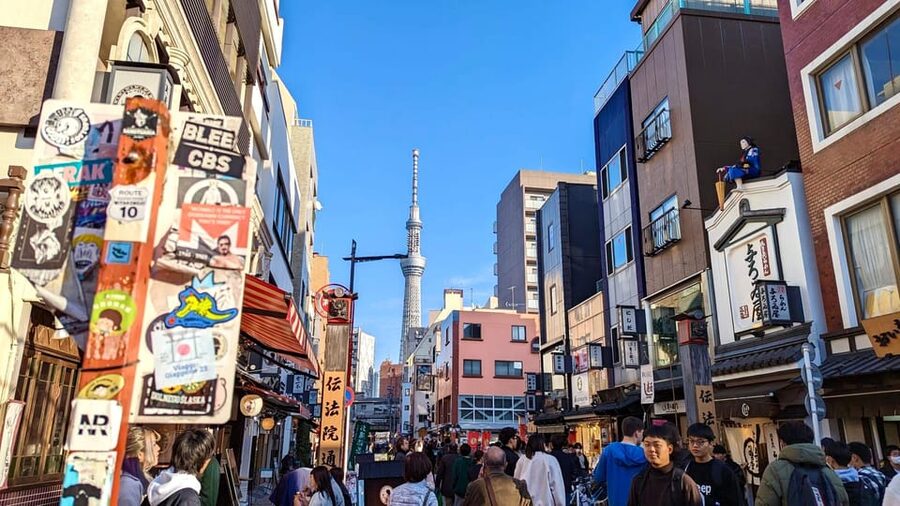
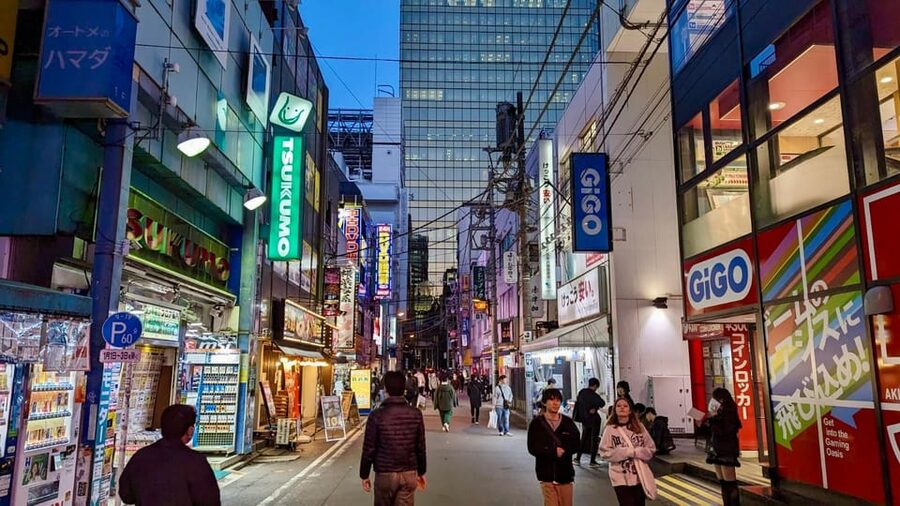
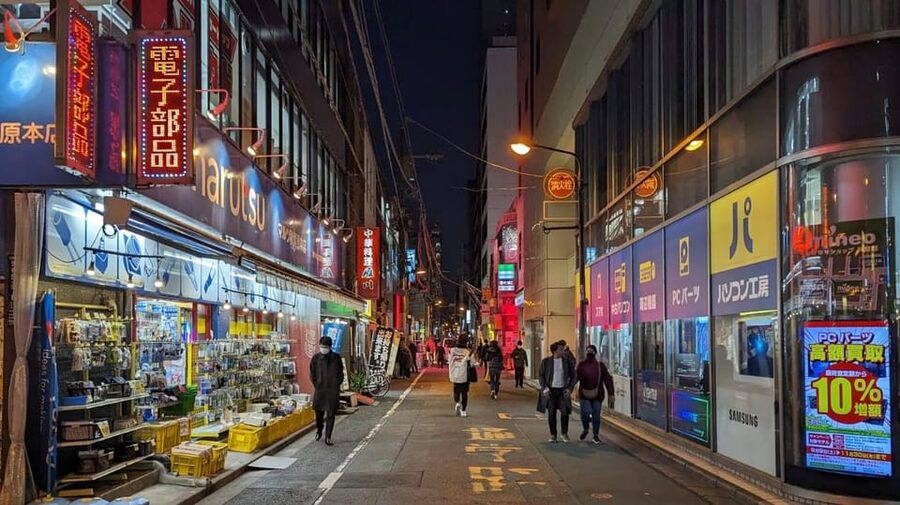
Akihabara shows Tokyo’s modern face. This is the district associated with anime, manga, video games, and electronics, and the tour promises an introduction to its secrets rather than a standard shopping stop.
For many people, Akihabara is the most unfamiliar neighborhood on the route. A Spanish-speaking guide can explain the cultural background behind the signs, characters, stores, and themed businesses. You may also meet the friendly young women who work in maid cafes. The stop is presented as an introduction to that scene, not as a meal or cafe booking, so ask your guide what is practical during the visit.
This part of the day works best if you have an interest in Japanese pop culture, gaming, or electronics. If those subjects are not your priority, two hours may feel long compared with a quick photo stop. On the other hand, fans often appreciate having someone explain what they are seeing instead of simply walking past unfamiliar displays.
Shopping is not included as part of the tour, and the price does not cover purchases. Keep your budget separate if you hope to buy games, figures, manga, electronics, or souvenirs. The private format gives you a chance to tell the guide what interests you, but the group still has to keep moving to reach Shinjuku.
A completely different kind of day in Tokyo:
- Mt Fuji & Hakone Cruise, Drum Show Bullet Train 1 Day from Tokyo
★ 4.0 · 7,413 reviews - Tokyo: Shinjuku Food Tour (13 Dishes at 4 Local Eateries)
★ 5.0 · 6,603 reviews - Tokyo Mt Fuji 5th St & Hakone Cruise Bus Tour w/Bullet Train
★ 4.4 · 5,024 reviews - Flagship 2-Hours Official Street Go-Kart Tour – Tokyo Bay Shop
★ 5.0 · 4,974 reviews
Shinjuku City Hall and the 45th-floor view
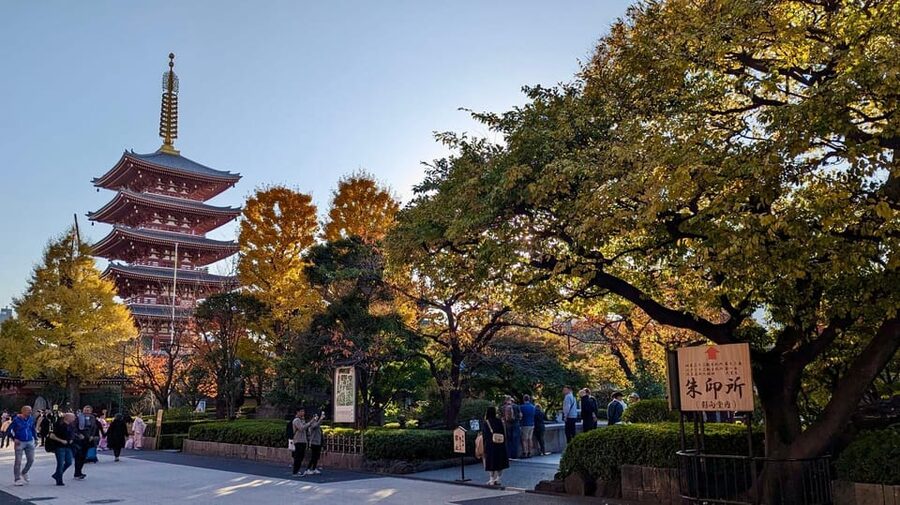
Shinjuku brings the day into modern Tokyo. The key stop is the observation deck on the 45th floor of the Tokyo Metropolitan Government Building. From there, you get broad views over the city and a useful sense of Tokyo’s scale.
This is one of the best-value elements of the day because the city hall observatory is known as a free viewing point. The experience includes the visit, but normal transport costs remain separate. The view is especially helpful after visiting individual districts because you can look out and understand how they fit into the huge urban area.
The city hall stop also provides a calmer finish before the tour moves into Kabukicho. Your guide can continue the discussion of Tokyo’s development, neighborhoods, and daily culture in Spanish. The exact visibility depends on the weather, so do not treat the view as guaranteed on a hazy or rainy day.
The day is planned to continue into Kabukicho, so you should not assume that the city hall is the final stop. If you are tired after eight hours, tell your guide. The private setup makes that conversation easier than it would be in a fixed large-group program.
Kabukicho after dark, Godzilla, and Omoide Yokocho
The tour finishes around Kabukicho, Shinjuku’s best-known entertainment district. Here you can see the Godzilla landmark, a huge 3D screen, and Omoide Yokocho, also called Memory Lane.
This area gives you a sharp contrast with the temple courtyards of Asakusa and the park paths of Ueno. Kabukicho is associated with nightlife and adult entertainment, so it may not suit every family or every visitor. The tour presents it as a place to understand Tokyo after dark, but it does not include nightlife admission or adult entertainment activities.
Omoide Yokocho is a particularly useful place to finish because it offers a compact look at Shinjuku’s small-bar and food-lane character. Food and drinks are not included, so any stop there is at your own cost. If you are hungry, this may be a sensible point to ask your guide about eating options, though the tour itself does not promise a restaurant reservation.
The Godzilla sight and 3D screen are photo opportunities rather than separate attractions with included entry. Keep expectations realistic: this final section is about seeing the district and learning how it functions, not spending a full evening there.
What the private Spanish format is worth
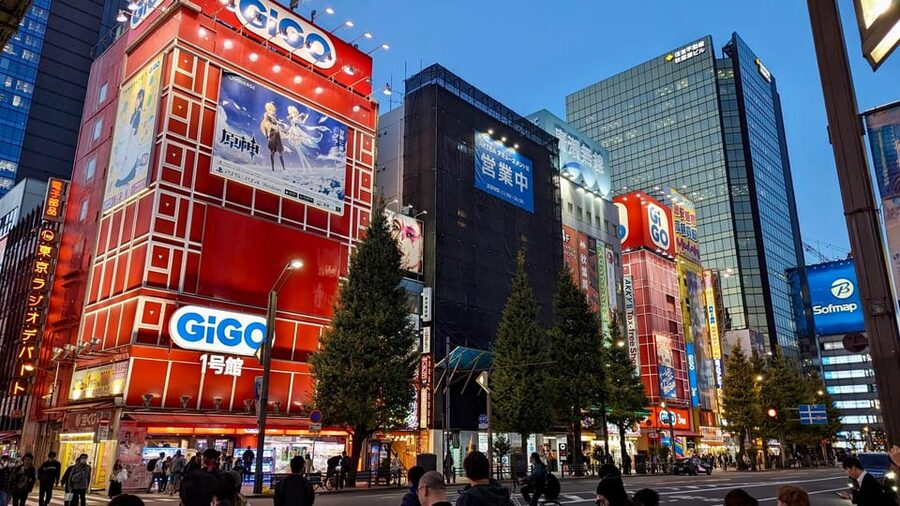
The price is $338 per group of up to five people. For a full eight-hour private tour, that can be reasonable if you fill the group. At the maximum size, the cost works out to about $68 per person before transport and food. For two people, the per-person price is much higher, so the value depends heavily on group size.
The strongest reason to pay for this format is the Spanish-speaking guide. You get help understanding local customs, navigating transport, and connecting four very different districts. That is useful in Tokyo, especially if you prefer asking questions in Spanish rather than relying on a general English-language explanation or handling every train transfer alone.
Guide quality matters greatly here. Ignacio is specifically named as an excellent guide who handled the information well. Another highly praised guide was described as warm and friendly, with the kind of personal connection that made the guest feel as if they had met an old friend again. Those comments point to the human side of the experience, but guide availability can vary, so you should not assume a particular guide unless the operator confirms it.
There is also an important service concern. One booked group reported waiting more than an hour because the guide did not appear and communication was delayed after the group raised the problem. That is a serious issue, even though the other available feedback was strongly positive. Confirm the pickup time and meeting point before the day begins, keep the operator’s contact information handy, and speak up promptly if the guide is late.
Timing, transport, and comfort
Eight hours is a serious commitment. You have roughly two hours in each of four districts, plus the movement between them. The schedule gives you broad coverage, but Tokyo’s distances and station connections can make the day feel full.
Transport assistance is included, but transport fares are not. Carry cash, as requested, and budget for the day’s rides. The tour does not state a fixed transport method or a transport pass, so ask how fares will be handled before starting.
Food is also separate. You can buy snacks in Asakusa and arrange meals around the route, but there is no included lunch. I would avoid waiting until late in the day to eat, especially if you plan to walk through all four districts.
The tour operates in normal weather, including rain, and only stops for an earthquake or extreme weather event. Bring weather-appropriate clothing and shoes that can handle a full day on your feet. Drones, pets, and littering are not allowed.
The activity is not suitable for wheelchair users. No further accessibility details are provided, so anyone with mobility needs should ask the operator about walking distances, station access, and rest opportunities before booking.
Who should book this Tokyo tour?
I would recommend it to first-time Tokyo visitors who want a clear introduction to several major districts, especially if Spanish is your preferred tour language. It also suits families or small groups of friends who can share the $338 group price and want help with transport and cultural explanations.
It is a good match for people who want variety more than depth. In one day, you see temples, snacks, cherry-tree paths, pop culture, a high city view, and nightlife streets. You will not have time to explore every shop, museum, or shrine in these districts.
I would think twice if you prefer slow travel, long meals, or a single subject such as anime or traditional temples. The route moves quickly, and costs for food and transport add to the advertised price. I would also confirm the pickup details carefully because one serious coordination problem was reported, despite the strong praise for guides such as Ignacio and the warm service described by other customers.
FAQ
How long does the private Tokyo tour last?
The tour lasts eight hours and includes guided visits to Asakusa, Ueno, Akihabara, and Shinjuku.
What language does the guide speak?
The guide speaks Spanish, and the tour is offered as a private Spanish-language experience.
How many people can join the private group?
The listed price of $338 covers a group of up to five people.
Is hotel pickup included?
Yes. Pickup is usually arranged at your hotel or at a nearby station in Tokyo.
Are meals and transport fares included?
No. Your food and the cost of transport in Japan are paid separately.
Can I cancel for a full refund?
Yes. You can cancel up to 24 hours in advance for a full refund. You can also reserve now and pay later, according to the booking terms.
Newly reviewed around Tokyo
- Ueno and Yanaka Culture Art Walking Tour in Old Tokyo★ 5.0 · 5 reviews
- Sumo Training Watching Experience in Tokyo★ 4.5 · 8 reviews
- Giant Sushi Cooking Class: Make a 1.5m Sushi Roll in Tokyo★ 5.0 · 9 reviews
- 2 Hours Mochi &Nerikiri Making & Matcha Class in Bunkyo★ 5.0 · 21 reviews
- Japanese Sweets (Mochi & Nerikiri) making at a Private studio★ 5.0 · 22 reviews
- Mt Fuji and Kawaguchiko Private Tour★ 5.0 · 10 reviews
- Half-Day Local Tokyo Tour in Adachi Market and Shibamata★ 5.0 · 16 reviews
- Private Full-Day Tour of Tokyo with Hotel Pickup★ 5.0 · 3 reviews
Tours, compared.
Mt Fuji and Hakone 1-Day Bus Tour Return by Bullet Train
Read our review →
Shinjuku Food Tour (13 Dishes at 4 Local Eateries)
Read our review →
Tokyo Mt Fuji 5th St & Hakone Cruise Bus Tour w/Bullet Train
Read our review →
Flagship 2-Hours Official Street Go-Kart Tour – Tokyo Bay Shop
Read our review →
Mt. Fuji Tour, Hakone Ropeway, Owakudani, Lake Ashi
Read our review →
Tokyo 6hr Private Tour with Government-Licensed Guide
Read our review →