
Reviewed · TOKYO SUMO EXPERIENCES
Tokyo Sumo Practice Watching & Visit Town from Samurai era
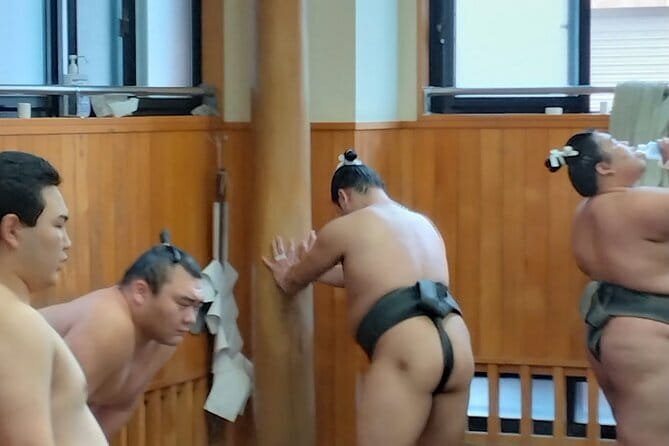
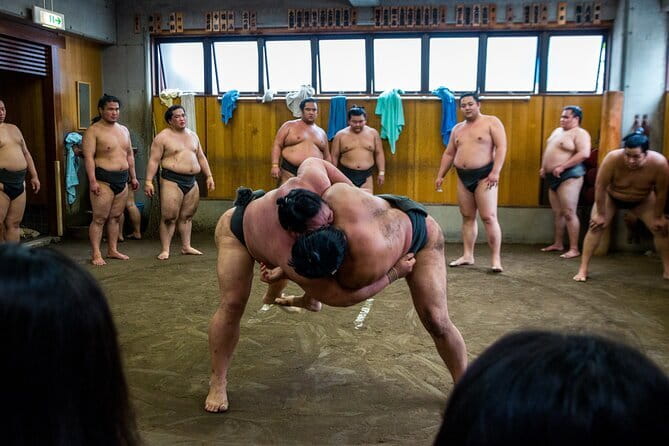
The main event is a rare look inside Shikoroyama-beya, where you watch real sumo wrestlers practice from ringside. This is not a tournament-day spectacle. It is a close view of the sport’s hard, repetitive training, made much easier to understand with guide Ken explaining the customs and action.
I like the way the tour pairs sumo with Kiyosumi Teien Garden and the Fukagawa Edo Museum. You get three very different views of Japan in one morning: a living sporting tradition, a quiet garden, and a carefully built recreation of an Edo-period neighborhood. The possible drawback is that the sumo explanation may feel brief if you want a full lesson on rules, famous competitions, and the sport’s modern history.
Key points to know before booking
- Ringside access at a sumo stable: Special permission allows you to watch practice inside Shikoroyama-beya.
- Ken leads the full morning: He meets you at Kiyosumi-shirakawa Station and stays with the group through the garden and museum.
- A chance for a sumo photo: The experience includes the opportunity to take photos with sumo wrestlers.
- Three contrasting stops: Expect about 90 minutes at the stable, 50 minutes in the garden, and one hour at the museum.
- Small group format: The maximum group size is 15 people, which leaves room for questions.
- Good value for a focused morning: The $123.79 price includes the guide, admission fees, and taxes, but not private transport.
Why this sumo morning feels different
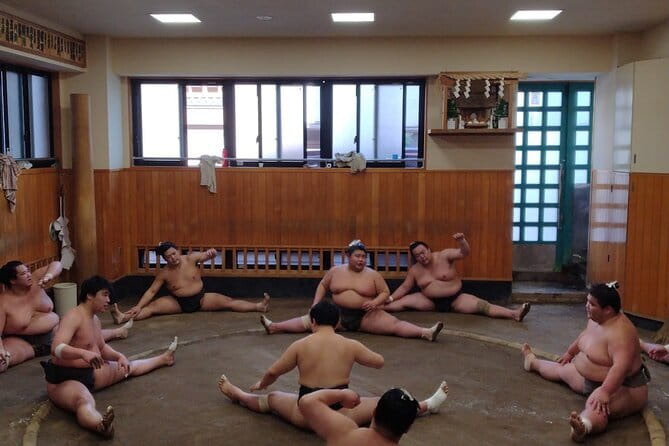
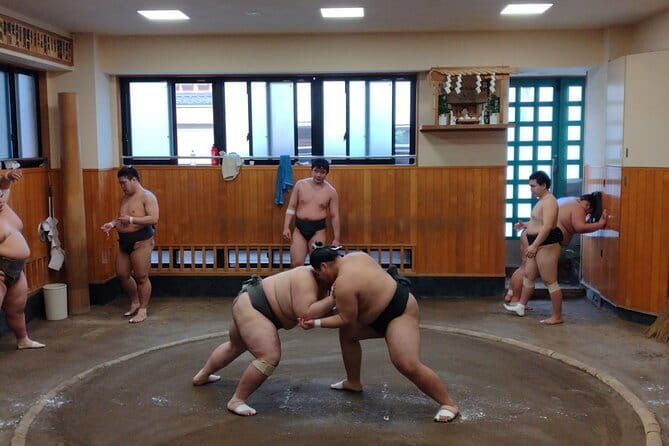
Tokyo has many ways to see sumo, but a practice session gives you a different kind of access than a tournament. You are watching wrestlers prepare, repeat movements, and work through routines inside their stable. The mood is more concentrated than theatrical.
That distinction matters. At a tournament, you see the finished contest and the crowd’s energy. Here, you see the work behind it. The close viewing position also helps you notice the physical force of each movement, though the experience depends on how much activity is taking place during your visit.
The stable visit lasts about 1 hour and 30 minutes, making it the clear center of the tour. Special permission is required to enter, so this is not a casual stop you can add to an independent morning. You are accompanied by a guide who can explain what you are seeing and help place sumo customs in a wider Japanese context.
Ken is the guide named for this experience. The available information describes him as fluent in English, punctual, polite, patient with questions, and well organized. That matters here because sumo has its own vocabulary, rituals, and unwritten rules. Without some explanation, a practice session can look like a series of powerful but unfamiliar exercises.
There is also a chance for a photoshoot with the wrestlers. It is best to treat this as an opportunity rather than a guaranteed private photo session with a particular wrestler. The chance to take a picture adds a personal memory to what is otherwise a quiet observation experience.
More Tokyo sumo experiences:
- Tokyo: Sumo Show and Dining Experience
★ 4.8 · 2,742 reviews - the SUMO show
★ 5.0 · 1,960 reviews - Tokyo Shinjuku Sumo Show & Experience with Photo
★ 5.0 · 1,750 reviews
Meeting Ken at Kiyosumi-shirakawa Station
The tour begins at 8:30 a.m. at Kiyosumi-shirakawa Station. Ken meets you at ground level by the B1 exit at 1-chome-6-13 Shirakawa in Koto City, then walks with the group to the sumo stable.
This meeting arrangement is simple, but pay close attention to the exit. Tokyo stations can have several entrances and long underground passages, so arriving a little early is sensible even though the tour does not include private transportation. The station is near public transportation, and the route from the meeting point is handled on foot.
The opening walk is listed as about 10 minutes. That gives Ken a chance to introduce the morning and explain what to expect before you enter the stable. It also means the tour is not built around a long coach ride or a collection of distant sights. The stops are close enough to form one compact neighborhood visit.
The group can include up to 15 people. That is not a private tour, but it is small enough for a guide to manage questions and keep the group together while walking. Most people can take part, and the included activities have no stated age, height, or weight restrictions.
Inside Shikoroyama-beya for 90 minutes
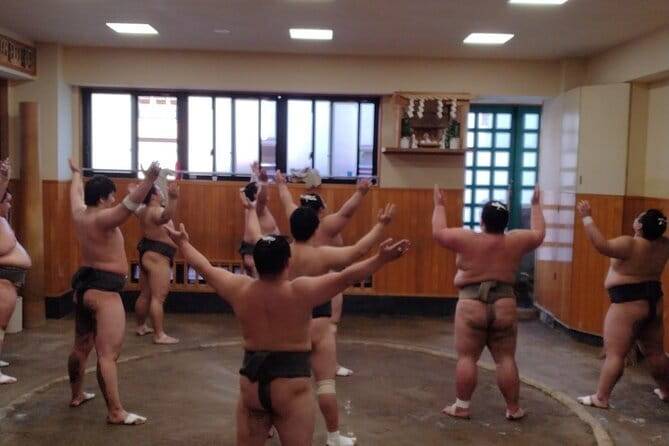
The sumo stable is the part that gives this tour its special character. You watch real wrestlers practice from ringside, with no tournament ticket required. The setting is a working training space rather than a purpose-built attraction, so the experience is about seeing sumo as a daily discipline.
I like this format for first-time visitors because you do not need to arrive already knowing every rule. Ken can explain the basic traditions as the practice unfolds. You can ask about what the wrestlers are doing instead of trying to decode the session on your own.
The physical intensity is likely to be the detail you remember most. One description of the experience points to the force and concentration of the practice, and that is exactly what makes a stable visit worthwhile. The sumo ring is not just a stage for competition. It is also the place where wrestlers build strength, timing, and control through repetition.
Keep your expectations measured. The tour does not promise a full account of every sumo rule, major competition, or recent development in the sport. If you already follow professional sumo closely, you may want more detail about current wrestlers and tournaments. One useful improvement would be a short handout covering basic terms and rules, so bringing your own questions can help you get more from the guide.
The photoshoot opportunity is another appealing touch, especially for families. The information does not specify the exact timing or format, so ask Ken on the morning if you want to understand when photos may be possible. Respect for the stable remains important. You are visiting a working place of training, not a staged performance.
Kiyosumi Teien, a garden after the noise
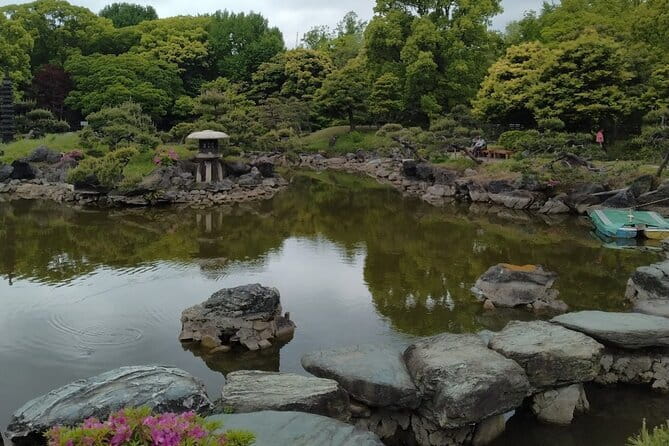
After the stable, the tour shifts from physical effort to quiet scenery at Kiyosumi Teien. You spend about 50 minutes here, walking through a Japanese garden with ponds, koi, and carefully arranged views. The change of pace is one of the best features of the morning.
The garden is described as a walking forest garden, a style designed for movement rather than one fixed viewpoint. As you walk, the scenery changes. Water, plants, paths, and open spaces create a slower rhythm after the concentrated activity at the stable.
This stop also gives Ken more room to talk about Japanese history and culture in a less hurried setting. The garden is not simply a pretty pause for photos. It helps show how Japanese design uses space, silence, and controlled views to create a particular mood.
Season matters here. The experience can include koi and cherry blossoms, but the exact appearance depends on the time of year. Do not book the tour solely for blossoms unless your dates happen to match the season. The garden is still an important part of the route because it contrasts so sharply with the sumo stable.
Fifty minutes is enough for a guided walk and some photos, but it is not a long, unstructured garden visit. If you enjoy sitting quietly for an hour or more, you may wish the schedule allowed extra time. If you prefer a morning with several distinct stops, the pace should suit you.
More Tokyo samurai and ninja experiences:
- Tokyo: Samurai Ninja Museum Guided tour and Experience
★ 4.6 · 1,010 reviews - Tokyo: Samurai Sword & Archery Class from Samurai Descendant
★ 5.0 · 603 reviews - Best Samurai Experience in Tokyo
★ 5.0 · 458 reviews - Ninja Experience (Family Friendly) at Samurai Ninja Museum TOKYO
★ 5.0 · 441 reviews
Fukagawa Edo Museum and a recreated Tokyo street
The final major stop is the Fukagawa Edo Museum, where a life-size reproduction of a Tokyo townscape from the end of the Edo period fills the exhibition space. The museum does not just display isolated objects behind glass. It recreates streets, homes, and everyday surroundings so you can picture how the neighborhood functioned.
Everyday tools are placed inside the houses, and changes in sound and lighting recreate the passing of the day. That detail gives the museum a practical strength. You are not only hearing that Edo-period Tokyo had a different rhythm. You can see the household objects and street setting that shaped ordinary life.
The museum visit lasts about one hour. That is long enough to look closely and ask Ken about the setting without rushing from room to room. It also rounds out the morning well. Sumo shows a living tradition, the garden shows a design tradition, and the museum gives you a physical sense of earlier city life.
The museum is a particularly useful stop if you want more than modern Tokyo’s famous districts. The tour takes you away from the usual department stores, towers, and major crossings and into a part of the city tied to local history. It is a good choice for visitors who want context, not just photographs.
The main limitation is that the museum presents a specific historical period and townscape. If your main interest is contemporary Tokyo or samurai warfare, this may not be the museum you would choose on its own. As part of the morning, though, it adds a strong historical layer.
What the $123.79 price covers
At $123.79 per person, this is not a bargain-priced walking tour. The value depends on how much you care about the sumo access. The price includes a professional guide from the meeting point through the end of the tour, admission to the listed locations, and all fees and taxes.
The stable is the key value. Special permission is required to enter, and arranging a comparable visit independently would not be straightforward. You are also paying for the explanations that connect the practice to Japanese culture, plus entry to the garden and museum.
Private transportation is not included. The tour uses public transportation access and walking, with the group meeting at Kiyosumi-shirakawa Station. That keeps the plan practical in central Tokyo terms, but you should be comfortable walking between nearby stops and moving at a morning tour pace.
The total duration is about 3 hours and 30 minutes, from the 8:30 a.m. start. For a half-day activity, the cost is easier to justify if you would otherwise spend money on separate admission tickets, a museum visit, and a guided sumo experience. It is less attractive if you only want to see a tournament or already know the Koto City area well.
Who will get the most from this tour

I would recommend this experience to a first-time Tokyo visitor who wants a clear introduction to sumo without giving up the rest of the morning. The combination of a working stable, a traditional garden, and an Edo town recreation gives you variety without sending you across the entire city.
It also suits families. There are no stated age, height, or weight restrictions, and the morning includes visual experiences that can hold attention better than a long lecture. The photo opportunity with wrestlers may be a highlight for children, while the garden gives everyone a quieter break.
English-speaking visitors should find the tour easier to follow because Ken is described as fluent in English and patient with questions. If you want to ask about sumo traditions, Tokyo history, or the museum displays, prepare a few questions in advance. The guidance is a major part of the value.
This is less suited to someone who wants a full tournament day, a private tour, or a specialist lecture on professional sumo. It is also not the best fit if you dislike early starts, walking, or a fixed three-stop schedule.
Timing, group size, and cancellation details
The tour begins at 8:30 a.m., and the maximum group size is 15. The schedule gives you approximately 90 minutes at the stable, 50 minutes in Kiyosumi Teien, and one hour at Fukagawa Edo Museum, plus the short walk from the station.
Confirmation is provided within 48 hours of booking, subject to availability. A mobile ticket is offered, which keeps the entry details on your phone. You can cancel for a full refund up to 24 hours before the local start time. Changes or cancellations made within 24 hours are not accepted for a refund.
Should you book the sumo and Edo Tokyo morning?
Book it if your priority is an authentic look at sumo practice rather than a tournament seat. The stable access is the reason to choose this experience, while Ken’s guidance, Kiyosumi Teien, and the Fukagawa Edo Museum make the $123.79 price more useful than a single short attraction visit.
Skip it if you need a deep technical lesson on sumo rules and recent competitions, or if you want private transport and a completely flexible schedule. For most first-time visitors who want a compact, culture-focused morning, this is a thoughtful use of three and a half hours, with enough variety to keep the experience from feeling one-note.
FAQ
Where does the tour start?
It starts at Kiyosumi-shirakawa Station, at ground level by the B1 exit, at 1-chome-6-13 Shirakawa, Koto City, Tokyo 135-0021.
What time does the tour begin?
The scheduled start time is 8:30 a.m.
How long does the experience last?
The tour lasts approximately 3 hours and 30 minutes.
Where does the tour end?
The activity ends back at the meeting point.
How long do you spend watching sumo practice?
The sumo stable visit lasts about 1 hour and 30 minutes.
Can you take photos with the sumo wrestlers?
The experience includes the chance for a photoshoot with sumo wrestlers. The precise timing and format are not specified.
What other places are included?
The tour includes Kiyosumi Teien Garden and Fukagawa Edo Museum, in addition to Shikoroyama-beya Sumo Stable.
Is transportation included?
Private transportation is not included. The tour begins near public transportation and includes walking between the meeting point and the stops.
How many people can join the tour?
The maximum group size is 15 people.
Can you cancel for a refund?
You can cancel for a full refund if you do so at least 24 hours before the local start time. Cancellations or changes made less than 24 hours before the start are not refunded.
Newly reviewed around Tokyo
- Tokyo Asakusa:Calligraphy & Make T-shirt Activity★ 5.0 · 62 reviews
- 1 Hour Travel around Tokyo with a Professional Photographer★ 5.0 · 3 reviews
- Travel Tokyo with Your Own Personal Photographer★ 5.0 · 43 reviews
- Intercity Shuttle, Tokyo to Haneda /Narita /Yokohama /Makuhari★ 5.0 · 5 reviews
- Train in Samurai Swordsmanship and Defeat the Demon in Tokyo★ 5.0 · 5 reviews
- Shuttle Van 6hr Tokyo Tour to-and-from Tokyo, Yokohama and Narita★ 5.0 · 9 reviews
- Kickboxing & Body Training with EX-Pro Fighter★ 5.0 · 4 reviews
- Traditional Japanese Knife Sharpening Class★ 5.0 · 18 reviews
Tokyo Sumo Experiences, compared.
Tokyo Shinjuku Sumo Show & Experience with Photo
Read our review →

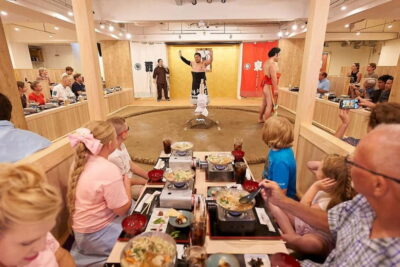
Luxury Sumo Show Experience & Japanese cuisine & Drink
Read our review →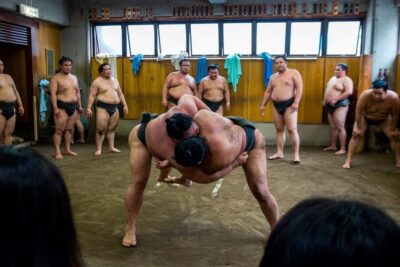
Tokyo Sumo Experience: Chanko & Mochi with a Former Pro
Read our review →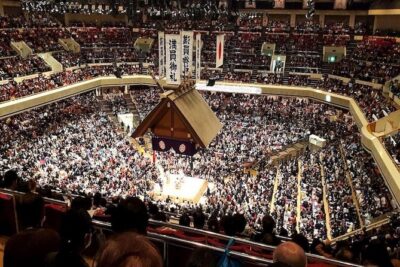
Ultimate Sumo Tournament: Tokyo, Osaka, Nagoya, Fukuoka
Read our review →Browse the lists this tour appears in