Reviewed · TOURS
Tokyo: Spring Hitachi Seaside & Ashikaga Flower Park Tour
The great draw here is spring flower scenery on a huge scale. At Hitachi Seaside Park, about 5.3 million nemophila spread across Miharashi Hill, creating a blue slope that appears to meet the sky and distant sea. Later, Ashikaga Flower Park brings you under curtains of purple wisteria and through an 80-meter white wisteria tunnel.
I like the easy bus connection from Tokyo, and I like having two very different flower parks in one day. Guides such as Gilbert, Miss Park, and Miss Kim have been praised for being helpful and keeping departures on time. The main drawback is time: two and a half hours each way, plus traffic, leaves less than two hours at Ashikaga, where you may wish you had the whole afternoon.
Key points
- 5.3 million nemophila at Hitachi: Walk across Miharashi Hill during the spring bloom for broad blue views.
- Ashikaga’s Great Wisteria: See the park’s famous purple flowers hanging from large trellises.
- An 80-meter white wisteria tunnel: A slower, more intimate walk after the larger displays.
- Mibu Michi no Eki stop: Choose from local dishes and desserts, with Bandai character displays adding a playful touch.
- A full 690 to 750 minutes: This is a long day, but it covers two major Kanto flower parks without separate planning.
- English and Korean guides: The guide may adjust the schedule for traffic, weather, and seasonal conditions.
Two famous flower parks in one long day
This tour is built around timing. Nemophila and wisteria bloom for a limited spring window, so the appeal is not simply visiting two parks. It is getting to both during the season when they are most impressive.
You leave from one of two Tokyo meeting points, Starbucks Coffee at Shinjuku L Tower or Tokyo Station. The bus then heads toward Ibaraki Prefecture, with roughly two and a half hours on the road before reaching Hitachi Seaside Park.
That travel time deserves an honest mention. You are giving up a large part of the day to transport, and the roads can be slow during Golden Week or peak flower season. In return, you avoid arranging separate train connections, park transfers, and admission tickets. For a visitor who wants a simple spring day outside Tokyo, that trade can make good sense.
The total outing lasts between 690 and 750 minutes, or about 11.5 to 12.5 hours. Bring patience, comfortable shoes, and a willingness to let the bus handle the difficult parts.
Other Tokyo days people book alongside this one:
- Mt Fuji and Hakone 1-Day Bus Tour Return by Bullet Train
★ 5.0 · 26,383 reviews - 1-Day Tokyo Bus Tour
★ 5.0 · 14,250 reviews - Tokyo: teamLab Planets TOKYO Digital Art Museum Entry Ticket
★ 4.6 · 9,779 reviews
Miharashi Hill and the blue nemophila sea
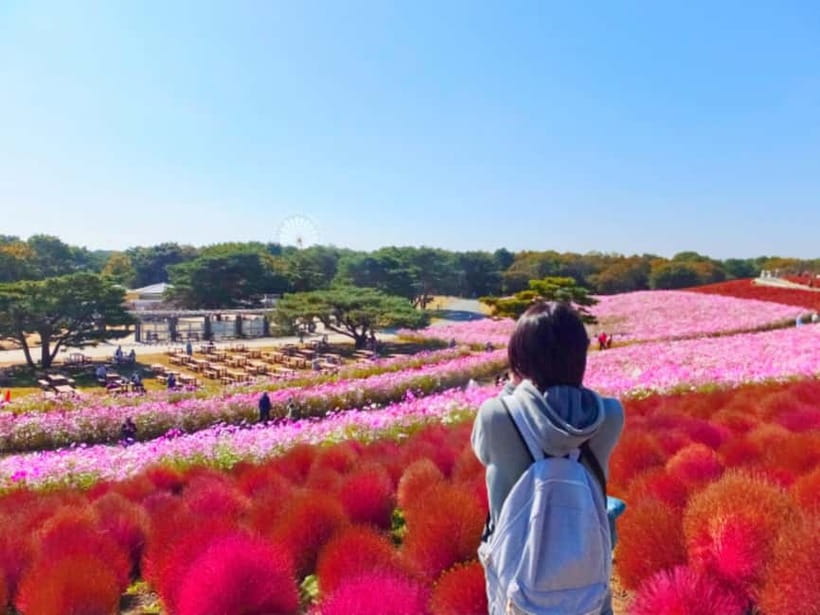
Hitachi Seaside Park is the morning anchor. Your visit includes about two hours for sightseeing, photographs, and free time.
The park’s signature view comes from Miharashi Hill. In the right part of spring, roughly 5.3 million small nemophila flowers cover the slope. From above or among the flowers, the blue blossoms blend with the open sky, while the distant ocean adds another band of color.
I would make this your first photography stop, even if you normally take only a few pictures. The appeal is not one isolated flower bed. It is the scale of the planting and the way the color spreads over the hill.
The exact view depends on the season and weather. Nemophila do not wait for a tour schedule, and the bloom can be early or late. A May departure may catch the final part of the display rather than its fullest moment. One spring departure still managed to see the last of the nemophila, which shows why seasonal timing matters.
Two hours gives you a useful visit, but not a complete exploration of a large park. You can see the main hill and take photographs, yet you will need to keep an eye on the meeting time. If your dream is a slow walk through every garden area, this schedule may feel tight.
Mibu Michi no Eki for a flexible lunch
After Hitachi, the bus continues for about an hour to Road Station Mibu, also called Mibu Michi no Eki. The stop lasts about 40 minutes and combines lunch, free time, and sightseeing.
This is not presented as a formal, sit-down food experience. You can choose from different dishes and desserts available at the service area, then return to the bus at the appointed time. Meals are not included in the tour price, so plan to pay for your own food.
That arrangement has a practical advantage. You are not locked into one menu, and you can choose a quick meal if you want more time to look around. The limitation is that 40 minutes passes quickly, especially if the food area is busy.
Mibu also has Bandai character displays, which give the stop a light, distinctly Japanese pop-culture touch. It is a short break rather than a major destination, but it breaks up the long ride and gives you a chance to eat without adding another restaurant reservation.
The schedule also lists a local restaurant lunch, while the written details describe lunch at Mibu Michi no Eki. Treat the service-area stop as your main chance to buy food, and confirm the day’s exact arrangement with your guide.
Ashikaga Flower Park and the Great Wisteria
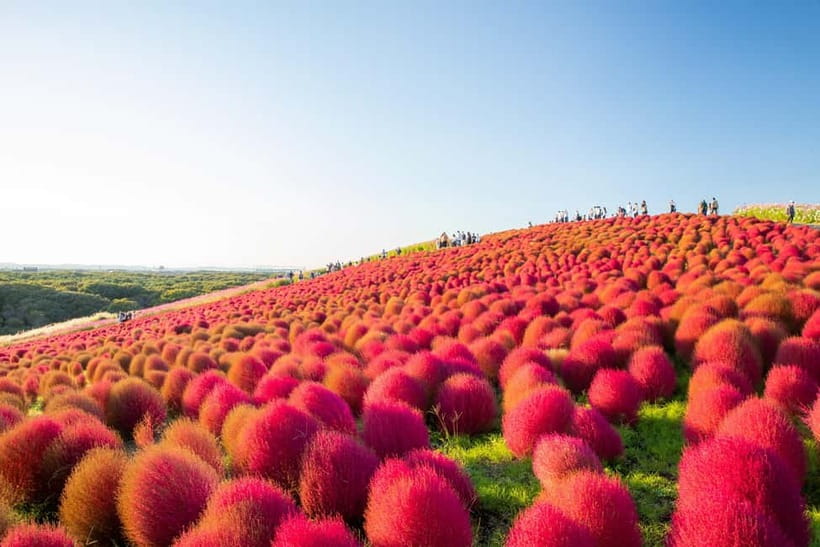
The afternoon visit to Ashikaga Flower Park lasts about 110 minutes. For many people, this is the emotional high point of the day.
Ashikaga is internationally known for its wisteria and was selected by CNN as one of the world’s dream destinations. The park’s Great Wisteria trees spread across overhead supports, with purple flowers hanging down in long clusters. You walk beneath them rather than simply viewing them from a distance, so the flowers form a ceiling of color and fragrance.
The scale is what makes this stop memorable. The purple blooms can hang like curtains, and the old-looking branches and broad trellises give the display a sense of weight. This is not just a row of decorative planters. It feels like a carefully arranged garden built around mature wisteria.
The white wisteria tunnel offers a different mood. At about 80 meters long, it gives you a narrower path framed by pale blooms. The tunnel is a natural place to slow down, take photographs, and compare the calm white display with the grand purple canopies.
Here is the catch: 110 minutes may not be enough for everything. You will need to choose between moving quickly through the main wisteria areas and spending longer in the spots that appeal to you most. If Ashikaga is your main reason for booking, you may leave wishing the other stops had been shorter.
That is not a flaw in the park. It is a result of covering two distant attractions in one day. The tour gives you access to Ashikaga at the right season, but it does not give you an unhurried afternoon there.
A completely different kind of day in Tokyo:
- Mt Fuji & Hakone Cruise, Drum Show Bullet Train 1 Day from Tokyo
★ 4.0 · 7,413 reviews - Tokyo: Shinjuku Food Tour (13 Dishes at 4 Local Eateries)
★ 5.0 · 6,603 reviews - Tokyo Mt Fuji 5th St & Hakone Cruise Bus Tour w/Bullet Train
★ 4.4 · 5,024 reviews - Flagship 2-Hours Official Street Go-Kart Tour – Tokyo Bay Shop
★ 5.0 · 4,974 reviews
What the bus format adds, and what it costs
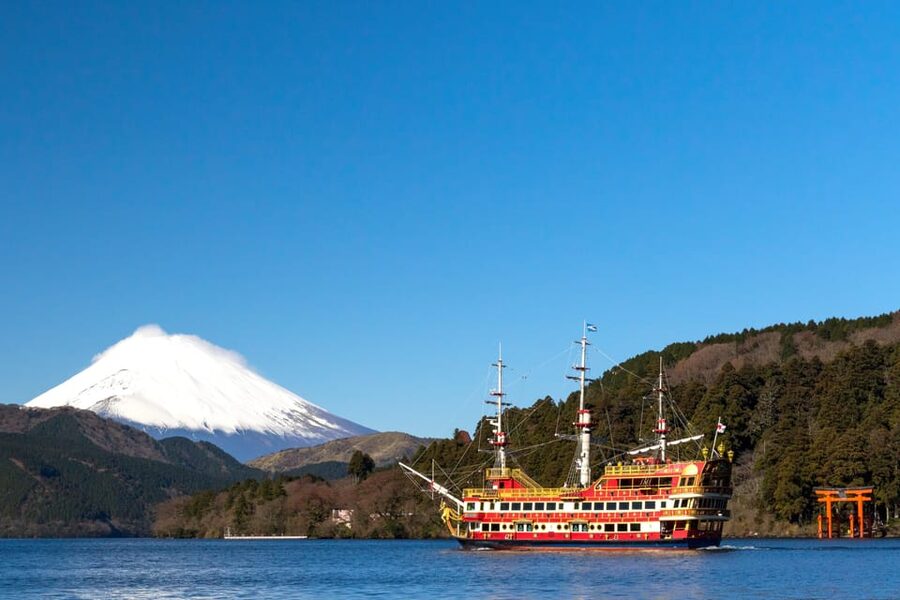
The bus is the central convenience. You travel from Tokyo to Hitachi, then to Mibu, then Ashikaga, and finally back to Tokyo without changing trains or finding local connections. Transportation and admission tickets are included, which makes the $98 price easier to assess.
For that amount, you are paying for a full day of transport, entry to two major flower parks, and a guide who manages the timetable. You still pay for meals, insurance, and personal purchases, but the core sightseeing costs are covered.
The value is strongest if you want both parks. Booking the sites separately may offer more control, but it also means handling long-distance transport and seasonal crowds yourself. The tour is less attractive if you care deeply about lingering at one garden, since the schedule must serve two destinations.
Traffic is a real part of the calculation. Japanese law limits vehicle operation to 10 hours, and the guide may adjust the plan when road conditions, weather, or the season require it. Drop-off can also run late during peak periods. Do not schedule a tight dinner reservation or an evening train connection after the advertised return.
The return route takes about 110 minutes by bus under the planned schedule. You are dropped at the same general options, Starbucks Coffee at Shinjuku L Tower or Tokyo Station, though the exact meeting and drop-off arrangement depends on the option you book.
Guides, timing, and the small details that matter
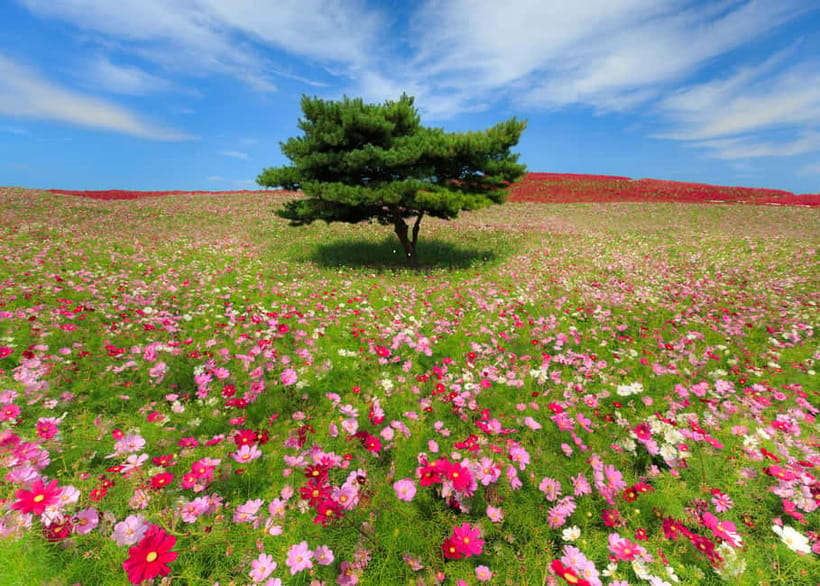
The tour offers live guiding in English or Korean. Recent departures have included guides named Gilbert, Miss Park, and Miss Kim. Gilbert was especially noted for clear information, friendly support, and keeping the group moving during difficult Golden Week traffic.
That matters on a day like this. The most useful guide service is not a long lecture at every flower bed. It is clear advice about where to go, when to return, and how to avoid missing the bus. You will have free time at both parks, so the guide’s timing instructions are important.
A reminder email is sent one day before departure between 3:00 PM and 5:00 PM. It includes a group-chat link for contacting the tour staff. If you do not see it, check your spam or junk folder.
The meeting point can vary according to the option booked. Check the confirmation carefully rather than assuming you are meeting at the closer Tokyo location.
Infants travel free but do not receive a seat. If you plan to bring a stroller or wheelchair, inform the operator in advance. The supplied information does not promise that every part of the park route will be easy for mobility equipment, so advance notice is sensible.
The tour allows free cancellation up to 24 hours before departure and offers reserve-now, pay-later booking. Those terms are useful when spring bloom dates are hard to predict, but they do not change the need to check the actual flower timing before you commit.
Who will get the most from this day
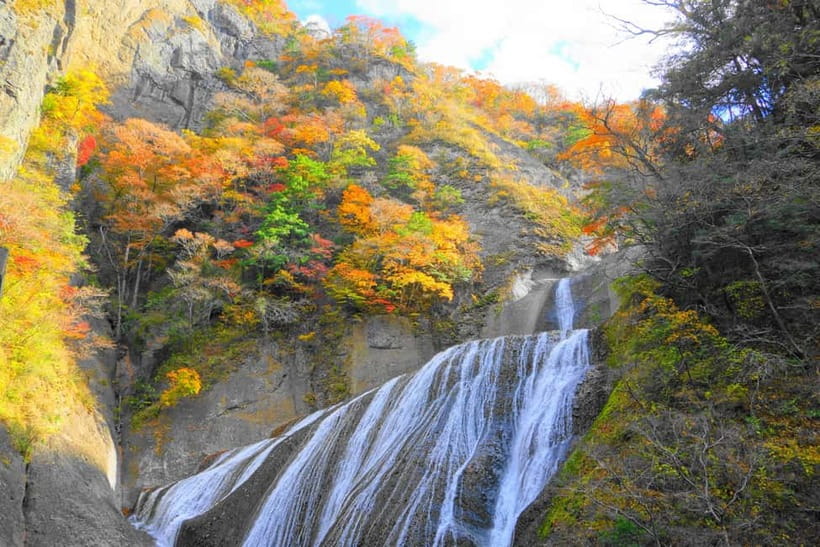
I would recommend this tour to you if you want Japan’s famous spring flowers without building a complicated regional itinerary. It suits first-time visitors based in Tokyo, photographers who want broad flower scenes, and families or couples who prefer a guided bus over several train changes.
It also works well if you want variety. Hitachi gives you an open hill and a blue floral panorama. Mibu adds food and character displays. Ashikaga shifts the mood to shaded paths, hanging purple blooms, and a white flower tunnel.
You should think twice if you dislike long bus rides or want to set your own pace. The day includes about five hours of major bus travel, and the two parks receive limited time. Independent visitors may prefer to spend a full day at Ashikaga or plan Hitachi around their own preferred bloom date.
This is also a seasonal purchase. The parks are worth visiting outside the best bloom period, but the tour’s strongest case is the spring combination of nemophila and wisteria. Check availability and likely bloom conditions before booking, since the stay at each site can change with the season and on-site situation.
Should you book this Tokyo flower tour?
Book it if you want two major spring gardens in one day and value an organized ride from Tokyo more than a slow, flexible schedule. The $98 price is fair for transportation, admissions, and guiding, especially when you consider the distance between the parks.
The clearest reason to book is the pairing of Hitachi’s blue Miharashi Hill with Ashikaga’s Great Wisteria. The clearest reason to skip it is the limited time at each place, especially Ashikaga.
If you can accept an early start, possible traffic delays, paid lunch, and a long return ride, this is a practical way to see an unusually beautiful part of Honshu. If the wisteria is your single priority, choose a plan that gives you longer at Ashikaga.
FAQ
How long does the Tokyo flower tour last?
The tour lasts between 690 and 750 minutes, depending on the departure option and conditions. That is roughly 11.5 to 12.5 hours.
Where can I meet the tour?
There are two listed starting locations: Starbucks Coffee at Shinjuku L Tower and Tokyo Station. The exact meeting point may vary according to the option you book.
What languages are available for the guide?
Live guiding is available in English and Korean.
Are admission tickets included?
Yes. Transportation, the English or Korean-speaking guide, and admission tickets are included.
Is lunch included in the price?
No. Meals are not included. You have free time to buy food and desserts at Mibu Michi no Eki, and the exact lunch arrangement may depend on the day’s schedule.
How much time is provided at Hitachi Seaside Park?
The planned visit at Hitachi Seaside Park is about two hours, including sightseeing, photographs, and free time.
How much time is provided at Ashikaga Flower Park?
The planned visit at Ashikaga Flower Park is about 110 minutes.
Can I cancel the booking?
You can cancel up to 24 hours before departure for a full refund. The tour also offers a reserve-now, pay-later option.
Newly reviewed around Tokyo
- Ueno and Yanaka Culture Art Walking Tour in Old Tokyo★ 5.0 · 5 reviews
- Sumo Training Watching Experience in Tokyo★ 4.5 · 8 reviews
- Giant Sushi Cooking Class: Make a 1.5m Sushi Roll in Tokyo★ 5.0 · 9 reviews
- 2 Hours Mochi &Nerikiri Making & Matcha Class in Bunkyo★ 5.0 · 21 reviews
- Japanese Sweets (Mochi & Nerikiri) making at a Private studio★ 5.0 · 22 reviews
- Half-Day Local Tokyo Tour in Adachi Market and Shibamata★ 5.0 · 16 reviews
- Private Full-Day Tour of Tokyo with Hotel Pickup★ 5.0 · 3 reviews
- Mt Fuji and Kawaguchiko Private Tour★ 5.0 · 10 reviews
Tours, compared.
Mt Fuji and Hakone 1-Day Bus Tour Return by Bullet Train
Read our review →
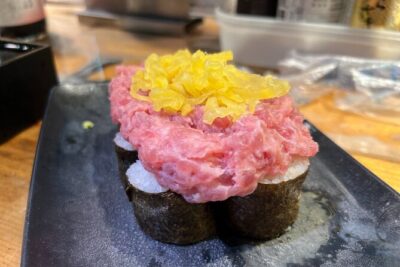
Shinjuku Food Tour (13 Dishes at 4 Local Eateries)
Read our review →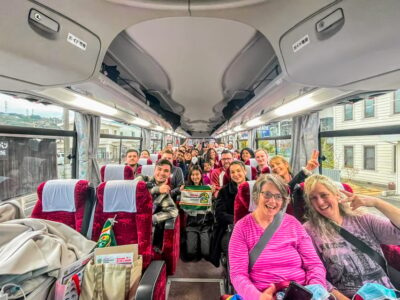
Tokyo Mt Fuji 5th St & Hakone Cruise Bus Tour w/Bullet Train
Read our review →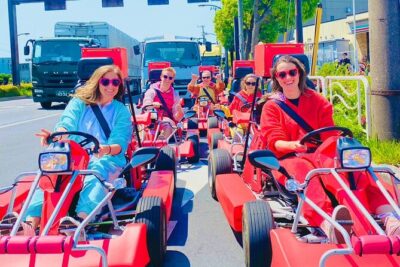
Flagship 2-Hours Official Street Go-Kart Tour – Tokyo Bay Shop
Read our review →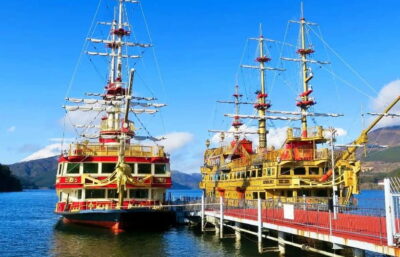
Mt. Fuji Tour, Hakone Ropeway, Owakudani, Lake Ashi
Read our review →
Tokyo 6hr Private Tour with Government-Licensed Guide
Read our review →