
Reviewed · TOKYO BIKE TOURS
Tokyo: Private Cycling Tour with cute E-bike
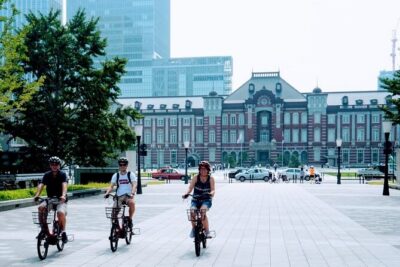
Tokyo reveals itself differently from a bike seat. On this private ride, you move from polished Ginza streets to old shrines, Imperial Palace gates, and the food-focused lanes around Tsukiji. The small-wheel electric bike makes gentle slopes manageable, while your guide can adjust the route for photo stops, souvenirs, or places you especially want to see.
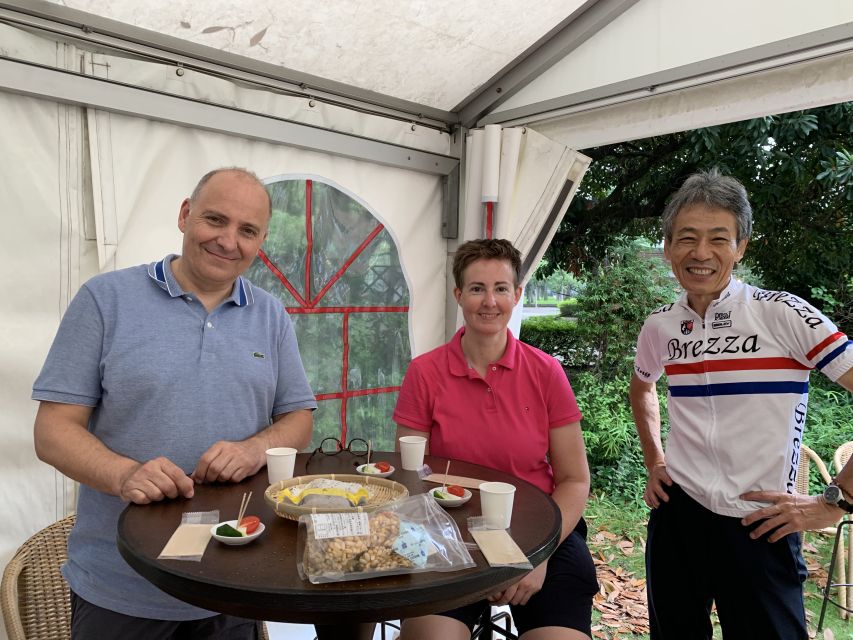
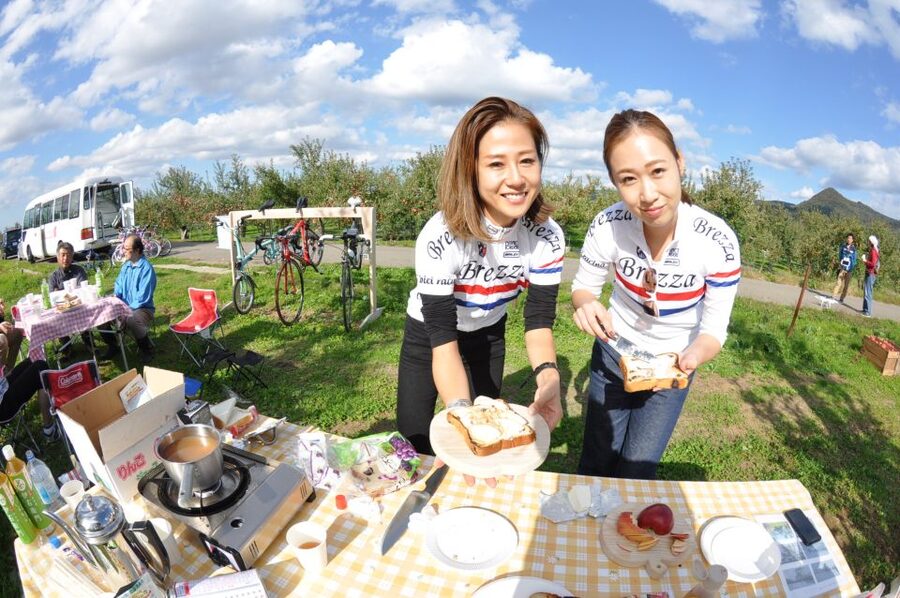
I like the personal pace and the generous food touches: Japanese sweets with green tea, plus bread from Ginza’s well-known Kimuraya bakery. I also like the practical care shown by guides such as Brezza and Hiro, including help in the rain and quick repairs when needed. The main consideration is traffic: you are cycling in central Tokyo, so you need to feel comfortable sharing streets with cars and other bikes.
Key points at a glance
- A private ride for up to four people: You get a guide and route shaped around your small group rather than a large cycling procession.
- The 20-inch e-bike suits Tokyo: Its compact size helps with the city’s narrow bicycle parking spaces, and electric assistance helps on gentle slopes.
- Tokyo’s contrasts arrive quickly: Ginza, traditional shrines, Imperial Palace gates, the waterfront, and Tsukiji can all fit into one outing.
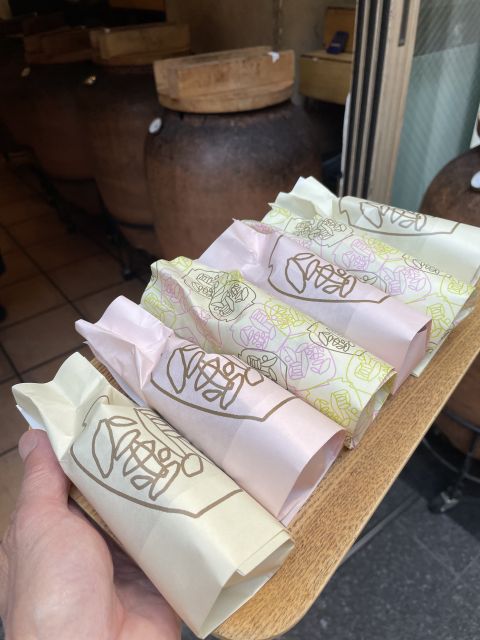
- Food is part of the experience: Japanese sweets, green tea, and bread from Kimuraya in Ginza give the ride a pleasant local break.
- Brezza and Hiro are named guides: English and Japanese guiding is available, with safety advice and local restaurant suggestions included in the experience.
- Weather and minor problems are handled practically: Rain gear and towels have been supplied, and one guide repaired a puncture in under ten minutes.
Why a bicycle changes your view of Tokyo
Tokyo’s train system is superb, but it can make the city feel like a string of underground stations. A bicycle connects those stations. You see the shift from one neighborhood to another, notice the architecture between major sights, and stop without having to find a platform or navigate a crowded transfer.
This is not a long-distance athletic ride. The electric assist takes pressure off your legs, and the 20-inch small-wheel design is intended for city use. The compact bike matters in Tokyo, where bicycle parking can be tight. You are still pedaling, but the motor helps when the route includes a modest incline.
The tour is private, limited to your group of up to four. That changes the rhythm in useful ways. You can ask your guide to pause for a picture, spend longer at a shrine, or make room for a souvenir stop. You can also ask about restaurants after the ride, a service that several guides have provided.
The listed duration is four hours, while the fuller description says about four and a half hours including pickup time. Confirm the exact starting time and length when you book. The pickup is included, and you should wait in your hotel lobby five minutes before the scheduled time.
More Tokyo bike tours:
- Tokyo Great Cycling Tour
★ 5.0 · 811 reviews - Tokyo Top Highlights 3h Guided E-bike Tour
★ 5.0 · 714 reviews - 3h Tokyo E-Bike Tour: Hidden Gems, and Local Life with guide
★ 5.0 · 670 reviews
From Ginza bread to Tokyo’s polished center
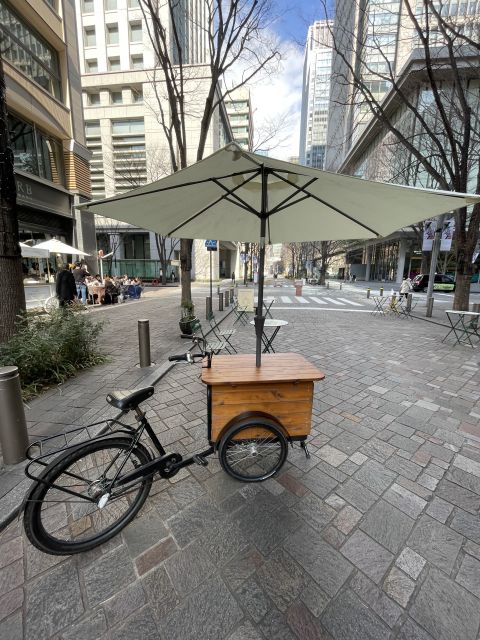
Ginza gives the ride an elegant opening or middle section, depending on the day’s route. This is Tokyo at its most polished, with broad streets, department stores, luxury shopping, and carefully maintained facades. You are not simply passing through on foot. On a bike, you cover more ground while remaining close enough to notice the smaller details.
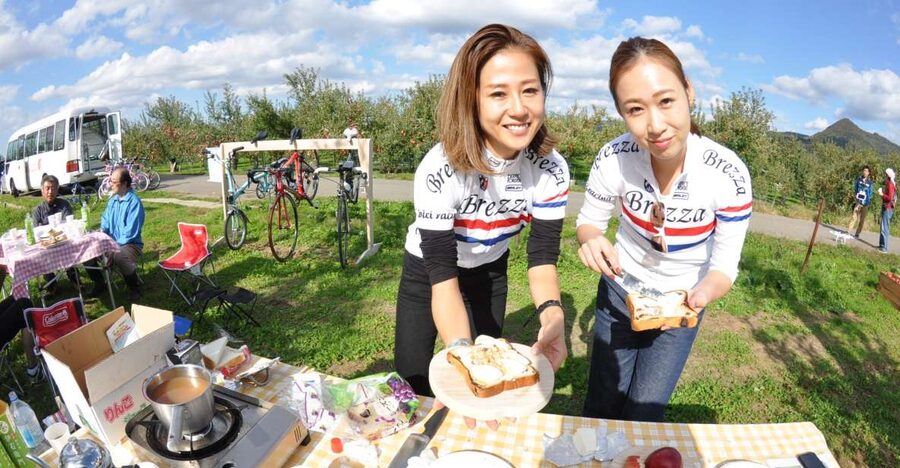
The food stop adds a welcome local touch. The tour includes bread recommended from Kimuraya, a popular Ginza bakery. It also includes Japanese sweets and green tea for a picnic break. These inclusions are modest, but they make the outing feel more personal than a simple sightseeing loop.
Do not expect a full meal. The food is better understood as a tasting break or light refreshment. If you need lunch, the guide can introduce and make reservations at designated restaurants. That can be useful in central Tokyo, where choosing a place during a short visit can take more time than expected.
Ginza is also a practical place to ask about Japanese food. The guides can recommend restaurants after the activity, and one guide helped point a rider toward several excellent local places. Treat those suggestions as an extra benefit, not a formal restaurant tour.
Imperial Palace gates and old Tokyo traditions
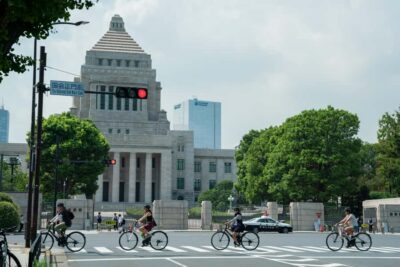
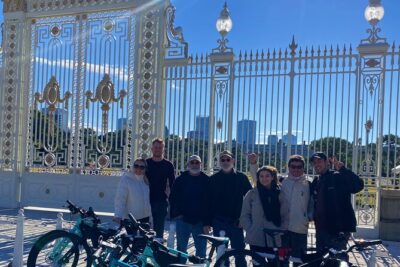
The Imperial Palace area offers a strong contrast with Ginza. The palace grounds are associated with Japan’s imperial institution, but the part that matters most on this ride is the sense of space, formal gates, and carefully ordered surroundings. Your guide can explain what you are seeing while keeping the bike route moving.
The tour also includes shrines connected with the traditions of Edo culture. Edo was the former name of Tokyo, and these stops help you see an older layer beneath the modern city. A shrine visit is usually quieter and more focused than the commercial districts, so it gives the ride a useful change of pace.
The exact shrines and order of stops are not fixed in the information provided. That is not necessarily a problem. The tour has a basic course, but the guide can include places you want to visit if time and the route allow. Tell the guide early if the palace area, shrines, flowers, or food markets matter most to you.
This flexibility is one of the strongest reasons to choose a private tour. A standard group route has to keep everyone moving. Here, a stop for pictures or a brief look around can be built into the day, although no request is guaranteed if it would disrupt the timing.
Tsukiji and the food side of Tokyo
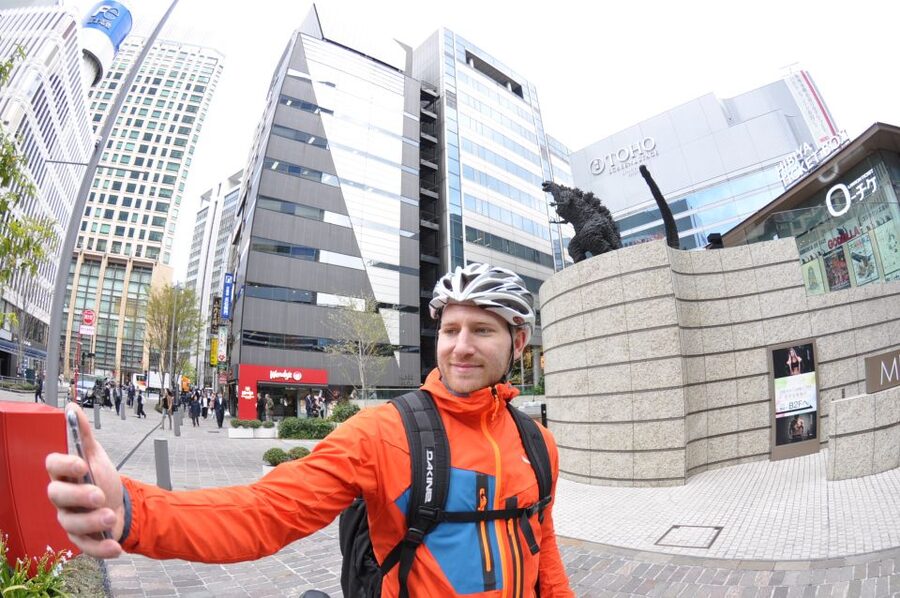
Tsukiji brings a more practical, food-centered side of the city. The market area is known for seafood and small food businesses, and it feels different from the ordered streets of Ginza or the formal palace surroundings. Cycling lets you approach the district as part of a larger city route rather than treating it as an isolated attraction.
The ride does not promise a full market tasting program. Instead, Tsukiji is one of several Tokyo districts included in the route. That distinction matters if you are booking mainly for food. You will see the market area, but you should ask the guide how much time is planned there and whether a restaurant stop can be arranged.
The private format helps here. You can explain that Tsukiji is your priority, or that you would rather spend more time at a shrine or by the water. The guide can adjust the itinerary when time and traffic permit. You still need realistic expectations: four hours cannot cover every major Tokyo district in depth.
A completely different kind of day in Tokyo:
- Mt Fuji and Hakone 1-Day Bus Tour Return by Bullet Train
★ 5.0 · 26,383 reviews - 1-Day Tokyo Bus Tour
★ 5.0 · 14,250 reviews - Tokyo: teamLab Planets TOKYO Digital Art Museum Entry Ticket
★ 4.6 · 9,779 reviews - Mt Fuji & Hakone Cruise, Drum Show Bullet Train 1 Day from Tokyo
★ 4.0 · 7,413 reviews
Seasonal flowers and the waterfront
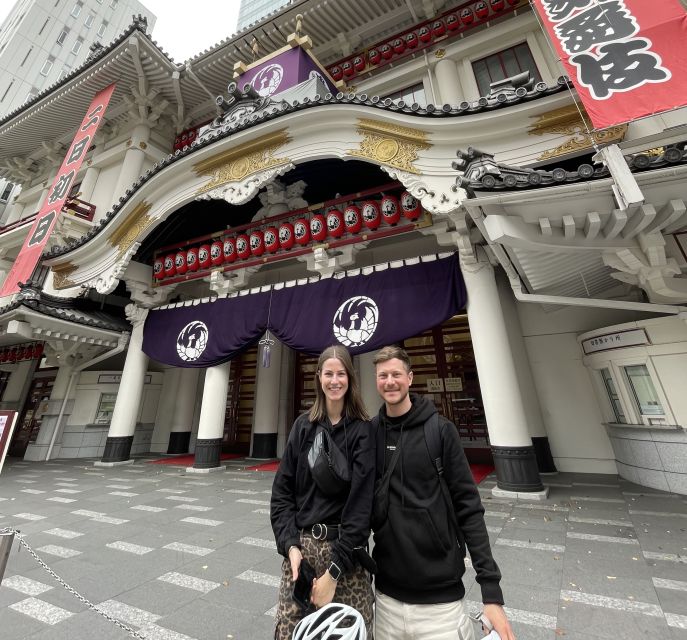
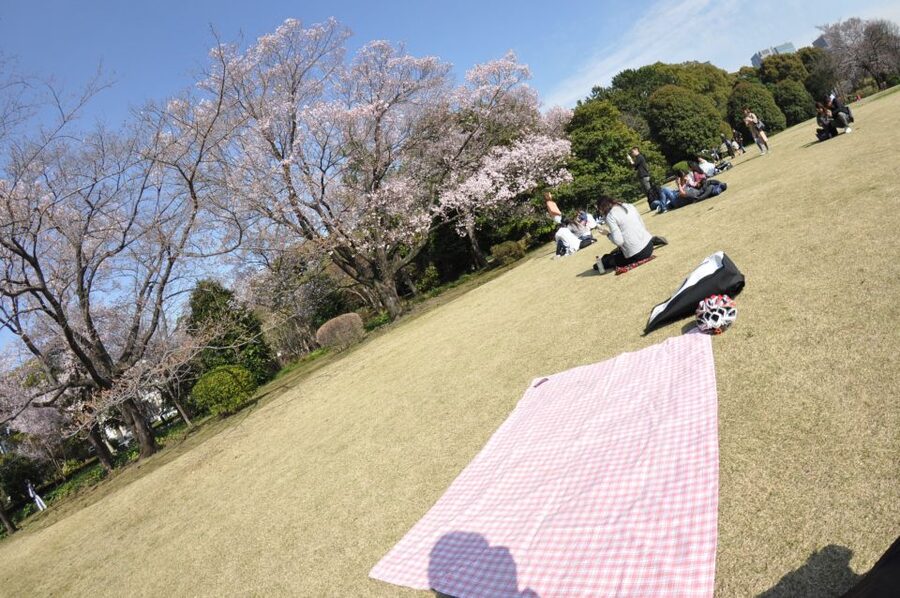
Flowers are part of the appeal throughout the year, and the route is designed to show Tokyo’s seasonal character. The information does not specify a guaranteed flower location or exact bloom dates, so I would treat this as a seasonal theme rather than a fixed botanical stop.
A waterfront section may also be included. One route described cycling around Tokyo Bay and through Tsukiji and Ginza. A riverside picnic has also been part of the experience, with tea and a small food spread. These open stretches provide a welcome pause after city streets and give you a chance to enjoy the bike rather than simply use it to reach the next sight.
Weather can affect this part of the outing. Rain gear and towels have been supplied when conditions turned wet, which shows practical preparation. Still, you should dress for Tokyo’s forecast and understand that a cycling tour is more exposed to rain, heat, and cold than a museum visit.
What riding the cute e-bike is really like
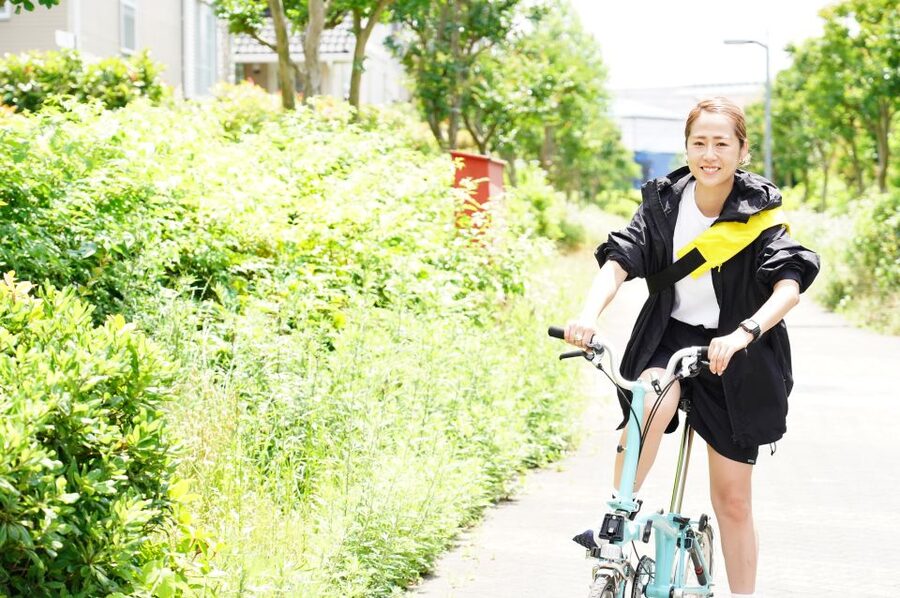
The included bike is a casual, small-wheel electric-assist model. The tour information describes it as a sports bike made in Italy, with a 20-inch wheel chosen partly because Tokyo’s bicycle parking spaces are narrow. You also receive a helmet and gloves.
The electric assist is useful on weak slopes, and it allows the guide to use streets that ordinary cycling tours may avoid. That does not mean the bike does all the work. You still need to pedal, steer, watch the road, and follow safety instructions.
One rider described the ride as easy even for a novice. That is encouraging, but it should not be read as a guarantee for every person. You should be comfortable operating a bicycle before booking, particularly because the tour uses central Tokyo streets. Ask the provider about any personal concerns before you reserve.
The bikes also make the tour feel less formal than a racing-style cycling excursion. You are not expected to bring athletic equipment or chase a fast pace. The emphasis is on seeing Tokyo, stopping when useful, and letting the electric motor handle part of the effort.
Safety, traffic, and the guide’s role
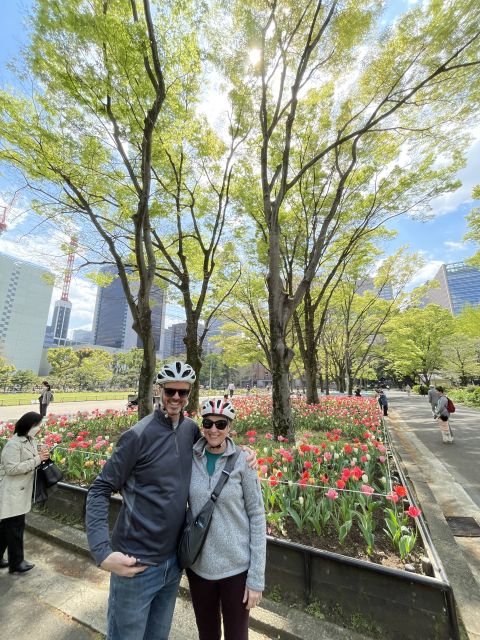
The guide is not just there to point at landmarks. The guide leads you through city streets, helps you ride safely, and keeps the group together. That matters in Tokyo, where a route can move from quiet shrine approaches to busy commercial roads in a short distance.
Brezza is the named experience provider and has led rides for international visitors. Hiro is another guide associated with the tour, praised for attentive safety guidance, local explanations, and a friendly manner. English and Japanese are available.
The strongest practical example of guide support came when a bike suffered a puncture. The guide changed the tire in less than ten minutes, allowing the group to continue. That is the kind of small problem that can ruin a private outing if nobody knows how to handle it. Here, the response was quick and useful.
Rain preparation has also been sensible, with clothing and towels provided when needed. Even so, do not assume every weather problem will be solved on the spot. Wear comfortable clothes, bring anything you personally need, and accept that the route may feel different in poor conditions.
What the $318 group price buys you
The price is $318 per group of up to four people, not per person. For four riders, that works out to about $79.50 each. For two riders, the effective cost is $159 per person, so the value depends heavily on group size.
At the full four-person capacity, the price compares favorably with a private half-day experience that includes bikes, helmets, gloves, pickup, a guide, snacks, and route planning. You are also paying for the guide’s ability to adjust the outing and handle practical issues such as a puncture or sudden rain.
For a couple, the price is harder to justify if you want a basic bicycle rental. This is not a rental. It is a guided city experience with hotel pickup, English or Japanese support, food touches, and local recommendations. If safety in unfamiliar streets and a tailored route matter to you, the higher cost has a clear purpose.
The best value comes when all four spaces are filled, especially if your group wants more than a checklist of sights. Families or friends who would rather avoid a large group may find the fixed group rate easier to accept.
Who will enjoy this ride most
I would choose this tour if you want to see several central Tokyo areas in one compact outing and prefer active sightseeing to a bus or walking tour. It is especially well suited to a small group that values privacy, photo stops, and the ability to request a few priorities.
It also suits a first visit because the route combines several faces of the city: modern Ginza, traditional shrines, Imperial Palace gates, a major market district, and possibly the waterfront. You get orientation without spending the whole day underground on trains.
Repeat visitors can benefit too. One rider who had already visited Tokyo several times still found the bicycle experience interesting. The bike changes the scale of the city and offers a way to connect familiar districts.
I would think twice if you dislike urban cycling, need a fully fixed sightseeing schedule, or want a specialized food tour focused only on Tsukiji. The route is flexible, but that means the exact balance of sights depends on timing, traffic, weather, and your requests.
Booking details worth checking before you go
You can cancel up to 24 hours in advance for a full refund, and the reserve-now, pay-later option keeps your plans flexible. Check available starting times because the tour is offered at set times rather than as an open-ended rental.
Pickup is included. Wait in your hotel lobby five minutes before the scheduled pickup time. If traffic delays the pickup car, the provider will contact you by text message.
The experience is private and accepts up to four people per group. Ask about the exact route if you have one essential stop, since the basic course can include requested locations only when time and the itinerary allow.
Should you book this Tokyo cycling tour?
Book it if you want an active, personal way to connect Ginza, Tsukiji, shrines, palace gates, and the waterfront, and if you like having a guide who can explain the city while keeping you safe. The tea, sweets, and Kimuraya bread are small but thoughtful additions, and the electric bikes make gentle slopes less intimidating.
I would book most confidently for three or four people, when the group price offers the best value. Ask about the planned route, total time including pickup, and your top priorities before setting out. If you are comfortable on a bike and want to see Tokyo at street level, this is a practical and memorable choice.
FAQ
How long does the Tokyo cycling tour last?
The activity is listed as four hours. The fuller description says about four and a half hours including pickup time, so confirm the exact timing when you book.
How many people can join the private tour?
The price covers a private group of up to four people.
What kind of bicycle is provided?
You receive a casual, cute small-wheel electric-assist bike. It uses a 20-inch wheel, chosen in part because bicycle parking spaces in Tokyo are narrow. The bike is described as a sports bike made in Italy.
Are helmets and gloves included?
Yes. The tour includes a helmet and gloves.
Is hotel pickup included?
Yes. You should wait in your hotel lobby five minutes before the scheduled pickup time. A text message will be sent if the pickup car is delayed by traffic.
Which languages can the guide speak?
Live guiding is available in English and Japanese.
What food and drinks are included?
The picnic includes popular Japanese sweets and green tea. The experience also includes recommended bread from Kimuraya bakery in Ginza.
Can the route include places I want to visit?
The tour has a basic course, but requested locations can be included when time and the itinerary allow.
What is the cancellation policy?
You can cancel up to 24 hours in advance for a full refund. You can also reserve now and pay later.
Newly reviewed around Tokyo
- Tokyo Asakusa:Calligraphy & Make T-shirt Activity★ 5.0 · 62 reviews
- Intercity Shuttle, Tokyo to Haneda /Narita /Yokohama /Makuhari★ 5.0 · 5 reviews
- 1 Hour Travel around Tokyo with a Professional Photographer★ 5.0 · 3 reviews
- Travel Tokyo with Your Own Personal Photographer★ 5.0 · 43 reviews
- Train in Samurai Swordsmanship and Defeat the Demon in Tokyo★ 5.0 · 5 reviews
- Shuttle Van 6hr Tokyo Tour to-and-from Tokyo, Yokohama and Narita★ 5.0 · 9 reviews
- Kickboxing & Body Training with EX-Pro Fighter★ 5.0 · 4 reviews
- Traditional Japanese Knife Sharpening Class★ 5.0 · 18 reviews
Tokyo Bike Tours, compared.
3h Tokyo E-Bike Tour: Hidden Gems, and Local Life with guide
Read our review →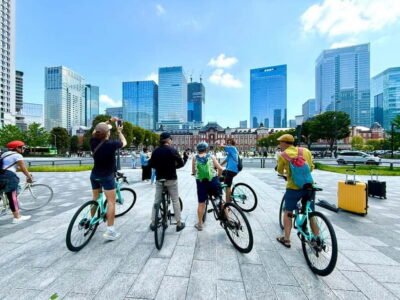
3-hour Guided E-Bike Tour of the City’s Hidden Gems
Read our review →
3-Hour Bike/E-Bike Tour of the City’s Highlights
Read our review →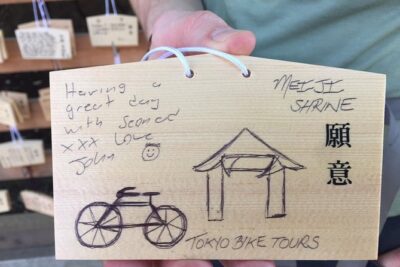
Browse the lists this tour appears in