Reviewed · TICKETS
Tokyo Metro Subway Ticket
Tokyo becomes much easier when you can step into a station, ride across town, and skip the ticket-buying routine. This pass works on Tokyo Metro and Toei subway lines, giving you broad coverage of central Tokyo for one, two, or three days.
I like the simple QR redemption and the freedom to board and leave at any station covered by the pass. I also like the clean, punctual system, with frequent trains and English signs that help you keep moving.
The main drawback is price. At $8.85 per person, the pass may be convenient, but one customer found it almost twice the regular cost. Delivery timing can also cause stress if your QR code does not arrive by the promised day.
Key points to know before you buy
- Two subway networks in one pass: Ride Tokyo Metro and Toei subway lines, not just one company’s trains.
- Choose one, two, or three days: The ticket is useful when you plan several subway trips in a short period.
- Redeem the QR code at a station: Scan it at a gray ticket vending machine or exchange it at a counter.
- Bring your passport: A valid photo ID or passport must be shown at the entrance.
- Watch the email deadline: The QR code is scheduled to arrive by email one day before your selected date.
- Check the price against the regular fare: Convenience is the main benefit, but this pass may cost more than buying locally.
What this Tokyo subway pass actually covers
This is not a guided sightseeing tour. You do not meet a guide, follow a set route, or visit attractions as part of a group. Instead, you receive a pass that lets you use Tokyo Metro and Toei subway lines during the period printed on the ticket.
That distinction matters. The value comes from transport freedom, not from commentary or reserved access. You choose where to go, how long to stay, and when to return to the station.
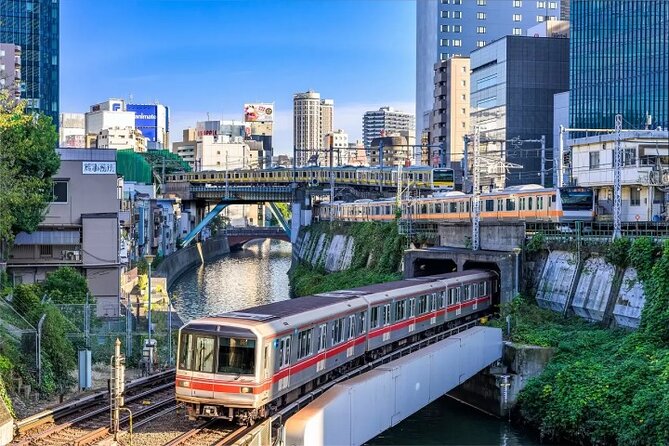
The pass covers the Tokyo Metro and Toei subway networks. Together, these lines connect many of the city’s main areas, landmarks, and neighborhoods. You can enter and leave at any station on those two networks, which is useful when your day includes several stops.
You should not treat it as an all-purpose Tokyo rail pass. The supplied details specifically name Tokyo Metro and Toei subway lines. Other rail operators are not listed as included, so check your route before assuming every train in the city is covered.
More Tokyo tickets and entries:
- Tokyo: teamLab Planets TOKYO Digital Art Museum Entry Ticket
★ 4.6 · 9,779 reviews - Tokyo: Hop-On Hop-Off Sightseeing Bus Ticket
★ 3.9 · 4,207 reviews - Tokyo: Japanese Dance Cabaret Theater Asakusa-Kaguwa Ticket
★ 4.8 · 2,270 reviews
Redeeming the QR code at a Tokyo station
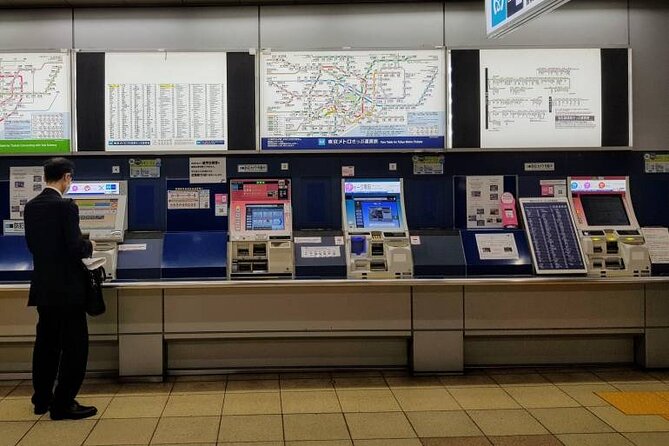
The practical process is fairly simple. You receive a QR code by email, usually one day before the selected travel date. You can display it on your smartphone, so printing is not required.
At a station, scan the voucher at a gray ticket vending machine to receive the physical metro ticket. If the machine gives you trouble, you can take the voucher to a station counter and ask staff to exchange it there.
This is one of the strongest parts of the arrangement. Buying a multi-day subway ticket at a station can be less convenient when you are tired, carrying luggage, or trying to work out the ticket machine for the first time. Having a QR code ready gives you a clear starting point.
Still, do not leave the redemption until the last minute. A customer had not received the code by the expected time and had to message the company. It arrived a few hours later, but that sort of delay can make your first morning in Tokyo needlessly tense.
Save the email before leaving your hotel. A screenshot may be useful if your connection is poor, though the stated requirement is simply that you bring a device displaying the QR code or a printed copy.
How the one, two, and three-day options work
You choose a ticket for one, two, or three days. The pass does not appear to begin merely because you bought it. The expiration time is printed on the physical ticket when you pass through the gate.
That detail is important. Once you collect the ticket, read the printed expiration information before planning the rest of your visit. Do not assume that a three-day ticket always gives you three full calendar days from the moment of purchase.
The one-day version makes sense if you expect a packed schedule with several subway rides. It is also the least risky choice if your plans may change, since you are not paying for extra days you might not use.
The two-day and three-day versions are more useful when you are staying in Tokyo and expect to ride repeatedly. A multi-day pass can spare you from buying separate tickets for each trip, but the financial benefit depends on your route and the regular fares you would otherwise pay.
I would map your planned journeys before purchasing. Count your likely subway rides, then compare the normal total with the pass price. The $8.85 cost is attractive if you value speed and simplicity, but the pass is not automatically the cheapest option.
What riding Tokyo Metro and Toei lines is like
The system’s main strength is reach. Tokyo Metro and Toei lines cover a large part of the city, so you can use the subway to connect several neighborhoods and sights without arranging a car or taxi for every move.
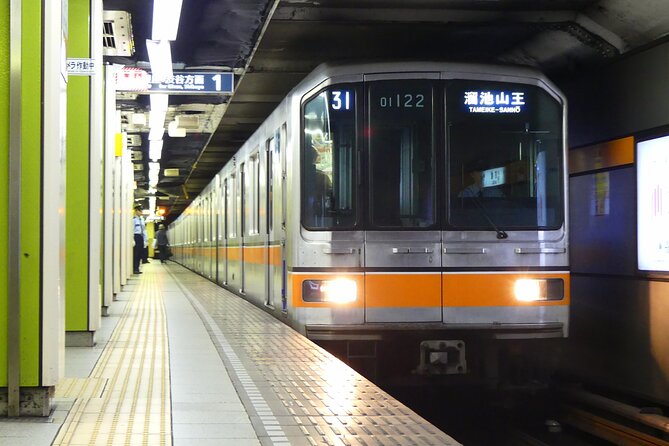
The trains are known for punctual service, frequent departures, and short waits. That helps you build a realistic day. If one station is crowded or you spend longer at a sight than expected, you are not tied to a tour group’s departure time.
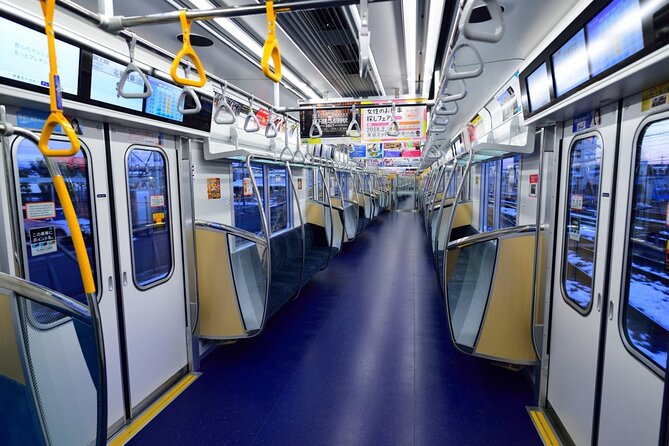
Clean stations and trains also make the system less tiring to use. English and Japanese signs help international passengers identify platforms and routes. You still need to pay attention to line names and station directions, but the multilingual signs give you a workable path through the network.
Safety is another practical advantage, including when you are returning later in the day. The information supplied describes the system as safe, though you should still use normal city awareness and keep track of your belongings.
The pass gives you freedom, but it does not explain the route for you. The included written guide is in English, not a live orientation. If you have never used Tokyo’s subway before, allow extra time for your first transfer and check the station signs carefully.
A completely different kind of day in Tokyo:
- Mt Fuji and Hakone 1-Day Bus Tour Return by Bullet Train
★ 5.0 · 26,383 reviews - 1-Day Tokyo Bus Tour
★ 5.0 · 14,250 reviews - Mt Fuji & Hakone Cruise, Drum Show Bullet Train 1 Day from Tokyo
★ 4.0 · 7,413 reviews - Tokyo: Shinjuku Food Tour (13 Dishes at 4 Local Eateries)
★ 5.0 · 6,603 reviews
Using the pass during a sightseeing day
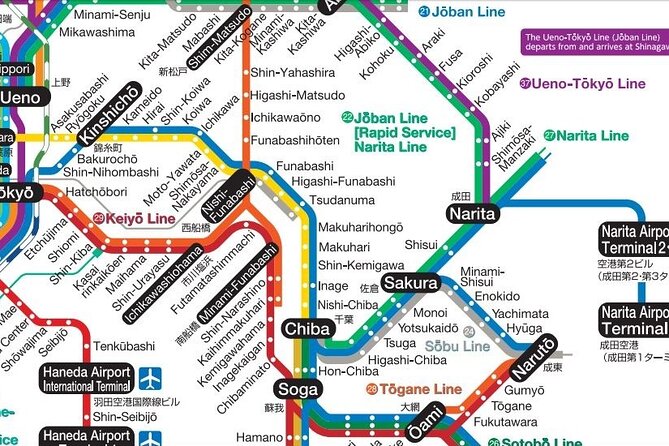
A good use of the pass is a day with several subway-based movements. You might begin in one part of Tokyo, ride to a landmark, continue to another neighborhood, and return by subway later. The pass lets you repeat this pattern without stopping to calculate each fare.
You can also use it when you are not sure how long you will stay at each stop. Since there is no fixed itinerary, you can leave a station, explore, and later choose another covered station without reporting to a guide or keeping pace with a group.
The wording says you can get on and off at whichever station you want on Tokyo Metro and Toei subway lines. In practical terms, that means the pass is best for independent sightseeing rather than a single direct journey.
There is no food or drink included, though that is not a major concern for a transport ticket. Plan your meals separately and use the subway pass only for its intended purpose.
Is $8.85 good value?
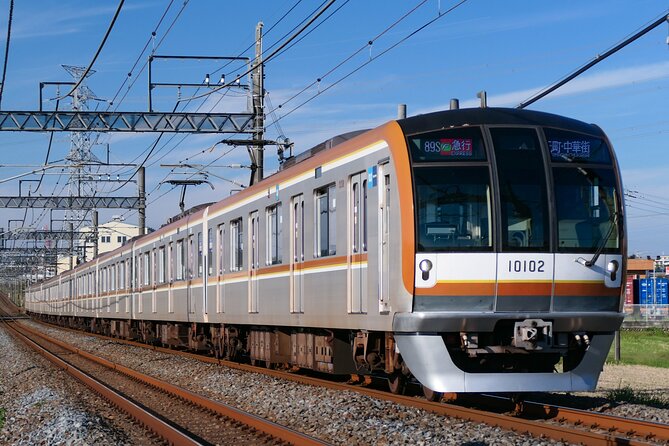
The answer depends on how much you ride and how much you value convenience. The listed price is $8.85 per person, which may be reasonable for a busy day of subway travel. If you make only one or two short rides, buying ordinary tickets may cost less.
The bigger concern is the comparison with local pricing. One customer reported paying almost double the actual cost of the pass through this booking channel. That does not make the ticket useless, but it changes what you are buying: mainly advance purchase and a ready-made voucher, rather than a guaranteed bargain.
I would compare the price with the official Tokyo Metro and Toei options before ordering. If the difference is small, the QR voucher may be worth paying for if you want to arrange transport before arrival. If the gap is large, buying the pass directly in Tokyo may offer better value.
There is also a convenience benefit for people who find station ticket machines confusing. One customer described the process as easy: scan the barcode at a gray machine, receive the physical ticket, and use it for the selected one, two, or three days.
That is the key trade-off. You pay for a smoother start, but you may pay more than the local price. I would not book it solely because it is advertised as a deal.
The most important arrival-day details
Bring your passport or another valid photo ID. The information says it must be shown at the entrance, so do not leave it locked in your luggage or hotel safe when you first use the pass.
Keep the QR code accessible. You can show it from your phone, and printing is optional. The code is supposed to arrive by email one day before the tour date, so check your inbox and spam folder before heading to the station.
If it has not arrived, contact the provider promptly rather than waiting until you are standing at the ticket machine. A delayed code was a real source of stress for one customer, even though it was later sent.
After exchanging the voucher, check the physical ticket. The expiration time will be printed on it when you pass through the gate. This is the information that should guide your plans, not simply the date you selected during booking.
The experience has a maximum group size of 20, but this is not a group tour in the usual sense. You are using an independent transport pass, so you should not expect a guide, a meeting point, or a shared sightseeing schedule.
Who should use this pass?
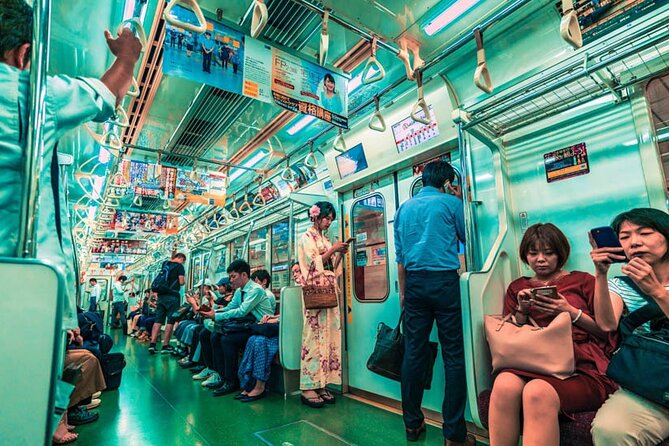
I would consider it for a first visit when you want to arrange transport before landing and expect to ride the subway several times over one, two, or three days.
It suits independent visitors who like to build their own schedule. You can move between covered stations without waiting for a tour group, and the English signage helps you handle the network on your own.
It is also a good fit if you dislike buying individual tickets throughout the day. The physical pass removes repeated fare decisions, which can be worth something after a long day of sightseeing.
I would be more cautious if you plan only a few journeys, mostly walk between nearby places, or want the lowest possible cost. In those cases, compare local ticket prices first.
The pass may also be less suitable if your plans depend heavily on rail operators outside Tokyo Metro and Toei. The coverage is broad, but it is not described as a ticket for every train in Tokyo.
Booking and cancellation cautions
This experience is non-refundable and cannot be changed after booking. If you cancel or request an amendment, the amount paid is not returned.
The stated policy also says the activity requires good weather and may be canceled because of poor weather, in which case you are offered another date or a full refund. That is an unusual condition for subway transport, so read the policy carefully before paying.
Do not book until your dates are firm. Also make sure the name and selected date are correct, since the pass cannot be changed for personal convenience after purchase.
My recommendation: convenience first, savings second
I would book this pass only after checking the regular Tokyo Metro and Toei price. It is a practical way to arrange a one, two, or three-day subway ticket in advance, and the QR redemption process sounds straightforward once the code arrives.
The strongest reasons to choose it are broad coverage across two subway systems, flexible independent travel, and less hassle at the station. The biggest reasons to skip it are the possible markup and the non-refundable terms.
If you expect many subway rides and prefer having a voucher ready before your trip, $8.85 may be a fair convenience charge. If saving money matters most, compare local prices and consider buying directly at a station.
FAQ
How long is the Tokyo Metro Subway Ticket valid?
You can select a ticket for one, two, or three days. The expiration time is printed on the physical ticket when you pass through the gate.
Which subway lines are included?
The pass can be used on Tokyo Metro and Toei subway lines. The supplied information does not state that other Tokyo rail operators are included.
How do I redeem the QR code?
Scan the voucher at a gray ticket vending machine to receive the physical metro ticket. You can also take the voucher to a station counter and ask staff to exchange it.
Do I need to print the QR code?
No. You can display the QR code on your smartphone. You may print it if you prefer, but a printed copy is not required.
When should I receive the QR code?
The QR code is scheduled to be sent by email one day before your selected tour date. Check your email and contact the provider if it does not arrive.
Do I need to bring identification?
Yes. Bring a valid photo ID or passport, since it must be shown at the entrance.
Newly reviewed around Tokyo
- Tokyo Asakusa:Calligraphy & Make T-shirt Activity★ 5.0 · 62 reviews
- Intercity Shuttle, Tokyo to Haneda /Narita /Yokohama /Makuhari★ 5.0 · 5 reviews
- 1 Hour Travel around Tokyo with a Professional Photographer★ 5.0 · 3 reviews
- Travel Tokyo with Your Own Personal Photographer★ 5.0 · 43 reviews
- Train in Samurai Swordsmanship and Defeat the Demon in Tokyo★ 5.0 · 5 reviews
- Shuttle Van 6hr Tokyo Tour to-and-from Tokyo, Yokohama and Narita★ 5.0 · 9 reviews
- Kickboxing & Body Training with EX-Pro Fighter★ 5.0 · 4 reviews
- Traditional Japanese Knife Sharpening Class★ 5.0 · 18 reviews
Tickets, compared.

teamLab Planets TOKYO Digital Art Museum Entry Ticket
Read our review →

Japanese Dance Cabaret Theater Asakusa-Kaguwa Ticket
Read our review →
Tokyo Skytree Admission Ticket with Tembo Deck and Galleria
Read our review →
‘Red Tokyo Tower’ Digital Amusement Park Ticket
Read our review →
Tokyo Sword Experience – includes Museum Ticket/Ninja Experience
Read our review →