
Reviewed · DESSERT TOURS
Tokyo: Hama-rikyu Gardens tour with Japanese Tea & Sweets
Hama-rikyu Gardens gives you a quiet look at old Tokyo beside the modern city. This small-group walk explains the garden’s Edo-period design, from its dry garden to its circular strolling garden, then settles you in for matcha and Japanese sweets.
I like the calm pace and the chance to understand why the garden looks the way it does, not just snap photos and move on. I also like the maximum group size of four, which should make it easier to ask questions and keep the walk personal.
The main drawback is value. At $85.84 per person, this is not a cheap garden visit, especially since the core walk lasts about 90 minutes and the extra stops are optional. You are paying for a guided cultural visit, tea, sweets, and a very small group.
Key points
- Hama-rikyu’s Edo setting: Walk through one of Tokyo’s largest daimyo gardens, created during the samurai era.
- Tea and sweets included: Matcha green tea and Japanese sweets are part of the tour price.
- Small group format: The experience accepts no more than four travelers.
- Guide Nori: Nori is specifically praised for being helpful during the relaxed garden walk.
- Optional city sights: Add the Advertising Museum Tokyo, Miyazaki’s giant clock, and Hibiya Shrine if time allows.
- Useful end point: The tour finishes at Shiodome Station, served by the Yurikamome and Toei Oedo lines.
Why Hama-rikyu works so well for a short Tokyo outing
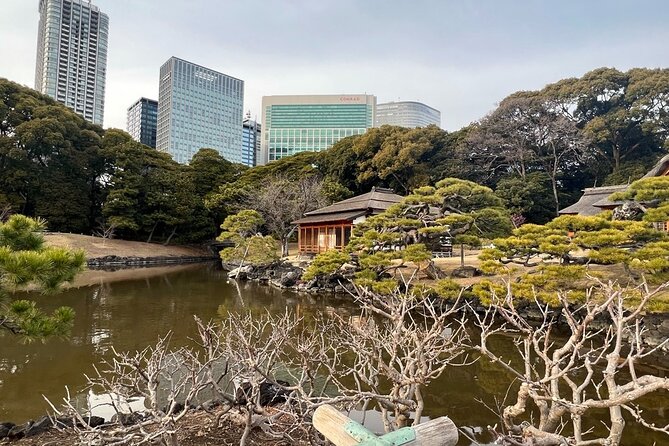
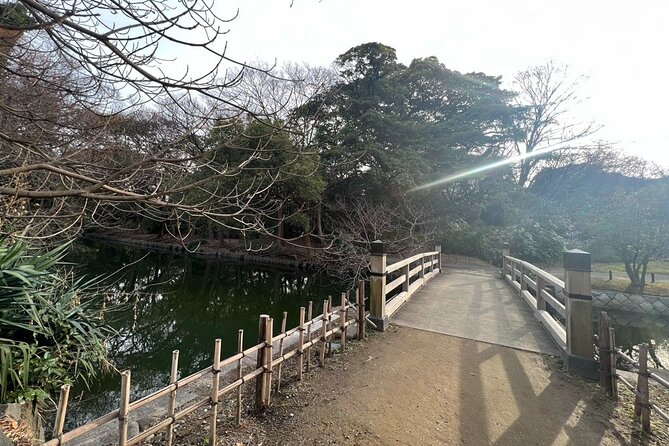
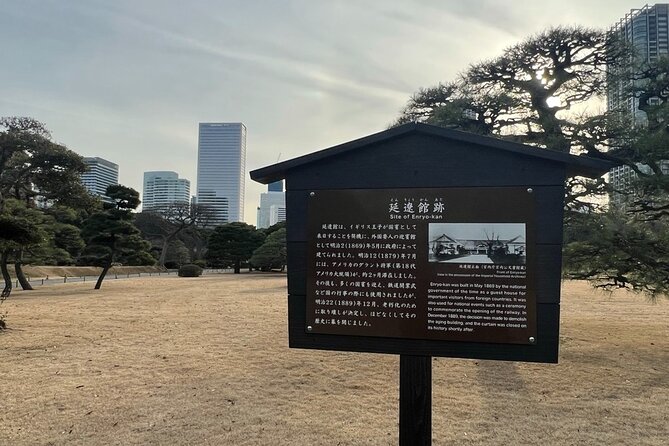
Tokyo can feel like a wall of buildings, signs, trains, and traffic. Hama-rikyu Gardens offers a sharp change of pace without taking you far from the city center. You walk through an old daimyo garden while office towers and modern transport lines remain part of the view.
That contrast is the real appeal. This is not a remote rural garden, and it does not pretend to be one. You see Japanese garden traditions set against present-day Tokyo. A guide helps connect those two worlds by explaining the garden’s past and the ideas behind its design.
The visit lasts approximately 1 hour 30 minutes to 2 hours 30 minutes. The shorter end covers the main garden walk and tea experience. The longer timing likely allows room for the optional stops, questions, photographs, and a more relaxed pace.
I think the tour suits you best if you want context. You can enter Hama-rikyu on your own, but the shapes, paths, trees, and water features may mean little without an explanation. Here, the guide points out the Karesansui dry garden and the Kaiyushiki circular garden, then explains how these features fit into Japanese garden culture.
More Dessert Tours in Tokyo:
- Matcha Making Class in Tokyo with Authentic Japanese Sweets Set
★ 5.0 · 744 reviews - Tokyo: Matcha Making Experience with Mochi Sweets in Asakusa
★ 4.9 · 388 reviews - Make Traditional Nerikiri Sweets & Matcha experience in Shibuya
★ 5.0 · 130 reviews
Entering through Otemon Bridge
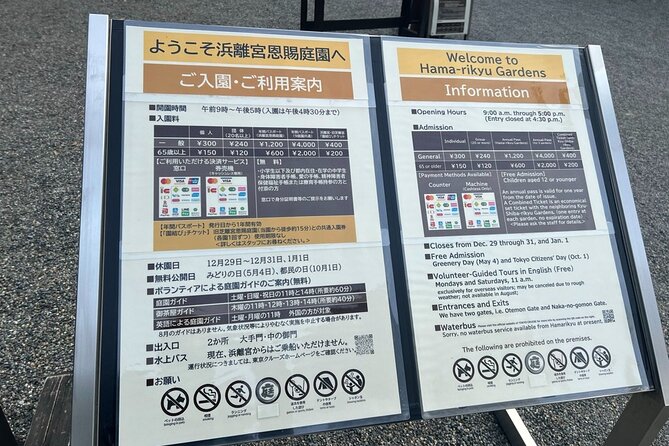
The meeting point is Otemon Bridge, at 8 Chome-21 Ginza in Chuo City. This puts you near the Ginza and Shiodome parts of Tokyo, rather than in a remote corner that requires a long trip.
You receive a mobile ticket, and confirmation comes when you book. The tour is near public transportation, but the provided details do not name a specific station for the starting point. Check the exact map pin and allow time to find Otemon Bridge before the start.
From there, the walk enters Hama-rikyu Gardens. Comfortable walking shoes are a sensible choice. The route is not described as difficult, and most people can take part, but you will be on your feet and moving outdoors for much of the experience.
The small group matters here. With a maximum of four people, the guide can keep the pace measured instead of herding a large crowd from one feature to the next. You can also ask why a certain garden element is arranged in a particular way, which is often where a garden tour becomes useful rather than decorative.
Hama-rikyu’s samurai-era garden design
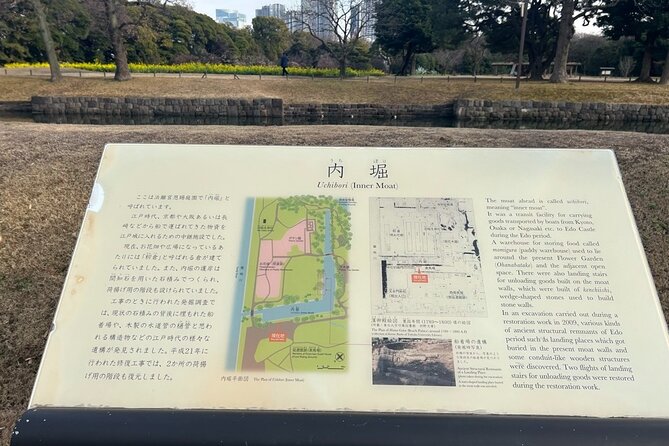
Hama-rikyu is described as Tokyo’s largest daimyo garden. Daimyo were powerful samurai lords, and during the Edo period from 1603 to 1868, they created large gardens within their estates.
That background gives the setting more weight. You are not simply walking through a public park. You are seeing a garden shaped by the social and political world of the samurai government. The garden’s size and formal design make more sense once you know who built such places and why they mattered.
The guide explains the garden’s history and design in detail. That may include how the main areas relate to traditional Japanese garden principles, though the exact walking route and commentary can vary.
The Karesansui is one of the named highlights. A dry landscape garden uses stone, gravel, and carefully arranged elements rather than flowing water as its main visual language. It rewards close attention. The appeal is in the placement and balance, not in a long list of attractions.
The Kaiyushiki garden is another key feature. This is a circular garden designed to be experienced along a path, with views changing as you walk. The name and form point to movement: you do not take in the whole garden from one fixed platform. Instead, the route reveals different angles and scenes.
That makes the guide’s role worthwhile. Without explanation, you may notice that the view changes. With context, you can understand that the changing view is part of the garden’s design.
Seasonal plants and quiet photo stops
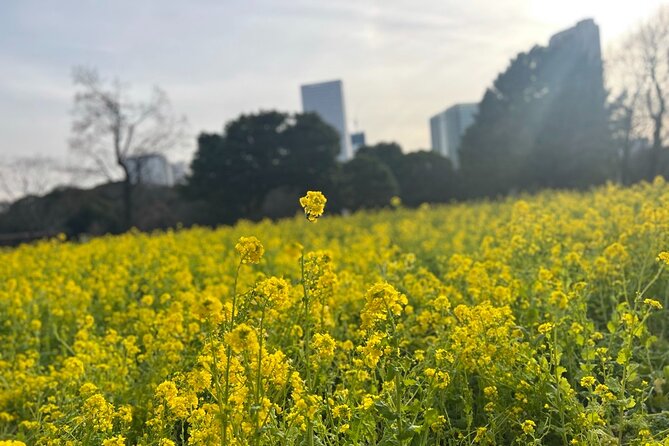
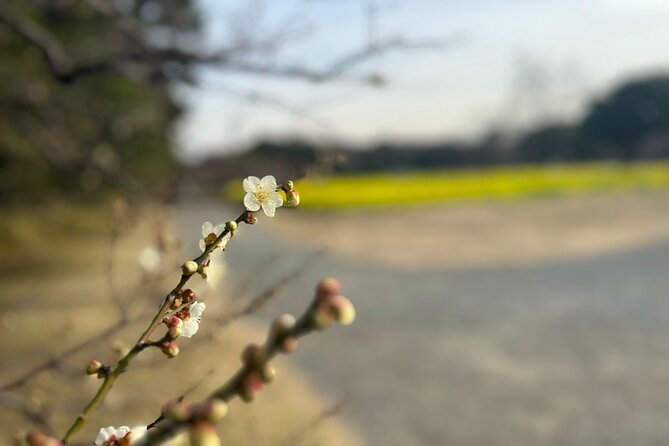
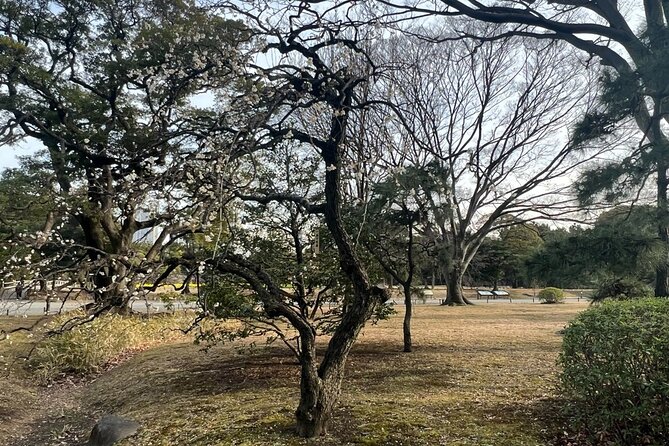
Hama-rikyu changes with the seasons. The plants and trees provide different colors and textures throughout the year, so the same walk will not look identical on every visit.
The tour encourages you to admire the garden and take pictures, but the main value is not simply collecting attractive images. The guide gives you a reason to pause. A tree, pond, path, or arranged section becomes part of a larger idea about how Japanese gardens direct attention.
Photography should fit comfortably into the visit, especially with such a small group. Still, you should avoid letting the camera turn the entire walk into a checklist. The garden’s details are easier to notice when you occasionally put the phone away and listen to the explanation.
The season also affects expectations. The supplied information does not promise a particular flower display or autumn color period, so do not book this tour for one exact plant or bloom. Book it for the garden’s changing character and the chance to understand its structure.
A completely different kind of day in Tokyo:
- Mt Fuji and Hakone 1-Day Bus Tour Return by Bullet Train
★ 5.0 · 26,383 reviews - 1-Day Tokyo Bus Tour
★ 5.0 · 14,250 reviews - Tokyo: teamLab Planets TOKYO Digital Art Museum Entry Ticket
★ 4.6 · 9,779 reviews - Mt Fuji & Hakone Cruise, Drum Show Bullet Train 1 Day from Tokyo
★ 4.0 · 7,413 reviews
Matcha and Japanese sweets inside the garden
The tea portion gives the walk a clear cultural finish. A tea ceremony room inside Hama-rikyu provides the setting for matcha green tea and Japanese sweets, and both are included in the tour fee.
This is more than a snack stop. Matcha and sweets give you a direct, simple way to connect the garden visit with Japanese customs. The sweet helps balance the strong, earthy taste of matcha, and the setting adds meaning to the pause.
The experience is not described as a full-length formal tea ceremony, so you should not book it expecting an elaborate multi-hour ritual or an advanced lesson in tea preparation. Think of it as a guided garden visit that includes a tea and sweets experience in a dedicated room.
I like this combination because it breaks up the walking. You get time to sit, taste something traditional, and reflect on what you have seen. It also makes the tour easier to recommend to someone who wants a cultural activity but does not want a full-day class.
Nori is the guide named in the available feedback, and the specific praise is practical: she was helpful and helped make the walk relaxed. That fits the format. A small-group garden visit works best when the guide provides useful context without rushing from point to point.
Optional stop: Advertising Museum Tokyo
The Advertising Museum Tokyo is listed as an optional stop lasting about 35 minutes. Admission is free.
This adds a modern counterpoint to Hama-rikyu. The museum focuses on changes in Japanese advertising over time and differences between Japanese and foreign advertising. After a garden shaped by the Edo period, you shift to posters, commercial messages, and changing visual culture.
The optional nature is useful. You can include it if you want more indoor content and have room in your schedule. You may prefer to skip it if your priority is the garden and tea, or if you want to continue exploring Ginza and Shiodome on your own.
Because the stop adds roughly 35 minutes, it helps explain the broad duration range. Ask at the start how the optional portion fits into the day. The provided details do not explain whether every optional stop is completed on every departure, so treat these as possible additions rather than guaranteed core features.
Optional stop: Miyazaki’s giant clock
The next optional sight is a large copper karakuri clock associated with Hayao Miyazaki, the Studio Ghibli animation director. It has a steampunk style, and when the time is up, lights, music, and moving parts bring it to life.
The stop lasts about 10 minutes and admission is free. It is a compact photo opportunity rather than a long museum visit. If you enjoy mechanical design, animation, or unusual city details, this should be a pleasant extra.
Timing matters. The clock’s movement happens at a set time, so you may not see the full display unless the schedule lines up with your visit. The information provided does not state the exact performance times. Ask the guide before counting on it.
This stop also changes the tone of the tour. Hama-rikyu asks you to look at controlled natural forms and old garden design. The clock brings in theatrical machinery and modern pop culture. That mix can make the walk feel more varied, but it may also feel less focused if you want only traditional garden culture.
Optional stop: Hibiya Shrine
Hibiya Shrine is another optional stop, lasting about 15 minutes with free admission. It sits in an office district and has around 400 years of history.
The shrine enshrines the god of agriculture and the god said to drive away impurity. That gives you another brief look at Japanese religious tradition, this time in a compact urban setting.
At 15 minutes, this is a quick visit, not a full shrine tour. It works well for you if you like adding small cultural sites to a walking route. If you are already planning several major shrines in Tokyo, it may feel less essential than the garden itself.
The three optional stops also show how this experience can serve different trip styles. You can keep it centered on Hama-rikyu, tea, and sweets, or use it as a short route through several contrasting parts of the city.
Is $85.84 a fair price?
The price is $85.84 per person. That is a noticeable amount for a tour lasting roughly two hours or less if you skip the optional additions.
The value depends on what you would otherwise do. If you only want to walk through Hama-rikyu and take pictures, paying for a guide may not make sense. The garden admission is included, but the price is still much higher than a simple self-guided visit would be.
I see better value if you care about explanation, small-group attention, and the included matcha and sweets. A group of no more than four is a real advantage in Tokyo, where many guided activities use much larger groups. You are paying for an organized cultural visit rather than just entry.
The optional stops improve the value slightly because they add free sights without extra admission charges. Still, they should not be the main reason you book. The core product is the garden walk with tea.
The fact that this experience is booked an average of 49 days ahead suggests that you should plan early if the schedule matters. That figure does not guarantee every date sells out, but it is a useful signal for a small-group activity with limited capacity.
Timing, transport, and practical details
The walk begins at Otemon Bridge and ends at Shiodome Station. The ending station is served by the Yurikamome and Toei Oedo lines, which makes it easy to continue toward other parts of Tokyo after the tour.
That end point is particularly practical if you want to continue around Shiodome, take the Yurikamome, or connect with the Toei subway network. The tour does not return you to the starting point, so plan your next stop from Shiodome rather than assuming a round trip.
The activity accepts most people and is near public transportation. Comfortable walking shoes are recommended. The mobile ticket keeps the entry process simple, but you should still check your meeting point carefully and arrive with enough time to locate Otemon Bridge.
Free cancellation is available until 24 hours before the start time. Changes or cancellations inside that 24-hour window are not accepted for a refund. The experience also requires a minimum number of participants, so if that minimum is not met, you are offered another date or experience, or a full refund.
Who should book this garden and tea experience?
I would choose this for a first visit to Tokyo if you want a gentle introduction to Japanese garden culture. It gives you a historic setting, a guide, a small group, and a traditional tea break without taking up half a day.
It also suits you if you enjoy asking questions. The four-person limit creates a better setting for conversation than a large coach tour.
You may want to skip it if you prefer to explore alone, move quickly, or spend your money on major Tokyo attractions. The garden is the main attraction, and the optional additions are short. At this price, you should care about the guide’s interpretation and the tea experience.
Should you book Hama-rikyu with tea?
Book it if you want to slow down and understand what you are seeing. The strongest parts are the Edo-period setting, the explanation of the Karesansui and Kaiyushiki gardens, the included matcha and sweets, and the small group of no more than four.
The experience is less compelling as a simple sightseeing transfer. The optional museum, giant clock, and shrine are useful extras, but none replaces the central garden visit.
For the best fit, reserve ahead, wear comfortable shoes, confirm how the optional stops fit the timing, and treat the tea as a cultural pause rather than a full formal ceremony. If that sounds like your kind of Tokyo afternoon, the price can be justified.
FAQ
How long does the Hama-rikyu Gardens tour last?
The experience lasts approximately 1 hour 30 minutes to 2 hours 30 minutes, depending on the route and optional stops.
What is included in the tour price?
The tour price includes admission to Hama-rikyu Gardens, matcha green tea, and Japanese sweets.
Is the tea ceremony included?
The experience includes matcha and Japanese sweets in a tea ceremony room inside the garden. The provided information does not describe it as a full-length formal tea ceremony.
How large is the tour group?
The experience has a maximum of four travelers.
Who is the guide?
The available details specifically name Nori as a guide. She is described as helpful during the relaxed garden walk.
Where does the tour begin?
The meeting point is Otemon Bridge, at 8 Chome-21 Ginza, Chuo City, Tokyo 104-0045, Japan.
Where does the tour end?
The tour ends at Shiodome Station, which is served by the Yurikamome and Toei Oedo lines.
Are the Advertising Museum, giant clock, and Hibiya Shrine required stops?
No. The Advertising Museum Tokyo, Hayao Miyazaki’s Nippon Television Giant Clock, and Hibiya Shrine are listed as optional stops.
Is admission free at the optional stops?
Yes. Admission is listed as free for the Advertising Museum Tokyo, the giant clock stop, and Hibiya Shrine.
Can I cancel for a full refund?
Yes. You can cancel at least 24 hours before the experience start time for a full refund. Cancellations or changes made less than 24 hours before the start time are not accepted.
Newly reviewed around Tokyo
- Tokyo Asakusa:Calligraphy & Make T-shirt Activity★ 5.0 · 62 reviews
- 1 Hour Travel around Tokyo with a Professional Photographer★ 5.0 · 3 reviews
- Travel Tokyo with Your Own Personal Photographer★ 5.0 · 43 reviews
- Intercity Shuttle, Tokyo to Haneda /Narita /Yokohama /Makuhari★ 5.0 · 5 reviews
- Train in Samurai Swordsmanship and Defeat the Demon in Tokyo★ 5.0 · 5 reviews
- Shuttle Van 6hr Tokyo Tour to-and-from Tokyo, Yokohama and Narita★ 5.0 · 9 reviews
- Kickboxing & Body Training with EX-Pro Fighter★ 5.0 · 4 reviews
- Traditional Japanese Knife Sharpening Class★ 5.0 · 18 reviews
Dessert Tours, compared.
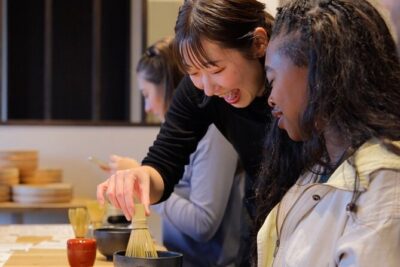
Matcha Making Class in Tokyo with Authentic Japanese Sweets Set
Read our review →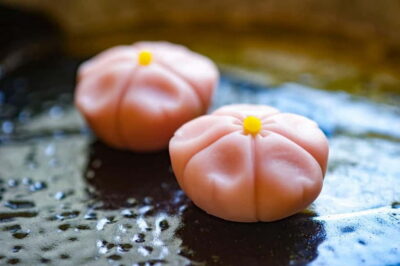
Matcha Making Experience with Mochi Sweets in Asakusa
Read our review →
Make Traditional Nerikiri Sweets & Matcha experience in Shibuya
Read our review →
Private Mochi Sweets Making class near Shibuya area
Read our review →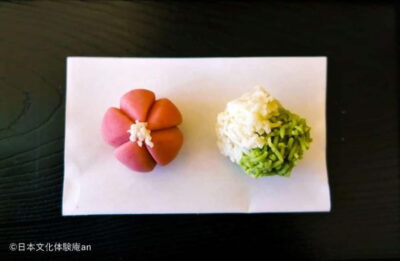
Japanese Traditional Sweets making and Tea Ceremony
Read our review →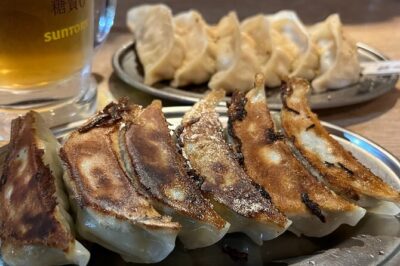
Tokyo Local Food Tour: Noodles, Skewers, Dumplings, Sweets
Read our review →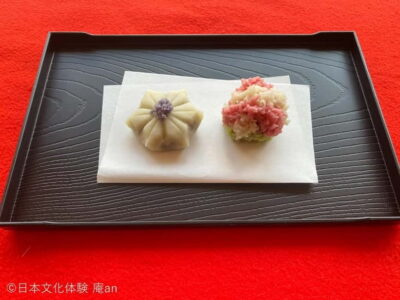
Two Types of Japanese Sweets Making and Tea Ceremony
Read our review →
Mochi Matcha Gluten Free Japanese Sweets Class near Shibuya area
Read our review →Browse the lists this tour appears in