
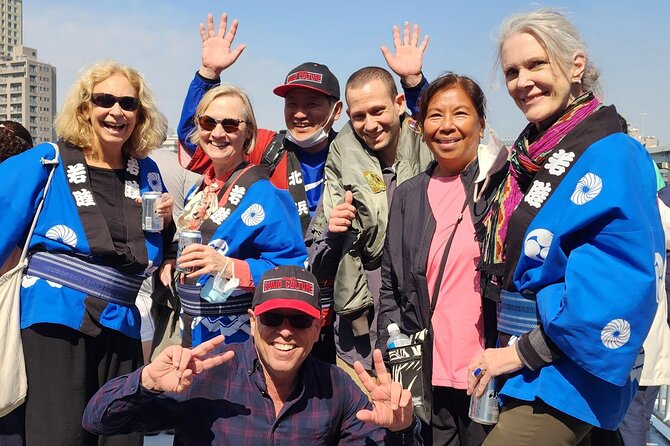
Reviewed · TOKYO SUMO EXPERIENCES
Tokyo – Grand Sumo Tournament
The most exciting part is simple: you get to see professional sumo in Japan, where a match can feel as much like a sacred ceremony as a sporting event. At Tokyo’s Ryogoku Kokugikan, the ring, rituals, wrestlers, and crowd give this ancient sport a pulse that television cannot match.
I like the guaranteed admission and the chance to watch Japanese fans treat sumo with the passion of a major league game. I also like the option to pay more for upgraded seats, especially if this is a once-in-a-lifetime visit. The main caution is the unclear format: the current details describe a ticket-only tournament, while some past descriptions and experiences involved guides, temples, training demonstrations, and cultural walks.
Key points before you book
- Professional sumo in Ryogoku: Tokyo’s tournament takes place at Ryogoku Kokugikan, the country’s best-known sumo venue.
- Specific 2026 dates: Tokyo runs January 11 to 25 and May 10 to 24. Osaka runs March 8 to 22.
- Ticket-only format: No guide, transportation, or arena escort is included in the current description.
- A lively crowd: Expect cheering, ritual, ceremony, and the energy of a major sporting event.
- Seat upgrades are available: A better seat may matter if seeing the wrestlers clearly is important to you.
- Confirm the exact product: Past bookings under related sumo offerings included Ken, Shin, Kevin, or Li, but this event is currently presented as admission only.
The sumo tournament is the real attraction
Sumo is easy to understand at first glance. Two wrestlers face each other in a small ring, and the bout may last only seconds. Yet the build-up is deliberate: formal movements, ritual gestures, the ring itself, and the intense silence before action begins.
That contrast is what makes a tournament so absorbing. One moment the arena feels ceremonial. The next, two enormous athletes collide with startling speed and force. You do not need to speak Japanese or know every rule to enjoy the basic drama. The crowd tells you when something important has happened.
I like sumo because it rewards attention to small details. The stance, the balance, the footwork, and the effort to force an opponent beyond the ring all matter. If you take time to watch the rituals instead of waiting only for the clash, the event becomes a window into Japanese sporting and religious culture.
The experience is not a staged demonstration. You are watching a real tournament with real competition. That also means the pace may not resemble a Western sporting event. There can be waiting, ceremony, and matches of very different lengths. Come ready to observe the whole rhythm of the day.
More Tokyo sumo experiences:
- Tokyo: Sumo Show and Dining Experience
★ 4.8 · 2,742 reviews - the SUMO show
★ 5.0 · 1,960 reviews - Tokyo Shinjuku Sumo Show & Experience with Photo
★ 5.0 · 1,750 reviews
What happens at Ryogoku Kokugikan
The Tokyo stop is Ryogoku Kokugikan, in Sumida City. Ryogoku is closely linked with sumo, and the arena is the natural setting for anyone who wants the sport in its proper context.
The listed meeting point is Ryōgoku Edo NOREN, near Ryogoku Station, with a 10:00 a.m. start. This is important: the meeting point is not the same thing as a guided entrance into the arena. The current terms describe a paper ticket and a ticket-only event, with no transportation and no guide.
You should plan to get yourself from the meeting point to the venue unless the operator gives you different instructions. The activity is listed at roughly two hours, though a tournament day may involve more time around the event than that simple duration suggests. Ask for the exact handoff instructions before the date, especially if you are buying an upgraded seat.
The arena itself is the main cultural setting. It is not merely a place where a match happens. Sumo spectators watch a sport wrapped in ceremony, rank, custom, and national tradition. You will see fans react strongly to the action, and the atmosphere can be surprisingly loud once a bout catches fire.
Tokyo dates, Osaka dates, and seasonal planning
The listed 2026 schedule gives you three choices:
- Tokyo: January 11 to 25, 2026
- Osaka: March 8 to 22, 2026
- Tokyo: May 10 to 24, 2026
If you want the Tokyo setting, choose January or May. The March tournament takes place in Osaka, not Tokyo, so check the city carefully before paying. The description says matches may be watched in Tokyo or Osaka depending on the date, but the particular date you select determines the venue.
January and May are both useful choices for a Tokyo itinerary because the tournament dates are fixed in advance. Still, do not assume every date offers the same seat quality or availability. This is a popular event, and the typical booking lead time is about 38 days. I would book sooner if sumo is one of your main reasons for visiting Japan.
The dates also explain why a generic sumo listing can create confusion. Sumo tournaments occur during set periods, while training, stable visits, and cultural demonstrations follow different schedules. If you want the tournament, book the date that matches the official tournament window. If you want to meet wrestlers or watch training, you are looking for a different product and should not assume this ticket provides it.
Why the crowd matters as much as the bout
The crowd is part of the show. Sumo fans cheer, react to close calls, and follow the sport with the intensity you might expect at a major baseball or football game. You are not simply sitting in a quiet hall watching a technical contest.
That public enthusiasm helps explain why sumo works so well for visitors who know little about the sport. You can read the mood of the room. A sudden roar tells you that a favorite wrestler has won, a powerful throw has landed, or a close decision has gone one way.
I also like the way a tournament gives you a glimpse of everyday Japanese enthusiasm rather than a staged cultural display. The experience is organized around a living sport. You are watching people care deeply about something that has been part of Japanese life for centuries.
The drawback is that the current offer does not promise a guide to explain what you are seeing. Without a guide, you may miss some of the meaning behind rank, ceremony, and match procedure. You can still enjoy the spectacle, but readers who want a lesson in sumo culture should consider a separate guided experience.
A completely different kind of day in Tokyo:
- Mt Fuji and Hakone 1-Day Bus Tour Return by Bullet Train
★ 5.0 · 26,383 reviews - 1-Day Tokyo Bus Tour
★ 5.0 · 14,250 reviews - Tokyo: teamLab Planets TOKYO Digital Art Museum Entry Ticket
★ 4.6 · 9,779 reviews - Mt Fuji & Hakone Cruise, Drum Show Bullet Train 1 Day from Tokyo
★ 4.0 · 7,413 reviews
The important difference between a tournament and a sumo culture tour
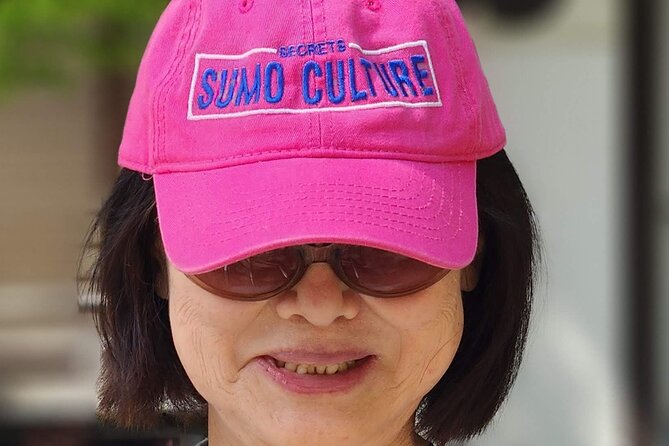
This is the point I would clarify before booking. The current experience details say:
- Admission is included.
- It is a ticket-only event.
- There is no tour guide.
- Transportation is not included.
- Upgraded seats cost extra.
- The experience lasts about two hours.
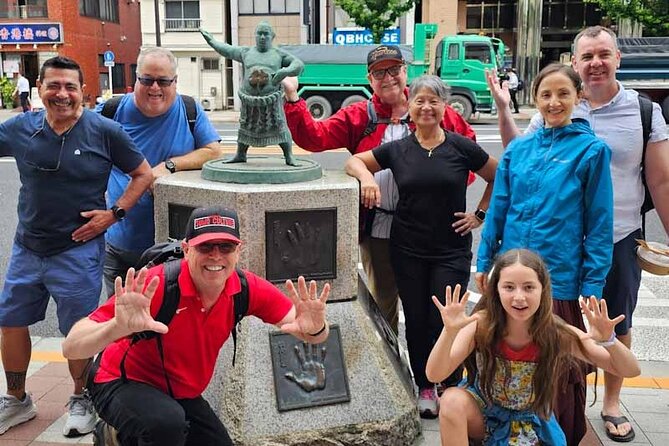
Yet related past bookings have included a very different program. Ken and Shin led cultural activities with explanations of sumo customs, Buddhist and Shinto traditions, and hands-on demonstrations. Other accounts describe Kevin guiding a longer walk through the Ryogoku district, with a shrine, Buddhist temple, garden, local sports center, Kokugikan Stadium, and a meal afterward.
Some participants also met a professional sumo athlete, watched training, or tried basic sumo moves. One account describes a trainer named Li, while other experiences mention Ken or Shin taking part in demonstrations. Those elements may be appealing, but they are not the same as attending the grand tournament.
I would not book this ticket expecting a stable visit, a training session, a temple stop, a museum tour, lunch, or a chance to wrestle with a professional. Those activities appeared in other sumo offerings or in earlier versions of the experience. The current details point to admission only.
This distinction also explains why expectations have sometimes gone badly wrong. A visitor seeking a tournament may be pleased with a paper ticket. Someone expecting to see wrestlers train inside a stable may feel misled if the booking supplies only a cultural walk or an outdoor demonstration.
Is the $565 price good value?
At $565 per person, this is an expensive way to attend a sporting event. The value depends almost entirely on the seat, the scarcity of tickets, and how important sumo is to your Japan trip.
If the price gives you a difficult-to-obtain seat during a sold-out tournament, it may be reasonable for a dedicated sumo fan. Prebooking removes the stress of trying to find tickets after arriving, and it avoids the problem of navigating Japanese ticket procedures on your own.
If the ticket is for a basic seat and you could obtain a comparable ticket through another reliable source, the price is harder to defend. Remember that transportation is not included. Neither is a guide, a meal, a temple visit, a museum visit, or a training session under the current description.
Before paying, I would ask three direct questions:
- What exact seat category does the $565 price provide?
- Is the listed two-hour event the full tournament admission or a shorter portion of the day?
- Is this definitely ticket-only, with no guide or cultural walk?
If you receive clear answers and the ticket location suits you, the convenience may be worth the premium. If the answers are vague, I would pause. A high price calls for precise details.
Paper tickets and the practical side of the visit
The ticket is described as a paper ticket. That means you should pay attention to the collection or handoff instructions. The supplied information does not explain whether the ticket is delivered at the meeting point, mailed, or transferred in another way, so confirm this before the tournament date.
The listed start time is 10:00 a.m., and the meeting point is Ryōgoku Edo NOREN. You are responsible for transportation, so allow time to reach the area and find the correct entrance or representative. The exact venue is Ryogoku Kokugikan, but the meeting point is listed separately.
Most people can participate, and service animals are allowed. The group size is capped at 20, though a ticket-only event may feel less like a guided group and more like an arranged admission. Since there is no guide, you should be comfortable managing the route and venue instructions yourself.
The experience ends back at the meeting point according to the supplied details. That wording is unusual for a ticket-only event, so I would confirm whether someone escorts you back or whether it simply refers to the meeting arrangement. Do not rely on assumptions when the event costs this much.
What you can learn from the earlier cultural format
The older or related cultural format can still help you decide what kind of sumo experience suits you. Ken has been praised for explaining the sport and sharing personal stories. Shin has also hosted demonstrations and helped explain the cultural side of sumo.
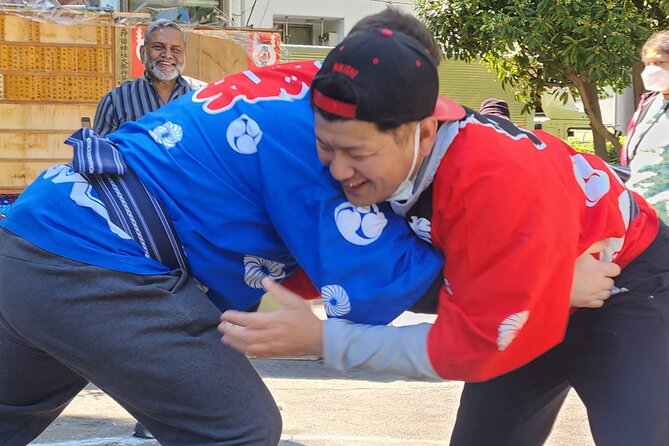
Some programs included basic sumo movements and a chance for a participant to face a professional athlete. That can be fun, especially for families or anyone who wants a hands-on lesson instead of two hours in the stands. One family-oriented account describes Ken and Shin keeping children engaged and helping with lunch suggestions afterward.
Other programs focused on the wider Ryogoku area. A longer walk might include a Buddhist temple, Shinto shrine, garden, sports center, and the stadium exterior. This format gives you more context, but it is not a substitute for sitting inside a live tournament.
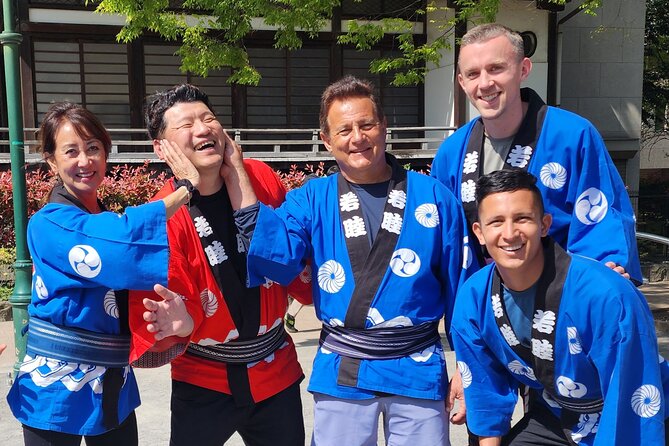
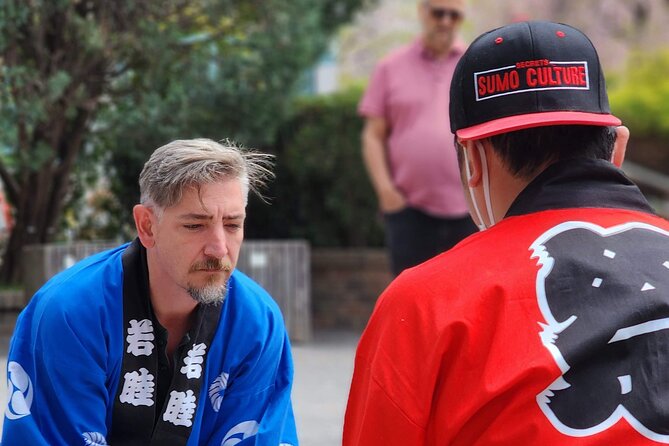
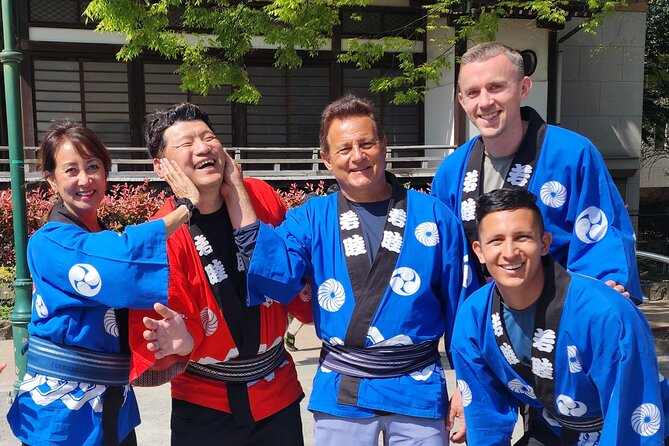
The lesson is practical: decide if you want spectator excitement or cultural instruction. The former belongs to this tournament ticket. The latter may belong to a separate sumo culture tour. Do not choose based only on photographs that show wrestlers training or people in sumo clothing.
Who will enjoy this most
I would recommend this event to you if sumo is high on your Japan wish list, you want a live sporting atmosphere, and you are comfortable making your own way around Tokyo. It also suits visitors who prefer a direct experience without a long walking tour or extended lecture.
Families may enjoy it, but the two-hour description does not tell you how much of the event involves waiting or ceremony. Younger children who need constant action may find the formal stretches slow. Older children and teenagers who enjoy sports, strength, or unusual cultural traditions may get much more from it.
It is less suitable for you if you need extensive explanations in English, hotel pickup, or a host to manage every step. The current details specifically say there is no guide and no transportation.
It is also a poor choice if your main goal is to see a training stable. A tournament arena and a stable are different places, and this ticket does not promise stable access.
My booking advice
I would book this for the live tournament, not for the extra cultural material associated with some earlier versions of the experience. The strongest reasons are the chance to watch professional sumo in Tokyo, the lively crowd, and the convenience of having admission arranged in advance.
I would first confirm the seat and the meeting procedure. At $565, you deserve to know exactly where you will sit and what happens after you meet at Ryōgoku Edo NOREN. I would also confirm that the date is in Tokyo if Tokyo is essential to your plans.
If the operator confirms a good seat and clear ticket delivery, this can be a memorable addition to a Japan itinerary. If you are hoping for Ken, Shin, Kevin, or Li to guide you through sumo customs, visit a temple, or arrange wrestler training, choose a separately described cultural tour instead.
FAQ
Where does the Tokyo sumo tournament take place?
The Tokyo event takes place at Ryogoku Kokugikan in Sumida City, Tokyo.
What are the Tokyo tournament dates in 2026?
The Tokyo tournaments are scheduled for January 11 to 25, 2026, and May 10 to 24, 2026.
Is there also a sumo tournament in Osaka?
Yes. The listed Osaka tournament runs from March 8 to 22, 2026.
Is transportation included?
No. Transportation is not included, so you must arrange your own way to and from the event.
Is a tour guide included?
The current description says this is a ticket-only event with no tour guide.
What type of admission is provided?
Admission is included, and the experience uses a paper ticket. Upgraded seats are available for an additional fee.
Where is the meeting point?
The listed meeting point is Ryōgoku Edo NOREN, 1階, 1-chōme 3-20 Yokoami, Sumida City, Tokyo 130-0015.
What time does the activity start?
The listed start time is 10:00 a.m.
Can I cancel or change the booking?
No. The experience is non-refundable and cannot be changed for any reason.
Newly reviewed around Tokyo
- Tokyo Asakusa:Calligraphy & Make T-shirt Activity★ 5.0 · 62 reviews
- Intercity Shuttle, Tokyo to Haneda /Narita /Yokohama /Makuhari★ 5.0 · 5 reviews
- 1 Hour Travel around Tokyo with a Professional Photographer★ 5.0 · 3 reviews
- Travel Tokyo with Your Own Personal Photographer★ 5.0 · 43 reviews
- Train in Samurai Swordsmanship and Defeat the Demon in Tokyo★ 5.0 · 5 reviews
- Shuttle Van 6hr Tokyo Tour to-and-from Tokyo, Yokohama and Narita★ 5.0 · 9 reviews
- Kickboxing & Body Training with EX-Pro Fighter★ 5.0 · 4 reviews
- Traditional Japanese Knife Sharpening Class★ 5.0 · 18 reviews
Tokyo Sumo Experiences, compared.
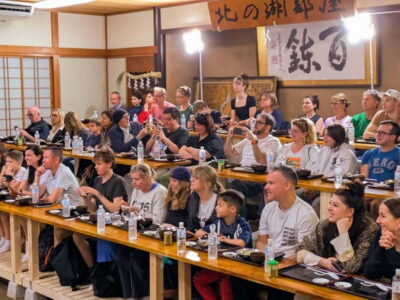
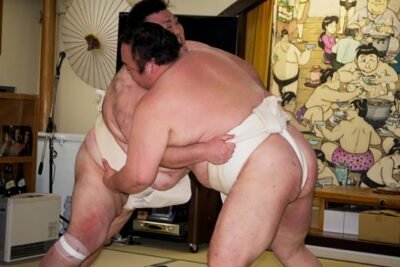
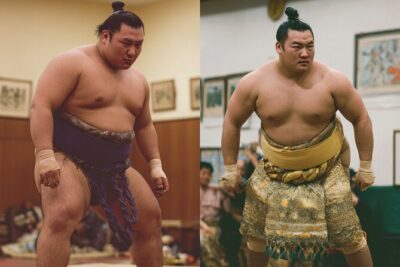
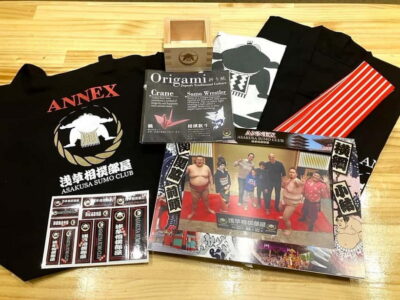
Tokyo Shinjuku Sumo Show & Experience with Photo
Read our review →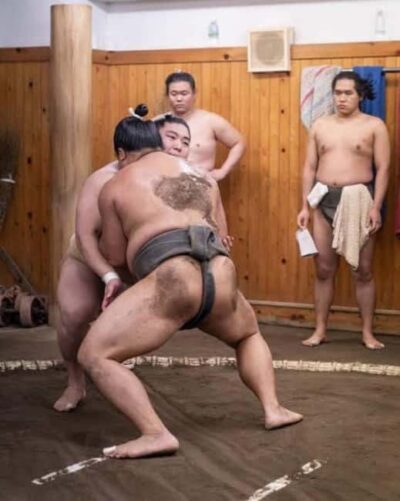
Luxury Sumo Show Experience & Japanese cuisine & Drink
Read our review →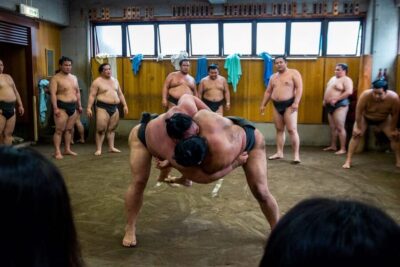
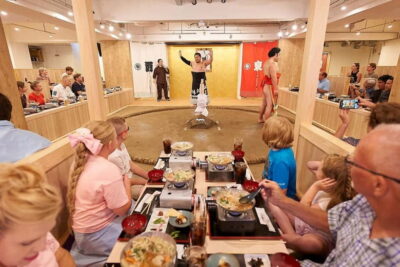
Tokyo Sumo Experience: Chanko & Mochi with a Former Pro
Read our review →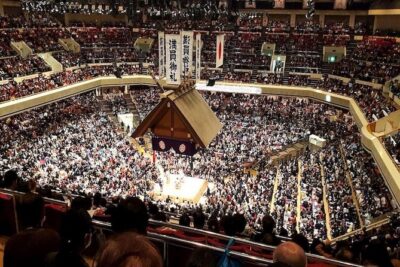
Ultimate Sumo Tournament: Tokyo, Osaka, Nagoya, Fukuoka
Read our review →Browse the lists this tour appears in