Reviewed · TOURS
Tokyo: Full Course Tour: Explore 10 Must-Sees & Hidden Gems
Tokyo can feel like several cities stitched together, and this seven-hour tour gives you a quick, useful grip on its many sides. In one day, you move from the quiet forest of Meiji Jingu to Shibuya’s famous crossing, Tsukiji’s food stalls, the Imperial Palace, Akihabara’s anime district, and old Asakusa.
I especially like two things here: the small group, limited to seven people, and the practical local guidance. Guides such as Sam, Yasuko, and Yasko explain etiquette, train travel, history, and daily life rather than simply pointing at buildings. The main caution is the pace: expect around 20,000 steps, several metro rides, and little time to linger at each stop.
What makes this Tokyo day worthwhile
- A rare city overview in seven hours: You cover central Tokyo districts that would otherwise take several days to connect.
- Free-entry sights: Shrines, temples, public areas, and historic streets cost nothing to enter, keeping the $77 price focused on guiding.
- Born-and-raised Japanese guides: Sam, Yasuko, and Yasko have been praised for clear explanations, kindness, and practical help.
- Real Tokyo contrasts: The day moves from sacred spaces and imperial stone walls to convenience stores, gaming shops, and seafood stalls.
- Small-group format: With no more than seven participants, it should be easier to ask questions and stay with the guide.
- A useful first-day plan: You learn how to use the metro, behave at shrines and temples, and choose places to revisit later.
A smart first look at Tokyo
I see this as an orientation day, not a slow sightseeing day. You will not have a long, quiet visit at every stop, but you will learn how Tokyo fits together and discover which areas deserve a return visit.
The meeting point is outside the JR Yoyogi Station West Exit, outside the ticket gates. This is important: the group leaves on time, and a late arrival cannot join. I would arrive early enough to find the correct exit, especially if you are still learning Tokyo’s station system.
The day uses the metro and walking rather than a private vehicle. That is a strength because you experience the city as residents do, but you pay the fares separately. Allow about ¥1,500, or roughly $10, for metro and JR travel. A pre-charged Suica, Pasmo, or Icoca card is required.
Other Tokyo days people book alongside this one:
- Mt Fuji and Hakone 1-Day Bus Tour Return by Bullet Train
★ 5.0 · 26,383 reviews - 1-Day Tokyo Bus Tour
★ 5.0 · 14,250 reviews - Tokyo: teamLab Planets TOKYO Digital Art Museum Entry Ticket
★ 4.6 · 9,779 reviews
Yoyogi, convenience stores, and Meiji Jingu
Starting with a Seven-Eleven may sound odd beside Tokyo’s famous shrines, but I like the choice. Convenience stores are part of everyday Japanese life, and a quick stop helps you understand why konbini shops are more than places to buy drinks. You can see the range of snacks and daily essentials that make them so useful.
Do not expect a full food tasting here. Food and drinks are not included, and you will need cash for some purchases. Still, this small stop adds local context that a landmark-only tour would miss.
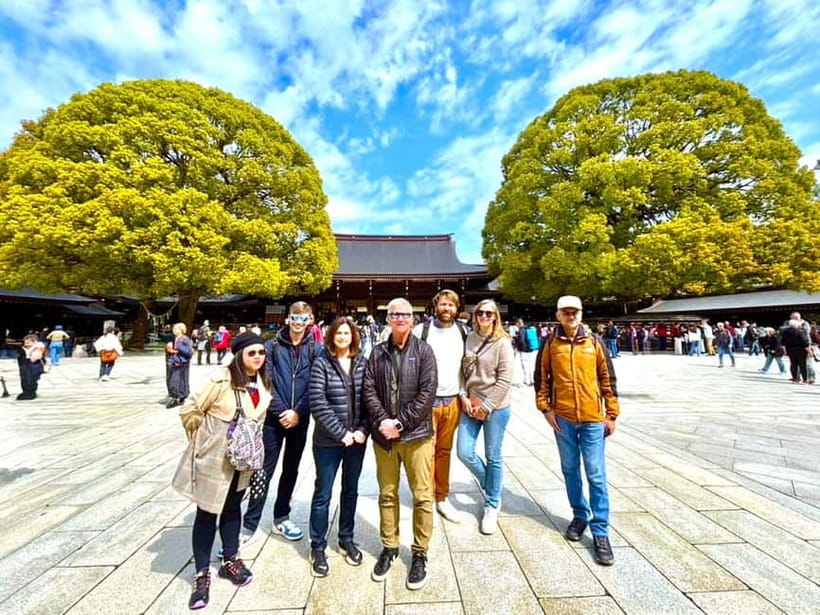
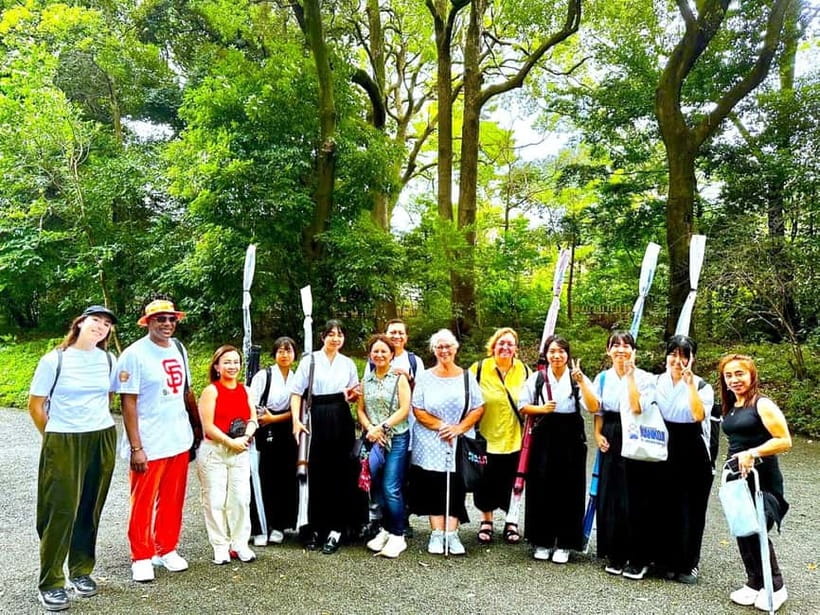
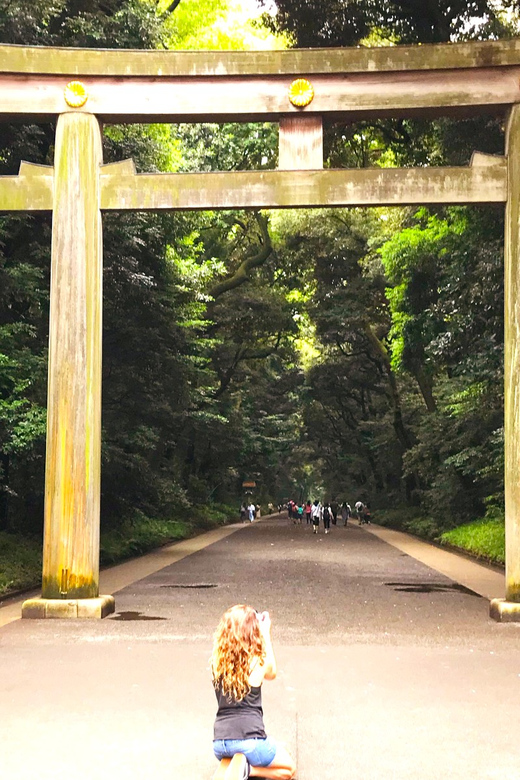
From there, Meiji Jingu offers a sharp change of mood. Its broad forest setting feels far removed from nearby Harajuku and Shibuya. You will learn basic shrine manners and get an introduction to Shinto practice while walking through one of Tokyo’s best-known sacred spaces.
The visit is free, which helps keep the tour’s overall cost reasonable. Your time here may be shorter than you would choose on an independent visit, so note the route and consider returning later if the forest and shrine appeal to you.
Shibuya’s Hachiko and famous crossing
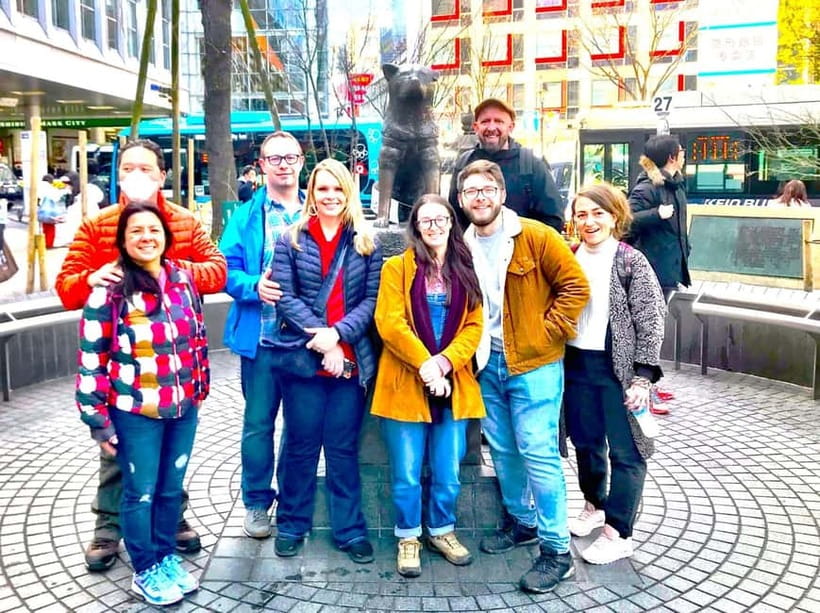
The next section brings you into modern Tokyo. At Hachiko, the guide explains the true story of the loyal dog whose statue became a popular meeting place. The stop is brief, but it gives you a human story amid one of the city’s most crowded districts.
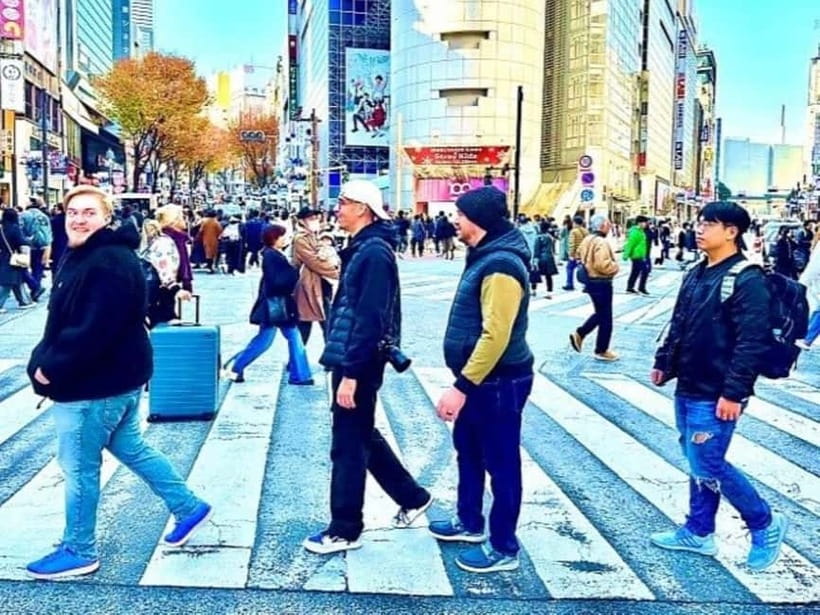
Then comes Shibuya Scramble Crossing. You will cross with the crowds and see the intersection from street level. It is an easy place for photographs, though the experience can feel quick because the tour has many more stops ahead.
I like the contrast between Meiji Jingu and Shibuya. Within a short metro ride, you move from quiet religious grounds to giant screens, department stores, and streams of pedestrians. That contrast is one reason this route works well early in your Tokyo stay.
Your guide also helps explain how to move around the district without getting lost. This is practical help, not just background information. Guides such as Yasuko have been praised for answering questions and helping people understand where they are at each stage of the day.
Tsukiji Honganji and lunch at the Outer Market
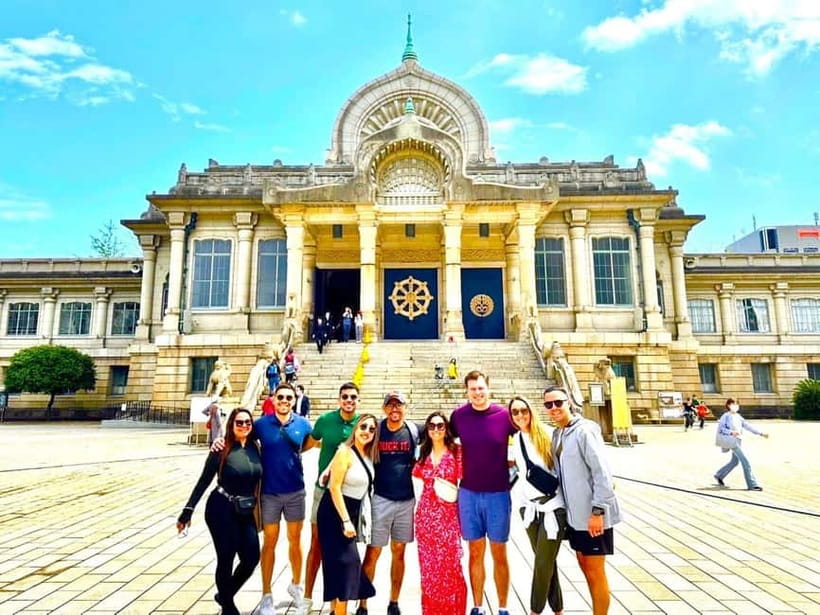
Tsukiji brings the strongest food focus of the day. First, Tsukiji Honganji Temple gives you an unexpected architectural stop. Its Indian-inspired exterior and stained glass make it unlike the traditional wooden temples many people expect in Tokyo.
The temple visit is free and does not take much planning. I would pay attention to the guide’s explanation here because the building’s unusual appearance is easy to appreciate but harder to understand on your own.
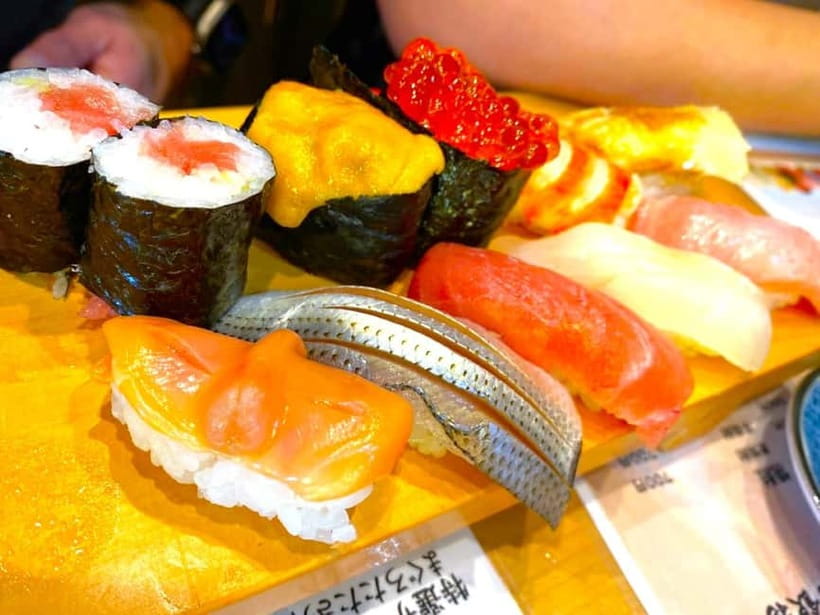
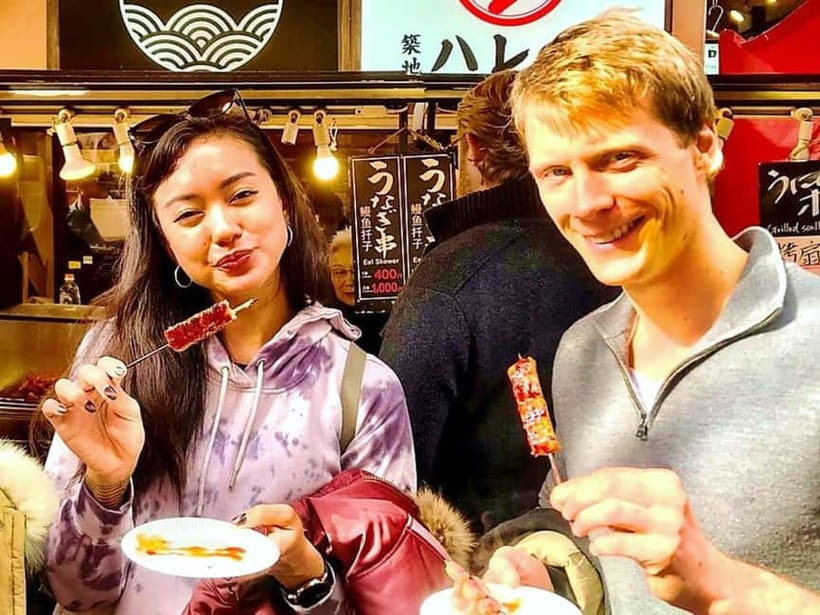
Next, you explore Tsukiji Outer Market, often called Japan’s Kitchen. The market is a good place to see seafood, Wagyu, snacks, and local specialties close up. Lunch takes place here, but it is not included in the tour price. Vegetarian and vegan choices are available, which makes the stop more flexible than a seafood-only market visit.
Bring cash. Some market shops and small food counters accept cash only, and the tour specifically advises carrying Japanese yen. Also remember that the market is an active working area, not simply a display for sightseers. Stay with the guide and be considerate around shop fronts and food stalls.
This is one place where the pace may frustrate you if you want to browse every counter. The benefit is that you receive suggestions for both famous restaurants and less-publicized local places, then you can return for a longer meal later.
A completely different kind of day in Tokyo:
- Mt Fuji & Hakone Cruise, Drum Show Bullet Train 1 Day from Tokyo
★ 4.0 · 7,413 reviews - Tokyo: Shinjuku Food Tour (13 Dishes at 4 Local Eateries)
★ 5.0 · 6,603 reviews - Tokyo Mt Fuji 5th St & Hakone Cruise Bus Tour w/Bullet Train
★ 4.4 · 5,024 reviews - Flagship 2-Hours Official Street Go-Kart Tour – Tokyo Bay Shop
★ 5.0 · 4,974 reviews
The Imperial Palace and Marunouchi
The route then shifts from food and street life to Japan’s political and imperial center. At the Imperial Palace, you walk around areas connected with the former Edo Castle and see the large stone walls. The tour does not promise entry into restricted palace buildings, so think of this as an exterior and grounds visit.
The value here is historical scale. The stonework and open grounds help you picture old Edo while modern Tokyo rises around it. Your guide places the site in the story of the city rather than treating it as a photo stop.
Marunouchi adds the modern side. Sleek office towers sit near the palace grounds, and the walk shows how Tokyo places old authority and new business close together. This section may appeal to you if you enjoy city design and the way districts change from one block to the next.
The route also reaches Tokyo Station, with its distinctive red-brick exterior. It is both a historic landmark and one of the city’s major transport hubs. You will not simply see a station from the platform. The stop helps connect Tokyo’s past with its present role as a national rail center.
Akihabara and Tokyo’s pop culture
Akihabara changes the subject again. Known as Electric Town, the area is associated with anime, gaming, electronics, and Japanese pop culture. This is an important inclusion because Tokyo is not only temples and imperial sites.
The tour gives you an introduction to the district rather than promising a long shopping session. That distinction matters. If you want to search for particular games, figures, electronics, or collectibles, you will need a separate visit with more time.
I like this stop for first-time visitors who might otherwise see Tokyo only through its traditional landmarks. The guide can explain why Akihabara matters to Japanese popular culture and point out areas worth revisiting. It also helps you understand that the city’s identity includes both old religious customs and highly modern entertainment districts.
Sensoji and Asakusa’s older Tokyo
The final major section takes you to Asakusa, home of Sensoji, Tokyo’s oldest temple. You approach through Kaminarimon Gate, one of the city’s most recognizable entrances, and walk toward the temple precinct.
Sensoji can be crowded, but the tour gives you a clear introduction to the layout and religious importance of the site. The guide explains how to behave respectfully and helps you make sense of what you are seeing.
Asakusa Shrine sits within the Sensoji area and offers a quieter Shinto counterpoint. Its connection to the larger temple grounds gives the guide a chance to explain the difference between Buddhist and Shinto traditions. That kind of comparison is much easier to understand on location than from a guidebook.
Asakusa is a fitting end because it brings together old Tokyo, local worship, gates, streets, and traditional atmosphere. Still, this is another stop where you may want to return. Seven hours and up to ten major attractions leave little room for a slow wander through every side street.
What the guide adds to the day
The guide is the main reason to choose this tour instead of copying the route yourself. Tokyo’s rail system is efficient, but the stations can be confusing, and the city’s districts are spread out. A local guide saves time and keeps the day moving.
The guides associated with this experience include Sam, Yasuko, and Yasko. Sam has been singled out for making the day a strong introduction to Tokyo and for using an iPad with slides to explain the city. Yasuko has been praised for her patience, positive attitude, maps, and willingness to answer questions. Yasko has also been described as kind, helpful, and good at explaining each area.
Your guide also covers daily customs. You can expect advice about public transport etiquette, shrine and temple behavior, Japanese values, and ordinary local life. This is especially useful if you have just arrived and are unsure about train manners, cash payments, or how to approach a sacred site.
The group limit of seven makes this more personal than a large coach tour. You can ask questions, but remember that the guide cannot leave the group to search for someone who wanders off. Staying close is part of making the schedule work.
The real price and the real physical effort
The tour costs $77 per person. Since the listed attractions are free to enter, the price mainly pays for the guide, planning, explanations, and the convenience of connecting many districts in one day.
You should add about $10 for transport, plus lunch, snacks, and drinks. The total remains reasonable if you value a well-organized orientation day, particularly on a short visit or airport stopover. If you already know Tokyo well and prefer slow independent sightseeing, the price may feel less useful.
The physical demand is not minor. The instructions call for about 20,000 steps, comfortable sports shoes, and clothing that allows easy movement. High heels are not suitable, and large luggage, strollers, and baby carriages are not allowed.
This is not a good choice for people with mobility problems, back problems, low fitness, or pregnancy. Children under 13 are not accepted on the group tour, and anyone under 18 must be with an adult. The tour is also not suitable if you have a cold or are intoxicated.
Rain does not automatically stop the outing. Bring an umbrella or raincoat, since the route continues in wet weather. That is worth considering during Tokyo’s rainy periods.
Who should book this Tokyo tour?
I would choose this tour if you have one full day, a short stay, or want help on your first day before exploring alone. It is also a good match if train travel makes you nervous or if you want cultural explanations that go beyond dates and building names.
The route suits active people who enjoy changing districts and do not mind a brisk schedule. It works particularly well for someone who wants to identify favorite areas for later visits. You may leave with a list of places to revisit rather than a slow, detailed understanding of every stop.
I would skip it if your priority is food tasting, shopping, or photography at a relaxed pace. Lunch is extra, the market is not a guided feast, and the many stops mean limited free time. I would also avoid it if 20,000 steps sounds tiring or if you need a wheelchair-friendly itinerary.
FAQ
How long does the Tokyo full-course tour last?
The tour lasts seven hours.
How much does the tour cost?
The listed price is $77 per person. Metro and JR fares, estimated at about ¥1,500 or $10, are not included.
Are entrance fees included?
All attractions on the route are free to enter. Food, drinks, transportation, and any other entrance fees are not included.
Where does the tour meet?
The meeting point is outside the JR Yoyogi Station West Exit, outside the ticket gate. The address is 1-chōme-34 Yoyogi, Shibuya City, Tokyo 151-0053.
How many people can join the group?
The group is limited to seven participants.
What should I bring?
Bring comfortable shoes, easy-to-move clothing, cash, and a pre-charged Suica, Pasmo, or Icoca transportation card. You should also bring rain gear because the tour continues in rainy weather.
Is the tour suitable for children or people with mobility issues?
Children under 13 are not suitable for the group tour, and anyone under 18 must be accompanied by an adult. The tour is not suitable for pregnant people, wheelchair users, people with back problems, people with a cold, or anyone with a low level of fitness.
Should you book it?
Book this tour if you want a fast, guided introduction to Tokyo with strong cultural context and practical train help. The biggest strengths are the local English-speaking guides, the small group, the free-entry route, and the wide range of districts covered.
Skip it if you want long meals, leisurely temple visits, or a low-effort day. For an energetic first look at Tokyo, though, $77 plus transport and food is a fair price for seeing the city’s major contrasts in a single day.
Newly reviewed around Tokyo
- Ueno and Yanaka Culture Art Walking Tour in Old Tokyo★ 5.0 · 5 reviews
- Sumo Training Watching Experience in Tokyo★ 4.5 · 8 reviews
- Giant Sushi Cooking Class: Make a 1.5m Sushi Roll in Tokyo★ 5.0 · 9 reviews
- 2 Hours Mochi &Nerikiri Making & Matcha Class in Bunkyo★ 5.0 · 21 reviews
- Japanese Sweets (Mochi & Nerikiri) making at a Private studio★ 5.0 · 22 reviews
- Mt Fuji and Kawaguchiko Private Tour★ 5.0 · 10 reviews
- Half-Day Local Tokyo Tour in Adachi Market and Shibamata★ 5.0 · 16 reviews
- Private Full-Day Tour of Tokyo with Hotel Pickup★ 5.0 · 3 reviews
Tours, compared.
Mt Fuji and Hakone 1-Day Bus Tour Return by Bullet Train
Read our review →
Shinjuku Food Tour (13 Dishes at 4 Local Eateries)
Read our review →
Tokyo Mt Fuji 5th St & Hakone Cruise Bus Tour w/Bullet Train
Read our review →
Flagship 2-Hours Official Street Go-Kart Tour – Tokyo Bay Shop
Read our review →
Mt. Fuji Tour, Hakone Ropeway, Owakudani, Lake Ashi
Read our review →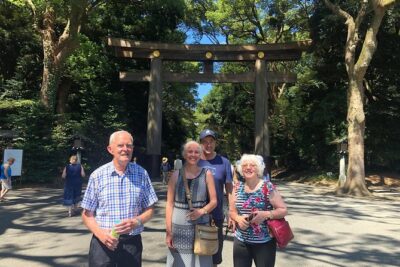
Tokyo 6hr Private Tour with Government-Licensed Guide
Read our review →