Reviewed · GUIDED
Tokyo: Custom Hidden Gems & Highlights Tour with Local Guide
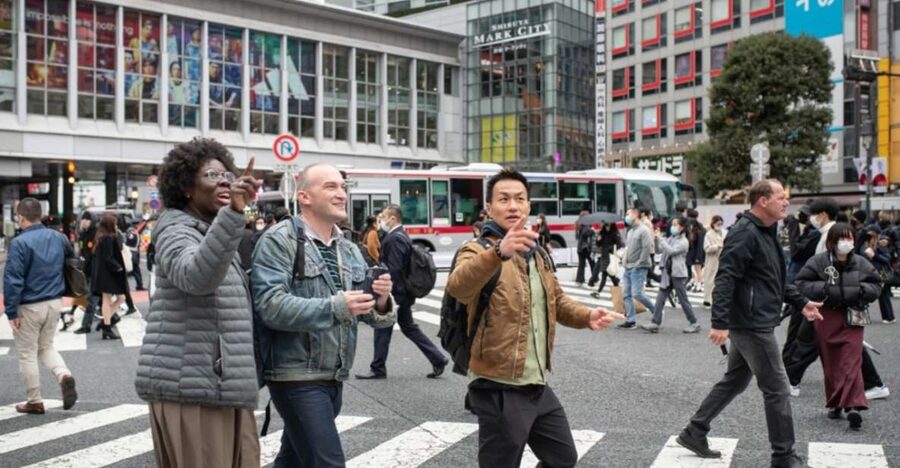
Tokyo rewards curiosity, and this private walking tour gives you room to follow yours. Your host might lead you through historic Yanaka, explain a tucked-away shrine, or shape the day around anime, manga, fashion, gardens, food, or local customs. You are not locked into a fixed route.
I like the personal planning and the practical help. The pre-tour questionnaire lets you name your interests, while guides such as Martina, Kento, Yohei, and Kay have helped visitors cover favorite districts, find less obvious places, and handle Tokyo’s train system. I also like the freedom to change plans for rain, energy levels, or a sudden interest in a side street.
The main catch is that this is a walking tour, not a private car tour. Tokyo is enormous, so ambitious plans may require trains or taxis at your own cost. Six or eight hours can also feel long if you try to cross too much of the city on foot.
Key points to know before booking
- Your itinerary begins with your interests: The questionnaire helps match you with a host and shape the day around what you want to see.
- The route can change during the tour: Guides have adjusted plans for rain, crowded sights, and last-minute requests.
- You can choose two to eight hours: A short session works for a neighborhood or layover, while a full day allows several districts.
- Local advice is part of the value: Guides can explain customs, suggest places to eat, and show you how to use Tokyo’s train system.
- Transport is extra: Public transit or taxis may be needed between districts, and you pay those costs separately.
- It suits private groups: You explore with your own host rather than joining a large sightseeing group.
A Tokyo tour that starts with you, not a fixed route
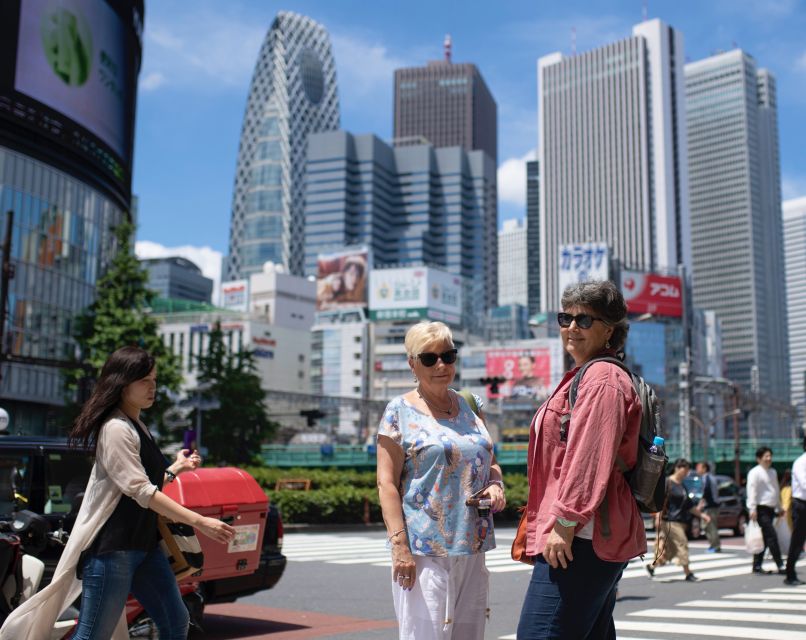
Many city tours ask you to fit into the guide’s schedule. This one reverses the arrangement. You first describe your interests, pace, and personality, then your host suggests a plan.
That matters in Tokyo because the city is spread across many distinct areas. A first-time visitor interested in temples and gardens needs a different day from someone focused on anime, manga, fashion, or street food. The private format lets you avoid spending half a day at places that do not interest you.
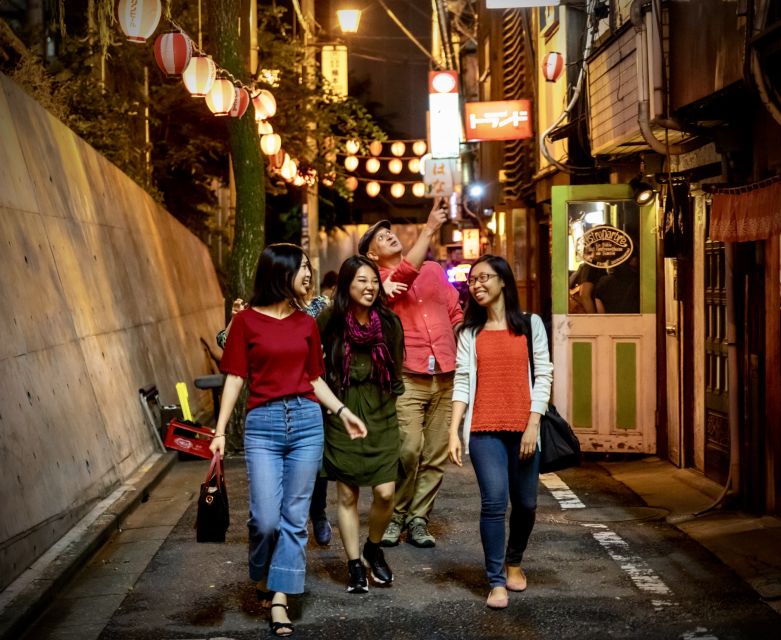
Your host may suggest historic Yanaka for old lanes, temples, and a quieter feel. Another route might pair Asakusa with nearby traditional sights, then move toward a modern district. Someone interested in pop culture may prefer Akihabara or Harajuku. The exact plan is not fixed in advance, so you should be clear about your priorities before the day begins.
The questionnaire is useful, but direct communication after booking matters just as much. Use it to explain what you want to see, how much walking suits you, and if you prefer a packed schedule or a slower pace.
More guided tours in Tokyo:
- Tokyo 6hr Private Tour with Government-Licensed Guide
★ 5.0 · 3,902 reviews - Tokyo: Shinjuku Local Bar and Izakaya Guided Walking Tour
★ 4.9 · 1,794 reviews - Tokyo: Private City Highlights Tour with Local Guide
★ 4.8 · 1,433 reviews
What a two-hour visit can realistically cover
Two hours is the shortest option. I would treat it as a focused introduction, not a city tour.
Choose one neighborhood or one clear theme. A short visit might center on Asakusa, a walk through Yanaka, or an introduction to Harajuku fashion. You can also use the time to get comfortable with Tokyo’s rail system and ask for suggestions for the rest of your stay.
A past visitor used a two-hour session in Harajuku to explore kawaii fashion and Takeshita Street. The guide also showed the contrast between the crowded youth shopping area and nearby luxury stores, then explained how to continue alone and where to look for seasonal blossoms.
That is a good model for a short booking. You get context, orientation, and a practical start, rather than trying to cram in five far-apart districts.
Two hours can also work well during a long layover. One visitor with a 12-hour stop used a short private tour to see sumo-related sights and less obvious parts of Tokyo. The key is to keep the plan tight and allow time for transport to and from the meeting point.
Four to six hours for a useful first look
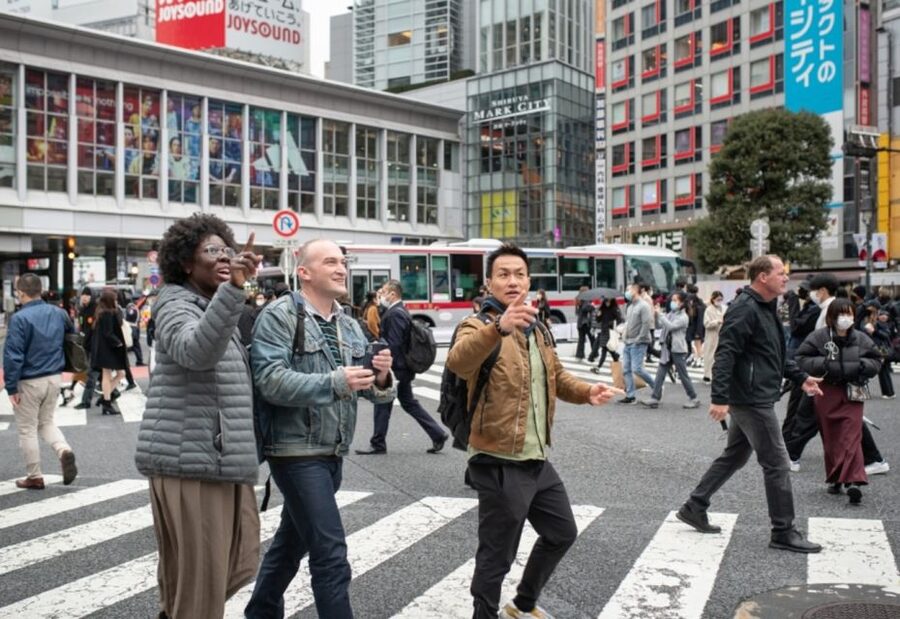
A four- or six-hour tour gives you more breathing room. You can combine a major sight with a less visited neighborhood, or spend longer talking with your host about Japanese customs and daily life.
Several guides have used this time to cover a family’s priority list at a comfortable pace. One group saw a museum, shrine, temple, skyline, fashion street, and a restaurant in one day. Another visitor covered nearly everything on a personal wish list in six hours.
Still, Tokyo’s size can fool you. Two places that look close on a map may be separated by a train ride, a large station, and a long walk through underground passages. Your host can help, but you should not expect six hours to provide a relaxed visit to every famous district.
I would choose four hours for one or two connected areas. Six hours makes sense if you want a broad introduction and practical help with trains. Tell your host which stops matter most, then let less important additions go if the pace starts to feel rushed.
An eight-hour day for travelers with a clear plan
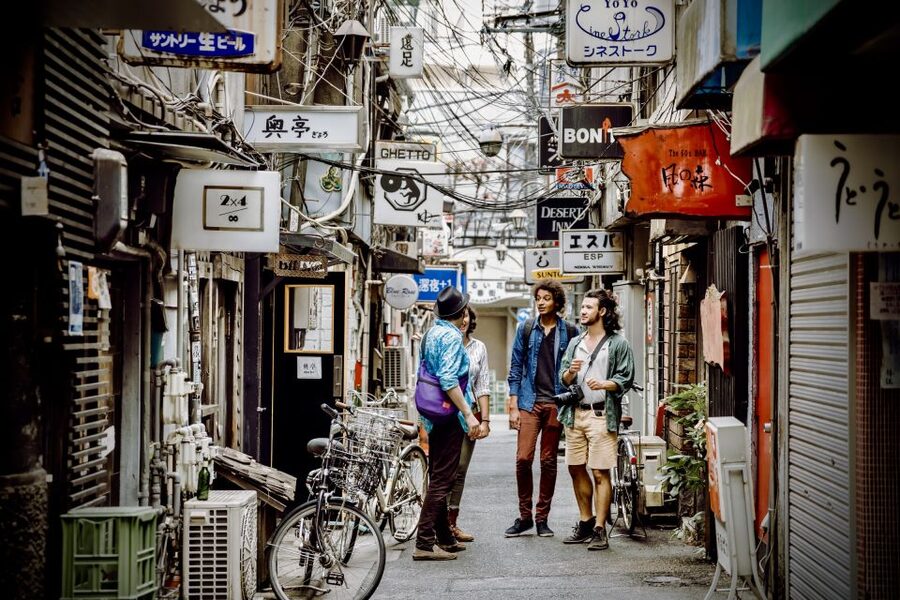
The eight-hour option is the closest thing here to a private day in Tokyo. It can work well for a first visit when you want both orientation and sightseeing, or for a family that needs help balancing different interests.
Past tours have combined temples, city views, shopping streets, food stops, and neighborhood walks. Guides have also offered suggestions for the next few days, which can make the rest of your visit easier.
The danger is overplanning. One visitor noted that six hours was too long for a walking day in poor weather and that a shorter route in one area would have been better. Another described covering a great deal of ground in one day, but that kind of pace will not suit everyone.
Ask for a sensible route, not a checklist. A good day might include two or three connected areas with train transfers between them. It should also leave room for a drink, a snack, a quiet shrine, or a change of plan.
A completely different kind of day in Tokyo:
- Mt Fuji and Hakone 1-Day Bus Tour Return by Bullet Train
★ 5.0 · 26,383 reviews - 1-Day Tokyo Bus Tour
★ 5.0 · 14,250 reviews - Tokyo: teamLab Planets TOKYO Digital Art Museum Entry Ticket
★ 4.6 · 9,779 reviews - Mt Fuji & Hakone Cruise, Drum Show Bullet Train 1 Day from Tokyo
★ 4.0 · 7,413 reviews
The neighborhood choices that make this tour worthwhile
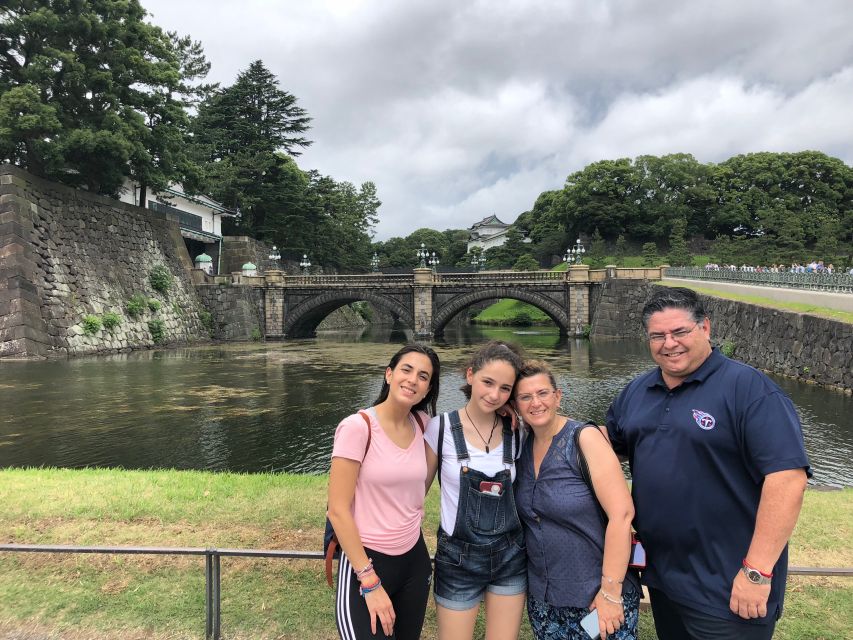
The tour description points to several types of Tokyo experience rather than a guaranteed list of stops. That is a strength, as long as you understand the route is personal.
Yanaka is a strong choice if you want old Tokyo atmosphere, small streets, temples, and a slower pace. It offers a different side of the city from the tall buildings and major shopping zones. Ask your host to explain what survived and what changed, rather than simply walking past the sights.
Asakusa is the standard meeting area when hotel pickup is not arranged. The meeting point is the Asakusa Culture Tourist Information Center at 2-chōme-18-9 Kaminarimon, Taito City. It is practical for a first meeting and gives you an easy starting point for traditional Tokyo sights.
Harajuku suits visitors interested in youth fashion, unusual shops, and the contrast between energetic Takeshita Street and more polished shopping nearby. The guide can add cultural context, which helps you understand the area beyond its eye-catching storefronts.
Anime and manga areas are best for visitors who already know what they want. Tell your host the titles, styles, shops, or collectibles that interest you. Kay, for example, tailored a route around anime and manga interests.
Parks, gardens, and temples suit anyone who needs a break from Tokyo’s size and noise. One visitor spent four hours visiting parks, secluded gardens, temples, and an old Himalayan cedar, ending the afternoon with a beer on the street. The point is not ticking off famous sights. It is finding a calm, personal rhythm in a huge city.
Your host is part guide, part city helper
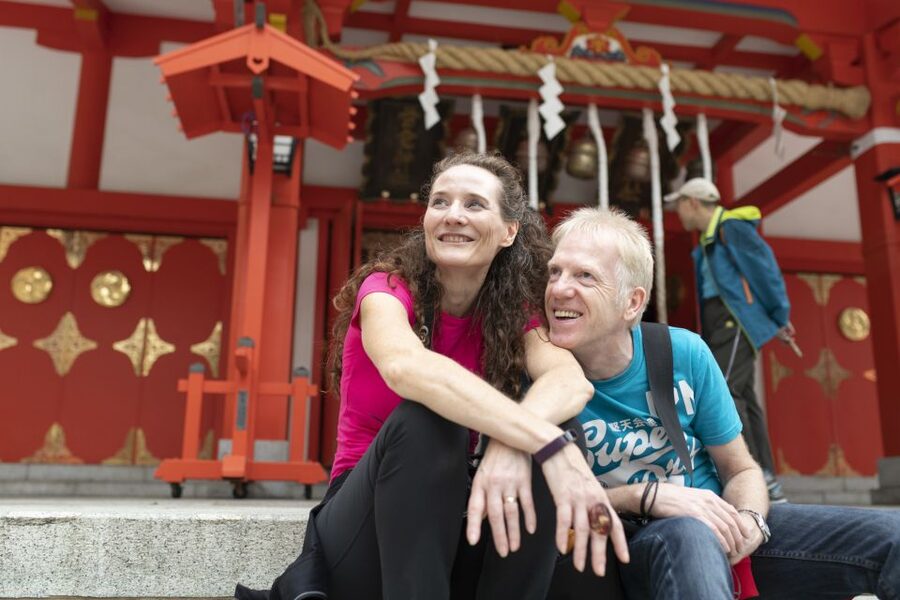
The strongest part of this experience is the human element. You are not only paying for directions. You are paying for someone to listen, adjust, explain, and help you make decisions.
That can be especially useful in Tokyo’s train stations. One guide showed a visitor how to buy tickets, choose the right line, find station exits, and navigate between points. Another visitor called a hands-on subway lesson invaluable for a first visit.
Your host may also help with a restaurant where English is limited. One guide assisted with ordering sushi and explained the meal to the diner. That kind of help can turn a place you might skip into a comfortable choice.
Guides bring different backgrounds. Yohei introduced visitors to Tokyo as a local, while Martina explained Japanese culture and showed areas they would not have found alone. Other hosts have been foreigners who have lived in Tokyo for years, offering a useful outsider’s view alongside local familiarity.
You should not assume every host has the same expertise. The questionnaire is designed to match you with someone who fits your interests, so be specific. Say if you want history, food, pop culture, nature, shopping, or practical help. Also mention your preferred language. English and Japanese are available.
Food, tickets, and transport are separate costs
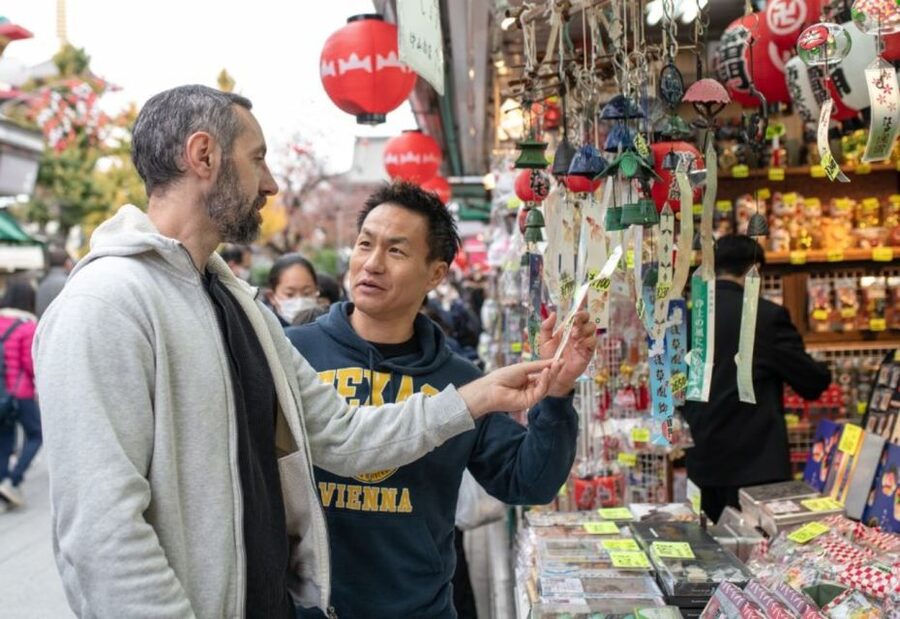
The $64 starting price is attractive for a private experience, especially if two or more people share the cost. It includes the host’s time, planning, and local guidance, but it does not include meals, drinks, attraction tickets, or transportation.
That distinction is important. The tour is mainly on foot, but Tokyo is too large for every route to remain a walk. You may take trains or local taxis between districts. Those fares are extra, and the exact cost can be discussed with your host after booking.
You also decide how much to spend on food and attractions. Your host can recommend local places, but you pay for your own meal. If you want museums, observation decks, or other paid sights, ask in advance so the route and budget are realistic.
For value, I would judge this tour by how much confusion it removes. A private host who helps you use the trains, choose areas, and avoid wasted time can be worth more than a fixed sightseeing circuit. The value is weaker if you already know Tokyo well and want only a list of famous landmarks.
Rain, crowds, and walking deserve a plan
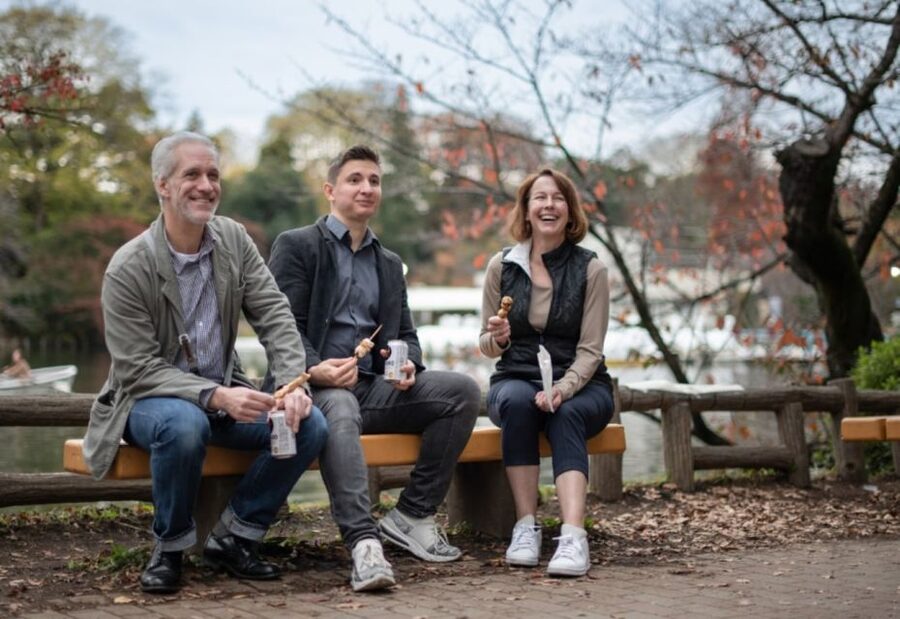
Tokyo weather can change your day. One guide adjusted a route during rain, and that flexibility is a real advantage over a rigid group excursion.
Still, the tour is not weather-proof. You will walk, wait outdoors, and move through stations. Wear comfortable shoes and tell the host if you need frequent breaks or a shorter route.
Crowds also matter. A past visitor found Sunday busy at the main sights, and another found a six-hour walking route tiring. If you want popular areas at a calmer time, discuss the day and start time with your host.
The wheelchair-accessible format is helpful, but the practical route still needs discussion. Tokyo has lifts and accessible facilities in many places, yet station layouts and older lanes can vary. Share your mobility needs before the itinerary is settled.
Who gets the most from this private experience
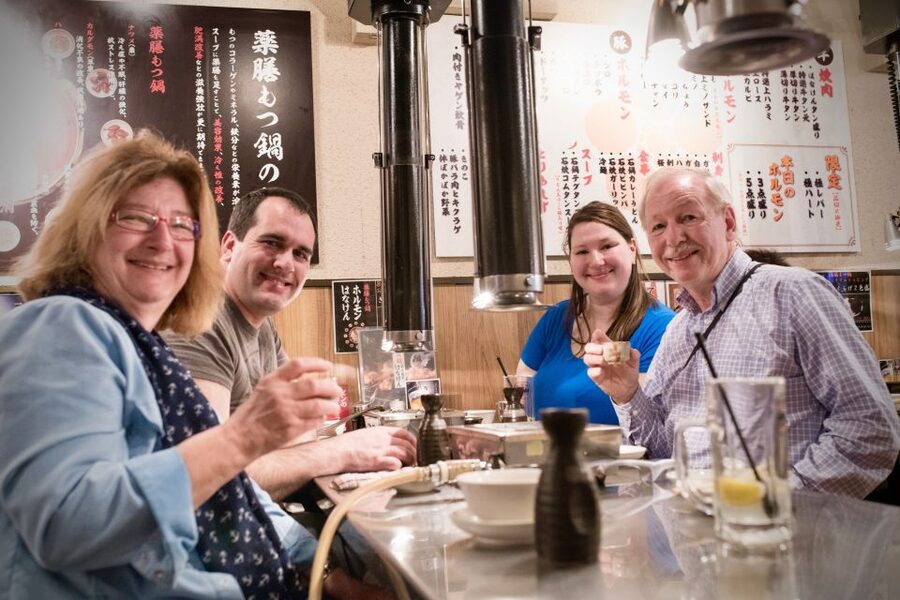
I would recommend this tour most strongly to:
- First-time visitors who feel unsure about Tokyo’s scale and rail system
- Families with different interests
- Solo visitors who want company and local guidance
- Pop-culture fans with specific anime or manga goals
- People who prefer neighborhoods and daily life over a fixed list of landmarks
- Visitors with only a few hours, including some long layovers
- Anyone who wants ideas for the rest of a Tokyo stay
It is less suitable if you want a guaranteed sequence of major attractions, a private vehicle, or a low-walking day. It is also not the best match for someone who prefers to explore completely alone and already knows how to move around the city.
Booking details worth knowing
You can choose a duration from two to eight hours and select an available start time. Hotel pickup can be arranged from a centrally located Tokyo hotel. Otherwise, meet at the Asakusa Culture Tourist Information Center.
The group is private, so the pace and conversation belong to you. English and Japanese are offered. You can cancel up to 24 hours before the tour for a full refund, and the reserve-now, pay-later option keeps your plans flexible.
Your host communicates with you after the questionnaire, which is when you should refine the plan. Do not simply write see Tokyo. Mention three priorities, one thing you do not care about, your walking comfort, and any food or accessibility needs.
Should you book the Tokyo custom tour?
Book it if you want Tokyo explained by a friendly local and need help turning a large, confusing city into a day that fits you. The strongest value comes from the flexible route, personal advice, transit help, and access to quieter corners that a standard city tour may skip.
Choose four hours for a balanced first look, two hours for one neighborhood or a layover, and six to eight hours only if you are comfortable walking and moving between districts. Keep transport and food money separate from the $64 price.
My practical advice is simple: set priorities, leave some space in the plan, and ask your host to keep the route geographically sensible. Done that way, this is not just a sightseeing walk. It is a useful introduction to finding your own way around Tokyo.
FAQ
How much does the Tokyo custom tour cost?
The listed price is $64 per person. Food, drinks, attraction tickets, and transportation are not included.
How long does the tour last?
You can choose a duration from two to eight hours, depending on availability.
Is this a private tour?
Yes. The experience is arranged for a private group with your own local host.
Which languages are available?
The tour is available with a live guide who speaks English or Japanese.
Can the itinerary be customized?
Yes. You receive a questionnaire about your interests and personality, and your host communicates with you to suggest a suitable plan.
Can the itinerary change during the tour?
Yes. The format is flexible, so your host can adjust plans for weather, your pace, or an unexpected place that interests you.
Is hotel pickup available?
Hotel pickup can be arranged from any centrally located hotel in Tokyo.
Where do I meet the guide without hotel pickup?
The stated meeting point is the Asakusa Culture Tourist Information Center at 2-chōme-18-9 Kaminarimon, Taito City, Tokyo 111-0034, Japan.
Are transportation costs included?
No. The tour is mainly on foot, but trains or local taxis may be used between areas at an additional cost.
Is the tour wheelchair accessible?
Yes, the activity is listed as wheelchair accessible. Discuss your specific route and mobility needs with your host when planning.
Newly reviewed around Tokyo
- Tokyo Asakusa:Calligraphy & Make T-shirt Activity★ 5.0 · 62 reviews
- Intercity Shuttle, Tokyo to Haneda /Narita /Yokohama /Makuhari★ 5.0 · 5 reviews
- 1 Hour Travel around Tokyo with a Professional Photographer★ 5.0 · 3 reviews
- Travel Tokyo with Your Own Personal Photographer★ 5.0 · 43 reviews
- Train in Samurai Swordsmanship and Defeat the Demon in Tokyo★ 5.0 · 5 reviews
- Shuttle Van 6hr Tokyo Tour to-and-from Tokyo, Yokohama and Narita★ 5.0 · 9 reviews
- Kickboxing & Body Training with EX-Pro Fighter★ 5.0 · 4 reviews
- Traditional Japanese Knife Sharpening Class★ 5.0 · 18 reviews
Guided, compared.
Tokyo 6hr Private Tour with Government-Licensed Guide
Read our review →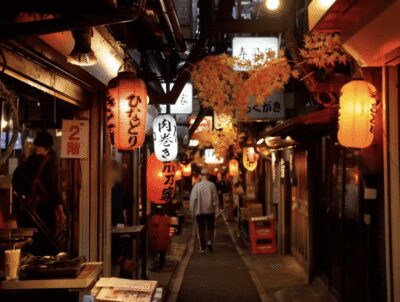
Shinjuku Local Bar and Izakaya Guided Walking Tour
Read our review →
Private City Highlights Tour with Local Guide
Read our review →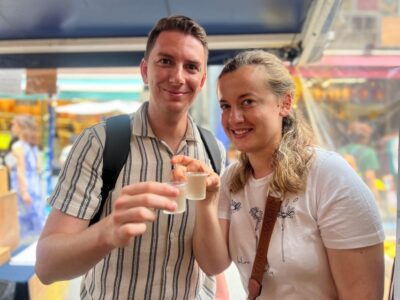
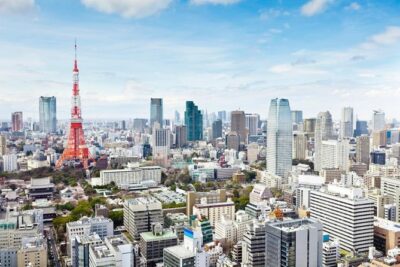
Tokyo 4hr Private Tour with Government-Licensed Guide
Read our review →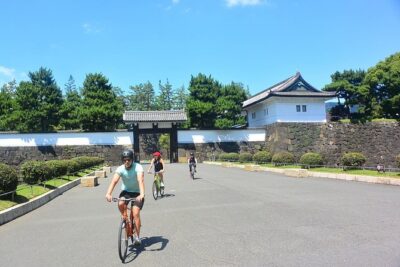
Samurai Ninja Museum Guided tour and Experience
Read our review →